1. Search Result
Search Result
Pathways Recommended: Stem Cell/Wnt Cell Cycle/DNA Damage
Results for "

muscle cell

" in MedChemExpress (MCE) Product Catalog:

460

Inhibitors & Agonists

4

Screening Libraries

1

Fluorescent Dyes

15

Biochemical Assay Reagents

43

Peptides

3

MCE Kits

4

Inhibitory Antibodies

97

Natural
Products

6

Recombinant Proteins

26

Isotope-Labeled Compounds

9

Antibodies

18

Oligonucleotides

Cat. No. Product Name Target Research Areas Chemical Structure
  • HY-13813
    Blebbistatin
    40+ Cited Publications

    Myosin Others
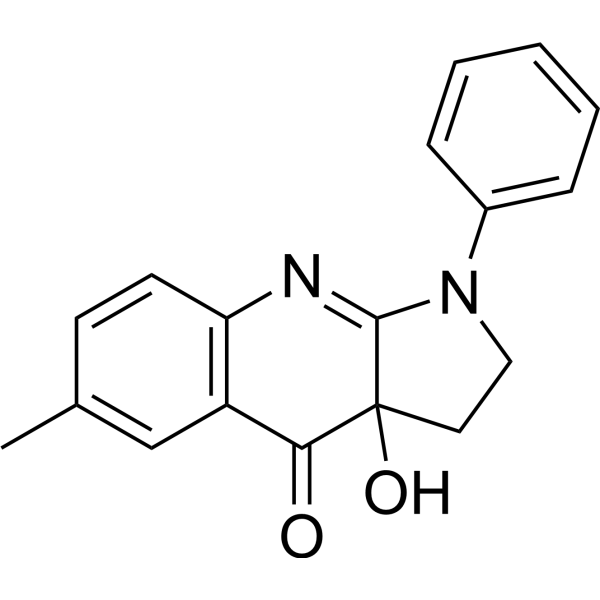
    Blebbistatin is a selective non-muscle myosin II (NMII) inhibitor, promotes directional migration of corneal endothelial cells (CECs) and accelerates wound healing, and better preserves cell junctional integrity and barrier function. Blebbistatin blocks cell migration .
    Blebbistatin
  • HY-131042
    NNMTi
    5+ Cited Publications

    Amine N-methyltransferase Metabolic Disease
    NNMTi is a potent nicotinamide N-methyltransferase (NNMT) inhibitor (IC50=1.2 μM) and selectively binds to the NNMT substrate-binding site residues . NNMTi  promotes myoblast differentiation in vitro and enhances fusion and regenerative capacity of muscle stem cells (muSCs) in aged mice .
    NNMTi
  • HY-101200

    SIN-1 chloride

    Apoptosis Autophagy Reactive Oxygen Species (ROS) Annexin A NF-κB Cardiovascular Disease Neurological Disease Inflammation/Immunology Cancer
    Linsidomine hydrochloride (SIN-1 chloride) is a spontaneous ROS/RNS generator and peroxynitrite donor. Linsidomine hydrochloride is a vasodilator and platelet aggregation inhibitor. Linsidomine hydrochloride induces oxidative stress-induced chondrocyte apoptosis and necrosis. Linsidomine hydrochloride inhibits the migration, proliferation and neointima formation of vascular smooth muscle cells by inhibiting the expression of annexin A2. In addition, low doses of Linsidomine hydrochloride shows protective effects on Zn 2+ treated nerve cells .
    Linsidomine hydrochloride
  • HY-155673
    SLU-PP-332
    1 Publications Verification

    Estrogen Receptor/ERR Metabolic Disease
    SLU-PP-332 is a pan-Estrogen Receptor/ERR agonist with EC50 values of 98, 230 and 430 nM for ERRα, ERRβ and ERRγ, respectively. SLUPP-332 enhances mitochondrial function and cellular respiration in skeletal muscle cell lines. SLU-PP-332 has the potential to study metabolic diseases as well as improve muscle function .
    SLU-PP-332
  • HY-12695
    Guanosine 5'-triphosphate trisodium
    5 Publications Verification

    5'-GTP trisodium

    Exosomes Endogenous Metabolite DNA/RNA Synthesis Metabolic Disease
    Guanosine 5'-triphosphate (5'-GTP) trisodium salt is a G protein (G proteins) signaling activator and a high-energy precursor in the biosynthesis of nucleotide units in DNA and RNA. Guanosine 5'-triphosphate trisodium salt can promote myogenic cell differentiation by upregulating miRNA (miR133a, miR133b) and myogenic regulatory factor expression, and by inducing human myogenic precursor cells to release exosomes containing guanosine molecules. Guanosine-5'-triphosphate trisodium salt holds promise for research in biosynthesis and skeletal muscle regeneration .
    Guanosine 5'-triphosphate trisodium
  • HY-12378
    BQ-123
    3 Publications Verification

    Endothelin Receptor Cardiovascular Disease
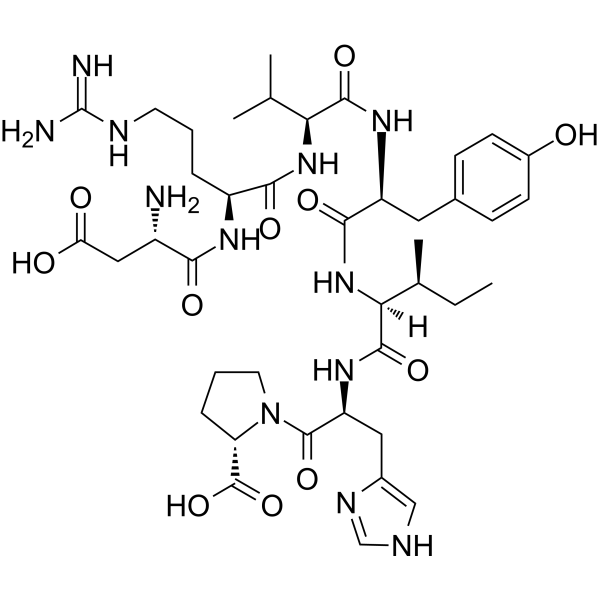
    BQ-123 is a potent and selective endothelin A (ETA) receptor antagonist with an IC50 of 7.3 nM and a Ki of 25 nM. BQ-123 inhibits endothelin-1-mediated proliferation of human pulmonary artery smooth muscle cells and lowers blood pressure in different rat models of hypertension .
    BQ-123
  • HY-N2464
    Maltotetraose
    1 Publications Verification

    Amylotetraose; Fujioligo 450; α-1,4-Tetraglucose

    TNF Receptor Endogenous Metabolite Bacterial Integrin NF-κB Cardiovascular Disease Inflammation/Immunology
    Maltotetraose can serve as a substrate for enzyme-linked assays to measure amylase activity in biological fluids. Maltotetraose has oral active, and reduces TNF-α-induced inflammatory responses by inhibiting NF-κB activity and decreasing ICAM-1 expression. Maltotetraose also inhibits PDGF-induced vascular smooth muscle cell migration and neovascularization. Additionally, Maltotetraose derivatives can function as probes for detecting bacterial infections by targeting the maltodextrin transporter. With good long-term safety, Maltotetraose holds promise for research in atherosclerosis-related diseases .
    Maltotetraose
  • HY-134575

    Apoptosis GSK-3 Others
    C24:1-Ceramide is one of the most abundant naturally occurring ceramide. Ceramides regulates many diverse biological activities, such as cell apoptosis, cell differentiation, proliferation of smooth muscle cells, and inhibition of the mitochondrial respiratory chain .
    C24:1-Ceramide
  • HY-N0252
    Catharanthine
    3 Publications Verification

    (+)-3,4-Didehydrocoronaridine

    Calcium Channel Cardiovascular Disease Neurological Disease Cancer
    Catharanthine ((+)-3,4-Didehydrocoronaridine), a constituent of anticancer vinca alkaloids, inhibits voltage-operated L-type Ca 2+ channel (VOCC). Catharanthine has IC50s of 220 μM and 8 μM for VOCC currents in cardiomyocytes and vascular smooth muscle cells (VSMCs), respectively. Catharanthine lowers blood pressure (BP), heart rate (HR). Catharanthine has anti-cancer activity .
    Catharanthine
  • HY-P1856
    Proinsulin C-peptide (human)
    1 Publications Verification

    Insulin Receptor PDGFR MAPKAPK2 (MK2) Cardiovascular Disease Metabolic Disease Inflammation/Immunology
    Proinsulin C-peptide (human) is a peptide consisting of 31 amino acids that links the A and B chains of proinsulin to ensure its correct folding. Proinsulin C-peptide (human) inhibits the high glucose-induced increase in PDGF-β receptor protein expression and the phosphorylation of p42/p44 MAP kinase. Proinsulin C-peptide (human) increases the deformability of erythrocytes derived from type 1 diabetes, inhibits insulin-induced neointimal thickening, and suppresses the proliferation of rat aortic smooth muscle cells cultured under high-glucose conditions .
    Proinsulin C-peptide (human)
  • HY-B0199A

    RS 61443 hydrochloride; TM-MMF hydrochloride

    Interleukin Related Inflammation/Immunology
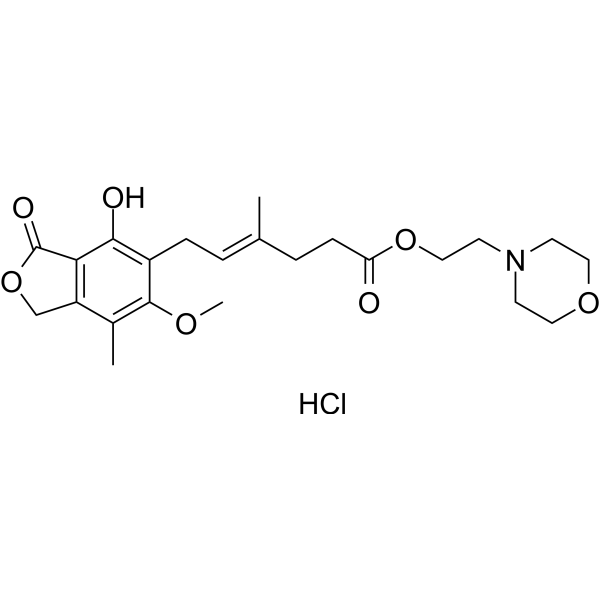
    Mycophenolate mofetil (RS 61443; TM-MMF) hydrochloride is an orally active antimetabolic immunosuppressant with antiproliferative and anti-inflammatory properties. Mycophenolate mofetil hydrochloride significantly inhibits the production of B, T lymphocytes and the proliferation of smooth muscle cells by selectively blocking the de novo purine synthesis pathway. Mycophenolate mofetil hydrochloride effectively reduces adventitial inflammation, medial necrosis and intimal thickening in rat aortic allografts, and decreases the number of lymphocytes expressing the IL-2 receptor, thereby delaying xenograft rejection. Mycophenolate mofetil hydrochloride shows certain toxicity in a hamster-to-rat limb xenotransplantation model when used in combination with FK506 (HY-13756). Mycophenolate mofetil hydrochloride is widely used in studies related to allograft arteriosclerosis (chronic rejection) .
    Mycophenolate mofetil hydrochloride
  • HY-13981
    Ligandrol
    2 Publications Verification

    LGD-4033

    Androgen Receptor Apoptosis Insulin Receptor Caspase Metabolic Disease Endocrinology
    Ligandrol is an orally active, selective androgen receptor (AR) agonist. Ligandrol enhances protein synthesis, inhibits muscle breakdown and oxidative stress, improves muscle cell viability and bone tissue microstructure, and reduces Cisplatin (HY-17394)-induced muscle toxicity and apoptosis. Ligandrol promotes muscle growth, protects bone structure, and has anti-diabetic, anti-apoptotic and antioxidant effects. Ligandrol can antagonize Streptozotocin (HY-13753) damage to pancreatic islets and improve the symptoms of type 2 diabetes .
    Ligandrol
  • HY-B1700A

    nAChR Neurological Disease
    Mivacurium dichloride is a benzylisoquinoline derivative and is a short-acting non-depolarizing neuromuscular blocking agent and skeletal muscle relaxant. Mivacurium dichloride couples with the nAChR to reduce or inhibit the depolarizing effect of acetylcholine on the terminal disc of the muscle cell .
    Mivacurium dichloride
  • HY-101329

    9-Anthracenecarboxylic acid

    MOFs Chloride Channel Others
    Anthracene-9-carboxylic acid (9-Anthracenecarboxylic acid) is an anthracene derivative traditionally used to block and identify Ca 2+-activated Cl - currents (CaCCs) in various cell types, like diverse smooth muscle cells, epithelial cells and salivary gland cells .
    Anthracene-9-carboxylic acid
  • HY-112257
    S-23
    1 Publications Verification

    Androgen Receptor Metabolic Disease
    S-23 is an orally active selective androgen receptor modulator (SARM) with a Ki of 1.7 nM. S-23 induces androgen receptor (AR)-mediated transcriptional activation in CV-1 cells. S-23 increases prostate, seminal vesicle, and levator ani muscle weights in castrated rats .
    S-23
  • HY-W506116

    Ostruthine

    Bacterial DNA/RNA Synthesis Cardiovascular Disease Infection
    Ostruthin is a natural coumarin compound with bacterial and antimycobacterial activities . Ostruthin inhibits the growth of mycobacteria and Staphylococcus aureus. Ostruthin suppresses vascular smooth muscle cell proliferation as well as de novo cellular DNA synthesis. Ostruthin is applicable to research related to mycobacterial infections and cardiovascular and cerebrovascular diseases .
    Ostruthin
  • HY-P2168

    Oxytocin Receptor Drug Derivative Metabolic Disease
    Demoxytocin is a heterologous cyclic peptide and an analog of Oxytocin (HY-17571). Demoxytocin affects the permeability of cell membranes and increases calcium ion levels in smooth muscle cells, thereby enhancing the contraction of smooth muscle cells. Demoxytocin also stimulates the contraction of uterine smooth muscle. Demoxytocin possesses the functions of oxytocin. Demoxytocin can be used to study labor stimulation in preterm premature rupture of membranes .
    Demoxytocin
  • HY-P2952

    Myokinase; Adk

    Endogenous Metabolite Others
    Recombinant myokinase, Rabbit muscle (Myokinase), is a phosphotransferase enzyme, is often used in biochemical studies. Recombinant myokinase, Rabbit muscle catalyzes the interconversion of adenosine phosphates. Recombinant myokinase, Rabbit muscle monitors phosphate nucleotide levels inside the cell, it plays an important role in cellular energy homeostasis .
    Recombinant myokinase, Rabbit muscle
  • HY-P10646

    Biochemical Assay Reagents Neurological Disease
    Muscle homing peptide M12 can preferentially bind to surface protein of muscle cells. Muscle homing peptide M12 mediates enhanced cellular uptake of nanoparticles (NPs) in myoblasts in vitro. Muscle homing peptide M12 is covalently conjugated to PLGA-PEG NPs via the N-terminal α-amino groups of peptides using the N-hydroxysuccinimide ester reaction .
    Muscle homing peptide M12
  • HY-114977

    DNA/RNA Synthesis Apoptosis Reactive Oxygen Species (ROS) Inflammation/Immunology Cancer
    Avenanthramide A is an orally active phytoalexin that targets the RNA helicase DDX3 with a KD of 8.8 μM. Avenanthramide A induces mitochondrial swelling and increased ROS production, and triggers apoptosis in CRC cells. Avenanthramide A inhibits smooth muscle cell proliferation and enhances nitric oxide production. Avenanthramide A can be used in research on colorectal cancer and atherosclerosis .
    Avenanthramide A
  • HY-B1035
    Levobunolol hydrochloride
    1 Publications Verification

    l-Bunolol hydrochloride

    Adrenergic Receptor Calcium Channel Casein Kinase Cardiovascular Disease
    Levobunolol (l-Bunolol) hydrochloride is a non-selective β-adrenergic antagonist and vasodilator. By blocking calcium ion influx and reducing the sensitivity of vascular smooth muscle to calcium, Levobunolol hydrochloride effectively dilates the ciliary arteries and increases ocular blood flow, so it is widely used in research on glaucoma and ocular hypertension. Levobunolol hydrochloride inhibits the β-receptor signaling pathway and the expression of related proliferation markers (such as CK3, CK14, CK19, Ki67) in corneal cells. In rabbit models, Levobunolol hydrochloride not only does not inhibit corneal epithelial regeneration, but also accelerates the healing of mechanical injury without adverse effects. Levobunolol hydrochloride also inhibits histamine-induced vasoconstriction and intracellular calcium elevation, exhibiting unique vascular regulatory activity. Levobunolol hydrochloride protects ocular blood flow and promotes corneal repair .
    Levobunolol hydrochloride
  • HY-B1608

    Cardiovascular Disease Metabolic Disease
    Chromium chloride is a trivalent chromium compound and an essential trace mineral. Chromium chloride enhances insulin-stimulated GLUT4 translocation and glucose uptake in skeletal muscle. Chromium chloride regulates glucose and lipid metabolism, inhibits TNF-α secretion and oxidative stress in monocytes treated with high glucose or H2O2, and reverses hydrogen peroxide-induced cell growth inhibition. Chromium chloride reduces coronary and aortic lipid deposition and serum cholesterol levels in hypercholesterolemic rabbits. Chromium chloride can be used in research related to diabetes and cardiac atherosclerosis .
    Chromium chloride
  • HY-N3225

    NAMPT Sirtuin Microtubule/Tubulin Apoptosis Autophagy PDGFR NF-κB AMPK Cardiovascular Disease Neurological Disease Metabolic Disease Inflammation/Immunology Cancer
    Myricanol is a diarylheptanoid and a Nampt activator. Myricanol exerts anti-inflammatory effects and alleviates glucocorticoid-induced muscle atrophy by increasing Sirtuin 1 (SIRT1) and PRDX5 activities while regulating inflammatory factors. Myricanol exhibits growth inhibition and induces apoptosis in human lung adenocarcinoma A549 cells. Myricanol promotes autophagy-mediated clearance of microtubule-associated protein tau to exert neuroprotective effects. Myricanol protects cardiovascular function by inhibiting PDGFRβ and NF-κB signaling pathways. Myricanol activates mitochondrial transcription factor A (TFAM) expression to exert anti-renal fibrosis effects. Myricanol improves insulin resistance through AMPK activation .
    Myricanol
  • HY-142117

    Calcium Channel Chloride Channel Others
    Adenophostin A is an IP3 receptor (inositol 1,4,5-trisphosphate receptors) modulator and Ca 2+ releaser, with an IC50 of 1.3 nM, an EC50 of 1.4 nM, and a Ki of 0.18 nM in rats, and an IC50 of 0.95 nM in humans. Adenophostin A activates IP3 receptors, stimulates Ca 2+ release from intracellular stores and microsomes, inhibits the binding of [ 3H]IP3 to plasma membrane receptors, and activates chloride channels. Adenophostin A resists phosphorylation and dephosphorylation by IP3 metabolic enzymes to maintain its activity, and increases cytoplasmic [Ca 2+] levels via calcium mobilization from the endoplasmic reticulum of vascular smooth muscle cells. Adenophostin A is applicable to research related to hemorrhagic shock .
    Adenophostin A
  • HY-W010388AS

    Isotope-Labeled Compounds Endogenous Metabolite Metabolic Disease
    Creatine-d3 (hydrate) is a deuterium labeled Creatine hydrate. Creatine hydrate is pivotal in energy metabolism of muscle and brain cells, both in physiological and in pathological conditions .
    Creatine-d3 hydrate
  • HY-121018

    BM-13505; SKF 96148

    Prostaglandin Receptor Cardiovascular Disease
    Daltroban (BM-13505) is a selective and specific thromboxane A2 (TXA2) receptor antagonist. Daltroban increase intracellular calcium in vascular smooth muscle cells. Daltroban shows protective effect in reperfusion injury .
    Daltroban
  • HY-138822

    2,3-DPG pentasodium salt

    Endogenous Metabolite Cardiovascular Disease
    2,3-Diphospho-D-glyceric acid (2,3-DPG) pentasodium salt is a hemoglobin binder and vascular calcification inhibitor that reduces the oxygen affinity of hemoglobin. 2,3-Diphospho-D-glyceric acid pentasodium salt also specifically delays the transformation of colloidal calciprotein particles into crystalline forms, thereby effectively inhibiting vascular smooth muscle cell calcification without affecting the normal formation of osteoid nodules in osteoblast-like cells. 2,3-Diphospho-D-glyceric acid pentasodium salt shows no cytotoxicity to tested cell lines and only weakly interferes with β-hematin formation mediated by glyceryl monopalmitate. 2,3-Diphospho-D-glyceric acid pentasodium salt can be used to study the pathological mechanisms of vascular calcification and malaria-related conditions .
    2,3-Diphospho-D-glyceric acid pentasodium salt
  • HY-N0597
    Panaxatriol
    3 Publications Verification

    Others Insulin Receptor Cardiovascular Disease Others Metabolic Disease Cancer
    Panaxatriol is an orally active insulin sensitizer. Panaxatriol enhances the phosphorylation levels of Akt, insulin receptor and p70S6K in skeletal muscle. Panaxatriol reduces the mRNA expression level of Atrogin1 in skeletal muscle. Panaxatriol induces apoptosis, pre-G1 cell cycle arrest and increased intracellular ROS levels in prostate cancer cells, decreases mitochondrial membrane potential, inhibits cell migration and reduces colony formation. Panaxatriol can be used in research related to insulin resistance, myocardial ischemia/reperfusion injury and prostate cancer .
    Panaxatriol
  • HY-W100287

    NF-κB p38 MAPK Interleukin Related IKK JNK β-catenin Wnt Neurological Disease Inflammation/Immunology Cancer
    Murrayafoline A is a carbazole alkaloid that can be extracted from Murraya tetramera. Murrayafoline A directly targets Specificity protein 1 (Sp1), thereby inhibiting NF-κB and MAPK signaling pathways. Murrayafoline a induces a G0/G1-phase arrest in platelet-derived growth factor (PDGF)-stimulated vascular smooth muscle cells. Murrayafoline A attenuates the Wnt/β-catenin pathway by promoting the degradation of intracellular β-catenin proteins. Murrayafoline A enhances the contraction of rat ventricular myocytes and L-type calcium current by activating protein kinase C. Murrayafoline A inhibits LPS (HY-D1056)-induced neuroinflammation in vivo. Murrayafoline A can be used for the study of inflammation, vascular complications and colon cancer .
    Murrayafoline A
  • HY-18965

    PKC Cardiovascular Disease
    TAS-301 is an inhibitor of smooth muscle cell migration and proliferation, and inhibits PKC activation induced by PDGF.
    TAS-301
  • HY-112821
    IBS008738
    3 Publications Verification

    YAP Inflammation/Immunology
    IBS008738 is a potent TAZ activator. IBS008738 stabilizes TAZ, increases the unphosphorylated TAZ level, enhances the association of MyoD with the myogenin promoter, upregulates MyoD-dependent gene transcription, and competes with myostatin in C2C12 cells. IBS008738 enhances myogenesis in C2C12 cells and facilitates muscle repair in a muscle injury model .
    IBS008738
  • HY-P3726

    Integrin Inflammation/Immunology Cancer
    Lys-Gln-Ala-Gly-Asp-Val (KQAGDV) is the six most carboxyl-terminal amino acids in the fibrinogen γ-chain sequence. Lys-Gln-Ala-Gly-Asp-Val is a cell adhesion peptide which is mediated through the α2bβ3 integrin. Lys-Gln-Ala-Gly-Asp-Val is a potent adhesion ligand for smooth muscle cells (SMCs) .
    Lys-Gln-Ala-Gly-Asp-Val
  • HY-111953

    MAGL ATGL Metabolic Disease
    SR-4559 is a α/β hydrolase domain-containing protein 5 (ABHD5) ligand. SR-4559 activates adipose triglyceride lipase (ATGL) and stimulates lipolysis by inhibiting ABHD5-PLIN interactions in adipocytes and muscle cells. SR-4559 can be used for metabolic diseases like Chanarin Dorfman syndrome research .
    SR-4559
  • HY-D1005I

    Biochemical Assay Reagents Others
    Poloxamer L61 is a non-ionic triblock copolymer surfactant. Poloxamer L61 effectively achieves intracellular molecular delivery to cancer cells during photoacoustic molecular delivery, and maintains cell viability by promoting cell membrane resealing, thus avoiding irreversible damage caused by laser-induced membrane permeabilization. Poloxamer L61 is a key component of SP1017, a compound related to gene therapy, which regulates the interaction between DNA and extracellular matrix as well as cellular uptake, and significantly enhances the distribution and bioavailability of plasmid DNA in skeletal muscle. Poloxamer L61 can be used in studies on local or systemic therapeutic protein production .
    Poloxamer L61
  • HY-P3525A

    Integrin Others
    G-Pen-GRGDSPCA TFA is an αvβ3-inhibiting RGD peptide. G-Pen-GRGDSPCA can limit neointimal hyperplasia and lumen stenosis after vascular injury, as well as regulate the migration and proliferation of smooth muscle cells. G-Pen-GRGDSPCA TFA can be used in the study of the mechanism of vascular injury repair .
    G-Pen-GRGDSPCA TFA
  • HY-100928

    Calcium Channel Neurological Disease
    YS 035 hydrochloride is a Ca 2+ antagonist on cellular uptake and mitochondrial efflux of calcium ions. YS 035 hydrochloride inhibits Ca 2+ uptake by muscle cells and inhibits Na +/Ca 2+ exchange (Ki=28 µM). YS 035 hydrochloride is a useful tool for research on the mitochondrial Ca 2+ transport .
    YS 035 hydrochloride
  • HY-147011

    Fat Mass and Obesity-associated Protein (FTO) Cancer
    FTO-IN-7 (compound 17) is an inhibitor of FTO (fat mass and obesity-associated protein) with an IC50 of <1 μM. FTO-IN-7 can be used for the study of small-cell lung cancers and human bone marrow striated muscle cancer .
    FTO-IN-7
  • HY-135000

    DcSTX; DecarbamoylSTX

    Endogenous Metabolite Drug Metabolite Neurological Disease
    Decarbamoylsaxitoxin is a sodium channel inhibitor that blocks the influx of sodium ions through the membranes of excitable nerves and skeletal muscle cells, thereby preventing the formation of action potentials. Decarbamoylsaxitoxin is an acidic hydrolysis product of saxitoxin, and its toxic effects on mice are identical to those of saxitoxin. Decarbamoylsaxitoxin inhibits veratridine- and ouabain-induced swelling and lysis of mouse neuroblastoma cells by blocking Na + channels. Decarbamoylsaxitoxin can be used in studies related to paralytic shellfish poisoning .
    Decarbamoylsaxitoxin
  • HY-152205

    Myosin Others
    JB061 is a nonmuscle myosin inhibitor with IC50s of 4.4 μM (Cardiac muscle myosin), 9.1 μM (Skeletal muscle myosin), and >100 μM (Smooth muscle myosin II), respectively. JB061 poorly decreases ATPase activity (IC50>200 μM). JB061 shows cytotoxicity against COS-7 cells with an IC50 value of 39 μM .
    JB061
  • HY-P3525

    Integrin Others
    G-Pen-GRGDSPCA is an αvβ3-inhibiting RGD peptide. G-Pen-GRGDSPCA can limit neointimal hyperplasia and lumen stenosis after vascular injury, as well as regulate the migration and proliferation of smooth muscle cells. G-Pen-GRGDSPCA can be used in the study of the mechanism of vascular injury repair .
    G-Pen-GRGDSPCA
  • HY-N0252A
    Catharanthine Tartrate
    3 Publications Verification

    (+)-3,4-Didehydrocoronaridine Tartrate

    Calcium Channel Cardiovascular Disease Neurological Disease Cancer
    Catharanthine ((+)-3,4-Didehydrocoronaridine) Tartrate, a constituent of anticancer vinca alkaloids, inhibits voltage-operated L-type Ca 2+ channel (VOCC). Catharanthine Tartrate has IC50s of 220 μM and 8 μM for VOCC currents in cardiomyocytes and vascular smooth muscle cells (VSMCs), respectively. Catharanthine Tartrate lowers blood pressure (BP), heart rate (HR). Catharanthine Tartrate has anti-cancer activity .
    Catharanthine Tartrate
  • HY-N9097

    Reactive Oxygen Species (ROS) SOD Glutathione Peroxidase PKC NADPH Oxidase Metabolic Disease Inflammation/Immunology
    Niazirin is an orally active antioxidant. Niazirin can be isolated from Moringa oleifera Lam. Niazirin reduces the production levels of ROS and MDA, while increasing the levels of superoxide dismutase SOD and glutathione peroxidase GPx. Niazirin also abolishes high glucose-induced PKCζ activation and inhibits Nox4 protein expression. Niazirin exhibits excellent free radical scavenging activity. Niazirin significantly inhibits high glucose-induced proliferation of vascular smooth muscle cells. Niazirin can be used in the research of diabetic atherosclerosis .
    Niazirin
  • HY-P2807J

    Lactate Dehydrogenase Metabolic Disease
    L-Lactate Dehydrogenase (L-LDH), pig muscle is an L-lactate dehydrogenase found in pig muscle, mainly present in anaerobic tissues (skeletal muscle, red blood cells). L-Lactate Dehydrogenase (L-LDH), pig muscle can interact with acidic liposomes at low pH, causing protein to adsorb onto the liposomes and inhibit enzyme activity. The IC50 values for L-Lactate Dehydrogenase (L-LDH), pig muscle are 0.05 μM for cardiolipin and 1.3 μM for phosphatidylserine liposomes .
    L-Lactate Dehydrogenase (L-LDH), pig muscle
  • HY-107645

    mAChR Neurological Disease
    DAU 5884 hydrochloride is a potent muscarinic M3 receptor antagonist. DAU 5884 hydrochloride inhibits methacholine-dependent effects on cell proliferation and muscle contractility .
    DAU 5884 hydrochloride
  • HY-134368

    Calcium Channel Cardiovascular Disease
    Ap3A is a vasoactive molecule that regulates intracellular Ca 2+ levels. Ap3A can promote the growth of vascular smooth muscle cells .
    Ap3A
  • HY-121259

    Adriamycinol; DXR-OL

    Endogenous Metabolite Cardiovascular Disease
    Doxorubicinol, a potent inhibitor of the cardiac sarcoplasmic reticulum calcium pump, inhibits systolic myocardial function in isolated heart muscle. Doxorubicinol inhibits tumor cell growth and has cardiotoxicity.
    Doxorubicinol
  • HY-174145

    GLUT Metabolic Disease
    GLUT4 activator 3 (Compound 13a) is an antidiabetic agent targeting GLUT4 translocation in skeletal muscle. GLUT4 activator 3 can promote the translocation of glucose transporter 4 (GLUT4) in skeletal muscle cells. GLUT4 activator 3 reduces blood glucose in STZ-induced diabetic rats .
    GLUT4 activator 3
  • HY-112417

    PDGFR FLT3 Apoptosis Akt PERK Bcl-2 Family Cardiovascular Disease Cancer
    Ki11502 is a multi-targeted receptor tyrosine kinase (RTK) inhibitor that selectively inhibits the activity of PDGF β/α receptors with IC50 values less than 10 nM. Ki11502 selectively inhibits PDGF β receptor phosphorylation, proliferation, and proteoglycan synthesis in human vascular smooth muscle cells. Ki11502 can induce Apoptosis) and exhibits profound antiproliferative effects on select subsets of leukemia, including those with Imatinib (HY-15463) resistant mutations. Ki11502 is highly suitable for studying the role of PDGF in vascular diseases, particularly the role of proteoglycans in atherosclerosis .
    Ki11502
  • HY-137608

    UDP-β-S

    P2Y Receptor DNA/RNA Synthesis Cardiovascular Disease Inflammation/Immunology
    Uridine 5'-O-thiodiphosphate (UDP-β-S) is a P2Y6 receptor agonist with an EC50 of 25 nM. Uridine 5'-O-thiodiphosphate resists degradation by extracellular nucleotidases and stimulates the accumulation of inositol phosphates. Uridine 5'-O-thiodiphosphate stimulates contractile responses in endothelium-denuded rat mesenteric arteries. As a mitogen, Uridine 5'-O-thiodiphosphate stimulates DNA synthesis, [ 3H] thymidine incorporation, protein synthesis, [ 3H]leucine incorporation, and increases the number of vascular smooth muscle cells. Uridine 5'-O-thiodiphosphate can be used in the research of cardiovascular diseases such as atherosclerosis .
    Uridine 5'-O-thiodiphosphate
  • HY-137608A

    UDP-β-S trisodium

    P2Y Receptor DNA/RNA Synthesis Cardiovascular Disease Inflammation/Immunology
    Uridine 5'-O-thiodiphosphate trisodium (UDP-β-S trisodium) is a P2Y6 receptor agonist with an EC50 of 25 nM. Uridine 5'-O-thiodiphosphate trisodium resists degradation by extracellular nucleotidases and stimulates the accumulation of inositol phosphates. Uridine 5'-O-thiodiphosphate trisodium stimulates contractile responses in endothelium-denuded rat mesenteric arteries. As a mitogen, Uridine 5'-O-thiodiphosphate trisodium stimulates DNA synthesis, [ 3H] thymidine incorporation, protein synthesis, [ 3H]leucine incorporation, and increases the number of vascular smooth muscle cells. Uridine 5'-O-thiodiphosphate trisodium can be used in the research of cardiovascular diseases such as atherosclerosis .
    Uridine 5'-O-thiodiphosphate trisodium

Inquiry Online

Your information is safe with us. * Required Fields.

Salutation


Country or Region *

Applicant Name *


Organization Name *

Department *


Email Address *


Product Name *

Cat. No.


Requested quantity *

Phone Number *


Remarks

Inquiry Online

Inquiry Information

Product Name:
Cat. No.:
Quantity:
MCE Japan Authorized Agent:

