1. Search Result
Search Result
Results for "

mushroom

" in MedChemExpress (MCE) Product Catalog:

98

Inhibitors & Agonists

6

Biochemical Assay Reagents

5

Peptides

61

Natural
Products

1

Isotope-Labeled Compounds

1

Click Chemistry

1

Oligonucleotides

Cat. No. Product Name Target Research Areas Chemical Structure
  • HY-19610
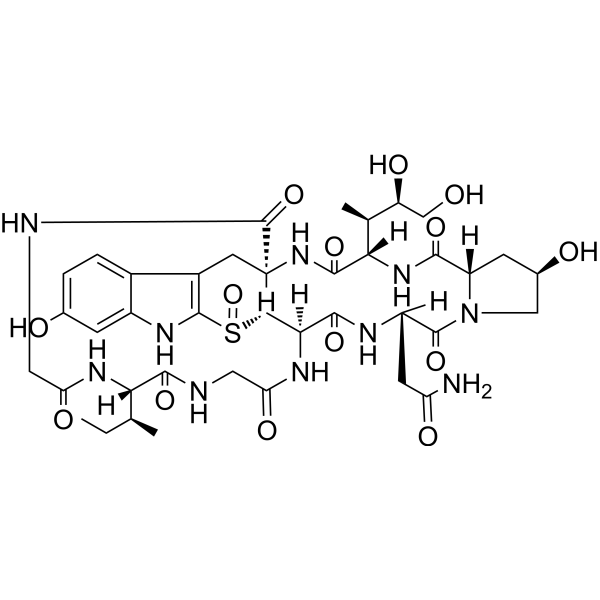
    α-Amanitin
    Maximum Cited Publications
    48 Publications Verification

    α-Amatoxin

    DNA/RNA Synthesis ADC Payload Cancer
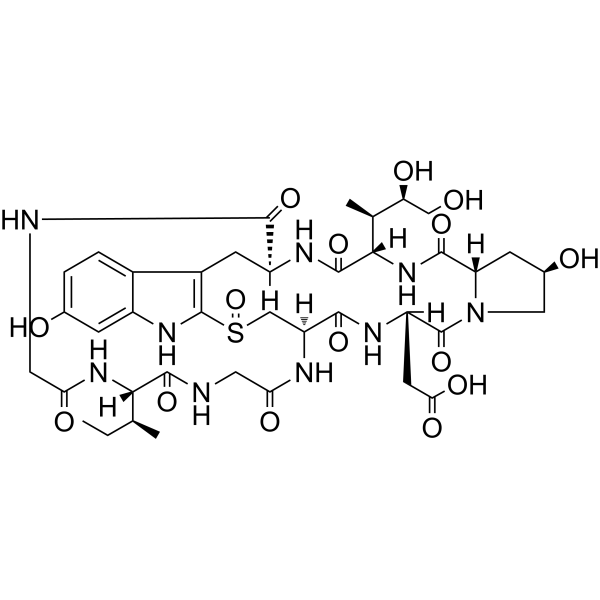
    α-Amanitin is the principal toxin of several deadly poisonous mushrooms, exerting its toxic function by inhibiting RNA-polymerase II.
    α-Amanitin
  • HY-125860

    Polyphenol oxidase

    Tyrosinase Neurological Disease Endocrinology Cancer
    Tyrosinase (EC 1.14.18.1) (Polyphenol oxidase) is a rate-limiting enzyme that controls the production of melanin. Tyrosinase is mainly found in melanosomes synthesized by skin melanocytes. Tyrosinase can be used in research on Parkinson's disease, melanoma and pigmentation .
    Tyrosinase, Mushroom
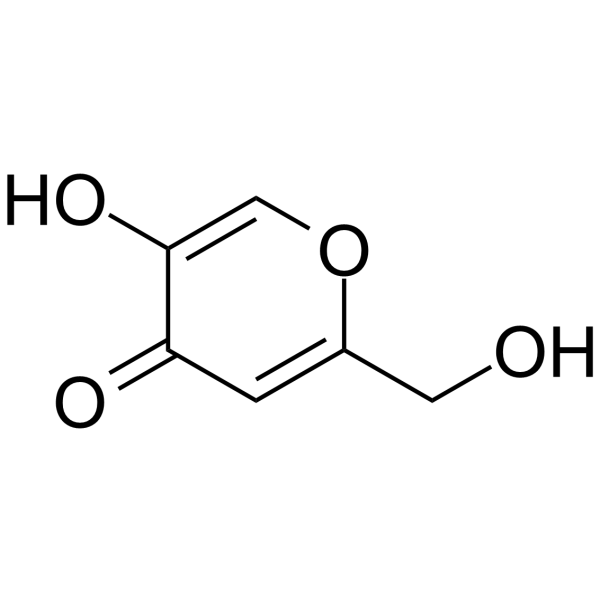
  • HY-W050154
    Kojic acid
    2 Publications Verification

    Parasite Tyrosinase NF-κB CDK Infection Inflammation/Immunology Cancer
    Kojic acid is a substance produced by Aspergillus oryzae that is orally effective and can also be absorbed transdermally. Kojic acid exhibits various biological activities, including anti-aging, anti-nematode, antimicrobial, antioxidant, and anti-inflammatory effects. Kojic acid is a Tyrosinase inhibitor with an Mushroom Tyrosinase IC50 of 182.7 μM. Kojic acid prevents melanin production by capturing copper ions that bind to the tyrosinase active site, thus inhibiting its activation. Kojic acid also suppresses the NF-κB and p21 signaling pathways in human keratinocytes. Kojic acid derivatives have anticancer activity .
    Kojic acid
  • HY-P0028
    Phalloidin
    20+ Cited Publications

    Fluorescent Dye Others
    Phalloidin is a mushroom-derived toxin which can be used to label F-actin of the cytoskeleton with fluorochrome .
    Phalloidin
  • HY-N0619
    Mulberroside A
    4 Publications Verification

    TNF Receptor Interleukin Related Tyrosinase Inflammation/Immunology
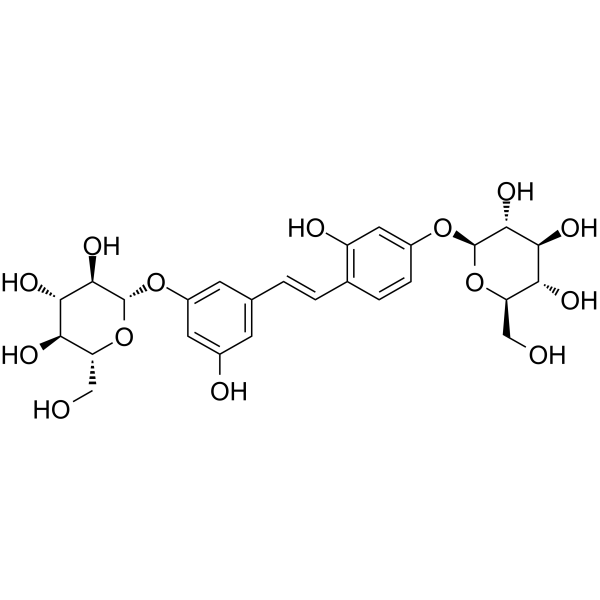
    Mulberroside A is one of the main bioactive constituent in mulberry (Morus alba L.) . Mulberroside A decreases the expressions of TNF-α, IL-1β, and IL-6 and inhibits the activation of NALP3, caspase-1, and NF-κB and the phosphorylation of ERK, JNK, and p38, exhibiting anti-inflammatory antiapoptotic effects . Mulberroside A shows inhibitory activity against mushroom tyrosinase with an IC50 of 53.6 μM .
    Mulberroside A
  • HY-N1430
    Oxyresveratrol
    3 Publications Verification

    trans-Oxyresveratrol

    Tyrosinase HSV Autophagy Others
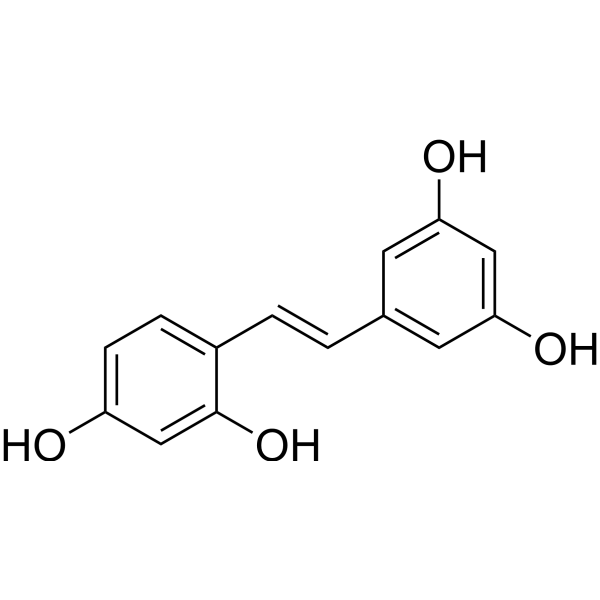
    Oxyresveratrol (trans-Oxyresveratrol) is a potent naturally occurring antioxidant and free radical scavenger (IC50 of 28.9 µM against DPPH free radicals). Oxyresveratrol is potent and noncompetitive tyrosinase inhibitor with an IC50 value of 1.2 µM for mushroom tyrosinase. Oxyresveratrol is effective against HSV-1, HSV-2 and varicella-zoster virus, and has neuroprotective effects .
    Oxyresveratrol
  • HY-W013571

    Cuminic acid; p-Isopropyl benzoic acid

    Fungal Infection
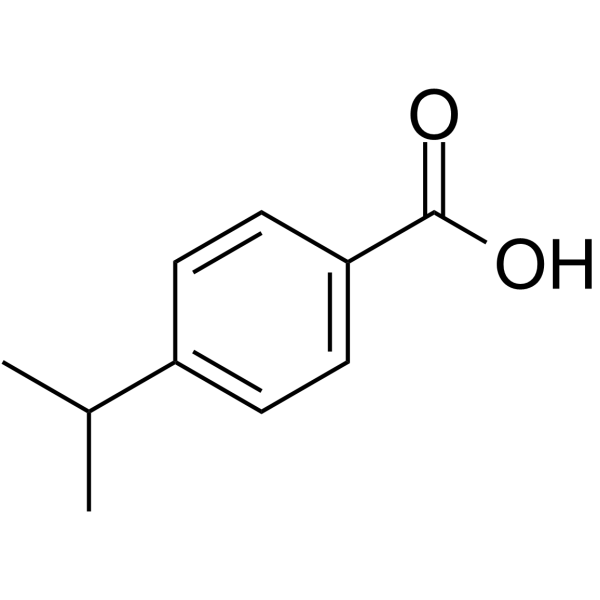
    4-Isopropylbenzoic acid (Cuminic acid; p-Isopropyl benzoic acid) an aromatic monoterpenoid, is isolated from the stem bark of Bridelia retusa. 4-Isopropylbenzoic acid exhibits antifungal activities. 4-Isopropylbenzoic acid is also a reversible and uncompetitive inhibitor of mushroom tyrosinase .
    4-Isopropylbenzoic acid
  • HY-125586

    DNA/RNA Synthesis ADC Payload Cancer
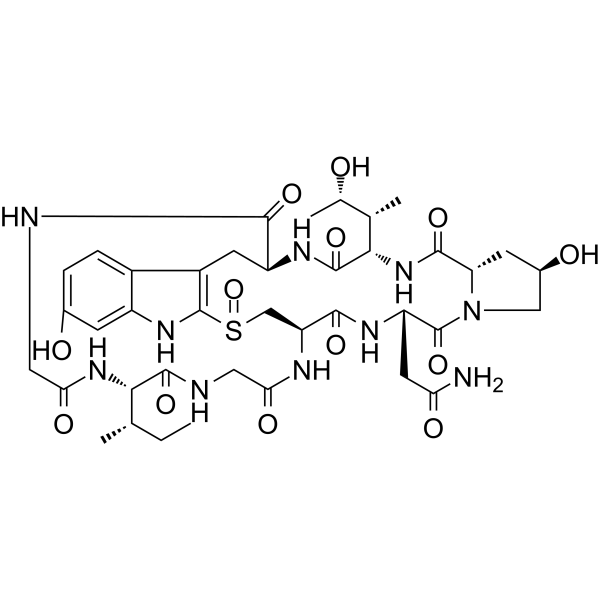
    β-Amanitin is a cyclic peptide toxin in the poisonous Amanita phalloides mushroom. β-Amanitin inhibits inhibits eukaryotic RNA polymerase II and III. β-Amanitin inhibits protein synthesis. β-Amanitin can be used as a cytotoxic component of antibody-drug conjugates (ADCs) .
    β-Amanitin
  • HY-131081

    DNA/RNA Synthesis ADC Payload Cancer
    γ-Amanitin an ADC cytotoxin and isolated from the mushroom. γ-Amanitin inhibits RNA polymerase II and disrupts synthesis of mRNA. γ-Amanitin shows similar effects to α-Amanitin and β-Amanitin. γ-Amanitin competitively binds to monoclonal antibody (mAb), with an IC50 of 163.1 ng/mL. γ-Amanitin is toxic to a variety of cells .
    γ-Amanitin
  • HY-W251181

    Tyrosinase Metabolic Disease
    Isobutylamido thiazolyl resorcinol is a selective hTyr inhibitor with an IC50 of 1.1  μM. Isobutylamido thiazolyl resorcinol shows an IC50 of 108  μM against mushroom Tyrosinase. Isobutylamido thiazolyl resorcinol effectively prevents pigmentation caused by UVB irradiation. Isobutylamido thiazolyl resorcinol significantly improves the visibility of acne-induced hyperpigmentation .
    Isobutylamido thiazolyl resorcinol
  • HY-118341

    Apoptosis Bcl-2 Family Cancer
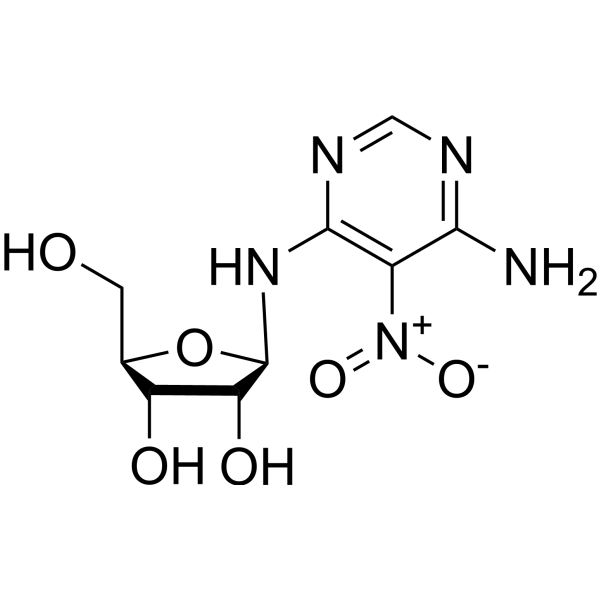
    Clitocine, an adenosine nucleoside analog isolated from mushroom, is a potent and efficacious readthrough agent. Clitocine acts as a suppressor of nonsense mutations and can induce the production of p53 protein in cells harboring p53 nonsense-mutated alleles. Clitocine can induce apoptosis in multidrug-resistant human cancer cells by targeting Mcl-1. Anticancer activity .
    Clitocine
  • HY-N9330

    Xanthine Oxidase Cancer
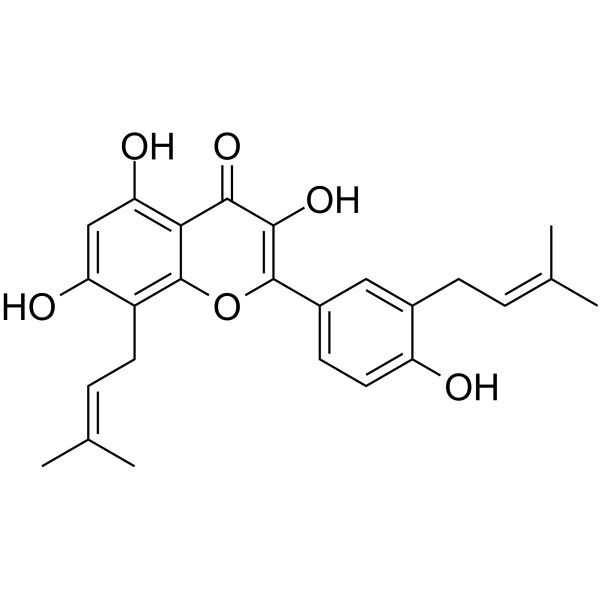
    Broussoflavonol F is a HER2-RAS-MEK-ERK signaling pathway modulator and mushroom tyrosinase inhibitor, with an IC50 of 82.3 μM against mushroom tyrosinase. Broussoflavonol F reduces the protein expression levels of RAS, HER2, phosphorylated BRAF, phosphorylated MEK and phosphorylated Erk. It induces cell apoptosis, triggers G0/G1 phase cell cycle arrest, and exhibits cytotoxicity against colon cancer cells. Broussoflavonol F is applicable to related research on colon cancer .
    Broussoflavonol F
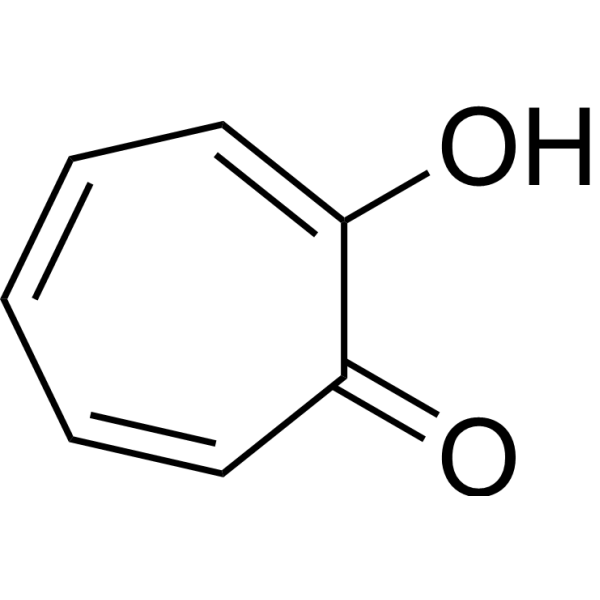
  • HY-N7135

    Tyrosinase Fungal Metabolic Disease Inflammation/Immunology Cancer
    Tropolone is a seven-membered non-benzenoid aromatic compound, which is the precursor of many Azulene derivatives. Tropolone is a potent mushroom tyrosinase inhibitor with an IC50 value of 0.4 μM. Its inhibitory effect can be achieved by dialysis or excess CU2+ Reversa. Tropolone exhibits broad anti-viral and anti-fungal activity and is synergistic upon co-treatment with nucleos(t)ide analog drugs. Tropolone is a promising candidate for research in osteosarcoma .
    Tropolone
  • HY-N1750

    Tyrosinase Metabolic Disease
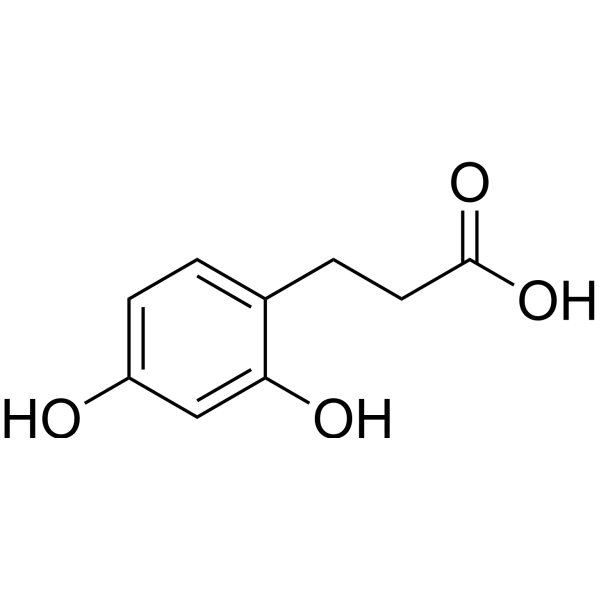
    3-(2,4-Dihydroxyphenyl) propanoic acid (DPPacid) is a competitive Tyrosinase inhibitor. It exhibits an IC50 value of 3.02 μM against mushroom tyrosinase with L-tyrosine as the substrate, an IC50 value of 62 μM with DL-DOPA as the substrate, and a Ki value of 11.5 μM. 3-(2,4-Dihydroxyphenyl) propanoic acid shows no DPPH radical scavenging activity. It can be used in studies related to ultraviolet B (UVB)-induced hyperpigmentation .
    3-(2,4-Dihydroxyphenyl)propanoic acid
  • HY-113404

    Tyrosinase Dopamine Receptor Neurological Disease
    DL-Dopa is a dopamine precursor. It serves as a substrate for Mushroom Tyrosinase, which oxidizes it to dopaquinone, an intermediate in the DOPA-melanin polymerization process, and this reaction can be detected at 475 nm. DL-Dopa also forms synergistic hydrophobic and π-π stacking interactions with cationic surfactants. Its binding to cetylpyridinium chloride (HY-B1464) is stronger and exhibits better thermodynamic stability than its binding to benzalkonium chloride (HY-B2232). DL-Dopa can compensate for dopamine depletion in the brain and is applicable to research related to Parkinson's disease .
    DL-Dopa
  • HY-N1775

    3,4-DHAP

    Tyrosinase Reactive Oxygen Species (ROS) Keap1-Nrf2 PARP Autophagy Apoptosis Cardiovascular Disease Neurological Disease Metabolic Disease Inflammation/Immunology Cancer
    3',4'-Dihydroxyacetophenone (3,4-DHAP) is a phenolic compound with oral bioavailability, possessing potent antioxidant, anti-inflammatory, anticancer and cardiovascular protective activities. 3',4'-Dihydroxyacetophenone inhibits mushroom Tyrosinase activity with an IC50 of 10 μM, thereby suppressing melanogenesis . 3',4'-Dihydroxyacetophenone inhibits platelet aggregation in platelet-rich plasma. 3',4'-Dihydroxyacetophenone reduces ROS levels in human umbilical vein endothelial cells treated with high glucose, upregulates the expression of Nrf2, HO-1 and PARP-1 in cells, and promotes the nuclear translocation of Nrf2 . 3',4'-Dihydroxyacetophenone induces autophagy and apoptosis. 3',4'-Dihydroxyacetophenone inhibits seed germination/growth in most plants. 3',4'-Dihydroxyacetophenone can be used in the research of cancer, neurodegenerative diseases, non-alcoholic steatohepatitis, diabetes, obesity, skin pigmentation disorders, and cardiovascular and cerebrovascular diseases .
    3',4'-Dihydroxyacetophenone
  • HY-N2006

    EBV HIV Protease Infection Inflammation/Immunology
    Ganoderic acid B is a triterpene isolated from a mushroom Ganoderma lucidum. Ganoderic acid B inhibits the activation of Epstein-Barr virus (EBV) antigens as telomerase inhibitor. Ganoderic acid B is a moderately active inhibitor against HIV-1 protease (IC50: 170 μM) .
    Ganoderic acid B
  • HY-P2031

    Arp2/3 Complex Others
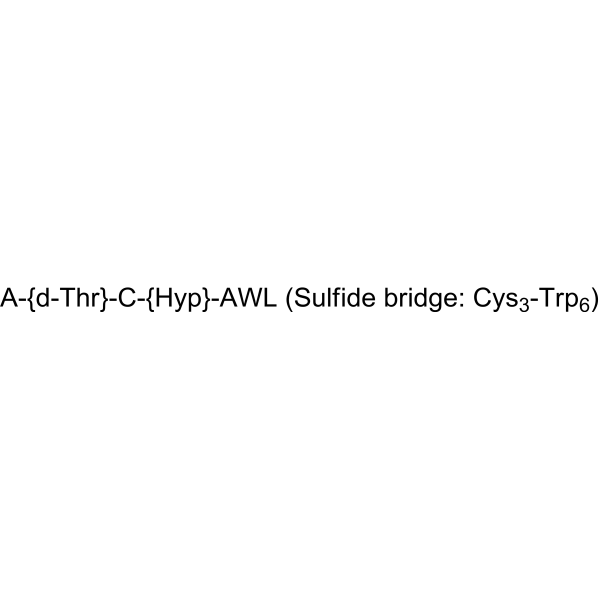
    Phallacidin is a natural bicyclic heptapeptide derived from the poisonous mushroom Amanita phalloides. Phallacidin binds to filamentous actin specifically with high affinity, with a Kd of 20 nM. After binding to F-actin, Phallacidin strongly inhibits its depolymerization, stabilizes microfilament structures, and prevents their disruption by drugs such as cytochalasins. When conjugated with a fluorophore, Phallacidin serves as a specific fluorescent probe for F-actin, which is used to clearly visualize the distribution of actin in the cytoskeleton (e.g., stress fibers, cortical peripheral bands) under fluorescence microscopy .
    Phallacidin
  • HY-N3266

    Tyrosinase Phosphatase Cholinesterase (ChE) SARS-CoV PERK JNK p38 MAPK TGF-beta/Smad Apoptosis Reactive Oxygen Species (ROS) AMPK MMP Cardiovascular Disease Infection Neurological Disease Inflammation/Immunology Cancer
    Methyl rosmarinate is an orally active hydroxycinnamic acid. Methyl rosmarinate exhibits an IC50 of 24.70 μM and a Ki of 15.29 μM against PTP1B, an IC50 of 41.46 μg/mL against BChE, a Ki of 0.61 mM against mushroom tyrosinase, and an IC50 of 2.50 μM against SARS-CoV-2 3CLpro. Methyl rosmarinate downregulates the phosphorylation levels of ERK, JNK, p38, Smad2 and Smad3. Methyl rosmarinate activates erythrocyte BPGM and promotes the production of 2,3-BPG. Methyl rosmarinate induces apoptosis of fibroblasts. Methyl rosmarinate prolongs the survival time of hypoxic mice. Methyl rosmarinate improves insulin sensitivity. Methyl rosmarinate binds to SARS-CoV-2 3CLpro and inhibits viral replication. Methyl rosmarinate induces glioblastoma cell death. Methyl rosmarinate activates the TGR5/AMPK axis and reduces the levels of ROS and MDA. Methyl rosmarinate shows inhibitory activity against MMP-1. Methyl rosmarinate can be used in research related to pulmonary fibrosis, hypoxia-induced injury, type 2 diabetes, Alzheimer's disease, hyperpigmentation disorders, COVID-19, glioblastoma and myocardial ischemia-reperfusion injury .
    Methyl rosmarinate
  • HY-N2135

    Apoptosis Caspase Bcl-2 Family Tyrosinase Metabolic Disease Cancer
    Puerarin 6''-O-Xyloside is one of the major iso-flavones found in P. lobata. Puerarin 6''-O-Xyloside inhibits cancer cells proliferation, induces apoptosis by upregulating cleaved caspase-3, 7, 9, Bax and downregulating Bcl-2 levles and inhibits tumor growth in mice. Puerarin 6''-O-Xyloside has anti-osteoporotic activity in ovariectomized mice. Puerarin 6''-O-Xyloside inhibits mushroom tyrosinase with an IC50 of 513.8 μM. Puerarin 6''-O-Xyloside can be used for the research of human lung carcinoma, osteoporosis, melanosis and melanomar .
    Puerarin 6''-O-Xyloside
  • HY-19893

    (+)-Antroquinonol

    Keap1-Nrf2 Inflammation/Immunology Cancer
    Antroquinonol ((+)-Antroquinonol), a ubiquinone derivative from the mushroom Antrodia camphorata, has hepatoprotective, anti-inflammatory, and anti-cancer effects . Antroquinonol can be used for the research of colon cancer . Antroquinonol reduces oxidative stress by enhancing the Nrf2 signaling pathway and inhibits inflammation and sclerosis in focal segmental glomerulosclerosis mice .
    Antroquinonol
  • HY-W115529

    Geranate; NSC 229335; GAGE

    Environmental Pollutants Fungal Tyrosinase Infection Cancer
    Geranic acid (Geranate) acts as a tyrosinase inhibitor and antifungal agent, with an IC50 value of 0.14-2.3 mM against mushroom tyrosinase. Geranic acid reduces the viability of human pancreatic cancer cells and B-lymphoma cells. Geranic acid inhibits mycelial growth of the maize pathogens Colletotrichum graminicola and Fusarium graminearum. Geranic acid is applicable to research related to fungal infections, pancreatic cancer and B-lymphoma .
    Geranic acid
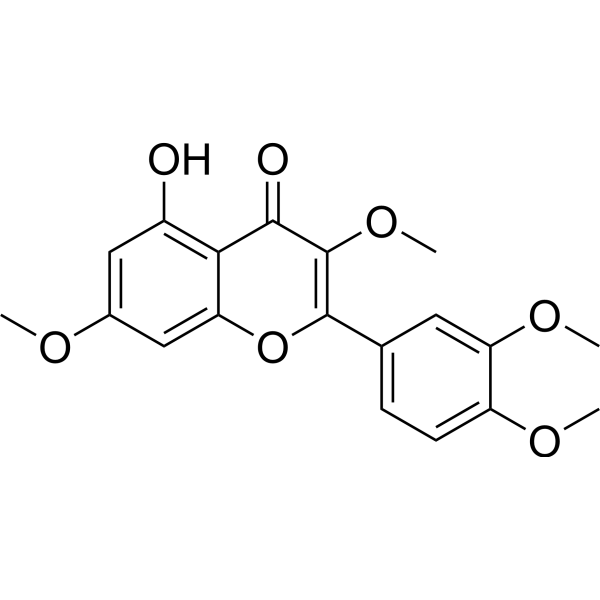
  • HY-N1098

    Tyrosinase p38 MAPK NF-κB Bacterial Infection Metabolic Disease Inflammation/Immunology
    Velutin is a flavonoid. Velutin can be extracted from mistletoe. Velutin inhibits mushroom Tyrosinase activity with an IC50 of 910.1 μM. Velutin inhibits p38 phosphorylation, the NF-κB pathway and the MAPK pathway. Velutin prevents articular cartilage degeneration and subchondral bone loss. Velutin slows down the progression of intervertebral disc degeneration. Velutin exhibits inhibitory effects on melanogenesis, skin whitening, anti-inflammatory, anti-allergic, anti-oxidant and antibacterial activities. Velutin can be used in studies related to pigmented diseases, osteoarthritis and intervertebral disc degeneration .
    Velutin
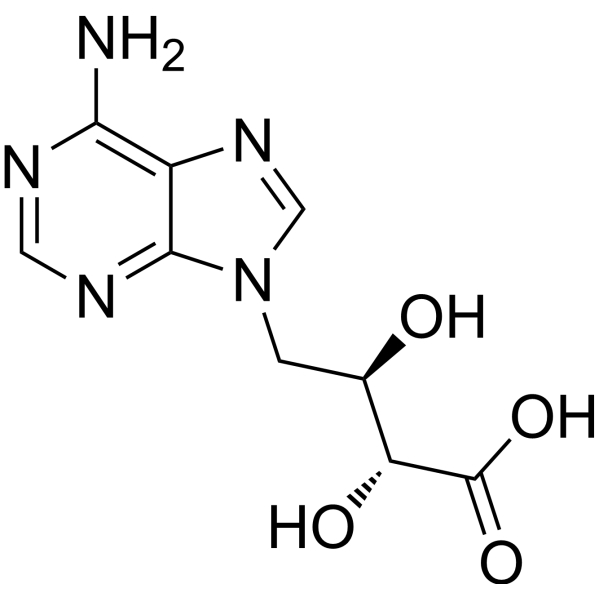
  • HY-114866
    Eritadenine
    1 Publications Verification

    Lentinacin; D-Eritadenine; Lentysine

    Parasite Nucleoside Antimetabolite/Analog Infection
    Eritadenine (D-Eritadenine) is a potent AdoHcyase inhibitor, with an IC50 value of 7 nM. Eritadenine is also an acyclic sugar adenosine analogue. Eritadenine exhibits an inhibitory effect on the growth of Cryptosporidium parvum, with a MIC50 of 3 μM. Eritadenine can be used in the research of colorectal adenocarcinoma .
    Eritadenine
  • HY-N2101

    Tyrosinase NF-κB Inflammation/Immunology
    Benzoyloxypaeoniflorin, isolated from the root of Paeonia suffruticosa, is a tyrosinase inhibitor against mushroom tyrosinase with IC50 of 0.453 mM. Benzoyloxypaeoniflorin is NF-κB Inhibitor and contributes to improving blood circulation through its inhibitory effect on both platelet aggregation and blood coagulation .
    Benzoyloxypaeoniflorin
  • HY-171493

    Biochemical Assay Reagents Others
    mCherry mRNA(N1-Me-Pseudo UTP) is a reporter mRNA encoding a red fluorescent protein, suitable for gene expression analysis, cell viability assays, and in vivo imaging. mCherry, derived from mushroom coral, is a widely used red fluorescent protein tracer in biotechnology applications.
    mCherry mRNA(N1-Me-Pseudo UTP)
  • HY-B2144M

    Biochemical Assay Reagents Infection Cancer
    Chitosan (85%-90% deacetylated,mushroom) is a polysaccharide obtained by deacetylating chitin from mushroom .
    Chitosan (85%~90% deacetylated,mushroom)
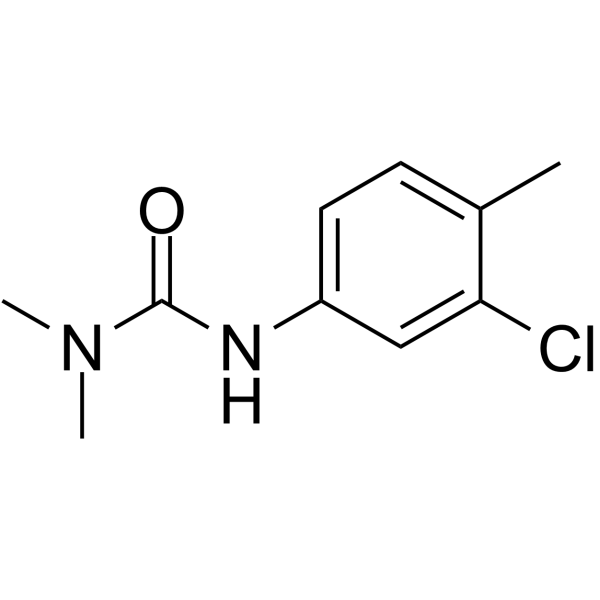
  • HY-B2023
    Chlorotoluron
    1 Publications Verification

    Chlortoluron

    Environmental Pollutants Herbicide Others
    Chlorotoluron (Chlortoluron) is a urea herbicide. Chlorotoluron serves as a degradation substrate that undergoes dissipation in soil and produces demethylated chlorotoluron metabolites via N-dealkylation. Chlorotoluron is used for pre-emergence and post-emergence weed control in cereals and various other crops .
    Chlorotoluron
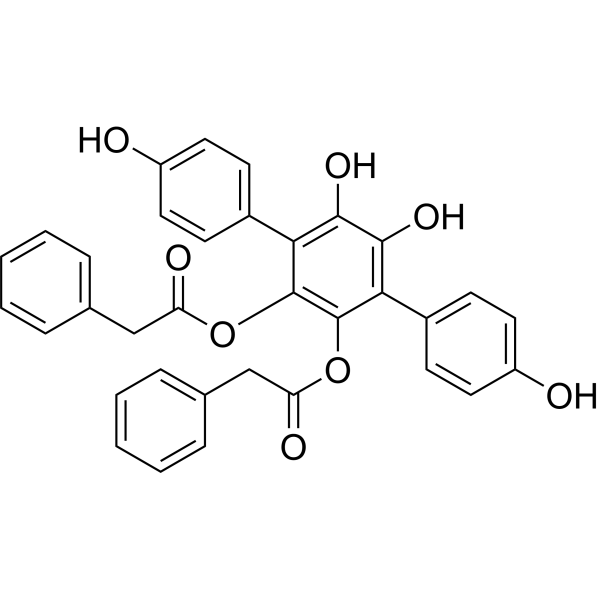
  • HY-103435
    Vialinin A
    2 Publications Verification

    Terrestrin A

    Deubiquitinase TNF Receptor E1/E2/E3 Enzyme Keap1-Nrf2 Inflammation/Immunology Cancer
    Vialinin A (Terrestrin A) is a p-terphenyl compound that can be derived from a Chinese edible mushroom. Vialinin A is an inhibitor of ubiquitin-specific peptidase 4 (USP4) and has anti-inflammatory and antioxidant properties. Vialinin A can alleviate cerebral ischaemia-reperfusion injury-induced neurological deficits and neuronal apoptosis. Vialinin A promotes activation of Keap1-Nrf2-ARE signaling pathway and increases the protein degradation of Keap1. Vialinin A possesses various pharmacological activities in cancer, Kawasaki disease, asthma, and pathological scarring. Vialinin A is a potent inhibitor of TNF-α, USP4, USP5, and sentrin/SUMO-specific protease 1 (SENP1). Vialinin A can be studied in reseach for autoimmune diseases, cancer and ischaemic stroke .
    Vialinin A
  • HY-W015616

    4-Penylbutan-2-one

    Environmental Pollutants Tyrosinase Infection Metabolic Disease
    Benzylacetone (4-Penylbutan-2-one) is an aromatic compound. Benzylacetone is a mushroom tyrosinase inhibitor with an IC50 of 2.8 mM, a Ki of 1.25 mM for monophenolase and an IC50 of 0.6 mM, a Ki of 0.39 mM for diphenolase. Benzylacetone inhibits free mushroom tyrosinase and enzyme-substrate complex. Benzylacetone acts as an appetite enhancer via olfactory stimulation, reduces spontaneous locomotor activity, induces weight gain. Benzylacetone exhibits repellent, fumigant, and contact toxicity against Tribolium castaneum adults .
    Benzylacetone
  • HY-P0096

    Tyrosinase Sirtuin Inflammation/Immunology Endocrinology
    Decapeptide-12, a small oligopeptide, is a tyrosinase inhibitor that interacts with C-terminal residue of tyrosinase (Kd: 61.1 μM). Decapeptide-12 is a competitive inhibitor of mushroom tyrosinase (IC50: 40 μM). Decapeptide-12 also increases transcription of SIRT. Decapeptide-12 reduces melanin content in melanocytes. Decapeptide-12 is used for the research of melanogenesis, senescence, inflammation .
    Decapeptide-12
  • HY-N13243

    Others Others
    Reishi Mushroom Extract is the extract of Reishi Mushroom, with content of 10% -50% Polysaccharide.
    Reishi Mushroom Extract
  • HY-B2144L

    Biochemical Assay Reagents Infection Cancer
    Chitosan (≥95% deacetylated,mushroom) is a polysaccharide obtained by deacetylating chitin from mushroom .
    Chitosan (≥95% deacetylated,mushroom)
  • HY-B2144N

    Biochemical Assay Reagents Infection Cancer
    Chitosan (≥98% deacetylated,mushroom) is a biochemical reagent that can be used as a flocculant, protein precipitant, encapsulation agent, and aqueous thickener .
    Chitosan (≥98% deacetylated,mushroom)
  • HY-N9271
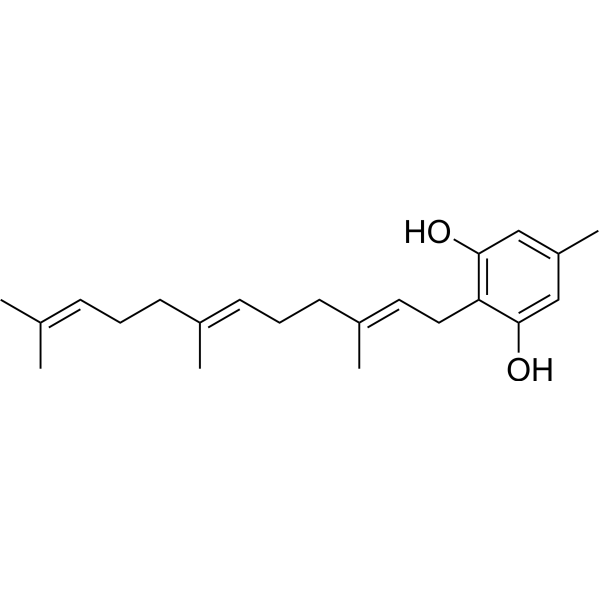
    Grifolin
    1 Publications Verification

    Apoptosis Cancer
    Grifolin is an antineoplastic agent can be isolated from the mushroom Albatrellus confluens and significantly induces apoptosis .
    Grifolin
  • HY-172183

    Biochemical Assay Reagents Others
    Potato Dextrose agar is a commonly used culture medium, suitable for culturing yeast, mold, mushrooms and other fungi .
    Potato dextrose agar
  • HY-N12810

    Tyrosinase Others
    Sanggenon O is a mushroom tyrosinase inhibitor that can be isolated from Morus nigra, with an IC50 value of 1.15 μM .
    Sanggenon O
  • HY-W127366

    Biochemical Assay Reagents Others
    7-Octen-1-ol is an organic compound belonging to the group of alcohols. It has a strong mushroom-like smell and is commonly found in a variety of foods, such as mushrooms, soybeans, and peanuts. 7-Octen-1-ol has various applications in the flavor and fragrance industry, especially as a fragrance agent in products such as perfumes, colognes and air fresheners. In addition, it has potential utility in inhibiting inflammation-related diseases and cancer.
    7-Octen-1-ol
  • HY-N3977

    Free Fatty Acid Receptor Inflammation/Immunology
    Grifolic acid is a phenolic compound that is first extracted from the mushroom Albatrellus confluens. Grifolic acid acts as an agonist of the free fatty acid receptor (FFAR4/GPR120) .
    Grifolic acid
  • HY-122493

    DNA Alkylator/Crosslinker Apoptosis Cancer
    Illudin M is a cytotoxic fungal sesquiterpene that can be isolated from the culture medium of Omphalotus illudens mushrooms. Illudin M can alkylate DNA. Illudin M has anti-tumor activities .
    Illudin M
  • HY-151829

    ADC Linker Others
    Fmoc-L-Asn(EDA-N3)-OH is a click chemistry reagent containing an azide group. This building block is reported in literature for the modification of Amanitin via Click Chemistry. Alpha-Amanitin is the deadliest member of the amatoxin peptide family produced by the death-cap mushroom A. phalloides. It is an orally available, rigid, bicyclic octapeptide and one of the most lethal known natural products (LD50 = 50-100 μg/kg) acting as highly selective allosteric inhibitor of the RNA polymerase II . It contains an azide group and can undergo copper-catalyzed azide-alkyne cycloaddition (CuAAc) with molecules containing alkyne groups. It can also undergo ring strain-promoted alkyne-azide cycloaddition (SPAAC) with molecules containing DBCO or BCN groups.
    Fmoc-L-Asn(EDA-N3)-OH
  • HY-N9768

    9-oxo-ODA

    Fungal PPAR Infection
    (10E,12E)-9-Oxo-10,12-octadecadienoic acid (9-oxo-ODA) is a PPARα agonist that can be isolated from the basidiomycete Gomphus floccosus. (10E,12E)-9-Oxo-10,12-octadecadienoic acid enhances fatty acid oxidation through PPARα activation, thereby inhibiting triglyceride accumulation. (10E,12E)-9-Oxo-10,12-octadecadienoic acid also has antifungal (Fungal) activity .
    (10E,12E)-9-Oxo-10,12-octadecadienoic acid
  • HY-N7717

    (–)-(1R)-N-methylcoclaurine

    Drug Derivative Metabolic Disease
    (-)-N-methylcoclaurine ((-)-(1R)-N-methylcoclaurine) is a benzylisoquinoline alkaloid and melanogenesis inhibitor with an IC50 of 6.5 μM that can be found in the flower buds of Nelumbo nucifera. (-)-N-methylcoclaurine inhibits theophylline-stimulated melanogenesis in melanoma cells. (-)-N-methylcoclaurine can be used for the research of skin hyperpigmentation disorders .
    (-)-N-methylcoclaurine
  • HY-121111

    HIV Protease Cancer
    Agaritine is a compound isolated from the commonly cultivated commercial mushroom Agaricus bisporus. Agaritine is hydrolyzed by an enzyme system present in the mushroom into 4-(hydroxymethyl)benzenediazonium ion, which is a carcinogen in mice. Agaritine is structurally similar to some known carcinogens and can be used for research in cancer and food safety .
    Agaritine
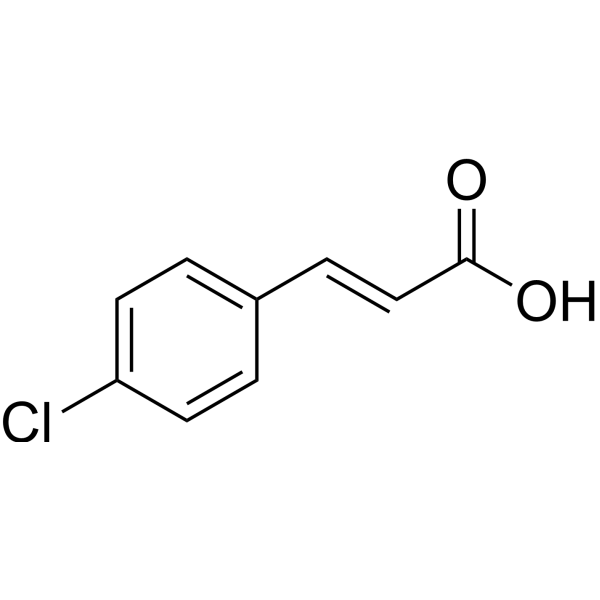
  • HY-Y0729
    4-Chlorocinnamic acid
    1 Publications Verification

    Tyrosinase Bacterial Fungal Drug Derivative Infection Neurological Disease
    4-Chlorocinnamic acid is a derivative of Cinnamic acid (HY-N0610A). 4-Chlorocinnamic acid inhibits the monophenolase and diphenolase activities of mushroom tyrosinase with IC50 values of 0.477 mM and 0.229 mM, respectively. 4-Chlorocinnamic acid inhibits the mycelial growth of Colletotrichum gloeosporioides. 4-Chlorocinnamic acid exhibits anticonvulsant activity against acute epilepsy induced by pentylenetetrazol .
    4-Chlorocinnamic acid
  • HY-175402

    Drug Isomer Infection Inflammation/Immunology
    (S)-5-Hydroxyequol is a (S)-stereochemistry of 5-Hydroxyequol. (S)-5-Hydroxyequol can be used for research on oxidative damage, fungal infections, inflammation, and immunosuppression .
    (S)-5-Hydroxyequol
  • HY-W046353A

    (E)-o-Methoxycinnamaldehyde

    Tyrosinase Neurological Disease
    (E)-2-Methoxycinnamaldehyde ((E)-o-Methoxycinnamaldehyde) is a tyrosinase inhibitor with an IC50 of 0.42 mM for mushroom tyrosinase. (E)-2-Methoxycinnamaldehyde is found in the twigs of Cinnamomum cassia. (E)-2-Methoxycinnamaldehyde can be used for the research of Parkinson's disease .
    (E)-2-Methoxycinnamaldehyde
  • HY-131083

    DNA/RNA Synthesis ADC Payload Cancer
    ε-Amanitin, a cyclic peptide isolated from a variety of mushroom species, potently binds to and inhibits the activity of RNA polymerase II .
    ε-Amanitin
  • HY-117761

    PPAR Metabolic Disease Cancer
    MHY908 is a potent dual agonist of PPARα and PPARγ . MHY908 also inhibits melanogenesis through inhibition of mushroom tyrosinase activity .
    MHY908
  • HY-N10219

    Tyrosinase Fungal Infection
    Dihydroaltenuene B is a potent mushroom tyrosinase inhibitor with an IC50 of 38.33 µM. Dihydroaltenuene B shows the hydrogen bonding interactions between the 3-OH and 4’-OH and the His244, Met280 and Gly281 residues of tyrosinase .
    Dihydroaltenuene B

Inquiry Online

Your information is safe with us. * Required Fields.

Salutation


Country or Region *

Applicant Name *


Organization Name *

Department *


Email Address *


Product Name *

Cat. No.


Requested quantity *

Phone Number *


Remarks

Inquiry Online

Inquiry Information

Product Name:
Cat. No.:
Quantity:
MCE Japan Authorized Agent:

