1. Search Result
Search Result
Results for "

nanomolar

" in MedChemExpress (MCE) Product Catalog:

271

阻害剤およびアゴニスト

3

蛍光色素

1

生化学アッセイ試薬

15

ペプチド

2

阻害性抗体

16

天然物

4

同位体標識化合物

3

クリックケミストリー

製品番号 製品名 Target 研究分野 構造式
  • HY-141520
    ART558
    Maximum Cited Publications
    49 Publications Verification

    DNA/RNA Synthesis Cancer
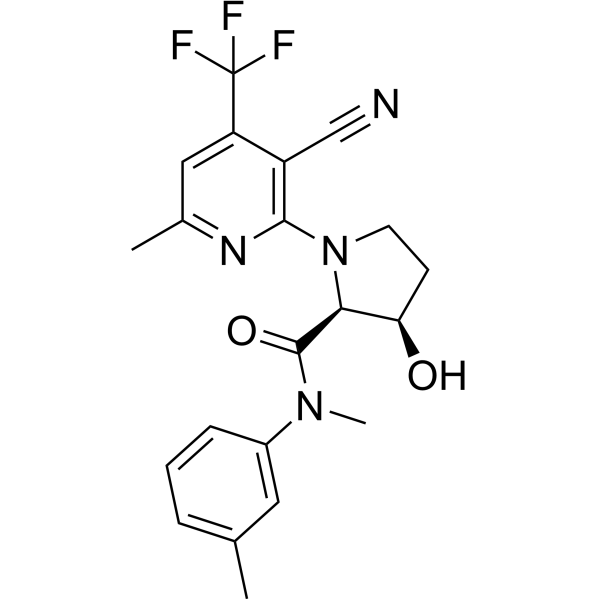
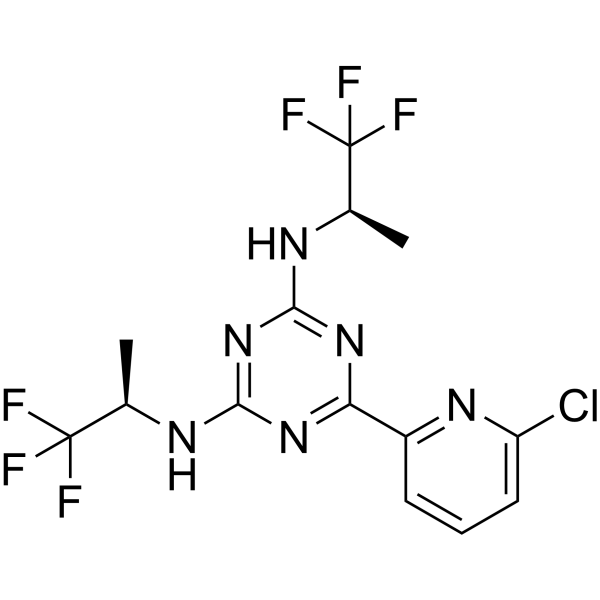
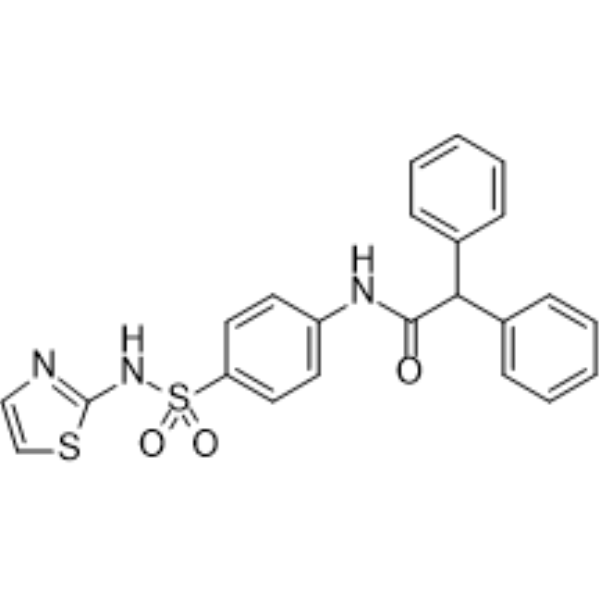
    ART558 is a potent, selective and allosteric DNA polymerase theta (Polθ) inhibitor (IC50=7.9 nM). ART558 elicits BRCA-gene synthetic lethality and DNA damage. ART558 can be used for the research of cancer, such as breast cancer .
    ART558
  • HY-114361
    OSMI-4
    25+ Cited Publications

    OGT Acyltransferase Metabolic Disease
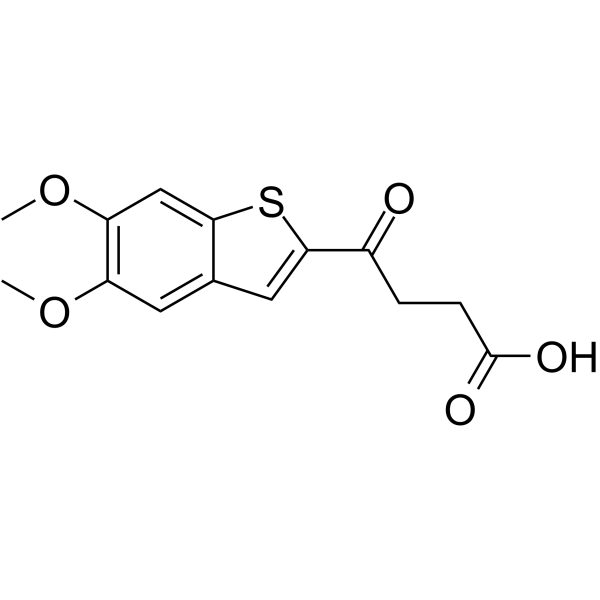
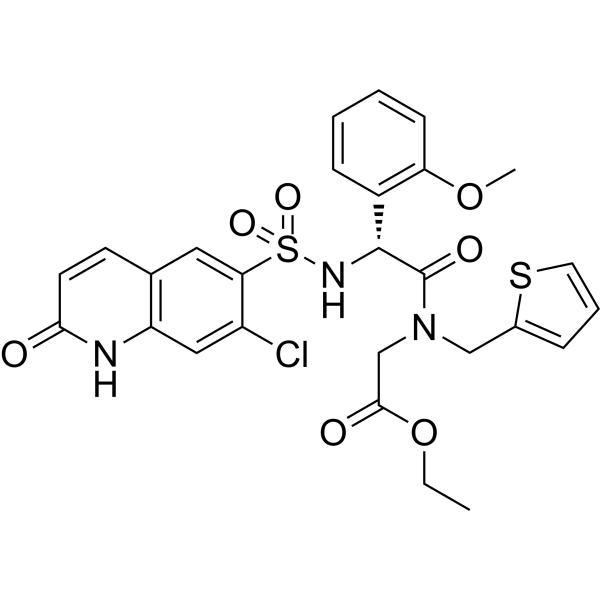
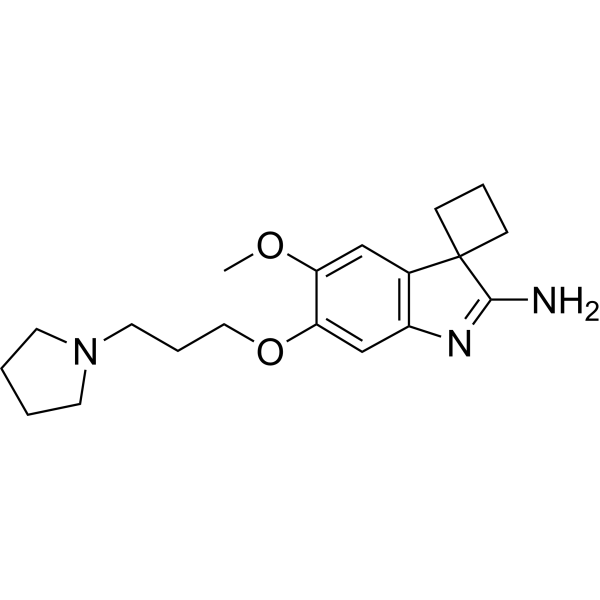
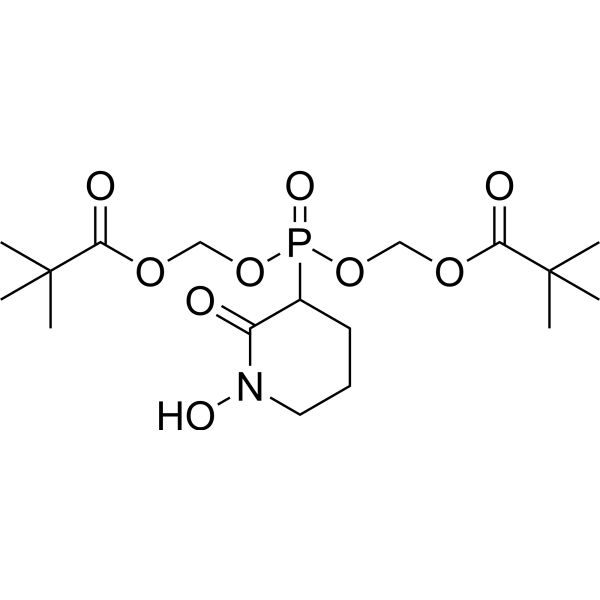
    OSMI-4 is a low nanomolar O-GlcNAc transferase (OGT) inhibitor, with an EC50 of 3 μM in cells.
    OSMI-4
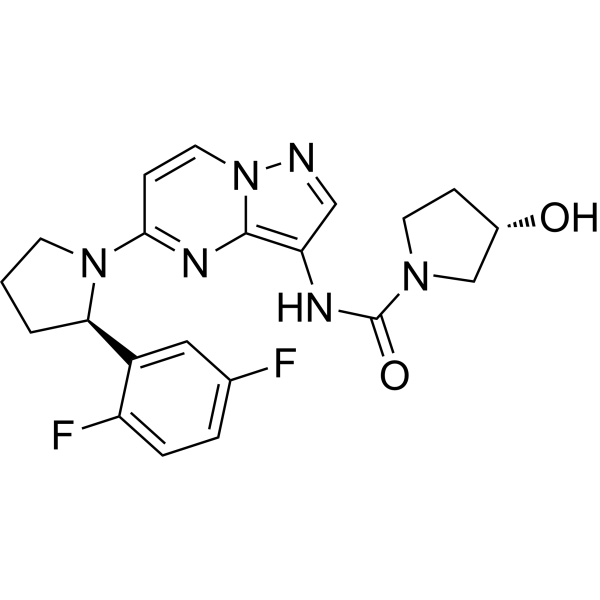
  • HY-12866
    Larotrectinib
    15+ Cited Publications

    LOXO-101; ARRY-470

    Trk Receptor Apoptosis Cancer
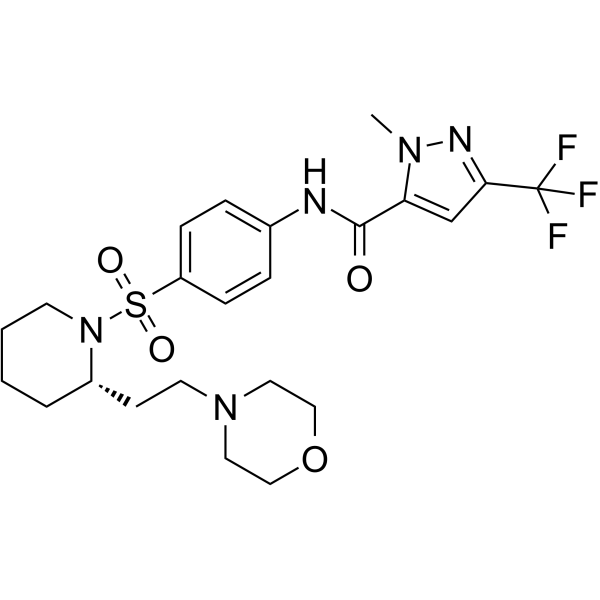
    Larotrectinib (LOXO-101) is an ATP-competitive oral, selective inhibitor of the tropomyosin-related kinase (TRK) family receptors, with low nanomolar 50% inhibitory concentrations against all three isoforms (TRKA, B, and C).
    Larotrectinib
  • HY-101213
    OSW-1
    5 Publications Verification

    Oxysterol-binding Protein-related Protein (ORP) Cancer
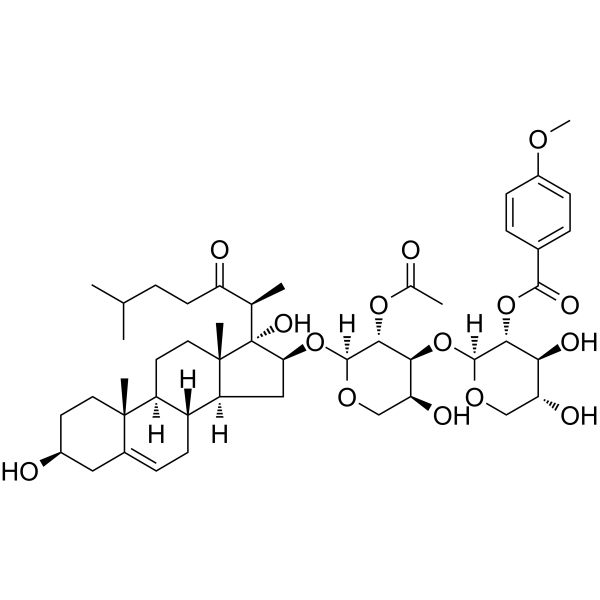
    OSW-1, isolated from Ornithogalum caudatum, is a specific antagonist of ooxysterol binding protein (OSBP) and OSBP-related protein 4 (ORP4) with GI50s in the nanomolar range in human cancer lines.
    OSW-1
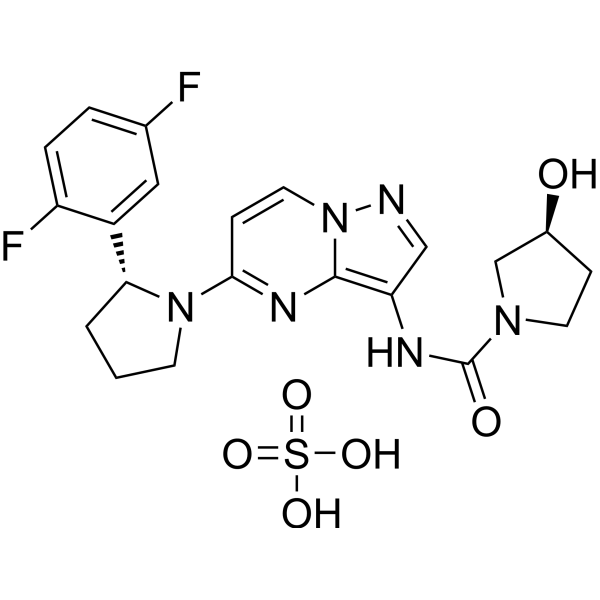
  • HY-12866A
    Larotrectinib sulfate
    15+ Cited Publications

    LOXO-101 sulfate; ARRY-470 sulfate

    Trk Receptor Apoptosis Cancer
    Larotrectinib sulfate (LOXO-101 sulfate; ARRY-470 sulfate) is an ATP-competitive oral, selective inhibitor of the tropomyosin-related kinase (TRK) family receptors, with low nanomolar 50% inhibitory concentrations against all three isoforms (TRKA, B, and C).
    Larotrectinib sulfate
  • HY-16978
    TG6-10-1
    5+ Cited Publications

    5-HT Receptor Prostaglandin Receptor Neurological Disease Endocrinology
    TG6-10-1 is an EP2 antagonist, shows low-nanomolar antagonist activity against only EP2, >300-fold selectivity over human EP3, EP4, and IP receptors, 100-fold selectivity over EP1 receptors .
    TG6-10-1
  • HY-132298

    Adenylate Cyclase Others
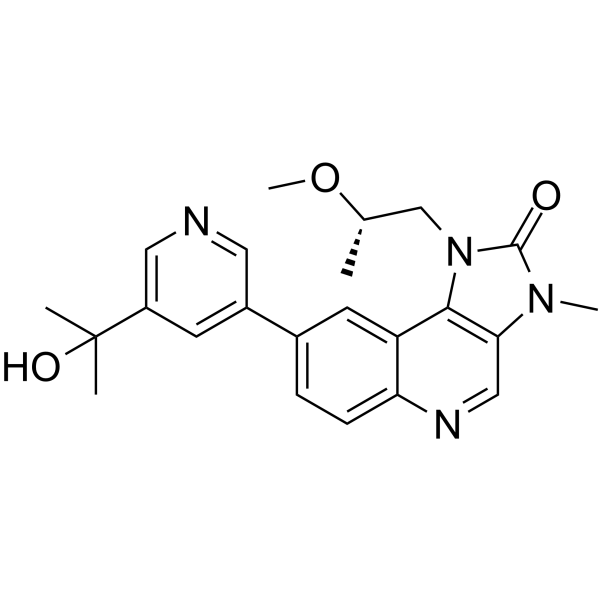
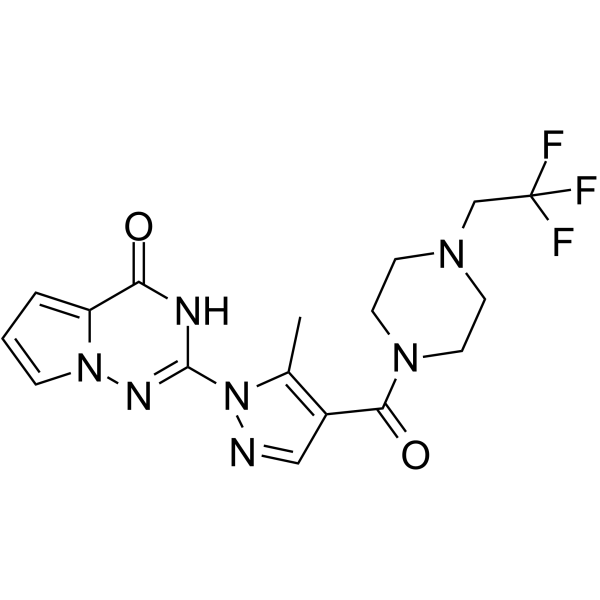
    TDI-10229 is a potent and orally bioavailable inhibitor of soluble adenylyl cyclase (sAC, ADCY10). TDI-10229 displays nanomolar inhibition of sAC in both biochemical and cellular assays (IC50 of 195 nM) and exhibits mouse pharmacokinetic properties sufficient to warrant its use as an in vivo tool compound .
    TDI-10229
  • HY-122025
    AC-262536
    1 Publications Verification

    Androgen Receptor Metabolic Disease
    AC-262536 is a selective and non-steroidal androgen receptor modulators (SARMs) with beneficial anabolic effects. AC-262536 exhibits potent agonist activity at the androgen receptor, with an affinity in the low nanomolar range (1-10 nM) .
    AC-262536
  • HY-18932
    DEL-22379
    2 Publications Verification

    ERK Apoptosis Cancer
    DEL-22379 is an ERK dimerization Inhibitor. DEL-22379 readily binds to ERK2 with a Kd estimated in the low micromolar range, though binding is detectable even at low nanomolar concentrations. ERK2 dimerization is progressively inhibited with an IC50 of ~0.5 μM.
    DEL-22379
  • HY-14776
    Quarfloxin
    5+ Cited Publications

    CX-3543

    DNA/RNA Synthesis Cancer
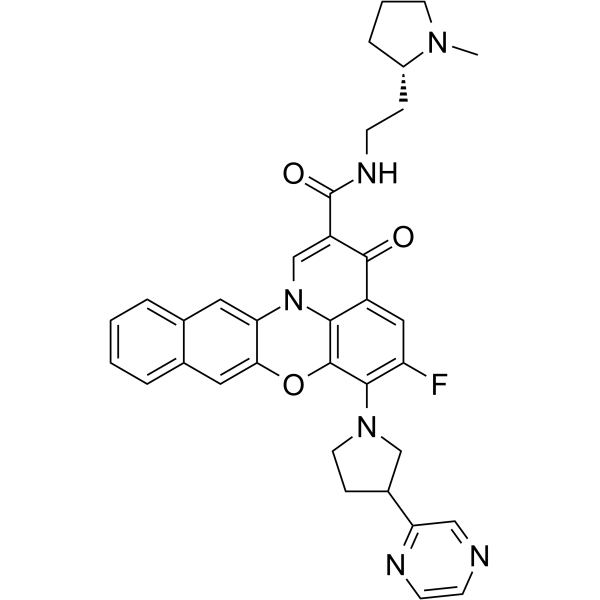
    Quarfloxin (CX-3543), a fluoroquinolone derivative with antineoplastic activity, targets and inhibits RNA pol I activity, with IC50 values in the nanomolar range in neuroblastoma cells. Quarfloxin disrupts the interaction between the nucleolin protein and a G-quadruplex DNA structure in the ribosomal DNA (rDNA) template .
    Quarfloxin
  • HY-N3755

    Estrogen Receptor/ERR Cancer
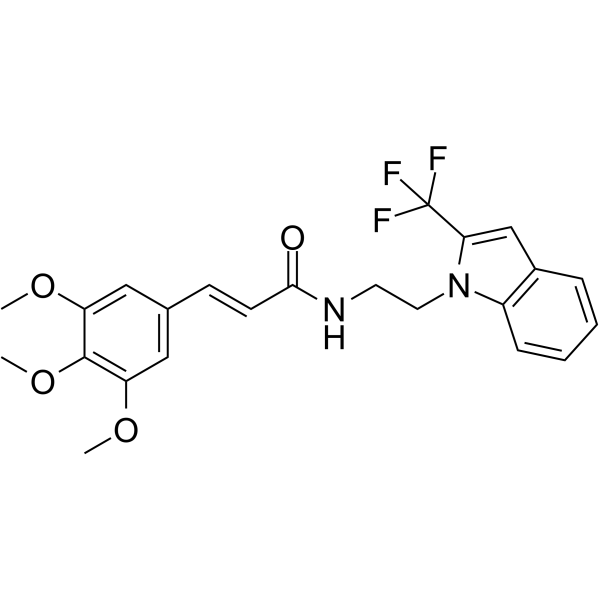
    Dihydroresveratrol, a potent phytoestrogen, is a hormone receptor modulator. Dihydroresveratrol exhibits proliferative effects in androgen-independent prostate and breast cancer cells at picomolar and nanomolar concentrations .
    Dihydroresveratrol
  • HY-114388
    QM385
    2 Publications Verification

    Reactive Oxygen Species (ROS) Inflammation/Immunology
    QM385 is a potent sepiapterin reductase (SPR) inhibitor with an IC50 of 1.49 nM, which blocks T-cell proliferation and autoimmunity at nanomolar potency and with good oral bioavailability .
    QM385
  • HY-50001
    Nucleozin
    5+ Cited Publications

    Influenza Virus Infection
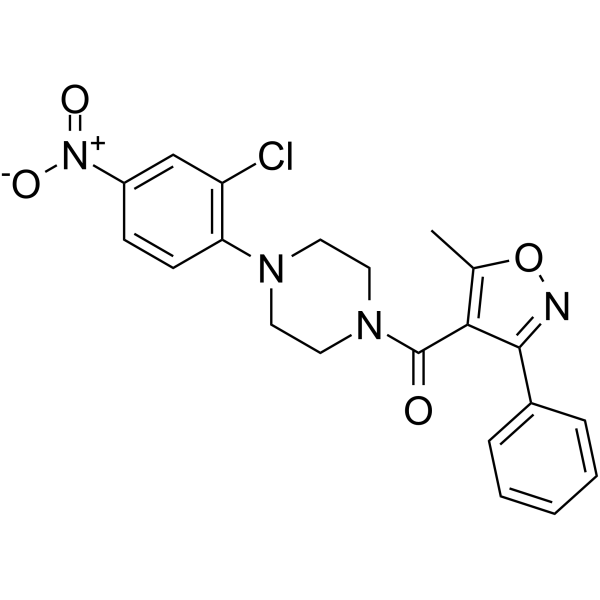
    Nucleozin, a potent inhibitor of influenza A virus infection, induces the formation of nucleoprotein (NP) aggregates and antagonizes its nuclear accumulation, leading to cessation of viral replication. Nucleozin impedes influenza A virus replication in vitro with a nanomolar EC50 .
    Nucleozin
  • HY-102074
    ERDRP-0519
    2 Publications Verification

    Measles Virus Infection
    ERDRP-0519, an orally bioavailable small-molecule Measles virus (MeV) polymerase inhibitor, prevents measles disease in squirrel monkeys (Saimiri sciureus). ERDRP-0519 inhibits morbilliviruses with nanomolar potency. .
    ERDRP-0519
  • HY-101124

    KAR5585

    Tryptophan Hydroxylase 5-HT Receptor Cardiovascular Disease
    Rodatristat ethyl (KAR5585) is a first-in-class oral tryptophan hydroxylase 1 (TPH1) Inhibitor with nanomolar in vitro potency. Rodatristat ethyl reduces the level of 5-HT and significantly reduces pulmonary arterial hypertension (PAH) .
    Rodatristat ethyl
  • HY-P10724

    Formyl Peptide Receptor (FPR) Bacterial Infection
    fMIFL is a formyl tetrapeptide derived from Staphylococcus aureus, and also an agonist of mouse formyl peptide receptor 1 (mFPR1). It exhibits nanomolar activity against mFPR1 and micromolar activity against mFPR2. fMIFL is applicable to studies related to bacterial infections .
    fMIFL
  • HY-127106
    VU0810464
    1 Publications Verification

    Potassium Channel Neurological Disease
    VU0810464 is a potent and selective non-ureaG protein-gated inwardly-rectifying potassium channels (GIRK, Kir3) activator. VU0810464 displays nanomolar potency for neuronal (EC50=165 nM) and GIRK1/4 (EC50=720 nM) channels with improved brain penetration .
    VU0810464
  • HY-18622

    Src FGFR PDGFR Cancer
    PP58 is a pyrido[2,3-d]pyrimidine-based compound that inhibits PDGFR, FGFR and Src family activities with nanomolar IC50 values.
    PP58
  • HY-112862
    Arg-AMS
    1 Publications Verification

    Aminoacyl-tRNA Synthetase Infection
    Arg-AMS (compound 24) is a potent nanomolar inhibitor of arginyl tRNA synthetase, which displays tightly bound inhibitory characteristics for the A-domains in non-ribosomal peptide synthetases (NRPS) enzymes .
    Arg-AMS
  • HY-153213

    TSH Receptor Metabolic Disease
    Org 274179-0 is a potent and allosteric antagonist of thyroid-stimulating hormone (TSH) receptor, with an IC50 of nanomolar concentration. Org 274179-0 completely inhibits TSH (and TSI)-mediated TSH receptor activation with little effect on the potency of TSH. Org 274179-0 can be used for the research of Graves' disease (GD) .
    Org 274179-0
  • HY-W022759

    Cholinesterase (ChE) Others
    9-Acridinecarboxylic acid is a precursor of a cholinesterase inhibitor, and its derivatives have nanomolar inhibitory potency against AChE and BChE .
    9-Acridinecarboxylic acid
  • HY-120530

    mGluR Neurological Disease
    JNJ-46281222 is an metabotropic glutamate (mGlu) 2-selective, highly potent PAM (positive allosteric modulator) with nanomolar affinity (Kd = 1.7 nM) and a high modulatory potency (pEC50 = 7.71) .
    JNJ-46281222
  • HY-101634

    HCV Infection
    ABT-072 is an orally active and potent non-nucleoside HCV NS5B polymerase inhibitor (HCV GT1a EC50=1 nM; HCV GT1b EC50=0.3 nM) .
    ABT-072
  • HY-P2274

    Parasite Infection
    Argifin is a sub-nanomolar chitinase inhibitor produced by soil microorganisms, with IC50s of 0.025 μM, 6.4 μM , 1.1 μM and 4.5 μM for SmChiA (Serratia marcescens chitinaese A), SmChiB, Aspergillus fumigatus chitinase B1 and human chitotriosidase, respectively .
    Argifin
  • HY-12607

    Parasite Infection
    ML251, a potent nanomolar T. brucei and T. cruzi phosphofructokinase (PFK) inhibitor, inhibits T. brucei PFK (IC50=0.37 μM) and T. cruzi PFK (IC50=0.13 μM). ML251 can be used for the research of parasite .
    ML251
  • HY-138649

    Influenza Virus Neurological Disease
    PB2 is a tris(2-carboxyethyl)phosphine (TCEP) analogue increasing retinal ganglion (RGCs) cells survival after axotomy in vitro at nanomolar and picomolar concentrations. PB2 is substantially more permeable than TCEP. PB2, as a reducing agent, is highly neuroprotective for RGCs .
    PB2
  • HY-108579

    Potassium Channel Cardiovascular Disease
    UCL 1684 (dibromide) is a first nanomolar, non-peptidic small conductance calcium-activated potassium (SK) channel blocker. UCL 1684 (dibromide) is effective in preventing the development of atrial fibrillation due to potent atrial-selective inhibition of INa. UCL 1684 (dibromide) causes atrial-selective prolongation of ERP secondary to induction of postrepolarization refractoriness .
    UCL 1684 dibromide
  • HY-118438

    Aryl Hydrocarbon Receptor Inflammation/Immunology
    10-Cl-BBQ is a high affinity AhR ligand with immunosuppressive activity. 10-Cl-BBQ promotes cytosol to nuclear translocation of AhR and activates the AhR-regulated reporter gene at nanomolar concentrations .
    10-Cl-BBQ
  • HY-19509

    Reverse Transcriptase HIV Infection
    IQP-0528 is a highly potent nonnucleoside reverse transcriptase inhibitor (NNRTI). IQP-0528 shows nanomolar activity against both HIV-1 and HIV-2, with EC50s of 0.2 nM and 100 nM, respectively .
    IQP-0528
  • HY-153534

    MicroRNA Cancer
    microRNA-21-IN-3 (compound 45) can specifically bind to the precursor of oncogenic and pro-inflammatory microRNA-21 with medium nanomolar affinity, reduce cancer cell proliferation and miR-21 levels, and can be used in antitumor research .
    microRNA-21-IN-3
  • HY-50055

    ERK Cancer
    EtDO-P4 is a nanomolar inhibitor of glycosphingolipid (GSL) synthesis. EtDO-P4 suppresses activation of the EGFR-induced ERK pathway and various receptor tyrosine kinases (RTKs). EtDO-P4 can be used for various types of cancer, including Burkitt’s lymphoma .
    EtDO-P4
  • HY-137392

    1-Naphthalenesulfonyl-Ile-Trp-CHO

    Cathepsin Others
    Cathepsin L-IN-4 is an inhibitor of cathepsin L with IC50 at nanomolar concentrations .
    Cathepsin L-IN-4
  • HY-133735A
    GRP-60367 hydrochloride
    1 Publications Verification

    RABV Infection
    GRP-60367 hydrochloride is a first-in-class small-molecule rabies virus (RABV) entry inhibitor with nanomolar potency against some RABV strains. GRP-60367 hydrochloride specifically targets the RABV G protein .
    GRP-60367 hydrochloride
  • HY-101634A

    HCV Infection
    ABT-072 (potassium trihydrate) is an orally active and potent non-nucleoside HCV NS5B polymerase inhibitor (HCV GT1a EC50=1 nM; HCV GT1b EC50=0.3 nM) .
    ABT-072 potassium trihydrate
  • HY-138648

    ERK Neurological Disease
    PB1 is a potent intracellular disulfide reducing agent with several advantages including good cell permeability, the ability to form a high intracellular concentration gradient, and stability. PB1 is a borane-protected TCEP (tris(2-carboxyethyl)phosphine) analogue. PB1 increases retinal ganglion cells survival after axotomy in vitro at nanomolar and picomolar concentrations. PB1 can be used for the research of neuroprotective .
    PB1
  • HY-130613

    Bacterial Infection
    MAC-545496 is a nanomolar inhibitor of glycopeptide-resistance-associated protein R (GraR). MAC-545496 displays strong binding affinity to the full-length GraR protein (Kd ≤ 0.1 nM). MAC-545496 is an antivirulence agent that reverses β-lactam resistance in Methicillin-resistant strains (MRSA) .
    MAC-545496
  • HY-156786

    Reactive Oxygen Species (ROS) Influenza Virus SARS-CoV HSV Infection
    TLD-1433 is the fourth-generation ruthenium (II) based photodynamic compound (PDC). TLD-1433 is activated by green light (525 ± 25 nm) and efficiently generates ROS to achieve pathogen inactivation. After photoinactivation, TLD-1433 significantly induces lipid peroxidation of the cell membrane, which can directly damage the integrity of the viral envelope. TLD-1433 has ID50 for enveloped viruses (such as H1N1 influenza virus, coronavirus OC43, HSV-1, Zika virus) is as low as nanomolar level; for non-enveloped viruses (such as adenovirus Ad5, mammalian rotavirus MRV), a concentration of micro-molar level is required for inactivation. TLD-1433 has antigen retention property and can be used for the preparation of inactivated vaccines .
    TLD-1433
  • HY-133735
    GRP-60367
    1 Publications Verification

    RABV Infection
    GRP-60367 is a first-in-class small-molecule rabies virus (RABV) entry inhibitor with nanomolar potency against some RABV strains .
    GRP-60367
  • HY-141495
    (Rac)-Razpipadon
    1 Publications Verification

    PW0464

    Dopamine Receptor Neurological Disease
    PW0464, a nanomolar potent complete G protein biased ligand, is a noncatechol D1R agonist, with an EC50 of 5.8 nM (Gs-cAMP) .
    (Rac)-Razpipadon
  • HY-132170

    Dihydroorotate Dehydrogenase Parasite Infection
    DSM502 is a pyrrole-based Dihydroorotate Dehydrogenase (DHODH) inhibitor. DSM502 exhibits nanomolar potency againsts Plasmodium DHODH and Plasmodium parasites, with no inhibition of mammalian DHODHs .
    DSM502
  • HY-146214

    CDK Cancer
    As a cdk4/6 inhibitor. Compounds 10B and 10C showed low nanomolar activity, ideal antiproliferative activity, excellent metabolic properties and acceptable pharmacokinetics on cdk4/6.
    CDK4/6-IN-13
  • HY-126275

    ROCK Cancer
    HSD1590 is potent ROCK inhibitor, with IC50s of 1.22 and 0.51 nM for ROCK1 and ROCK2, respectively. HSD1590 exhibits single digit nanomolar binding to ROCK (Kds<2 nM). HSD1590 displays low cytotoxicity .
    HSD1590
  • HY-132171A

    Dihydroorotate Dehydrogenase Parasite Infection
    DSM705 hydrochloride, an orally active antimalarial compound, is a pyrrole-based Dihydroorotate Dehydrogenase (DHODH) inhibitor. DSM705 hydrochloride exhibits nanomolar potency against Plasmodium DHODH and Plasmodium parasites (IC50=95, 52 nM for P. falciparum and P. vivax DHODH, respectively), with no inhibition of mammalian DHODHs .
    DSM705 hydrochloride
  • HY-155840

    HDAC Apoptosis Cancer
    KH16 is a potent and low nanomolar HDAC inhibitor. KH16 is against class I HDACs HDAC1, HDAC2, and HDAC3, with IC50 values ranging from 6 to 34 nM. KH16 induces cell apoptosis and is against tumor cells with various gene expression patterns .
    KH16
  • HY-156060

    Toll-like Receptor (TLR) Inflammation/Immunology
    NCI126224 is a TLR4 signaling inhibitor. NCI126224 suppress LPS (HY-D1056)-induced production of NF-κB, TNF-α, IL-1β, and NO in the nanomolar-low micromolar range. NCI126224 can be used for the research of inflammatory diseases .
    NCI126224
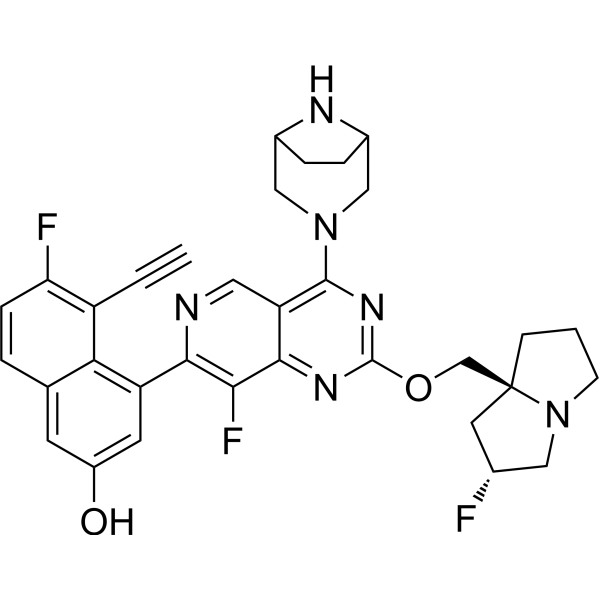
  • HY-141520G

    DNA/RNA Synthesis Cancer
    ART558 (GMP) is ART558 (HY-141520) produced by using GMP guidelines. GMP small molecules works appropriately as an auxiliary reagent for cell therapy manufacture. ART558 is a potent, selective and allosteric DNA polymerase theta (Polθ) inhibitor (IC50=7.9 nM). ART558 elicits BRCA-gene synthetic lethality and DNA damage. ART558 can be used for the research of cancer, such as breast cancer .
    ART558
  • HY-132171

    Dihydroorotate Dehydrogenase Parasite Infection
    DSM705 is a pyrrole-based Dihydroorotate Dehydrogenase (DHODH) inhibitor. DSM705 exhibits nanomolar potency against Plasmodium DHODH and Plasmodium parasites, with no inhibition of mammalian DHODHs. DSM705 is a potent antimalarial compound .
    DSM705
  • HY-156177

    Toll-like Receptor (TLR) Inflammation/Immunology
    TLR7 agonist 16 (compound 16d) is a highly potent TLR7 agonist with an EC50 of 18 nM. TLR7 agonist 16 potently induces the activation of mouse macrophages and hPBMCs at low-nanomolar concentrations .
    TLR7 agonist 16
  • HY-156176

    Toll-like Receptor (TLR) Inflammation/Immunology
    TLR7 agonist 15 (compound 16b) is a highly potent TLR7 agonist with an EC50 of 18 nM. TLR7 agonist 15 potently induces the activation of mouse macrophages and hPBMCs at low-nanomolar concentrations .
    TLR7 agonist 15
  • HY-P10331

    SDCBP Cancer
    KSL 128114, a peptide inhibitor of syntenin, binds the PDZ1 domain of syntenin with nanomolar affinity. KSL 128114 is resistant toward degradation in human plasma and mouse hepatic microsomes and displays a global PDZ domain selectivity for syntenin .
    KSL 128114

オンラインお問い合わせ

入力情報は安全に管理されます. 必須入力項目.

タイトル


国或いは地域 *

お名前 *


組纖名 *

デパートメント *


メールアドレス *


製品名 *

製品番号


カスタマ需要量 *

電話番号 *


必ず会社名を記載ください。個人への返信は行いません。

備考

バルクお問い合わせ

Inquiry Information

製品名:
製品番号:
数量:
MCE 日本正規代理店:

