

1. Search Result
Search Result
Results for "

ovaries

" in MedChemExpress (MCE) Product Catalog:

85

Inhibitors & Agonists

1

Biochemical Assay Reagents

6

Peptides

1

MCE Kits

15

Inhibitory Antibodies

20

Natural
Products

5

Isotope-Labeled Compounds

1

Click Chemistry

1

Oligonucleotides

Cat. No. Product Name Target Research Areas Chemical Structure
  • HY-B0463
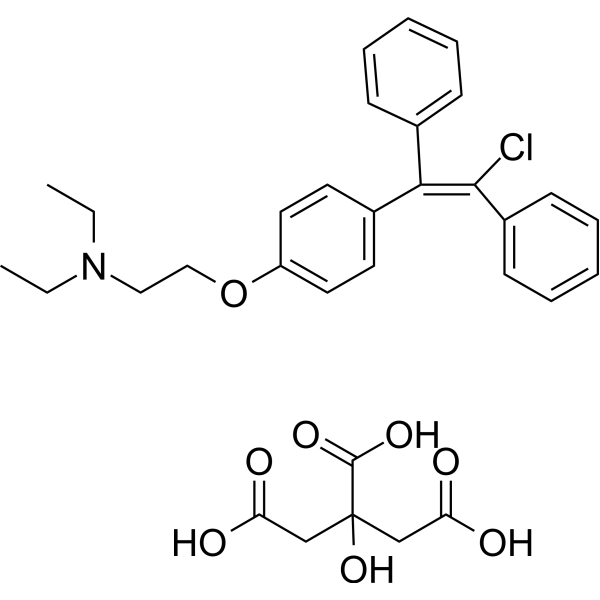
    Clomiphene citrate
    5 Publications Verification

    Clomifene citrate

    Estrogen Receptor/ERR Neurological Disease Endocrinology Cancer
    Clomiphene citrate (Clomifene citrate) is an orally active estrogen-receptor modulator. Clomiphene citrate has anti-cancer actixity, induces perturbations during meiotic maturation and cytogenetic abnormalities and ameliorates in managing psychiatric and cognitive impairment .
    Clomiphene citrate
  • HY-P2293
    Luteinizing hormone (human)
    3 Publications Verification

    Endogenous Metabolite Endocrinology
    Luteinizing hormone (human), a heterodimeric glycoprotein hormone produced by the pituitary gland (LH), plays key roles in human reproduction .
    Luteinizing hormone (human)
  • HY-N9410

    1-Linoleoyl-2-Hydroxy-sn-glycero-3-PC; LPC(18:2/0:0); LysoPC(18:2)

    Endogenous Metabolite Metabolic Disease
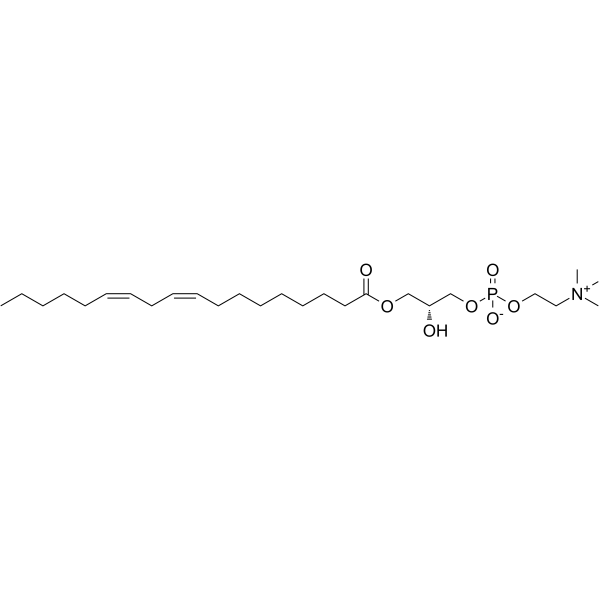
    Lysophosphatidylcholine 18:2 (1-Linoleoyl-2-Hydroxy-sn-glycero-3-PC), a lysophospholipid, is a potential biomarker identified from insulin resistance (IR) polycystic ovary syndrome (PCOS). Low plasma Lysophosphatidylcholine 18:2 also has been shown to predict impaired glucose tolerance, insulin resistance, type 2 diabetes, coronary artery disease, and memory impairment .
    Lysophosphatidylcholine 18:2
  • HY-17372
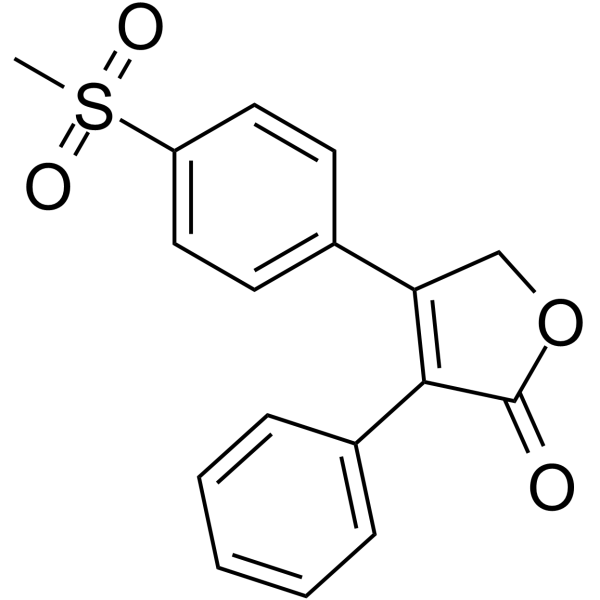
    Rofecoxib
    5 Publications Verification

    MK 966

    COX Inflammation/Immunology Cancer
    Rofecoxib is a potent, specific and orally active COX-2 inhibitor, with IC50s of 26 and 18 nM for human COX-2 in human osteosarcoma cells and Chinese hamster ovary cells, with a 1000-fold selectivity for COX-2 over human COX-1 (IC50 > 50 μM in U937 cells and > 15 μM in Chinese hamster ovary cells).
    Rofecoxib
  • HY-B0528A
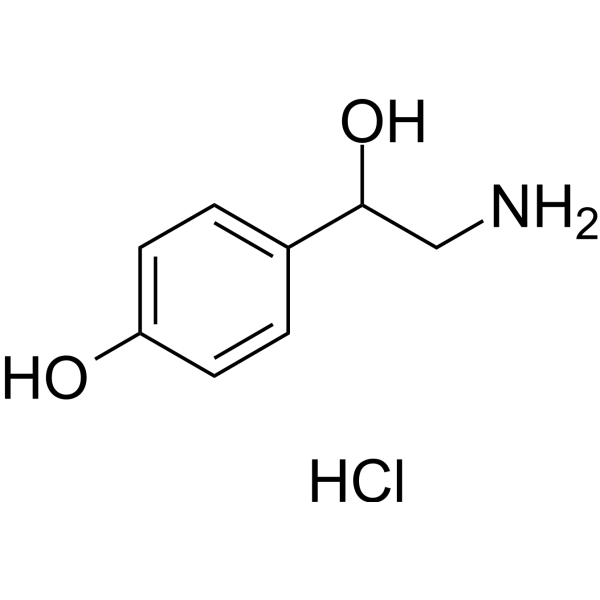
    Octopamine hydrochloride
    5 Publications Verification

    (±)-p-Octopamine hydrochloride

    Adrenergic Receptor Endogenous Metabolite Neurological Disease Endocrinology
    Octopamine ((±)-p-Octopamine) hydrochloride, a biogenic monoamine structurally related to noradrenaline, acts as a neurohormone, a neuromodulator and a neurotransmitter in invertebrates. Octopamine hydrochloride can stimulate alpha2-adrenoceptors (ARs) in Chinese hamster ovary cells transfected with human alpha2-ARs. Octopamine hydrochloride increased glycogenolysis, glycolysis, oxygen uptake, gluconeogenesis and the portal perfusion pressure .
    Octopamine hydrochloride
  • HY-N3021

    Endogenous Metabolite NF-κB TNF Receptor FOXO Microtubule/Tubulin Metabolic Disease
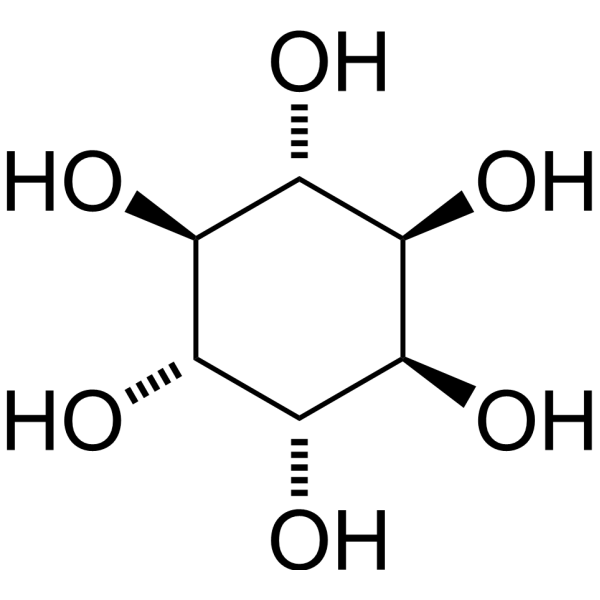
    D-chiro-Inositol is a stereoisomer of inositol that exhibits activities such as improving glucose metabolism, anti-tumor effects, anti-inflammatory properties, and antioxidant activity. D-chiro-Inositol effectively alleviates cholestasis by enhancing bile acid secretion and reducing oxidative stress. D-chiro-Inositol improves insulin resistance, lowers hyperglycemia and circulating insulin levels, reduces serum androgen levels, and ameliorates some metabolic abnormalities associated with X syndrome by mimicking the action of insulin. Additionally, D-chiro-Inositol can induce a reduction in pro-inflammatory factors (such as Nf-κB) and cytokines (such as TNF-α), thereby exerting anti-inflammatory effects. D-chiro-Inositol may be used in the study of liver cirrhosis, breast cancer, type 2 diabetes, and polycystic ovary syndrome .
    D-chiro-Inositol
  • HY-W017113
    2-Mercaptobenzothiazole
    1 Publications Verification

    Environmental Pollutants Endogenous Metabolite Metabolic Disease
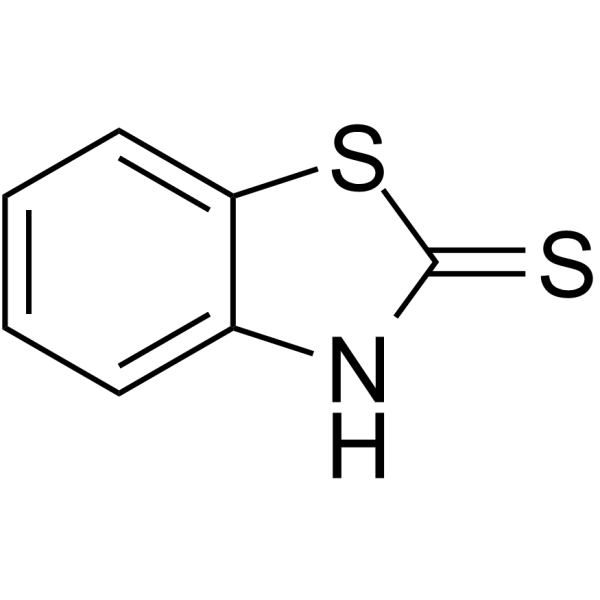
    2-Mercaptobenzothiazole is an activator of the aryl hydrocarbon receptor (AhR) , inhibiting thyroid hormone synthesis and dopamine beta-hydroxylase activity . 2-Mercaptobenzothiazole promotes bladder cancer cell invasion by altering the conformation of the AhR ligand binding domain (LBD), activating AhR transcription, and upregulating the mRNA and protein expression of target genes CYP1A1 and CYP1B1 . 2-Mercaptobenzothiazole inhibits thyroid peroxidase (TPO) with an IC50 value of 11.5 μM, induces histological changes such as follicular cell hypertrophy in Xenopus laevis tadpoles, delaying metamorphosis . 2-Mercaptobenzothiazole increases chromosomal aberrations and sister chromatid exchanges (SCEs) in Chinese hamster ovary (CHO) cells, and enhances carcinogenicity in F344/N rats . 2-Mercaptobenzothiazole inhibits norepinephrine synthesis in mice and completely blocks the conversion of exogenous dopamine to norepinephrine in rat cardiomyocytes .
    2-Mercaptobenzothiazole
  • HY-P99828

    PF-06523435; hu24

    ADC Antibody RET PERK ROR Cancer
    Cofetuzumab (PF-06523435) is a humanized IgG1-κ monoclonal antibody targeting PTK7. The expression system of Cofetuzumab is typically CHO (Chinese hamster ovary) cells. Cofetuzumab downregulates PTK7 expression, modulates its downstream signaling pathways, and inhibits tumor sphere formation of ovarian cancer cells. Cofetuzumab can be used to synthesize the ADC molecule Cofetuzumab pelidotin (HY-P99829). Cofetuzumab is applicable to the research of tumors such as ovarian cancer .
    Cofetuzumab
  • HY-42680

    D-(-)-Tagatose

    Endogenous Metabolite Metabolic Disease Inflammation/Immunology Cancer
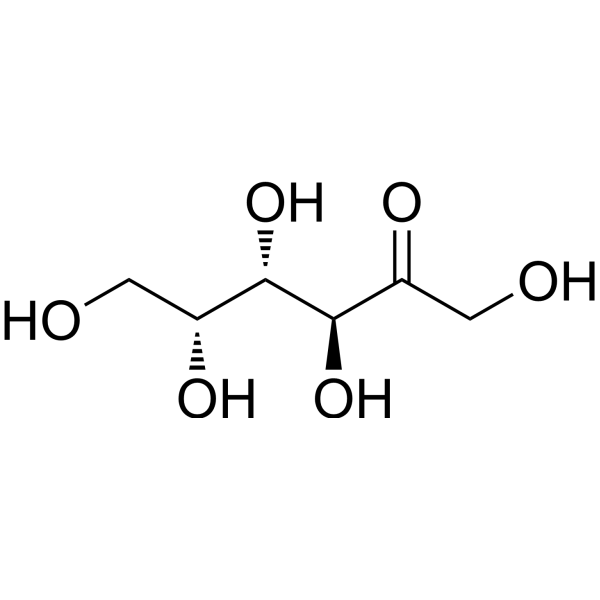
    D-Tagatose (D-(-)-Tagatose) is a natural low-calorie rare sugar. D-Tagatose inhibits the activities of sucrase, maltase and intestinal disaccharidases, reduces the digestion of sucrose and starch, and blocks the absorption of sucrose, maltose and glucose. D-Tagatose promotes glucokinase activity and inhibits glycogen phosphorylase activity via tagatose-1-phosphate, regulates the synthesis and decomposition of hepatic glycogen, reduces postprandial and fasting blood glucose levels, and improves hyperinsulinemia. D-Tagatose regulates lipid profiles, stimulates GLP-1 secretion, and exhibits prebiotic effects. D-Tagatose is a bulking sweetener. D-Tagatose can be used in research related to diabetes, hyperlipidemia, dental caries, atherosclerosis and type 2 diabetes .
    D-Tagatose
  • HY-113306

    Endogenous Metabolite Others
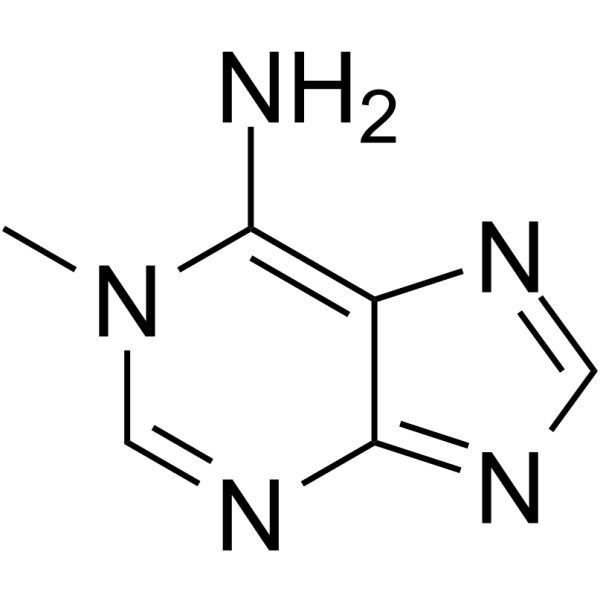
    1-Methyladenine is a gonad maturation-promoting regulator. 1-Methyladenine is produced in testes and ovarian follicle cells of starfish under the induction of gonad-stimulating substance (GSS). 1-Methyladenine promotes starfish oocyte maturation and spawning, and modifies bases that regulate DNA structure. 1-Methyladenine converts T-A base pairs in double-stranded DNA into non-disruptive T (anti)m1A (syn) Hoogsteen conformation. If this conformational base is not repaired in a timely manner, 1-Methyladenine transforms into cytotoxic DNA damage and blocks the replication process .
    1-Methyladenine
  • HY-17547
    NMS-E973
    2 Publications Verification

    HSP Cancer
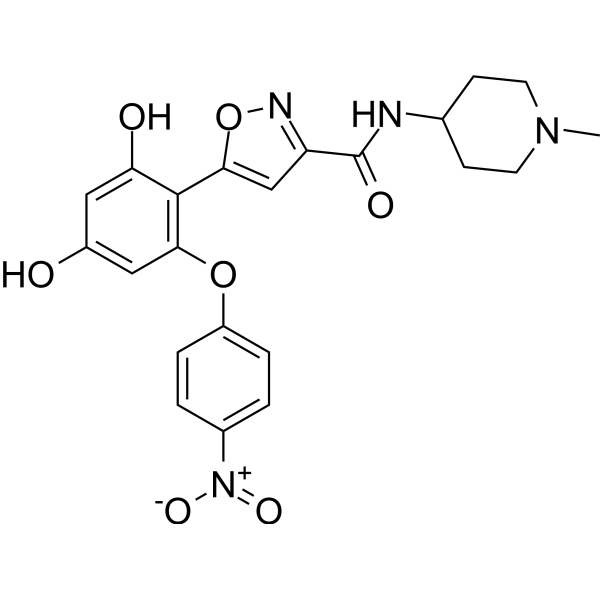
    NMS-E973 is a potent and selective inhibitor of HSP90. NMS-E973 binds to the ATP binding site of Hsp90α with a DC50 of <10 nM. NMS-E973 is able to cross the blood-brain barrier (BBB). Antitumor efficacy .
    NMS-E973
  • HY-10898
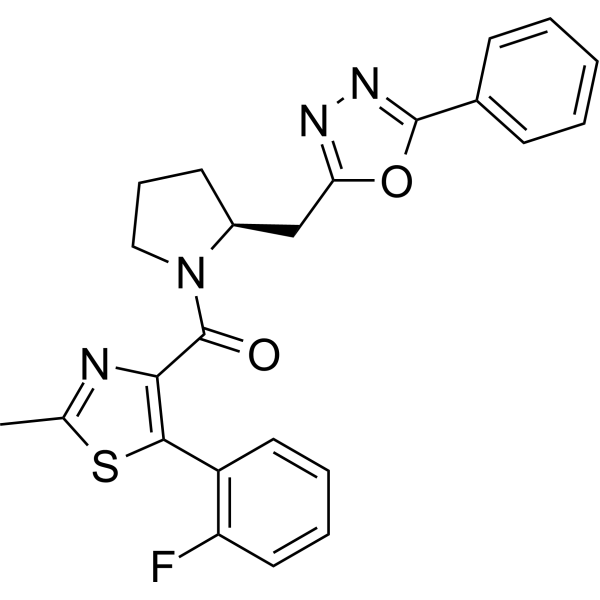
    SB-674042
    2 Publications Verification

    Orexin Receptor (OX Receptor) Neurological Disease Endocrinology
    SB-674042 is a potent and selective non-peptide orexin OX1 receptor antagonist (Kd=5.03 nM), exhibits 100-fold selectivity for OX1 over OX2 receptors with IC50 values of 3.76 nM and 531 nM, respectively .
    SB-674042
  • HY-W127758
    Alginic acid
    1 Publications Verification

    Histamine Receptor Apoptosis Autophagy Endogenous Metabolite Inflammation/Immunology Endocrinology
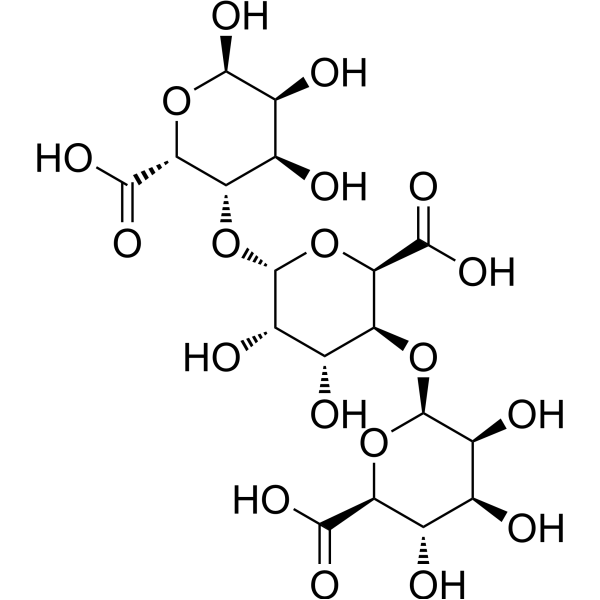
    Alginic acid is a natural polysaccharide, which has been widely concerned and applied due to its excellent water solubility, film formation, biodegradability and biocompatibility. Alginic acid induces oxidative stress-mediated hormone secretion disorder, apoptosis and autophagy in mouse granulosa cells and ovaries. Alginic acid has an inhibitory effect on histamine release. Anti-anaphylactic and anti-inflammatory properties .
    Alginic acid
  • HY-Y1080

    N-Acetyl-D-leucine

    Amino Acid Derivatives Monocarboxylate Transporter Endocrinology
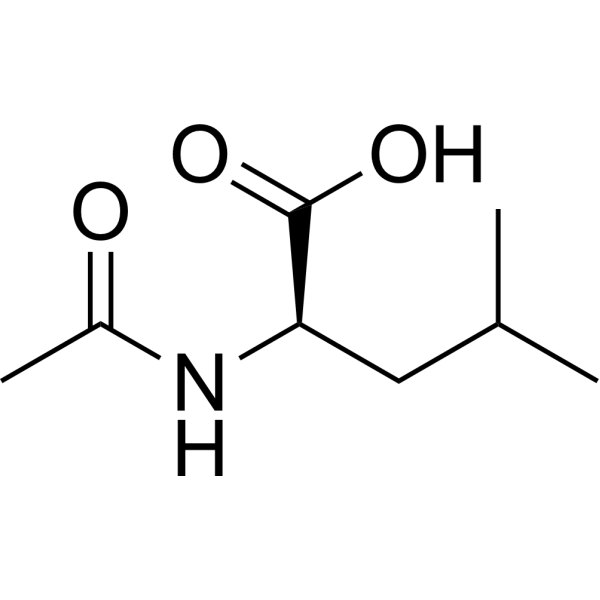
    N-Acetyl-R-leucine is an amino-protecting group N-substituted chiral amino acid. N-Acetyl-R-leucine is a PepT1 and MCT1 inhibitor with IC50 of 0.74 and 11 mM, respectively. N-Acetyl-R-leucine can be used for LysoTracker signaling studies .
    N-Acetyl-R-leucine
  • HY-Y0470
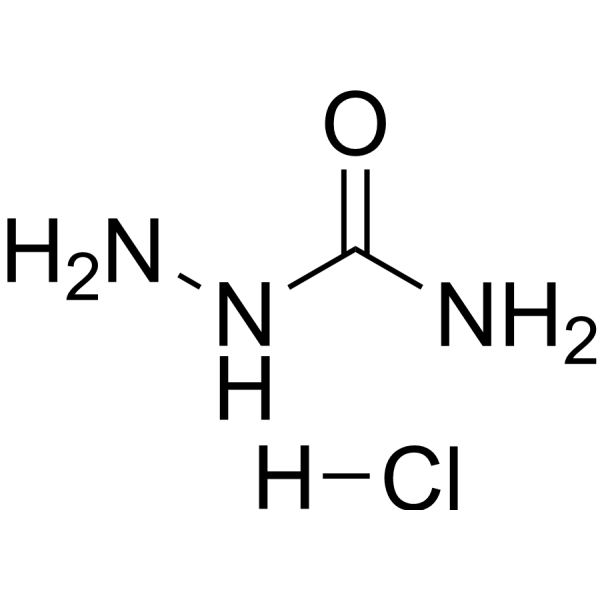
    Semicarbazide hydrochloride
    1 Publications Verification

    Aminourea hydrochloride; Hydrazinecarboxamide hydrochloride

    Monoamine Oxidase Cardiovascular Disease Inflammation/Immunology Endocrinology
    Semicarbazide hydrochloride is an orally active urea derivative. Semicarbazide hydrochloride binds to copper or iron in cells. Semicarbazide hydrochloride inhibits the activity of soluble semicarbazide sensitive amine oxidase (SSAO). Semicarbazide hydrochloride damages cartilage, blood vessels, ovaries, testicles, and thyroid follicles .
    Semicarbazide hydrochloride
  • HY-19436
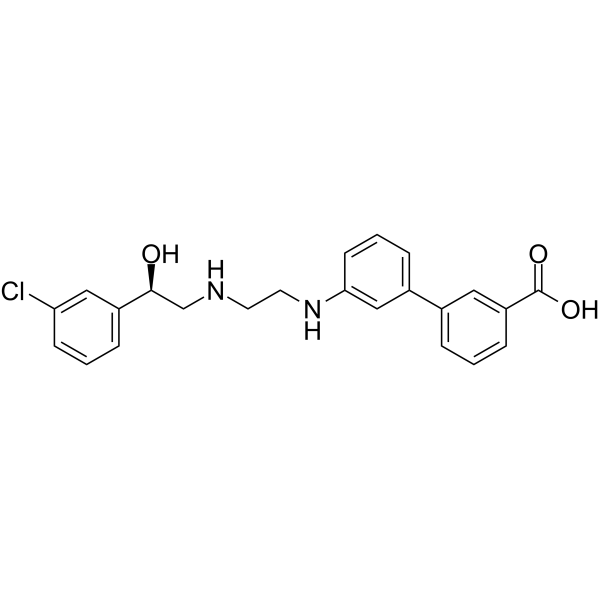
    Solabegron
    1 Publications Verification

    GW 427353

    Adrenergic Receptor Metabolic Disease Endocrinology
    Solabegron (GW 427353) is a selective β3-adrenergic receptor agonist, stimulating cAMP accumulation in Chinese hamster ovary cells expressing the human β3-AR, with an EC50 value of 22 nM . Solabegron (GW 427353) is being developed for the treatment of overactive bladder and irritable bowel syndrome .
    Solabegron
  • HY-121267

    Environmental Pollutants DNA/RNA Synthesis Herbicide Others
    Dicamba is a herbicide. Dicamba is currently used in agriculture and gardening to control the growth of different unwanted vegetable species, mainly in cereal grain crops, but also on sugar cane and soybeans, among others. Dicambais induces significant DNA damage. Dicambais induces genotoxicity and cytotoxicity.
    Dicamba
  • HY-112253

    Endogenous Metabolite Metabolic Disease
    D-Fructose 1-phosphate is a key intermediate metabolite in the fructose metabolic pathway. As a key signaling molecule linking fructose metabolism and glucose metabolic regulation, D-Fructose 1-phosphate acts as an allosteric modulator to counteract the inhibitory effect of the glucokinase-regulatory protein complex, thereby finely regulating the direction of hepatic glucose metabolism at the substrate level .
    D-Fructose 1-phosphate
  • HY-117213

    S1P1-IN-Ex26

    LPL Receptor Neurological Disease Metabolic Disease Inflammation/Immunology
    Ex26 (S1P1-IN-Ex26) is a potent and selective sphingosine 1-phosphate receptor 1 (S1P1) antagonist (IC50=0.93 nM). Ex26 shows >3,000-fold selectivity for S1P1 over other Sphingosine 1-phosphate receptors. Ex26 can be used in experimental autoimmune encephalomyelitis reseach .
    Ex26
  • HY-W021265

    Cyclohexane-1,2,3,4,5,6-hexol

    Biochemical Assay Reagents Others
    Cyclohexane-1,2,3,4,5,6-hexaol, also known as inositol or inositol, is a cyclic sugar alcohol consisting of a six-carbon ring with six hydroxyl groups. This compound is important for its biological activity and is widely distributed in nature, especially in plant and animal tissues. It plays a role in various physiological processes such as signal transduction, osmoregulation and lipid metabolism. In addition, Cyclohexane-1,2,3,4,5,6-hexaol has potential investigational effects, including improving conditions related to insulin resistance, polycystic ovary syndrome, and mental health conditions. It can also be used as a supplement in animal feed and human nutritional products.
    Cyclohexane-1,2,3,4,5,6-hexaol
  • HY-P5557

    Bacterial Necroptosis Infection Inflammation/Immunology
    TP4 (Nile tilapia piscidin) is an orally active amphipathic α-helical cationic antimicrobial peptide. TP4 (Nile tilapia piscidin) exerts broad-spectrum bactericidal activity against Gram-positive and Gram-negative bacteria by disrupting cell membrane structures, and also exhibits certain hemolytic activity. TP4 (Nile tilapia piscidin) regulates the innate immune system and enhances the expression of lysozymes, cytokines and antioxidant enzymes to resist bacterial infection. TP4 (Nile tilapia piscidin) also stimulates the proliferation of keratinocytes and fibroblasts, and significantly promotes the healing of wounds infected with MRSA. TP4 (Nile tilapia piscidin) can be used in research related to bacterial infection, peritonitis, wound healing and other fields .
    TP4 (Nile tilapia piscidin)
  • HY-119435

    Herbicide Environmental Pollutants Others
    Triallate is a selective thiocarbamate herbicide. Triallate regulates the biosynthesis of very-long-chain fatty acids and inhibits the elongation and division of plant cells. Triallate is used to control wild oats in barley, spring wheat, durum wheat, winter wheat and sugar beets .
    Triallate
  • HY-B0460
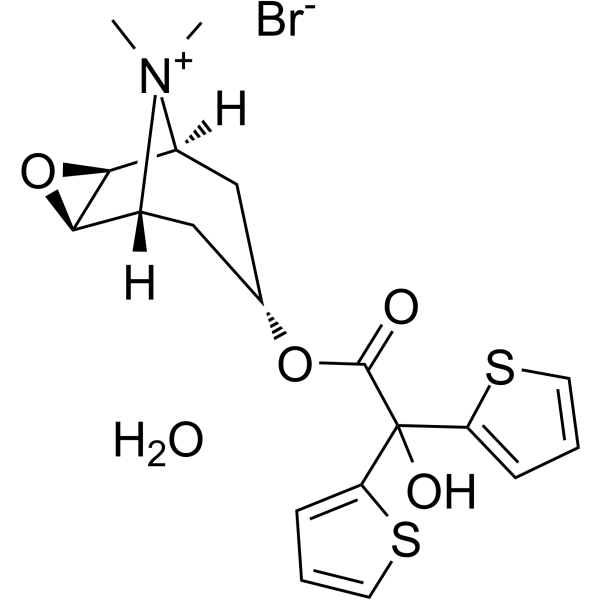
    Tiotropium bromide monohydrate
    2 Publications Verification

    BA-679 BR monohydrate

    mAChR Inflammation/Immunology
    Tiotropium bromide monohydrate (BA-679 BR monohydrate) is a long-acting anticholinergic bronchodilator. Tiotropium bromide monohydrate blocks the action of acetylcholine at muscarinic M1, M2, and M3 receptors, prevents bronchoconstriction, and dilates bronchial airways. Tiotropium bromide monohydrate is applicable to research related to chronic obstructive pulmonary disease and asthma .
    Tiotropium bromide monohydrate
  • HY-P1037

    Motilin Receptor Others
    Motilin (26-47), human, porcine is an endogenous motilin receptor ligand with Ki and EC50 of 2.3 nM and 0.3 nM in a Chinese hamster ovary cell line.
    Motilin (26-47), human, porcine
  • HY-N10544

    (+)-δ-Cadinene

    Bacterial Parasite Fungal Apoptosis Infection Cancer
    δ-Cadinene ((+)-δ-Cadinene) is a sesquiterpene in essential oils. δ-Cadinene shows antiproliferative and pro-apoptotic effects on human ovary cancer (OVCAR-3) cells. δ-Cadinene has trichomonacidal, antimicrobial, antifungal and anticancer properties .
    δ-Cadinene
  • HY-139342

    CDK Cancer
    CDK7-IN-4 (compound I) is a potent CDK7 (Cyclin-dependent kinase 7) inhibitor. CDK7-IN-4 shows anticancer activity. CDK7-IN-4 inhibits the in vitro growth of cancer cell lines from a variety of histologies including colon , breast , lung , ovary and stomach , in a dose dependent manner .
    CDK7-IN-4
  • HY-P4190

    GnRH Receptor Endocrinology
    FSH receptor-binding inhibitor fragment(bi-10) is a potent FSH antagonist. FSH receptor-binding inhibitor fragment(bi-10) blocks the binding of FSH to FSHR, and alteres FSH action at the receptor level. FSH receptor-binding inhibitor fragment(bi-10) results in the suppression of ovulation and causes follicular atresia of mice. FSH receptor-binding inhibitor fragment(bi-10) has the potential for utilizing to restrain the carcinogenesis of ovarian cancer by down-regulating overexpression of FSHR and ERβ in the ovaries .
    Fsh receptor-binding inhibitor fragment(bi-10)
  • HY-172404

    Endogenous Metabolite Cancer
    Arylsulfatase is a hydrolase with substrate specificity for potassium 6-benzoyl-2-naphthyl sulfate. Arylsulfatase exhibits optimal activity at 37°C, and its incubation time is tissue-dependent. Arylsulfatase can be used in tumor-related research .
    Arylsulfatase
  • HY-113890

    RH-0345

    Environmental Pollutants Others
    Halofenozide (RH-0345) is an ecdysteroid agonist. RH-0345 belongs to a new group of insect growth regulators (IGRs) with a benzoylhydrazine structure that mimic the action of the natural insect molting hormone 20-hydroxyecdysone .
    Halofenozide
  • HY-P99865

    AK-119

    CD73 Others
    Dresbuxelimab (AK-119) is an IgG-κ monoclonal antibody targeting CD73. The expression system is usually CHO (Chinese Hamster Ovary) cells .
    Dresbuxelimab
  • HY-E70001

    Others Endocrinology
    Recombinant Human Luteinizing Hormone is a recombinant form of Luteinizing hormone (human) (HY-P2293). Luteinizing hormone (human), a heterodimeric glycoprotein hormone produced by the pituitary gland (LH), plays key roles in human reproduction .
    Recombinant Human Luteinizing Hormone
  • HY-N12109

    Others Others
    Albizziin is an amino acid analog with activity as a competitive inhibitor of asparagine synthetase. Albizziin has been used to isolate Chinese hamster ovary cell mutants with altered levels of the target enzyme. Several mutational classes of albizziin can be distinguished based on cross-resistance to β-aspartic hydroxamic acid. Studies on asparagine synthetase have shown that resistance to albizziin may be associated with altered regulation of asparagine synthetase, structural mutations of the enzyme, and gene amplification .
    Albizziin
  • HY-B0528AR

    (±)-p-Octopamine hydrochloride (Standard)

    Reference Standards Adrenergic Receptor Endogenous Metabolite Neurological Disease Endocrinology
    Octopamine (hydrochloride) (Standard) is the analytical standard of Octopamine (hydrochloride). This product is intended for research and analytical applications. Octopamine ((±)-p-Octopamine) hydrochloride, a biogenic monoamine structurally related to noradrenaline, acts as a neurohormone, a neuromodulator and a neurotransmitter in invertebrates. Octopamine hydrochloride can stimulate alpha2-adrenoceptors (ARs) in Chinese hamster ovary cells transfected with human alpha2-ARs. Octopamine hydrochloride increased glycogenolysis, glycolysis, oxygen uptake, gluconeogenesis and the portal perfusion pressure .
    Octopamine hydrochloride (Standard)
  • HY-P99869

    Interleukin Related Others
    Ebdarokimab (AK101) is a humanized IgG1-κ antibody, usually expressed in CHO (Chinese Hamster Ovary) cells .
    Ebdarokimab
  • HY-A0287

    Clomifene; (Z/E)-Enclomiphene; (Z/E)-Enclomifene

    Estrogen Receptor/ERR Metabolic Disease Cancer
    Clomiphene (Clomifene; (Z/E)-Enclomiphene; (Z/E)-Enclomifene) is an orally active ovulation-inducing agent. Clomiphene binds to hypothalamic estrogen receptors to elevate FSH levels, and exhibits antiestrogenic or estrogenic properties. Clomiphene can induce erturbations during meiotic maturation and cytogenetic abnormalities in mouse oocytes. Clomiphene ameliorates memory impairment in PCOS models. Clomiphene mobilizes cytosolic calcium and reduces viability in prostate cancer cells. Clomiphene can be used for the research of polycystic ovary syndrome (PCOS) and prostate cancer .
    Clomiphene
  • HY-N9410S

    1-Linoleoyl-2-Hydroxy-sn-glycero-3-PC-d9

    Isotope-Labeled Compounds Endogenous Metabolite Metabolic Disease
    Lysophosphatidylcholine 18:2-d9 is deuterium labeled Lysophosphatidylcholine 18:2. Lysophosphatidylcholine 18:2 (1-Linoleoyl-2-Hydroxy-sn-glycero-3-PC), a lysophospholipid, is a potential biomarker identified from insulin resistance (IR) polycystic ovary
    Lysophosphatidylcholine 18:2-d9
  • HY-117507

    5-HT Receptor Neurological Disease
    U92016A hydrochloride is a potent, metabolically stable, orally acitive 5-HT1A receptor agonist with an exceptionally high degree of intrinsic activity . U92016A hydrochloride binds with high affinity to human 5-HT1A receptors expressed in Chinese hamster ovary cells (Ki=0.2 nM) .
    U92016A hydrochloride
  • HY-P991114

    FLT3 Inflammation/Immunology
    Adezkibart is a human monoclonal antibody immunosuppressant targeting the human FMS-like tyrosine kinase 3 ligand (FLT3LG). Adezkibart is found in the Chinese hamster ovary cell line CHO-K1, which binds to FLT3LG to block the relevant signaling pathway, inhibits the immune response, and exerts immunosuppressive activity. Adezkibart is promising for research of immune-related diseases .
    Adezkibart
  • HY-B0528

    Adrenergic Receptor Endogenous Metabolite Neurological Disease Endocrinology
    Octopamine is a biogenic monoamine structurally related to noradrenaline, acts as a neurohormone, a neuromodulator and a neurotransmitter in invertebrates. Octopamine can stimulate alpha2-adrenoceptors (ARs) in Chinese hamster ovary cells transfected with human alpha2-ARs. Octopamine increased glycogenolysis, glycolysis, oxygen uptake, gluconeogenesis and the portal perfusion pressure .
    Octopamine
  • HY-B0463R

    Clomifene citrate (Standard)

    Reference Standards Estrogen Receptor/ERR Neurological Disease Endocrinology Cancer
    Clomiphene (citrate) (Standard) is the analytical standard of Clomiphene (citrate). This product is intended for research and analytical applications. Clomiphene citrate (Clomifene citrate) is an orally active estrogen-receptor modulator. Clomiphene citrate has anti-cancer actixity, induces perturbations during meiotic maturation and cytogenetic abnormalities and ameliorates in managing psychiatric and cognitive impairment .
    Clomiphene citrate (Standard)
  • HY-105184

    Cytochrome P450 Endocrinology
    YM511 is a highly specific non-steroidal aromatase inhibitor. YM511 inhibits aromatase activities in microsomes from rat ovary and human placenta competitively (IC50s of 0.4 and 0.12 nM, respectively). YM511 slightly inhibits production of other steroid hormones. YM511 has the potential for suppressing estrogen-dependent action research without affecting serum levels of other steroid hormones .
    YM511
  • HY-118944

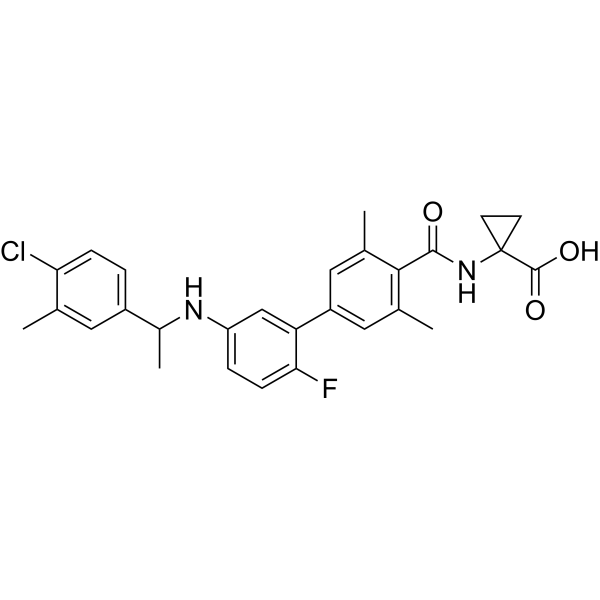
    Adrenergic Receptor Endocrinology
    L-748328 is a potent and selective human β3-adrenergic receptor antagonist. L-748328 has a Ki of 3.7 nM against human cloned β3-AR expressed in Chinese hamster ovary (CHO) cells. In addition, L-748328 inhibits the lipolytic response induced by the β3-AR agonist L-742791 in isolated non-human primate adipocytes .
    L-748328
  • HY-101317
    TAN-67 dihydrobromide
    1 Publications Verification

    SB-205607 dihydrobromide

    Opioid Receptor Neurological Disease
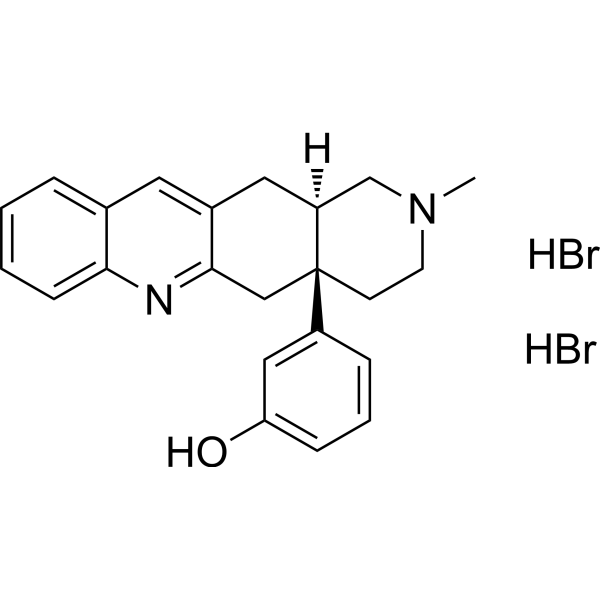
    TAN-67 (SB-205607) dihydrobromide is a potent and selective nonpeptidic δ-opioid receptor agonist with a Ki value of 0.647 nM. TAN-67 dihydrobromide has neuroprotective effect. TAN-67 dihydrobromide can be used in research of ischemic stroke .
    TAN-67 dihydrobromide
  • HY-P99844

    ALPN-202; CD80 vIgD-Fc

    CTLA-4 Cancer
    Davoceticept (ALPN-202; CD80 vIgD-Fc) is a variant CD80 vIgD-Fc fusion protein targeting CTLA-4 and PD-L1. Davoceticept consists of the (1-107) fragment of CD80 linked to IGHG1 Fc via a peptidyl linker. The expression system of Davoceticept is usually CHO (Chinese Hamster Ovary) cells .
    Davoceticept
  • HY-P99892

    PR-1594407; DC-1630423

    EGFR Others
    Serclutamab is a humanized chimeric antibody targeting EGFR IgG1-κ. Mainly expressed by CHO (Chinese Hamster Ovary) cells .
    Serclutamab
  • HY-114128

    NN-7088; NN 7170

    Factor VIII Others
    Turoctocog alfa pegol is a recombinant coagulation factor VIII (FVIII) from chinese hamster ovary (CHO) cells. Turoctocog alfa pegol can be used for researching haemophilia A .
    Turoctocog alfa pegol
  • HY-A0287S

    Clomifene-d5 hydrochloride; (Z/E)-Enclomiphene-d5 hydrochloride; (Z/E)-Enclomifene-d5 hydrochloride

    Isotope-Labeled Compounds Estrogen Receptor/ERR Metabolic Disease Cancer
    Clomifene (Clomifene; (Z/E)-Enclomiphene; (Z/E)-Enclomifene)-d5 hydrochloride is a deuterium labeled Clomifene hydrochloride (HY-A0287A). Clomiphene hydrochloride is an orally active ovulation-inducing agent. Clomiphene hydrochloride binds to hypothalamic estrogen receptors to elevate FSH levels, and exhibits antiestrogenic or estrogenic properties. Clomiphene hydrochloride can induce erturbations during meiotic maturation and cytogenetic abnormalities in mouse oocytes. Clomiphene hydrochloride ameliorates memory impairment in PCOS models. Clomiphene hydrochloride mobilizes cytosolic calcium and reduces viability in prostate cancer cells. Clomiphene hydrochloride can be used for the research of polycystic ovary syndrome (PCOS) and prostate cancer .
    Clomiphene-d5 hydrochloride
  • HY-N3021R

    Reference Standards Endogenous Metabolite NF-κB TNF Receptor FOXO Microtubule/Tubulin Metabolic Disease
    D-chiro-Inositol is a stereoisomer of inositol that exhibits activities such as improving glucose metabolism, anti-tumor effects, anti-inflammatory properties, and antioxidant activity. D-chiro-Inositol effectively alleviates cholestasis by enhancing bile acid secretion and reducing oxidative stress. D-chiro-Inositol improves insulin resistance, lowers hyperglycemia and circulating insulin levels, reduces serum androgen levels, and ameliorates some metabolic abnormalities associated with X syndrome by mimicking the action of insulin. Additionally, D-chiro-Inositol can induce a reduction in pro-inflammatory factors (such as Nf-κB) and cytokines (such as TNF-α), thereby exerting anti-inflammatory effects. D-chiro-Inositol may be used in the study of liver cirrhosis, breast cancer, type 2 diabetes, and polycystic ovary syndrome .
    D-chiro-Inositol (Standard)
  • HY-P99871

    AK102

    PCSK9 Others
    Ebronucimab (AK102) is an IgG1-λ2 antibody targeting PCSK9 and is primarily expressed by CHO DG44 (Chinese Hamster Ovary) cells .
    Ebronucimab
  • HY-17372S

    Isotope-Labeled Compounds COX Inflammation/Immunology Cancer
    Rofecoxib-d5 is the deuterium labeled Rofecoxib. Rofecoxib is a potent, specific and orally active COX-2 inhibitor, with IC50s of 26 and 18 nM for human COX-2 in human osteosarcoma cells and Chinese hamster ovary cells, with a 1000-fold selectivity for COX-2 over human COX-1 (IC50 > 50 μM in U937 cells and > 15 μM in Chinese hamster ovary cells) .
    Rofecoxib-d5

Inquiry Online

Your information is safe with us. * Required Fields.

Salutation


Country or Region *

Applicant Name *


Organization Name *

Department *


Email Address *


Product Name *

Cat. No.


Requested quantity *

Phone Number *


Remarks

Inquiry Online

Inquiry Information

Product Name:
Cat. No.:
Quantity:
MCE Japan Authorized Agent:

