1. Search Result
Search Result
Results for "

oxidation reaction

" in MedChemExpress (MCE) Product Catalog:

128

Inhibitors & Agonists

2

Screening Libraries

5

Fluorescent Dyes

30

Biochemical Assay Reagents

3

Peptides

24

Natural
Products

10

Isotope-Labeled Compounds

1

Oligonucleotides

Cat. No. Product Name Target Research Areas Chemical Structure
  • HY-F0001
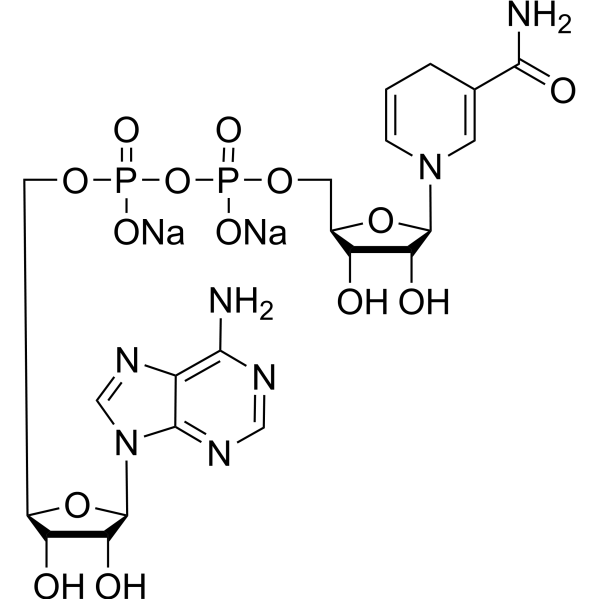
    NADH disodium salt
    5+ Cited Publications

    Disodium NADH

    Endogenous Metabolite Metabolic Disease
    NADH disodium salt (Disodium NADH) is an orally active reduced coenzyme. NADH disodium salt is a donor of ADP-ribose units in ADP-ribosylaton reactions and a precursor of cyclic ADP-ribose. NADH disodium salt plays a role as a regenerative electron donor in cellular energy metabolism, including glycolysis, β-oxidation and the tricarboxylic acid (TCA) cycle .
    NADH disodium salt
  • HY-113596
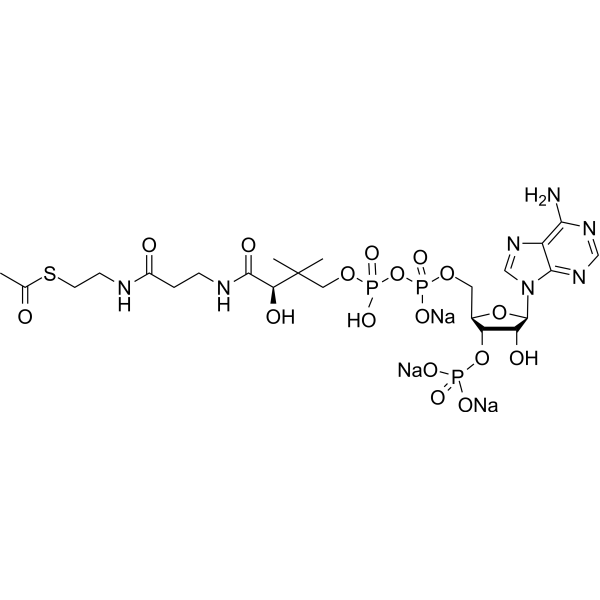
    Acetyl Coenzyme A trisodium
    4 Publications Verification

    Acetyl-CoA trisodium

    Oxidative Phosphorylation Endogenous Metabolite Autophagy Metabolic Disease
    Acetyl-coenzyme A (Acetyl-CoA) trisodium is a membrane-impermeant central metabolic intermediate, participates in the TCA cycle and oxidative phosphorylation metabolism. Acetyl-coenzyme A trisodium, regulates various cellular mechanisms by providing (sole donor) acetyl groups to target amino acid residues for post-translational acetylation reactions of proteins. Acetyl Coenzyme A trisodium is also a key precursor of lipid synthesis .
    Acetyl Coenzyme A trisodium
  • HY-B0456
    Riboflavin
    5+ Cited Publications

    Vitamin B2; E101

    Environmental Pollutants Endogenous Metabolite Bacterial Metabolic Disease Cancer
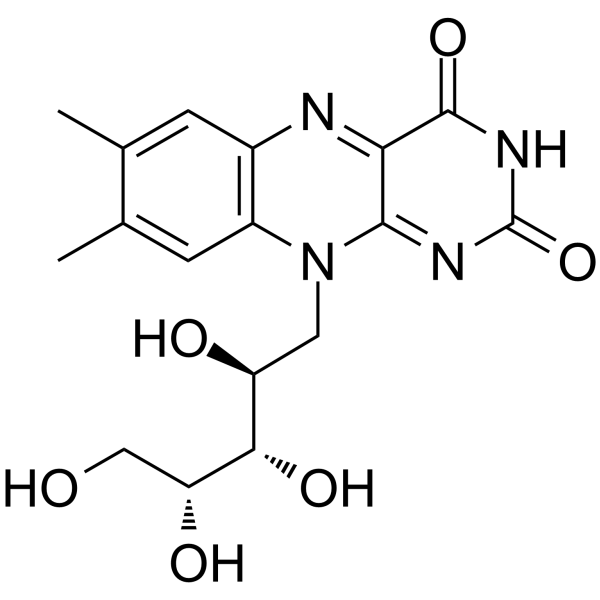
    Riboflavin, an orally active and easily absorbed micronutrient, is a precursor of flavin mononucleotide (FMN) and flavin adenine dinucleotide (FAD), which serve as coenzymes for numerous enzymatic reactions and perform key metabolic functions by mediating the transfer of electrons in biological oxidation-reduction reaction .
    Riboflavin
  • HY-113324
    NADPH
    Maximum Cited Publications
    18 Publications Verification

    Endogenous Metabolite Cancer
    NADPH is a coenzyme of glutathione reductase (GR), thioredoxin reductase (TrxR) and NADPH oxidase (NOX), and participates in redox reactions as a hydrogen donor. NADPH has the characteristic of selectively participating in the regulation of cellular redox homeostasis. NADPH exerts antioxidant activity and resists reactive oxygen species (ROS) damage by providing reducing equivalents for the regeneration of glutathione (GSH) and thioredoxin (Trx); at the same time, it acts as a substrate of NOX to generate superoxide anions, mediating oxidative stress and immune response. NADPH participates in maintaining the intracellular reducing environment, biosynthesis and regulating gene expression (such as the Nrf2 pathway), and is mainly used in the study of oxidative stress-related diseases (such as cardiovascular diseases, neurodegenerative diseases, cancer) and immune regulation mechanisms .
    NADPH
  • HY-W115718
    Cuprizone
    3 Publications Verification

    Dopamine β-hydroxylase Neurological Disease
    Cuprizone is a copper chelating agent that forms a deep blue copper ketone complex with copper (II). The copper ketone reaction can be used in colorimetric tests for the presence of trace copper. Cuprizone can be used to induce some schizophrenia-like behavior in mice. Cuprizone acts on copper enzymes, including SOD1, cytochrome oxidase, and DβH, thereby causing oxidative stress and increasing DA levels in certain brain regions such as the medial prefrontal cortex (PFC) .
    Cuprizone
  • HY-D0018
    DCIP sodium
    1 Publications Verification

    Dichlorophenylindophenol sodium; DCPIP sodium; Indochlorophenol sodium

    Biochemical Assay Reagents Others
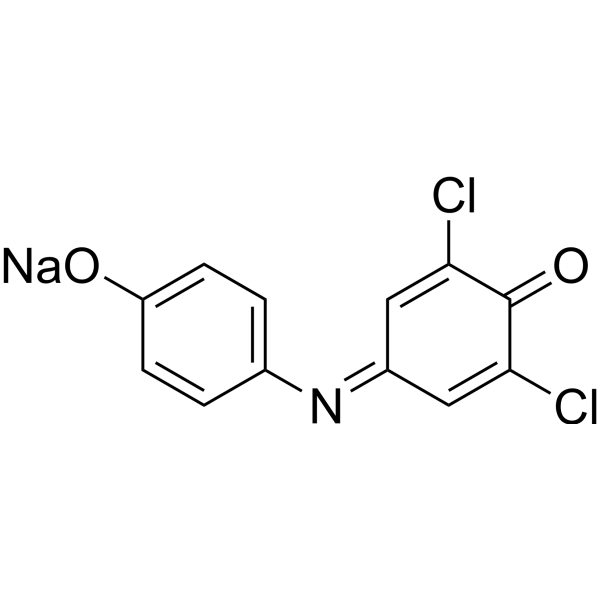
    DCIP sodium is a blue dye commonly used in various biochemical and biotechnological applications as an indicator of redox reactions. DCIP sodium has unique chemical properties that change color according to the oxidation state of the substance being tested. It is commonly used in enzyme assays, such as measuring the activity of succinate dehydrogenase, or in protein quantification methods, such as the Lowry assay.
    DCIP sodium
  • HY-111914A
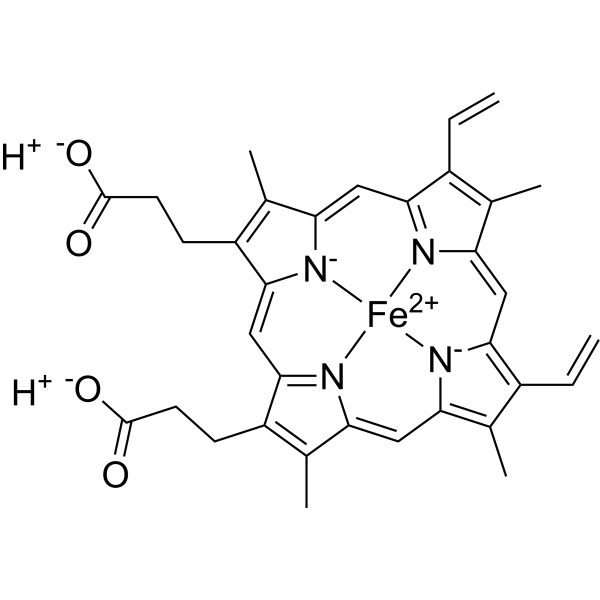
    Ferroheme
    1 Publications Verification

    NO Synthase Fatty Acid Synthase (FASN) Cardiovascular Disease
    Ferroheme is the ferrous form of heme in hemoglobin, reversibly binding oxygen as an oxygen carrier. Its free form induces oxidative stress and ferroptosis by releasing iron ions, which catalyze reactive oxygen species generation via Fenton reactions, leading to lipid peroxidation and cell death. This mechanism is critical in pathological contexts like intracerebral hemorrhage and neurodegenerative diseases, making it a target for studying iron-overload disorders and ferroptosis-related pathologies[1][2][3].
    Ferroheme
  • HY-W007801

    TPAP

    Biochemical Assay Reagents Others
    Tetrapropylammonium perruthenate (TPAP) is an organic compound commonly used as a catalyst and oxidizing agent. It can play an oxidation role in some organic synthesis reactions, and can catalyze the oxidation reactions of olefins and aromatic compounds. In addition, the compound is widely used in some industrial production areas, such as in the application of plastics, rubber and textile manufacturing processes.
    Tetrapropylammonium perruthenate
  • HY-18734A
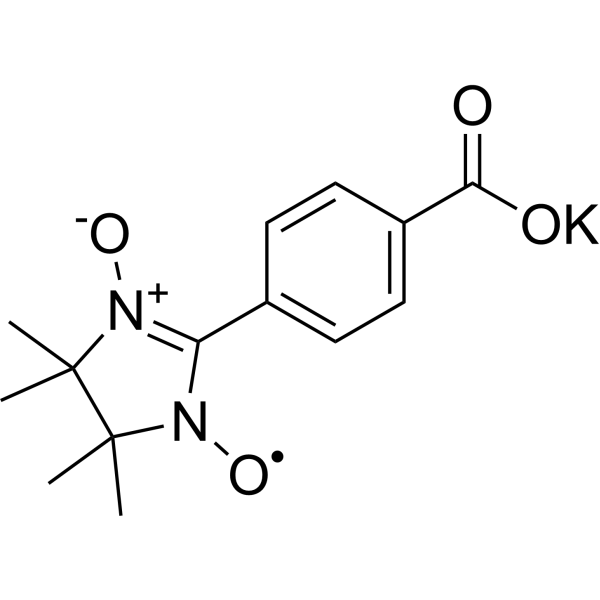
    Carboxy-PTIO potassium
    5+ Cited Publications

    NO Synthase Cardiovascular Disease Metabolic Disease Inflammation/Immunology
    Carboxy-PTIO potassium is a potent nitric oxide (NO) scavenger that can make a quick reaction with NO to produce NO2. Carboxy-PTIO potassium can prevent hypotension and endotoxic shock through the direct scavenging action against NO in lipopolysaccharide-stimulated rat model .
    Carboxy-PTIO potassium
  • HY-Y1101B

    N-Methylmorpholine N-Oxide; MMNO; 4-Methylmorpholine 4-oxide

    Biochemical Assay Reagents Others
    4-Methylmorpholine N-oxide (N-Methylmorpholine N-Oxide; MMNO; 4-Methylmorpholine 4-oxide) is an amine oxide ligand and ozonation reagent. 4-Methylmorpholine N-oxide forms coordination complexes with lanthanum (III) nitrate and yttrium (III) nitrate via its nitroso oxygen atom. The metal-ligand bonds are dominated by electrostatic interactions with a small covalent component. 4-Methylmorpholine N-oxide is applicable in ozonation reactions for the synthesis of methyl 9-oxononanoate .
    4-Methylmorpholine N-oxide
  • HY-P2861

    SAO

    Endogenous Metabolite Others
    Sarcosine oxidase, Bacillus (SAO) can catalyze the oxidative demethylation of sarcosine to generate glycine, H2O2, 5,10-CH2-tetrahydrofolate, which are often used in biochemical reactions .
    Sarcosine oxidase, Bacillus
  • HY-Y1666

    Biochemical Assay Reagents Others
    2,2′-Dipyridyl disulfide is a useful reagent for the determination of sulfhydryl groups. 2,2′-Dipyridyl disulfide is a common reagent in peptide chemistry, often used in oxidation–reduction condensations to form peptide bonds or in coupling reactions to form disulfide-linked heterodimers .
    2,2′-Dipyridyl disulfide
  • HY-116956

    Biochemical Assay Reagents Others
    D-Erythrose is a four-carbon sugar classified as an aldose. D-Erythrose has unique chemical properties that make it an important intermediate in various metabolic pathways, especially in the biosynthesis of amino acids and nucleotides. It also plays a role in the pentose phosphate pathway, which generates reducing equivalents for biosynthetic reactions and cellular defense against oxidative damage.
    D-Erythrose (50% in water)
  • HY-153006
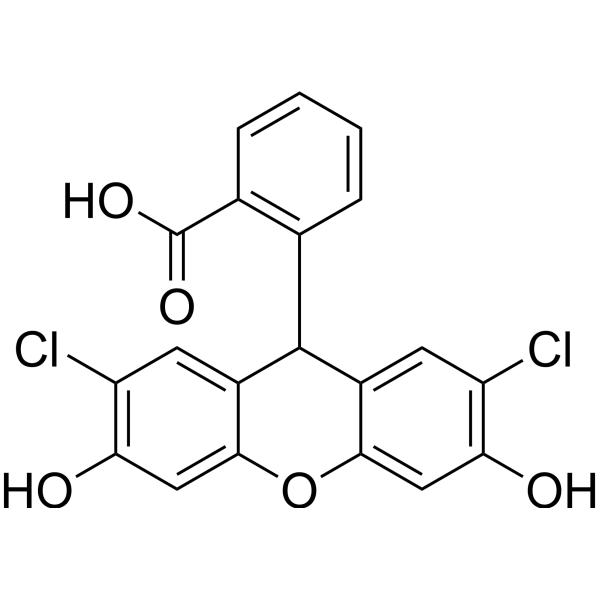
    2,7-Dichlorodihydrofluorescein
    5+ Cited Publications

    DCFH2

    Biochemical Assay Reagents Others
    2,7-Dichlorodihydrofluorescein (DCFH2) is a non-fluorescent reactive oxygen species (ROS) probe with an excitation wavelength of 485-500 nm and an emission wavelength of 515-530 nm. 2,7-Dichlorodihydrofluorescein is first hydrolyzed by intracellular esterases and then oxidized by ROS to generate non-biomembrane-permeable, highly fluorescent 2,7-dichlorofluorescein (DCF). The fluorescence intensity of DCF is positively correlated with the ROS concentration. 2,7-Dichlorodihydrofluorescein can undergo oxidation reactions with a variety of ROS (such as ·OH, H2O2, ONOO -, etc.) and is used to quantitatively detect the level of oxidative stress inside and outside cells. It is suitable for oxidative stress analysis in in vitro cell models and in vivo targeted delivery (such as liver-targeted liposomes) .
    2,7-Dichlorodihydrofluorescein
  • HY-113110

    L-Cysteinylglycine; Cys-Gly; H-Cys-Gly-OH

    Endogenous Metabolite Reactive Oxygen Species (ROS) DNA/RNA Synthesis Cardiovascular Disease Cancer
    Cysteinylglycine (L-Cysteinylglycine; Cys-Gly) is a dipeptide formed by the peptide bond linkage between cysteine (Cysteine) and glycine (Glycine). Cysteinylglycine is an important metabolic intermediate in the human body, mainly derived from the degradation of glutathione (GSH). Cysteinylglycine reduces ferric iron to ferrous iron, drives the redox cycle of iron, generates reactive oxygen species (ROS), stimulates oxidative reactions, induces lipid peroxidation of human plasma LDL lipoproteins, and causes oxidative damage to DNA bases. Cysteinylglycine can be used as a biomarker to evaluate ischemic heart disease, breast cancer and other conditions .
    Cysteinylglycine
  • HY-W127499

    DEPC; L-Dierucoyl lecithin; Dierucoyllecithin

    Liposome Others
    1,2-Dierucoyl-sn-glycero-3-phosphocholine (DEPC) is the composition of liposome membrane. 1,2-Dierucoyl-sn-glycero-3-phosphocholine is used for the preparation of liposomes and studying the properties of lipid bilayers. The GO (glucose oxidase) in the 1,2-Dierucoyl-sn-glycero-3-phosphocholine liposome shows the high activity .
    1,2-Dierucoyl-sn-glycero-3-phosphocholine
  • HY-W116336D

    Biochemical Assay Reagents Fungal Bacterial Infection Cancer
    Zinc oxide, <100 nm particle size is a nitrate reductase modulator and growth promoter with plant stress resistance activity and oral toxicity. Zinc oxide, <100 nm particle size acts as a nutrient source for maize plants. By enhancing nitrate reductase activity and reducing free proline levels, it significantly improves plant height, root length and dry matter weight of maize, and its growth-promoting effect is comparable to that of traditional zinc sulfate fertilizer. Zinc oxide, <100 nm particle size induces anemia-related and persistent tissue inflammatory damage, leading to obvious histopathological adverse reactions in the stomach, pancreas, eyes and prostate of rats. Zinc oxide, <100 nm particle size acts as a non-toxic antibacterial agent and selective cytotoxin against multiple bacteria, fungi and spores .
    Zinc oxide, <100 nm particle size
  • HY-D1005A10

    PEG-PPG-PEG, 2900 (Average)

    Environmental Pollutants Biochemical Assay Reagents Bacterial P-glycoprotein Infection Inflammation/Immunology
    Poloxamer 184 L64 is a block copolymer of polyethylene oxide and polypropylene oxide with an average molecular weight of 2900. Poloxamer has the ability to inhibit P-gp. Poloxamer 184 exhibits short-term skin toxicity, characterized by mild erythema and intradermal inflammatory reactions. Poloxamer 184 has antimicrobial activity, inhibiting 60% of Mycobacterium avium at a concentration of 1 mg/mL. Poloxamer 184 forms a thermoreversible hydrogel and is used as a food additive and as a drug delivery carrier in cosmetics and tissue engineering .
    Poloxamer 184 (L64)
  • HY-114293A

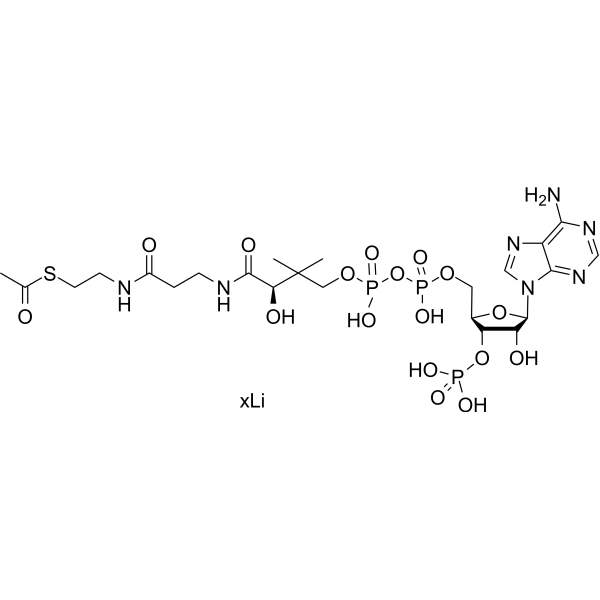
    Acetyl-CoA trilithium

    Oxidative Phosphorylation Endogenous Metabolite Autophagy Cardiovascular Disease Metabolic Disease
    Acetyl-coenzyme A (Acetyl-CoA) trilithium is a membrane-impermeant central metabolic intermediate, participates in the TCA cycle and oxidative phosphorylation metabolism. Acetyl-coenzyme A trilithium regulates various cellular mechanisms by providing (sole donor) acetyl groups to target amino acid residues for post-translational acetylation reactions of proteins. Acetyl Coenzyme A trilithium is also a key precursor of lipid synthesis .
    Acetyl coenzyme A trilithium
  • HY-P2833

    GSH-Px; EC 1.11.1.9

    Glutathione Peroxidase Metabolic Disease
    Glutathione Peroxidase (GSH-Px; EC 1.11.1.9) belongs to the peroxidase family and is commonly used in biochemical research. Glutathione Peroxidase can catalyze reduced glutathione (GSH) to form a disulfide bridge with another glutathione molecule, convert it into oxidized glutathione (GSSG), and react with hydrogen peroxide or lipid peroxide reaction, reducing it to H2O. Glutathione Peroxidase is an effective antioxidant against oxidative stress .
    Glutathione Peroxidase
  • HY-P3185

    Biochemical Assay Reagents Metabolic Disease
    Beta-galactose dehydrogenase is a selective catalyst for β-galactose. Under pH 8.6 conditions, beta-galactose dehydrogenase catalyzes the oxidation of β-galactose, produced by the hydrolysis of lactose by β-galactosidase, with nicotinamide adenine dinucleotide (NAD) to produce reduced nicotinamide adenine dinucleotide (NADH). Beta-galactose dehydrogenase specifically mediates this oxidation reaction for the quantitative detection of the substrate, used in the analysis of lactose concentration in samples such as breast milk .
    beta-Galactose dehydrogenase
  • HY-114293

    Acetyl-CoA

    Oxidative Phosphorylation Endogenous Metabolite Autophagy Cardiovascular Disease Metabolic Disease
    Acetyl-coenzyme A (Acetyl-CoA) is a membrane-impermeant central metabolic intermediate, participates in the TCA cycle and oxidative phosphorylation metabolism. Acetyl-coenzyme A, regulates various cellular mechanisms by providing (sole donor) acetyl groups to target amino acid residues for post-translational acetylation reactions of proteins. Acetyl Coenzyme A is also a key precursor of lipid synthesis .
    Acetyl coenzyme A
  • HY-W143216

    Monomethylthionine

    Amyloid-β Tau Protein Neurological Disease
    Azure C acts as a tau oligomer modulator and Aβ42 oligomerization inhibitor. It regulates hsp70 ATPase activity, thereby mediating the clearance of tau protein. Azure C reduces the levels of toxic tau oligomers by promoting the formation of non-toxic tau aggregates, rescues neuroblastoma cells from tau oligomer-induced toxicity, and binds to and inhibits Aβ42 oligomerization without suppressing its fibrillization. Azure C is generated via sequential oxidation of methylene blue or Azure B through a horseradish peroxidase-mediated reaction, and accumulates in HRP reaction media. Azure C can be used in studies related to tauopathies, including Alzheimer's disease .
    Azure C
  • HY-108894

    Ferroptosis Reactive Oxygen Species (ROS) Cardiovascular Disease Inflammation/Immunology Cancer
    Ferumoxytol is an FDA-approved ultrasmall superparamagnetic iron oxide preparation and iron replacement agent that exerts selective activity against leukemia cells with low ferroportin expression. Ferumoxytol increases intracellular iron levels, induces reactive oxygen species (ROS) production via the Fenton reaction, and triggers oxidative stress and cell death. Ferumoxytol reduces disease burden in mouse models and patient-derived leukemia models. As an MRI contrast agent, Ferumoxytol enables imaging of vascular lesions, tumors and lymph nodes. Ferumoxytol can be used in research related to acute myeloid leukemia and blast-phase chronic myeloid leukemia .
    Ferumoxytol
  • HY-W034344

    Biochemical Assay Reagents Others
    Sodium methanesulfonate is a hygroscopic atmospheric aerosol, which typically forms from the reaction of methanesulfonic acid with sodium chloride or sea salt particles. Sodium methanesulfonate can serve as a substrate for oxidation reactions, undergoing heterogeneous oxidation by hydroxyl radicals at the air-aerosol interface, thereby initiating subsequent aerosol-phase chain reactions. Sodium methanesulfonate exhibits significant temperature-dependent deliquescence and efflorescence properties; particularly at lower temperatures relevant to the troposphere, its deliquescence and efflorescence relative humidity increase accordingly .
    Sodium methanesulfonate
  • HY-W324435

    Sodium 2,4-dinitrobenzenesulfonate; DNBS sodium salt; DNBSO sodium salt

    NF-κB p38 MAPK COX Inflammation/Immunology
    2,4-Dinitrobenzenesulfonic acid (DNBS; DNBSO) sodium salt (Sodium 2,4-dinitrobenzenesulfonate) is a classic colitis inducer that relies on activation of the NF-κB p65/COX-2/p38 pathway. As a hapten, 2,4-Dinitrobenzenesulfonic acid sodium salt stimulates the production of immune responses in colonic tissues, triggers oxidative stress and inflammatory reactions, and thereby leads to colonic injury. 2,4-Dinitrobenzenesulfonic acid sodium salt successfully induces models of colitis and ulcerative colitis in rats, causing pathological changes such as ulcers, edema, stenosis, shortening and organ adhesion in the distal colon, along with significant increases in the levels of inflammatory indicators and endoplasmic reticulum stress marker proteins. 2,4-Dinitrobenzenesulfonic acid sodium salt is widely used in studies on the mechanisms related to colitis and ulcerative colitis .
    2,4-Dinitrobenzenesulfonic acid sodium salt
  • HY-15933
    TOPS
    1 Publications Verification

    Biochemical Assay Reagents Others Metabolic Disease
    TOPS is a chromogenic substrate. TOPS undergoes an oxidative coupling reaction with 4-aminoantipyrine in the presence of H2O2 and nanocrystalline cobalt selenide. TOPS is used in studies related to uric acid detection .
    TOPS
  • HY-113596A
    Acetyl coenzyme A lithium
    4 Publications Verification

    Acetyl-CoA lithium

    Oxidative Phosphorylation Endogenous Metabolite Autophagy Cardiovascular Disease Metabolic Disease
    Acetyl-coenzyme A (Acetyl-CoA) lithium is a membrane-impermeant central metabolic intermediate, participates in the TCA cycle and oxidative phosphorylation metabolism. Acetyl-coenzyme A lithium, regulates various cellular mechanisms by providing (sole donor) acetyl groups to target amino acid residues for post-translational acetylation reactions of proteins. Acetyl Coenzyme A lithium is also a key precursor of lipid synthesis .
    Acetyl coenzyme A lithium
  • HY-W088501

    Biochemical Assay Reagents Others
    (E)-Pent-3-enoic acidIt is an unsaturated carboxylic acid. (E)-Pent-3-enoic acidAs a starting material for various chemical reactions including esterification, oxidation and reduction. (E)-Pent-3-enoic acidIt has potential use as a flavoring agent in the food industry.
    (E)-3-Pentenoic acid
  • HY-W015695

    Drug Intermediate Others
    4-Methyl-5-thiazoleethanol is a natural sulfur-containing flavor compound with the aroma of beef and nuts. In addition, the composite material prepared by modifying graphene oxide with 4-Methyl-5-thiazoleethanol through a one-step esterification reaction can selectively adsorb copper ions (Cu 2+) in aqueous solutions .
    4-Methyl-5-thiazoleethanol
  • HY-F0001R
    NADH disodium salt (Standard)
    1 Publications Verification

    Disodium NADH (Standard)

    Reference Standards Endogenous Metabolite Metabolic Disease
    NADH (disodium salt) (Standard) is the analytical standard of NADH (disodium salt). This product is intended for research and analytical applications. NADH disodium salt (Disodium NADH) is an orally active reduced coenzyme. NADH disodium salt is a donor of ADP-ribose units in ADP-ribosylaton reactions and a precursor of cyclic ADP-ribose. NADH disodium salt plays a role as a regenerative electron donor in cellular energy metabolism, including glycolysis, β-oxidation and the tricarboxylic acid (TCA) cycle .
    NADH disodium salt (Standard)
  • HY-B1008A
    4-Aminobenzoic acid potassium
    1 Publications Verification

    PABA potassium; p-Aminobenzoic acid potassium

    Endogenous Metabolite Cardiovascular Disease Neurological Disease
    4-Aminobenzoic acid (PABA) potassium is a modifier of catecholamine oxidation reactions. 4-Aminobenzoic acid potassium is promising for research of Parkinson's disease and hypertension .
    4-Aminobenzoic acid potassium
  • HY-W015451

    2,7-DHN; Naphthalene-2,7-diol

    Fungal Others
    2,7-Dihydroxynaphthalene (2,7-DHN) is a substrate of a new group of aromatic prenyltransferases in fungi and can be catalyzed to undergo a regiospecific prenylation reaction. 2,7-Dihydroxynaphthalene can undergo reactions such as oxidation and substitution .
    2,7-Dihydroxynaphthalene
  • HY-W087905

    Biochemical Assay Reagents Others
    2,3-Dimethyl-2,3-diphenylbutane is a minor product formed during the thermal decomposition of dicumyl peroxide (DCP) in cumene, generated through radical coupling reactions. As an initiator capable of producing free radicals, 2,3-dimethyl-2,3-diphenylbutane promotes cross-linking or decomposition processes via initiating free radical reactions in fields such as polymer polymerization (e.g., modification of polyphenylene oxide processing), organic synthesis (e.g., DCP decomposition reactions), and coal processing (e.g., oxidation stabilization of coal tar pitch), thereby enhancing material properties or reaction efficiency .
    2,3-Dimethyl-2,3-diphenylbutane
  • HY-B0456R
    Riboflavin (Standard)
    1 Publications Verification

    Vitamin B2 (Standard); E101 (Standard)

    Reference Standards Endogenous Metabolite Bacterial Metabolic Disease Cancer
    Riboflavin (Standard) is the analytical standard of Riboflavin. This product is intended for research and analytical applications. Riboflavin, an orally active and easily absorbed micronutrient, is a precursor of flavin mononucleotide (FMN) and flavin adenine dinucleotide (FAD), which serve as coenzymes for numerous enzymatic reactions and perform key metabolic functions by mediating the transfer of electrons in biological oxidation-reduction reaction .
    Riboflavin (Standard)
  • HY-155386

    Biochemical Assay Reagents Enterovirus DNA/RNA Synthesis Mitochondrial Metabolism Infection Neurological Disease
    Peroxynitrite sodium is a product of the diffusion-controlled reaction between nitric oxide and superoxide radicals, as well as an oxidant and an antiviral agent. Peroxynitrite sodium inhibits Mitochondrial respiration. Peroxynitrite sodium suppresses the replication of Coxsackievirus, partly by inhibiting viral RNA entry into host cells. Peroxynitrite sodium induces a significant nociceptive response .
    Peroxynitrite sodium
  • HY-113033

    Others Biochemical Assay Reagents Neurological Disease Metabolic Disease Inflammation/Immunology
    Pentosidine is a fluorescent advanced glycation end product (AGE) and cross-linker. Pentosidine is a fluorescent cross-linked structure formed by lysine and arginine in sugar oxidation reactions, and it is commonly found in collagen, skin, bone, lens and plasma proteins . Pentosidine is used in research related to type 1 diabetes, brown cataracts, rheumatoid arthritis, atherosclerosis and neurodegenerative diseases .
    Pentosidine
  • HY-B2029
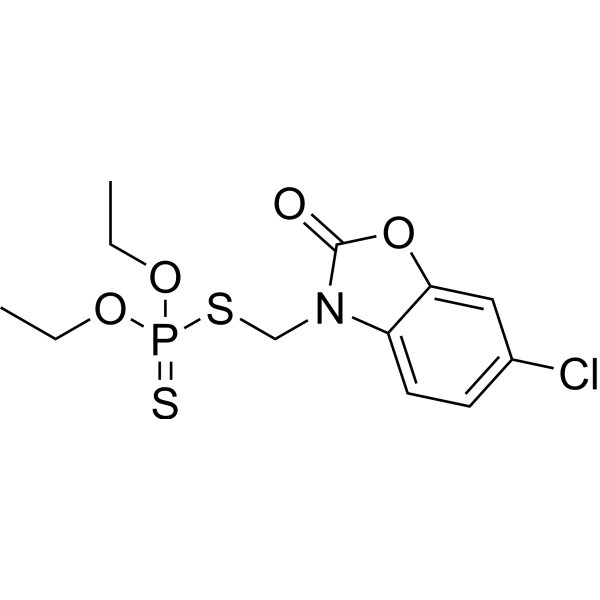
    Phosalone
    1 Publications Verification

    Insecticide Cholinesterase (ChE) Infection Inflammation/Immunology
    Phosalone is an orally active, blood-brain barrier penetrant Insecticide and acaricide. Phosalone inhibits the activity of Acetylcholinesterase. Phosalone acts as a substrate for detoxifying esterases. Phosalone induces symptoms of cholinergic hyperactivity, toxic reactions, mortality, oxidative stress, and changes in pro-inflammatory protein levels, and exerts toxic effects on colonic tissues and cells. Phosalone controls pistachio psyllids. Phosalone can be used in studies related to colitis .
    Phosalone
  • HY-112841

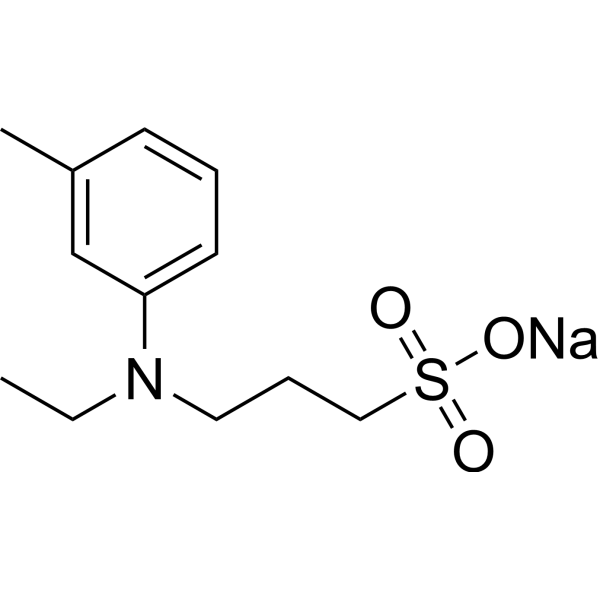
    3-(10′-Phenothiazinyl)propane-1-sulfonate sodium; SPTZ sodium

    Fluorescent Dye Cancer
    PTZ-343 is a potent enhancer of Luminol (HY-15922). PTZ-343 greatly increases the light output of the peroxidase-catalyzed luminol chemiluminescent oxidation reaction (>80%) .
    PTZ-343
  • HY-W035133

    5,10,15,20-Tetra-p-tolyl-21H,23H-porphine

    MOFs Others
    5,10,15,20-Tetrakis(p-tolyl)porphyrin (TTP) is an organic compound belonging to the class of porphyrins, a cyclic molecule composed of four pyrrole rings linked together. TTP is a synthetic porphyrin commonly used as a sensitizer for dye-sensitized solar cells and a catalyst for organic reactions. Due to its unique structure, TTP has a series of interesting properties, including at specific wavelengths and its potential as a catalyst for various chemical reactions. In dye-sensitized solar cells, TTPs help convert sunlight into electricity by absorbing photons and transferring electrons to the semiconductor layer of the device. In organic chemistry, TTP is often used as a catalyst for various organic compounds in reactions such as oxidation and reduction. Its ability to selectively bind certain substrates makes it a useful tool for synthesizing complex molecules and studying their properties.
    5,10,15,20-Tetrakis(p-tolyl)porphyrin
  • HY-32959

    Biochemical Assay Reagents Others
    N-Boc-2-pyrroleboronic acid is an organic synthesis intermediate used primarily in the synthesis of chiral pharmaceutical molecules and biologically active molecules. The boronic acid on the pyrrole ring can participate in Suzuki coupling reactions. The boronic acid can be oxidized to a hydroxyl group under the action of nitrogen oxides, and after tautomerization, it can be further transformed into 2-oxo-2,5-dihydro-1-pyrrolecarboxylic acid tert-butyl ester .
    N-Boc-2-pyrroleboronic acid
  • HY-121641

    Reactive Oxygen Species (ROS)
    Nitrosobenzene is a radical scavenger that can be used to study oxidative DNA damage and the respiratory burst reaction of neutrophils induced by nitro compounds .
    Nitrosobenzene
  • HY-135113

    Amino Acid Derivatives Others
    DL/meso-Lanthionine is a mixture of the racemic mixture (DL-) and meso- isomers of Lanthionine. Lanthionine is a non-protein amino acid composed of two alanine residues cross-linked by a thioether bond and is a structural component of the bacterial cell wall.
    DL/meso-Lanthionine
  • HY-42045

    Drug Derivative Others
    Pyrimidine-5-boronic acid pinacol ester is a derivative of Boronic acid. Boronic acid is an intermediate commonly used in organic synthesis reactions and can be used as a key reagent in the Suzuki-Miyaura reaction. It generates organic free radicals through oxygen-mediated oxidation and exhibits potential mutagenic activity. Boronic acid is mainly used in research in the fields of drug synthesis and catalytic reactions. Pyrimidine-5-boronic acid pinacol ester serves as a building block in DNA-compatible one-pot click chemistry for synthesis of DNA-encoded libraries .
    Pyrimidine-5-boronic acid pinacol ester
  • HY-18734

    NO Synthase Cardiovascular Disease Metabolic Disease Inflammation/Immunology
    Carboxy-PTIO is a potent nitric oxide (NO) scavenger that can make a quick reaction with NO to produce NO2. Carboxy-PTIO can prevent hypotension and endotoxic shock through the direct scavenging action against NO in lipopolysaccharide-stimulated rat model .
    Carboxy-PTIO
  • HY-W008388

    N6-Benzoyladenosine

    Nucleoside Antimetabolite/Analog Others
    Bz-rA (N6-Benzoyladenosine) is a nucleoside derivative with an N6 protecting group. Bz-rA is mainly used as a synthetic intermediate to participate in photocatalytic oxidative cyclization reactions and synthesize oligoribonucleotides. Bz-rA can be used to efficiently construct heterocyclic skeletons in photochemical conversions and protect the ribose moiety to regulate the cyclization pathway .
    Bz-rA
  • HY-W033823

    Biochemical Assay Reagents Endogenous Metabolite
    Rhodium(III) oxide is an inorganic compound with catalytic activity. Rhodium(III) oxide can be used as an efficient catalyst in catalytic reactions and is often used to promote chemical reactions. Rhodium(III) oxide is also widely used in energy materials, especially in fuel cells and other renewable energy technologies. Rhodium(III) oxide is studied in the field of materials science for the development of new functional materials.
    Rhodium(III) oxide
  • HY-126752A

    Reactive Oxygen Species (ROS) Inflammation/Immunology
    Ophthalmic acid TFA, an analogue of GSH, is a marker of oxidative stress and hepatic GSH consumption. Ophthalmic acid TFA is an inhibitor of Glyoxalase I reaction .
    Ophthalmic acid TFA
  • HY-W034801

    Cupric Acetylacetonate

    Biochemical Assay Reagents Others
    Copper(II) acetylacetonate (Cupric Acetylacetonate) is the homoleptic acetylacetonate complex of copper(II). Copper(II) acetylacetonate is used as a catalyst in various organic reactions, including oxidation, cross-coupling, and polymerization reactions. Copper(II) acetylacetonate is also a precursor for making metal-organic frameworks (MOF) and nanomaterials .
    Copper(II) acetylacetonate
  • HY-W787537

    LBB

    Biochemical Assay Reagents Others
    Leucoberbelin blue I (LBB) is a leuco base that is oxidized by manganese through a hydrogen atom transfer reaction forming a colored complex. Leucoberbelin blue I can be used to quantify or confirm the Mn (II) oxides formation .
    Leucoberbelin blue I

Inquiry Online

Your information is safe with us. * Required Fields.

Salutation


Country or Region *

Applicant Name *


Organization Name *

Department *


Email Address *


Product Name *

Cat. No.


Requested quantity *

Phone Number *


Remarks

Inquiry Online

Inquiry Information

Product Name:
Cat. No.:
Quantity:
MCE Japan Authorized Agent: