1. Search Result
Search Result
Results for "

p38 kinase

" in MedChemExpress (MCE) Product Catalog:

146

Inhibitors & Agonists

1

Screening Libraries

1

Biochemical Assay Reagents

3

Peptides

1

Inhibitory Antibodies

18

Natural
Products

11

Recombinant Proteins

1

Isotope-Labeled Compounds

14

Antibodies

1

Click Chemistry

Targets Recommended:
Cat. No. Product Name Target Research Areas Chemical Structure
  • HY-10295
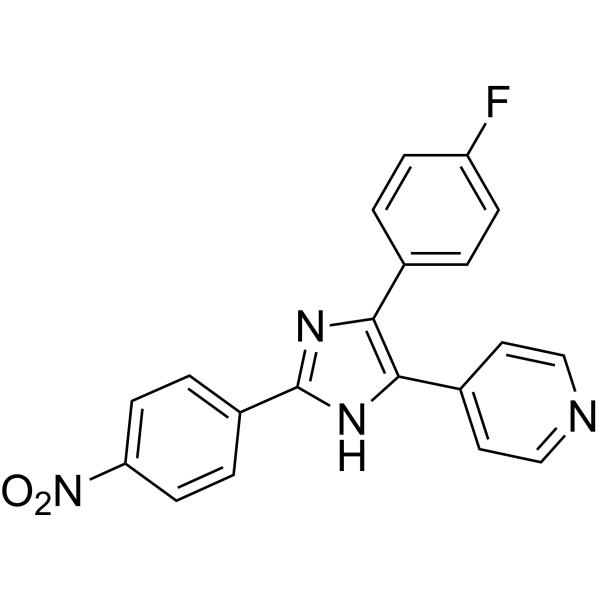
    SB 202190
    Maximum Cited Publications
    134 Publications Verification

    Organoid p38 MAPK Autophagy Apoptosis Neurological Disease Cancer
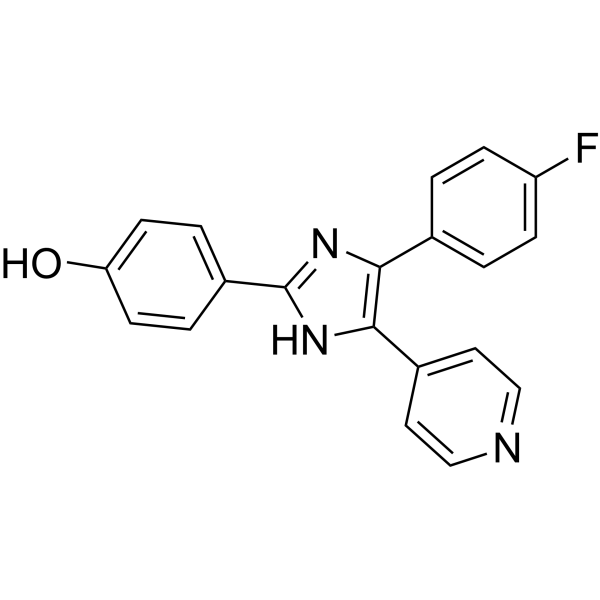
    SB 202190 is a selective p38 MAP kinase inhibitor with IC50s of 50 nM and 100 nM for p38α and p38β2, respectively. SB 202190 binds to the ATP pocket of the active recombinant human p38 kinase with a Kd of 38 nM. SB 202190 has anti-cancer activity and rescued memory deficits . SB202190 induces autophagy .
    SB 202190
  • HY-10320
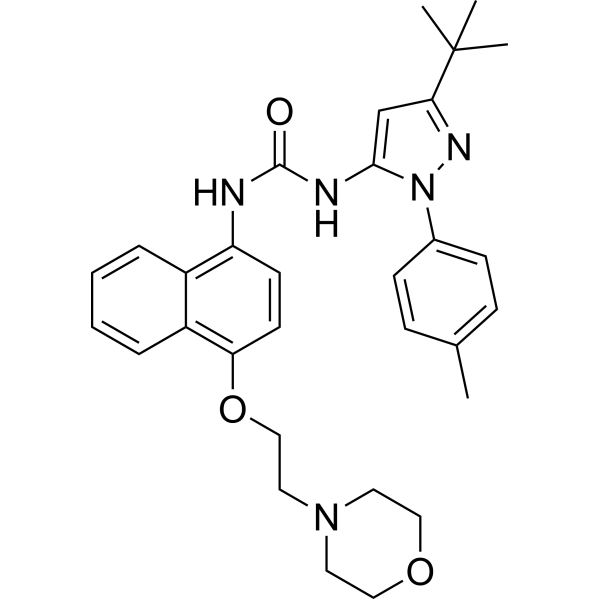
    Doramapimod
    50+ Cited Publications

    BIRB 796

    p38 MAPK Raf Autophagy Inflammation/Immunology Cancer
    Doramapimod (BIRB 796) is an orally active, highly potent p38 MAPK inhibitor, which has an IC50 for p38α=38 nM, for p38β=65 nM, for p38γ=200 nM, and for p38δ=520 nM. Doramapimod has picomolar affinity for p38 kinase (Kd=0.1 nM). Doramapimod also inhibits B-Raf with an IC50 of 83 nM .
    Doramapimod
  • HY-10971
    Alisertib
    70+ Cited Publications

    MLN 8237

    Aurora Kinase Autophagy Apoptosis Cancer
    Alisertib (MLN 8237) is an orally active and selective Aurora A kinase inhibitor (IC50=1.2 nM), which binds to Aurora A kinase resulting in mitotic spindle abnormalities, mitotic accumulation. Alisertib (MLN 8237) induces apoptosis and autophagy through targeting the AKT/mTOR/AMPK/p38 pathway in leukemic cells. Antitumor activity .
    Alisertib
  • HY-10578
    PD 169316
    25+ Cited Publications

    p38 MAPK Autophagy Enterovirus Cancer
    PD 169316 is a potent, cell-permeable and selective p38 MAP kinase inhibitor, with IC50 of 89 nM. PD169316 selectively inhibits the kinase activity of the phosphorylated p38 without hindering upstream kinases to phosphorylate p38. PD169316 shows antiviral activity against Enterovirus71. PD169316 shows antiviral activity against Enterovirus71.
    PD 169316
  • HY-N6871
    Abietic acid
    3 Publications Verification

    Bacterial IKK Ferroptosis Infection Metabolic Disease Inflammation/Immunology Cancer
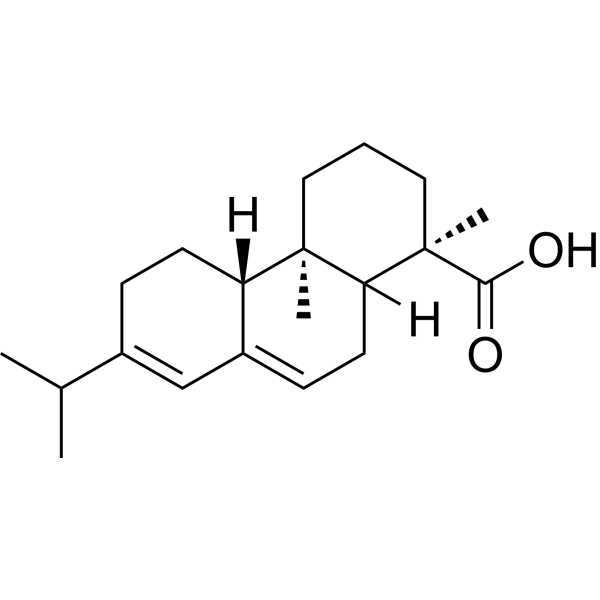
    Abietic acid, an orally active diterpene isolated from Colophony, displays significant anti-proliferative, anti-inflammatory, anti-obesity effect, bacteriostatic, cell cycle arresting and pro-apoptotic activities. Abietic acid inhibits lipoxygenase activity for allergy. Abietic acid enhances cell migration and tube formation in HUVECs. Abietic acid induces significant angiogenic potential, which is associated with upregulation of extracellular signal-regulated kinase (ERK) and p38 expression. Abietic acid attenuates sepsis-induced lung injury by inhibiting nuclear factor kappa-light-chain-enhancer of activated B cells (NF-κB) pathway to inhibit M1 macrophage polarization. Abietic acid exhibits a positive effect against liver injury by attenuating inflammation and ferroptosis. Abietic acid shows accelerated wound closure in a mouse model of cutaneous wounds. Abietic acid significantly reduces the proliferation and growth of NSCLC cells by IKKβ inhibition.Additionally, Abietic acid ameliorates psoriasis-like inflammation and modulates gut microbiota in mice. Abietic acid is promising for research in non-small-cell lung cancer (NSCLC), liver injury-related deseases and psoriasis .
    Abietic acid
  • HY-119917
    Gossypetin
    4 Publications Verification

    p38 MAPK MEK Bacterial Infection Cancer
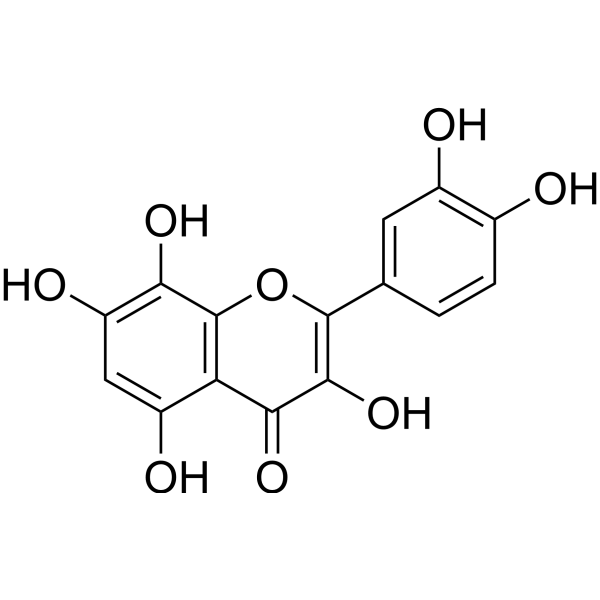
    Gossypetin is a hexahydroxylated flavonoid and is a potent mitogen-activated protein kinase kinase (MKK)3 and MKK6 inhibitor with strongly attenuates the MKK3/6-p38 signaling pathway, has various pharmacological activities, including antioxidant, antibacterial and anticancer activities .
    Gossypetin
  • HY-10456
    TAK-715
    10+ Cited Publications

    p38 MAPK Casein Kinase Wnt Inflammation/Immunology
    TAK-715 is an orally active and potent p38 MAPK inhibitor with IC50s of 7.1 nM, 200 nM for p38α and p38β, respectively. TAK-715 inhibits casein kinase I (CK1δ/ε) to regulate activation of Wnt/β-catenin signaling. TAK-715 shows good significant efficacy in a rat arthritis model .
    TAK-715
  • HY-16558
    Butein
    Maximum Cited Publications
    6 Publications Verification

    2’,3,4,4’-tetrahydroxy Chalcone

    EGFR Autophagy Apoptosis Phosphodiesterase (PDE) Cancer
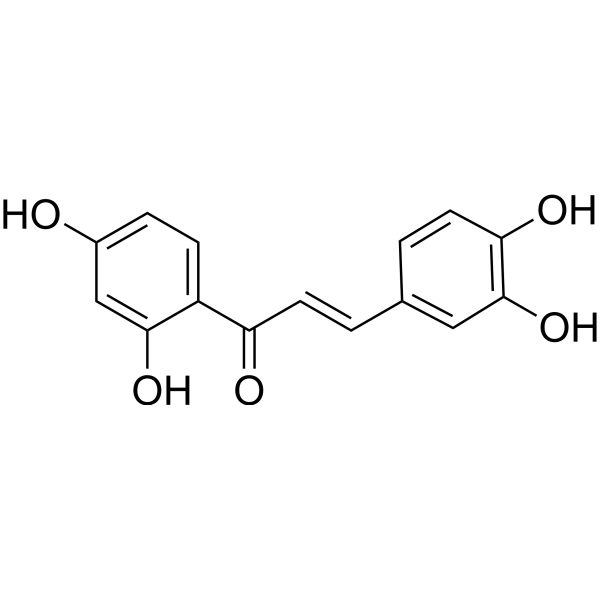
    Butein is a cAMP-specific PDE inhibitor with an IC50 of 10.4 μM for PDE4 . Butein is a specific protein tyrosine kinase inhibitor with IC50s of 16 and 65 μM for EGFR and p60 c-src in HepG2 cells . Butein sensitizes HeLa cells to Cisplatin through AKT and ERK/p38 MAPK pathways by targeting FoxO3a . Butein is a SIRT1 activator (STAC).
    Butein
  • HY-128326

    MAP3K Cardiovascular Disease
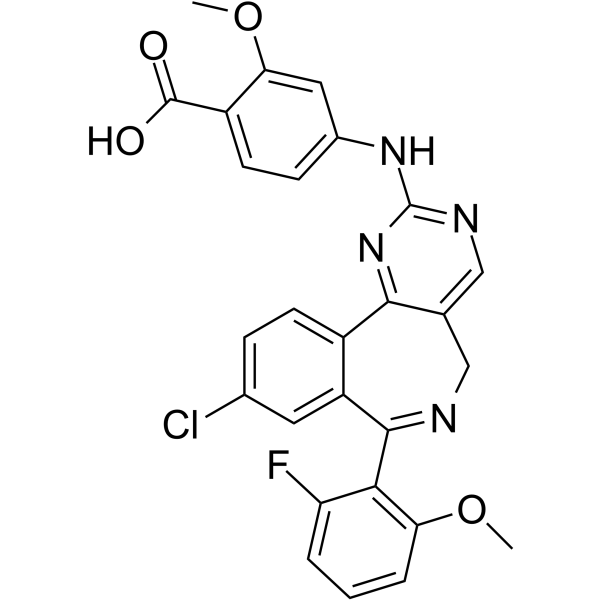
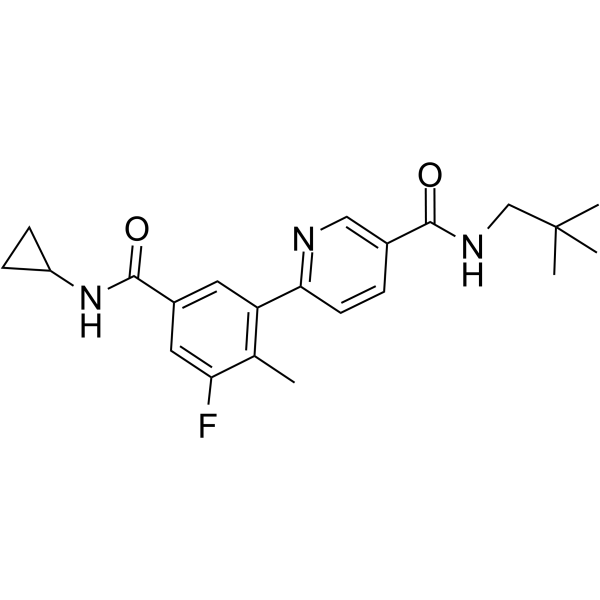
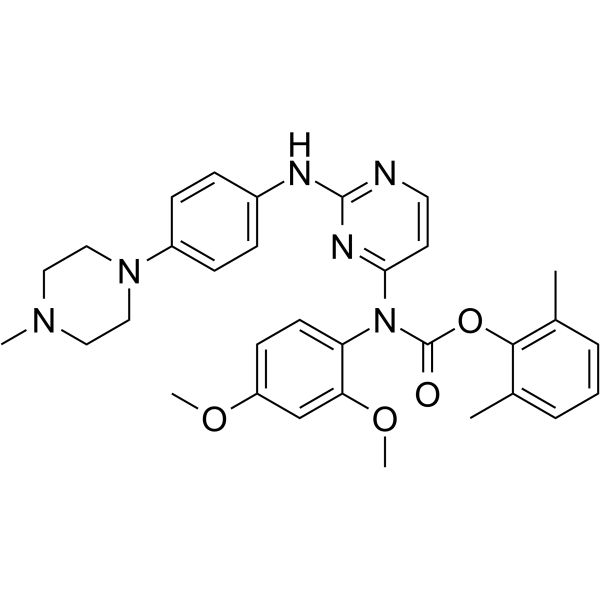
    ZAK-IN-1 is an orally active and selective selective leucine-zipper and sterile‑α motif kinase (ZAK) inhibitor with IC50 of 4 nM and KD of 8 nM. ZAK-IN-1 exhibits excellent selectivity against a panel of 403 wild-type kinases. ZAK-IN-1 blocks p38/GATA-4 and JNK/c-Jun signaling and shows promising anti antihypertrophic cardiomyopathy (HCM) efficacy. ZAK-IN-1 can be used for the study of HCM .
    ZAK-IN-1
  • HY-N7255
    Cycloartenol
    2 Publications Verification

    p38 MAPK Apoptosis Cancer
    Cycloartenol, a phytosterol compound, is one of the key precusor substances for biosynthesis of numerous sterol compounds. Cycloartenol inhibits the migration of glioma cells and suppresses the phosphorylation of the p38 MAP kinase. Cycloartenol has a variety of pharmacological activities such as anti-inflammatory, anti-tumor, antioxidant, antibiosis and anti-alzheimer's disease. Cycloartenol also plays an important role in the process of plant growth and development .
    Cycloartenol
  • HY-15300
    Skepinone-L
    2 Publications Verification

    CBS3830

    p38 MAPK Autophagy Inflammation/Immunology
    Skepinone-L (CBS3830), a chemical probe, is a selective p38 mitogen-activated protein kinase inhibitor.
    Skepinone-L
  • HY-10520
    CGP 57380
    3 Publications Verification

    MNK Apoptosis Cancer
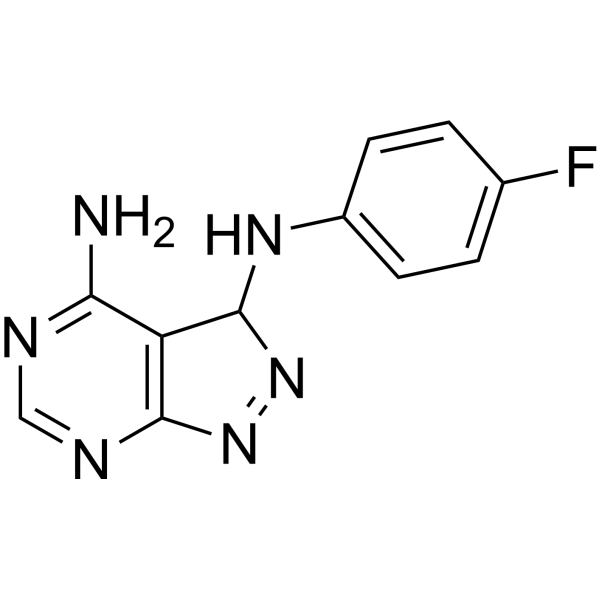
    CGP 57380 is a cell-permeable pyrazolo-pyrimidine compound that acts as a selective inhibitor of Mnk1 with IC50 of 2.2 μM, but has no inhibitory activity against p38, JNK1, ERK1/2, PKC, or Src-like kinases.
    CGP 57380
  • HY-107427
    PF-3644022
    2 Publications Verification

    MAPKAPK2 (MK2) p38 MAPK Inflammation/Immunology
    PF-3644022 is a potent, selective, orally active and ATP-competitive MAPKAPK2 (MK2) inhibitor with an IC50 of 5.2 nM and a Ki of 3 nM. PF-3644022 also inhibits MK3 and p38 regulated/activated kinase (PRAK) with IC50s of 53 nM and 5.0 nM, respectively. PF-3644022 potently inhibits TNFα production and has anti-inflammatory effect .
    PF-3644022
  • HY-B1165

    p38 MAPK Checkpoint Kinase (Chk) Histamine Receptor 5-HT Receptor CDK PARP Apoptosis Cancer
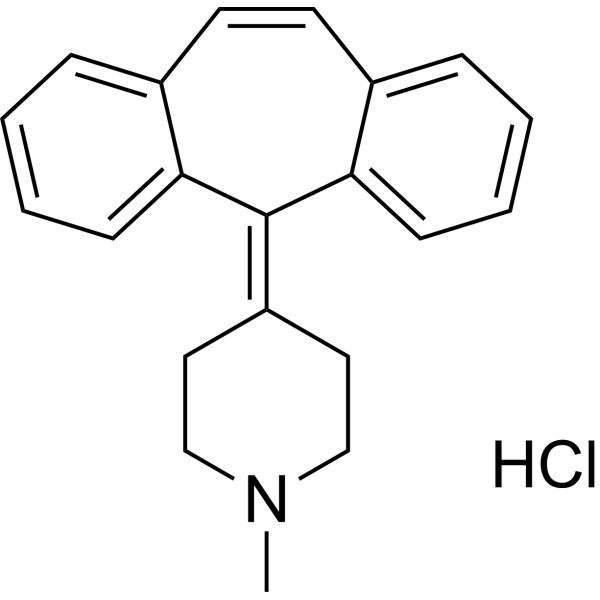
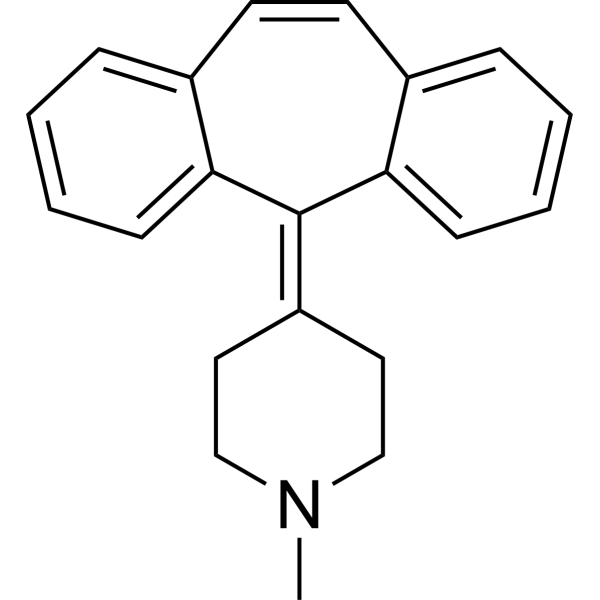
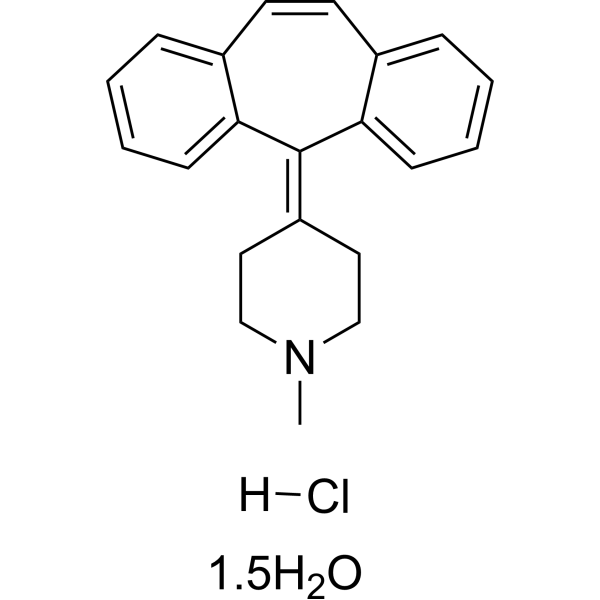
    Cyproheptadine hydrochloride sesquihydrate acts as a p38 MAP kinase activator, CHK2 activator, histamine H1 receptor inhibitor and serotonin receptor inhibitor. Cyproheptadine hydrochloride sesquihydrate mediates cell cycle arrest via G1 phase arrest, G1/S transition arrest, G0/G1 phase arrest, reduced expression of cyclins D1/D2/D3, upregulated expression of HBP1, p16, p21, p27, and decreased phosphorylation of retinoblastoma protein. Cyproheptadine hydrochloride sesquihydrate induces Apoptosis by increasing PARP and cleaved PARP, as well as activating the mitochondrial caspase pathway. Cyproheptadine hydrochloride sesquihydrate inhibits tumor growth with extremely low toxicity to normal cells. Cyproheptadine hydrochloride sesquihydrate can be used in research related to hepatocellular carcinoma, multiple myeloma and acute myeloid leukemia .
    Cyproheptadine (hydrochloride sesquihydrate)
  • HY-10295A
    SB 202190 hydrochloride
    Maximum Cited Publications
    134 Publications Verification

    Organoid p38 MAPK Autophagy Apoptosis Neurological Disease Cancer
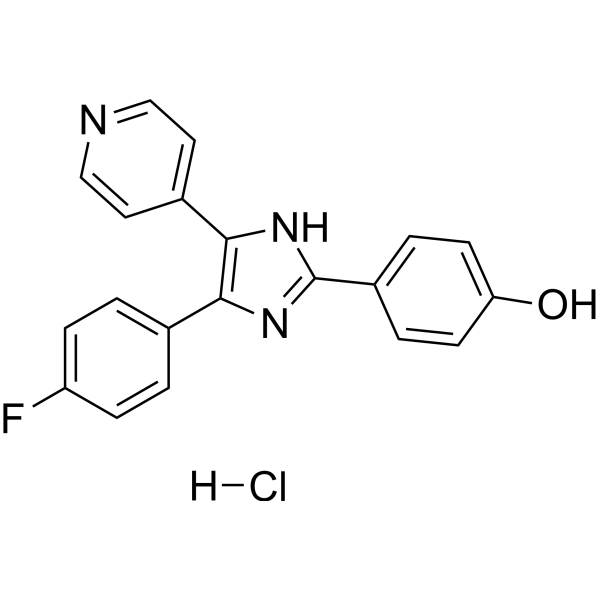
    SB 202190 hydrochloride is a selective p38 MAP kinase inhibitor with IC50s of 50 nM and 100 nM for p38α and p38β2, respectively. SB 202190 hydrochloride binds to the ATP pocket of the active recombinant human p38 kinase with a Kd of 38 nM. SB 202190 hydrochloride has anti-cancer activity . SB202190 hydrochloride induces autophagy .
    SB 202190 hydrochloride
  • HY-112401

    p38 MAPK Inflammation/Immunology
    p38 MAP Kinase Inhibitor IV is a highly specific ATP-competitive p38α MAPK inhibitor with IC50s of 0.13 and 0.55 μM for p38α and p38β MAPK, respectively .
    p38 MAP Kinase Inhibitor IV
  • HY-112389
    p38 MAP Kinase Inhibitor III
    2 Publications Verification

    p38 MAPK Inflammation/Immunology
    p38 MAP Kinase Inhibitor III (compound 7h) is a p38 MAPK inhibitor with an 50 of 0.9 μM. p38 MAP Kinase Inhibitor III also inhibits IL-1β and TNF-α release with 50 values of 0.37 μM and 0.044 μM, respectively .
    p38 MAP Kinase Inhibitor III
  • HY-16715
    Acumapimod
    1 Publications Verification

    BCT197

    p38 MAPK Autophagy Inflammation/Immunology
    Acumapimod (BCT197) is an orally active p38 MAP kinase inhibitor, with an IC50 of less than 1 μM for p38α.
    Acumapimod
  • HY-18306
    SB 242235
    2 Publications Verification

    p38 MAPK Autophagy Cancer
    SB-242235 is a potent and selective p38 MAP kinase inhibitor, with an IC50 of 1.0 μM in primary human chondrocytes .
    SB 242235
  • HY-P6442

    Chemerin Receptor Syk ERK Src p38 MAPK P-selectin Cardiovascular Disease Neurological Disease Inflammation/Immunology
    Chemerin15 is an anti-inflammatory peptide derived from Chemerin. Chemerin15 binds to ChemR23. Chemerin15 inhibits TNFα-induced activation of Syk, ERK and Src kinases. Chemerin15 increases the expression of p-p38 mRNA and protein. Chemerin15 mediates phagocytosis, resolution of inflammation, CD62L shedding and downregulation of PSGL-1 expression in macrophages and microglia. Chemerin15 inhibits neutrophil-mediated vascular inflammation and myocardial ischemia-reperfusion injury via ChemR23. Chemerin15 enhances microglial phagocytosis, thereby alleviating cerebral ischemia-reperfusion injury .
    Chemerin15
  • HY-N2902

    Reactive Oxygen Species (ROS) Cancer
    Artocarpin is an orally active apoptosis inducer. Artocarpin targets NF-κB, Erk1/2, p38 MAPK, AktS473, p53, Akt 1 kinase and Akt 2 kinase. Artocarpin induces reactive oxygen species (ROS) production, mediates p53-dependent and p53-independent apoptotic signaling pathways, induces G1-phase cell cycle arrest, and triggers autophagic cell death. Artocarpin exerts cytotoxic and bactericidal effects on cancer cells, reduces bacterial load, and exhibits anti-inflammatory, analgesic and anti-angiogenic activities .
    Artocarpin
  • HY-N4119

    Phosphatase Cholinesterase (ChE) p38 MAPK Apoptosis Autophagy Neurological Disease Metabolic Disease
    Neoeriocitrin is a Naringin (HY-N0153) analogue found in Drynaria Rhizome. Neoeriocitrin induces cells proliferation, differentiation, up-regulates type I collagen, osteocalcin, and key osteogenic markers, and increases ALP activity. Neoeriocitrin increases expression of Runx2, COL I, OCN and Beclin1. Neoeriocitrin inhibits phosphorylation of P38 mitogen-activated protein kinase, reduces acetylcholinesterase (AChE) activity, and increases choline acetyltransferase (ChAT) activity. Neoeriocitrin reduces apoptosis and induces autophagy. Neoeriocitrin can be used for the researches of osteoporosis and Alzheimer's disease .
    Neoeriocitrin
  • HY-P10954

    p38 MAPK Others
    Link N peptide is a proteoglycan aggregates activator in the extracellular matrix. Link N peptide can selectively activate the p38 mitogen-activated protein kinase (MAPK) pathway to promote the expression of type I and II collagens in human intervertebral disc cells. Link N peptide is promising for research of intervertebral disc degeneration-related diseases .
    Link N peptide
  • HY-139534
    ARI-1
    1 Publications Verification

    ROR Apoptosis Akt mTOR PARP Cancer
    ARI-1 is a receptor tyrosine kinase-like orphan receptor 1 (ROR1) inhibitor. ARI-1 blocks the PI3K/AKT/mTOR signaling pathway in a ROR1-dependent manner. ARI-1 upregulates cleaved-PARP and p-P38. ARI-1 induces Apoptosis. ARI-1 has anticancer activity against non-small cell lung cancer .
    ARI-1
  • HY-N1745A
    3-Deoxysappanchalcone
    2 Publications Verification

    Influenza Virus Infection Inflammation/Immunology Cancer
    3-Deoxysappanchalcone is a kinase inhibitor and antiviral agent. 3-Deoxysappanchalcone directly targets MET, EGFR, AKT, mTOR, p38 MAPK, JNK, thrombin, FXa, and influenza virus neuraminidase, thereby regulating related signaling pathways. 3-Deoxysappanchalcone induces cell cycle arrest, ROS production, and apoptosis. 3-Deoxysappanchalcone exhibits anti-inflammatory, anti-allergic, anticoagulant, and antithrombotic activities. 3-Deoxysappanchalcone is applicable to research related to gefitinib-resistant lung cancer, esophageal squamous cell carcinoma, thrombosis, and influenza virus infection .
    3-Deoxysappanchalcone
  • HY-117273

    Raf Autophagy Cancer
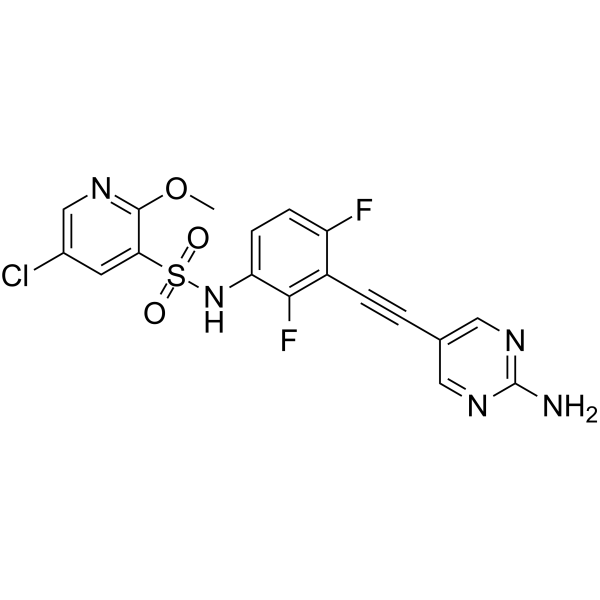
    AZ304 is an ATP-competitive dual BRAF kinase inhibitor, potently inhibits wild type BRAF, V600E mutant BRAF and wild type CRAF, with IC50s of 79 nM, 38 nM and 68 nM, respectively. AZ304 also has significant effect on other kinases, such as p38 (IC50, 6 nM), CSF1R (IC50, 35 nM). Anti-tumor activity .
    AZ304
  • HY-18302
    c-Kit-IN-5-1
    1 Publications Verification

    c-Kit Inflammation/Immunology
    c-Kit-IN-5 is potent inhibitor of c-Kit, with IC50s of 22 nM and 16 nM in kinase assay and cell assay, respectively. c-Kit-IN-5 shows more than 200-fold selectivity for c-Kit over KDR, p38, Lck, and Src. c-Kit-IN-5 also exhibits desirable pharmacokinetic properties .
    c-Kit-IN-5-1
  • HY-112349

    Drug Derivative Interleukin Related Lipoxygenase Inflammation/Immunology
    SB 203580 sulfone is an analog of p38 MAP kinase inhibitor SB 203580. SB 203580 sulfone inhibits the IL-1 production (IC50 of 0.2 μM in monocytes) and binds competitively with CSAID binding proteins (CSBP), inhibits it mediated stress response signaling with an IC50 of 0.03 μM. SB 203580 sulfone inhibits 5-LO with an IC50 value of 24 µM. SB 203580 sulfone can be used in the research of inflammatory diseases .
    SB 203580 sulfone
  • HY-119715

    CDK Apoptosis Inflammation/Immunology Cancer
    AG-012986 is a pan-CDK inhibitor with Ki values of 44 nM (CDK1), 9.2 nM (CDK4), 94 nM (CDK2), and IC50 values of 22 nM (CDK5), 4 nM (CDK9). AG-012986 causes apoptosis of T-cells by targeting upstream kinases in the p38 Mitogen-activated protein kinase (MAPK) pathway and impairing cellular survival. AG-012986 induces cell cycle arrest, retinoblastoma protein hypophosphorylation, and reduces Ki-67 expression. AG-012986 exerts antiproliferative activity in tumor cells, demonstrates antitumor efficacy in human xenograft models, and causes retinal and peripheral neurotoxicity, plus immune cell toxicity. AG-012986 can be used for the research of colon carcinoma, non-small cell lung carcinoma, lung carcinoma, breast carcinoma, ovarian tumor, pancreatic carcinoma, osteosarcoma, lymphoma, leukemia, retinotoxicity .
    AG-012986
  • HY-120595

    RV568

    p38 MAPK Src Inflammation/Immunology
    JNJ-49095397 (RV568) is an inhaled narrow-spectrum kinase inhibitor (NSKI) against both the α and γ isoforms of p38 MAPK. JNJ-49095397 also inhibits SRC kinase family, specifically haematopoietic kinase (HCK) JNJ-49095397 shows potent anti-inflammatory effects and can be used for the research of chronic obstructive pulmonary disease (COPD) and asthma .
    JNJ-49095397
  • HY-114221

    UR13870

    p38 MAPK Inflammation/Immunology
    Org 48762-0 (UR13870) is a potent, orally active and selective p38 inhibitor with an EC50 of 0.1 μM for p38α kinase. Org 48762-0 shows a high degree of kinase selectivity for p38α and p38β over other kinases. Org 48762-0 reduces Lipopolysaccharides (HY-D1056) (LPS)-induced TNFα release. Org 48762-0 can be used for the study of rheumatoid arthritis (RA) and Werner syndrome .
    Org 48762-0
  • HY-N12188

    NF-κB TNF Receptor Interleukin Related p38 MAPK Inflammation/Immunology
    Stigmasta-3,5-dien-7-one is a steroid compound that can be isolated from Harrisonia abyssinica. Stigmasta-3,5-dien-7-one blocks the NF-κB signaling pathway via down-regulation of phospho-p38 mitogen-activated protein kinase and phosphorylation and degradation of inhibitor of NF-κB α. Stigmasta-3,5-dien-7-one reduces LPS (HY-D1056)-induced nitric oxide, PGE2, and pro-inflammatory cytokine levels in macrophages. Stigmasta-3,5-dien-7-one can be used for inflammation diseases .
    Stigmasta-3,5-dien-7-one
  • HY-177320

    p38 MAPK Inflammation/Immunology
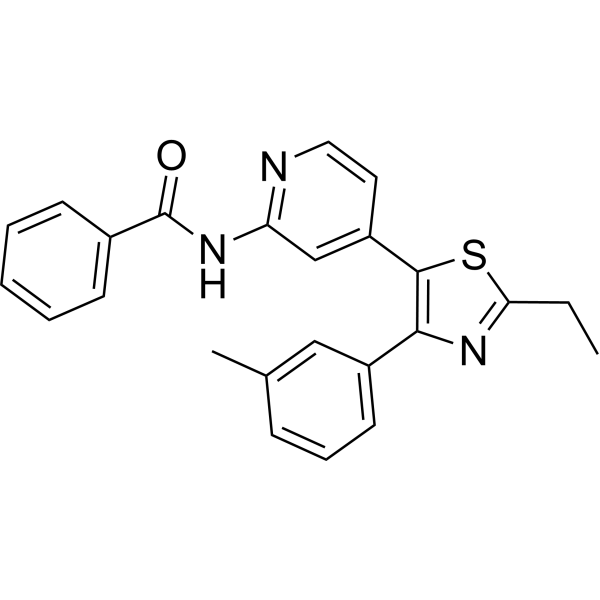
    p38 Kinase-IN-9 (example 4) is a p38 kinase inhibitor with an IC50 of <1 μM. p38 Kinase-IN-9 can be used for the study of p38 kinase mediated diseases, including inflammatory diseases .
    p38 Kinase-IN-9
  • HY-149850

    p38 MAPK Inflammation/Immunology
    p38 Kinase inhibitor 5 (AA6) is a potent p38 kinase inhibitor with an IC50 of 403.57 nM. p38 Kinase inhibitor 5 has anti-inflammatory activity .
    p38 Kinase inhibitor 5
  • HY-153348

    p38 MAPK Cancer
    p38 Kinase inhibitor 4 (compound 135) is a potent p38 inhibitor .
    p38 Kinase inhibitor 4
  • HY-49073

    p38 MAPK Cancer
    p38 MAP Kinase Inhibitor VI (compound c32) is a p38 MAPK inhibitor with an inhibition rate of 24% .
    p38 MAP Kinase Inhibitor Ⅵ
  • HY-171275

    p38 MAPK Inflammation/Immunology
    p38 MAP Kinase-IN-1 (Compound 4) is the inhibitor for p38, and can be used for inflammation and auto-immune responses related research .
    p38 MAP Kinase-IN-1
  • HY-171295

    p38 MAPK Inflammation/Immunology
    p38 Kinase inhibitor 7 (Comp:XXXIX) is the inhibitor for p38α with an IC50 of 5.25 nM. p38 Kinase inhibitor 7 inhibits TNFα production in cell THP-1 with an IC50 of 5.88 nM .
    p38 Kinase inhibitor 7
  • HY-10971A

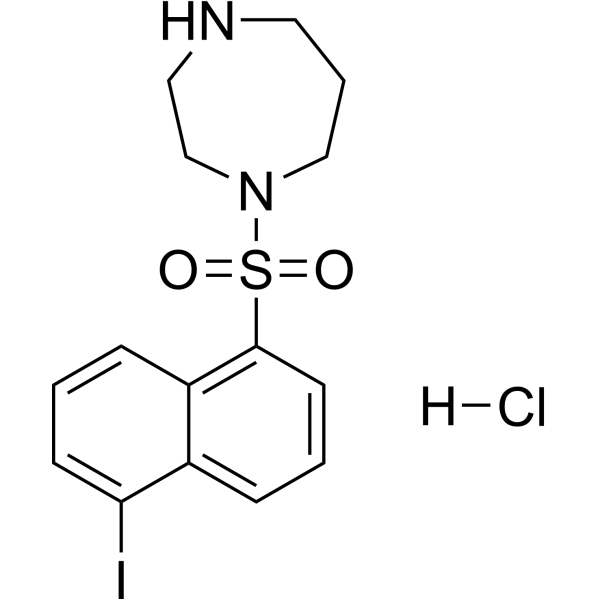
    MLN 8237 sodium

    Aurora Kinase Autophagy Apoptosis Cancer
    Alisertib (MLN 8237) sodium is an orally active and selective Aurora A kinase inhibitor (IC50=1.2 nM), which binds to Aurora A kinase resulting in mitotic spindle abnormalities, mitotic accumulation. Alisertib sodium induces apoptosis and autophagy through targeting the AKT/mTOR/AMPK/p38 pathway in leukemic cells. Antitumor activity .
    Alisertib sodium
  • HY-121605

    Apoptosis Cancer
    RL71 is a curcuminoid anticancer agent that exhibits potent cytotoxicity against a variety of ER-negative breast cancer cells. RL71 (1 μM) induces cell cycle arrest in the G2/M phase and induces apoptosis in SKBr3 cells. RL7 also decreases HER2/neu phosphorylation and increases p27. RL71 also significantly reduced the phosphorylation of Akt and transiently increased the stress kinases JNK1/2 and p38 MAPK. Furthermore, RL71 exhibited anti-angiogenic potential in vitro, inhibiting the migration of HUVEC cells and the ability of these cells to form tubular networks .
    RL71
  • HY-178267

    p38 MAPK Cancer
    p38 MAP Kinase-IN-2 (Compound 5) is a p38 MAP Kinase inhibitor. p38 MAP Kinase-IN-2 can be used for the research of cancer .
    p38 MAP Kinase-IN-2
  • HY-178209

    p38 MAPK Metabolic Disease
    p38 MAP Kinase-IN-3 is a p38 MAP kinase inhibitor (IC50 = 0.09 µM). p38 MAP Kinase-IN-3 can be used for research on metabolic conditions .
    p38 MAP Kinase-IN-3
  • HY-174829

    Protease Activated Receptor (PAR) NF-κB Reactive Oxygen Species (ROS) Calcium Channel Akt ERK p38 MAPK PKC Cardiovascular Disease Metabolic Disease
    7,4'-Dimethoxy-3-hydroxyflavone is an orally active PAR4 antagonist. 7,4'-Dimethoxy-3-hydroxyflavone inhibits PAR4-mediated human platelet aggregation with an IC50 of 1.4 μM. 7,4'-Dimethoxy-3-hydroxyflavone inhibits PAR4-mediated human platelet aggregation and PAR4 signaling pathways, including NF-κB, Ca 2+/protein kinase C, Akt, ERK and p38. 7,4'-Dimethoxy-3-hydroxyflavone prevents vascular PAR4 expression, endothelial dysfunction and ameliorates oxidative stress in Streptozotocin (STZ) (HY-13753)-induced diabetic mice. 7,4'-Dimethoxy-3-hydroxyflavone prevents thrombosis in mice without affecting bleeding time [1][2].
    7,4'-Dimethoxy-3-hydroxyflavone
  • HY-183531

    p38 MAPK Inflammation/Immunology
    p38 MAP Kinase-IN-4 is a p38α MAPK inhibitor with an IC50 of 40.5 nM. p38 MAP Kinase-IN-4 is applicable to inflammation-related research .
    p38 MAP Kinase-IN-4
  • HY-171296

    p38 MAPK JNK Inflammation/Immunology
    p38 Kinase inhibitor 8 (Compound CCLXXVIII) is the orally active inhibitor for p38β and JNK2α2 with IC50s of 6.3 nM and 53.6 nM. p38 Kinase inhibitor 8 exhibits anti-inflammatory effect in rats collagen-induced arthritis models .
    p38 Kinase inhibitor 8
  • HY-119298

    p38 MAPK Inflammation/Immunology
    AW-814141 is a selective and orally active p38 MAP kinase inhibitor. AW-814141 has an IC50 values of 100 nM and 158 nM for p38-α and β isoforms, respectively. AW-814141 can inhibit the production of TNF-α induced by LPS (HY-D1056). AW-814141 can inhibit paw edema in rats in a dose-dependent manner. AW-814141 exhibits anti-inflammatory activity and can be used in the research of inflammatory diseases such as rheumatoid arthritis .
    AW-814141
  • HY-10320G

    BIRB 796 (GMP)

    p38 MAPK Cancer
    Doramapimod GMP (BIRB 796 GMP) is an orally active inhibitor for p38 MAPK, with IC50s of 38, 65, 200 and 520 nM, for p38α, p38β, p38γ, p38δ. Doramapimod exhibits cytotoxicity and antitumor activity against multiple myeloma, synergizes with multidrug resistance protein 1 (ABCB1) and aurora kinase inhibitor VX680, promoting their antitumor efficacy against oral epidermoid carcinoma and cervical cancer. Doramapimod also exhibits anti-inflammatory activity .
    Doramapimod (GMP)
  • HY-N1818

    3-Deoxysappanone B

    p38 MAPK Neurological Disease Inflammation/Immunology
    Deoxysappanone B (3-Deoxysappanone B) is a homoisoflavone compound isolated from Caesalpinia sappan L (Lignum Sappan). Deoxysappanone B has anti-neuroinflammatory and neuroprotective effects and inhibits the production of neuroinflammatory mediators by blocking the IκB kinase (IKK)-NF-κB and p38/ERK MAPK pathways. Deoxysappanone B can be used in disease studies of neuritis and inflammation-related neurological damage .
    Deoxysappanone B
  • HY-16558R

    2’,3,4,4’-tetrahydroxy Chalcone (Standard)

    Reference Standards EGFR Autophagy Apoptosis Phosphodiesterase (PDE) Cancer
    Butein (Standard) is the analytical standard of Butein. This product is intended for research and analytical applications. Butein is a cAMP-specific PDE inhibitor with an IC50 of 10.4 μM for PDE4 . Butein is a specific protein tyrosine kinase inhibitor with IC50s of 16 and 65 μM for EGFR and p60c-src in HepG2 cells . Butein sensitizes HeLa cells to Cisplatin through AKT and ERK/p38 MAPK pathways by targeting FoxO3a . Butein is a SIRT1 activator (STAC).
    Butein (Standard)
  • HY-19399A

    BRX 005; BRX 235

    p38 MAPK HSP Cardiovascular Disease
    (±)-Iroxanadine (BRX 005; BRX 235), a vasculoprotector, is a p38 kinase and HSP protein activator. (±)-Iroxanadine has the potential for atherosclerosis and vascular diseases research .
    (±)-Iroxanadine

Inquiry Online

Your information is safe with us. * Required Fields.

Salutation


Country or Region *

Applicant Name *


Organization Name *

Department *


Email Address *


Product Name *

Cat. No.


Requested quantity *

Phone Number *


Remarks

Inquiry Online

Inquiry Information

Product Name:
Cat. No.:
Quantity:
MCE Japan Authorized Agent:

