
1. Search Result
Search Result
Results for "

pantothenate

" in MedChemExpress (MCE) Product Catalog:

21

Inhibitors & Agonists

1

MCE Kits

8

Natural
Products

2

Isotope-Labeled Compounds

Targets Recommended:
Cat. No. Product Name Target Research Areas Chemical Structure
  • HY-B0430
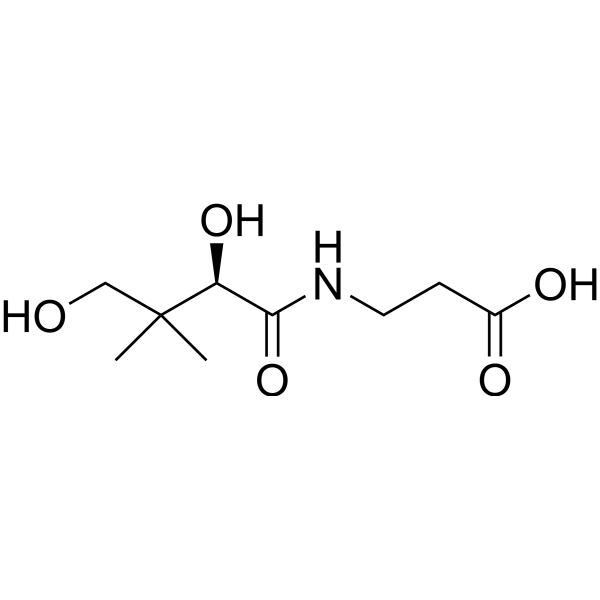
    D-Pantothenic acid
    Maximum Cited Publications
    6 Publications Verification

    pantothenate; Vitamin B5

    Environmental Pollutants Endogenous Metabolite Others
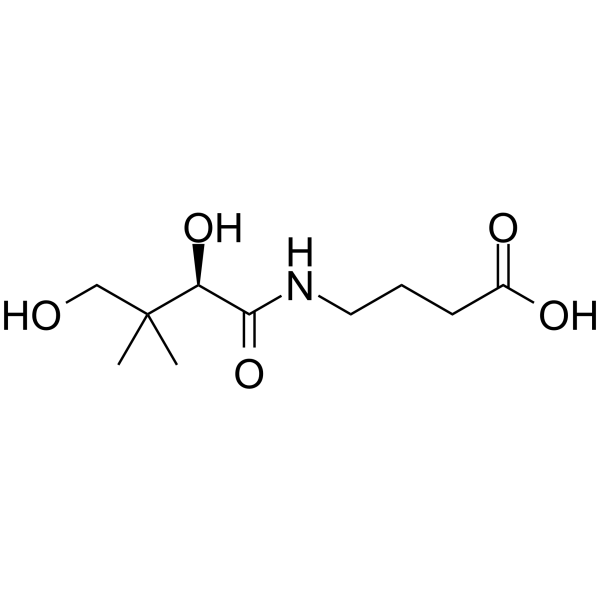
    D-Pantothenic acid (Pantothenate) is an essential trace nutrient that functions as the obligate precursor of coenzyme A (CoA). D-Pantothenic acid plays key roles in myriad biological processes, including many that regulate carbohydrate, lipid, protein, and nucleic acid metabolism .
    D-Pantothenic acid
  • HY-N0681
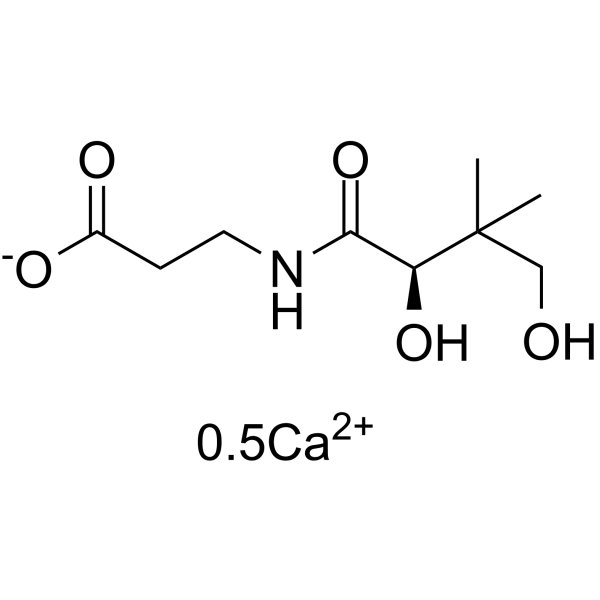
    D-Pantothenic acid hemicalcium salt
    Maximum Cited Publications
    6 Publications Verification

    Calcium pantothenate; Calcium D-pantothenate; Vitamin B5 calcium salt

    Environmental Pollutants Apoptosis Endogenous Metabolite Metabolic Disease Inflammation/Immunology Endocrinology
    D-Pantothenic acid hemicalcium salt is an orally active vitamin that reduces patulin in apple juice. D-Pantothenic acid hemicalcium salt removes ROS. D-Pantothenic acid hemicalcium salt has antibacterial and immunomodulatory activities. D-Pantothenic acid hemicalcium salt also has the effect of improving osteoporosis and obesity .
    D-Pantothenic acid hemicalcium salt
  • HY-B1028
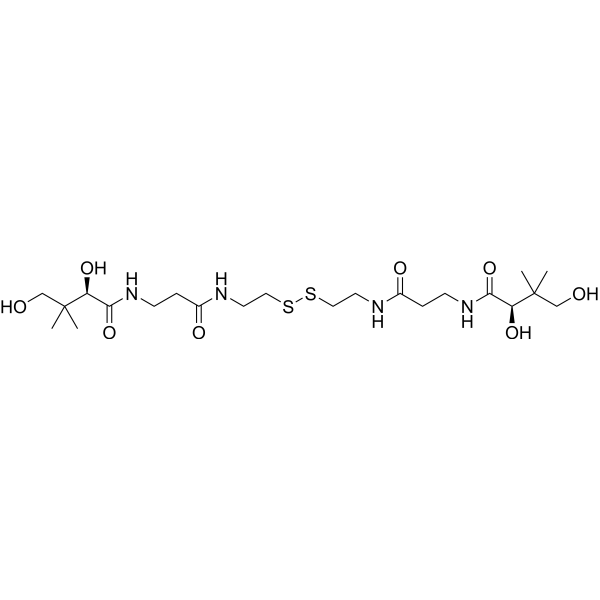
    Pantethine
    5 Publications Verification

    D-Pantethine; LBF disulfide

    Endogenous Metabolite SARS-CoV Cardiovascular Disease Neurological Disease Inflammation/Immunology Endocrinology Cancer
    Pantethine is an orally active lipid-lowering agent. Pantethine has anti-tumor, anti-inflammatory and anti-SARS-COV virus activities. Pantethine is also a neuroprotective agent. Pantethine can be used in the study of Alzheimer's disease, Parkinson's disease, major depression, systemic sclerosis and pantothenate kinase-related neurodegeneration .
    Pantethine
  • HY-44170
    Pantothenate kinase-IN-2
    2 Publications Verification

    PANK Neurological Disease Metabolic Disease
    Pantothenate kinase-IN-2 is a pantothenate kinase inhibitor with IC50 values of 92 nM for PanK2, 70 nM for PanK1β, and 25 nM for PanK3. Pantothenate kinase-IN-2 can bind specifically to the ATP-PanK3 complex and block CoA biosynthesis. Pantothenate kinase-IN-2 can be used for the research of pank-associated neurodegeneration and type 2 diabetes .
    Pantothenate kinase-IN-2
  • HY-B0430A
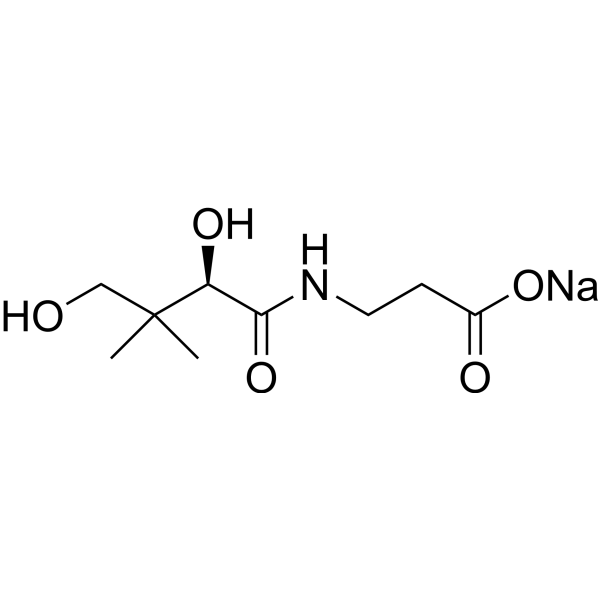
    D-Pantothenic acid sodium
    Maximum Cited Publications
    6 Publications Verification

    Sodium pantothenate; Vitamin B5 sodium

    Apoptosis Endogenous Metabolite Metabolic Disease
    D-Pantothenic acid sodium (Sodium pantothenate) is an essential trace nutrient that functions as the obligate precursor of coenzyme A (CoA). D-Pantothenic acid sodium plays key roles in myriad biological processes, including many that regulate carbohydrate, lipid, protein, and nucleic acid metabolism .
    D-Pantothenic acid sodium
  • HY-124634
    PZ-2891
    4 Publications Verification

    PANK Neurological Disease
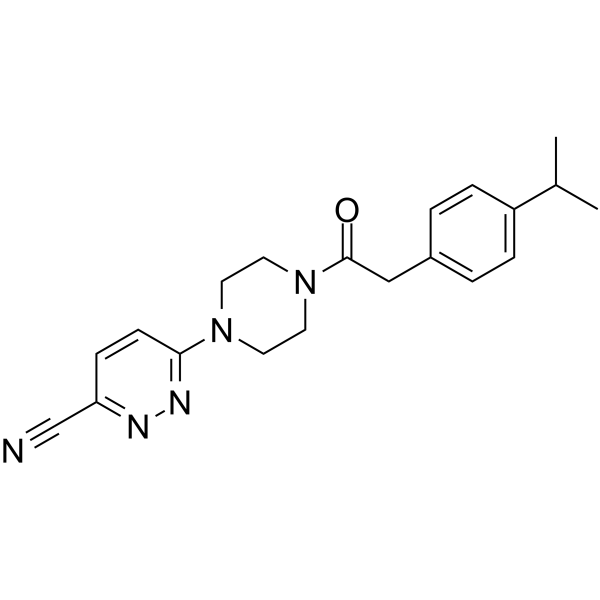
    PZ-2891 is an orally bioavailable, brain penetrant pantothenate kinase (PANK) modulator. PZ-2891 act as an orthosteric inhibitor at high concentrations and an allosteric activator at lower sub-saturating concentrations. PZ-2891 inhibits human pantothenate kinases PANK1β, PANK2, and PANK3 with IC50s of 40.2 nM, 0.7 nM and 1.3 nM, respectively .
    PZ-2891
  • HY-139729
    HOPan
    2 Publications Verification

    PANK Drug Derivative Metabolic Disease
    HOPan is a PanK substrate and Pantothenate (HY-B0430) analog. HOPan inhibits CoA levels .
    HOPan
  • HY-144734

    PANK Neurological Disease Metabolic Disease
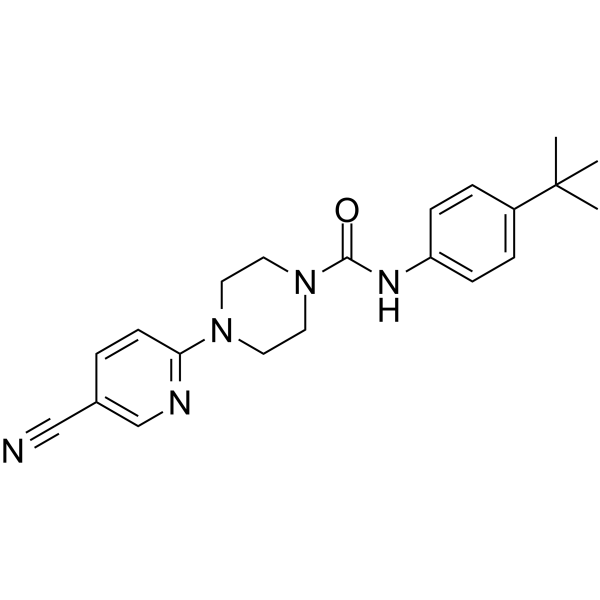
    Pantothenate kinase-IN-1 is a PANK3 inhibitor with an IC50 of 0.51 μM. Pantothenate kinase-IN-1 acts as a pantothenate-competitive inhibitor, which occupies the pantothenate-binding site of PANK3 and binds to both protomers in the PANK3 dimer. Pantothenate kinase-IN-1 exhibits metabolic stability in mouse and rat plasma. Pantothenate kinase-IN-1 can be used in the research of pantothenate kinase-associated neurodegenerative diseases and metabolic diseases .
    Pantothenate kinase-IN-1
  • HY-159509

    Claziprotamide; BBP-671

    PANK Neurological Disease Metabolic Disease
    Claziprotamidum (Claziprotamide; BBP-671) is a panthothenate kinase (PANK) activator with oral activity and blood-brain barrier permeability. Claziprotamidum binds to and activates all PANK isoforms, with the highest affinity for PANK3 (KD = 97 pM; IC50 = 1.39 nM). Claziprotamidum increases the intracellular biosynthesis of Coenzyme A (HY-128851) and restores mitochondrial function. Claziprotamidum can be used in the research of pantothenate kinase-associated neurodegeneration and propionic acidemia .
    Claziprotamidum
  • HY-109033

    RE-024

    Drug Intermediate Neurological Disease
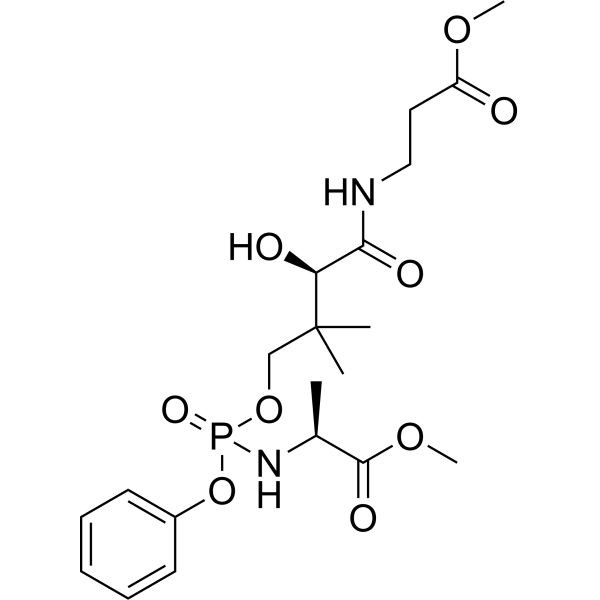
    Fosmetpantotenate is a phosphopantothenic acid (PPA) precursor designed to release PPA intracellularly, leading to restoration of CoA levels. Fosmetpantotenate is used to research pantothenate kinase-associated neurodegeneration.
    Fosmetpantotenate
  • HY-169491

    Fluorescent Dye Metabolic Disease
    Pantothenate-AMC is a fluorogenic substrate used for detecting the enzymatic activity of vanin-1, an enzyme involved in the recycling of L-pantothenic acid. Upon enzymatic cleavage by vanin-1, 7-amino-7-methylcoumarin (AMC) is released, and its fluorescence can be used to quantify vanin-1 activity. The excitation/emission maxima of AMC are 340-360 nm and 440-460 nm, respectively .
    Pantothenate-AMC
  • HY-144432S

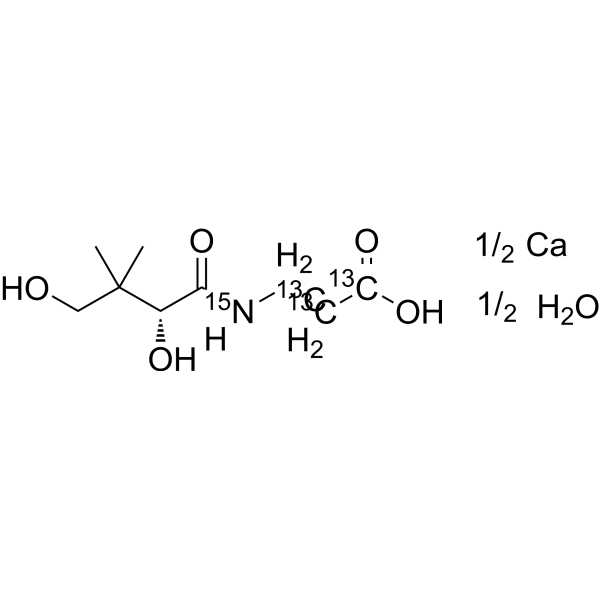
    pantothenate-13C3,15N; Vitamin B5-13C3,15N hemicalcium hemihydrate

    Isotope-Labeled Compounds Others
    Vitamin B5- 13C3, 15N hemicalcium hemihydrate is the 13C and 15N labeled Vitamin B5 hemicalcium hemihydrate .
    D-Pantothenic acid-13C3,15N hemicalcium hemihydrate
  • HY-B0430B

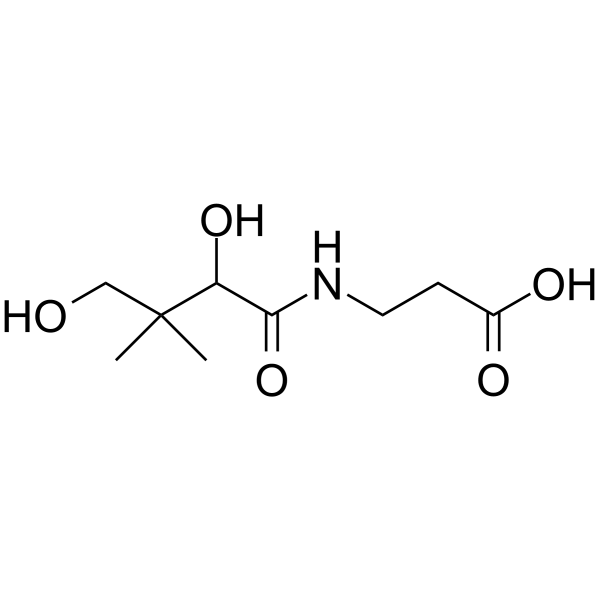
    (±)-pantothenate; (±)-Vitamin B5

    Endogenous Metabolite Neurological Disease Metabolic Disease
    (±)-Pantothenic acid ((±)-Pantothenate), a B-vitamin, is an essential vitamin required for the biosynthesis of coenzyme A (CoA) in mammalian cells. Pantothenic acid has protective activity against valproic acid (VPA)-induced neural tube defects (NTD) in CD-1 mice .
    (±)-Pantothenic acid
  • HY-164909

    PANK Metabolic Disease
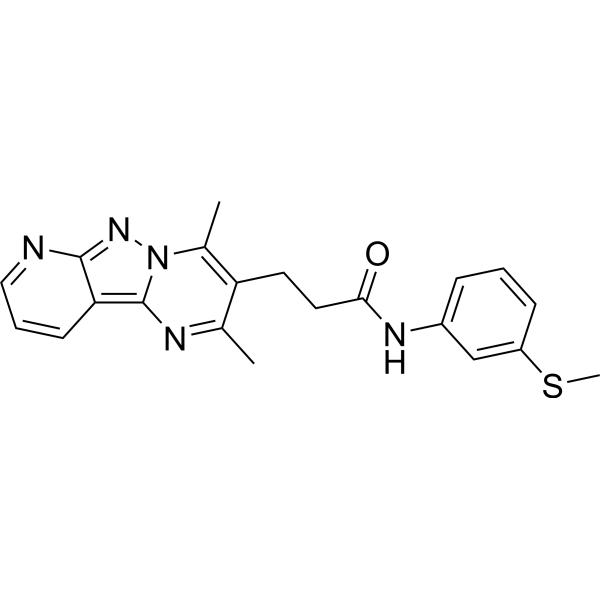
    PZ-3022 is an orally active allosteric agonist of pantothenate kinase (PanK) with an EC50 of 5.3 nM against PanK3. PZ-3022 antagonizes the inhibitory effect of C3-CoA. PZ-3022 increases CoA levels in cells and the liver, upregulates CoASH and C2-CoA, downregulates C3-CoA, and restores impaired TCA cycle and mitochondrial function. PZ-3022 can be used for the research of propionic acidemia and metabolic CoA deficiency .
    PZ-3022
  • HY-N0681R

    Calcium pantothenate (Standard); Calcium D-pantothenate (Standard); Vitamin B5 calcium salt (Standard)

    Reference Standards Endogenous Metabolite Apoptosis Others
    D-Pantothenic acid (hemicalcium salt) (Standard) is the analytical standard of D-Pantothenic acid (hemicalcium salt). This product is intended for research and analytical applications. D-Pantothenic acid hemicalcium salt is a vitamin that reduces patulin in apple juice.
    D-Pantothenic acid hemicalcium salt (Standard)
  • HY-B1028R

    D-Pantethine (Standard); LBF disulfide (Standard)

    Reference Standards Endogenous Metabolite SARS-CoV Cardiovascular Disease Neurological Disease Inflammation/Immunology Endocrinology Cancer
    Pantethine (Standard) is the analytical standard of Pantethine. This product is intended for research and analytical applications. Pantethine is an orally active lipid-lowering agent. Pantethine has anti-tumor, anti-inflammatory and anti-SARS-COV virus activities. Pantethine is also a neuroprotective agent. Pantethine can be used in the study of Alzheimer's disease, Parkinson's disease, major depression, systemic sclerosis and pantothenate kinase-related neurodegeneration .
    Pantethine (Standard)
  • HY-B0430AR

    Sodium pantothenate (Standard); Vitamin B5 sodium (Standard)

    Reference Standards Apoptosis Endogenous Metabolite Metabolic Disease
    D-Pantothenic acid (sodium) (Standard) is the analytical standard of D-Pantothenic acid (sodium). This product is intended for research and analytical applications. D-Pantothenic acid sodium (Sodium pantothenate) is an essential trace nutrient that functions as the obligate precursor of coenzyme A (CoA). D-Pantothenic acid sodium plays key roles in myriad biological processes, including many that regulate carbohydrate, lipid, protein, and nucleic acid metabolism[1].
    D-Pantothenic acid sodium (Standard)
  • HY-177153

    Drug Derivative Others
    Allantoin calcium pantothenate is a complex formed by Allantoin (HY-N0543) and Calcium pantothenate (HY-N0681). Allantoin calcium pantothenate has protective, anti-irritant, soothing and moisturizing properties. Allantoin calcium pantothenate can be safely used as an anti-irritant, wound healing agent and conditioning agent. Allantoin calcium pantothenate can be incorporated at 0.2-2% in most formulations. Allantoin calcium pantothenate can be used in cosmetics-related research .
    Allantoin calcium pantothenate
  • HY-B1028S

    D-Pantethine-15N2; LBF disulfide-15N2

    Isotope-Labeled Compounds Neurological Disease Metabolic Disease Inflammation/Immunology Endocrinology Cancer
    Pantethine- 15N2 is the 15N2 labeled Pantethine. Pantethine is an orally active lipid-lowering agent. Pantethine has anti-tumor, anti-inflammatory and anti-SARS-COV virus activities. Pantethine is also a neuroprotective agent. Pantethine can be used in the study of Alzheimer's disease, Parkinson's disease, major depression, systemic sclerosis and pantothenate kinase-related neurodegeneration .
    Pantethine-15N2
  • HY-181917

    PANK Metabolic Disease
    Pantothenate kinase-IN-3 is an orally active PANK3-selective binder and CoA biosynthesis activator with a human PANK3 Ki of 9.1 nM, human PANK3 Ka of 1.8 nM, human PANK1β Ki of 113 nM, human PANK1β Ka of 23.4 nM, and oral effectiveness.Pantothenate kinase-IN-3 binds PANK3 via a water-mediated interaction between its sulfonamide NH and Gly193, elevates cellular, hepatic, and forebrain CoA levels, and shows improved metabolic stability in mouse and human microsomes.Pantothenate kinase-IN-3 has solubility properties favorable at pH 7.Pantothenate kinase-IN-3 can be used for the research of hepatic metabolic CoA deficiencies (acidemias) .
    Pantothenate kinase-IN-3
  • HY-W654307

    Endogenous Metabolite Metabolic Disease
    (RS) -Pantoic acid sodium monohydrate is an intermediate in the phosphopantothenate biosynthesis pathway for the de novo synthesis of R-pantothenate (vitamin B5) from valine in plants and microorganisms.
    (RS)-Pantoic acid sodium monohydrate

Inquiry Online

Your information is safe with us. * Required Fields.

Salutation


Country or Region *

Applicant Name *


Organization Name *

Department *


Email Address *


Product Name *

Cat. No.


Requested quantity *

Phone Number *


Remarks

Inquiry Online

Inquiry Information

Product Name:
Cat. No.:
Quantity:
MCE Japan Authorized Agent:

