Search Result
Results for "
polymerase reactions
" in MedChemExpress (MCE) Product Catalog:
9
Biochemical Assay Reagents
1
Isotope-Labeled Compounds
| Cat. No. |
Product Name |
Target |
Research Areas |
Chemical Structure |
-
- HY-128974
-
|
Lauryl Maltoside
|
DNA/RNA Synthesis
|
Others
|
|
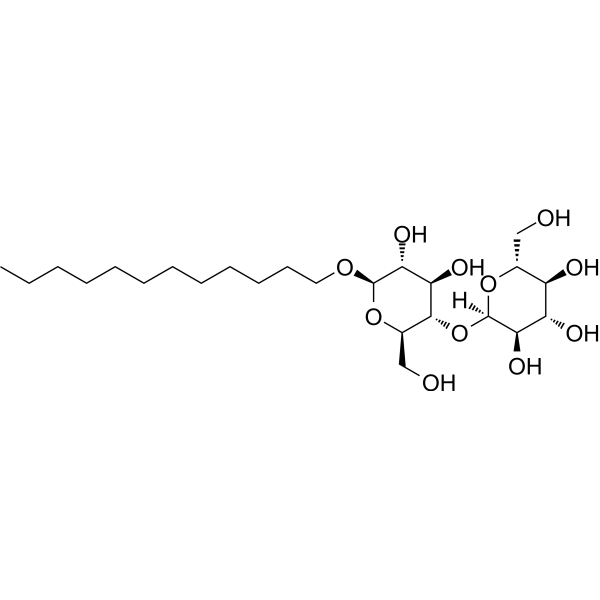
N-Dodecyl-β-D-maltoside (Lauryl Maltoside) is a non-ionic detergent. N-Dodecyl-β-D-maltoside has strong adsorption on alumina, titanium dioxide and hematite. N-Dodecyl-β-D-maltoside can promote the reactivation of various proteins. N-Dodecyl-β-D-maltoside can effectively stabilize photoactive reaction center complexes (RCs) and inhibit the degradation of Rhodopseudomonas spheroides R-26 reaction center in solution. N-Dodecyl-β-D-maltoside can be used for purification and stabilization of RNA polymerase and for detection of protein-lipid interactions .
|
-
-
- HY-126399
-
|
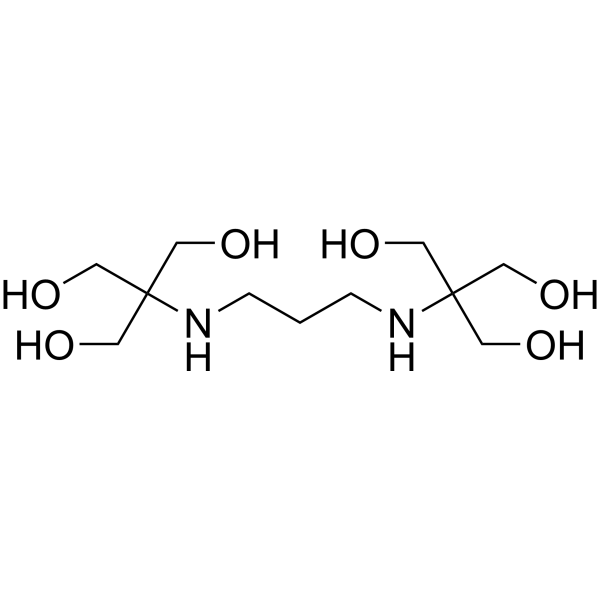
BTP
|
Biochemical Assay Reagents
|
Others
|
|
Bis-tris propane (BTP) is a water-soluble buffer substance. Bis-tris propane can be used as a suitable buffer for polymerase chain reaction (PCR). Bis-tris propane can enhance the stability or activity of restriction enzymes .
|
-
-
- HY-E70529
-
|
|
DNA/RNA Synthesis
Bacterial
|
Infection
|
|
Ribonucleoside vanadyl complexes are a class of potent RNase and Taq polymerase inhibitors. Ribonucleoside vanadyl complexes protect RNA during RNA isolation by inhibiting ribonucleases, and also reduce the viability of bacteria and eukaryotic cells by interfering with ribosomal subunit assembly. Ribonucleoside vanadyl complexes block PCR and reverse transcription reactions templated by viral nucleic acids and enhance the effects of antibiotics against Staphylococcus aureus, but do not directly inhibit protein synthesis. Ribonucleoside vanadyl complexes can be effectively removed by phenol-chloroform extraction, thus enabling subsequent PCR analysis. Ribonucleoside vanadyl complexes can be applied in research related to chronic hepatitis C (HCV) and Staphylococcus aureus infection .
|
-
-
- HY-W013715A
-
|
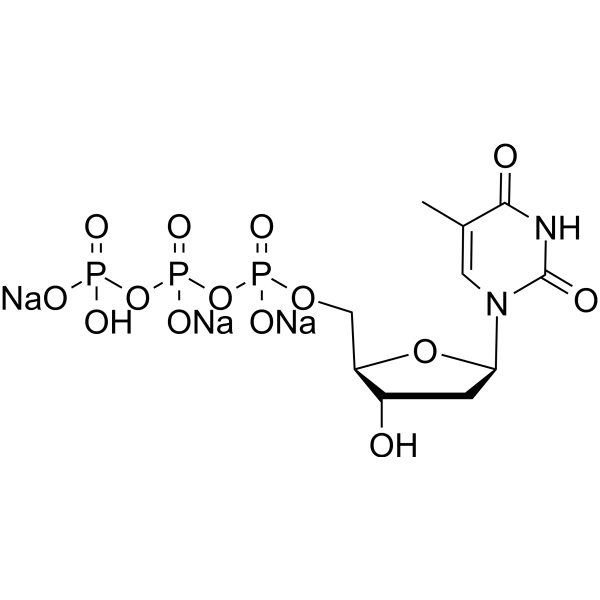
dTTP trisodium solution (100 mM)
|
DNA/RNA Synthesis
Nucleoside Antimetabolite/Analog
Endogenous Metabolite
|
Others
|
Deoxythymidine-5'-triphosphate (dTTP) (trisodium) solution (100 mM) is one of the raw materials used by DNA polymerase to synthesize long DNA strands during DNA replication. Deoxythymidine-5'-triphosphate (trisodium) solution (100 mM) is used in polymerase chain reaction (PCR) for DNA amplification. This product is supplied as an aqueous solution.
|
-
-
- HY-W008661
-
|
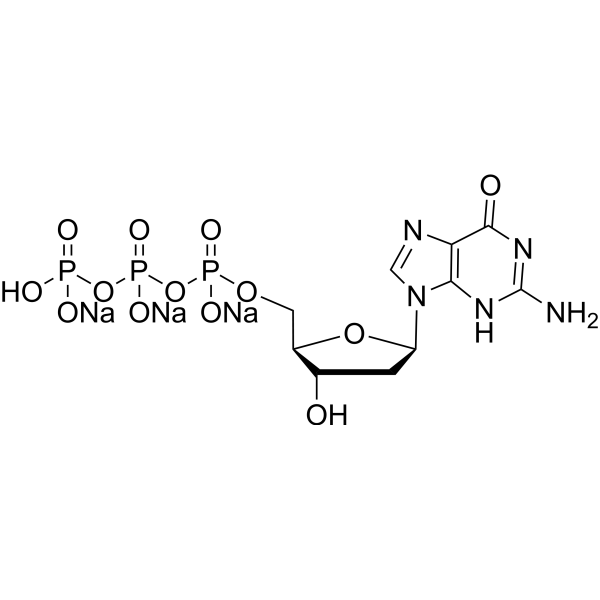
dGTP trisodium solution (100 mM); 2'-Deoxyguanosine-5'-triphosphate trisodium solution (100 mM)
|
DNA/RNA Synthesis
|
Others
|
|
Deoxyguanosine triphosphate (dGTP) trisodium solution (100 mM) is a nucleotide precursor in cells for DNA synthesis. Deoxyguanosine triphosphate trisodium salt is used in reverse transcription-polymerase chain reaction (RT-PCR) for DNA amplification .
|
-
-
- HY-D0043
-
|
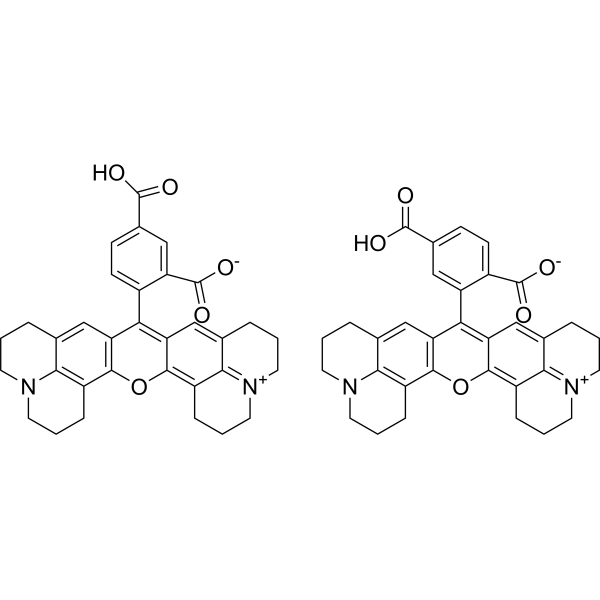
5(6)-Carboxy-X-rhodamine
|
DNA Stain
|
Others
|
|
5(6)-ROX (5(6)-Carboxy-X-rhodamine) is a nucleic acid fluorescent label which can be used as a reference dye for real-time polymerase chain reaction (Em/Ex = 605/585 nm) .
|
-
-
- HY-17357
-
|
AHR 9434; AL 6515
|
COX
Prostaglandin Receptor
|
Neurological Disease
Inflammation/Immunology
Endocrinology
Cancer
|
|
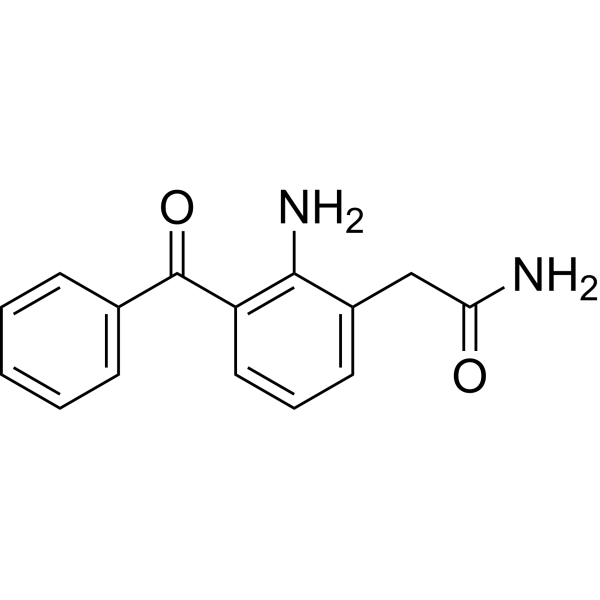
Nepafenac (AHR 9434; AL 6515), a nonsteroidal anti-inflammatory agent, is a topically administered COX-2 inhibitor with an IC50 of 0.12 μM. Nepafenac exhibits only weak COX-1 inhibitory activity (IC50 = 64.3 μM). Nepafenac possesses unique prodrug properties, which enable it to rapidly convert into the active metabolite Amfenac (HY-17479) in the ocular tissues, thereby achieving high concentrations in the retina and choroid. Nepafenac reduces inflammation and pain by inhibiting the activity of cyclooxygenase (COX) enzymes and thereby decreasing the production of prostaglandin PGE₂. Nepafenac can delay the metastasis of uveal melanoma (UM) in rabbit eyes. Nepafenac is mainly used for pain management and inflammation control after ophthalmic surgeries .
|
-
-
- HY-10443
-
|
Ro 4588161; R1626
|
HCV
DNA/RNA Synthesis
|
Infection
|
|
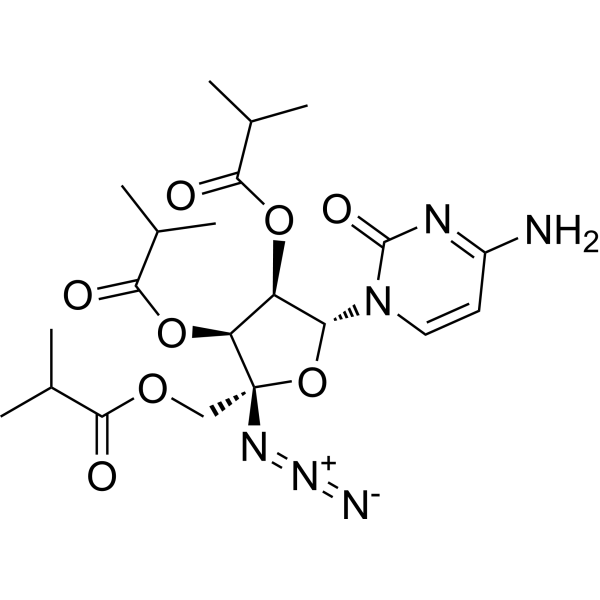
Balapiravir (Ro 4588161; R1626) is an orally active proagent of a nucleoside analogue inhibitor of the RNA-dependent RNA polymerase (RdRp) of HCV (R1479; 4'-Azidocytidine). Balapiravir has anti-HCV activity . Balapiravir is a click chemistry reagent, it contains an Azide group and can undergo copper-catalyzed azide-alkyne cycloaddition reaction (CuAAc) with molecules containing Alkyne groups. It can also undergo strain-promoted alkyne-azide cycloaddition (SPAAC) reactions with molecules containing DBCO or BCN groups.
|
-
-
- HY-10444
-
R-1479
3 Publications Verification
4'-Azidocytidine
|
HCV
DNA/RNA Synthesis
|
Infection
|
|
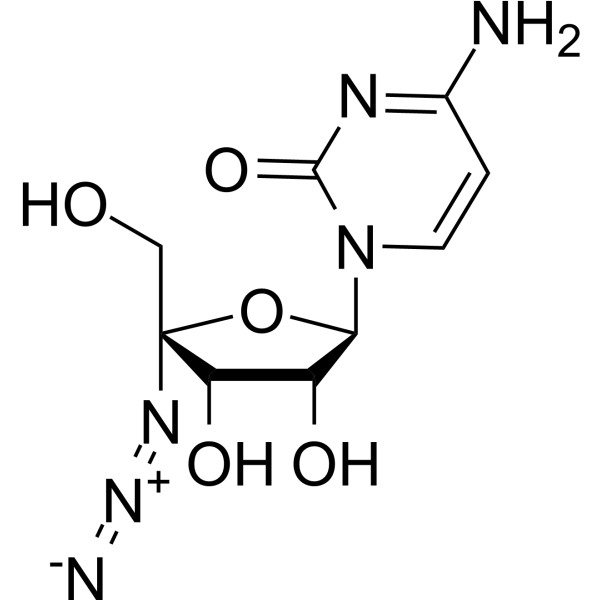
R-1479 (4'-Azidocytidine), a nucleoside analogue, is a specific inhibitor of RNA-dependent RNA polymerase (RdRp) of HCV. R-1479 inhibits HCV replication in the HCV subgenomic replicon system (IC50=1.28 μM) . R-1479 is a click chemistry reagent, it contains an Azide group and can undergo copper-catalyzed azide-alkyne cycloaddition reaction (CuAAc) with molecules containing Alkyne groups. It can also undergo strain-promoted alkyne-azide cycloaddition (SPAAC) reactions with molecules containing DBCO or BCN groups.
|
-
-
- HY-D1686
-
|
Biotin-16-UTP tetralithium
|
DNA Stain
|
Others
|
|
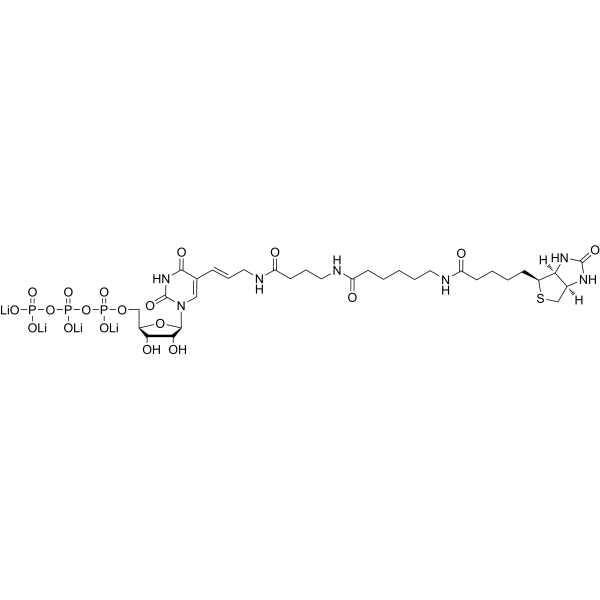
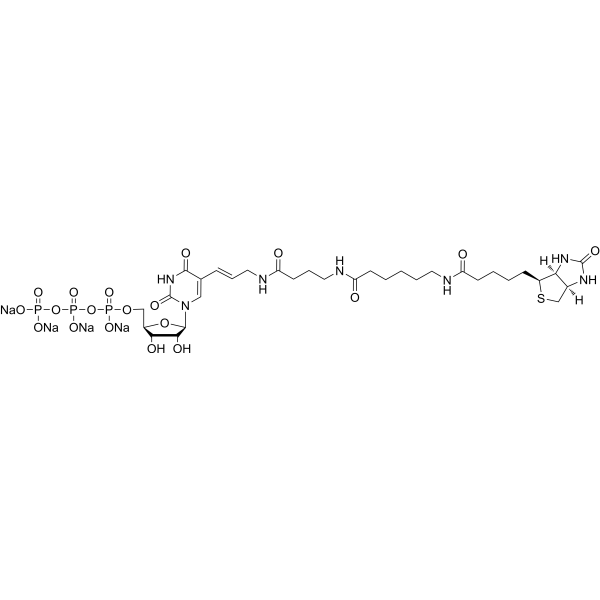
Biotin-16-UTP is an active substrate for RNA polymerase. Biotin-16-UTP can replace UTP in the in vitro transcription reaction for RNA labeling .
|
-
-
- HY-W013098
-
|
5'-Dexoadenosine triphosphate disodium
|
Biochemical Assay Reagents
|
|
|
2'-Deoxyadenosine 5'-triphosphate disodium (5'-Dexoadenosine triphosphate disodium) is a nucleotide with important biological activities and can serve as a substrate for a variety of polymerases, including DNA polymerases and reverse transcriptases. 2'-Deoxyadenosine 5'-triphosphate disodium plays a key role in DNA synthesis and reverse transcription. 2'-Deoxyadenosine 5'-triphosphate disodium is also widely used in in vitro reactions in molecular biology research.
|
-
-
- HY-136648B
-
|
dATP trisodium,100 mM Solution,PCR Grade
|
Biochemical Assay Reagents
|
Others
|
2'-Deoxyadenosine-5'-triphosphate (dATP) trisodium, 100 mM Solution, PCR Gradeis one of the raw materials used by DNA polymerase to synthesize long DNA strands during DNA replication. 2'-Deoxyadenosine-5'-triphosphate trisodium,100 mM Solution,PCR Grade is used in reverse transcription polymerase chain reaction (RT-PCR) for DNA amplification. This product is supplied in the form of an aqueous solution .
|
-
-
- HY-W008661A
-
|
dGTP trisodium,100 mM Solution,PCR Grade; 2'-Deoxyguanosine-5'-triphosphate trisodium,100 mM Solution,PCR Grade
|
DNA/RNA Synthesis
|
Others
|
|
Deoxyguanosine triphosphate (dGTP) trisodium,100 mM Solution,PCR Grade is one of the raw materials used by DNA polymerases to synthesize long DNA strands during DNA replication. Deoxyguanosine triphosphate trisodium,100 mM Solution,PCR Grade is used in polymerase chain reaction (PCR) for DNA amplification. This product is supplied in the form of an aqueous solution .
|
-
-
- HY-W013715B
-
|
dTTP trisodium,100 mM Solution,PCR Grade
|
DNA/RNA Synthesis
Nucleoside Antimetabolite/Analog
Endogenous Metabolite
|
Others
|
Deoxythymidine-5'-triphosphate (dTTP) trisodium, 100 mM Solution, PCR Grade is one of the raw materials used by DNA polymerase to synthesize long DNA strands during DNA replication. Deoxythymidine-5'-triphosphate trisodium, 100 mM Solution, PCR Grade is used in polymerase chain reaction (PCR) for DNA amplification. This product is supplied as an aqueous solution.
|
-
-
- HY-134320B
-
|
8-Azidoadenosine 5'-triphosphate trisodium; 8-N3-ATP trisodium
|
Potassium Channel
|
Metabolic Disease
|
|
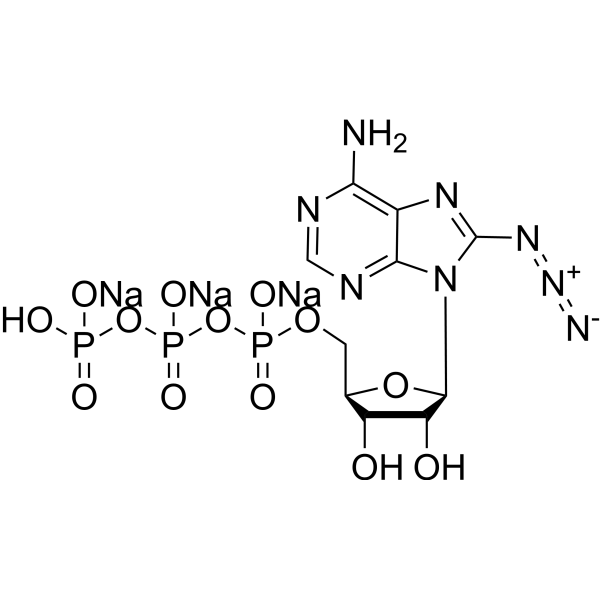
8-Azido-ATP (8-N3-ATP) trisodium, a photoreactable nucleotide analog, is useful for the identification of proteins, such as DNA-dependent RNA polymerase. 8-Azido-ATP trisodium is a click chemistry reagent that contains an Azide group and can undergo copper-catalyzed azide-alkyne cycloaddition reaction (CuAAc) with molecules containing Alkyne groups. 8-Azido-ATP trisodium can also undergo strain-promoted alkyne-azide cycloaddition (SPAAC) with molecules containing DBCO or BCN groups .
|
-
-
- HY-W001952
-
|
|
Fluorescent Dye
Drug Intermediate
|
Others
|
|
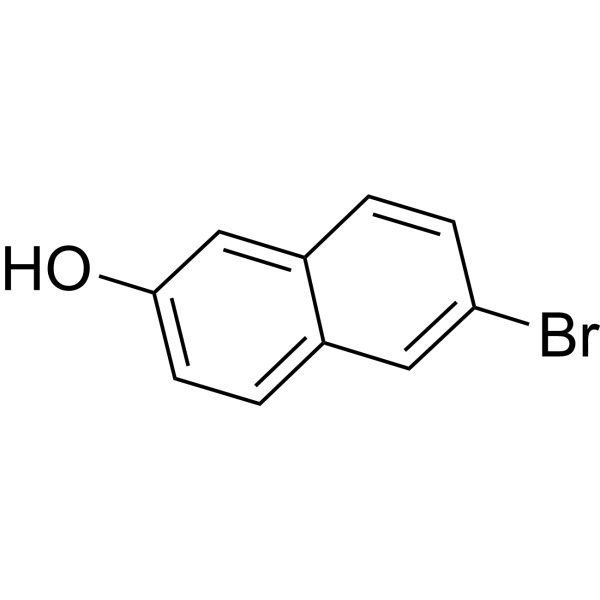
6-Bromo-2-naphthol is an RTP (real-time polymerase chain reaction) probe that forms a 1:1 or 2:1 complex with β-cyclodextrin (β-CD). 6-Bromo-2-naphthol is capable of real-time monitoring of PCR reactions and quantification of specific nucleic acid sequences. RTP probes are a class of small DNA or RNA sequences labeled with fluorescent dyes and quencher molecules, which can be widely used in gene expression analysis, SNP genotyping, and pathogen detection. 6-Bromo-2-naphthol embeds into the cyclodextrin cavity through hydrophobic interactions, inhibits the oxygen quenching effect, and emits a phosphorescent signal at room temperature. 6-Bromo-2-naphthol can also be used as an intermediate for the synthesis of antibacterial azo dyes, and its derivatives show antibacterial activity against Staphylococcus aureus, Escherichia coli and other bacteria .
|
-
-
- HY-W048513
-
|
|
DNA/RNA Synthesis
|
Cancer
|
|
7-Deaza-2'-deoxyadenosine is an isosteric dATP analog of 2'-deoxyadenosine. 7-Deaza-2'-deoxyadenosine is recognized by various DNA polymerases and incorporated into DNA strands as a substrate. 7-Deaza-2'-deoxyadenosine undergoes a bioorthogonal inverse electron demand Diels-Alder reaction with tetrazine-modified molecules, enabling site-specific labeling of DNA, surface antibody immobilization and intracellular fluorescent labeling. 7-Deaza-2'-deoxyadenosine reduces the DNA curvature of d(A6)·d(T6) fragments and the stability of DNA/RNA double helices, and leads to decreased antisense activity against SV40 T Antigen. 7-Deaza-2'-deoxyadenosine finds application in the research field of SV40 T Antigen-related cancers .
|
-
-
- HY-160841
-
|
|
DNA Stain
DNA/RNA Synthesis
|
Others
|
|
Biotin-16-dCTP is a biotinylated deoxycytidine triphosphate that serves as an important DNA labeling substrate. Biotin-16-dCTP can be enzymatically incorporated into the 3' end of DNA probes via terminal deoxynucleotidyl transferase, forming a 1-3 nucleotide-long tail to achieve biotinylation of the probes. Biotin-16-dCTP enhances chemiluminescent detection of low-abundance targets such as specific tRNA isoacceptors through Northern blotting. Biotin-16-dCTP can also replace conventional dCTP to be integrated into single-stranded DNA generated by asymmetric polymerase chain reaction, which is applicable for bioconjugation or pull-down assays. Repeated freeze-thaw cycles of Biotin-16-dCTP should be avoided to prevent degradation of its function for probe biotinylation .
|
-
-
- HY-D1686B
-
|
|
DNA Stain
|
Others
|
|
Biotin-16-UTP tetrasodium is an active substrate for RNA polymerase. Biotin-16-UTP tetrasodium can replace UTP in the in vitro transcription reaction for RNA labeling .
|
-
-
- HY-134320
-
|
8-Azidoadenosine 5'-triphosphate; 8-N3-ATP
|
Potassium Channel
|
Metabolic Disease
|
|
8-Azido-ATP, a photoreactable nucleotide analog, is useful for the identification of proteins, such as DNA-dependent RNA polymerase . 8-Azido-ATP is a click chemistry reagent, it contains an Azide group and can undergo copper-catalyzed azide-alkyne cycloaddition reaction (CuAAc) with molecules containing Alkyne groups. It can also undergo strain-promoted alkyne-azide cycloaddition (SPAAC) reactions with molecules containing DBCO or BCN groups.
|
-
-
- HY-128974S
-
|
Lauryl Maltoside-d25
|
Isotope-Labeled Compounds
DNA/RNA Synthesis
|
Others
|
|
N-Dodecyl-β-D-maltoside-d25 (Lauryl Maltoside-d25) is deuterium labeled N-Dodecyl-β-D-maltoside (HY-128974). N-Dodecyl-β-D-maltoside is a non-ionic detergent. N-Dodecyl-β-D-maltoside has strong adsorption on alumina, titanium dioxide and hematite. N-Dodecyl-β-D-maltoside can promote the reactivation of various proteins. N-Dodecyl-β-D-maltoside can effectively stabilize photoactive reaction center complexes (RCs) and inhibit the degradation of Rhodopseudomonas spheroides R-26 reaction center in solution. N-Dodecyl-β-D-maltoside can be used for purification and stabilization of RNA polymerase and for detection of protein-lipid interactions .
|
-
-
- HY-E70084
-
|
|
DNA/RNA Synthesis
|
Others
|
|
Tth DNA polymerase is a DNA polymerase from T. thermophilus that can be used for DNA sequencing and polymerase chain reaction (PCR) .
|
-
-
- HY-P2937A
-
|
|
DNA/RNA Synthesis
|
Others
|
|
DNA polymerase, NeoApollonia Thermophilus is a thermostable DNA polymerase from Streptococcus thermophilus that can be used in PCR reactions. DNA polymerase, NeoApollonia Thermophilus has 3’→5’ and 5’→3’ exonuclease activities.
|
-
-
- HY-10443A
-
|
Ro 4588161 hydrochloride; R1626 hydrochloride
|
HCV
DNA/RNA Synthesis
|
Infection
|
|
Balapiravir hydrochloride (Ro 4588161 hydrochloride; R1626 hydrochloride) is an orally active proagent of a nucleoside analogue inhibitor of the RNA-dependent RNA polymerase (RdRp) of HCV (R1479; 4'-Azidocytidine). Balapiravir hydrochloride has anti-HCV activity . Balapiravir (hydrochloride) is a click chemistry reagent, it contains an Azide group and can undergo copper-catalyzed azide-alkyne cycloaddition reaction (CuAAc) with molecules containing Alkyne groups. It can also undergo strain-promoted alkyne-azide cycloaddition (SPAAC) reactions with molecules containing DBCO or BCN groups.
|
-
-
- HY-10443R
-
|
Ro 4588161 (Standard); R1626 (Standard)
|
Reference Standards
HCV
DNA/RNA Synthesis
|
Infection
|
|
Balapiravir (Standard) is the analytical standard of Balapiravir. This product is intended for research and analytical applications. Balapiravir (Ro 4588161; R1626) is an orally active proagent of a nucleoside analogue inhibitor of the RNA-dependent RNA polymerase (RdRp) of HCV (R1479; 4'-Azidocytidine). Balapiravir has anti-HCV activity . Balapiravir is a click chemistry reagent, it contains an Azide group and can undergo copper-catalyzed azide-alkyne cycloaddition reaction (CuAAc) with molecules containing Alkyne groups. It can also undergo strain-promoted alkyne-azide cycloaddition (SPAAC) reactions with molecules containing DBCO or BCN groups.
|
-
-
- HY-185274
-
|
|
DNA/RNA Synthesis
|
Others
|
|
3'-O-(2-Nitrobenzyl)-dTTP acts as a reversible terminator for DNA chain elongation. 3'-O-(2-Nitrobenzyl)-dTTP interacts with 9°N polymerase (exo-) A485L/Y409V, gets recognized and incorporated into the elongating DNA chain, thereby temporarily terminating the polymerase reaction. 3'-O-(2-Nitrobenzyl)-dTTP carries a 3'-O-(2-nitrobenzyl) blocking group, which can be removed by laser irradiation to regenerate the free 3'-OH − group and restore polymerase activity. 3'-O-(2-Nitrobenzyl)-dTTP is applicable in DNA sequencing studies .
|
-
-
- HY-185272
-
|
|
DNA/RNA Synthesis
|
Others
|
|
3'-O-(2-Nitrobenzyl)-dCTP is a reversible terminator. 3'-O-(2-Nitrobenzyl)-dCTP can be recognized and incorporated by polymerases, thereby temporarily terminating primer extension during DNA synthesis. After incorporation into the extending DNA strand, 3'-O-(2-Nitrobenzyl)-dCTP temporarily halts the DNA polymerase extension reaction, and its 3'-O-(2-nitrobenzyl) blocking group can be removed by laser irradiation to regenerate a free 3'-OH for subsequent primer extension cycles. 3'-O-(2-Nitrobenzyl)-dCTP is applicable for resolving homopolymeric regions in DNA templates .
|
-
-
- HY-W416298
-
|
|
DNA/RNA Synthesis
|
Others
|
|
5-Vinyl-uridine (VU) is a uridine analog with a terminal alkene. 5-Vinyl-uridine is incorporated into new RNA by RNA polymerases, replacing endogenous uridine. Then, it can be detected rapidly and sensitively through an IEDDA reaction with a tetrazole probe, thereby enabling the monitoring of the transcription process using fluorescence techniques (such as monitoring through microscopes or flow cytometry).
|
-
-
- HY-10444R
-
|
4'-Azidocytidine (Standard)
|
Reference Standards
HCV
DNA/RNA Synthesis
|
Infection
|
|
R-1479 (Standard) is the analytical standard of R-1479 (HY-10444). This product is intended for research and analytical applications. R-1479 (4'-Azidocytidine), a nucleoside analogue, is a specific inhibitor of RNA-dependent RNA polymerase (RdRp) of HCV. R-1479 inhibits HCV replication in the HCV subgenomic replicon system (IC50=1.28 μM) . R-1479 is a click chemistry reagent, it contains an Azide group and can undergo copper-catalyzed azide-alkyne cycloaddition reaction (CuAAc) with molecules containing Alkyne groups. It can also undergo strain-promoted alkyne-azide cycloaddition (SPAAC) reactions with molecules containing DBCO or BCN groups.
|
-
-
- HY-134320A
-
|
8-Azidoadenosine 5'-triphosphate tetrasodium; 8-N3-ATP tetrasodium
|
Potassium Channel
|
Metabolic Disease
|
|
8-Azido-ATP (8-Azidoadenosine 5'-triphosphate) tetrasodium, a photoreactable nucleotide analog, is useful for the identification of proteins, such as DNA-dependent RNA polymerase. 8-Azido-ATP tetrasodium is a click chemistry reagent that contains an Azide group and can undergo copper-catalyzed azide-alkyne cycloaddition reaction (CuAAc) with molecules containing Alkyne groups. 8-Azido-ATP tetrasodium can also undergo strain-promoted alkyne-azide cycloaddition (SPAAC) with molecules containing DBCO or BCN groups .
|
-
-
- HY-182499
-
|
|
PARP
|
Cancer
|
|
PARP1-IN-56 (Compound RCY) is an I-labeled poly(ADP−ribose) polymerase (PARP1) inhibitor. PARP1-IN-56 can be radiolabeled with 211At or 125I for use as an α-emitting radiotherapeutic agent. PARP1-IN-56 can be used for the research of cancer .
|
-
| Cat. No. |
Product Name |
Type |
-
- HY-D0043
-
|
5(6)-Carboxy-X-rhodamine
|
Fluorescent Dyes
|
|
5(6)-ROX (5(6)-Carboxy-X-rhodamine) is a nucleic acid fluorescent label which can be used as a reference dye for real-time polymerase chain reaction (Em/Ex = 605/585 nm) .
|
-
- HY-D1686
-
|
Biotin-16-UTP tetralithium
|
Fluorescent Dyes
|
|
Biotin-16-UTP is an active substrate for RNA polymerase. Biotin-16-UTP can replace UTP in the in vitro transcription reaction for RNA labeling .
|
-
- HY-D1686B
-
|
|
Fluorescent Dyes
|
|
Biotin-16-UTP tetrasodium is an active substrate for RNA polymerase. Biotin-16-UTP tetrasodium can replace UTP in the in vitro transcription reaction for RNA labeling .
|
| Cat. No. |
Product Name |
Type |
-
- HY-126399
-
|
BTP
|
Biochemical Assay Reagents
|
|
Bis-tris propane (BTP) is a water-soluble buffer substance. Bis-tris propane can be used as a suitable buffer for polymerase chain reaction (PCR). Bis-tris propane can enhance the stability or activity of restriction enzymes .
|
-
- HY-W013715A
-
|
dTTP trisodium solution (100 mM)
|
Biochemical Assay Reagents
|
Deoxythymidine-5'-triphosphate (dTTP) (trisodium) solution (100 mM) is one of the raw materials used by DNA polymerase to synthesize long DNA strands during DNA replication. Deoxythymidine-5'-triphosphate (trisodium) solution (100 mM) is used in polymerase chain reaction (PCR) for DNA amplification. This product is supplied as an aqueous solution.
|
-
- HY-W008661
-
|
dGTP trisodium solution (100 mM); 2'-Deoxyguanosine-5'-triphosphate trisodium solution (100 mM)
|
Biochemical Assay Reagents
|
|
Deoxyguanosine triphosphate (dGTP) trisodium solution (100 mM) is a nucleotide precursor in cells for DNA synthesis. Deoxyguanosine triphosphate trisodium salt is used in reverse transcription-polymerase chain reaction (RT-PCR) for DNA amplification .
|
-
- HY-W013098
-
|
5'-Dexoadenosine triphosphate disodium
|
Biochemical Assay Reagents
|
|
2'-Deoxyadenosine 5'-triphosphate disodium (5'-Dexoadenosine triphosphate disodium) is a nucleotide with important biological activities and can serve as a substrate for a variety of polymerases, including DNA polymerases and reverse transcriptases. 2'-Deoxyadenosine 5'-triphosphate disodium plays a key role in DNA synthesis and reverse transcription. 2'-Deoxyadenosine 5'-triphosphate disodium is also widely used in in vitro reactions in molecular biology research.
|
-
- HY-136648B
-
|
dATP trisodium,100 mM Solution,PCR Grade
|
Biochemical Assay Reagents
|
2'-Deoxyadenosine-5'-triphosphate (dATP) trisodium, 100 mM Solution, PCR Gradeis one of the raw materials used by DNA polymerase to synthesize long DNA strands during DNA replication. 2'-Deoxyadenosine-5'-triphosphate trisodium,100 mM Solution,PCR Grade is used in reverse transcription polymerase chain reaction (RT-PCR) for DNA amplification. This product is supplied in the form of an aqueous solution .
|
-
- HY-W008661A
-
|
dGTP trisodium,100 mM Solution,PCR Grade; 2'-Deoxyguanosine-5'-triphosphate trisodium,100 mM Solution,PCR Grade
|
Biochemical Assay Reagents
|
|
Deoxyguanosine triphosphate (dGTP) trisodium,100 mM Solution,PCR Grade is one of the raw materials used by DNA polymerases to synthesize long DNA strands during DNA replication. Deoxyguanosine triphosphate trisodium,100 mM Solution,PCR Grade is used in polymerase chain reaction (PCR) for DNA amplification. This product is supplied in the form of an aqueous solution .
|
-
- HY-W013715B
-
|
dTTP trisodium,100 mM Solution,PCR Grade
|
Biochemical Assay Reagents
|
Deoxythymidine-5'-triphosphate (dTTP) trisodium, 100 mM Solution, PCR Grade is one of the raw materials used by DNA polymerase to synthesize long DNA strands during DNA replication. Deoxythymidine-5'-triphosphate trisodium, 100 mM Solution, PCR Grade is used in polymerase chain reaction (PCR) for DNA amplification. This product is supplied as an aqueous solution.
|
-
- HY-W001952
-
|
|
Biochemical Assay Reagents
|
|
6-Bromo-2-naphthol is an RTP (real-time polymerase chain reaction) probe that forms a 1:1 or 2:1 complex with β-cyclodextrin (β-CD). 6-Bromo-2-naphthol is capable of real-time monitoring of PCR reactions and quantification of specific nucleic acid sequences. RTP probes are a class of small DNA or RNA sequences labeled with fluorescent dyes and quencher molecules, which can be widely used in gene expression analysis, SNP genotyping, and pathogen detection. 6-Bromo-2-naphthol embeds into the cyclodextrin cavity through hydrophobic interactions, inhibits the oxygen quenching effect, and emits a phosphorescent signal at room temperature. 6-Bromo-2-naphthol can also be used as an intermediate for the synthesis of antibacterial azo dyes, and its derivatives show antibacterial activity against Staphylococcus aureus, Escherichia coli and other bacteria .
|
-
- HY-W048513
-
|
|
Biochemical Assay Reagents
|
|
7-Deaza-2'-deoxyadenosine is an isosteric dATP analog of 2'-deoxyadenosine. 7-Deaza-2'-deoxyadenosine is recognized by various DNA polymerases and incorporated into DNA strands as a substrate. 7-Deaza-2'-deoxyadenosine undergoes a bioorthogonal inverse electron demand Diels-Alder reaction with tetrazine-modified molecules, enabling site-specific labeling of DNA, surface antibody immobilization and intracellular fluorescent labeling. 7-Deaza-2'-deoxyadenosine reduces the DNA curvature of d(A6)·d(T6) fragments and the stability of DNA/RNA double helices, and leads to decreased antisense activity against SV40 T Antigen. 7-Deaza-2'-deoxyadenosine finds application in the research field of SV40 T Antigen-related cancers .
|
-
- HY-KE8011
-
|
|
|
Phi29 DNA polymerase is a protein-engineered Phi29 DNA polymerase expressed in E. coli and then purified and isolated multiple times. Compared with wild-type Phi29 DNA polymerase, it has higher amplification efficiency and sensitivity, and can greatly shorten the reaction time.
|
-
- HY-K0501A
-
|
|
|
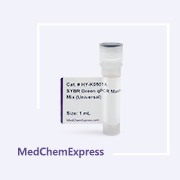
MCE SYBR Green qPCR Master Mix (Universal) is compatible with all qPCR instruments. 2× ready-to-use formulations which consist of antibody-mediated hot start polymerase, MgCl2, dNTPs and a proprietary reaction buffer, produce optimal results in qPCR experiments. The 100 rxns is defined as the base specification. All larger sizes correspond to incremental volumes of this base.
|
-
- HY-K0552A
-
|
|
|
MCE Mycoplasma Detection Plus Kit (PCR) employs polymerase chain reaction (PCR) technology for rapid and sensitive detection of mycoplasma contamination in cultured cells and related biological samples. The kit contains a PCR premix and mycoplasma-specific primers designed against conserved regions of the 16S rRNA gene. Cell culture supernatant or cell lysates can be used directly as templates for specific amplification of mycoplasma DNA, enabling rapid identification of mycoplasma contamination.
|
| Cat. No. |
Product Name |
Category |
Target |
Chemical Structure |
| Cat. No. |
Product Name |
Chemical Structure |
-
- HY-128974S
-
|
|
|
N-Dodecyl-β-D-maltoside-d25 (Lauryl Maltoside-d25) is deuterium labeled N-Dodecyl-β-D-maltoside (HY-128974). N-Dodecyl-β-D-maltoside is a non-ionic detergent. N-Dodecyl-β-D-maltoside has strong adsorption on alumina, titanium dioxide and hematite. N-Dodecyl-β-D-maltoside can promote the reactivation of various proteins. N-Dodecyl-β-D-maltoside can effectively stabilize photoactive reaction center complexes (RCs) and inhibit the degradation of Rhodopseudomonas spheroides R-26 reaction center in solution. N-Dodecyl-β-D-maltoside can be used for purification and stabilization of RNA polymerase and for detection of protein-lipid interactions .
|
-
| Cat. No. |
Product Name |
|
Classification |
-
- HY-10443
-
|
Ro 4588161; R1626
|
|
Azide
|
|
Balapiravir (Ro 4588161; R1626) is an orally active proagent of a nucleoside analogue inhibitor of the RNA-dependent RNA polymerase (RdRp) of HCV (R1479; 4'-Azidocytidine). Balapiravir has anti-HCV activity . Balapiravir is a click chemistry reagent, it contains an Azide group and can undergo copper-catalyzed azide-alkyne cycloaddition reaction (CuAAc) with molecules containing Alkyne groups. It can also undergo strain-promoted alkyne-azide cycloaddition (SPAAC) reactions with molecules containing DBCO or BCN groups.
|
-
- HY-10444
-
R-1479
3 Publications Verification
4'-Azidocytidine
|
|
Azide
|
|
R-1479 (4'-Azidocytidine), a nucleoside analogue, is a specific inhibitor of RNA-dependent RNA polymerase (RdRp) of HCV. R-1479 inhibits HCV replication in the HCV subgenomic replicon system (IC50=1.28 μM) . R-1479 is a click chemistry reagent, it contains an Azide group and can undergo copper-catalyzed azide-alkyne cycloaddition reaction (CuAAc) with molecules containing Alkyne groups. It can also undergo strain-promoted alkyne-azide cycloaddition (SPAAC) reactions with molecules containing DBCO or BCN groups.
|
-
- HY-134320
-
|
8-Azidoadenosine 5'-triphosphate; 8-N3-ATP
|
|
Azide
|
|
8-Azido-ATP, a photoreactable nucleotide analog, is useful for the identification of proteins, such as DNA-dependent RNA polymerase . 8-Azido-ATP is a click chemistry reagent, it contains an Azide group and can undergo copper-catalyzed azide-alkyne cycloaddition reaction (CuAAc) with molecules containing Alkyne groups. It can also undergo strain-promoted alkyne-azide cycloaddition (SPAAC) reactions with molecules containing DBCO or BCN groups.
|
-
- HY-10443A
-
|
Ro 4588161 hydrochloride; R1626 hydrochloride
|
|
Azide
|
|
Balapiravir hydrochloride (Ro 4588161 hydrochloride; R1626 hydrochloride) is an orally active proagent of a nucleoside analogue inhibitor of the RNA-dependent RNA polymerase (RdRp) of HCV (R1479; 4'-Azidocytidine). Balapiravir hydrochloride has anti-HCV activity . Balapiravir (hydrochloride) is a click chemistry reagent, it contains an Azide group and can undergo copper-catalyzed azide-alkyne cycloaddition reaction (CuAAc) with molecules containing Alkyne groups. It can also undergo strain-promoted alkyne-azide cycloaddition (SPAAC) reactions with molecules containing DBCO or BCN groups.
|
-
- HY-134320A
-
|
8-Azidoadenosine 5'-triphosphate tetrasodium; 8-N3-ATP tetrasodium
|
|
Azide
|
|
8-Azido-ATP (8-Azidoadenosine 5'-triphosphate) tetrasodium, a photoreactable nucleotide analog, is useful for the identification of proteins, such as DNA-dependent RNA polymerase. 8-Azido-ATP tetrasodium is a click chemistry reagent that contains an Azide group and can undergo copper-catalyzed azide-alkyne cycloaddition reaction (CuAAc) with molecules containing Alkyne groups. 8-Azido-ATP tetrasodium can also undergo strain-promoted alkyne-azide cycloaddition (SPAAC) with molecules containing DBCO or BCN groups .
|
| Cat. No. |
Product Name |
|
Classification |
-
- HY-W013715A
-
|
dTTP trisodium solution (100 mM)
|
|
Nucleotide Analogs
|
Deoxythymidine-5'-triphosphate (dTTP) (trisodium) solution (100 mM) is one of the raw materials used by DNA polymerase to synthesize long DNA strands during DNA replication. Deoxythymidine-5'-triphosphate (trisodium) solution (100 mM) is used in polymerase chain reaction (PCR) for DNA amplification. This product is supplied as an aqueous solution.
|
-
- HY-W008661
-
|
dGTP trisodium solution (100 mM); 2'-Deoxyguanosine-5'-triphosphate trisodium solution (100 mM)
|
|
Nucleotide Analogs
|
|
Deoxyguanosine triphosphate (dGTP) trisodium solution (100 mM) is a nucleotide precursor in cells for DNA synthesis. Deoxyguanosine triphosphate trisodium salt is used in reverse transcription-polymerase chain reaction (RT-PCR) for DNA amplification .
|
-
- HY-10444
-
R-1479
3 Publications Verification
4'-Azidocytidine
|
|
Nucleoside Analogs
Cytidine
|
|
R-1479 (4'-Azidocytidine), a nucleoside analogue, is a specific inhibitor of RNA-dependent RNA polymerase (RdRp) of HCV. R-1479 inhibits HCV replication in the HCV subgenomic replicon system (IC50=1.28 μM) . R-1479 is a click chemistry reagent, it contains an Azide group and can undergo copper-catalyzed azide-alkyne cycloaddition reaction (CuAAc) with molecules containing Alkyne groups. It can also undergo strain-promoted alkyne-azide cycloaddition (SPAAC) reactions with molecules containing DBCO or BCN groups.
|
-
- HY-W013098
-
|
5'-Dexoadenosine triphosphate disodium
|
|
Nucleotide Analogs
Adenine Nucleotide
|
|
2'-Deoxyadenosine 5'-triphosphate disodium (5'-Dexoadenosine triphosphate disodium) is a nucleotide with important biological activities and can serve as a substrate for a variety of polymerases, including DNA polymerases and reverse transcriptases. 2'-Deoxyadenosine 5'-triphosphate disodium plays a key role in DNA synthesis and reverse transcription. 2'-Deoxyadenosine 5'-triphosphate disodium is also widely used in in vitro reactions in molecular biology research.
|
-
- HY-W048513
-
|
|
|
Nucleoside Analogs
Adenosine
|
|
7-Deaza-2'-deoxyadenosine is an isosteric dATP analog of 2'-deoxyadenosine. 7-Deaza-2'-deoxyadenosine is recognized by various DNA polymerases and incorporated into DNA strands as a substrate. 7-Deaza-2'-deoxyadenosine undergoes a bioorthogonal inverse electron demand Diels-Alder reaction with tetrazine-modified molecules, enabling site-specific labeling of DNA, surface antibody immobilization and intracellular fluorescent labeling. 7-Deaza-2'-deoxyadenosine reduces the DNA curvature of d(A6)·d(T6) fragments and the stability of DNA/RNA double helices, and leads to decreased antisense activity against SV40 T Antigen. 7-Deaza-2'-deoxyadenosine finds application in the research field of SV40 T Antigen-related cancers .
|
-
- HY-185274
-
|
|
|
Nucleotide Analogs
Thymine Nucleotide
|
|
3'-O-(2-Nitrobenzyl)-dTTP acts as a reversible terminator for DNA chain elongation. 3'-O-(2-Nitrobenzyl)-dTTP interacts with 9°N polymerase (exo-) A485L/Y409V, gets recognized and incorporated into the elongating DNA chain, thereby temporarily terminating the polymerase reaction. 3'-O-(2-Nitrobenzyl)-dTTP carries a 3'-O-(2-nitrobenzyl) blocking group, which can be removed by laser irradiation to regenerate the free 3'-OH − group and restore polymerase activity. 3'-O-(2-Nitrobenzyl)-dTTP is applicable in DNA sequencing studies .
|
-
- HY-185272
-
|
|
|
Nucleotide Analogs
Cytidine Nucleotide
|
|
3'-O-(2-Nitrobenzyl)-dCTP is a reversible terminator. 3'-O-(2-Nitrobenzyl)-dCTP can be recognized and incorporated by polymerases, thereby temporarily terminating primer extension during DNA synthesis. After incorporation into the extending DNA strand, 3'-O-(2-Nitrobenzyl)-dCTP temporarily halts the DNA polymerase extension reaction, and its 3'-O-(2-nitrobenzyl) blocking group can be removed by laser irradiation to regenerate a free 3'-OH for subsequent primer extension cycles. 3'-O-(2-Nitrobenzyl)-dCTP is applicable for resolving homopolymeric regions in DNA templates .
|
-
- HY-W416298
-
|
|
|
Nucleoside Analogs
Uridine
|
|
5-Vinyl-uridine (VU) is a uridine analog with a terminal alkene. 5-Vinyl-uridine is incorporated into new RNA by RNA polymerases, replacing endogenous uridine. Then, it can be detected rapidly and sensitively through an IEDDA reaction with a tetrazole probe, thereby enabling the monitoring of the transcription process using fluorescence techniques (such as monitoring through microscopes or flow cytometry).
|
Your information is safe with us. * Required Fields.
Inquiry Information
- Product Name:
- Cat. No.:
- Quantity:
- MCE Japan Authorized Agent:

