

1. Search Result
Search Result
Results for "

postsynaptic

" in MedChemExpress (MCE) Product Catalog:

102

Inhibitors & Agonists

2

Screening Libraries

17

Peptides

5

Natural
Products

1

Recombinant Proteins

5

Isotope-Labeled Compounds

4

Antibodies

Cat. No. Product Name Target Research Areas Chemical Structure
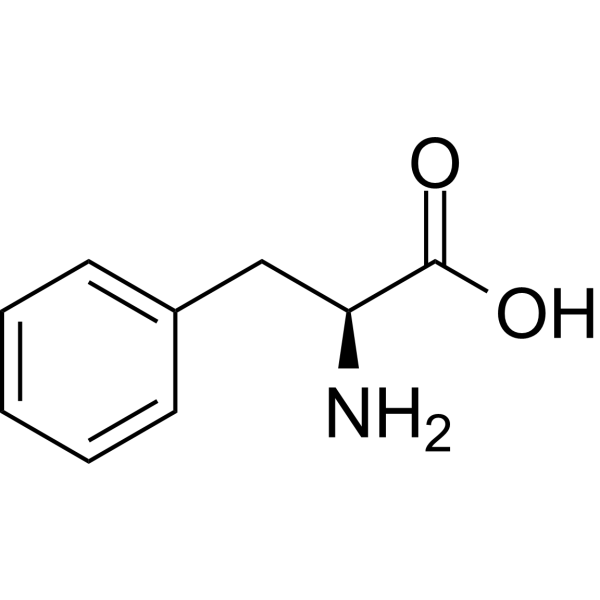
  • HY-N0215
    L-Phenylalanine
    5+ Cited Publications

    (S)-2-Amino-3-phenylpropionic acid

    Calcium Channel iGluR Endogenous Metabolite Ligands for E3 Ligase Metabolic Disease Cancer
    L-Phenylalanine ((S)-2-Amino-3-phenylpropionic acid) is an essential amino acid isolated from Escherichia coli. L-Phenylalanine is a α2δ subunit of voltage-dependent Ca + channels antagonist with a Ki of 980 nM. L-phenylalanine is a competitive antagonist for the glycine- and glutamate-binding sites of N-methyl-D-aspartate receptors (NMDARs) (KB of 573 μM ) and non-NMDARs, respectively. L-Phenylalanine is widely used in the production of food flavors and pharmaceuticals .
    L-Phenylalanine
  • HY-17637

    ITI-007

    Dopamine Receptor 5-HT Receptor Neurological Disease Cancer
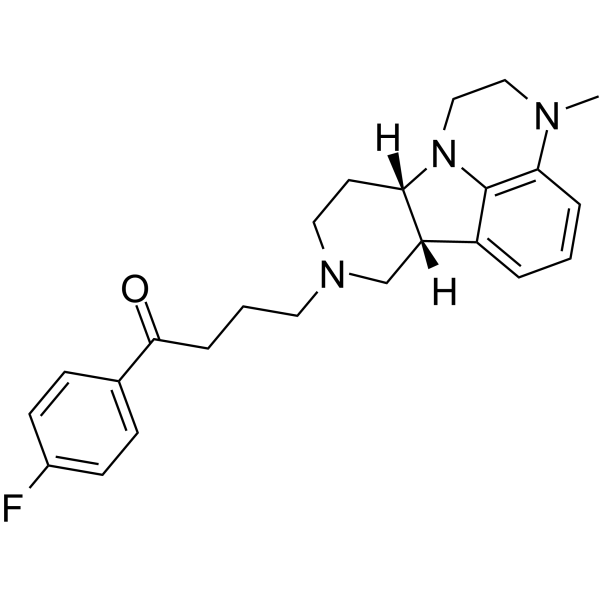
    Lumateperone (ITI-007) is an orally active 5-HT2A receptor antagonist (Ki = 0.54 nM), a partial agonist of presynaptic D2 receptors and an antagonist of postsynaptic D2 receptors (Ki = 32 nM), and a dopamine D1 receptor modulator. Lumateperone has anticancer activity and can also be used for the study of schizophrenia and bipolar depression .
    Lumateperone
  • HY-119209
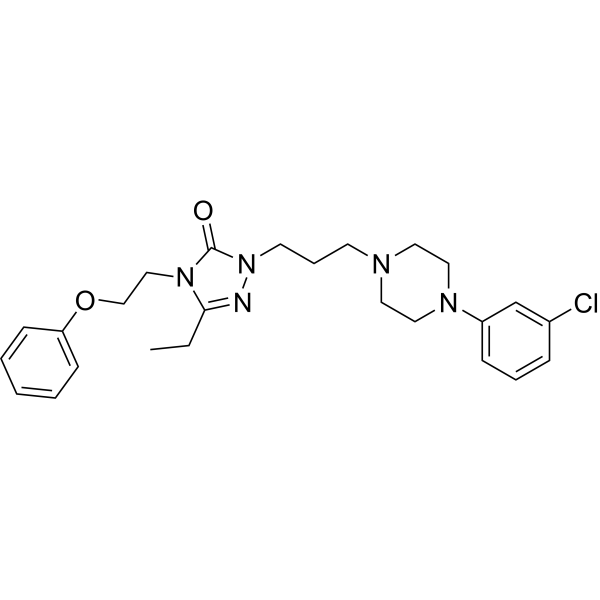
    Nefazodone
    4 Publications Verification

    5-HT Receptor Cytochrome P450 Neurological Disease Inflammation/Immunology
    Nefazodone is an orally active phenylpiperazine antidepressant. Nefazodone can potently and selectively block postsynaptic 5-HT2A receptors, and moderately inhibit 5-HT and noradrenaline reuptake. Nefazodone can also relieve the adverse effects of stress on the the immune system of mice. Nefazodone has a high affinity for CYP3A4 isoenzyme, which indicates that it has certain risk of agent-agent interaction .
    Nefazodone
  • HY-B0098
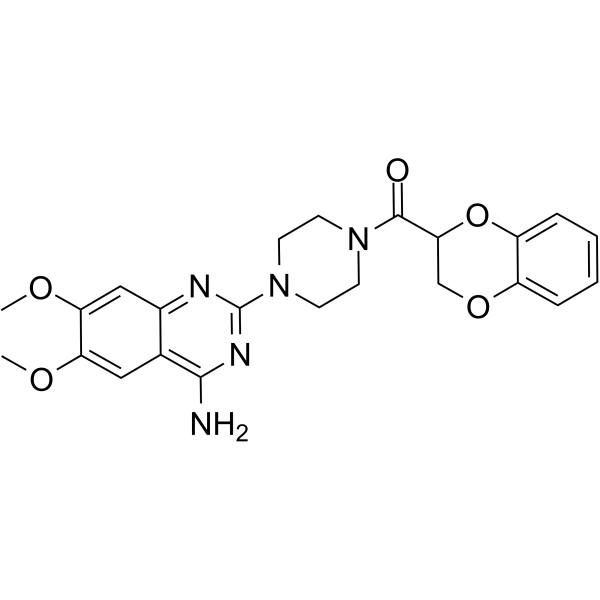
    Doxazosin
    3 Publications Verification

    UK 33274

    Adrenergic Receptor Cardiovascular Disease Endocrinology
    Doxazosin (UK 33274) is a quinazoline-derivative that selectively antagonizes postsynaptic α1-adrenergic receptors.
    Doxazosin
  • HY-100403
    Ro 67-7476
    Maximum Cited Publications
    23 Publications Verification

    mGluR Cancer
    Ro 67-7476 is a potent positive allosteric modulator of mGluR1 and potentiates glutamate-induced calcium release in HEK293 cells expressing rat mGluR1a with an EC50 of 60.1 nM . Ro 67-7476 is a potent P-ERK1/2 agonist and activates ERK1/2 phosphorylation in the absence of exogenously added glutamate (EC50=163.3 nM) .
    Ro 67-7476
  • HY-19733

    ITI-007 tosylate

    5-HT Receptor Dopamine Receptor Neurological Disease Cancer
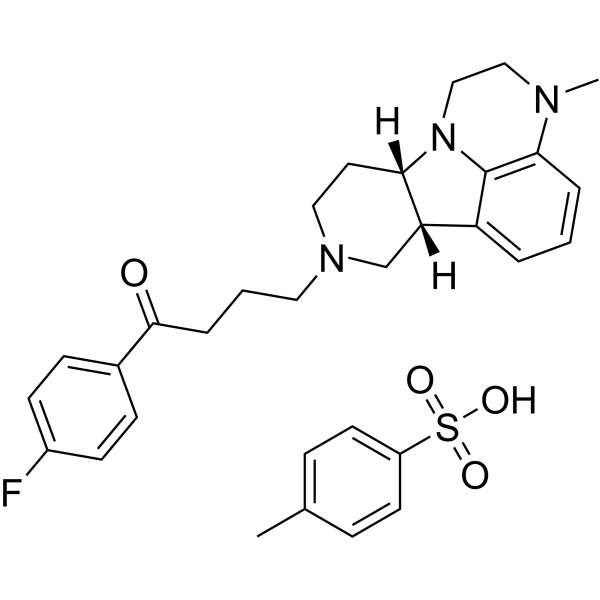
    Lumateperone (ITI-007) tosylate is a 5-HT2A receptor antagonist (Ki = 0.54 nM), a partial agonist of presynaptic D2 receptors and an antagonist of postsynaptic D2 receptors (Ki = 32 nM), and a dopamine D1 receptor modulator. Lumateperone tosylate has anticancer activity and can also be used in studies of psychiatric disorders such as schizophrenia .
    Lumateperone tosylate
  • HY-107601

    ACET

    iGluR Neurological Disease
    UBP316 (ACET) is a highly potent and selective kainate receptor GluK1 (GluR5) antagonist, with a Kb value of 1.4 nM. UBP316 is effective at blocking the depression of both field excitatory postsynaptic potentials (fEPSPs) and monosynaptically-evoked GABAergic transmission induced by ATPA, a GluK1 selective agonist .
    UBP316
  • HY-110175
    CX614
    1 Publications Verification

    iGluR Neurological Disease
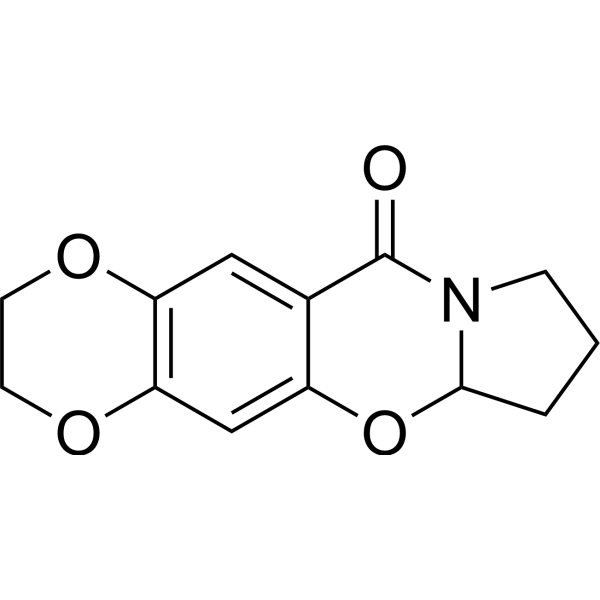
    CX614 is a positive variant modulator of AMPA receptors that enhances excitatory postsynaptic potentials (amplitude and duration) by blocking and slowing the inactivation of responses to glutamate and automatically evokes excitatory postsynaptic currents in neuronal cultures. CX614 can be used in the study of psychiatric disorders such as depression .
    CX614
  • HY-B1396
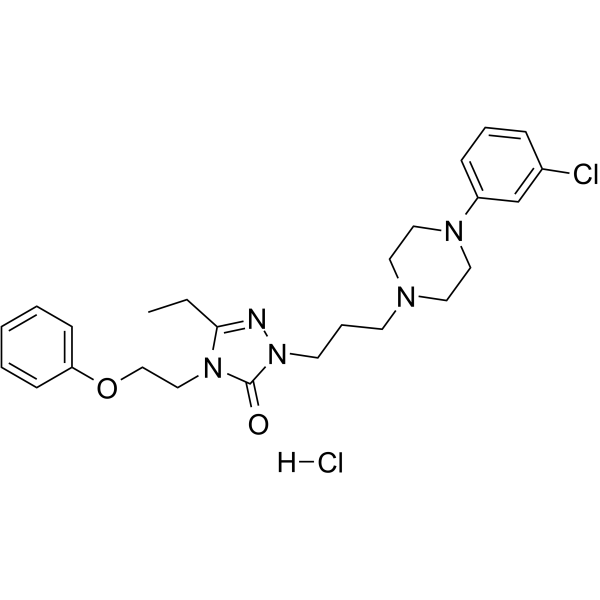
    Nefazodone hydrochloride
    4 Publications Verification

    BMY-13754; MJ-13754-1

    5-HT Receptor Adrenergic Receptor Neurological Disease Endocrinology
    Nefazodone hydrochloride (BMY-13754) is a potent and selective 5HT2A (Ki=5.8 nM) antagonist with moderate inhibition of 5-HT and noradrenaline uptake (IC50 of 290 and 300 nM, respectively). Nefazodone hydrochloride is a phenylpiperazine antidepressant with less alpha-adrenergic blocking activity .
    Nefazodone hydrochloride
  • HY-109009
    Padsevonil
    2 Publications Verification

    UCB-0942

    GABA Receptor Neurological Disease
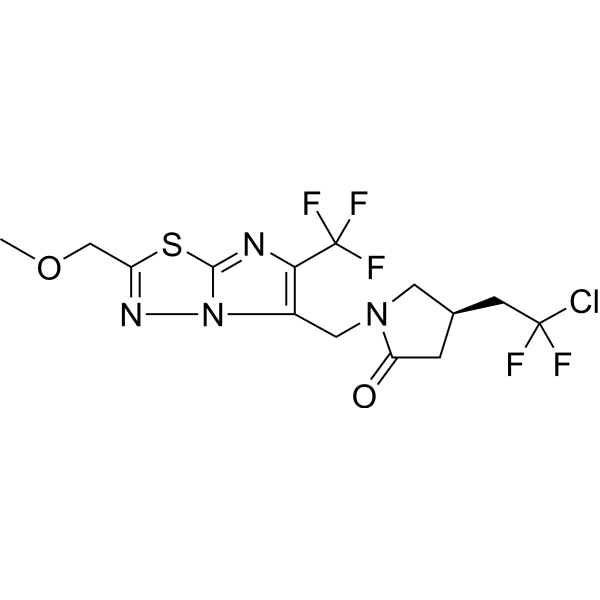
    Padsevonil (UCB0942) is a potent antiepileptic agent that selectively acts on presynaptic and postsynaptic targets. Padsevonil binds to synaptic vesicular protein 2 (SV2) with high affinity. Padsevonil is also a positive allosteric modulator and partial agonist of GABAAR, with high potency against α1 and α5 receptors. Padsevonil has antiepileptic effects in a variety of rodent models .
    Padsevonil
  • HY-A0081
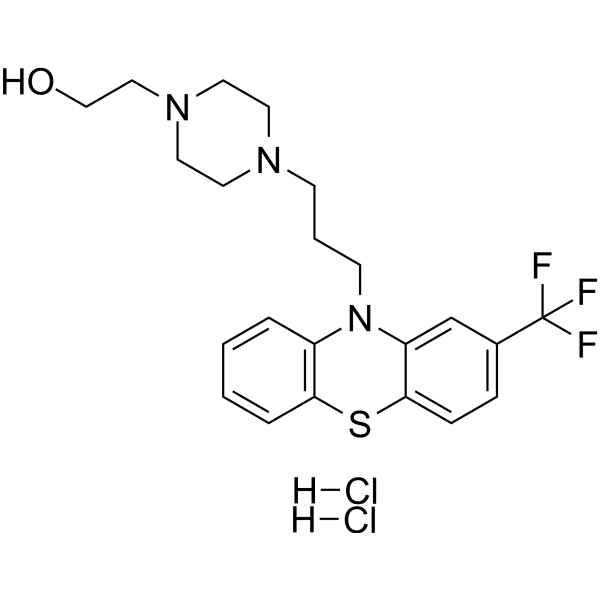
    Fluphenazine dihydrochloride
    3 Publications Verification

    Dopamine Receptor SARS-CoV Sodium Channel Neurological Disease Cancer
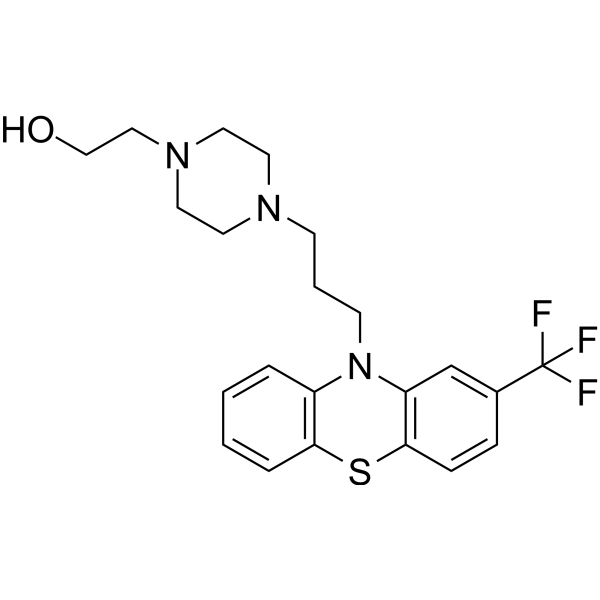
    Fluphenazine dihydrochloride is a potent, orally active phenothiazine-based dopamine receptor antagonist. Fluphenazine dihydrochloride blocks neuronal voltage-gated sodium channels. Fluphenazine dihydrochloride acts primarily through antagonism of postsynaptic dopamine-2 receptors in mesolimbic, nigrostriatal, and tuberoinfundibular neural pathways. Fluphenazine dihydrochloride can antagonize Methylphenidate-induced stereotyped gnawing and inhibit climbing behaviour in mice. Fluphenazine dihydrochloride can be used for researching psychosis and painful peripheral neuropathy associated with diabetes and has potential to inhibit SARS-CoV-2 .
    Fluphenazine dihydrochloride
  • HY-117771
    DO34
    5 Publications Verification

    DAGL Neurological Disease Metabolic Disease
    DO34 is a selective DAGL inhibitor, with an IC50 of 6 nM for DAGLα conversion of SAG to 2-AG. DO34 blocks de novo 2-AG synthesis, and suppresses tonic CB1 receptor activation. DO34 blocks depolarization-induced suppression of excitation and inhibition in the cerebellum and hippocampus. DO34 regulates feeding behavior and locomotor activity in mice. DO34 abolishes AM251-mediated enhancement of parallel fiber-evoked excitatory postsynaptic currents in cerebellar slices from MAGL global knockout mice. DO34 can be used for the research of energy balance disorder and neuroinflammation .
    DO34
  • HY-P0117
    Tat-NR2B9c
    5+ Cited Publications

    Tat-NR2Bct; NA-1

    iGluR NO Synthase Neurological Disease
    Tat-NR2B9c (Tat-NR2Bct; NA-1) is a postsynaptic density-95 (PSD-95) inhibitor, with EC50 values of 6.7 nM and 670 nM for PSD-95d2 (PSD-95 PDZ domain 2) and PSD-95d1, respectively. Tat-NR2B9c disrupts the PSD-95/NMDAR interaction, inhibiting NR2A and NR2B binding to PSD-95 with IC50 values of 0.5 μM and 8 μM, respectively. Tat-NR2B9c also inhibits neuronal nitric oxide synthase (nNOS)/PSD-95 interaction, and possesses neuroprotective efficacy .
    Tat-NR2B9c
  • HY-N2550A

    (+)-(R)-Coclaurine hydrochloride; (R)-Coclaurine hydrochloride; d-Coclaurine hydrochloride

    nAChR Neurological Disease
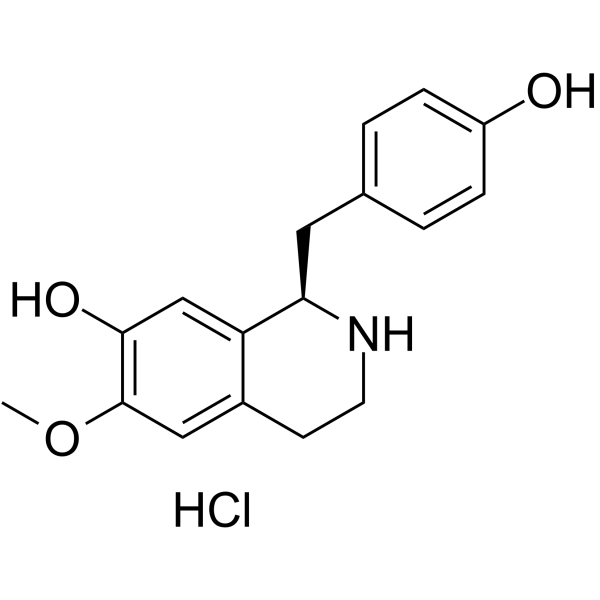
    (+)-Coclaurine ((+)-(R)-Coclaurine) hydrochloride, benzyltetrahydroisoquinoline alkaloid isolated from a variety of plant sources. (+)-Coclaurine hydrochloride has anti-aging activity .
    (+)-Coclaurine hydrochloride
  • HY-B0098A
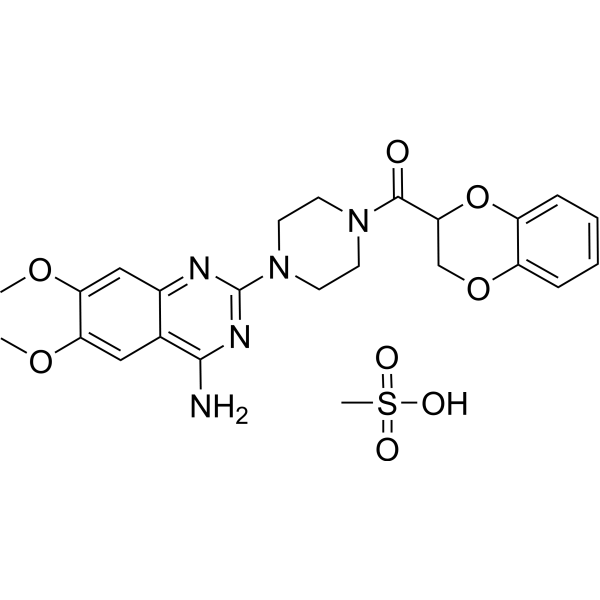
    Doxazosin mesylate
    3 Publications Verification

    UK 33274 mesylate

    Adrenergic Receptor Autophagy Mitophagy Cardiovascular Disease Endocrinology Cancer
    Doxazosin mesylate (UK 33274 mesylate) is a quinazoline-derivative that selectively antagonizes postsynaptic α1-adrenergic receptors.
    Doxazosin mesylate
  • HY-14785

    NLX-112; F13640

    5-HT Receptor Neurological Disease
    Befiradol (NLX-112) is a highly selective 5-HT1A receptor agonist that acts on both presynaptic and postsynaptic sites. Befiradol attenuates fentanyl-induced respiratory depression in neonatal and adult rats. Befiradol reduces the duration of fentanyl-induced analgesia and sedation in adult rats. Befiradol can be used in studies related to opioid-induced respiratory depression .
    Befiradol
  • HY-119980
    Fluphenazine
    3 Publications Verification

    Sodium Channel Dopamine Receptor SARS-CoV Infection Neurological Disease Cancer
    Fluphenazine is a potent, orally active phenothiazine-based dopamine receptor antagonist. Fluphenazine blocks neuronal voltage-gated sodium channels. Fluphenazine acts primarily through antagonism of postsynaptic dopamine-2 receptors in mesolimbic, nigrostriatal, and tuberoinfundibular neural pathways. Fluphenazine can antagonize Methylphenidate-induced stereotyped gnawing and inhibit climbing behaviour in mice. Fluphenazine can be used for researching psychosis and painful peripheral neuropathy associated with diabetes and has potential to inhibit SARS-CoV-2 .
    Fluphenazine
  • HY-B0570
    Decamethonium Bromide
    1 Publications Verification

    nAChR Neurological Disease
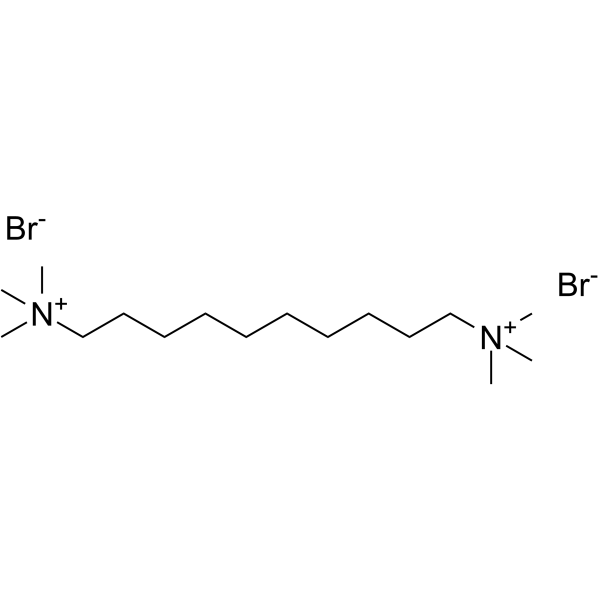
    Decamethonium Bromide is an acetylcholine receptor inhibitor and muscle relaxant. Decamethonium Bromide first induces depolarization of skeletal muscles, and then binds to postsynaptic acetylcholine receptors to induce persistent paralysis .\n
    Decamethonium Bromide
  • HY-P0099

    nAChR Others
    Pentapeptide-3 is a pentapeptide fragment of neurotoxin waglerin-1, it can be extracted from the venom of Temple Viper. Pentapeptide-3 is a competitive antagonist of nicotinic acetylcholine receptors (nAChRs), it can blocks nerves at the post-synaptic membrane. Pentapeptide-3 has anti-aging effects and it can be used together with other cosmetic peptides .
    Pentapeptide-3
  • HY-N0215R

    (S)-2-Amino-3-phenylpropionic acid (Standard)

    Reference Standards Calcium Channel iGluR Endogenous Metabolite Metabolic Disease
    L-Phenylalanine (Standard) is the analytical standard of L-Phenylalanine. This product is intended for research and analytical applications. L-Phenylalanine ((S)-2-Amino-3-phenylpropionic acid) is an essential amino acid isolated from Escherichia coli. L-Phenylalanine is a α2δ subunit of voltage-dependent Ca+ channels antagonist with a Ki of 980 nM. L-phenylalanine is a competitive antagonist for the glycine- and glutamate-binding sites of N-methyl-D-aspartate receptors (NMDARs) (KB of 573 μM ) and non-NMDARs, respectively. L-Phenylalanine is widely used in the production of food flavors and pharmaceuticals .
    L-Phenylalanine (Standard)
  • HY-13527
    LY310762
    1 Publications Verification

    5-HT Receptor Cardiovascular Disease Neurological Disease
    LY310762 is a selective 5-HT1D receptor antagonist (Ki=249 nM) with a weak affinity for 5-HT1B receptor. LY310762 effectively abolishes the renal vasodilatory effects of 5-HTpostsynaptic potential (EPSC) amplitude .
    LY310762
  • HY-P0117A
    Tat-NR2B9c TFA
    5+ Cited Publications

    Tat-NR2Bct TFA; NA-1 TFA

    iGluR NO Synthase Neurological Disease
    Tat-NR2B9c TFA (Tat-NR2Bct TFA) is a postsynaptic density-95 (PSD-95) inhibitor, with EC50 values of 6.7 nM and 670 nM for PSD-95d2 (PSD-95 PDZ domain 2) and PSD-95d1, respectively. Tat-NR2B9c TFA disrupts the PSD-95/NMDAR interaction, inhibiting NR2A and NR2B binding to PSD-95 with IC50 values of 0.5 μM and 8 μM, respectively. Tat-NR2B9c TFA also inhibits neuronal nitric oxide synthase (nNOS)/PSD-95 interaction, and possesses neuroprotective efficacy .
    Tat-NR2B9c TFA
  • HY-117575A

    5-HT Receptor Neurological Disease
    WAY-100135 dihydrochloride is a selective antagonist at presynaptic and postsynaptic 5-HT1A receptor, with an IC50 of 34 nM at the rat hippocampal 5-HT1A receptor. WAY-100135 dihydrochloride has potential antipsychotic properties .
    WAY-100135 dihydrochloride
  • HY-12237

    (±)-SKF-38393 hydrobromide

    Dopamine Receptor Neurological Disease
    SKF 38393 ((±)-SKF-38393) hydrobromide is a selective agonist of the dopamine D1 receptor (D1DR) with an IC50 of 110 nM .
    SKF 38393 hydrobromide
  • HY-P1297

    CRFR Neurological Disease
    CRF(6-33)(human) is a CRF binding protein (CRF-BP) ligand inhibitor. CRF(6-33)(human) competitively binds the CRF-BP but not the post-synaptic CRF receptors. CRF(6-33)(human) has anti-obesity effect .
    CRF(6-33)(human)
  • HY-P4397

    Oxytocin Receptor Endocrinology
    (d(CH2)51,Tyr(Me)2,Thr4,Orn8,des-Gly-NH29)-Vasotocin, an oxytocin receptor antagonist, abolishes oxytocin-enhanced inhibitory postsynaptic currents in CA1 pyramidal neurons .
    (d(CH2)51,Tyr(Me)2,Thr4,Orn8,des-Gly-NH29)-Vasotocin
  • HY-P1195

    iGluR Neurological Disease
    PDZ1 Domain inhibitor peptide, a cyclic peptide, incorporates a β-Ala lactam side chain linker and targets the PDZ1 domains of the postsynaptic density protein 95 (PSD-95). PDZ1 Domain inhibitor peptide disrupts the GluR6/PSD-95 interaction and is very efficient in competing against the C terminus of GluR6 for the PDZ1 domain .
    PDZ1 Domain inhibitor peptide
  • HY-145454

    (+)-3-PPP

    Dopamine Receptor Neurological Disease
    (R)-Preclamol is a dopamine (DA) agonist with autoreceptor as well as postsynaptic receptor stimulatory properties. (R)-Preclamol inhibits the locomotor activity of mice and rats in low doses .
    (R)-Preclamol
  • HY-P11263

    iGluR Neurological Disease
    AVLX-144 is a highly potent inhibitor of postsynaptic density protein 95 (PSD-95). AVLX-144 can be used as a template to develop imaging probes for postsynaptic density (PSD) molecules, and can be labeled with fluorine-18 (¹⁸F) or tritium (³H) to visualize PSD-95 in vivo. AVLX-144 can be utilized for the study of Parkinson's disease .
    AVLX-144
  • HY-119615

    Adrenergic Receptor Neurological Disease Endocrinology
    Mezilamine is a potent antidopaminergic agent. Mezilamine induces a concentration dependent increase in the electrically stimulated overflow of 3H-noradrenaline from rat cortical slices, without affecting the basal overflow. Mezilamine acts as a presynaptic α-adrenoceptor antagonist and a postsynaptic α-adrenoceptor agonist .
    Mezilamine
  • HY-N2550

    (+)-(R)-Coclaurine; (R)-Coclaurine; d-Coclaurine

    Others Neurological Disease
    (+)-Coclaurine ((+)-(R)-Coclaurine), benzyltetrahydroisoquinoline alkaloid isolated from a variety of plant sources. (+)-Coclaurine has anti-aging activity .
    (+)-Coclaurine
  • HY-P2210A

    GPR171 Neurological Disease
    BigLEN(mouse) TFA is a GPR171 agonist. BigLEN(mouse) TFA is a proSAAS-derived neuropeptide. BigLEN(mouse) TFA regulates food intake in mice. BigLEN(mouse) inhibits the release of glutamate onto parvocellular neurons of the paraventricular nucleus in a process dependent upon activation of postsynaptic G proteins.
    BigLEN(mouse) TFA
  • HY-116076

    5-HT Receptor Neurological Disease
    S-15535 is a highly selective 5-HT1A receptor ligand. S-15535 is an antagonist of postsynaptic 5-HT1A receptors and an agonist of presynaptic 5-HT1A receptors. S-15535 can be used in research on psychiatric disorders, such as anti-anxiety .
    S-15535
  • HY-P1386

    Dynamin II (828–842)

    iGluR Neurological Disease
    D15, a peptide with 15 aa segment of dynamin, is an AMPAR endocytosis inhibitor. D15 blocks the interaction of dynamin with amphiphysin 1 and 2. D15 significantly increases AMPAR excitatory postsynaptic potential (EPSC) amplitude of medium spiny neurons (MSNs) in Sapap3 KO mice. D15 can be used for neuropsychiatric disorder research .
    D15
  • HY-109009A

    (S)-UCB-0942

    GABA Receptor Neurological Disease
    (S)-Padsevonil is the S-enantiomer of Padsevonil (HY-109009).Padsevonil (UCB0942) is a potent antiepileptic agent that selectively acts on presynaptic and postsynaptic targets. Padsevonil binds to synaptic vesicular protein 2 (SV2) with high affinity. Padsevonil is also a positive allosteric modulator and partial agonist of GABAAR, with high potency against α1 and α5 receptors. Padsevonil has antiepileptic effects in a variety of rodent models .
    (S)-Padsevonil
  • HY-119980S

    Isotope-Labeled Compounds Sodium Channel Dopamine Receptor SARS-CoV Others
    Fluphenazine-d8 is the deuterium labeled Fluphenazine. Fluphenazine is a potent, orally active phenothiazine-based dopamine receptor antagonist. Fluphenazine blocks neuronal voltage-gated sodium channels. Fluphenazine acts primarily through antagonism of postsynaptic dopamine-2 receptors in mesolimbic, nigrostriatal, and tuberoinfundibular neural pathways. Fluphenazine can antagonize Methylphenidate-induced stereotyped gnawing and inhibit climbing behaviour in mice. Fluphenazine can be used for researching psychosis and painful peripheral neuropathy associated with diabetes and has potential to inhibit SARS-CoV-2 .
    Fluphenazine-d8
  • HY-101322A

    5-HT Receptor Neurological Disease
    MM 77 dihydrochloride is a potent postsynaptic antagonist of the 5-HT1A receptor. MM 77 dihydrochloride exhibits anxiolytic-like activity .
    MM 77 dihydrochloride
  • HY-17637R

    ITI-007 (Standard)

    Dopamine Receptor 5-HT Receptor Reference Standards Neurological Disease Cancer
    Lumateperone (Standard) is the analytical standard of Lumateperone. This product is intended for research and analytical applications. Lumateperone (ITI-007) is an orally active 5-HT2A receptor antagonist (Ki = 0.54 nM), a partial agonist of presynaptic D2 receptors and an antagonist of postsynaptic D2 receptors (Ki = 32 nM), and a dopamine D1 receptor modulator. Lumateperone has anticancer activity and can also be used for the study of schizophrenia and bipolar depression .
    Lumateperone (Standard)
  • HY-100255

    BL-5111

    Adrenergic Receptor Neurological Disease Endocrinology
    Tiodazosin is a potent competitive postsynaptic alpha adrenergic receptor antagonist.
    Tiodazosin
  • HY-106888

    Endogenous Metabolite Neurological Disease
    CS-722 Free base is a synthesized centrally acting muscle relaxant, and has a muscle relaxant activity and depressant effectson the spinal reflex . CS-722 Free base inhibits spontaneous inhibitory postsynaptic currents and excitatory postsynaptic currents in hippocampal cultures probably by an inhibition of both sodium and calcium currents .
    CS-722 Free base
  • HY-100372

    (RS)-ECPG

    mGluR Neurological Disease
    E4CPG ((RS)-ECPG) is a Group I/Group II metabotropic glutamate receptor (mGluR) antagonist. E4CPG can inhibit the paired-pulse ratio of monosynaptic inhibitory postsynaptic currents (IPSC) potentiation .
    E4CPG
  • HY-103559

    mGluR Neurological Disease
    HexylHIBO is a potent group I mGluR antagonist with Kbs of 140 μM and 110 μM at mGlu1a and mGlu5a receptors, respectively. HexylHIBO does not inhibits mGlu2 and mGlu4a. HexylHIBO decreased spontaneous excitatory postsynaptic currents (sEPSCs) in rat .
    HexylHIBO
  • HY-129517

    iGluR Neurological Disease
    UBP714 exhibts agonistic activity for recombinant GluN1/GluN2 receptor by binding to the positive allosteric site (PAM) of NMDARs. UBP714 enhances NMDAR-mediated field excitatory postsynaptic potentials (f-EPSPs) in Xenopus oocytes .
    UBP714
  • HY-B0718

    DA-759

    Potassium Channel Neurological Disease
    Methoxyflurane disrupts neuronal transmission by interfering with the release and re-uptake of neurotransmitters at post-synaptic terminals, or altering ionic conductance following receptor activation . Methoxyflurane is an analgesic agent that provides rapid short-term analgesia. Methoxyflurane may shows a effective non-opioid treatment option for trauma pain .
    Methoxyflurane
  • HY-105328

    5-HT Receptor Neurological Disease
    S-14489 is an orally active selective postsynaptic 5-HT1A receptor antagonist with a pKi of 9.2. S-14489 can act as a 5-HT1A autoreceptor agonist and inhibit striatal 5-hydroxytryptophan accumulation. S-14489 can be used for the research of neurological disease .
    S-14489
  • HY-14785A

    NLX-112 hydrochloride; F 13640 hydrochloride

    5-HT Receptor Neurological Disease Metabolic Disease
    Befiradol (NLX-112) hydrochloride is a highly selective 5-HT1A receptor agonist that acts on both presynaptic and postsynaptic sites. Befiradol hydrochloride attenuates fentanyl-induced respiratory depression in neonatal and adult rats. Befiradol reduces the duration of fentanyl-induced analgesia and sedation in adult rats. Befiradol hydrochloride can be used in studies related to opioid-induced respiratory depression .
    Befiradol hydrochloride
  • HY-164703

    Drug Metabolite Dopamine Receptor 5-HT Receptor Neurological Disease
    Lumateperone metabolite 1 (Formula T) is a metabolite of Lumateperone (HY-17637) . Lumateperone (ITI-007) is an orally active 5-HT2A receptor antagonist (Ki = 0.54 nM), a partial agonist of presynaptic D2 receptors and an antagonist of postsynaptic D2 receptors (Ki = 32 nM), and a dopamine D1 receptor modulator
    Lumateperone metabolite 1
  • HY-106781

    Dopamine Receptor Neurological Disease
    OPC-4392 is a orally active presynaptic dopamine autoreceptor agonist and postsynaptic D2 receptor antagonist. OPC 4392 reverses the Reserpine (HY-N0480)-induced dopamine accumulation, inhibits Apomorphine (HY-12723)-induced stereotypic and climbing behaviors in mouse models. OPC-4392 can be used as antipsychotic agent .
    OPC-4392
  • HY-17637S2

    ITI-007-d4

    Isotope-Labeled Compounds Dopamine Receptor 5-HT Receptor Neurological Disease Cancer
    Lumateperone-d4 (ITI-007-d4) is deuterium labeled Lumateperone. Lumateperone (ITI-007) is an orally active 5-HT2A receptor antagonist (Ki = 0.54 nM), a partial agonist of presynaptic D2 receptors and an antagonist of postsynaptic D2 receptors (Ki = 32 nM), and a dopamine D1 receptor modulator. Lumateperone has anticancer activity and can also be used for the study of schizophrenia and bipolar depression .
    Lumateperone-d4
  • HY-101599

    Adrenergic Receptor Cardiovascular Disease
    IP-66 is a potent postsynaptic alpha-receptor antagonist. IP-66 can be used for the research of cardiovascular disease, such as hypertension .
    IP-66

Inquiry Online

Your information is safe with us. * Required Fields.

Salutation


Country or Region *

Applicant Name *


Organization Name *

Department *


Email Address *


Product Name *

Cat. No.


Requested quantity *

Phone Number *


Remarks

Inquiry Online

Inquiry Information

Product Name:
Cat. No.:
Quantity:
MCE Japan Authorized Agent:

