
1. Search Result
Search Result
Results for "

potentiate

" in MedChemExpress (MCE) Product Catalog:

259

Inhibitors & Agonists

2

Biochemical Assay Reagents

17

Peptides

1

Inhibitory Antibodies

26

Natural
Products

14

Isotope-Labeled Compounds

1

Click Chemistry

Cat. No. Product Name Target Research Areas Chemical Structure
  • HY-14658
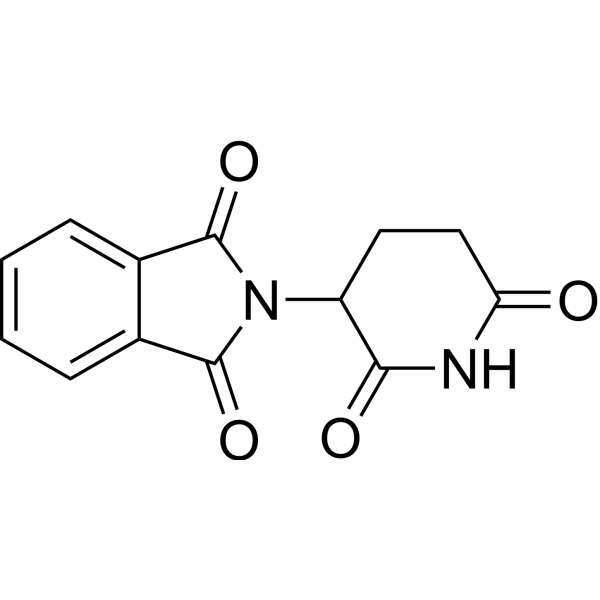
    Thalidomide
    20+ Cited Publications

    Ligands for E3 Ligase Autophagy Apoptosis Molecular Glues Inflammation/Immunology Cancer
    Thalidomide inhibits cereblon (CRBN), a part of the cullin-4 E3 ubiquitin ligase complex CUL4-RBX1-DDB1, with a Kd of ∼250 nM, and has immunomodulatory, anti-inflammatory and anti-angiogenic cancer properties. Thalidomide can work as molecular glue to potentiate substrate.
    Thalidomide
  • HY-B0089
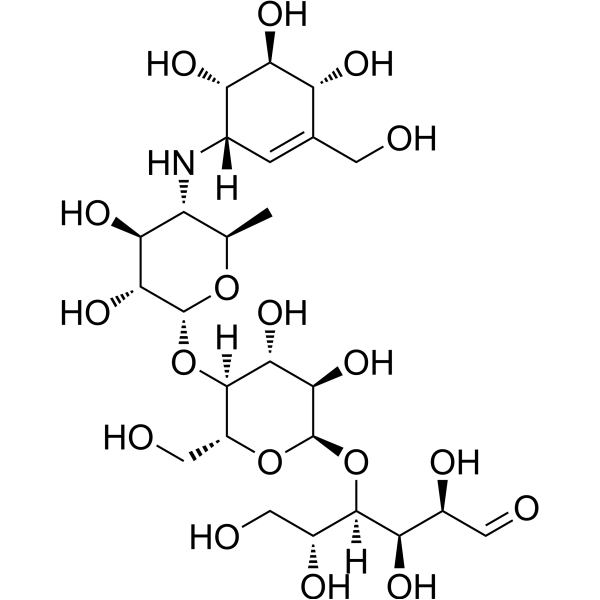
    Acarbose
    5+ Cited Publications

    BAY g 5421

    Glycosidase Infection Metabolic Disease Cancer
    Acarbose (BAY g 5421), antihyperglycemic agent, is an orally active alpha-glucosidase inhibitor (IC50=11 nM). Acarbose can potentiate the hypoglycemic effects of sulfonylureas or insulin .
    Acarbose
  • HY-B1811
    Vasopressin
    5+ Cited Publications

    Arginine vasopressin; Antidiuretic hormone

    Endogenous Metabolite Neurological Disease
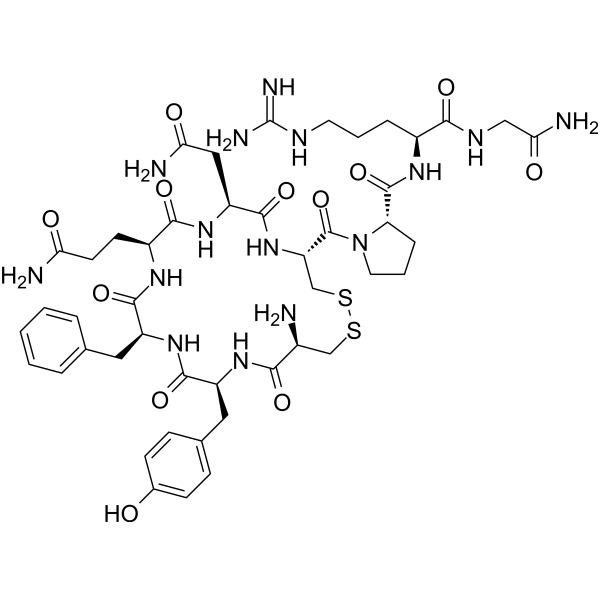
    Vasopressin is a cyclic nonapeptide that is synthesized centrally in the hypothalamus. Vasopressin participates in the hypothalamic-pituitary-adrenal axis, and regulates pituitary corticotropin secretion by potentiating the stimulatory effects of corticotropin releasing factor. Vasopressin also can act as a neurotransmitter, exerting its action by binding to specific G protein-coupled receptors .
    Vasopressin
  • HY-15066
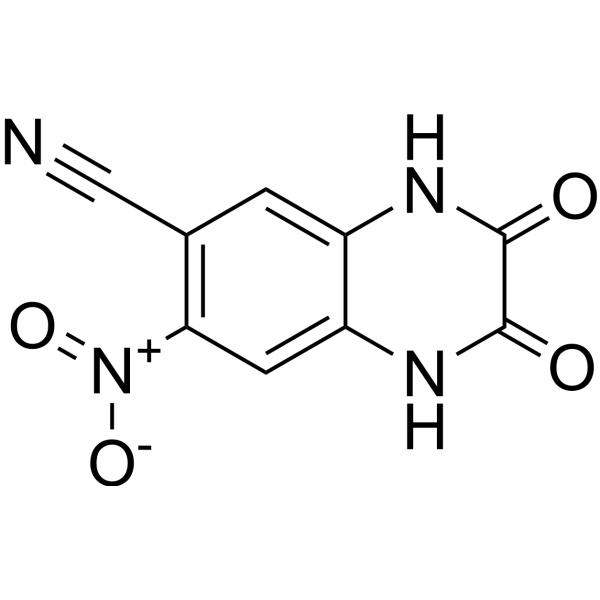
    CNQX
    15+ Cited Publications

    FG9065

    iGluR Neurological Disease
    CNQX (FG9065) is a potent and competitive AMPA/kainate receptor antagonist with IC50s of 0.3 μM and 1.5 μM, respectively. CNQX is a competitive non-NMDA receptor antagonist . CNQX blocks the expression of fear-potentiated startle in rats .
    CNQX
  • HY-10932
    Aniracetam
    1 Publications Verification

    Ro 13-5057

    nAChR iGluR Neurological Disease
    Aniracetam (Ro 13-5057) is an orally active neuroprotective agent, possessing nootropics effects. Aniracetam potentiates the ionotropic quisqualate (iQA) responses in the CA1 region of rat hippocampal slices. Aniracetam also potentiates the excitatory post synaptic potentials (EPSPs) in Schaffer collateral-commissural synapses. Aniracetam can prevents the CO2-induced impairment of acquisition in hypercapnia model rats. Aniracetam can be used to research cerebral dysfunctional disorders .
    Aniracetam
  • HY-15066A
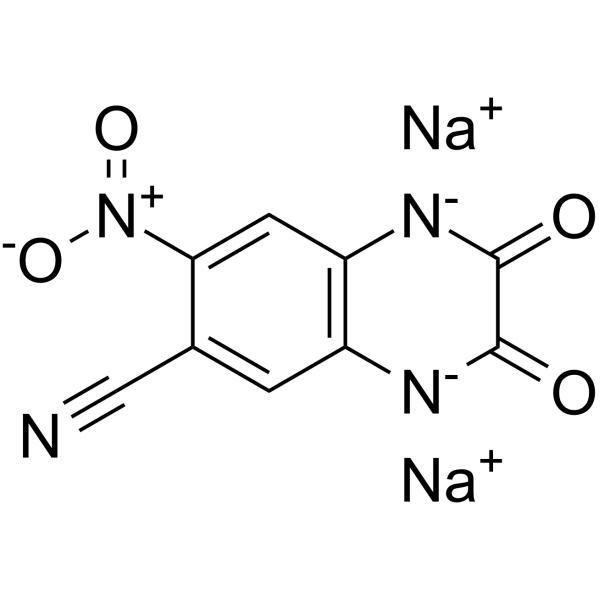
    CNQX disodium
    15+ Cited Publications

    FG9065 disodium

    iGluR Neurological Disease
    CNQX disodium (FG9065 disodium) is a potent and competitive AMPA/kainate receptor antagonist with IC50s of 0.3 μM and 1.5 μM, respectively. CNQX disodium is a competitive non-NMDA receptor antagonist . CNQX disodium blocks the expression of fear-potentiated startle in rats .
    CNQX disodium
  • HY-100957
    Dilazep dihydrochloride
    2 Publications Verification

    Nucleoside Transporters Cardiovascular Disease
    Dilazep dihydrochloride is an inhibitor of adenosine uptake. Dilazep dihydrochloride has cerebral and coronary vasodilating action through enhancement of effect of adenosine. Dilazep dihydrochloride also inhibits the ischemic damage, platelet aggregation, and membrane transport of nucleosides .
    Dilazep dihydrochloride
  • HY-101372A

    mAChR Neurological Disease
    Oxotremorine M iodide is a potent and non-selective muscarinic acetylcholine receptor (mAChR) agonist. Oxotremorine M iodide potentiates NMDA receptors by muscarinic receptor dependent and independent mechanisms .
    Oxotremorine M iodide
  • HY-B1429
    Chlorpropamide
    4 Publications Verification

    Na+/K+ ATPase Metabolic Disease Endocrinology
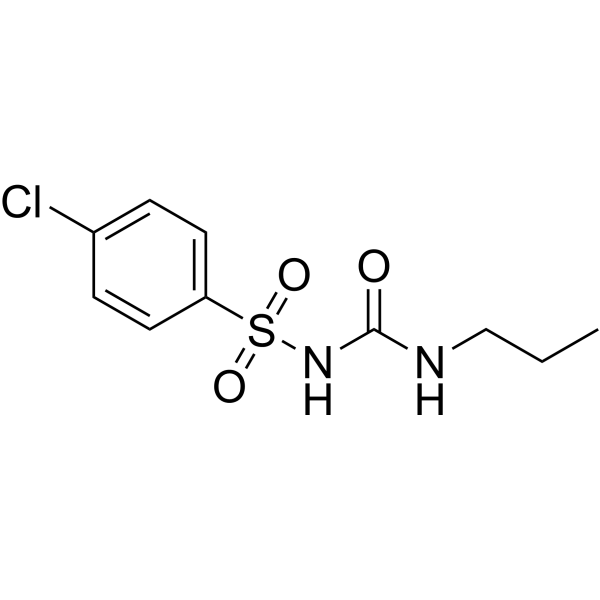
    Chlorpropamide is an oral hypoglycemic agent that can influence acetaldehyde metabolism in mice and has a potentiating effect on antidiuretic hormone .
    Chlorpropamide
  • HY-160424
    DEANO sodium
    1 Publications Verification

    Diethylamine NONOate sodium; Diethylamine nitric oxide sodium

    Reactive Oxygen Species (ROS) Xanthine Oxidase Others
    DEANO sodium is notric oxide donor. DEANO sodium potentiates the abilitv of hypoxanthine/xanthine oxidase to induce lipid peroxidation as well as DNA single- and double-strand breaks .
    DEANO sodium
  • HY-15044

    PARP Neurological Disease Cancer
    NU1025 is a potent PARP inhibitor with an IC50 of 400 nM and a Ki of 48 nM. NU1025 potentiates the cytotoxicity of ionizing radiation and anticancer agents. NU1025 has anti-cancer and neuroprotective activity .
    NU1025
  • HY-112209
    VU0467154
    5 Publications Verification

    mAChR Neurological Disease
    VU0467154 is a positive allosteric modulator of the M4 muscarinic acetylcholine receptor (mAChR), potentiating the response to ACh with pEC50s of 7.75, 6.2 and 6 for rat, human and cynomolgus monkey M4 receptor, respectively.
    VU0467154
  • HY-124467

    Ro 07-4065

    GABA Receptor Neurological Disease
    Difludiazepam (Ro 07-4065), a benzodiazepine derivative, is a GABAA receptor ligand with an IC50 of 4.1 nM. Difludiazepam binds to an allosteric site on the GABAA receptor to potentiate the receptor's response to GABA, reducing neuron excitability. Difludiazepam contains halogenated groups at the ortho position of its phenyl ring .
    Difludiazepam
  • HY-100690

    DNA/RNA Synthesis Cancer
    NSC16168 is a specific inhibitor of ERCC1-XPF, with an IC50 value of 0.42 μM. NSC16168 inhibits DNA repair and potentiates CDDP efficacy in cancer .
    NSC16168
  • HY-135572

    Orphan Nuclear Receptor Neurological Disease Cancer
    TLX agonist 1 (ccrp2) is an orphan nuclear receptor tailless (TLX, NR2E1) modulator (EC50=1μM; Kd= 650 nM). TLX agonist 1 potentiates TLX transcriptional repressive activity .
    TLX agonist 1
  • HY-N125722

    Aabomycin A1

    ATP Synthase Antibiotic Infection
    Venturicidin A (Aabomycin A1), from actinomycetes, is a membrane-active natural product inhibitor of ATP synthase. Venturicidin A potentiates the aminoglycoside antibiotic gentamicin against multidrug-resistant clinical isolates of Staphylococcus, Enterococcus, and Pseudomonas aeruginosa. Venturicidin A shows noticeable toxicity toward human embryonic-kidney (HEK)cells with an IC50 of 31 μg/mL.
    Venturicidin A
  • HY-N1944A

    Bacterial Infection
    cis-Nerolidol is a sesquiterpene alcohol that can be found in various plants. cis-Nerolidol exhibits antioxidant and antibacterial activities. cis-Nerolidol can also potentiate the action of antibiotics .
    cis-Nerolidol
  • HY-119936

    CFTR Autophagy Inflammation/Immunology
    GLPG2451 is a cystic fibrosis transmembrane conductance regulator (CFTR) potentiator, which effectively potentiates low temperature rescued F508del CFTR with an EC50 of 11.1 nM .
    GLPG2451
  • HY-143312

    GLP Receptor Metabolic Disease Inflammation/Immunology
    V-0219 is an orally active glucagon-like peptide-1 receptor (GLP-1R) positive allosteric modulator. V-0219 potentiates GLP-1R stimulation, and enhances GLP-1-induced cAMP production and insulin secretion. V-0219 potentiates glucose-dependent insulin secretion. V-0219 improves glucose handling in normal and diabetic rodents. V-0219 can be used for the research of obesity-associated diabetes .
    V-0219
  • HY-124867

    TSH Receptor Endocrinology
    D3-βArr is a positive allosteric modulator for thyrotropin receptor (TSHR), which initiates translocation of β-Arr 1 by direct TSHR activation and potentiates TSH-mediated preosteoblast differentiation in vitro .
    D3-βArr
  • HY-124702
    ICA-105574
    1 Publications Verification

    Potassium Channel Cardiovascular Disease
    ICA-105574 is a potent and efficacious hERG channel activator. The primary mechanism by which ICA-105574 potentiates hERG channel activity is by removing hERG channel inactivation. ICA-105574 steeply potentiates current amplitudes more than 10-fold with an EC50 value of 0.5 +/- 0.1 μM and a Hill slope (n(H)) of 3.3 +/- 0.2. ICA-105574 can prevent arrhythmias induced by cardiac delayed repolarization. ICA-105574 shortens action potential duration in ventricular myocytes concentration-dependently .
    ICA-105574
  • HY-14612

    mGluR Neurological Disease
    CPPHA is potent and selective positive allosteric modulator (PAM) of the mGluR5 and mGluR1 (metabotropic glutamate receptor). CPPHA can potentiate responses of mGluR5 and mGluR1 to activation of these receptors. CPPHA is developed for the research of central nervous system disorders .
    CPPHA
  • HY-156009

    Bacterial Infection
    CDFI is an inhibitor of the lipid II flippase MurJ. CDFI potentiates the activity of β-lactams against MRSA .
    CDFI
  • HY-W015050

    1-Aminoanthracene

    GABA Receptor Chloride Channel Fluorescent Dye Neurological Disease
    1-Anthramine (1-aminoanthracene) is a fluorescent general anesthetic. potentiates GABAergic transmission with Kd = 0.1 mM, for binding to the general anesthetic site in horse spleen apoferritin (HSAF). 1-Anthramine fluorescence is enhanced when bound to HSAF. 1-Anthramine potentiates chloride currents elicited by GABA. 1-Anthramine can reversibly inhibit the movement of Xenopus laevis, with an EC50 value of 16 μM .
    1-Anthramine
  • HY-W743398

    CS-386

    GABA Receptor Neurological Disease
    Mexazolam (CS-386) is an orally active benzodiazepine and anxiolytic. Benzodiazepines bind to specific BZD-type receptors on the GABA-chloride complex and potentiate the inhibitory effects of GABA .
    Mexazolam
  • HY-143312A

    GLP Receptor Metabolic Disease Inflammation/Immunology
    V-0219 hydrochloride is an orally active glucagon-like peptide-1 receptor (GLP-1R) positive allosteric modulator. V-0219 hydrochloride potentiates GLP-1R stimulation, and enhances GLP-1-induced cAMP production and insulin secretion. V-0219 hydrochloride potentiates glucose-dependent insulin secretion. V-0219 hydrochloride improves glucose handling in normal and diabetic rodents. V-0219 hydrochloride can be used for the research of obesity-associated diabetes .
    V-0219 hydrochloride
  • HY-P4685

    Angiotensin Receptor Metabolic Disease
    (Sar1,Ile4,8)-Angiotensin II is a functionally selective angiotensin II type 1 receptor (AT1R) agonist. (Sar1,Ile4,8)-Angiotensin II potentiates insulin-stimulated insulin receptor (IR) signaling and glycogen synthesis. (Sar1,Ile4,8)-Angiotensin II potentiates insulin-stimulated phosphorylation of Akt and GSK3α/β .
    (Sar1,Ile4,8)-Angiotensin II
  • HY-P3985

    Bradykinin potentiating peptide B

    Angiotensin-converting Enzyme (ACE) Cardiovascular Disease Others
    Bradykinin potentiator B (Bradykinin potentiating peptide B) is venom of Agkistrodon halys blomhoffi. Bradykinin potentiator B is a potent ACE inhibitor. Bradykinin potentiator inhibits the activity of bradykinin inhibitory peptidase .
    Bradykinin potentiator B
  • HY-106892

    348U87

    DNA/RNA Synthesis Infection
    BW 348U87 is an inhibitor for ribonucleotide reductase, which exhibits synergistic effect with Acyclovir (HY-17422), potentiate the antiviral activity of Acyclovir against herpes simplex virus (HSV) in athymic nude mouse model .
    BW 348U87
  • HY-W415004

    Cholinesterase (ChE) Neurological Disease
    ACHE-IN-38 (Compound mol-8) inhibits the metabolic breakdown of the neurotransmitter acetylcholine (ACh) by the enzyme acetylcholinesterase (AChE) and hence alleviates memory deficits in patients with Alzheimer’s Disease by potentiating cholinergic transmission .
    ACHE-IN-38
  • HY-W178327

    Adenosine Receptor Cancer
    8-Chloro caffeine binds to adenosine receptors (Ki = 30 µM). 8-Chloro caffeine potentiates UV-induced chromosomal aberrations in Cl-I Chinese hamster embryonic lung cells. 8-Chloro caffeine is a derivative of the methylxanthine alkaloid caffeine .
    8-Chloro caffeine
  • HY-119993

    BMH-23

    DNA/RNA Synthesis Cancer
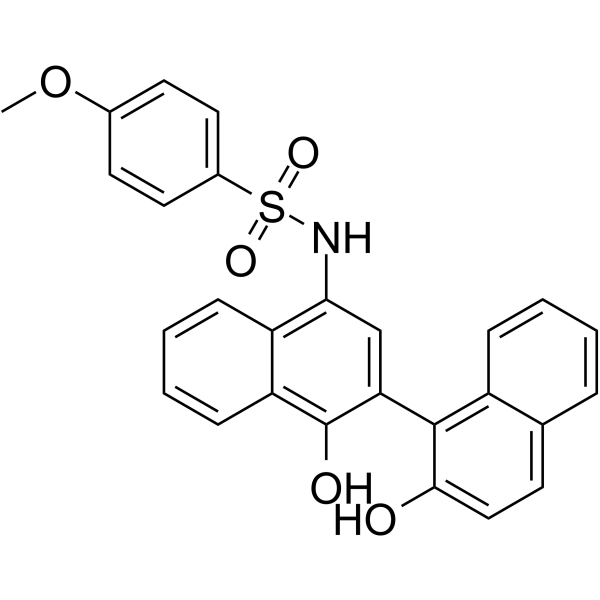
    AR03 (BMH-23) is an apurinic/apyrimidinic endonuclease 1 (Ape1) inhibitor with an IC50 of 2.1 µM. AR03 has low affinity for double-stranded DNA. AR03 potentiates the cytotoxicity of methyl methanesulfonate and temozolomide in SF767 cells .
    AR03
  • HY-B0089R

    BAY g 5421 (Standard)

    Reference Standards Glycosidase Metabolic Disease Cancer
    Acarbose (Standard) is the analytical standard of Acarbose. This product is intended for research and analytical applications. Acarbose (BAY g 5421), antihyperglycemic agent, is an orally active alpha-glucosidase inhibitor (IC50=11 nM). Acarbose can potentiate the hypoglycemic effects of sulfonylureas or insulin .
    Acarbose (Standard)
  • HY-113654

    TRP Channel Others
    AMG 7905 is a hypothermia-inducing transient receptor potential vanilloid type 1 (TRPV1) antagonist. AMG 7905 potentiates TRPV1 channels activation by protons and drives the reflectory inhibition of thermogenesis and tail-skin vasoconstriction, while potently blocking channel activation by capsaicin .
    AMG 7905
  • HY-134598A

    Epigenetic Reader Domain Cancer
    653-47 hydrochloride, a potentiator, significantly potentiates the cAMP-response element binding protein (CREB) inhibitory activity of 666-15. 653-47 hydrochloride is also a very weak CREB inhibitor with IC50 of 26.3 μM .
    653-47 hydrochloride
  • HY-131032

    Adenosine Receptor Others
    KI-7 is an A2B adenosine receptor positive allosteric modulator. KI-7 potentiates the cAMP accumulation induced by the non-selective A2B adenosine receptor agonist NECA (EC50=445.8 nM). KI-7 also potentiates the cAMP accumulation induced by the selective A2B adenosine receptor agonist BAY 60-6583 as well as by adenosine with EC50s of 2390 nM and 2550 nM, respectively .
    KI-7
  • HY-164704

    Neprilysin Cardiovascular Disease
    JA2 is an inhibitor of metalloendopeptidase 24.15 that can potentiate the hypotensive response to bradykinin in rat .
    JA2
  • HY-139628

    Bacterial Infection Cancer
    JPD447, a MAC-0547630 derivative, is a novel class of UppS inhibitor to potentiate β-lactam antibiotics.
    JPD447
  • HY-101179

    DPPE fumarate

    Histamine Receptor Neurological Disease Inflammation/Immunology Cancer
    Tesmilifene fumarate (DPPE fumarate), an H1C receptor antagonist, potentiates a wide range of cytotoxics and even to offer some protection of normal cells .
    Tesmilifene fumarate
  • HY-N3995

    Apoptosis Drug Metabolite Cancer
    5β-Dihydrocortisol, a metabolite of Cortisol, is a potential mineralocorticoid. 5β-Dihydrocortisol can potentiate glucocorticoid activity in raising the intraocular pressure. 5β-Dihydrocortisol causes breast cancer cell apoptosis .
    5β-Dihydrocortisol
  • HY-117517

    Trk Receptor Cancer
    NG-012, potentiator of nerve growth factor (NGF), were isolated from the culture broth of Penicillium verruculosum F-4542. NG-012 potentiates the neurite outgrowth induced by NGF in rat pheochromocytoma cell line (PC12) .
    NG-012
  • HY-119226

    mAChR Neurological Disease
    VU0152099 is a potent, selective and brain-penetrant mAChR M4 positive allosteric modulator with an EC50 of 0.4 µM for rat M4 receptor. VU0152099 is inactive for other mAChR subtypes or other GPCRs. VU0152099 has no agonist activity but potentiated responses of M4 to acetylcholine .
    VU0152099
  • HY-W654264

    Endogenous Metabolite Integrin Cardiovascular Disease
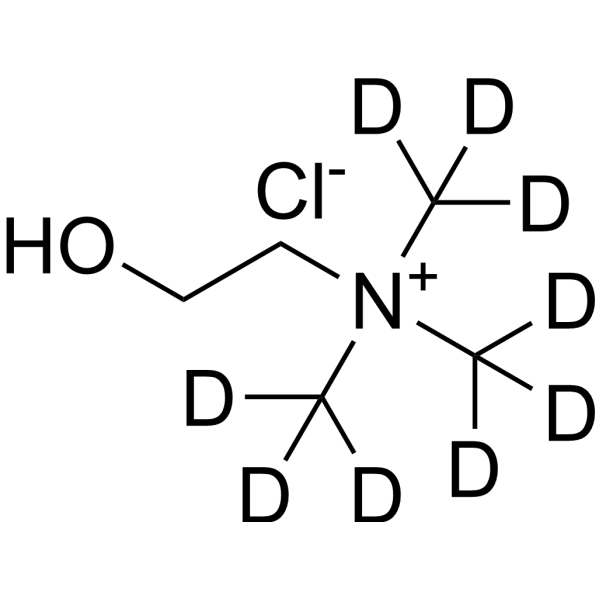
    2-Methylbutyrylcarnitine (chloride) is a gut microbial metabolite which binds to integrin α2β1 in platelets, potentiating cytosolic phospholipase A2 (cPLA2) activation and platelet hyperresponsiveness. 2-Methylbutyrylcarnitine (chloride) enhances platelet hyperreactivity and thrombus formation in mice. 2-Methylbutyrylcarnitine (chloride) is a branched-chain acylcarnitine .
    2-Methylbutyrylcarnitine chloride
  • HY-100957R

    Nucleoside Transporters Reference Standards Cardiovascular Disease
    Dilazep (dihydrochloride) (Standard) is the analytical standard of Dilazep (dihydrochloride). This product is intended for research and analytical applications. Dilazep dihydrochloride is an inhibitor of adenosine uptake. Dilazep dihydrochloride has cerebral and coronary vasodilating action through enhancement of effect of adenosine. Dilazep dihydrochloride also inhibits the ischemic damage, platelet aggregation, and membrane transport of nucleosides .
    Dilazep dihydrochloride (Standard)
  • HY-15276

    PARP Cancer
    4-Aminonaphthalimide is a potent PARP inhibitor and potentiates the cytotoxicity of γ-radiation in cancer cells .
    4-Aminonaphthalimide
  • HY-106822

    AO-33; (±)-Losigamone; LSG

    Sodium Channel Chloride Channel Neurological Disease
    Losigamone (AO-33) is an orally active antiepileptic compound. Losigamone blocks sodium channel. Losigamone stimulates the neuronal chloride channel and enhance chloride influx. Losigamone potentiates GABA-mediated responses and reduces epileptiform activity induced by chloride channel antagonists. Losigamone can be used for epilepsy research .
    Losigamone
  • HY-10932R

    Ro 13-5057 (Standard)

    Reference Standards nAChR iGluR Neurological Disease
    Aniracetam (Standard) is the analytical standard of Aniracetam. This product is intended for research and analytical applications. Aniracetam (Ro 13-5057) is an orally active neuroprotective agent, possessing nootropics effects. Aniracetam potentiates the ionotropic quisqualate (iQA) responses in the CA1 region of rat hippocampal slices. Aniracetam also potentiates the excitatory post synaptic potentials (EPSPs) in Schaffer collateral-commissural synapses. Aniracetam can prevents the CO2-induced impairment of acquisition in hypercapnia model rats. Aniracetam can be used to research cerebral dysfunctional disorders .
    Aniracetam (Standard)
  • HY-P2619

    Angiotensin Receptor Peptide-Drug Conjugates (PDCs) Cardiovascular Disease
    BPP 5a is a bradykinin-potentiating peptide with vasorelaxant activity, which is found in Bothrops jararaca venom. BPP 5a is an angiotensin-converting enzyme (ACE) inhibitor with a Ki value of 400 nM. BPP 5a is promising for research of hypertension and cardiovascular diseases .
    BPP 5a
  • HY-114611

    IRE1 Metabolic Disease
    BDM44768 is an inhibitior of IDE. BDM44768 exacerbates ER stress-induced IRE1 activation and promotes lipid accumulation in hepatocytes. BDM44768 potentiates activation of the IRE1 pathway in the liver and exacerbates liver lipid accumulation in an acute mice model of ER stress .
    BDM44768
  • HY-149812

    Bacterial Parasite Infection
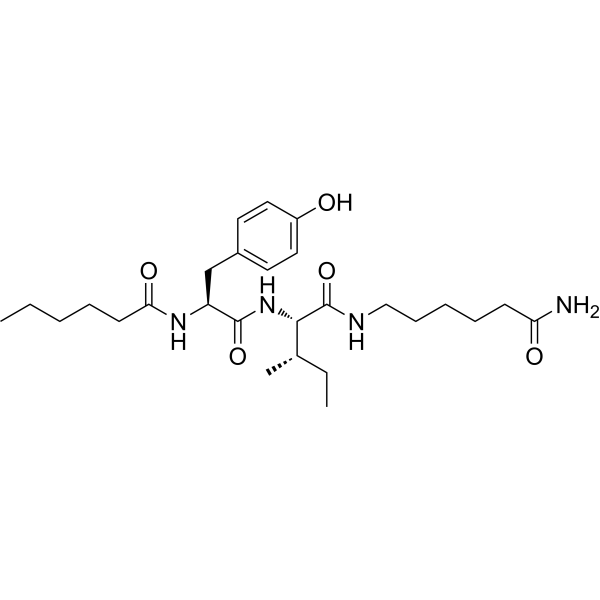
    Efflux pump-IN-4 is an AcrB efflux pump inhibitor, with ability to potentiate the effect of antibiotics. Efflux pump-IN-4 inhibits Nile Red (a known substrate of AcrB) efflux. Efflux pump-IN-4 does not disrupts the bacterial outer membrane nor display toxicity in a nematode model .
    AcrB-IN-4

Inquiry Online

Your information is safe with us. * Required Fields.

Salutation


Country or Region *

Applicant Name *


Organization Name *

Department *


Email Address *


Product Name *

Cat. No.


Requested quantity *

Phone Number *


Remarks

Inquiry Online

Inquiry Information

Product Name:
Cat. No.:
Quantity:
MCE Japan Authorized Agent:

