
Search Result
Results for "
radio-protective
" in MedChemExpress (MCE) Product Catalog:
2
Biochemical Assay Reagents
5
Isotope-Labeled Compounds
| Cat. No. |
Product Name |
Target |
Research Areas |
Chemical Structure |
-
- HY-W250113
-
|
Zymosan A from Saccharomyces cerevisiae
|
Toll-like Receptor (TLR)
|
Inflammation/Immunology
|
|
Zymosan A (Zymosan A from Saccharomyces cerevisiae) is a TLR2 agonist, that targeting TLRs can prevent and suppress IR-induced intestinal injury. Zymosan A exhibits a significant radioprotective effect, and protects IR-induced intestinal injury in mice. Zymosan A promotes the regeneration of intestinal stem cells (ISCs), after IR injury .
|
-
-
- HY-119109
-
|
|
Environmental Pollutants
Endogenous Metabolite
|
Cancer
|
|
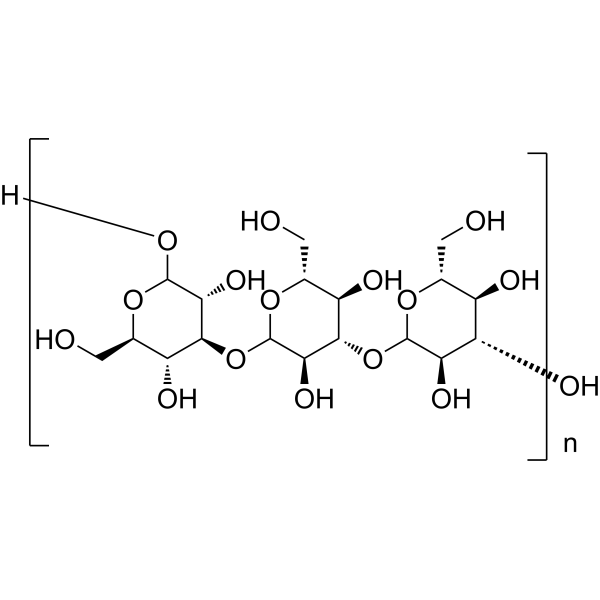
Laminaran is an β-1-3-glucan and a typical ligand for Dectin-1 from Eisenia Bicyclis, has potent immunomodulating, radioprotective, and anticancer activities . Laminaran is made up of β (1→3)-glucan with β (1→6)-branches and can be catalyzed by enzymes such as laminarinase (EC 3.2.1.6) that breaks the β (1→3) bonds . Laminaran is a promising immune stimulatory molecule for use in cancer immunotherapy .
|
-
-
- HY-N2165
-
-
-
- HY-B0373
-
|
|
Others
|
Metabolic Disease
|
|
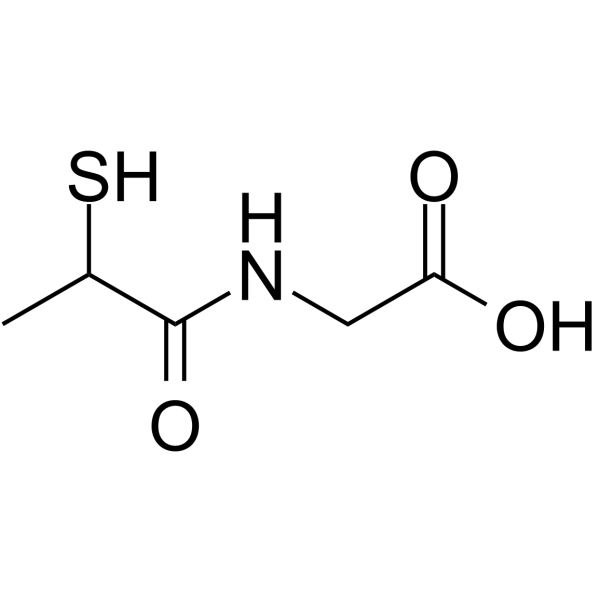
Tiopronin is a diffusible antioxidant, an antidote to heavy metal poisoning and a radioprotective agent. Tiopronin can control the rate of cystine precipitation and excretion and has the potential for cystinuria, rheumatoid arthritis and hepatic disorders .
|
-
-
- HY-W015169
-
-
-
- HY-N5077
-
|
|
Cholinesterase (ChE)
P-glycoprotein
|
Neurological Disease
Inflammation/Immunology
Cancer
|
|
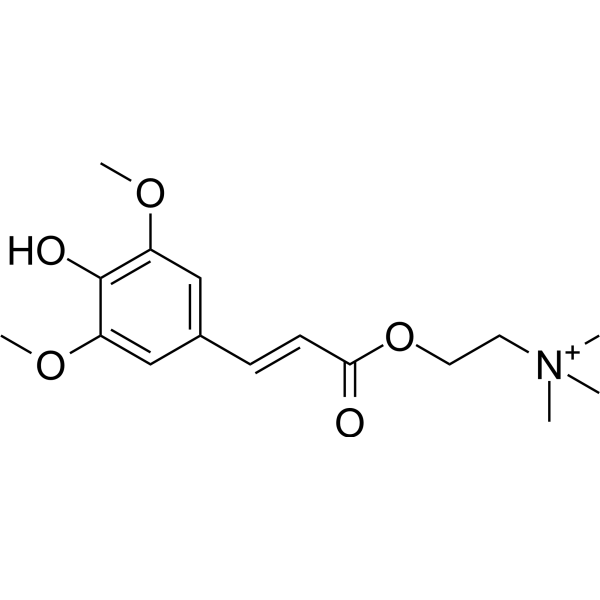
Sinapine is an alkaloid isolated from seeds of the cruciferous species. Sinapine exhibits anti-inflammatory, anti-oxidant, anti-tumor, anti-angiogenic and radio-protective effects. Sinapine is also an acetylcholinesterase (AChE) inhibitor and can be used for the research of Alzheimer’s disease, ataxia, myasthenia gravis, and Parkinson’s disease .
|
-
-
- HY-W002004
-
|
4-Amino-2,2,6,6-tetramethylpiperidine-1-oxyl
|
Biochemical Assay Reagents
|
Inflammation/Immunology
|
|
4-Amino-TEMPO (4-Amino-2,2,6,6-tetramethylpiperidine-1-oxyl) is a stable nitroxide radical and N-nucleophile based on TEMPO. 4-Amino-TEMPO has superoxide dismutase-mimetic activity, can protect cells from oxidative damage, and has radioprotective effects. 4-Amino-TEMPO is widely used in fields such as biomedicine, materials science, and industrial production. 4-Amino-TEMPO can be used as a spin label to detect free radicals, an oxidation catalyst in industrial production, and an antioxidant stabilizer for polymers, among others .
|
-
-
- HY-N0450
-
|
|
P-glycoprotein
Cholinesterase (ChE)
|
Cancer
|
|
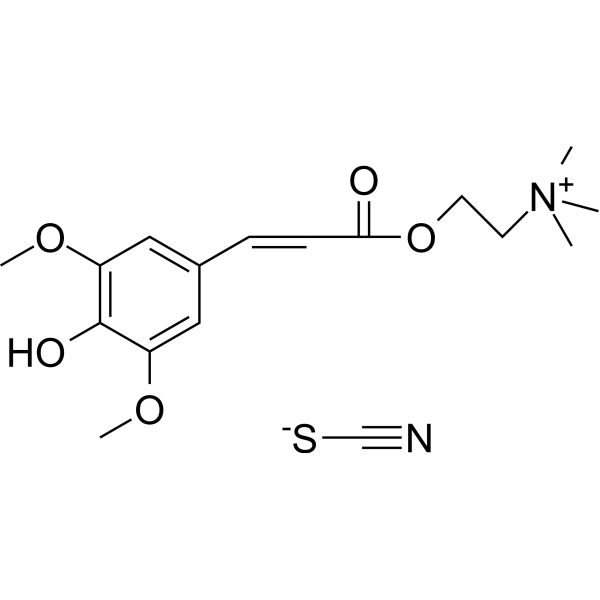
Sinapine thiocyanate is an alkaloid isolated from seeds of the cruciferous species. Sinapine thiocyanate exhibits anti-inflammatory, anti-oxidant, anti-tumor, anti-angiogenic and radio-protective effects. Sinapine thiocyanate is also an acetylcholinesterase (AChE) inhibitor and can be used for the research of Alzheimer’s disease, ataxia, myasthenia gravis, and Parkinson’s disease .
|
-
-
- HY-N0307
-
|
|
Bcl-2 Family
NF-κB
DNA/RNA Synthesis
Apoptosis
|
Cardiovascular Disease
Neurological Disease
|
|
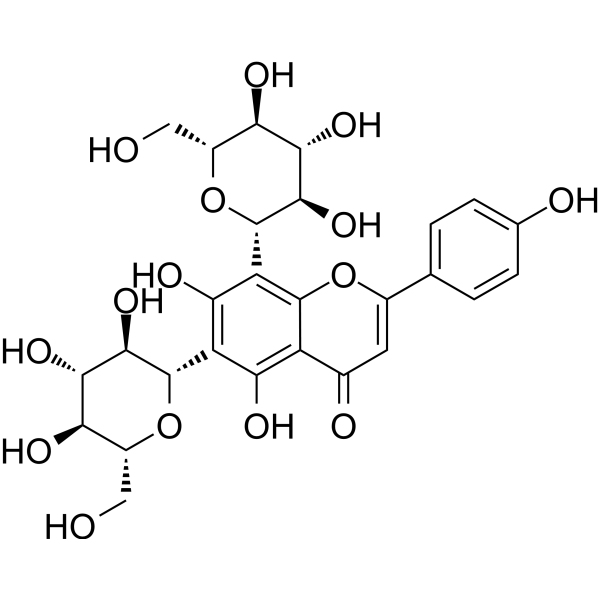
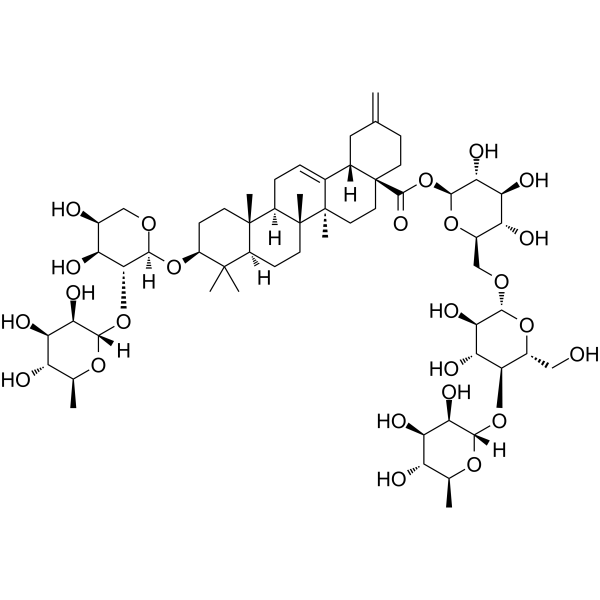
Ciwujianoside B is an orally active, blood-brain barrier penetrable radioprotective agent and memory enhancer. Ciwujianoside B reduces radiation-induced DNA damage, cell cycle arrest and apoptosis, downregulates NF-κB and the Bax/Bcl-2 ratio, and enhances the proliferative capacity of bone marrow cells. Ciwujianoside B enhances object recognition memory in normal mice and induces dendritic extension in primary cultured cortical neurons. Ciwujianoside B can be used in studies related to hematopoietic system radiation injury and memory enhancement .
|
-
-
- HY-W015169A
-
|
|
5-HT Receptor
Endogenous Metabolite
|
Neurological Disease
Cancer
|
|
5-Methoxytryptamine hydrochloride, a metabolite of Melatonin, is a nonselective 5-HT receptor agonist. 5-Methoxytryptamine hydrochloride has no affinity for the 5-HT3 receptor. 5-Methoxytryptamine hydrochloride is also a potent antioxidant and has radioprotective action .
|
-
-
- HY-P10580
-
|
|
Tie
PI3K
Akt
Cadherin
Claudin
|
Cardiovascular Disease
Infection
Inflammation/Immunology
|
|
Vasculotide is a blood-brain barrier (BBB)-penetrant Tie2 agonist. Vasculotide binds to a unique domain of Tie2, induces receptor clustering to drive phosphorylation, activates downstream PI3K/Akt and eNOS pathways, enhances inter-endothelial cell junctions (such as VE-cadherin and claudin-5), and inhibits inflammatory adhesion molecules, ultimately stabilizing the vascular endothelial barrier and reducing its permeability . Vasculotide alleviates pulmonary microvascular leakage and microcirculatory dysfunction caused by cardiopulmonary bypass, acts as an adjuvant radioprotective agent to reduce acute radiation dermatitis, and promotes BBB recovery after focused ultrasound (FUS). Combination of Vasculotide with antibiotics reduces lung injury .
|
-
-
- HY-137864
-
|
WR-1065
|
MDM-2/p53
|
Cancer
|
|
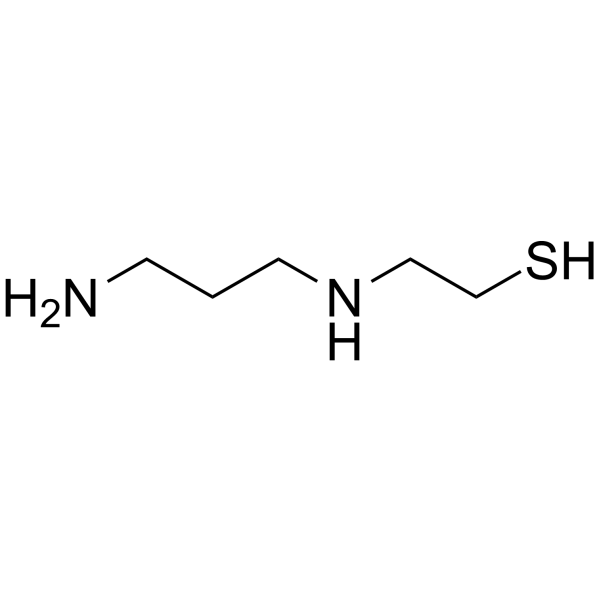
Amifostine thiol (WR-1065) is an active metabolite of the cytoprotector Amifostine (HY-B0639). Amifostine thiol is a cytoprotective agent with radioprotective abilities. Amifostine thiol activates p53 through a JNK-dependent signaling pathway .
|
-
-
- HY-N6937
-
|
(R,R)-SDG; (R,R)-LGM2605
|
Others
|
Inflammation/Immunology
|
|
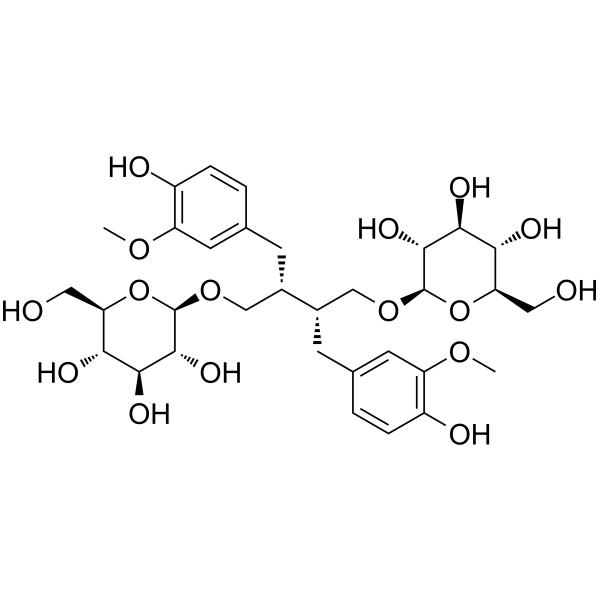
(R,R)-Secoisolariciresinol diglucoside ((R,R)-SDG) is the minor isomer of Secoisolariciresinol diglucoside in flaxseed. (R,R)-Secoisolariciresinol diglucoside ((R,R)-SDG) possesses antioxidant and free radical scavenging activities and DNA-radioprotective properties. (R,R)-Secoisolariciresinol diglucoside ((R,R)-SDG) inhibits myeloperoxidase (MPO) activity by suppressing both the peroxidase and chlorination cyclesin inflammatory cells .
|
-
-
- HY-W015169S
-
|
O-Methylserotonin-d4
|
Isotope-Labeled Compounds
5-HT Receptor
Drug Metabolite
|
Neurological Disease
Cancer
|
|
5-Methoxytryptamine-d4 (O-Methylserotonin-d4) is the deuterium labeled 5-Methoxytryptamine (HY-W015169). 5-Methoxytryptamine, a metabolite of Melatonin, is a nonselective 5-HT receptor agonist. 5-Methoxytryptamine has no affinity for the 5-HT3 receptor. 5-Methoxytryptamine is also a potent antioxidant and has radioprotective action .
|
-
-
- HY-P10580A
-
|
|
Cadherin
Tie
Claudin
PI3K
Akt
|
Cardiovascular Disease
Infection
Inflammation/Immunology
|
|
Vasculotide TFA is a blood-brain barrier (BBB)-penetrant Tie2 agonist. Vasculotide TFA binds to a unique domain of Tie2, induces receptor clustering to drive phosphorylation, activates downstream PI3K/Akt and eNOS pathways, enhances inter-endothelial cell junctions (such as VE-cadherin and claudin-5), and inhibits inflammatory adhesion molecules, ultimately stabilizing the vascular endothelial barrier and reducing its permeability . Vasculotide TFA alleviates pulmonary microvascular leakage and microcirculatory dysfunction caused by cardiopulmonary bypass, acts as an adjuvant radioprotective agent to reduce acute radiation dermatitis, and promotes BBB recovery after focused ultrasound (FUS). Combination of Vasculotide TFA with antibiotics reduces lung injury .
|
-
-
- HY-117082
-
|
GBL-5g
|
TNF Receptor
|
Inflammation/Immunology
|
|
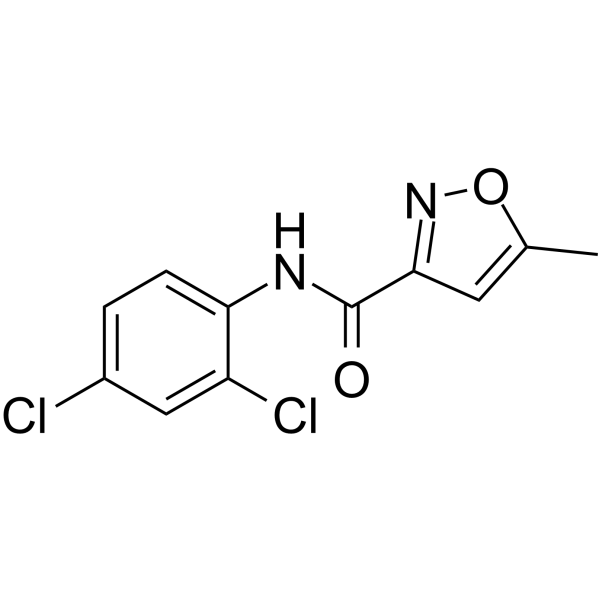
UTL-5g (GBL-5g), an anti-inflammatory TNF-α inhibitor, has chemoprotective and liver radioprotective effects. UTL-5g lowers hepatotoxicity, nephrotoxicity, and myelotoxicity induced by Cisplatin through TNF-α inhibition among other factors .
|
-
-
- HY-N5077R
-
-
-
- HY-N5077B
-
|
|
Cholinesterase (ChE)
P-glycoprotein
|
Neurological Disease
Inflammation/Immunology
Cancer
|
|
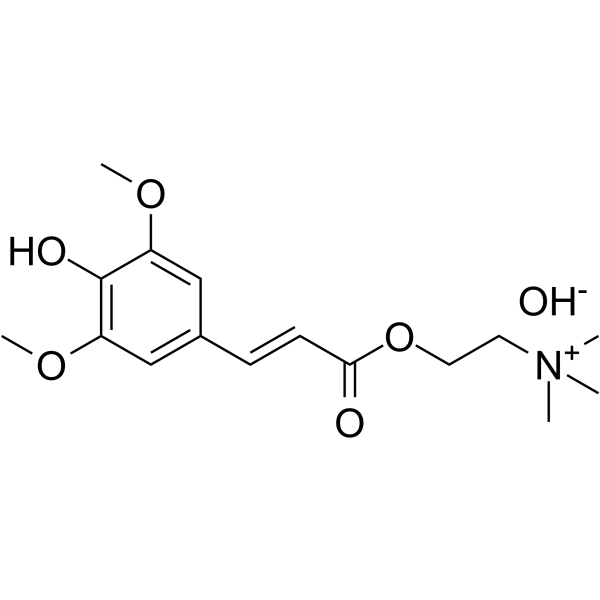
Sinapine hydroxide is an alkaloid isolated from seeds of the cruciferous species. Sinapine hydroxide exhibits anti-inflammatory, anti-oxidant, anti-tumor, anti-angiogenic and radio-protective effects. Sinapine hydroxide is also an acetylcholinesterase (AChE) inhibitor and can be used for the research of Alzheimer’s disease, ataxia, myasthenia gravis, and Parkinson’s disease .
|
-
-
- HY-B0166D
-
|
|
Drug Derivative
|
Others
|
|
Niacinamide ascorbate is a micronutrient with radioprotective properties. Niacinamide ascorbate works as an antioxidant along with vitamin C, vitamin E and other compounds to mitigate the risks associated with exposure to ionizing radiation. Niacinamide ascorbate helps reduce the likelihood of radiation-induced diseases such as acute leukemia, breast cancer, thyroid cancer and mutations, thereby protecting the human body from the harmful effects of radiation .
|
-
-
- HY-N0450R
-
|
|
Reference Standards
P-glycoprotein
Cholinesterase (ChE)
|
Cancer
|
|
Sinapine (thiocyanate) (Standard) is the analytical standard of Sinapine (thiocyanate). This product is intended for research and analytical applications. Sinapine thiocyanate is an alkaloid isolated from seeds of the cruciferous species. Sinapine thiocyanate exhibits anti-inflammatory, anti-oxidant, anti-tumor, anti-angiogenic and radio-protective effects. Sinapine thiocyanate is also an acetylcholinesterase (AChE) inhibitor and can be used for the research of Alzheimer’s disease, ataxia, myasthenia gravis, and Parkinson’s disease .
|
-
-
- HY-W050154R
-
|
|
Reference Standards
Parasite
Tyrosinase
NF-κB
CDK
|
Infection
Inflammation/Immunology
Cancer
|
|
Kojic acid (Standard) is the analytical standard of Kojic acid. This product is intended for research and analytical applications. Kojic acid is a substance produced by Aspergillus oryzae, with various biological activities including antitumor, insecticidal, antibacterial, antioxidant, and radioprotective effects. Kojic acid exhibits tyrosinase inhibition activity by capturing copper ions that bind to the active site of tyrosinase, preventing its activation. Tyrosinase is a key enzyme in the biosynthesis of melanin, so kojic acid can block melanin production. Additionally, kojic acid shows potential inhibition of NF-κB activity in human keratinocytes, which may also be related to the anti-melanogenic effect induced by kojic acid. Kojic acid is effective when administered orally and can also be absorbed transdermally. Nano-carrier systems prepared with kojic acid demonstrate effective delivery of anticancer drugs. Kojic acid holds promise for research in cancer, infectious diseases, and skin whitening among other fields .
|
-
-
- HY-W002004S1
-
|
4-Amino-2,2,6,6-tetramethylpiperidine-1-oxyl-d17
|
Isotope-Labeled Compounds
Biochemical Assay Reagents
|
Inflammation/Immunology
|
|
4-Amino-TEMPO-d17 (4-Amino-2,2,6,6-tetramethylpiperidine-1-oxyl-d17) is the deuterium labeled 4-Amino-TEMPO (HY-W002004). 4-Amino-TEMPO (4-Amino-2,2,6,6-tetramethylpiperidine-1-oxyl) is a stable nitroxide radical and N-nucleophile based on TEMPO. 4-Amino-TEMPO has superoxide dismutase-mimetic activity, can protect cells from oxidative damage, and has radioprotective effects. 4-Amino-TEMPO is widely used in fields such as biomedicine, materials science, and industrial production. 4-Amino-TEMPO can be used as a spin label to detect free radicals, an oxidation catalyst in industrial production, and an antioxidant stabilizer for polymers, among others .
|
-
-
- HY-U00035R
-
|
|
Antibiotic
Reference Standards
Bacterial
|
Infection
|
|
Sinapine (thiocyanate) (Standard) is the analytical standard of Sinapine (thiocyanate). This product is intended for research and analytical applications. Sinapine thiocyanate is an alkaloid isolated from seeds of the cruciferous species. Sinapine thiocyanate exhibits anti-inflammatory, anti-oxidant, anti-tumor, anti-angiogenic and radio-protective effects. Sinapine thiocyanate is also an acetylcholinesterase (AChE) inhibitor and can be used for the research of Alzheimer’s disease, ataxia, myasthenia gravis, and Parkinson’s disease .
|
-
-
- HY-B0639C
-
|
WR2721 sodium
|
MDM-2/p53
HIF/HIF Prolyl-Hydroxylase
|
Neurological Disease
|
|
Amifostine sodium (WR2721 sodium) is a phosphorus sulfate with radioprotective activity. Amifostine sodium can cause splenic vasodilation and may block autonomic ganglia. Amifostine sodium is clinically used to prevent cisplatin-induced ototoxicity .
|
-
-
- HY-B0373S1
-
|
|
Isotope-Labeled Compounds
|
Metabolic Disease
|
|
Tiopronin-d3 is the deuterium labeled Tiopronin. Tiopronin is a diffusible antioxidant, an antidote to heavy metal poisoning and a radioprotective agent. Tiopronin can control the rate of cystine precipitation and excretion and has the potential for cystinuria, rheumatoid arthritis and hepatic disorders .
|
-
-
- HY-163544
-
|
|
Drug Intermediate
|
Cancer
|
|
δ-Tocotrienol prodrug-1 (compound 5b) is a prodrug of δ-tocotrienol (HY-122778). δ-Tocotrienol prodrug-1 shows radioprotective efficacy. δ-Tocotrienol prodrug-1 promotes the hematopoietic progenitor and stem cell regeneration in murine bone marrow and spleen .
|
-
-
- HY-N6937R
-
|
(R,R)-SDG (Standard); (R,R)-LGM2605 (Standard)
|
Reference Standards
Others
|
Inflammation/Immunology
|
|
(R,R)-Secoisolariciresinol diglucoside (Standard) is the analytical standard of (R,R)-Secoisolariciresinol diglucoside. This product is intended for research and analytical applications. (R,R)-Secoisolariciresinol diglucoside ((R,R)-SDG) is the minor isomer of Secoisolariciresinol diglucoside in flaxseed. (R,R)-Secoisolariciresinol diglucoside ((R,R)-SDG) possesses antioxidant and free radical scavenging activities and DNA-radioprotective properties. (R,R)-Secoisolariciresinol diglucoside ((R,R)-SDG) inhibits myeloperoxidase (MPO) activity by suppressing both the peroxidase and chlorination cyclesin inflammatory cells .
|
-
-
- HY-N6937S1
-
|
(R,R)-SDG-d6; (R,R)-LGM2605-d6
|
Isotope-Labeled Compounds
|
Inflammation/Immunology
|
|
(R,R)-Secoisolariciresinol diglucoside-d6 is deuterated labeled (R,R)-Secoisolariciresinol diglucoside (HY-N6937). (R,R)-Secoisolariciresinol diglucoside ((R,R)-SDG) is the minor isomer of Secoisolariciresinol diglucoside in flaxseed. (R,R)-Secoisolariciresinol diglucoside ((R,R)-SDG) possesses antioxidant and free radical scavenging activities and DNA-radioprotective properties. (R,R)-Secoisolariciresinol diglucoside ((R,R)-SDG) inhibits myeloperoxidase (MPO) activity by suppressing both the peroxidase and chlorination cyclesin inflammatory cells .
|
-
-
- HY-N0307R
-
|
|
Reference Standards
Bcl-2 Family
NF-κB
DNA/RNA Synthesis
Apoptosis
|
Cardiovascular Disease
Neurological Disease
|
|
Ciwujianoside B (Standard) is the analytical standard of Ciwujianoside B. This product is intended for research and analytical applications. Ciwujianoside B is an orally active, blood-brain barrier penetrable radioprotective agent and memory enhancer. Ciwujianoside B reduces radiation-induced DNA damage, cell cycle arrest and apoptosis, downregulates NF-κB and the Bax/Bcl-2 ratio, and enhances the proliferative capacity of bone marrow cells. Ciwujianoside B enhances object recognition memory in normal mice and induces dendritic extension in primary cultured cortical neurons. Ciwujianoside B can be used in studies related to hematopoietic system radiation injury and memory enhancement.
|
-
-
- HY-W002004S
-
|
4-Amino-2,2,6,6-tetramethylpiperidine-1-oxyl-d17,15N
|
Isotope-Labeled Compounds
Biochemical Assay Reagents
|
Inflammation/Immunology
|
|
4-Amino-TEMPO-d17, 15N (4-Amino-2,2,6,6-tetramethylpiperidine-1-oxyl-d17, 15N) is the deuterium labeled 4-Amino-TEMPO-d17 (HY-W002004S1). 4-Amino-TEMPO (4-Amino-2,2,6,6-tetramethylpiperidine-1-oxyl) is a stable nitroxide radical and N-nucleophile based on TEMPO. 4-Amino-TEMPO has superoxide dismutase-mimetic activity, can protect cells from oxidative damage, and has radioprotective effects. 4-Amino-TEMPO is widely used in fields such as biomedicine, materials science, and industrial production. 4-Amino-TEMPO can be used as a spin label to detect free radicals, an oxidation catalyst in industrial production, and an antioxidant stabilizer for polymers, among others .
|
-
-
- HY-B0373R
-
|
|
Biochemical Assay Reagents
Reference Standards
|
Metabolic Disease
|
|
Tiopronin (Standard) is the analytical standard of Tiopronin. This product is intended for research and analytical applications. Tiopronin is a diffusible antioxidant, an antidote to heavy metal poisoning and a radioprotective agent. Tiopronin can control the rate of cystine precipitation and excretion and has the potential for cystinuria, rheumatoid arthritis and hepatic disorders .
|
-
-
- HY-W015169AR
-
|
|
5-HT Receptor
Reference Standards
Endogenous Metabolite
|
Neurological Disease
Cancer
|
|
5-Methoxytryptamine (hydrochloride) (Standard) is the analytical standard of 5-Methoxytryptamine (hydrochloride) (HY-W015169A). This product is intended for research and analytical applications. 5-Methoxytryptamine hydrochloride, a metabolite of Melatonin, is a nonselective 5-HT receptor agonist. 5-Methoxytryptamine hydrochloride has no affinity for the 5-HT3 receptor. 5-Methoxytryptamine hydrochloride is also a potent antioxidant and has radioprotective action .
|
-
-
- HY-W015169R
-
|
O-Methylserotonin (Standard)
|
Drug Metabolite
5-HT Receptor
Reference Standards
Endogenous Metabolite
|
Neurological Disease
Cancer
|
|
5-Methoxytryptamine (Standard) is the analytical standard of 5-Methoxytryptamine (HY-W015169). This product is intended for research and analytical applications. 5-Methoxytryptamine, a metabolite of Melatonin, is a nonselective 5-HT receptor agonist. 5-Methoxytryptamine has no affinity for the 5-HT3 receptor. 5-Methoxytryptamine is also a potent antioxidant and has radioprotective action .
|
-
-
- HY-182506
-
|
BM 12.531
|
Biochemical Assay Reagents
|
Inflammation/Immunology
Cancer
|
|
Azimexon (BM 12.531) is an orally active immunomodulator with radioprotective and antitumor activities. Azimexon prolongs survival in multiple mouse models, enhances immunity and hematopoiesis, and alleviates radiation injury and tumor metastasis. Azimexon causes reversible hemolytic anemia in rats and dogs, and exerts therapeutic activity against adjuvant-induced arthritis in rats. Azimexon can be used for the research of lung carcinoma, leukemia, multiple myeloma, lung tumor, arthritis, breast cancer and AIDS‑related complex .
|
-
-
- HY-183301
-
|
|
Toll-like Receptor (TLR)
|
Cardiovascular Disease
|
|
TLR2/1 agonist-1 is a selective agonist of the TLR2/1 heterodimer. TLR2/1 agonist-1 acts as a hematopoietic recovery inducer to accelerate the recovery of peripheral blood cells. TLR2/1 agonist-1 serves as a G-CSF production inducer to increase serum G-CSF levels. TLR2/1 agonist-1 exhibits radioprotective effects in mice exposed to radiation. TLR2/1 agonist-1 can be used in studies related to acute radiation syndrome .
|
-
-
-
HY-L178
-
|
|
2,846 compounds
|
|
Radiation sickness is a general term for various types and degrees of damage (or disease) occurring in the human body after exposure to ionizing radiation. Although small amounts of ionizing radiation can also cause the body to produce free radicals and ROS, causing oxidative stress, resulting in DNA damage and chromosomal aberration. Radioprotector are compounds with radiation protection that can be used to prevent/protect non-tumor cells from the harmful effects of radiation. Radioprotective compounds can prevent the damage of radioactive substances to the human body and reduce the clinical symptoms of various radioactive diseases. In addition, radioprotectors can protect normal cells from damage during radiation therapy. The ideal anti-radiation drug should not affect the sensitivity of tumor cells to radiation therapy while protecting normal cells.
MCE designs a unique collection of 2,846 radioprotectors. Radioprotector Library is an effective tool for acute Radiation Syndrome, drug combination research with radiation drugs.
|
| Cat. No. |
Product Name |
Type |
-
- HY-W250113
-
|
Zymosan A from Saccharomyces cerevisiae
|
Biochemical Assay Reagents
|
|
Zymosan A (Zymosan A from Saccharomyces cerevisiae) is a TLR2 agonist, that targeting TLRs can prevent and suppress IR-induced intestinal injury. Zymosan A exhibits a significant radioprotective effect, and protects IR-induced intestinal injury in mice. Zymosan A promotes the regeneration of intestinal stem cells (ISCs), after IR injury .
|
-
- HY-W002004
-
|
4-Amino-2,2,6,6-tetramethylpiperidine-1-oxyl
|
Biochemical Assay Reagents
|
|
4-Amino-TEMPO (4-Amino-2,2,6,6-tetramethylpiperidine-1-oxyl) is a stable nitroxide radical and N-nucleophile based on TEMPO. 4-Amino-TEMPO has superoxide dismutase-mimetic activity, can protect cells from oxidative damage, and has radioprotective effects. 4-Amino-TEMPO is widely used in fields such as biomedicine, materials science, and industrial production. 4-Amino-TEMPO can be used as a spin label to detect free radicals, an oxidation catalyst in industrial production, and an antioxidant stabilizer for polymers, among others .
|
| Cat. No. |
Product Name |
Target |
Research Area |
-
- HY-P10580
-
|
|
Tie
PI3K
Akt
Cadherin
Claudin
|
Cardiovascular Disease
Infection
Inflammation/Immunology
|
|
Vasculotide is a blood-brain barrier (BBB)-penetrant Tie2 agonist. Vasculotide binds to a unique domain of Tie2, induces receptor clustering to drive phosphorylation, activates downstream PI3K/Akt and eNOS pathways, enhances inter-endothelial cell junctions (such as VE-cadherin and claudin-5), and inhibits inflammatory adhesion molecules, ultimately stabilizing the vascular endothelial barrier and reducing its permeability . Vasculotide alleviates pulmonary microvascular leakage and microcirculatory dysfunction caused by cardiopulmonary bypass, acts as an adjuvant radioprotective agent to reduce acute radiation dermatitis, and promotes BBB recovery after focused ultrasound (FUS). Combination of Vasculotide with antibiotics reduces lung injury .
|
-
- HY-P10580A
-
|
|
Cadherin
Tie
Claudin
PI3K
Akt
|
Cardiovascular Disease
Infection
Inflammation/Immunology
|
|
Vasculotide TFA is a blood-brain barrier (BBB)-penetrant Tie2 agonist. Vasculotide TFA binds to a unique domain of Tie2, induces receptor clustering to drive phosphorylation, activates downstream PI3K/Akt and eNOS pathways, enhances inter-endothelial cell junctions (such as VE-cadherin and claudin-5), and inhibits inflammatory adhesion molecules, ultimately stabilizing the vascular endothelial barrier and reducing its permeability . Vasculotide TFA alleviates pulmonary microvascular leakage and microcirculatory dysfunction caused by cardiopulmonary bypass, acts as an adjuvant radioprotective agent to reduce acute radiation dermatitis, and promotes BBB recovery after focused ultrasound (FUS). Combination of Vasculotide TFA with antibiotics reduces lung injury .
|
| Cat. No. |
Product Name |
Category |
Target |
Chemical Structure |
-
- HY-119109
-
-
-
- HY-N2165
-
-
-
- HY-B0373
-
-
-
- HY-W015169
-
-
-
- HY-N5077
-
-
-
- HY-N0450
-
-
-
- HY-N0307
-
-
-
- HY-W015169A
-
-
-
- HY-N6937
-
-
-
- HY-N5077R
-
-
-
- HY-N5077B
-
-
-
- HY-N0450R
-
-
-
- HY-W050154R
-
|
|
Structural Classification
Human Gut Microbiota Metabolites
Microorganisms
Ketones, Aldehydes, Acids
Endogenous metabolite
Source Classification
|
Reference Standards
Parasite
Tyrosinase
NF-κB
CDK
|
|
Kojic acid (Standard) is the analytical standard of Kojic acid. This product is intended for research and analytical applications. Kojic acid is a substance produced by Aspergillus oryzae, with various biological activities including antitumor, insecticidal, antibacterial, antioxidant, and radioprotective effects. Kojic acid exhibits tyrosinase inhibition activity by capturing copper ions that bind to the active site of tyrosinase, preventing its activation. Tyrosinase is a key enzyme in the biosynthesis of melanin, so kojic acid can block melanin production. Additionally, kojic acid shows potential inhibition of NF-κB activity in human keratinocytes, which may also be related to the anti-melanogenic effect induced by kojic acid. Kojic acid is effective when administered orally and can also be absorbed transdermally. Nano-carrier systems prepared with kojic acid demonstrate effective delivery of anticancer drugs. Kojic acid holds promise for research in cancer, infectious diseases, and skin whitening among other fields .
|
-
-
- HY-N6937R
-
|
(R,R)-SDG (Standard); (R,R)-LGM2605 (Standard)
|
Structural Classification
Linum usitatissimum Linn.
Linaceae
Lignans
Phenylpropanoids
Plants
Source Classification
|
Reference Standards
Others
|
|
(R,R)-Secoisolariciresinol diglucoside (Standard) is the analytical standard of (R,R)-Secoisolariciresinol diglucoside. This product is intended for research and analytical applications. (R,R)-Secoisolariciresinol diglucoside ((R,R)-SDG) is the minor isomer of Secoisolariciresinol diglucoside in flaxseed. (R,R)-Secoisolariciresinol diglucoside ((R,R)-SDG) possesses antioxidant and free radical scavenging activities and DNA-radioprotective properties. (R,R)-Secoisolariciresinol diglucoside ((R,R)-SDG) inhibits myeloperoxidase (MPO) activity by suppressing both the peroxidase and chlorination cyclesin inflammatory cells .
|
-
-
- HY-N0307R
-
-
-
- HY-B0373R
-
-
-
- HY-W015169AR
-
-
-
- HY-W015169R
-
-
| Cat. No. |
Product Name |
Chemical Structure |
-
- HY-W015169S
-
|
|
|
5-Methoxytryptamine-d4 (O-Methylserotonin-d4) is the deuterium labeled 5-Methoxytryptamine (HY-W015169). 5-Methoxytryptamine, a metabolite of Melatonin, is a nonselective 5-HT receptor agonist. 5-Methoxytryptamine has no affinity for the 5-HT3 receptor. 5-Methoxytryptamine is also a potent antioxidant and has radioprotective action .
|
-
-
- HY-W002004S1
-
|
|
|
4-Amino-TEMPO-d17 (4-Amino-2,2,6,6-tetramethylpiperidine-1-oxyl-d17) is the deuterium labeled 4-Amino-TEMPO (HY-W002004). 4-Amino-TEMPO (4-Amino-2,2,6,6-tetramethylpiperidine-1-oxyl) is a stable nitroxide radical and N-nucleophile based on TEMPO. 4-Amino-TEMPO has superoxide dismutase-mimetic activity, can protect cells from oxidative damage, and has radioprotective effects. 4-Amino-TEMPO is widely used in fields such as biomedicine, materials science, and industrial production. 4-Amino-TEMPO can be used as a spin label to detect free radicals, an oxidation catalyst in industrial production, and an antioxidant stabilizer for polymers, among others .
|
-
-
- HY-B0373S1
-
|
|
|
Tiopronin-d3 is the deuterium labeled Tiopronin. Tiopronin is a diffusible antioxidant, an antidote to heavy metal poisoning and a radioprotective agent. Tiopronin can control the rate of cystine precipitation and excretion and has the potential for cystinuria, rheumatoid arthritis and hepatic disorders .
|
-
-
- HY-N6937S1
-
|
|
|
(R,R)-Secoisolariciresinol diglucoside-d6 is deuterated labeled (R,R)-Secoisolariciresinol diglucoside (HY-N6937). (R,R)-Secoisolariciresinol diglucoside ((R,R)-SDG) is the minor isomer of Secoisolariciresinol diglucoside in flaxseed. (R,R)-Secoisolariciresinol diglucoside ((R,R)-SDG) possesses antioxidant and free radical scavenging activities and DNA-radioprotective properties. (R,R)-Secoisolariciresinol diglucoside ((R,R)-SDG) inhibits myeloperoxidase (MPO) activity by suppressing both the peroxidase and chlorination cyclesin inflammatory cells .
|
-
-
- HY-W002004S
-
|
|
|
4-Amino-TEMPO-d17, 15N (4-Amino-2,2,6,6-tetramethylpiperidine-1-oxyl-d17, 15N) is the deuterium labeled 4-Amino-TEMPO-d17 (HY-W002004S1). 4-Amino-TEMPO (4-Amino-2,2,6,6-tetramethylpiperidine-1-oxyl) is a stable nitroxide radical and N-nucleophile based on TEMPO. 4-Amino-TEMPO has superoxide dismutase-mimetic activity, can protect cells from oxidative damage, and has radioprotective effects. 4-Amino-TEMPO is widely used in fields such as biomedicine, materials science, and industrial production. 4-Amino-TEMPO can be used as a spin label to detect free radicals, an oxidation catalyst in industrial production, and an antioxidant stabilizer for polymers, among others .
|
-
Your information is safe with us. * Required Fields.
Inquiry Information
- Product Name:
- Cat. No.:
- Quantity:
- MCE Japan Authorized Agent:

