

114 Results for "

rat lung

" in MedChemExpress (MCE) Product Catalog:
Products (114)

114 Results for "rat lung" in MCE Product Catalog:

307
307 Publications Verification
Cat. No.: HY-10201
CAS No.: 284461-73-0
Purity:  99.92%
Synonyms: Bay 43-9006
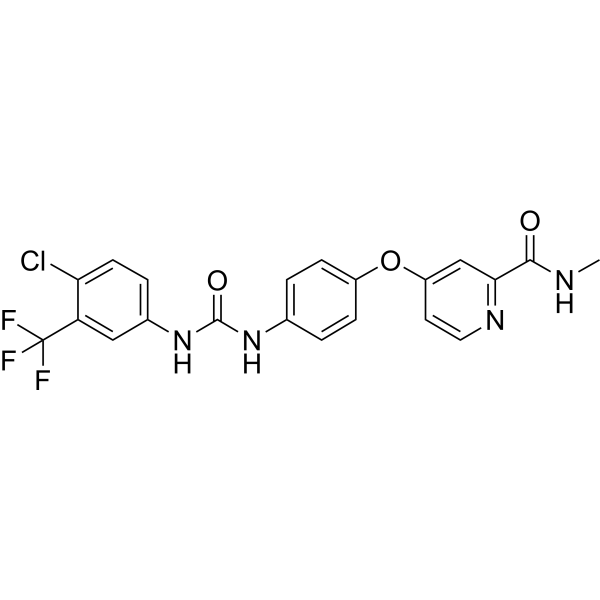
Sorafenib (Bay 43-9006) is a potent oral active multikinase inhibitor. Sorafenib blocks autophosphorylation and activity of receptor tyrosine kinases (VEGFR-2, VEGFR-3) and RAF family kinases, thereby suppressing the RAF/MEK/ERK and PI3K/Akt pathways, inhibiting STAT3 phosphorylation, and selectively inhibiting the MAPK pathway in cancer cells. Sorafenib induces cell cycle arrest, autophagy, apoptosis, and PARP cleavage, reduces Bcl-2, Bcl-XL, cyclin D1 levels, and activates Bak and Bax. Sorafenib inhibits tumor growth and metastasis in mouse and rat models. Sorafenib can be used for cancer research, such as colon, breast, non-small-cell lung cancer (NSCLC), ovarian, pancreatic, melanoma, colorectal and hepatocellular carcinoma .
loading...
    loading...
307
307 Publications Verification
Cat. No.: HY-10201A
CAS No.: 475207-59-1
Purity:  99.75%
Synonyms: Bay 43-9006 tosylate
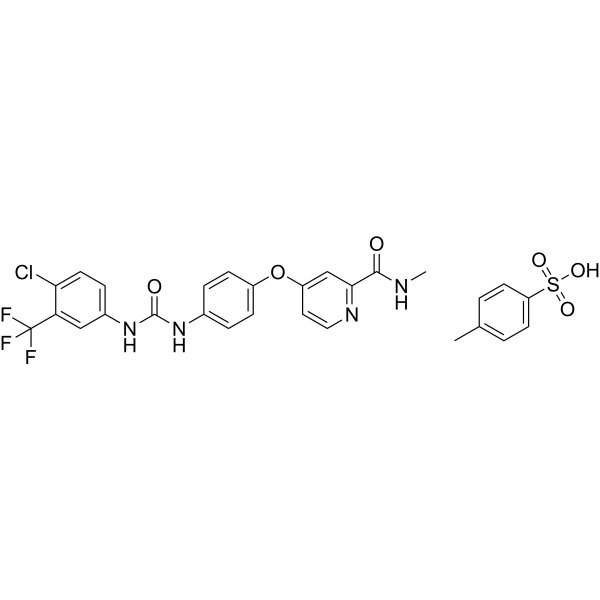
Sorafenib (Bay 43-9006) tosylate is a potent oral active multikinase inhibitor. Sorafenib blocks autophosphorylation and activity of receptor tyrosine kinases (VEGFR-2, VEGFR-3) and RAF family kinases, thereby suppressing the RAF/MEK/ERK and PI3K/Akt pathways, inhibiting STAT3 phosphorylation, and selectively inhibiting the MAPK pathway in cancer cells. Sorafenib tosylate induces cell cycle arrest, autophagy, apoptosis, and PARP cleavage, reduces Bcl-2, Bcl-XL, cyclin D1 levels, and activates Bak and Bax. Sorafenib tosylate inhibits tumor growth and metastasis in mouse and rat models. Sorafenib tosylate can be used for cancer research, such as colon, breast, non-small-cell lung cancer (NSCLC), ovarian, pancreatic, melanoma, colorectal and hepatocellular carcinoma .
loading...
    loading...
8
8 Cited Publications
Cat. No.: HY-P1098
CAS No.: 151988-33-9
Target:  

Annexin A NF-κB

Research Areas:  

Inflammation/Immunology

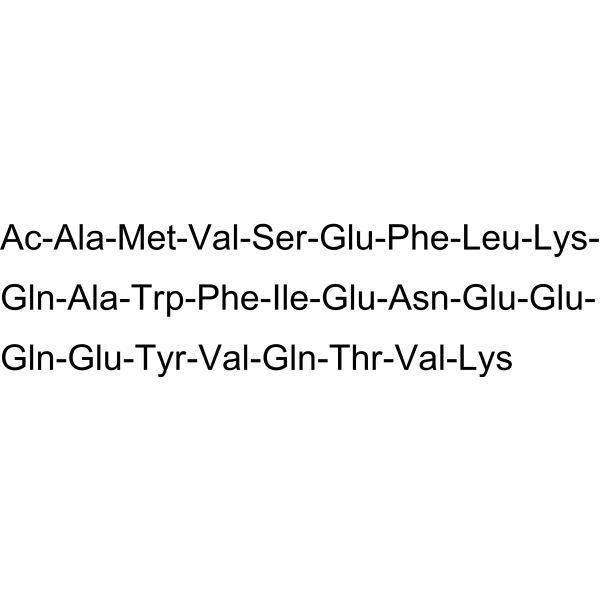
Ac2-26 is the N-terminal peptide of annexin 1, and has anti-inflammatory activity. Ac2-26 induces a decrease in IKKβ protein in lysosomes by chaperone-mediated autophagy (CMA). Ac2-26 ameliorates lung ischemia-reperfusion injury. Ac2-26 also inhibits airway inflammation and hyperresponsiveness in an asthma rat model .
loading...
    loading...
8
8 Cited Publications
Cat. No.: HY-P1098A
Target:  

Annexin A NF-κB

Research Areas:  

Inflammation/Immunology

Ac2-26 TFA is the N-terminal peptide of annexin 1, and has anti-inflammatory activity. Ac2-26 induces a decrease in IKKβ protein in lysosomes by chaperone-mediated autophagy (CMA). Ac2-26 ameliorates lung ischemia-reperfusion injury. Ac2-26 also inhibits airway inflammation and hyperresponsiveness in an asthma rat model .
loading...
    loading...
8
8 Cited Publications
Cat. No.: HY-P1098B
Target:  

IKK

Research Areas:  

Inflammation/Immunology

Ac2-26 ammonium is the N-terminal peptide of annexin 1, and has anti-inflammatory activity. Ac2-26 ammonium induces a decrease in IKKβ protein in lysosomes by chaperone-mediated autophagy (CMA). Ac2-26 ammonium ameliorates lung ischemia-reperfusion injury. Ac2-26 ammonium also inhibits airway inflammation and hyperresponsiveness in an asthma rat model .
loading...
    loading...
6
6 Cited Publications
Cat. No.: HY-B0182
CAS No.: 61422-45-5
Synonyms: HCFU
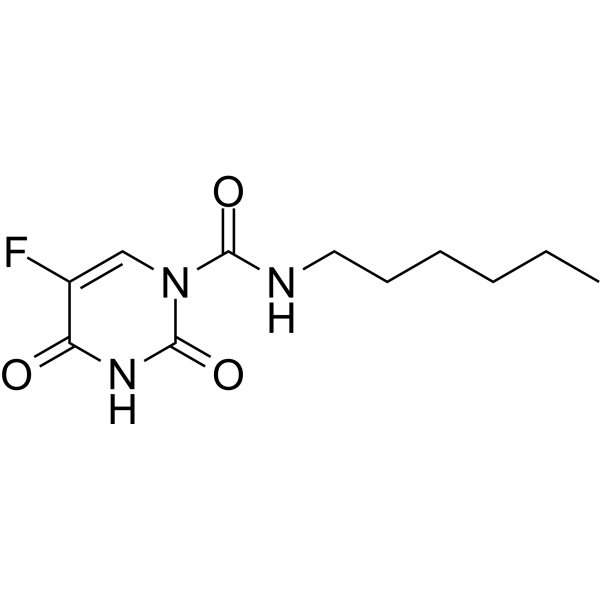
Carmofur (HCFU) is a rat recombinant acid ceramidase inhibitor with an IC50 of 29 nM. Carmofur is also a protease inhibitor of SARS-CoV-2 main protease (Mpro), fatty acid amide hydrolase (FAAH) and N-acylethanolamine acid amidase (NAAA). Carmofur has anti-cancer, anti-inflammatory and anti-virus activities, and can be used for the study of COVID-19 and acute lung injury (ALI) .
loading...
    loading...
4
4 Cited Publications
Cat. No.: HY-N1462
CAS No.: 102130-43-8
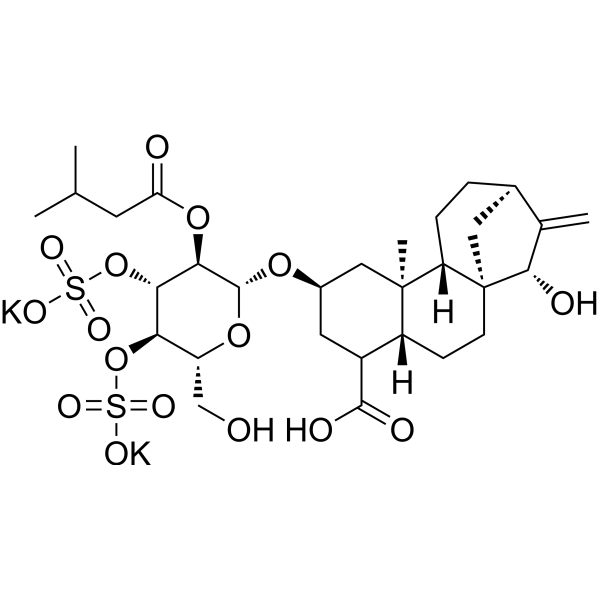
Atractyloside potassium salt is a powerful and specific inhibitor of mitochondrial ADP/ATP transport. Atractyloside potassium salt inhibits chloride channels from mitochondrial membranes of rat heart. Atractyloside potassium salt activates autophagy, inhibits ANT2, mTOR and promotes the activation of p-AMPK. Atractyloside potassium salt has anti-cancer effects on non-small cell lung cancer and can inhibit liver steatosis. Atractylodesin potassium salt has nephrotoxicity .
loading...
    loading...
4
4 Cited Publications
Cat. No.: HY-B0735A
CAS No.: 67227-57-0
Synonyms: Fenoldopam methanesulfonate; SKF-82526 mesylate
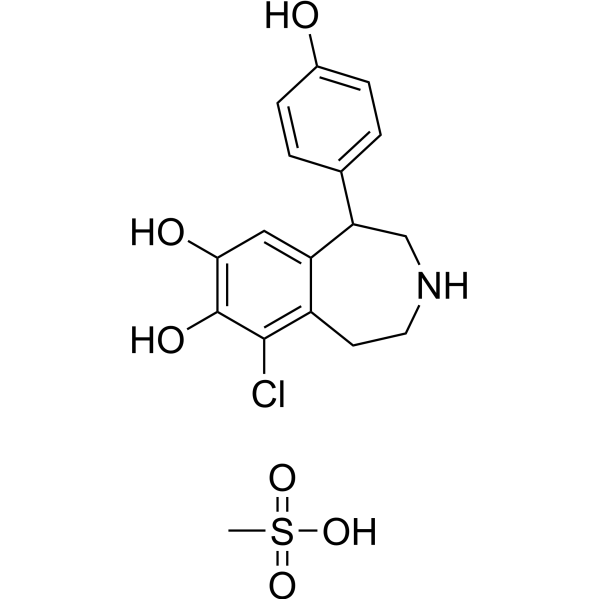
Fenoldopam (SKF-82526) mesylate is a selective dopamine D1 receptor agonist. Fenoldopam mesylate binds to rat D1B dopamine receptors (Kd = 11 nM) and human D1A receptors (Kd = 17 nM) in COS-7 cell membranes expressing the cloned receptors. Fenoldopam mesylate modulates dopamine receptor expression, induces vasorelaxation in vascular tissues, reverses glomerular hyperfiltration in rat models, increases intracellular cAMP levels, promotes DARPP-32 phosphorylation in small cell lung cancer (SCLC) cells, inhibits cytokine secretion, and downregulates T cell activation markers in activated human T cells. Fenoldopam mesylate can be used for research on hypertension, acute kidney injury, psoriasis, and small cell lung cancer .
loading...
    loading...
2
2 Cited Publications
Cat. No.: HY-101381
CAS No.: 102394-31-0
Purity:  99.93%
Synonyms: AF-DX 116
Target:  

mAChR

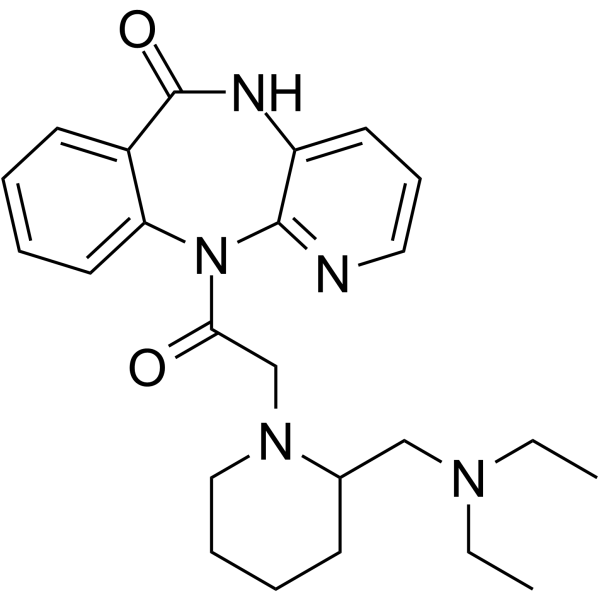
Otenzepad (AF-DX 116) is a selective and competitive M2 muscarinic acetylcholine receptor antagonist, with IC50 values of 640 nM and 386 nM for rabbit peripheral lung and rat heart, respectively .
loading...
    loading...
2
2 Cited Publications
Cat. No.: HY-12119
CAS No.: 210354-22-6
Purity:  ≥98.0%
Target:  

NO Synthase

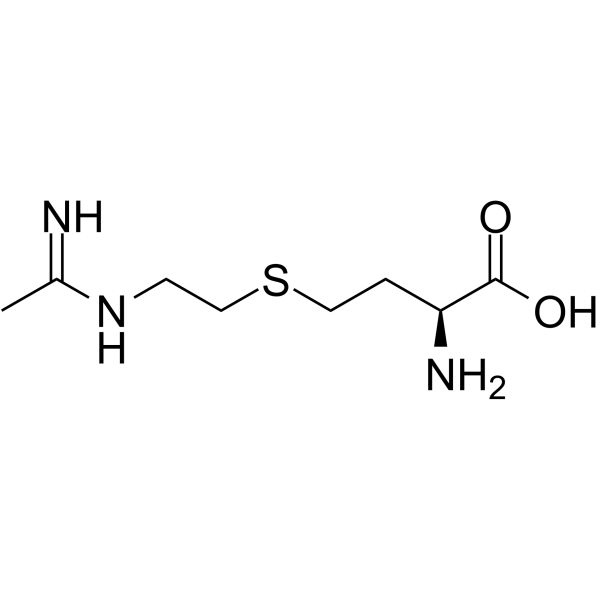
GW274150 is a potent, selective, orally active and NADPH-dependent inhibitor of human inducible nitric oxide synthase (iNOS) (IC50=2.19 μM; Kd=40 nM) and rat iNOS (ED50=1.15 μM). GW274150 also displays less potency for both humans or rats endothelial NOS (eNOS) and neuronal NOS (nNOS). GW274150 exerts a protective role in an acute model of lung injury inflammation .
loading...
    loading...
2
2 Cited Publications
Cat. No.: HY-12119A
CAS No.: 438542-15-5
Purity:  99.85%
Target:  

NO Synthase

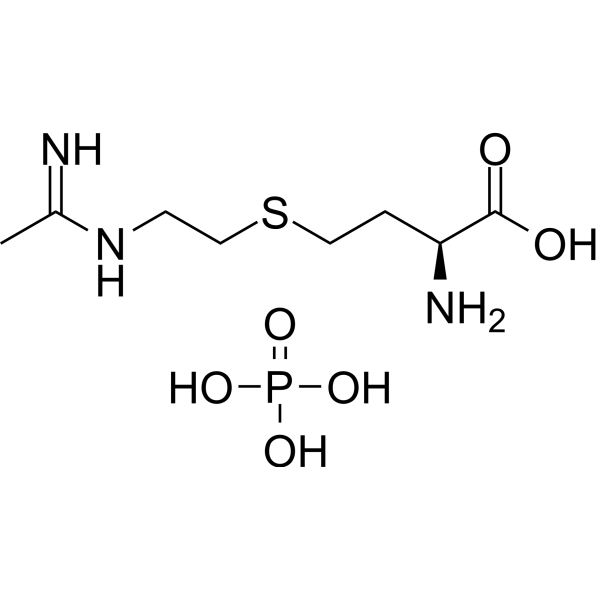
GW274150 phosphate is a potent, selective, orally active and NADPH-dependent inhibitor of human inducible nitric oxide synthase (iNOS) (IC50=2.19 μM; Kd=40 nM) and rat iNOS (ED50=1.15 μM). GW274150 phosphate displays less potency for both humans or rats endothelial NOS (eNOS) and neuronal NOS (nNOS). GW274150 phosphate exerts a protective role in an acute model of lung injury inflammation .
loading...
    loading...
2
2 Cited Publications
Cat. No.: HY-14218
CAS No.: 97-39-2
Purity:  99.66%
Synonyms: 1,3-Di-o-tolylguanidine; DTG
Target:  

Sigma Receptor

Research Areas:  

Neurological Disease

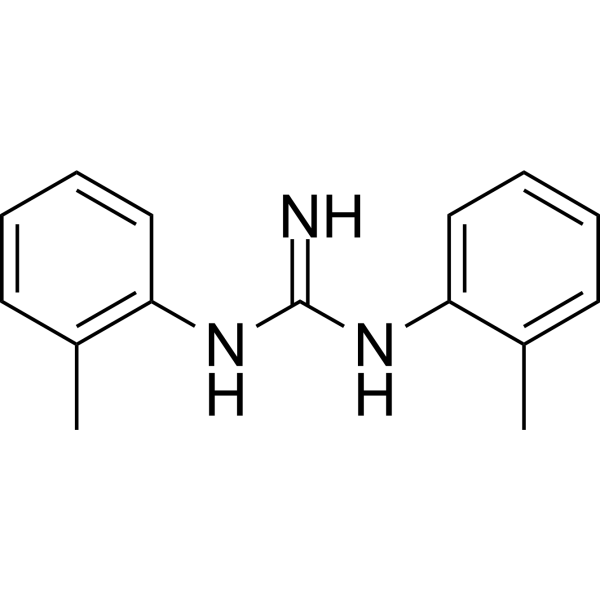
Ditolylguanidine (1,3-Di-o-tolylguanidine) is an agonist of sigma receptor (σ1/σ2 receptor) with Ki values of 69 and 21 nM for σ1 and σ2 receptors, respectively. Ditolylguanidine effectively inhibits the growth of small cell lung cancer cells. Ditolylguanidine can be used for the research of lung cancer .
loading...
    loading...
1
1 Cited Publications
Cat. No.: HY-10201S
CAS No.: 1130115-44-4
Purity:  98.17%
Synonyms: Donafenib; Bay 43-9006-d3
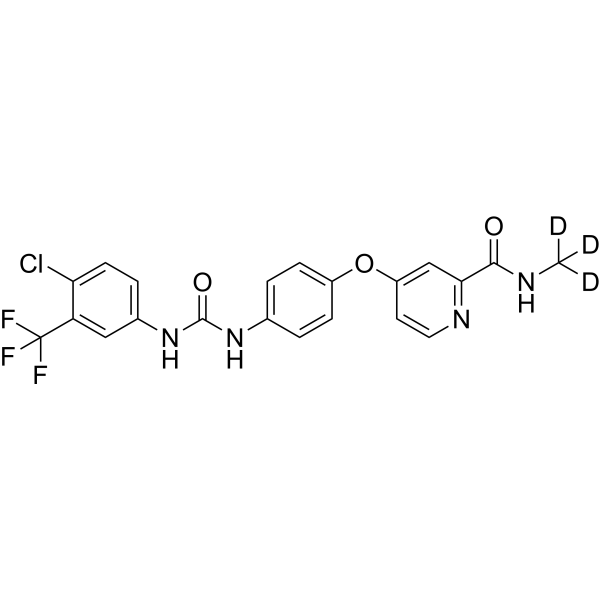
Sorafenib-d3 (Donafenib) is the deuterated-labeled Sorafenib (HY-10201). Sorafenib (Bay 43-9006) is a potent oral active multikinase inhibitor. Sorafenib blocks autophosphorylation and activity of receptor tyrosine kinases (VEGFR-2, VEGFR-3) and RAF family kinases, thereby suppressing the RAF/MEK/ERK and PI3K/Akt pathways, inhibiting STAT3 phosphorylation, and selectively inhibiting the MAPK pathway in cancer cells. Sorafenib induces cell cycle arrest, autophagy, apoptosis, and PARP cleavage, reduces Bcl-2, Bcl-XL, cyclin D1 levels, and activates Bak and Bax. Sorafenib inhibits tumor growth and metastasis in mouse and rat models. Sorafenib can be used for cancer research, such as colon, breast, non-small-cell lung cancer (NSCLC), ovarian, pancreatic, melanoma, colorectal and hepatocellular carcinoma .
loading...
    loading...
1
1 Cited Publications
Cat. No.: HY-B1505
CAS No.: 652-37-9
Synonyms: Theophyllineacetic acid; Theophylline-7-acetic acid
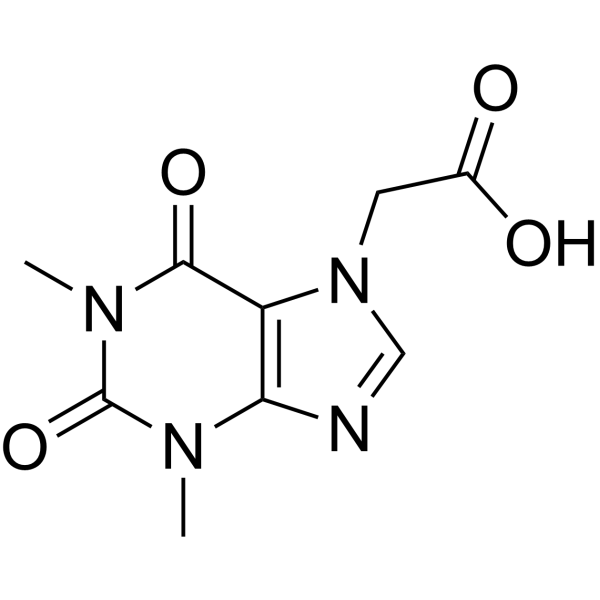
Acefylline (Theophyllineacetic acid), a xanthine derivative, is an Adenosine Receptor antagonist. Acefylline is a peptidylarginine deiminase (PAD) activator. Acefylline is also a bronchodilator and cardiac stimulant that inhibits rat lung cAMP phosphodiesterase isoenzymes. Acefylline can be used in asthma research .
loading...
    loading...
1
1 Cited Publications
Cat. No.: HY-135115
CAS No.: 31773-95-2
Purity:  95.16%
Synonyms: 3,4-DHPEA-EA
Oleuropein Aglycone (3,4-DHPEA-EA) is a polyphenol and the aglycone form of oleuropein (HY-N0292), formed by enzymatic, acidic or acetylated hydrolysis of oleuropein. Dietary intake of oleuropein Aglycone (50 mg/kg diet) increases the number of neuronal autophagic vesicles, reverses cognitive deficits in the TgCRND8 transgenic mouse model of Alzheimer's disease, and reduces the levels of histone deacetylase 2 (HDAC2) in the cortex and hippocampus. Oleuropein Aglycone increases urinary norepinephrine, interscapular brown adipose tissue epinephrine, and UCP1 protein levels, and reduced plasma leptin levels and total abdominal adipose tissue weight in a rat model of high-fat diet-induced obesity. Oleuropein Aglycone also reduced lung neutrophil infiltration, lipid peroxidation, and IL-1β levels in a mouse model of carrageenan-induced pleurisy.
loading...
    loading...
1
1 Cited Publications
Cat. No.: HY-P73101
Purity:  ≥ 90%, as determined by reducing SDS-PAGE.
Synonyms: HGF; Hepatocyte Growth Factor (Hepapoietin A; Scatter Factor); Prev. DFNB39; lung Fibroblast-Derived Mitogen; HPTA; Hepatopoietin-A; SF; Scatter Factor; F-TCF; Deafness, Autosomal Recessive 39; HGFB; Hepatopoietin A; Hepatocyte Growth Factor; Fibroblast-D
Species:  
Rat
Source:  
loading...
    loading...
1
1 Cited Publications
Cat. No.: HY-10201S2
CAS No.: 1210608-86-8
Purity:  98.35%
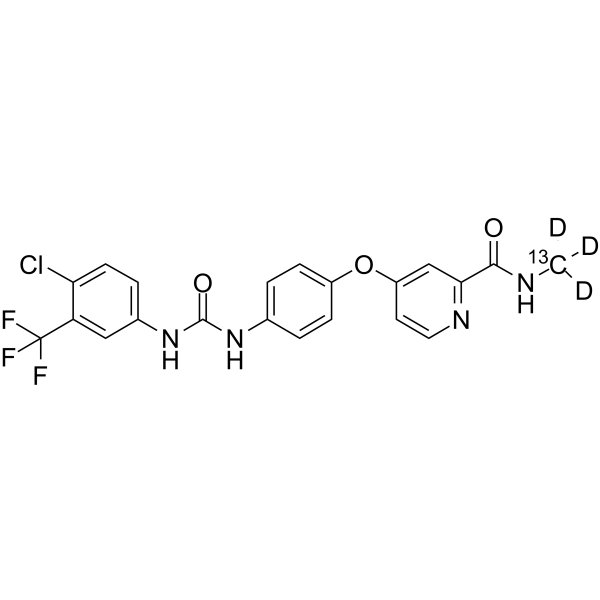
Synonyms: Bay 43-9006-13C,d3
Sorafenib- 13C,d3 (Bay 43-9006- 13C,d3) is the 13C, deuterated-labeled Sorafenib (HY-10201). Sorafenib (Bay 43-9006) is a potent oral active multikinase inhibitor. Sorafenib blocks autophosphorylation and activity of receptor tyrosine kinases (VEGFR-2, VEGFR-3) and RAF family kinases, thereby suppressing the RAF/MEK/ERK and PI3K/Akt pathways, inhibiting STAT3 phosphorylation, and selectively inhibiting the MAPK pathway in cancer cells. Sorafenib induces cell cycle arrest, autophagy, apoptosis, and PARP cleavage, reduces Bcl-2, Bcl-XL, cyclin D1 levels, and activates Bak and Bax. Sorafenib inhibits tumor growth and metastasis in mouse and rat models. Sorafenib can be used for cancer research, such as colon, breast, non-small-cell lung cancer (NSCLC), ovarian, pancreatic, melanoma, colorectal and hepatocellular carcinoma .
loading...
    loading...
Cat. No.: HY-103193
CAS No.: 138605-00-2
Purity:  99.86%
Synonyms: Colforsin dapropate hydrochloride
Target:  

Adenylate Cyclase

Research Areas:  

Cardiovascular Disease

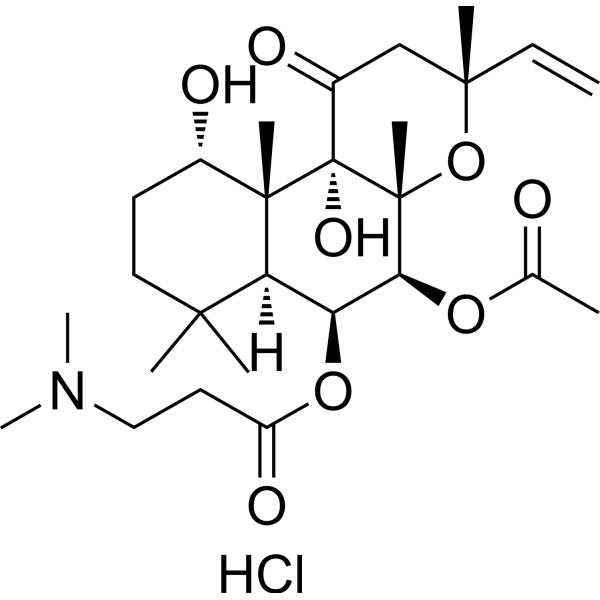
NKH477 (Colforsin dapropate hydrochloride) directly activates the catalytic unit of adenylate cyclase and increases intracellular cAMP. NKH477 is a forskolin derivative that improves cardiac failure mainly through its beneficial effects on diastolic cardiac function. NKH477 exerts an antiproliferative effect in vivo with an altered cytokine profile to inhibit the acute rejection of rat orthotopic lung allografts .
loading...
    loading...
Cat. No.: HY-P990106

Target:  

VEGFR Apoptosis

Research Areas:  

Cancer

Anti-Mouse VEGFR-2 Antibody (DC101) is a rat anti-mouse VEGFR2 monoclonal antibody. Anti-Mouse VEGFR-2 Antibody (DC101) inhibits tumor angiogenesis by blocking the binding of VEGF and VEGFR2. Anti-Mouse VEGFR-2 Antibody (DC101) promotes immune cell infiltration and induces tumor cell apoptosis. Anti-Mouse VEGFR-2 Antibody (DC101) can be used for researches on various types of cancer such as melanoma, lung cancer and breast cancer .
loading...
    loading...
Cat. No.: HY-W017982
CAS No.: 55965-84-9
Synonyms: CMI/MI
CMIT/MIT (14.5% in water) (CMI/MI) is a mixture of CMIT and MIT, and is also a preservative and skin sensitizer. CMIT/MIT (14.5% in water) increases the levels of phosphorylated ERK1/2, p38, JNK1/2, p53, p21 and Bax, decreases the level of Bcl-2, and activates the Nrf-2/HO-1 signaling pathway. CMIT/MIT (14.5% in water) increases LDH release and lipid peroxidation levels, impairs antioxidant defense capacity, promotes pro-inflammatory cytokine release, induces apoptosis, triggers cell cycle arrest, exhibits neurotoxicity in neuroblastoma cells, and causes dysregulation of Th2/Th17 immune responses. CMIT/MIT (14.5% in water) can be used in studies related to allergy, atopic dermatitis and lung injury .
loading...
    loading...

