1. Search Result
Search Result
Results for "

rearranged

" in MedChemExpress (MCE) Product Catalog:

116

Inhibitors & Agonists

1

Fluorescent Dyes

6

Biochemical Assay Reagents

3

Peptides

1

Inhibitory Antibodies

5

Natural
Products

1

Recombinant Proteins

1

Click Chemistry

4

Oligonucleotides

Cat. No. Product Name Target Research Areas Chemical Structure
  • HY-136175
    Revumenib
    Maximum Cited Publications
    15 Publications Verification

    SNDX-5613

    Epigenetic Reader Domain Cancer
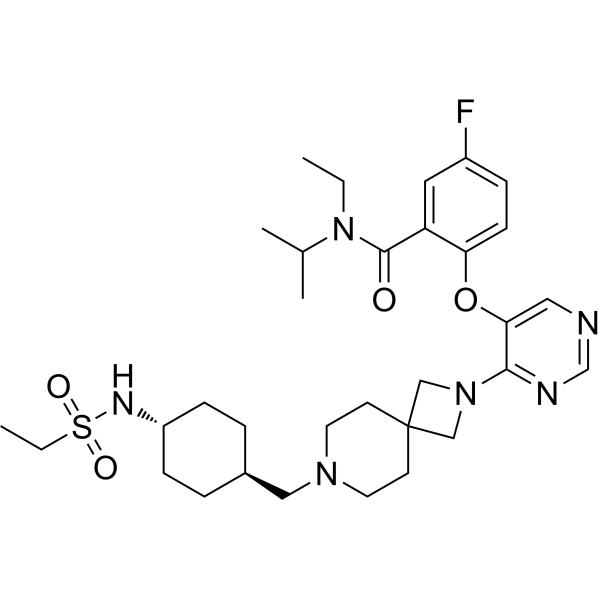
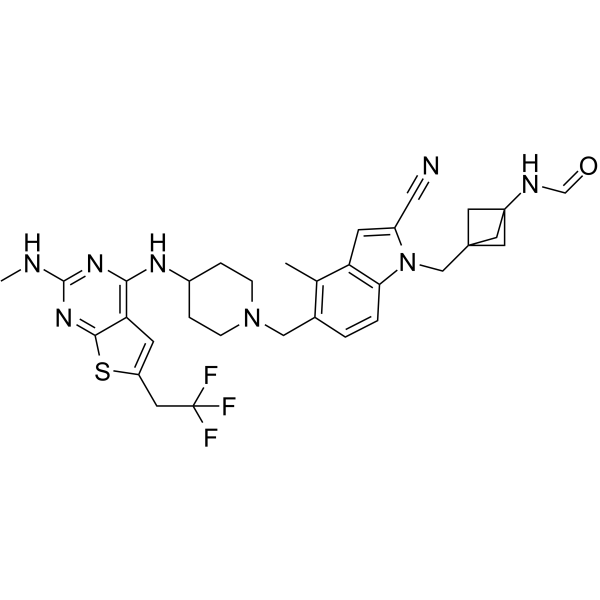
    Revumenib (SNDX-5613) is a potent and specific Menin-MLL inhibitor with a binding Ki of 0.149 nM and a cell based IC50 of 10-20 nM. Revumenib can be used for the research of MLL-rearranged (MLL-r) acute leukemias, including acute lymphoblastic leukemia (ALL) and acute myeloid leukemia (AML) .
    Revumenib
  • HY-16993
    OICR-9429
    Maximum Cited Publications
    15 Publications Verification

    Apoptosis WDR5 Cancer
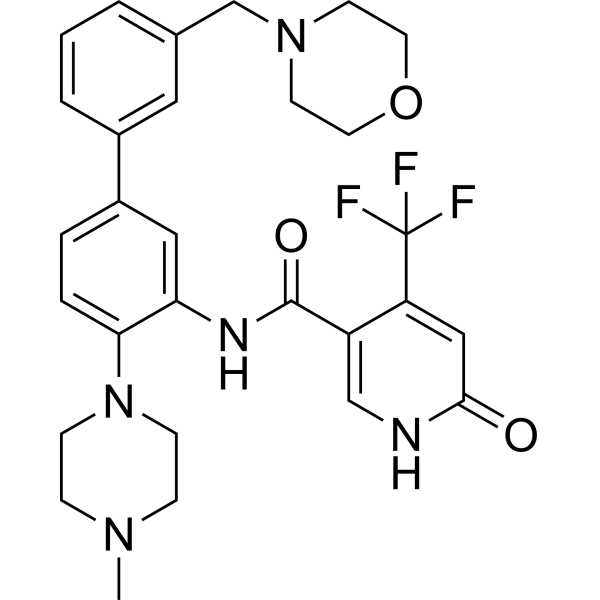
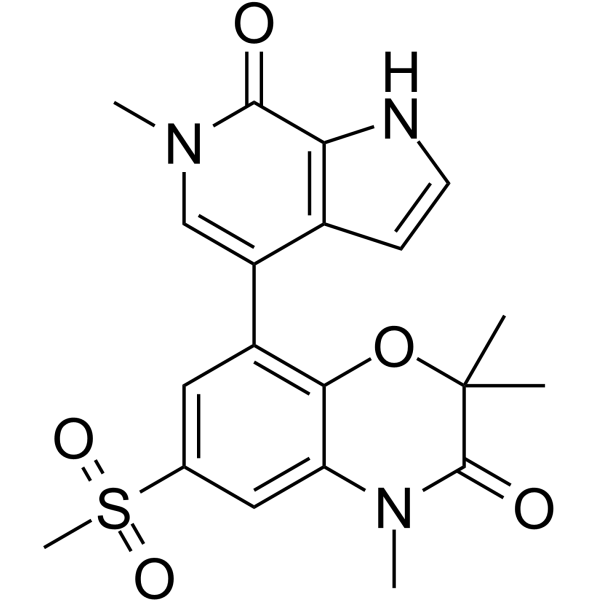
    OICR-9429, a chemical probe, is high affinity WD repeat domain 5 (WDR5) inhibitor, competitively blocks WDR5 interaction with MLL protein via binding the central peptide-binding pocket of WDR5. OICR-9429 can suppress histone H3K4 trimethylation and can be used for the research of various cancers including non-MLL-rearranged leukaemia, colon, pancreatic, prostate cancer and bladder cancer (BCa) .
    OICR-9429
  • HY-131003
    Taletrectinib
    2 Publications Verification

    DS-6051b; AB-106; IBI-344

    ROS Kinase Cancer
    Taletrectinib (DS-6051b) is a potent, orally active, and next-generation selective ROS1/NTRK inhibitor. Taletrectinib potently inhibits recombinant ROS1, NTRK1, NTRK2, and NTRK3 with IC50s of 0.207, 0.622, 2.28, and 0.98 nM, respectively. Taletrectinib also inhibits ROS1 G2032R and other Crizotinib-resistant ROS1 mutants .
    Taletrectinib
  • HY-15227
    EPZ004777
    5+ Cited Publications

    Histone Methyltransferase Apoptosis Inflammation/Immunology Cancer
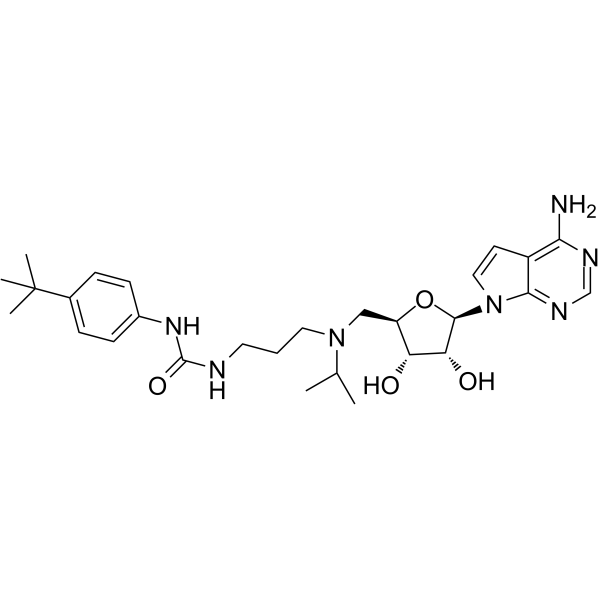
    EPZ004777 is an effective and selective DOT1L inhibitor, with IC50 being 0.4 nM. EPZ004777 reduces the levels of H3K79me2 and H3K79me1, significantly down-regulating the expression of HOXA9 and MEIS1. EPZ004777 selectively inhibits the proliferation of MLL rearrangement cells and promotes the differentiation and subsequent apoptosis (apoptosis) of leukemia cells. EPZ004777 can be used for the study of leukemia .
    EPZ004777
  • HY-148033

    N,N,N-Trimethylchitosan

    Drug Derivative Others
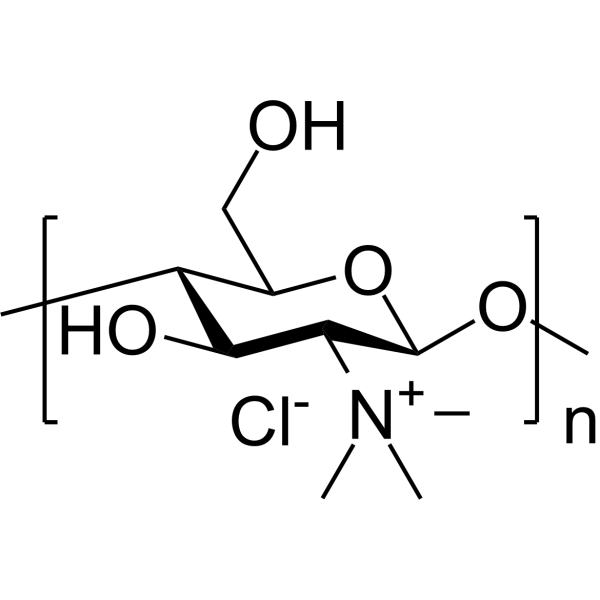
    Trimethyl chitosan (N,N,N-Trimethylchitosan) is a multifunctional polymer and a derivative of Chitosan (HY-B2144A). Trimethyl chitosan targets the absorption enhancing proteins of tight junctions of intestinal and mucosal epithelial cells, induces tight junction protein rearrangement, and increases intercellular permeability. Trimethyl chitosan can stimulate the activity of promoting transmembrane transport of hydrophilic drugs (such as peptides and proteins) and can be used for drug delivery and synthesis of nanoparticles .
    Trimethyl chitosan
  • HY-169996

    Molecular Glues NOD-like Receptor (NLR) Interleukin Related Neurological Disease Inflammation/Immunology
    NP3-253 is an orally active and brain-penetranted NLRP3 inflammasome inhibitor. NP3-253 functions as a molecular glue that prevents NACHT-subdomain rearrangements, locking NLRP3 in an inactive conformation. NP3-253 inhibits production of pro-inflammatory cytokines IL-1β and IL-18. NP3-253 can be used for the research of inflammation and neurological disease, suah as peritonitis .
    NP3-253
  • HY-N6727
    Gliotoxin
    2 Publications Verification

    Aspergillin

    Apoptosis PKA NF-κB Bacterial Fungal Antibiotic Infection Inflammation/Immunology Cancer
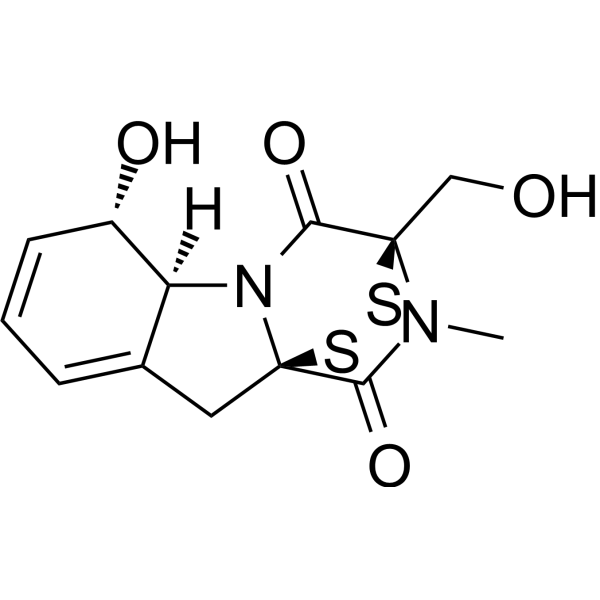
    Gliotoxin is a secondary metabolite, the most abundant mycotoxin secreted by A. fumigatus, inhibits the phagocytosis of macrophages and the immune functions of other immune cells . Gliotoxin inhibits inducible NF-κB activity by preventing IκB degradation, which consequently induces host-cell apoptosis . Gliotoxin activates PKA and increases intracellular cAMP concentration; modulates actin cytoskeleton rearrangement to facilitate A. fumigatus internalization into lung epithelial cells . Gliotoxin is a potent NOTCH2 transactivation inhibitor, can effectively induce apoptosis of chronic lymphocytic leukemia (CLL) cells .
    Gliotoxin
  • HY-162250

    PROTACs Histone Methyltransferase Cancer
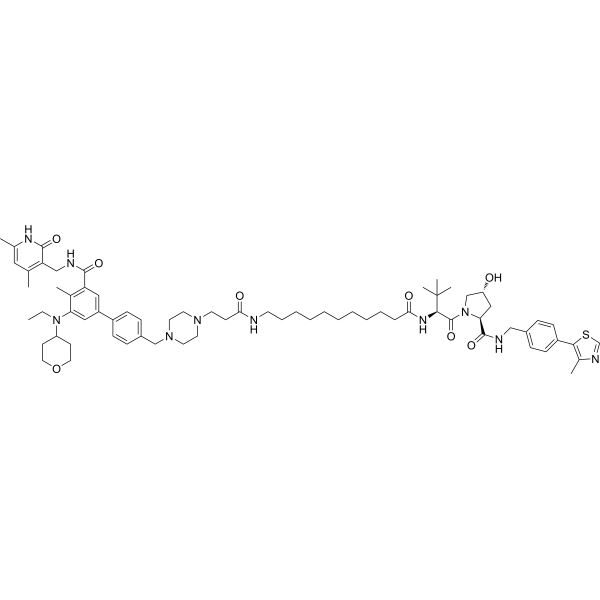
    MS8847 is a PROTAC degrader and antiproliferative agent targeting EZH2 (DC50=34.4 nM in EOL-1 MLL-rAML cells). MS8847 recruits the E3 ligase von Hippel-Lindau (VHL) to mediate the degradation of EZH2 via the ubiquitin-proteasome system. MS8847 induces antiproliferative effects in MLL-rearranged acute myeloid leukemia cells and inhibits the growth of triple-negative breast cancer cell lines or 3D triple-negative breast cancer models. MS8847 is applicable to research related to MLL-rearranged acute myeloid leukemia and triple-negative breast cancer .
    MS8847
  • HY-172416

    ZE63-0302

    Epigenetic Reader Domain Cancer
    Balomenib (ZE63-0302) is an orally bioavailable menin-KMT2A interaction inhibitor. Balomenib disrupts menin-KMT2A binding, reverses aberrant HOX gene expression. Balomenib inhibits Meis1 mRNA expression in KMT2A-rearranged acute myeloid leukemia cells. Balomenib can be used for the research of leukemia .
    Balomenib
  • HY-15222
    Menin-MLL inhibitor MI-2
    4 Publications Verification

    Epigenetic Reader Domain Apoptosis Cancer
    Menin-MLL inhibitor MI-2 is a competitive and selective Menin-MLL interaction inhibitor with an IC50 value of 446 nM and a Ki value of 158 nM. Menin-MLL inhibitor MI-2 downregulates the expression of target genes such as HOXA9 and MEIS1, inhibits proliferation of leukemia cells and induces apoptosis and differentiation. Menin-MLL inhibitor MI-2 is proming for rasearch of MLL-rearranged acute leukemias (e.g., AML, ALL) .
    Menin-MLL inhibitor MI-2
  • HY-151902

    PROTACs JAK Cancer
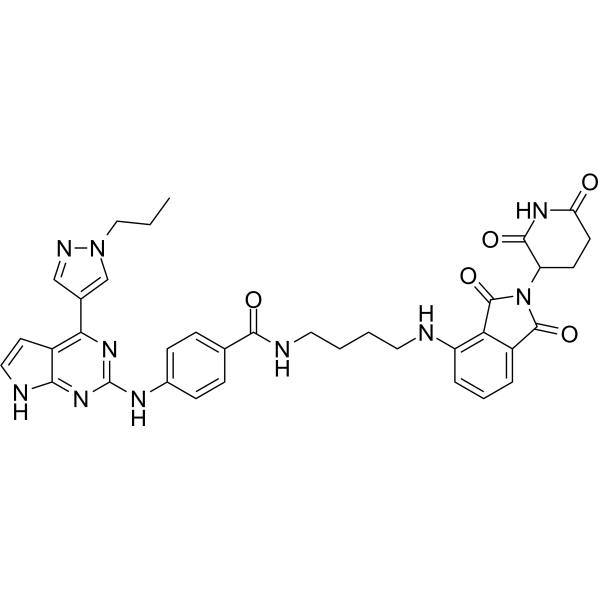
    SJ988497 is a PROTAC JAK2 degrader. SJ988497 potently inhibits CRLF2-rearranged (CRLF2r) cell proliferation and degrades the CRBN neosubstrate GSPT1. SJ988497 consists of a Ruxolitinib (HY-50856) derivative, linker, and CRBN ligand Pomalidomide. SJ988497 can be used in the research of acute lymphoblastic leukemia (ALL) .
    SJ988497
  • HY-175200

    Slit Proteins Neurological Disease Cancer
    DEL-S1 is a SLIT2 binder. DEL-S1 significantly inhibits the formation of the SLIT2/ROBO1 complex by inducing conformational rearrangement, and further suppresses its function, with an IC50 of 68.8 μM. DEL-S1 can be used in studies of neurodevelopment, immunomodulation, and cancers such as glioblastoma .
    DEL-S1
  • HY-138053

    Ristomycin III

    Antibiotic Cardiovascular Disease Infection
    Ristocetin A sulfate (Ristomycin III) is a glycopeptide antibiotic that binds to von Willebrand factor (VWF) and bacterial cell wall components. Ristocetin A sulfate interferes with the biosynthesis of bacterial peptidoglycan by inhibiting transpeptidation. As an inducer of platelet adhesion and aggregation, Ristocetin A sulfate drives conformational changes by binding to the A1 domain of VWF, thereby activating downstream signaling pathways and promoting cytoskeletal rearrangement. Ristocetin A sulfate not only enhances platelet adhesion and spreading on immobilized VWF, but also induces the formation of asymmetric dimers with anticooperativity between platelets and plasma VWF. Ristocetin A sulfate is widely used in studies related to thromboembolic diseases and bacterial infections .
    Ristocetin A sulfate
  • HY-112301A

    trans-BLU-667

    RET Cancer
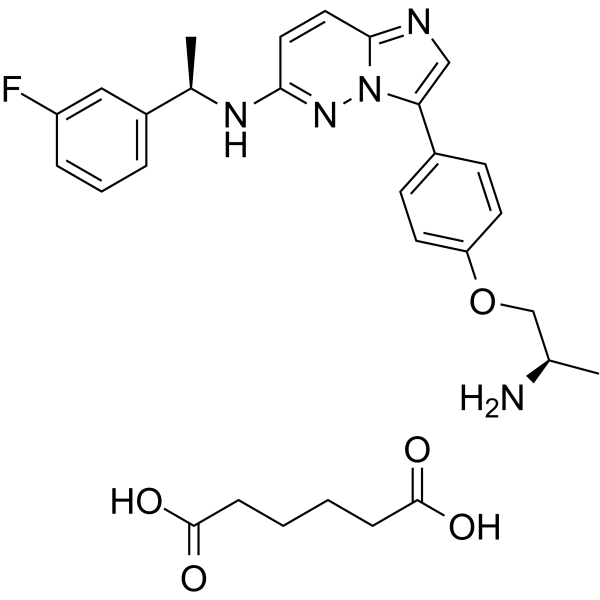
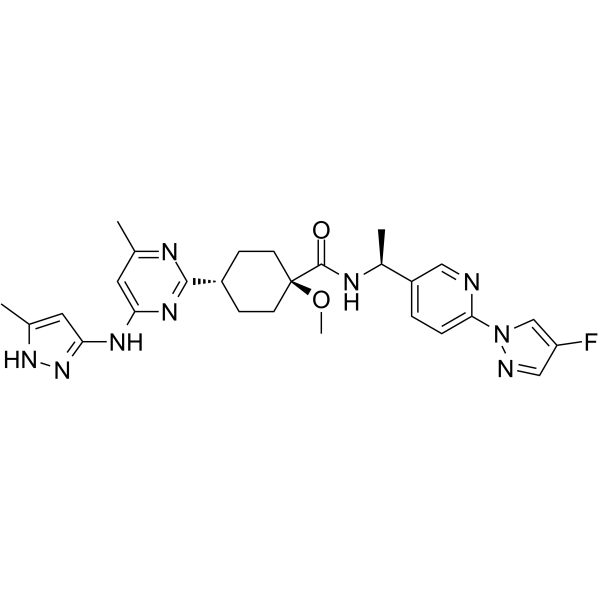
    trans-Pralsetinib (trans-BLU-667) is a rearranged during transfection (RET) inhibitor extracted from patent US20170121312A1, Compound Example 129 .
    trans-Pralsetinib
  • HY-W008325

    Amino Acid Derivatives Others
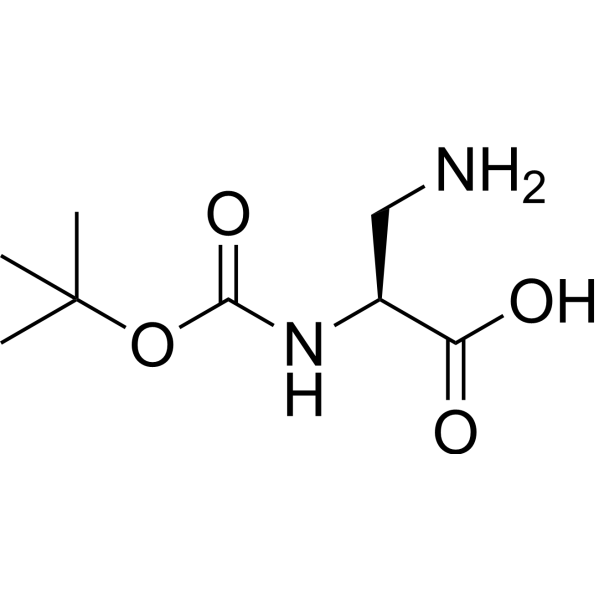
    Boc-L-Dap-OH is a Boc-protected derivative of L-2,3-diaminopropionic acid. Boc-L-Dap-OH is an important chiral amino acid derivative. Boc-L-Dap-OH can be generated via the Hofmann rearrangement of Boc-L-asparagine. Boc-L-Dap-OH serves as a starting material for the preparation of BIM analogs .
    Boc-L-Dap-OH
  • HY-136360
    MI-3454
    3 Publications Verification

    Epigenetic Reader Domain Cancer
    MI-3454 is an orally active, highly potent and selective menin-MLL1 interaction inhibitor with an IC50 of 0.51 nM. MI-3454 inhibits proliferation, induces differentiation and complete remission or regression of leukemia in mouse models of MLL1-rearranged or NPM1-mutated leukemia through downregulation of key genes involved in leukemogenesis .
    MI-3454
  • HY-W042557

    Biochemical Assay Reagents Others
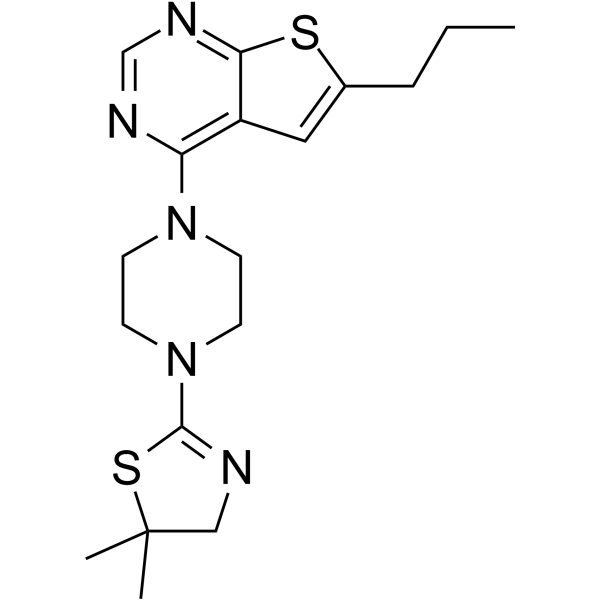
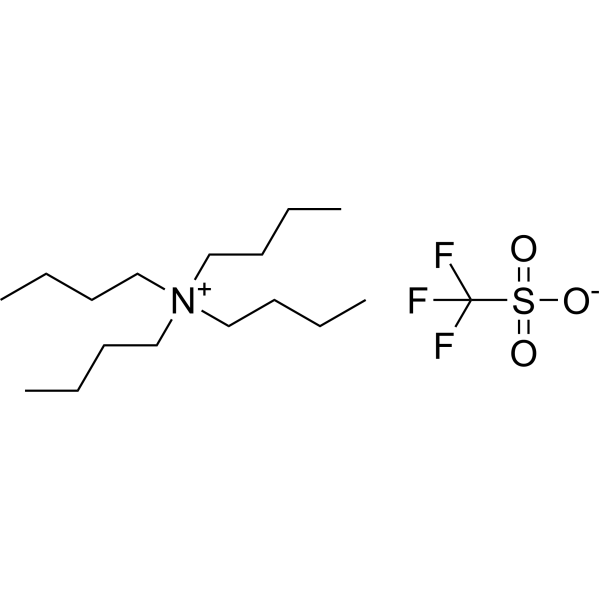
    Tetrabutylammonium trifluoromethanesulfonate, commonly known as TBAOTf. TBAOTf is widely used as a strong acid catalyst and phase transfer agent in organic synthesis, especially for reactions involving nucleophilic substitution, elimination, and rearrangement, in addition, it is also used as an electrolyte additive for rechargeable batteries and a stabilizer of supercritical fluids Due to its high stability, solubility and selectivity, TBAOTf is considered to be a highly efficient and multifunctional reagent in various applications.
    Tetrabutylammonium trifluoromethanesulfonate
  • HY-156135

    MDM-2/p53 RET DNA/RNA Synthesis Apoptosis Caspase Endocrinology Cancer
    NSC194598 is a p53 DNA-binding inhibitor with an IC50 value of 180 nM. NSC194598 inhibits p53 DNA binding and induction of target genesn when p53 is stabilized and activated by irradiation or chemotherapy. NSC194598 can interfere with transcriptional activation of mutated rearranged during transfection (RET) gene, induce apoptosis and G0/G1 phase arrest. NSC194598 can be used for the researches of acute radiation toxicity and medullary thyroid carcinoma .
    NSC194598
  • HY-149127

    ASC-JM17; ALZ-003

    Keap1-Nrf2 Androgen Receptor HSP Mitophagy Ferroptosis Apoptosis Reactive Oxygen Species (ROS) Autophagy Metabolic Disease
    Rosolutamide (ASC-JM17) is an orally active Nrf1/Nrf2 activator. Rosolutamide activates Hsf1 pathways, upregulates proteasome subunits and antioxidant enzymes, induces proteasome complex structural rearrangement, and enhances ubiquitin-proteasome system-mediated degradation. Rosolutamide reduces mutant androgen receptor and ataxin-3 aggregates, restores mitochondrial function, attenuates reactive oxygen species (ROS) levels, induces apoptosis and ferroptosis, and inhibits cancer cell growth. Rosolutamide can be used for the research of spinal and bulbar muscular atrophy, Huntington’s disease, and temozolomide-resistant glioblastoma .
    Rosolutamide
  • HY-P3245A

    Apoptosis Cancer
    HXR9 hydrochloride is a cell-permeable peptide and a competitive antagonist of HOX/PBX interaction. HXR9 hydrochloride antagonizes the interaction between HOX and a second transcrip-tion factor (PBX), which binds to HOX proteins in paralogue groups1 to 8. HXR9 hydrochloride selectively decreases cell proliferation and promotes apoptosis in cells with a high level of expression of the HOXA/PBX3 genes, such as MLL-rearranged leukemic cells .
    HXR9 hydrochloride
  • HY-15227A
    EPZ004777 hydrochloride
    5+ Cited Publications

    Histone Methyltransferase Apoptosis Inflammation/Immunology Cancer
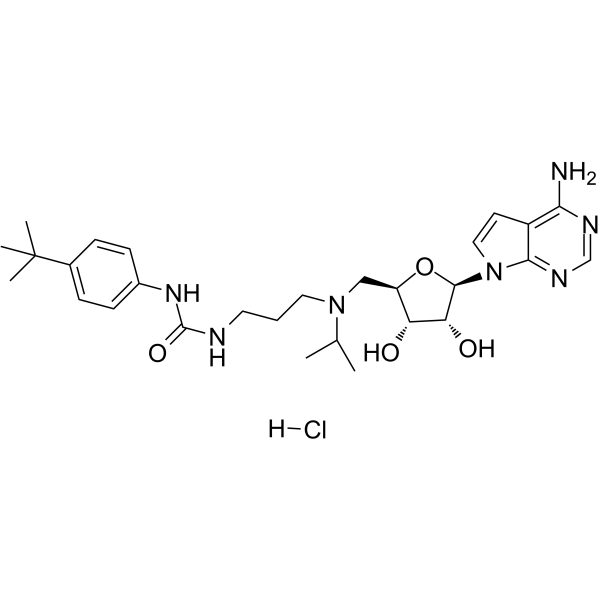
    EPZ004777 hydrochloride is an effective and selective DOT1L inhibitor, with IC50 being 0.4 nM. EPZ004777 hydrochloride reduces the levels of H3K79me2 and H3K79me1, significantly down-regulating the expression of HOXA9 and MEIS1. EPZ004777 hydrochloride selectively inhibits the proliferation of MLL rearrangement cells and promotes the differentiation and subsequent apoptosis (apoptosis) of leukemia cells. EPZ004777 hydrochloride can be used for the study of leukemia .
    EPZ004777 hydrochloride
  • HY-151672

    ADC Linker Others
    Biotin-TEG-ATFBA is a click chemistry reagent containing a perfluorophenylazide group. Biotin-TEG-ATFBA forms a highly stable azene intermediate that undergoes insertion and addition reactions (non-intermolecular rearrangement) in moderate to good yields after photolysis. It contains an azide group and can undergo copper-catalyzed azide-alkyne cycloaddition (CuAAc) with molecules containing alkyne groups. It can also undergo ring strain-promoted alkyne-azide cycloaddition (SPAAC) with molecules containing DBCO or BCN groups.
    Biotin-TEG-ATFBA
  • HY-Y0549

    Diphenylmethane-α-carboxylic Acid

    Biochemical Assay Reagents Others
    Diphenylacetic acid (Diphenylmethane-α-carboxylic Acid) is a biochemical reagent that can be used as a biological material or organic compound for life science related research. Diphenylacetic acid can be used as a reagent in the kinetic resolution of racemic 2-hydroxy-y-butyrolactones by asymmetric esterification in the presence of pivalic anhydride and chiral acyl-transfer catalyst. Diphenylacetic acid can act as a catalyst to synthesize 2-allyl-3-oxazolin-5-one derivatives via Rh-catalyzed coupling reaction of azlactones and alkynes followed by aza-Cope rearrangement .
    Diphenylacetic acid
  • HY-170494

    Histone Methyltransferase Cancer
    AS-254s is the inhibitor for absent, small, or homeotic-like 1 protein (ASH1L) with an IC50 of 94 nM (FP assay). AS-254s exhibits antiproliferative activity against MLL1-rearranged leukemic cells with GI50 <1 μM. AS-254s induces the differentiation of MLL1-r leukemic cell .
    AS-254s
  • HY-120937

    Biochemical Assay Reagents Others
    DC4 Crosslinker is a stable crosslinking reagent with improved activity and solubility. DC4 Crosslinker is labile cleavable with collision-induced dissociation (CID), that will be fragmented into four rearrange products containing mobilized protons .
    DC4 Crosslinker
  • HY-114410

    Mitochondrial Metabolism Cancer
    CCI-006 is a selective inhibitor and chemosensitizer of MLL-rearranged leukemia cells, by inhibits mitochondrial respiration resulting in insurmountable mitochondrial depolarization and a pro-apoptotic unfolded protein response (UPR) in a subset of MLL-r leukemia cells .
    CCI-006
  • HY-W585886

    FK506-A

    Drug Intermediate Others
    (E/Z)-FK-506 26,28-Allylic ester rearrangement impurity (FK506-A) is a Tacrolimus (HY-13756) impurity.
    (E/Z)-FK-506 26,28-Allylic ester rearrangement impurity
  • HY-131003A

    DS-6051b free base; AB-106 free base; IBI-344 free base

    ROS Kinase Cancer
    Taletrectinib (DS-6051b) free base is a potent, orally active, and next-generation selective ROS1/NTRK inhibitor. Taletrectinib free base potently inhibits recombinant ROS1, NTRK1, NTRK2, and NTRK3 with IC50s of 0.207, 0.622, 2.28, and 0.98 nM, respectively. Taletrectinib free base also inhibits ROS1 G2032R and other Crizotinib-resistant ROS1 mutants .
    Taletrectinib free base
  • HY-100707

    DNA-PK Apoptosis Inflammation/Immunology Cancer
    IC 86621 is a potent DNA-dependent protein kinase (DNA-PK) inhibitor, with an IC50 of 120 nM. IC 86621 also acts as a selective and reversible ATP-competitive inhibitor.IC 86621 inhibits DNA-PK mediated cellular DNA double-strand break (DSB) repair (EC50=68 µM). IC 86621 increases DSB-induced antitumor activity without cytotoxic effects. IC 86621 can protects rheumatoid arthritis (RA) T cells from apoptosis .
    IC 86621
  • HY-P3245

    Apoptosis Cancer
    HXR9 is a cell-permeable peptide and a competitive antagonist of HOX/PBX interaction. HXR9 antagonizes the interaction between HOX and a second transcrip-tion factor (PBX), which binds to HOX proteins in paralogue groups1 to 8. HXR9 selectively decreases cell proliferation and promotes apoptosis in cells with a high level of expression of the HOXA/PBX3 genes, such as MLL-rearranged leukemic cells .
    HXR9
  • HY-12843
    Bohemine
    1 Publications Verification

    CDK ERK Cancer
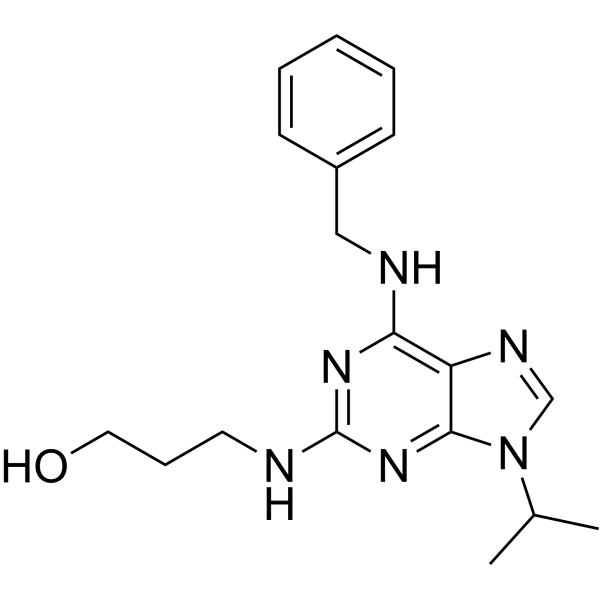
    Bohemine is a purine analogue and is a synthetic and selective CDK inhibitor with IC50s of 4.6 μM, 83 μM, and 2.7 μM for Cdk2/cyclin E, Cdk2/cyclin A, and Cdk9/cyclin T1, respectively. Bohemine also inhibits ERK2 with an IC50 of 52 μM and has less inhibitory effect on CDK1, CDK4 and CDK6. Bohemine has a broad spectrum anti-cancer activities .
    Bohemine
  • HY-W318343

    2,2,2-Triphenylacetophenone; 1,2,2,2-Tetraphenylethanone

    Biochemical Assay Reagents Others
    Benzopinacolone (2,2,2-Triphenylacetophenone; 1,2,2,2-Tetraphenylethanone) can be synthesized when benzopinacol reacts with acids of moderate strength, causing the pinacol rearrangement. Benzopinacolone can undergo ring-opening rearrangement via appropriate epoxides reacting with acids .
    Benzopinacolone
  • HY-34595

    RET Cancer
    Pyrazoloadenine is a potent RET (REarranged during Transfection) lung cancer oncoprotein inhibitor. Pyrazoloadenine shows anticancer activity .
    Pyrazoloadenine
  • HY-144422

    RET Cancer
    RET-IN-15 is a rearranged during transfection (RET) kinase inhibitor extracted from patent WO2021115457A1 compound 51. RET-IN-15 can be used for the research of cancer .
    RET-IN-15
  • HY-175407

    Drug Derivative Others
    18:0-20:4 PI(3,4,5)P3 (sodium) is an analogue of phosphatidylinositol. Protein-binding to PtdIns-(3,4,5)-P3 is important for cytoskeletal rearrangements and membrane trafficking. PtdIns-(3,4,5)-P3 is resistant to cleavage by PI-specific PLC .
    18:0-20:4 PI(3,4,5)P3 sodium
  • HY-W783254

    PA(18:0e/0:0)

    G Protein-coupled Receptor Kinase (GRK) Calcium Channel Cardiovascular Disease Cancer
    C18 LPA (PA(18:0e/0:0)) is a water-soluble phospholipid that functions as a signaling molecule, influencing various cellular responses through G protein-coupled receptors (GPCRs). It is known to promote smooth muscle contraction, cytoskeletal rearrangement, and chemotaxis, while also playing a role in neurotransmitter release, cell proliferation, platelet aggregation, and Ca2+ mobilization. Elevated levels of C18 LPA in human plasma are associated with ovarian cancer and atherosclerosis, suggesting its potential as a biomarker for ovarian cancer.
    C18 LPA
  • HY-E70714

    Anaplastic lymphoma kinase (ALK) Cancer
    EML4-ALK is a fusion-type protein tyrosine kinase produced through gene rearrangement. EML4-ALK can be used for the study of non-small cell lung carcinoma (NSCLC) and neuroblastoma (NB). EML4-ALK has multiple mutants. EML4 ALK F1174L Recombinant Human Active Protein Kinase is a recombinant EML4 ALK F1174L protein that can be used to study EML4 ALK F1174L-related functions .
    EML4 ALK F1174L Recombinant Human Active Protein Kinase
  • HY-178945

    Opioid Receptor Interleukin Related TNF Receptor Sigma Receptor Neurological Disease Inflammation/Immunology
    KOR agonist 7 (Compound 29) is a highly selective κ-opioid receptor (KOR) agonist with a Ki of 138 nM. KOR agonist 7 shows no activity at μ- and δ-opioid receptors or σ1 receptor, and exhibits extremely low affinity for σ2 receptor (Ki = 2.8 μM). KOR agonist 7 significantly reduces the secretion of pro-inflammatory cytokines such as IL-6, TNF-α, and IFN-γ, while increasing the production of the anti-inflammatory cytokine IL-10. KOR agonist 7 downregulates the expression of the pro-inflammatory M1 macrophage marker CD80 and upregulates the anti-inflammatory M2 macrophage marker CD163. KOR agonist 7 holds potential for applications in analgesia and immune modulation .
    KOR agonist 7
  • HY-112301AR

    trans-BLU-667 (Standard)

    RET Reference Standards Cancer
    trans-Pralsetinib (Standard) is the analytical standard of trans-Pralsetinib. This product is intended for research and analytical applications. trans-Pralsetinib (trans-BLU-667) is a rearranged during transfection (RET) inhibitor extracted from patent US20170121312A1, Compound Example 129 .
    trans-Pralsetinib (Standard)
  • HY-N3458A

    (-)-Isosalvipuberulin; (-)-Isopuberulin

    Others Others
    Dugesin B ((-)-Isosalvipuberulin), is a rearranged clerodane diterpenoid, which can be isolated from the aerial parts of Salvia dugesii .
    Dugesin B
  • HY-159861

    Liposome Others
    Ionizable Lipid 4 is an ionizable cationic lipid and a rearrangement product of the cationic lipid CA-lipid 5 induced by hydrogen peroxide .
    Ionizable Lipid 4
  • HY-145024

    RET Cancer
    RET-IN-6 is a potent RET (rearranged during transfection) inhibitor with an IC50 of 4.57 nM (CN113461670A, compound 321) .
    RET-IN-6
  • HY-N1770

    3,4-Didehydrosapriparaquione

    Others Others
    12-Hydroxysapriparaquinone (compound 8) is a rearranged 4,5-seco-abietane diterpenoid isolated from the petroleum ether extract of the root of Salvia rhytidea .
    12-Hydroxysapriparaquinone
  • HY-122698

    Apoptosis Cancer
    CCI-007 is a small molecule with cytotoxic activity against infant leukemia with MLL rearrangements, with IC50 values of 2.5-6.2 μM in sensitive cells .
    CCI-007
  • HY-34595R

    RET Cancer
    Pyrazoloadenine (Standard) is the analytical standard of Pyrazoloadenine. This product is intended for research and analytical applications. Pyrazoloadenine is a potent RET (REarranged during Transfection) lung cancer oncoprotein inhibitor. Pyrazoloadenine shows anticancer activity .
    Pyrazoloadenine (Standard)
  • HY-145023

    RET Cancer
    RET-IN-5 is a potent RET (rearranged during transfection) inhibitor with an IC50s of 0.4 nM and 135.1 nM for RET and VEGFR2, respectively (WO2021213476A1, compound 18) .
    RET-IN-5
  • HY-143545

    RET Cancer
    RET-IN-8 is a rearranged during transfection (RET) kinase inhibitor extracted from patent WO2021093720A1 compound I-1. RET-IN-8 can be used for the research of cancer .
    RET-IN-8
  • HY-174993

    RET Cancer
    FHND5071 (1H) is a selective inhibitor targeting the RET (rearrangement during transfection) tyrosine kinase. FHND5071 (1H) is promising for research of RET-driven cancers (such as thyroid cancer, lung cancer, etc.) .
    FHND5071 (1H)
  • HY-124906

    iGluR Neurological Disease
    JAMI1001A is a positive allosteric modulator of AMPA receptor. JAMI1001A efficaciously modulates AMPA receptor deactivation and desensitization of both flip and flop receptor isoforms .
    JAMI1001A
  • HY-114162B

    SNDX-50469 mesylate

    Epigenetic Reader Domain Apoptosis Cancer
    VTP50469 mesylate is a potent, and selective Menin-MLL1 inhibitor that effectively targets MLL-rearranged and NPM1c+ leukemia. VTP50469 mesylate selectively kills cell lines with MLL rearrangements and NPM1c+ mutations. VTP50469 mesylate displaces Menin from protein complexes and inhibits MLL's chromatin occupancy at specific genes, leading to significant changes in gene expression, differentiation, and apoptosis. VTP50469 demonstrates dramatic reductions in leukemia burden in patient-derived xenograft models of MLL-r acute myeloid leukemia and MLL-r acute lymphoblastic leukemia, with some mice remaining disease-free for over a year post-treatment.
    VTP50469 mesylate

Inquiry Online

Your information is safe with us. * Required Fields.

Salutation


Country or Region *

Applicant Name *


Organization Name *

Department *


Email Address *


Product Name *

Cat. No.


Requested quantity *

Phone Number *


Remarks

Inquiry Online

Inquiry Information

Product Name:
Cat. No.:
Quantity:
MCE Japan Authorized Agent:

