269 Results for "

rhizomes

" in MedChemExpress (MCE) Product Catalog:
Products (269)

269 Results for "rhizomes" in MCE Product Catalog:

5
5 Cited Publications
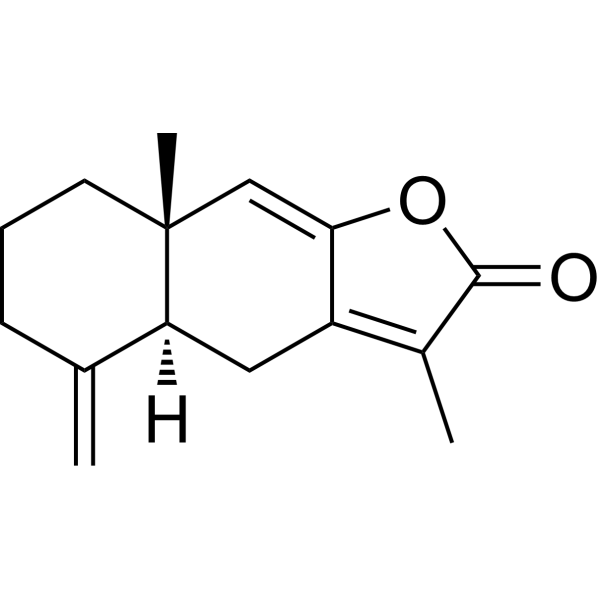
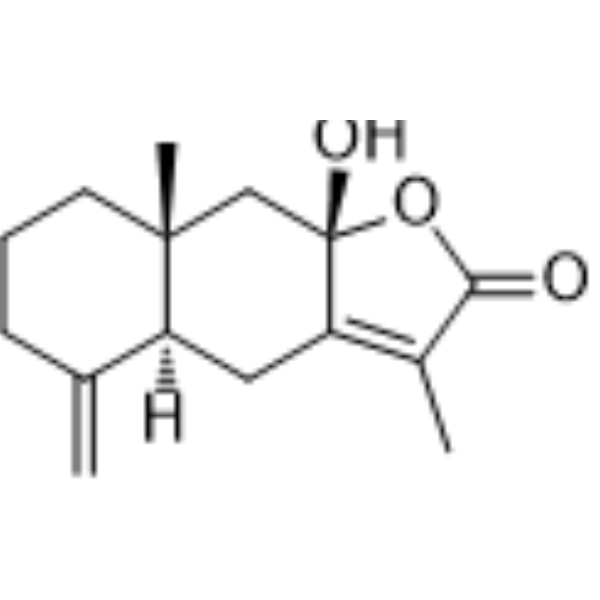
Cat. No.: HY-N0201
CAS No.: 73069-13-3
Atractylenolide I is a sesquiterpene derived from the rhizome of Atractylodes macrocephala, possesses diverse bioactivities, such as neuroprotective, anti-allergic, anti-inflammatory and anticancer properties. Atractylenolide I reduces protein levels of phosphorylated JAK2 and STAT3 in A375 cells, and acts as a TLR4-antagonizing agent.
loading...
    loading...
5
5 Cited Publications
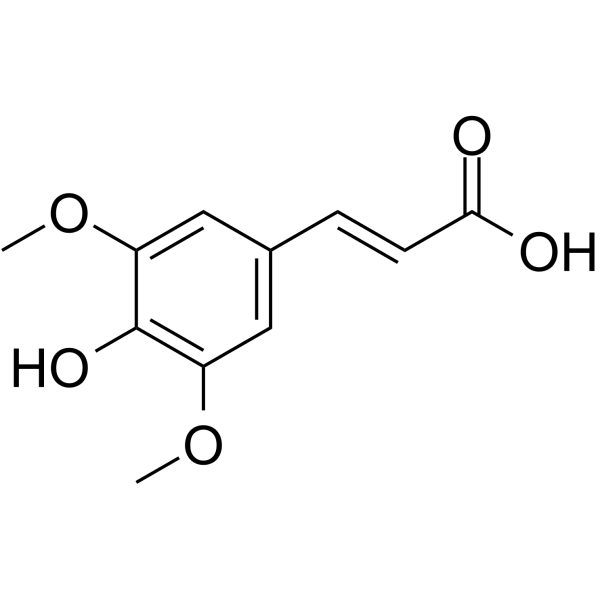
Cat. No.: HY-W009732
CAS No.: 530-59-6
Synonyms: Sinapic acid
Sinapinic acid (Sinapic acid) is a phenolic compound isolated from Hydnophytum formicarum Jack. Rhizome, acts as an inhibitor of HDAC, with an IC50 of 2.27 mM , and also inhibits ACE-I activity . Sinapinic acid posssess potent anti-tumor activity, induces apoptosis of tumor cells . Sinapinic acid shows antioxidant and antidiabetic activities . Sinapinic acid reduces total cholesterol, triglyceride, and HOMA-IR index, and also normalizes some serum parameters of antioxidative abilities and oxidative damage in ovariectomized rats .
loading...
    loading...
5
5 Cited Publications
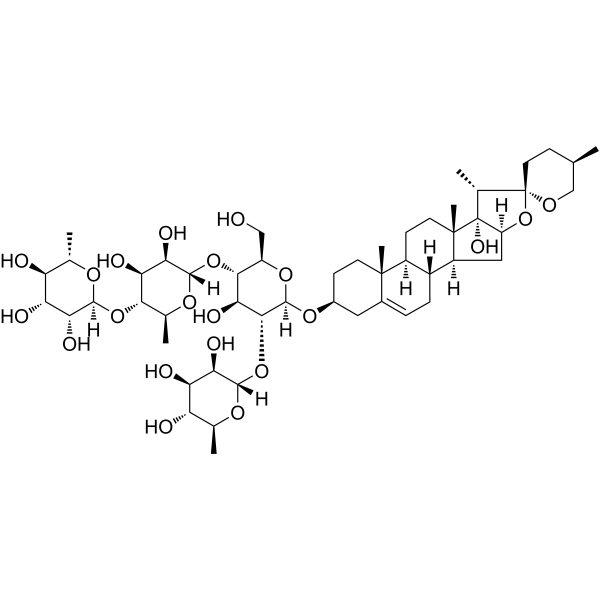
Cat. No.: HY-N3584
CAS No.: 68124-04-9
Synonyms: Chonglou Saponin VII
Paris saponin VII (Chonglou Saponin VII) is a steroidal saponin isolated from the roots and rhizomes of Trillium tschonoskii. Paris saponin VII-induced apoptosis in K562/ADR cells is associated with Akt/MAPK and the inhibition of P-gp. Paris saponin VII attenuates mitochondrial membrane potential, increases the expression of apoptosis-related proteins, such as Bax and cytochrome c, and decreases the protein expression levels of Bcl-2, caspase-9, caspase-3, PARP-1, and p-Akt. Paris saponin VII induces a robust autophagy in K562/ADR cells and provides a biochemical basis in the treatment of leukemia .
loading...
    loading...
5
5 Cited Publications
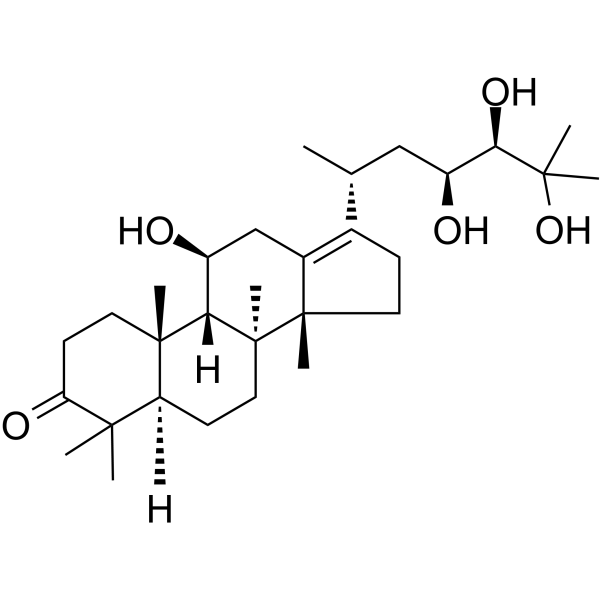
Cat. No.: HY-N0853
CAS No.: 19885-10-0
Alisol A is an orally active tetracyclic triterpenoid compound of the prototerpane type. Alisol A can be extracted from the rhizome of Alisma orientale. Alisol A activates AMPK/ACC/SREBP-1c, SIRT1, PPARα, inhibits MMP-2/-9, decreases inflammatory cytokine expression (IL-1β, IL-6, IL-8). Alisol A has anti-tumor activity against breast cancer and colorectal cancer. Alisol A has anti-obesity and anti-atherosclerotic activities. Alisol A can be used in the research of hepatitis B, breast cancer, colorectal cancer, atherosclerosis, and obesity .
loading...
    loading...
5
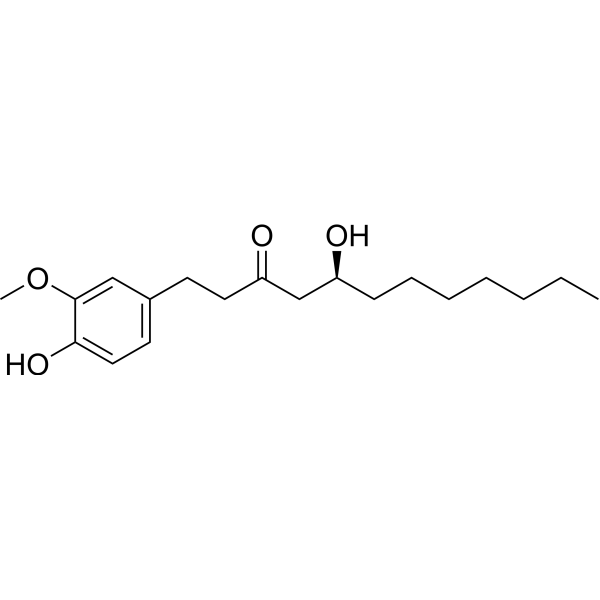
5 Cited Publications
Cat. No.: HY-N0447
CAS No.: 23513-08-8
8-Gingerol can be found in the rhizome of ginger (Z. officinale) and has oral bioactivity. It activates TRPV1, with an EC50 value of 5.0 µM. 8-Gingerol inhibits COX-2 and also suppresses the growth of H. pylori in vitro. Additionally, 8-Gingerol exhibits anticancer, antioxidant, and anti-inflammatory properties by inhibiting the epidermal growth factor receptor (EGFR) and modulating its downstream STAT3/ERK pathway to suppress the proliferation, migration, and invasion of colorectal cancer cells. 8-Gingerol also exerts immunosuppressive effects by inhibiting oxidative stress, inducing cell cycle arrest, promoting apoptosis, and regulating autophagy. Furthermore, 8-Gingerol has cardioprotective effects. 8-Gingerol is promising for research in the fields of cancer, infection, immunosuppression, and cardiovascular diseases.
loading...
    loading...
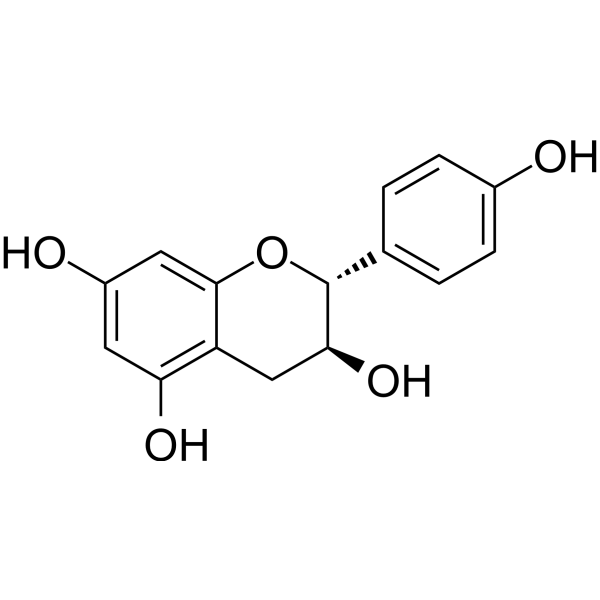
4
4 Cited Publications
Cat. No.: HY-N2821
CAS No.: 2545-00-8
(+)-Afzelechin, isolated from rhizomes of Bergenia ligulata, is an alpha-glucosidase activity inhibitor with an ID50 (50% inhibition dose) value of 0.13 mM. (+)-Afzelechin can delay the absorption of carbohydrates in food to suppress postprandial hyperglycemia and hyperinsulinemia .
loading...
    loading...
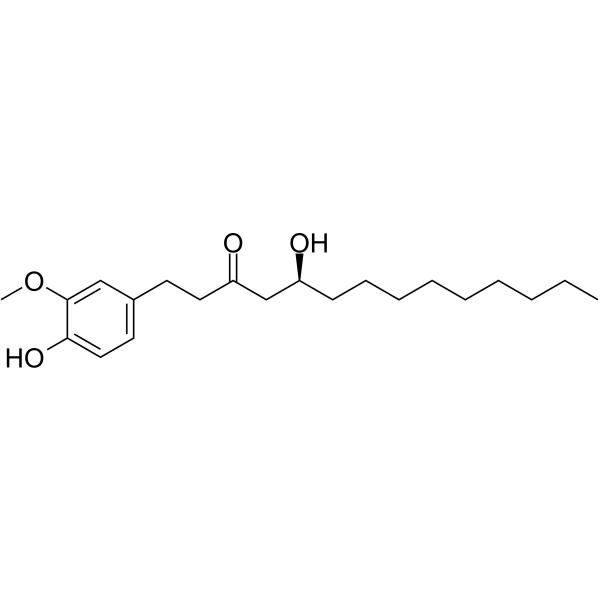
4
4 Cited Publications
Cat. No.: HY-N0448
CAS No.: 23513-15-7
10-Gingerol is an AMPK agonist, which is found in the ginger oleoresin from fresh rhizome with anti-inflammatory, antioxidant and anti-proliferative activities. 10-Gingerol suppresses neointimal hyperplasia and inhibits vascular smooth muscle cell proliferation. 10-Gingerol exhibits substantial scavenging activities with an IC50 value of 10.47 μM against DPPH radical, an IC50 value of 1.68 μM against superoxide radical and an IC50 value of 1.35 μM against hydroxyl radical. 10-Gingerol inhibits the proliferation of MDA-MB-231 tumor cell line with an IC50 of 12.1 μM. 10-Gingerol suppresses the proliferation, migration, invasion, and induced apoptosis through targeting the PI3K/Akt signaling pathway in MDA-MB-231/IR cells. 10-Gingerol can be used in research on various common cancers such as ovarian cancer and colon cancer, as well as colitis and neurodegenerative diseases .
loading...
    loading...
3
3 Cited Publications
Cat. No.: HY-N0203
CAS No.: 73030-71-4
Synonyms: ICodonolactone; 8β-Hydroxyasterolide
Atractylenolide III (ICodonolactone) is the main component of Atractylodes rhizome and has the activity of inducing apoptosis in lung cancer cells. Atractylenolide III is an orally active gastroprotective agent .
loading...
    loading...
3
3 Cited Publications
Cat. No.: HY-N0238
CAS No.: 55290-63-6
Synonyms: Atractydin
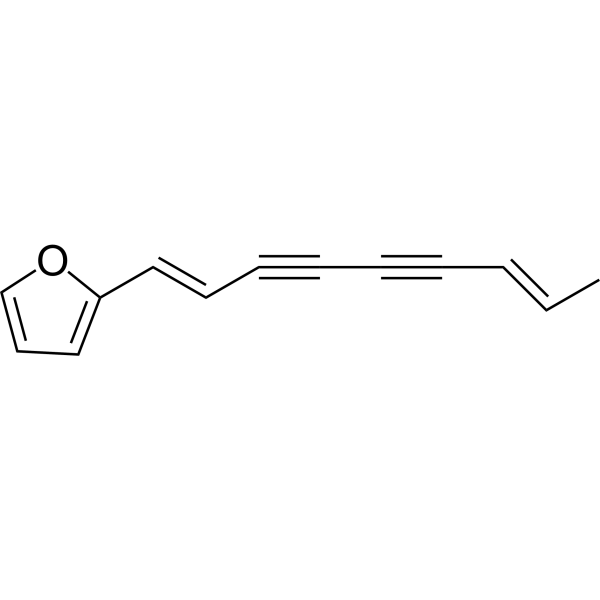
Atractylodin (Atractydin) is an orally active active ingredient obtained from the rhizome of Atractylodes lancea and A. chinensis. Atractylodin is a natural insecticide. Atractylodin has anti-inflammatory activity .
loading...
    loading...
2
2 Cited Publications
Cat. No.: HY-N0812
CAS No.: 136656-07-0
Synonyms: Prototimosaponin A III
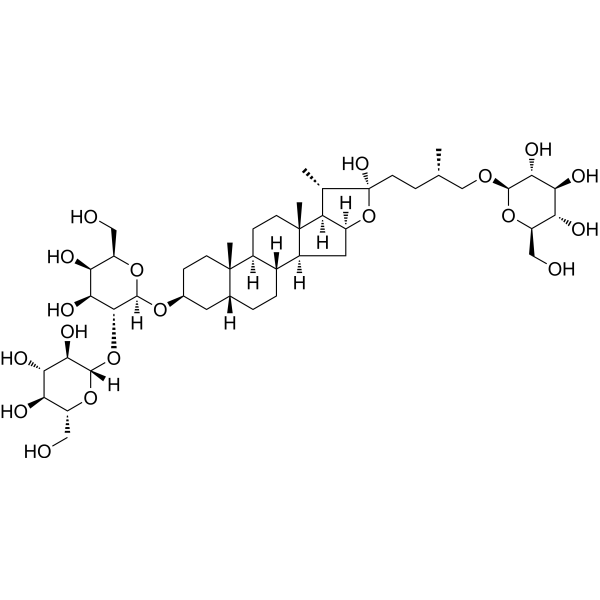
Timosaponin BII (Prototimosaponin A III) is a steroid saponin found in the rhizomes of Anemarrhena asphodeloides. Timosaponin BII has neuronal protective, anti-inflammatory and antioxidant activities .
loading...
    loading...
1
1 Cited Publications
Cat. No.: HY-N2120
CAS No.: 88509-91-5
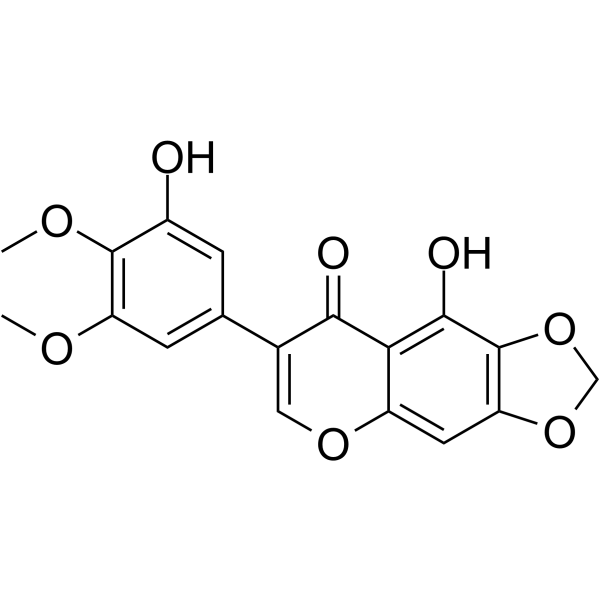
Dichotomitin is an isoflavonoid isolated from the rhizomes of Belamcanda chinensis (L.) DC .
loading...
    loading...
1
1 Cited Publications
Cat. No.: HY-N4123
CAS No.: 164991-86-0
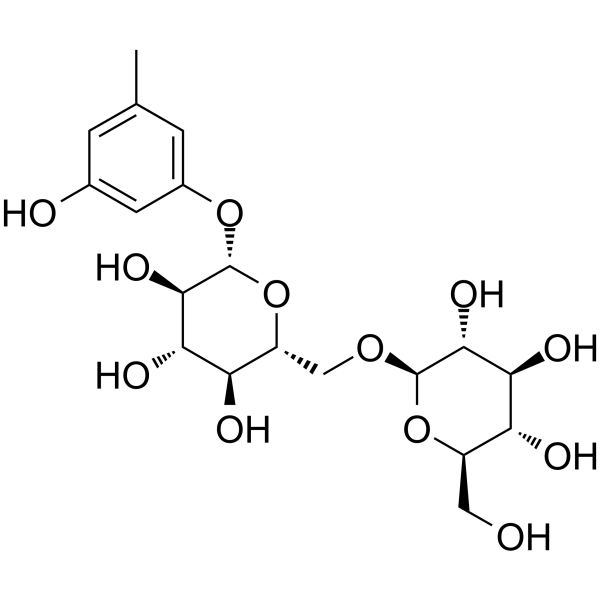
Orcinol gentiobioside (compound 4) is a natural product isolated from the rhizomes of C. breviscapa .
loading...
    loading...
1
1 Cited Publications
Cat. No.: HY-125531
CAS No.: 256459-34-4
Purity:  98.22%
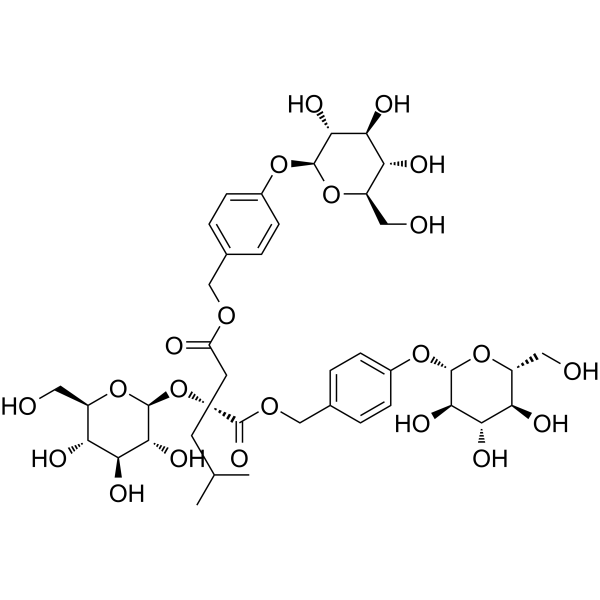
Dactylorhin A, a succinate derivative ester, is isolated from rhizomes of Gymnadenia conopsea. Dactylorhin A exhibits moderate inhibitory effects on NO production effects in RAW 264.7 macrophage cells .
loading...
    loading...
1
1 Cited Publications
Cat. No.: HY-N7614
CAS No.: 117210-12-5
Synonyms: Schidigerasaponin F2; Timosaponin AII
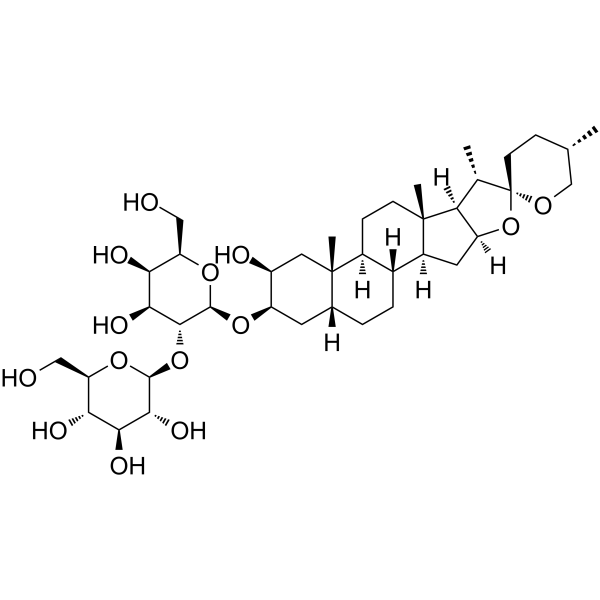
Anemarrhenasaponin A2 (Schidigerasaponin F2) is a steroidal saponin isolated from the rhizomes of Anemarrhena asphodeloides. Anemarrhenasaponin A2 inhibits ADP-induced platelet aggregation .
loading...
    loading...
1
1 Cited Publications
Cat. No.: HY-N4167
CAS No.: 6665-74-3
Synonyms: Galangin 3-methyl ether; 3-Methylgalangin
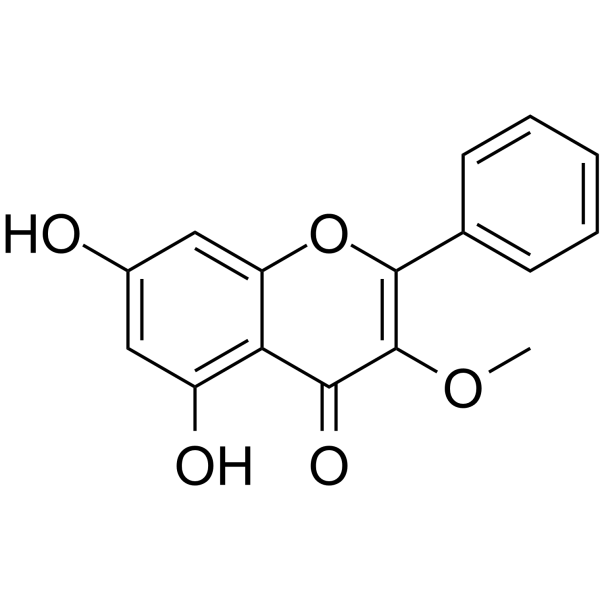
3-O-Methylgalangin (Galangin 3-methyl ether) is a natural flavonoid compound from the rhizome of Alpinia officinarum (AO) with antibacterial activities, which also inhibits pancreatic lipase .
loading...
    loading...
1
1 Cited Publications
Cat. No.: HY-N4121
CAS No.: 24063-71-6
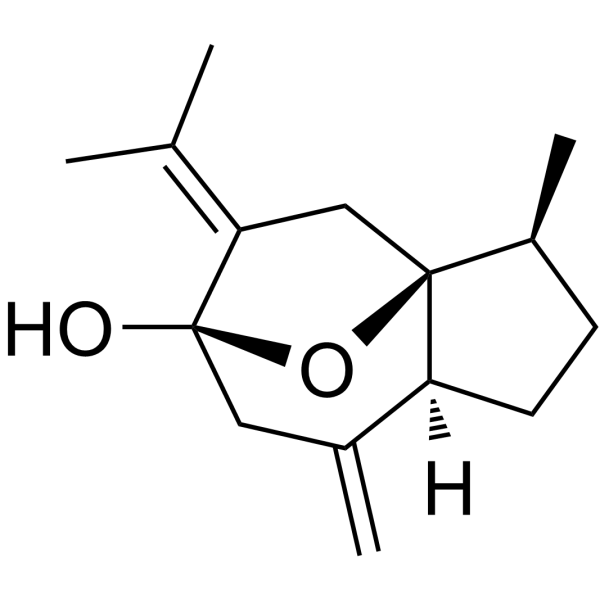
Isocurcumenol, an estrogen receptor alpha (ERα) inhibitor isolated from Curcuma zedoaria Rhizomes, possesses anti-tumor acticity, with IC50 values of 99.1μg/mL and 178.2 μg/mL in DLA and KB cells, respectively .
loading...
    loading...
1
1 Cited Publications
Cat. No.: HY-133865
CAS No.: 143615-75-2
Purity:  98.01%
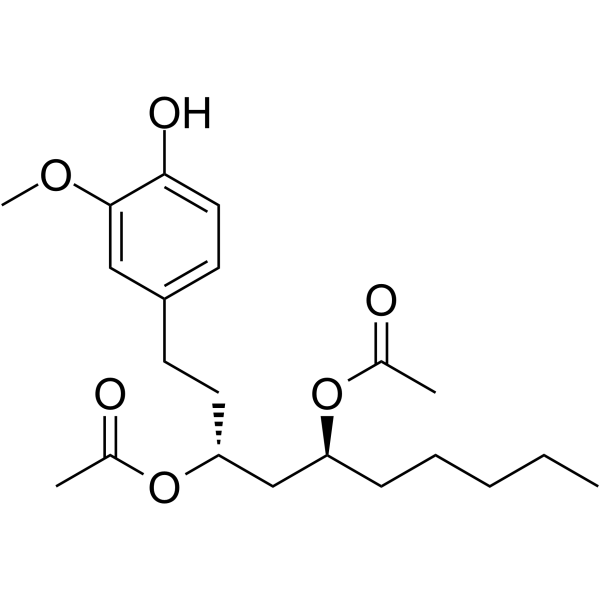
Diacetoxy-6-gingerdiol is a gingerol isolated with anti-inflammatory and antioxidant effects, which is found in the dichloromethane extract of rhizomes of ginger (Zingiber officinale Roscoe). Diacetoxy-6-gingerdiol protects the extracellular matrix of nucleus pulposus cells and ameliorates intervertebral disc degeneration by inhibiting the IL-1β-mediated NLRP3 pathway .
loading...
    loading...
1
1 Cited Publications
Cat. No.: HY-N6018
CAS No.: 473-15-4
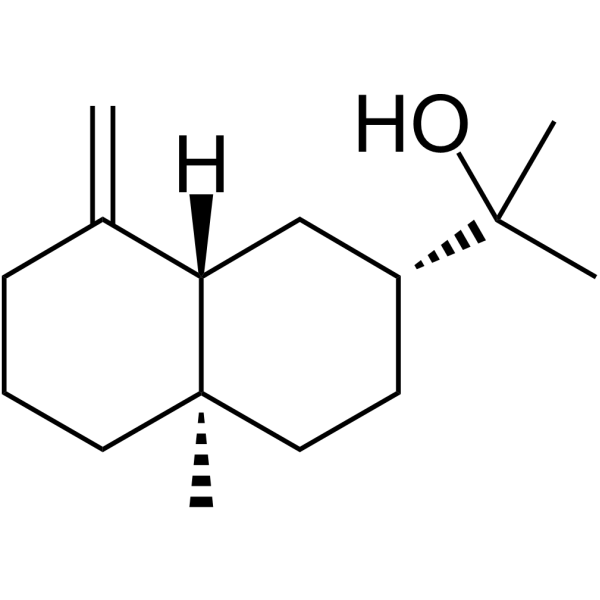
β-Eudesmol has anticancer and anti-inflammatory activities. Beta-Eudesmol can induce apoptosis. β-Eudesmol is a neostigmine antagonist. β-Eudesmol can antagonize neostigmine-induced neuromuscular failure. β-Eudesmoll can be used in the study of sepsis diseases. β-Eudesmol is a sesquiterpene-like compound that can be extracted from the rhizome of Atractylodes lancea .
loading...
    loading...
Cat. No.: HY-W015879
CAS No.: 543-49-7
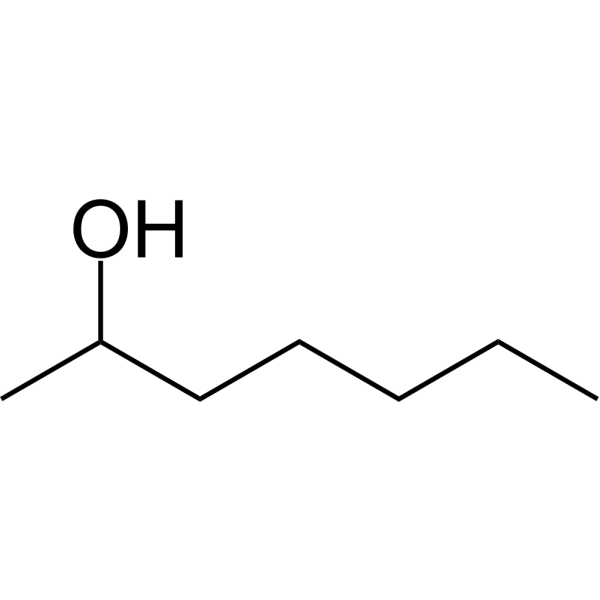
2-Heptanol is one of the chemical compounds identified in turmeric and turmeric rhizome essential oil. 2-Heptanol can speed up amino acid metabolism and slow down membrane transport, exhibiting antibacterial activity. The rhizome essential oil has good antibacterial and antioxidant properties .
loading...
    loading...
Cat. No.: HY-N8558A
CAS No.: 94530-86-6
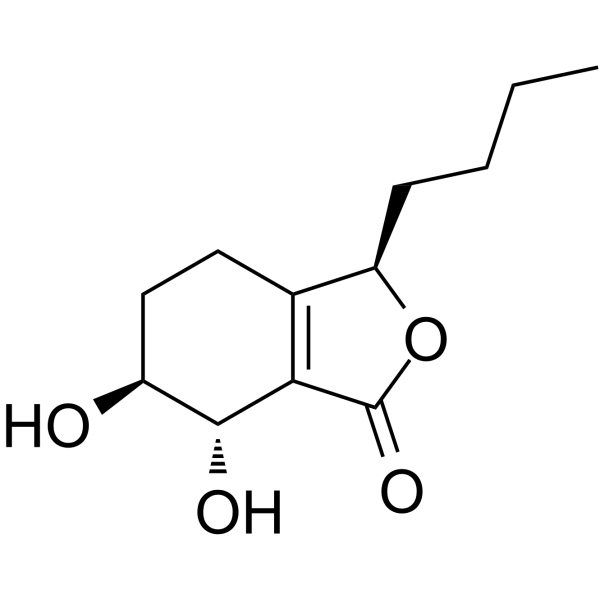
Senkyunolide J, a phthalide, can be isolated from rhizome of Ligusticum Chuanxiong .
loading...
    loading...

