
Search Result
Results for "
sphingomyelins
" in MedChemExpress (MCE) Product Catalog:
3
Biochemical Assay Reagents
6
Isotope-Labeled Compounds
| Cat. No. |
Product Name |
Target |
Research Areas |
Chemical Structure |
-
- HY-108496
-
|
S1P
|
Endogenous Metabolite
LPL Receptor
|
Inflammation/Immunology
Endocrinology
Cancer
|
|
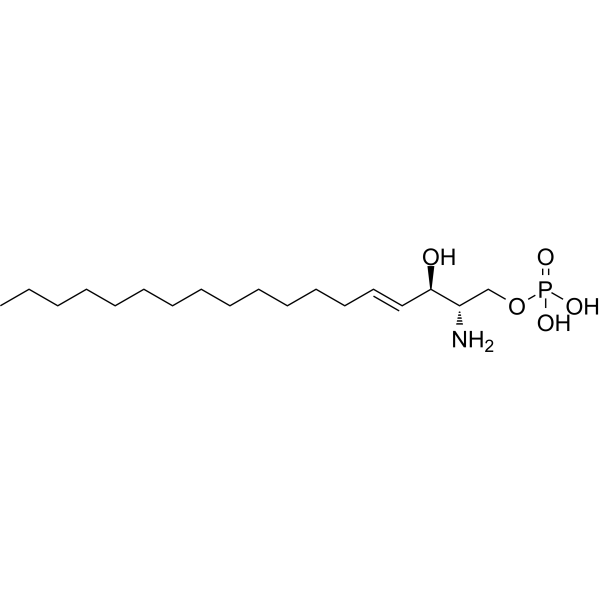
Sphingosine-1-phosphate (S1P) is an agonist of S1P1-5 receptors and a ligand of GPR3, GPR6 and GPR12. Sphingosine-1-phosphate is an intracellular second messenger and mobilizes Ca 2+ as an extracellular ligand for G protein-coupled receptors . Sphingosine-1-phosphate is an important lipid mediator generated from Sphingomyelin (HY-113498) or other membrane phospholipids . Sphingosine-1-phosphate stimulates the DNA synthesis, cell proliferation and migration .
|
-
-
- HY-N6798
-
|
Thermozymocidin; ISP-I
|
HCV
Antibiotic
|
Infection
|
|
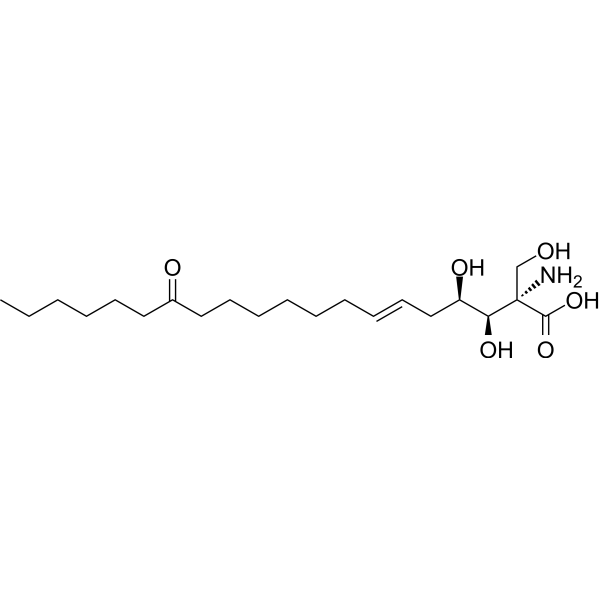
Myriocin (Thermozymocidin), a fungal metabolite could be isolated from Myriococcum albomyces, Isaria sinclairi and Mycelia sterilia, is a potent inhibitor of serine-palmitoyl-transferase (SPT) and a key enzyme in de novo synthesis of sphingolipids. Myriocin suppresses replication of both the subgenomic HCV-1b replicon and the JFH-1 strain of genotype 2a infectious HCV, with an IC50 of 3.5 μg/mL for inhibiting HCV infection .
|
-
-
- HY-113498
-
|
|
Endogenous Metabolite
|
Neurological Disease
Metabolic Disease
Inflammation/Immunology
|
|
Sphingomyelin is a eukaryotic sphingolipid and one of the major constituents of cell membranes and particularly abundant in the myelin sheath that surrounds neuronal axons. Sphingomyelin plays an important role in cell processes, the regulation of inflammatory responses, and signal transduction. Sphingomyelin metabolism is associated with various central nervous system diseases and Niemann–Pick disease .
|
-
-
- HY-N8518
-
|
|
Phospholipase
p38 MAPK
Apoptosis
NF-κB
|
Metabolic Disease
Inflammation/Immunology
Cancer
|
|
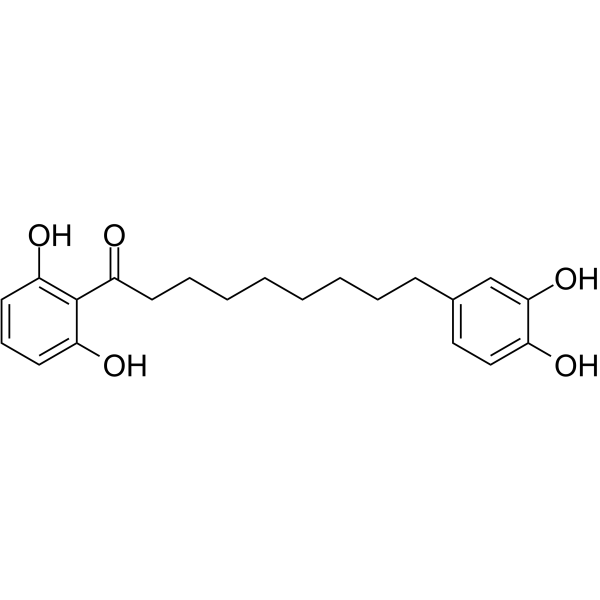
Malabaricone C is an orally active and noncompetitive sphingomyelin synthase (SMS) inhibitor with IC50 values of 3 μM and 1.5 μM for SMS 1 and SMS 2, respectively. Malabaricone C reduces body weight gain, improves glucose tolerance, and decreases lipid accumulation in the liver, showing significant prevention of high fat diet-induced fatty liver in mice. Malabaricone C has anti-inflammatory effects, which is found in the fruits of Myristica cinnamomea King. Malabaricone C is promising for research of obesity and immunological disorders caused due to hyper-activation of T-cells .
|
-
-
- HY-129084
-
|
|
Biochemical Assay Reagents
|
Others
|
|
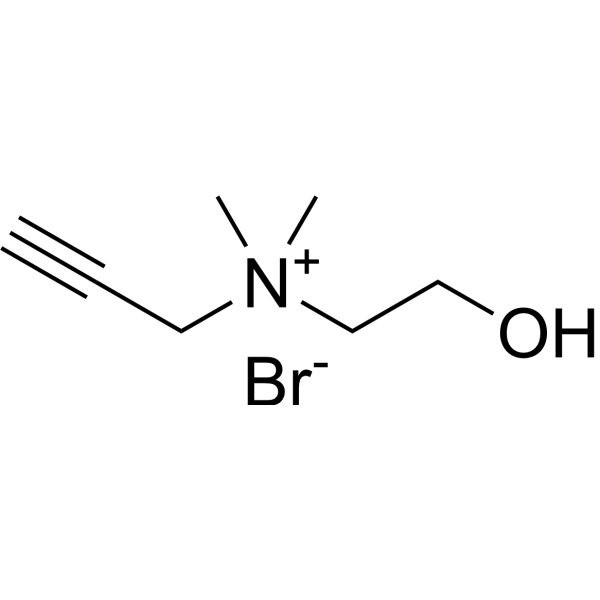
Propargylcholine bromide is a choline analogue containing terminal propargyl that can be incorporated into all classes of Choline-containing phospholipids such as phosphatidylcholine and sphingomyelin, labeling Choline-containing phospholipids. Propargylcholine bromide-labeled phospholipid molecules can be visualized in cells with high sensitivity and spatial resolution. Propargylcholine bromide can be used as a molecular tool to study the biochemical and metabolic processes of Choline-containing phospholipids in cells . Propargylcholine (bromide) is a click chemistry reagent, it contains an Alkyne group and can undergo copper-catalyzed azide-alkyne cycloaddition (CuAAc) with molecules containing Azide groups.
|
-
-
- HY-141629
-
|
Sphingomyelin 16:0
|
Liposome
Endogenous Metabolite
|
Cancer
|
|
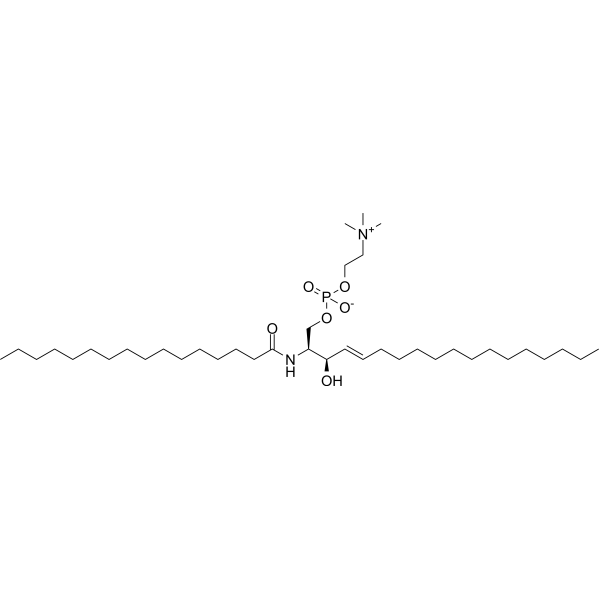
N-palmitoyl-D-sphingomyelin (sphingomyelin 16:0) is a component of LDL-carrying liposomes. N-palmitoyl-D-sphingomyelin can be used in colorectal cancer research .
|
-
-
- HY-114307
-
-
-
- HY-W356116
-
|
Nbd-ceramide
|
Fluorescent Dye
|
Others
|
|
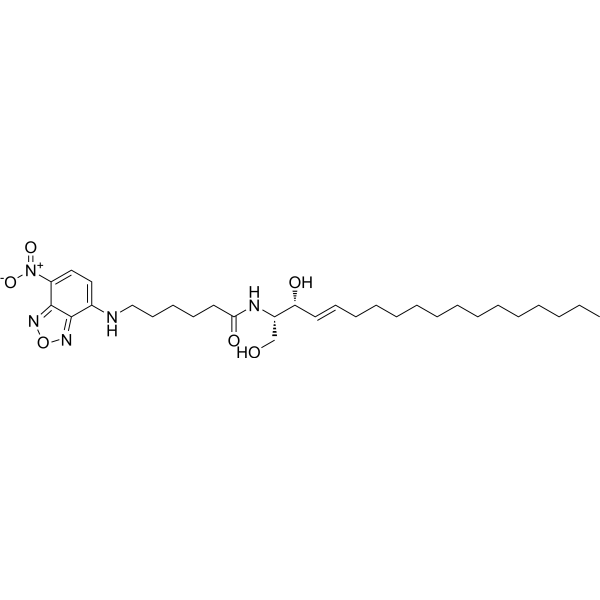
C6 NBD Ceramide is a Golgi apparatus fluorescent probe with cell membrane permeability. C6 NBD Ceramide can be used for fast and convenient green fluorescent labeling of Golgi in living and fixed cells, and can be used to observe changes in Golgi morphology in living cells (Ex=466 nm, Em=536 nm). C6-NBD-ceramide is metabolized to fluorescent sphingomyelin and glucosylceramide, can be used for the study of sphingolipid transport and metabolic mechanism .
|
-
-
- HY-Y1242
-
|
|
Environmental Pollutants
Biochemical Assay Reagents
|
Others
|
|
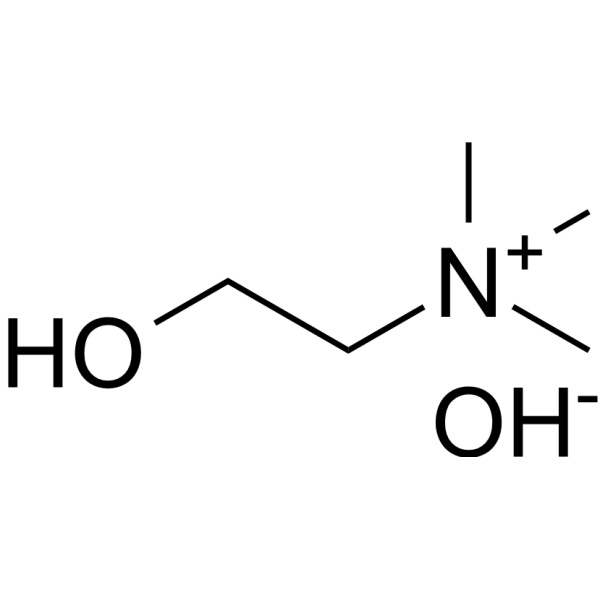
Choline hydroxide is a Choline hydrogen oxidized derivative and a strong organic base, can be used as the standard alkaline to adjust the pH of the medium. Choline is an orally active nutrient, serves as an important component of lecithin and sphingomyelin, promotes fat metabolism .
|
-
-
- HY-135642
-
|
|
Phospholipase
|
Inflammation/Immunology
|
|
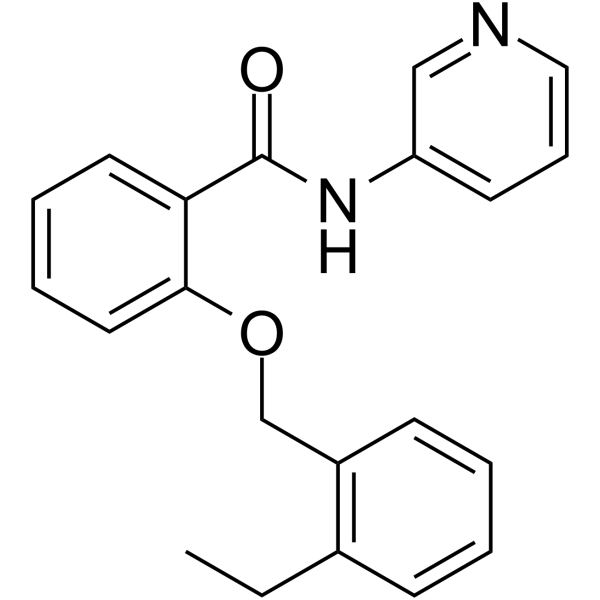
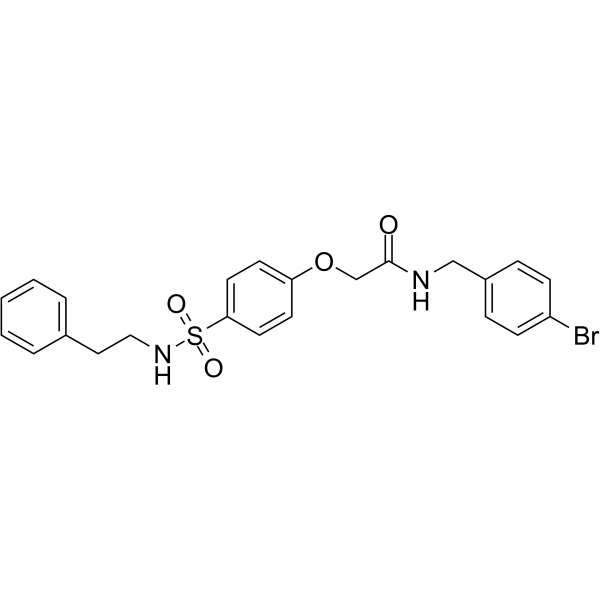
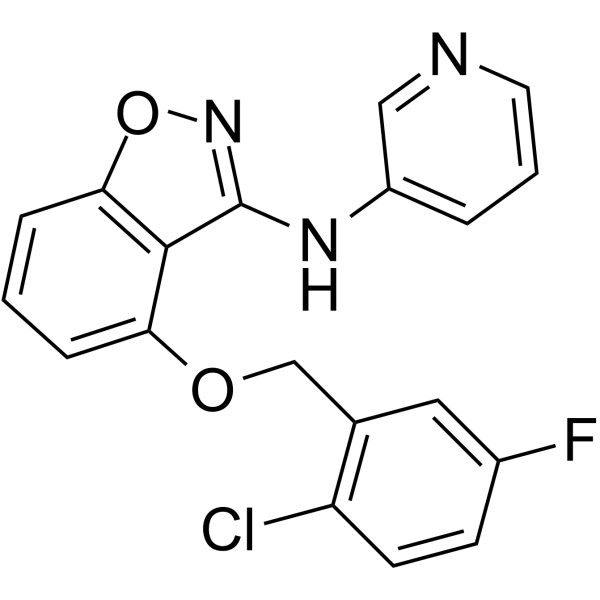
SMS1-IN-1, compound SAPA 1j, is a novel and the most potent sphingomyelin synthase 1 (SMS1) inhibitor with an IC50 value of 2.1 μM. SMS1-IN-1 has the potential for the treatment of atherosclerosis .
|
-
-
- HY-132182
-
HPA-12
1 Publications Verification
|
Ceramidase
Autophagy
Apoptosis
ATF6
|
Neurological Disease
Cancer
|
|
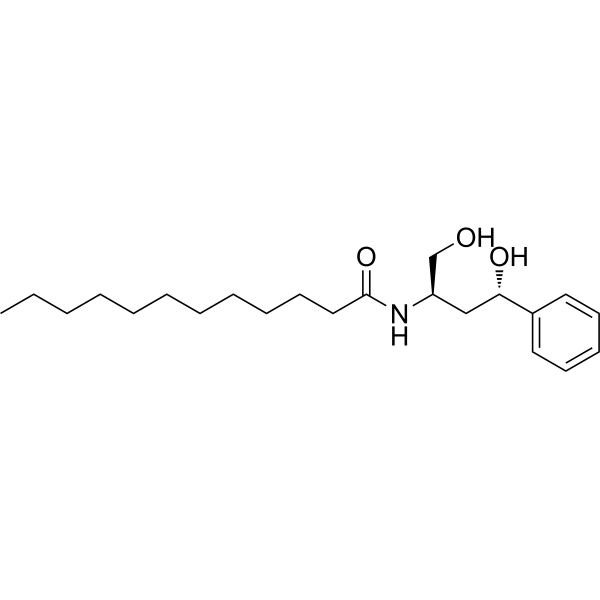
HPA-12 is a blood-brain barrier-permeable small-molecule inhibitor of ceramide transfer protein (CERT) with four stereoisomers (the (1R,3R)-stereoisomer exhibits the highest activity). HPA-12 blocks the transport of ceramide from the endoplasmic reticulum to the Golgi apparatus by binding to the START domain of CERT, leading to intracellular ceramide accumulation and inhibition of sphingomyelin (SM) synthesis. HPA-12 induces endoplasmic reticulum stress via the GRP78/ATF6/CHOP axis and activates mitochondrial autophagy, thereby inhibiting cell growth and inducing apoptosis. In in vivo experiments, HPA-12 significantly reduces the leukemia burden and splenomegaly in mouse models of acute myeloid leukemia (AML) and prolongs survival. HPA-12 is applicable for the research of lipid metabolism in acute myeloid leukemia and Alzheimer's disease .
|
-
-
- HY-102041
-
|
|
Phospholipase
|
Inflammation/Immunology
|
|
SMS2-IN-1 is a potent and highly selective sphingomyelin synthase 2 (SMS2) inhibitor with an IC50 of 6.5 nM and a Kd of 37 nM. SMS2-IN-1 shows 150-fold selectivity for SMS2 over SMS1 (IC50 of 1000 nM) .
|
-
-
- HY-112713
-
|
|
Phospholipase
|
Inflammation/Immunology
|
|
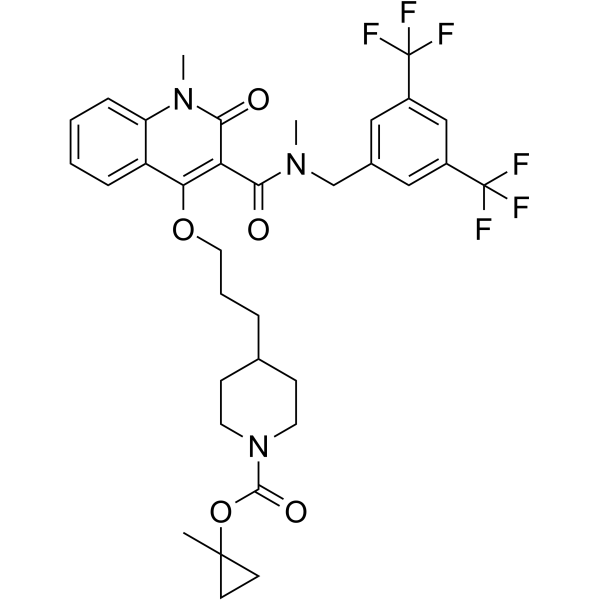
SMS2-IN-2 is a potent, highly selective and orally active sphingomyelin synthase 2 (SMS2) inhibitor, with IC50s of 100 nM and 56 μM for SMS2 and SMS1, respectively. Anti-chronic inflammatory activity .
|
-
-
- HY-108496S
-
|
S1P-d7
|
Endogenous Metabolite
LPL Receptor
|
Endocrinology
|
|
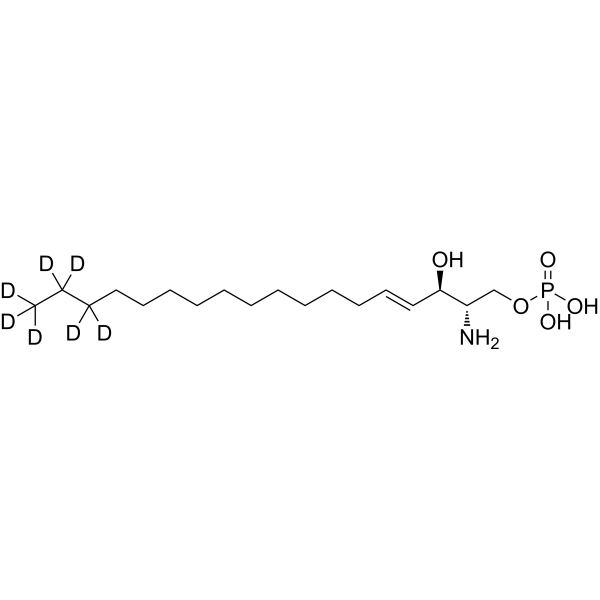
Sphingosine-1-phosphate-d7 is the deuterium labeled Sphingosine-1-phosphate. Sphingosine-1-phosphate (S1P) is an agonist of S1P1-5 receptors and a ligand of GPR3, GPR6 and GPR12.?Sphingosine-1-phosphate is an intracellular second messenger and mobilizes Ca2+ as an extracellular ligand for G protein-coupled receptors . Sphingosine-1-phosphate is an important lipid mediator generated from Sphingomyelin (HY-113498) or other membrane phospholipids .
|
-
-
- HY-116392B
-
|
|
Glucosylceramide Synthase (GCS)
Parasite
|
Infection
Endocrinology
Cancer
|
|
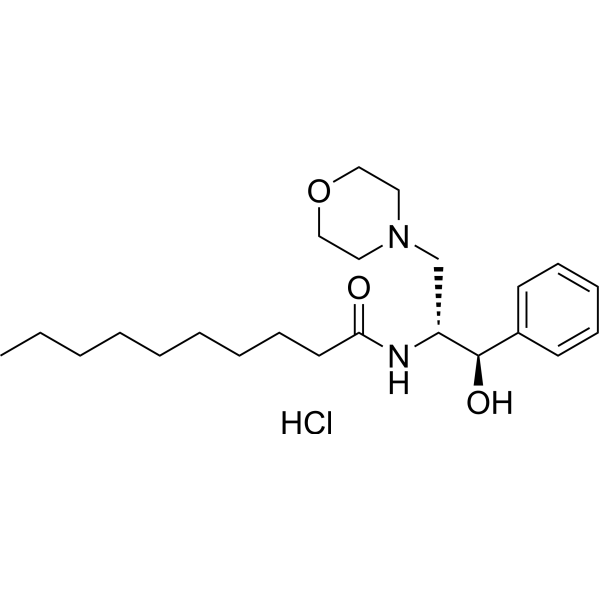
DL-threo-PDMP hydrochloride is a competitive glucosylceramide synthase (GCS) inhibitor and antimalarial agent. DL-threo-PDMP hydrochloride competitively inhibits the activity of GCS. DL-threo-PDMP hydrochloride restores cisplatin sensitivity in cisplatin-resistant testicular germ cell tumor cells. DL-threo-PDMP hydrochloride blocks the growth of ring-stage Plasmodium falciparum parasites .
|
-
-
- HY-P2936
-
|
|
Phospholipase
|
Cardiovascular Disease
Infection
|
|
Sphingomyelin phosphodiesterase, Streptomyces sp. is a sphingomyelin phosphodiesterase derived from the genus Streptomyces, which cleaves the phosphodiester bond of sphingomyelin. Sphingomyelin phosphodiesterase, Streptomyces sp. catalyzes the hydrolysis of sphingomyelin in micelles, synthetic substrates, erythrocyte ghost membranes and liposomes, as well as the hydrolysis of the substrate HNP. In the presence of Mg 2+ or Mn 2+ , Sphingomyelin phosphodiesterase, Streptomyces sp. induces hemolysis of bovine erythrocytes through the hydrolysis of membrane sphingomyelin .
|
-
-
- HY-P2936A
-
|
|
Insecticide
Phosphodiesterase (PDE)
|
Infection
Neurological Disease
Inflammation/Immunology
|
|
Sphingomyelin phosphodiesterase, Bacillus cereus is a sphingomyelin hydrolase and Insecticide. Sphingomyelin phosphodiesterase, Bacillus cereus catalyzes the decomposition of sphingomyelin into ceramide and phosphorylcholine. Sphingomyelin phosphodiesterase, Bacillus cereus causes rapid paralysis and death in injected insects, including German cockroaches and black cutworms. Sphingomyelin phosphodiesterase, Bacillus cereus reduces H2O2 production. Sphingomyelin phosphodiesterase, Bacillus cereus can be used in studies related to sepsis and endophthalmitis .
|
-
-
- HY-100353
-
|
N-Lauroyl-D-erythro-sphingosine; N-Laurylsphingosine
|
Endogenous Metabolite
|
Metabolic Disease
Cancer
|
|
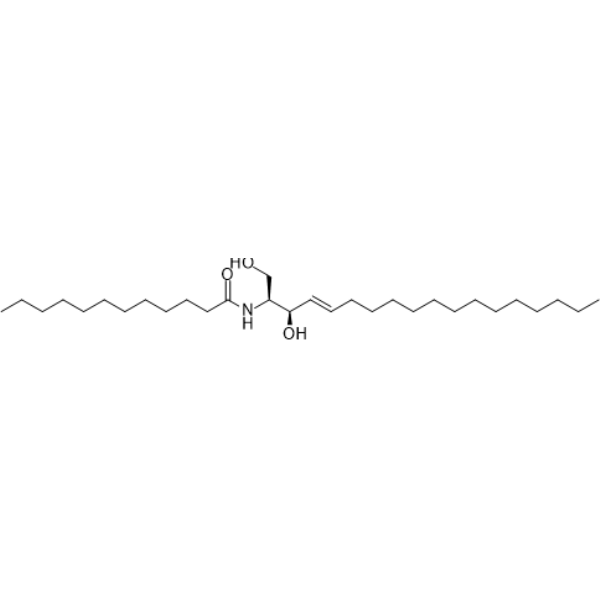
C12-Ceramide (N-Lauroyl-D-erythro-sphingosine), a naturally occurring ceramide, is formed by hydrolysis of C12 sphingomyelin. C12-Ceramide can enhance the Doxorubicin toxicity in MDA-MB-231 cells. C12-Ceramide also can be used to diagnose types A and B Niemann-Pick disease .
|
-
-
- HY-W923642
-
|
|
Endogenous Metabolite
|
Cardiovascular Disease
Metabolic Disease
|
|
Sphingomyelin (d18:1/12:0) is a metabolomic biomarker. Sphingomyelin (d18:1/12:0) exhibits favorable diagnostic properties and may facilitate the early detection and targeted prevention of dyslipidemia-related adverse cardiovascular events .
|
-
-
- HY-165136
-
|
SMs (buttermilk)
|
Endogenous Metabolite
|
Others
|
|
Sphingomyelins, milk (SMs (buttermilk)) are compounds studied in sphingolipids, which play important roles in various biological processes.
|
-
-
- HY-D1584
-
|
|
Phospholipase
|
Others
|
|
C12 NBD sphingomyelin is an active derivative of Sphingomyelin (HY-113498) that is tagged with fluorescent C12 nitrobenzoxadiazole (C12 NBD). C12 NBD sphingomyelin can be used as a sphingomyelinase substrate for studying the metabolism and transport of sphingomyelins (Ex=470 nm, Em=525 nm) .
|
-
-
- HY-D1574
-
|
|
Fluorescent Dye
|
Others
|
|
C6 NBD Sphingomyelin is a fluorescent short-chain analogue of Sphingomyelin (HY-113498). Chlamydia trachomatis acquires C6 NBD Sphingomyelin endogenously synthesizes from C6-NBD-ceramide and transportes to the chlamydial inclusion. C6 NBD Sphingomyelin can incorporate into the plasma membrane .
|
-
-
- HY-171160
-
|
|
SARS-CoV
|
Infection
|
|
WYFA-15 is a sphingomyelin synthase 1 (SMS1) inhibitor that protects mice against lethal SFTSV infection and reduce SARS-CoV-2 replication and pathogenesis. WYFA-15 can be utilized in anti-virus research .
|
-
-
- HY-155111
-
|
|
Phospholipase
|
Neurological Disease
|
|
nSMase2-IN-1 is an orally active Neutral sphingomyelinase 2 (nSMase2) inhibitor with an IC50 value of 0.13 ± 0.06 μM. nSMase2-IN-1 is metabolically stable in liver microsomes and orally available with a favorable brain-to-plasma ratio. nSMase2-IN-1 can be used for nervous system disease research .
|
-
-
- HY-W778830
-
|
|
Drug Metabolite
|
Neurological Disease
|
|
Bodipy C12-ceramide (B12Cer) is a fluorescently tagged form of C12-Ceramide (HY-100353) that displays excitation/emission maxima of 505/540 nm, respectively. Bodipy C12-ceramide is formed when acid sphingomyelinase hydrolyzes BODIPY-C12 sphingomyelin in vitro and has been used to quantify acid sphingomyelinase activity in plasma with Niemann-Pick disease .
|
-
-
- HY-N15352
-
|
|
Liposome
|
Neurological Disease
|
|
C20 Sphingomyelin (d18:1/20:1) is a sphingomyelin substance. The level of C20 Sphingomyelin (d18:1/20:1) is associated with amyotrophic lateral sclerosis and primary lateral sclerosis .
|
-
-
- HY-131676
-
|
SM (d18:1/17:0); Heptadecanoyl Sphingomyelin; N-Heptadecanoyl-D-erythro-Sphingosylphosphorylcholine
|
Endogenous Metabolite
|
Metabolic Disease
|
|
C17 Sphingomyelin is a synthetic derivative of sphingomyelin that has been used as an internal standard for the quantification of sphingomyelin.
|
-
-
- HY-125953
-
|
Ceramide (Egg, Chicken)
|
JNK
p38 MAPK
Phosphatase
Akt
Survivin
CDK
mTOR
Apoptosis
Autophagy
Reactive Oxygen Species (ROS)
|
Neurological Disease
Cancer
|
|
Ceramide (Egg) (Ceramide (Egg, Chicken)) is a ceramide from chicken. Ceramide (Egg) is a sphingomyelin signaling pathway second messenger. Ceramide (Egg) activates PP2A, JNK, p38 MAPK, CAPK, ceramide-activated protein phosphatase, Vav, PKCζ, and SAPK/JNK cascade. Ceramide (Egg) downregulates or inhibits AKT, survivin, CDK2, mTOR, and FLIP. Ceramide (Egg) mediates apoptosis, autophagy, cell cycle arrest, mitochondrial dysfunction, redox state shifts, and ROS generation. Ceramide (Egg) can be used for the research of cancer and neurological disease .
|
-
-
- HY-W754473
-
-
-
- HY-112016A
-
|
(E/Z)-C20 Ceramide; (E/Z)-N-Arachidoyl-D-sphingosine
|
Endogenous Metabolite
|
Neurological Disease
|
|
(E/Z)-C20 Ceramide (d18:1/20:0) ((E/Z)-N-Arachidoyl-D-sphingosine) is the mixture of (Z)-C20 Ceramide and (E)-C20 Ceramide .
|
-
-
- HY-W329357
-
|
|
Endogenous Metabolite
|
Cardiovascular Disease
|
|
15:0 Lyso PC is a lysophosphatidylcholine (Lyso PC), a product of phospholipase A2 (PLA2) hydrolysis of phosphatidylcholine (PC) and is involved in cell membrane remodeling and inflammatory signaling. 15:0 Lyso PC demonstrates significant lipid metabolism disturbances in the serum with ischemic heart disease (IHD) and ischemic cardiomyopathy (ICM). 15:0 Lyso PC can be used as a lipid biomarker for cardiovascular disease .
|
-
-
- HY-141629S2
-
|
Sphingomyelin 16:0-d9
|
Isotope-Labeled Compounds
Liposome
Endogenous Metabolite
|
Others
|
|
N-Palmitoyl-D-sphingomyelin-d9 (Sphingomyelin 16:0-d9) is deuterium labeled N-Palmitoyl-D-sphingomyelin. N-Palmitoyl-D-sphingomyelin (Sphingomyelin 16:0) (Compound SM-03) can be used for the synthesis of lipid nanoparticles .
|
-
-
- HY-165062
-
|
Stearoyl sphingomyelin; Sphingomyelin (d18:1/18:0); N-Octadecanoyl sphingosylphosphorylcholine
|
Others
|
Metabolic Disease
|
|
C18 Sphingomyelin (d18:1/18:0) is a form of sphingomyelin and can be used for study of sphingolipid metabolites .
|
-
-
- HY-165075S
-
-
-
- HY-148388
-
|
N-Stearoyl-D-sphingomyelin
|
Phospholipase
|
Cancer
|
|
N-Stearoylsphingomyelin (N-Stearoyl-D-sphingomyelin) is a sphingolipid, which can inhibit Phospholipase Cδ1 (PLCδ1) .
|
-
-
- HY-117057S
-
|
|
Isotope-Labeled Compounds
Endogenous Metabolite
|
Metabolic Disease
|
|
Hexaenoic acid-d6 is deuterium labeled Hexaenoic acid. Very long chain polyunsaturated fatty acids (VLCPUFAs) are important components of ceramides and sphingomyelin and are present in retina, sperm, and brain. Tetratriaconta-16(Z),19(Z),22(Z),25(Z),28(Z),31(Z)-hexaenoic acid is a C34:6 VLCPUFA whose specific biological actions are largely unknown. This VLCPUFA, along with others, has been investigated for its role in activating protein kinase C .
|
-
-
- HY-N16304
-
-
-
- HY-145549
-
|
N-eicosanoyl-D-erythro-Sphingosylphosphorylcholine; SM(d18:1/20:0)
|
Endogenous Metabolite
|
Endocrinology
|
|
C20 Sphingomyelin (d18:1/20:0) (N-eicosanoyl-D-erythro-Sphingosylphosphorylcholine; SM(d18:1/20:0)) is a naturally occurring sphingolipid. C20 Sphingomyelin (d18:1/20:0) levels are upregulated in the hippocampus of streptozotocin (HY-13753)-induced diabetic rats and in human plasma, positively correlating with insulin resistance in obese humans. C20 Sphingomyelin (d18:1/20:0) is also upregulated in the liver of a mouse model of Niemann-Pick C1 disease, a neurodegenerative cholesterol sphingolipid lysosomal storage disorder.
|
-
-
- HY-150559
-
-
-
- HY-145520
-
-
-
- HY-173538
-
|
NBD SM(d18:1/6:0)
|
Fluorescent Dye
|
Others
|
|
C6 NBD Sphingomyelin (d18:1/6:0) (NBD SM(d18:1/6:0)) is a fluorescent short-chain analogue of Sphingomyelin (HY-113498). C6 NBD Sphingomyelin (d18:1/6:0) has neutral sphingomyelinase (N-SMase) activity .
|
-
-
- HY-116258
-
|
|
Liposome
|
Others
|
|
C16 Ceramide (d16:1,C16:0) is a bioactive sphingolipid that induces ordered- and gel-phase formation and thermal stabilization of palmitoylsphingomyelin-rich domains in palmitoylphosphocholine (POPC) bilayers. C16 Ceramide (d16:1,C16:0) is found in sphingomyelins in human erythrocytes .
|
-
-
- HY-100353R
-
|
N-Lauroyl-D-erythro-sphingosine (Standard); N-Laurylsphingosine (Standard)
|
Reference Standards
Others
|
Metabolic Disease
Cancer
|
|
C12-Ceramide (Standard) is the analytical standard of C12-Ceramide. This product is intended for research and analytical applications. C12-Ceramide (N-Lauroyl-D-erythro-sphingosine), a naturally occurring ceramide, is formed by hydrolysis of C12 sphingomyelin. C12-Ceramide can enhance the Doxorubicin toxicity in MDA-MB-231 cells. C12-Ceramide also can be used to diagnose types A and B Niemann-Pick disease .
|
-
-
- HY-141629S1
-
-
-
- HY-141629S
-
-
-
- HY-167820
-
|
|
Biochemical Assay Reagents
|
|
|
3-Ketosphingosine trifluoroacetate is a chemically modified sphingomyelin analog with specific enzymatic pathway research activity. It is mainly used to explore the functions of sphingomyelin kinases and lyases in sphingomyelin metabolism. 3-Ketosphingosine trifluoroacetate has important application value in the study of cell signal transduction and related diseases. The study of 3-Ketosphingosine trifluoroacetate helps to deepen the understanding of sphingomyelin-related biological processes.
|
-
-
- HY-N8518R
-
|
|
Reference Standards
Phospholipase
p38 MAPK
Apoptosis
NF-κB
|
Metabolic Disease
Inflammation/Immunology
Cancer
|
|
Malabaricone C is an orally active and noncompetitive sphingomyelin synthase (SMS) inhibitor with IC50 values of 3 μM and 1.5 μM for SMS 1 and SMS 2, respectively. Malabaricone C reduces body weight gain, improves glucose tolerance, and decreases lipid accumulation in the liver, showing significant prevention of high fat diet-induced fatty liver in mice. Malabaricone C has anti-inflammatory effects, which is found in the fruits of Myristica cinnamomea King. Malabaricone C is promising for research of obesity and immunological disorders caused due to hyper-activation of T-cells .
|
-
-
- HY-166226
-
-
-
- HY-165075
-
-
-
- HY-164267
-
|
SM (d18:1/14:0)
|
Endogenous Metabolite
|
Others
|
|
Sphingomyelin (d18:1,C14:0), a major sphingolipid in mammalian cells, increases membrane molecular order .
|
-
- HY-D1749
-
|
|
Fluorescent Dye
|
Others
|
|
C6 NBD L-threo-ceramide is a cell-permeable analog of ceramides that is tagged with a fluorescent group C6 nitrobenzoxadiazole (C6 NBD). It is rapidly transferred between liposomes, labels the Golgi apparatus, and is metabolized to C6 NBD sphingomyelin in BHK cells and V79 fibroblasts.
|
-
- HY-165069
-
|
Sphingomyelin (d18:1 C22:0)
|
Others
|
Others
|
|
N-Docosanoyl-D-erythro-sphingosylphosphorylcholine (Sphingomyelin (d18:1 C22:0)) is a compound that appears in the plasma sphingolipid profile after chronic hepatitis C virus infection. The level of this substance in plasma is associated with hepatic steatosis and may be an independent factor of hepatic steatosis.
|
-
- HY-116535A
-
|
|
Parasite
|
Infection
|
|
DL-threo-PPMP hydrochloride is an inhibitor of sphingosine synthetase in Plasmodium falciparum. DL-threo-PPMP hydrochloride inhibits the activity of sphingosine synthetase (sphingosine synthetase) by binding to a substrate that mimics sphingosine. This inhibition leads to a rapid decline in sensitive sphingomyelin synthase (SSS) activity, selectively disrupting the interconnected tubular network of TVM in the cytoplasm of the host cell, and this inhibition also blocks the proliferation of the parasite. DL-threo-PPMP hydrochloride can be used in the study of malaria parasite biology and the search for new antimalarial strategies .
|
-
- HY-N6798R
-
|
Thermozymocidin (Standard); ISP-I (Standard)
|
Reference Standards
HCV
Antibiotic
|
Infection
|
|
Myriocin (Standard) is the analytical standard of Myriocin. This product is intended for research and analytical applications. Myriocin (Thermozymocidin), a fungal metabolite could be isolated from Myriococcum albomyces, Isaria sinclairi and Mycelia sterilia, is a potent inhibitor of serine-palmitoyl-transferase (SPT) and a key enzyme in de novo synthesis of sphingolipids. Myriocin suppresses replication of both the subgenomic HCV-1b replicon and the JFH-1 strain of genotype 2a infectious HCV, with an IC50 of 3.5 μg/mL for inhibiting HCV infection[1][2][3].
|
-
- HY-117057
-
|
|
Endogenous Metabolite
|
Metabolic Disease
|
|
Very long chain polyunsaturated fatty acids (VLCPUFAs) are important components of ceramides and sphingomyelin and are present in retina, sperm, and brain. Tetratriaconta-16(Z),19(Z),22(Z),25(Z),28(Z),31(Z)-hexaenoic acid is a C34:6 VLCPUFA whose specific biological actions are largely unknown. This VLCPUFA, along with others, has been investigated for its role in activating protein kinase C.
|
-
- HY-102041R
-
|
|
Phospholipase
Reference Standards
|
Inflammation/Immunology
|
|
SMS2-IN-1 (Standard) is the analytical standard of SMS2-IN-1 (HY-102041). This product is intended for research and analytical applications. SMS2-IN-1 is a potent and highly selective sphingomyelin synthase 2 (SMS2) inhibitor with an IC50 of 6.5 nM and a Kd of 37 nM. SMS2-IN-1 shows 150-fold selectivity for SMS2 over SMS1 (IC50 of 1000 nM) .
|
-
- HY-N17702
-
|
|
Endogenous Metabolite
|
Others
|
|
CerPCho (d18:0/22:0) is a sphingomyelin with a d18:0-type sphingosine long-chain base and a 22:0-type N-acyl fatty acid .
|
-
- HY-179799
-
-
- HY-179779
-
|
|
Fluorescent Dye
|
Others
|
|
C11-BODIPY 505/515 Sphingomyelin is a C11-BODIPY 505/515-labeled Sphingomyelin that can be used to prepare lipid nanoparticles for drug delivery (Ex/Em = 505/515 nm).
|
-
- HY-182413
-
|
|
Phospholipase
|
Infection
|
|
SMases D-IN-1 is an inhibitor of SMase D (sphingomyelinase D) from Loxosceles (brown recluse spider), with a Ki value of 0.54 μM. SMases D-IN-1 inhibits the hydrolysis of sphingomyelin substrates by recombinant and native SMases D, reduces the binding ability of SMases D to human red blood cells, and prevents the shedding of glycophorin C from the surface of human red blood cells. SMases D-IN-1 partially inhibits Loxosceles venom-induced death of human keratinocytes and also suppresses systemic reactions triggered by Loxosceles venom. SMases D-IN-1 can be used in studies related to recluse spider envenomation .
|
-
- HY-E70940A
-
|
|
Endogenous Metabolite
|
Metabolic Disease
|
|
Sphingomyelinase, Streptomyces sp. (EC 3.1.4.12) is a hydrolase enzyme that is involved in sphingolipid metabolism reactions. Sphingomyelinase is a member of the DNase I superfamily of enzymes and is responsible for breaking sphingomyelin (SM) down into phosphocholine and ceramide.
|
-
- HY-E70940
-
|
|
Endogenous Metabolite
|
Metabolic Disease
|
|
Sphingomyelinase, Staphylococcus aureus (EC 3.1.4.12) is a hydrolase enzyme that is involved in sphingolipid metabolism reactions. Sphingomyelinase is a member of the DNase I superfamily of enzymes and is responsible for breaking sphingomyelin (SM) down into phosphocholine and ceramide.
|
-
- HY-134505
-
|
|
Ras
Phospholipase
ERK
Akt
|
Cancer
|
|
Avicin G is a sphingomyelinase inhibitor and plasma membrane disruptor. Avicin G inhibits the enzymatic activities of neutral sphingomyelinases (SMPD2/3) and acid sphingomyelinase (SMPD1), elevates intracellular sphingomyelin levels, and alters the distribution of sphingomyelin. Avicin G interferes with the lateral segregation of GTP- and GDP-bound H-Ras, inhibits the signal output of oncogenic K-Ras and H-Ras, reduces the phosphorylation of ERK and Akt, increases lysosomal pH, and inhibits the endocytic recycling of epidermal growth factor receptor. Avicin G can be used in research related to pancreatic ductal adenocarcinoma and non-small cell lung cancer .
|
-
- HY-E70940B
-
|
|
Biochemical Assay Reagents
|
Metabolic Disease
|
|
Sphingomyelinase, Bacillus cereus (EC 3.1.4.12) is a hydrolase enzyme that is involved in sphingolipid metabolism reactions. Sphingomyelinase, Bacillus cereus (EC 3.1.4.12) is a member of the DNase I superfamily of enzymes and is responsible for breaking sphingomyelin (SM) down into phosphocholine and ceramide.
|
-
- HY-P2817B
-
|
|
Biochemical Assay Reagents
|
Metabolic Disease
|
|
Phospholipase C, Bacillus cereus (EC 3.1.4.3) is induced by thrombin and platelet-activating factor, forming 1,2-diacylglycerol and phosphatidic acid. Phospholipase C, Bacillus cereus (EC 3.1.4.3) hydrolyzes the phosphate bond on phosphatidylcholine and other glycerophospholipids yielding diacylglycerol. Phospholipase C, Bacillus cereus (EC 3.1.4.3) hydrolyzes the phosphate bonds of sphingomyelin, cardiolipin, choline plasmalogen and ceramide phospholipids.
|
-
- HY-128395
-
|
C20-DHSM; DHSM (d18:0/20:0)
|
Liposome
Endogenous Metabolite
|
Metabolic Disease
|
|
C20-Dihydrosphingomyelin (C20-DHSM; DHSM (d18:0/20:0)) is a saturated form of Sphingomyelin (HY-113498). C20-Dihydrosphingomyelin is a secondary component of most cell sphingolipids and its levels significantly decrease after intermittent fasting during Ramadan. C20-Dihydrosphingomyelin can be used for the development of liposome reagents .
|
-
- HY-202191
-
-
- HY-W777920
-
|
|
Endogenous Metabolite
|
Neurological Disease
Inflammation/Immunology
|
|
C26-Dihydro ceramide is a dihydroceramide containing a C26 very-long-chain fatty acid. C26-Dihydro ceramide can be used for research on various neurological disorders including Alzheimer's disease, Parkinson's disease, multiple sclerosis, depression, and anxiety disorders .
|
-
| Cat. No. |
Product Name |
Type |
-
- HY-W356116
-
|
Nbd-ceramide
|
Fluorescent Dyes
|
|
C6 NBD Ceramide is a Golgi apparatus fluorescent probe with cell membrane permeability. C6 NBD Ceramide can be used for fast and convenient green fluorescent labeling of Golgi in living and fixed cells, and can be used to observe changes in Golgi morphology in living cells (Ex=466 nm, Em=536 nm). C6-NBD-ceramide is metabolized to fluorescent sphingomyelin and glucosylceramide, can be used for the study of sphingolipid transport and metabolic mechanism .
|
-
- HY-D1584
-
|
|
Fluorescent Dyes
|
|
C12 NBD sphingomyelin is an active derivative of Sphingomyelin (HY-113498) that is tagged with fluorescent C12 nitrobenzoxadiazole (C12 NBD). C12 NBD sphingomyelin can be used as a sphingomyelinase substrate for studying the metabolism and transport of sphingomyelins (Ex=470 nm, Em=525 nm) .
|
-
- HY-D1574
-
|
|
Fluorescent Dyes
|
|
C6 NBD Sphingomyelin is a fluorescent short-chain analogue of Sphingomyelin (HY-113498). Chlamydia trachomatis acquires C6 NBD Sphingomyelin endogenously synthesizes from C6-NBD-ceramide and transportes to the chlamydial inclusion. C6 NBD Sphingomyelin can incorporate into the plasma membrane .
|
-
- HY-D1749
-
|
|
Fluorescent Dyes
|
|
C6 NBD L-threo-ceramide is a cell-permeable analog of ceramides that is tagged with a fluorescent group C6 nitrobenzoxadiazole (C6 NBD). It is rapidly transferred between liposomes, labels the Golgi apparatus, and is metabolized to C6 NBD sphingomyelin in BHK cells and V79 fibroblasts.
|
| Cat. No. |
Product Name |
Type |
-
- HY-141629
-
|
Sphingomyelin 16:0
|
Biochemical Assay Reagents
|
|
N-palmitoyl-D-sphingomyelin (sphingomyelin 16:0) is a component of LDL-carrying liposomes. N-palmitoyl-D-sphingomyelin can be used in colorectal cancer research .
|
-
- HY-W329357
-
|
|
Biochemical Assay Reagents
|
|
15:0 Lyso PC is a lysophosphatidylcholine (Lyso PC), a product of phospholipase A2 (PLA2) hydrolysis of phosphatidylcholine (PC) and is involved in cell membrane remodeling and inflammatory signaling. 15:0 Lyso PC demonstrates significant lipid metabolism disturbances in the serum with ischemic heart disease (IHD) and ischemic cardiomyopathy (ICM). 15:0 Lyso PC can be used as a lipid biomarker for cardiovascular disease .
|
-
- HY-167820
-
|
|
Biochemical Assay Reagents
|
|
3-Ketosphingosine trifluoroacetate is a chemically modified sphingomyelin analog with specific enzymatic pathway research activity. It is mainly used to explore the functions of sphingomyelin kinases and lyases in sphingomyelin metabolism. 3-Ketosphingosine trifluoroacetate has important application value in the study of cell signal transduction and related diseases. The study of 3-Ketosphingosine trifluoroacetate helps to deepen the understanding of sphingomyelin-related biological processes.
|
| Cat. No. |
Product Name |
Category |
Target |
Chemical Structure |
-
- HY-108496
-
-
-
- HY-N6798
-
-
-
- HY-113498
-
-
-
- HY-N8518
-
-
-
- HY-141629
-
-
-
- HY-N15352
-
-
-
- HY-W754473
-
-
-
- HY-N16304
-
-
-
- HY-145520
-
-
-
- HY-N8518R
-
-
-
- HY-N6798R
-
|
Thermozymocidin (Standard); ISP-I (Standard)
|
Structural Classification
Microorganisms
Ketones, Aldehydes, Acids
Source Classification
|
Reference Standards
HCV
Antibiotic
|
|
Myriocin (Standard) is the analytical standard of Myriocin. This product is intended for research and analytical applications. Myriocin (Thermozymocidin), a fungal metabolite could be isolated from Myriococcum albomyces, Isaria sinclairi and Mycelia sterilia, is a potent inhibitor of serine-palmitoyl-transferase (SPT) and a key enzyme in de novo synthesis of sphingolipids. Myriocin suppresses replication of both the subgenomic HCV-1b replicon and the JFH-1 strain of genotype 2a infectious HCV, with an IC50 of 3.5 μg/mL for inhibiting HCV infection[1][2][3].
|
-
-
- HY-N17702
-
-
-
- HY-134505
-
|
|
Structural Classification
Acacia victoriae Benth.
Terpenoids
Plants
Pentacyclic Triterpenoids
Fabaceae
Source Classification
|
Ras
Phospholipase
ERK
Akt
|
|
Avicin G is a sphingomyelinase inhibitor and plasma membrane disruptor. Avicin G inhibits the enzymatic activities of neutral sphingomyelinases (SMPD2/3) and acid sphingomyelinase (SMPD1), elevates intracellular sphingomyelin levels, and alters the distribution of sphingomyelin. Avicin G interferes with the lateral segregation of GTP- and GDP-bound H-Ras, inhibits the signal output of oncogenic K-Ras and H-Ras, reduces the phosphorylation of ERK and Akt, increases lysosomal pH, and inhibits the endocytic recycling of epidermal growth factor receptor. Avicin G can be used in research related to pancreatic ductal adenocarcinoma and non-small cell lung cancer .
|
-
| Cat. No. |
Product Name |
Chemical Structure |
-
- HY-108496S
-
|
|
|
Sphingosine-1-phosphate-d7 is the deuterium labeled Sphingosine-1-phosphate. Sphingosine-1-phosphate (S1P) is an agonist of S1P1-5 receptors and a ligand of GPR3, GPR6 and GPR12.?Sphingosine-1-phosphate is an intracellular second messenger and mobilizes Ca2+ as an extracellular ligand for G protein-coupled receptors . Sphingosine-1-phosphate is an important lipid mediator generated from Sphingomyelin (HY-113498) or other membrane phospholipids .
|
-
-
- HY-141629S2
-
|
|
|
N-Palmitoyl-D-sphingomyelin-d9 (Sphingomyelin 16:0-d9) is deuterium labeled N-Palmitoyl-D-sphingomyelin. N-Palmitoyl-D-sphingomyelin (Sphingomyelin 16:0) (Compound SM-03) can be used for the synthesis of lipid nanoparticles .
|
-
-
- HY-165075S
-
|
|
|
C26 Sphingomyelin (d18:1/26:0)-d4 is deuterium labeled C26 Sphingomyelin (d18:1/26:0). C26 Sphingomyelin (d18:1/26:0) is a biochemical reagent.
|
-
-
- HY-117057S
-
|
|
|
Hexaenoic acid-d6 is deuterium labeled Hexaenoic acid. Very long chain polyunsaturated fatty acids (VLCPUFAs) are important components of ceramides and sphingomyelin and are present in retina, sperm, and brain. Tetratriaconta-16(Z),19(Z),22(Z),25(Z),28(Z),31(Z)-hexaenoic acid is a C34:6 VLCPUFA whose specific biological actions are largely unknown. This VLCPUFA, along with others, has been investigated for its role in activating protein kinase C .
|
-
-
- HY-141629S1
-
|
|
|
N-Palmitoyl-D-sphingomyelin-13C is a deuterated labeled N-Palmitoyl-D-sphingomyelin . N-Palmitoyl-D-sphingomyelin (Sphingomyelin 16:0) (Compound SM-03) can be used for the synthesis of lipid nanoparticles .
|
-
-
- HY-141629S
-
|
|
|
N-Palmitoyl-D-sphingomyelin-d31 is deuterium labeled N-Palmitoyl-D-sphingomyelin.
|
-
| Cat. No. |
Product Name |
|
Classification |
-
- HY-129084
-
|
|
|
Alkynes
|
|
Propargylcholine bromide is a choline analogue containing terminal propargyl that can be incorporated into all classes of Choline-containing phospholipids such as phosphatidylcholine and sphingomyelin, labeling Choline-containing phospholipids. Propargylcholine bromide-labeled phospholipid molecules can be visualized in cells with high sensitivity and spatial resolution. Propargylcholine bromide can be used as a molecular tool to study the biochemical and metabolic processes of Choline-containing phospholipids in cells . Propargylcholine (bromide) is a click chemistry reagent, it contains an Alkyne group and can undergo copper-catalyzed azide-alkyne cycloaddition (CuAAc) with molecules containing Azide groups.
|
| Cat. No. |
Product Name |
|
Classification |
-
- HY-141629
-
|
Sphingomyelin 16:0
|
|
Phospholipids
|
|
N-palmitoyl-D-sphingomyelin (sphingomyelin 16:0) is a component of LDL-carrying liposomes. N-palmitoyl-D-sphingomyelin can be used in colorectal cancer research .
|
-
- HY-179779
-
|
|
|
Fluorescent Lipids
|
|
C11-BODIPY 505/515 Sphingomyelin is a C11-BODIPY 505/515-labeled Sphingomyelin that can be used to prepare lipid nanoparticles for drug delivery (Ex/Em = 505/515 nm).
|
-
- HY-128395
-
|
C20-DHSM; DHSM (d18:0/20:0)
|
|
Phospholipids
|
|
C20-Dihydrosphingomyelin (C20-DHSM; DHSM (d18:0/20:0)) is a saturated form of Sphingomyelin (HY-113498). C20-Dihydrosphingomyelin is a secondary component of most cell sphingolipids and its levels significantly decrease after intermittent fasting during Ramadan. C20-Dihydrosphingomyelin can be used for the development of liposome reagents .
|
Your information is safe with us. * Required Fields.
Inquiry Information
- Product Name:
- Cat. No.:
- Quantity:
- MCE Japan Authorized Agent:

