1. Search Result
Search Result
Results for "

spleen

" in MedChemExpress (MCE) Product Catalog:

145

Inhibitors & Agonists

1

Screening Libraries

2

Fluorescent Dyes

16

Biochemical Assay Reagents

10

Peptides

5

MCE Kits

8

Inhibitory Antibodies

19

Natural
Products

7

Recombinant Proteins

6

Isotope-Labeled Compounds

3

Antibodies

12

Oligonucleotides

1

GMP Molecules

Targets Recommended:
Cat. No. Product Name Target Research Areas Chemical Structure
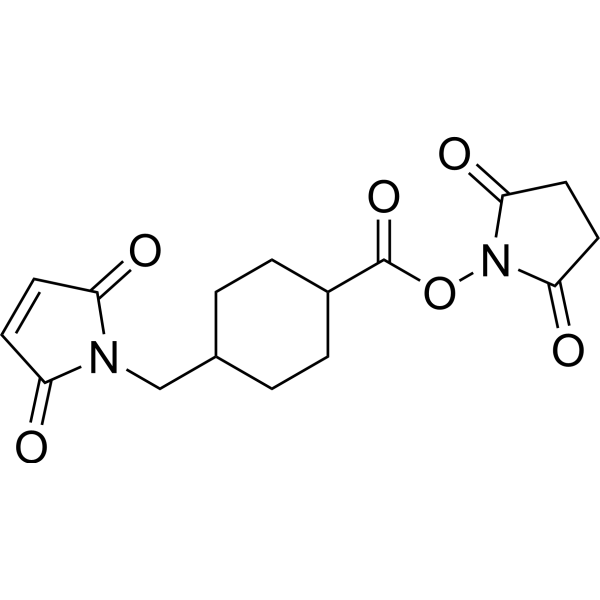
  • HY-42360
    SMCC
    1 Publications Verification

    ADC Linker Cancer
    SMCC is a protein crosslinker. SMCC contains an amine-reactive N-hydroxysuccinimide ester and a sulfhydryl-reactive maleimide group that can be used in the conjugation of proteins. SMCC-conjugated antigen coupled spleen cells to induce antigen-specific immune responses .
    SMCC
  • HY-168374
    DSPE-PEG2000-Mannose
    1 Publications Verification

    Biochemical Assay Reagents Liposome Small Interfering RNA (siRNA) Cancer
    DSPE-PEG 2000-Mannose is a mannose-containing lipid. DSPE-PEG 2000-Mannose is used to prepare mannose-conjugated Liposome (Man-lipo) for siRNA delivery. Mannose-modified liposomes encapsulating IDO siRNA (Man-lipo-siIDO) preferentially knock down IDO expression in the draining lymph nodes and spleens of melanoma-bearing mice. Man-lipo-siIDO delays the onset time of melanoma and reduces tumor volume .
    DSPE-PEG2000-Mannose
  • HY-P2780

    Apoptosis Ferroptosis Autophagy Necroptosis Others Cancer
    Cathepsin B, Bovine spleen is a cysteine protease and is involved in multiple kinds of programmed cell death (including apoptosis, pyroptosis, ferroptosis, necroptosis, and autophagic cell death) .
    Cathepsin B, Bovine spleen
  • HY-100867A

    TAK-659 monohydrochloride; CB-659 monohydrochloride

    Syk FLT3 Cancer
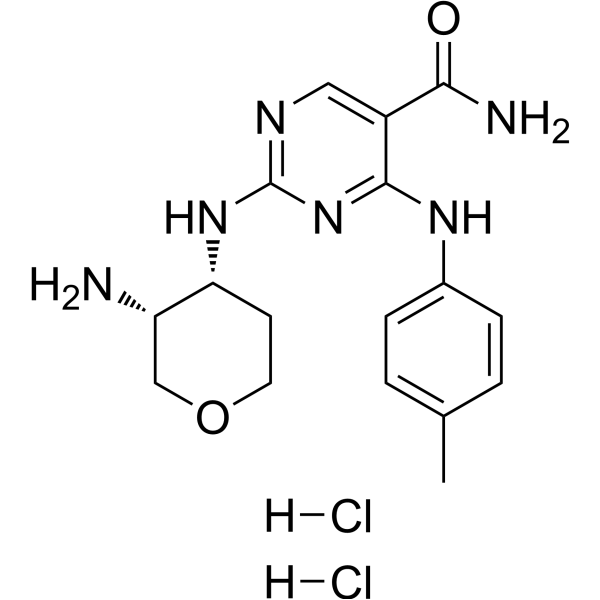
    TAK-659 hydrochloride is a highly potent, selective, reversible and orally available dual inhibitor of spleen tyrosine kinase (SYK) and fms related tyrosine kinase 3 (FLT3), with an IC50 of 3.2 nM and 4.6 nM for SYK and FLT3, respectively. TAK-659 hydrochloride induces cell death in tumor cells but not in nontumor cells, and with potential for the treatment of chronic lymphocytic leukemia (CLL) .
    Mivavotinib monohydrochloride
  • HY-134771
    YM-341619
    1 Publications Verification

    AS1617612

    STAT Inflammation/Immunology
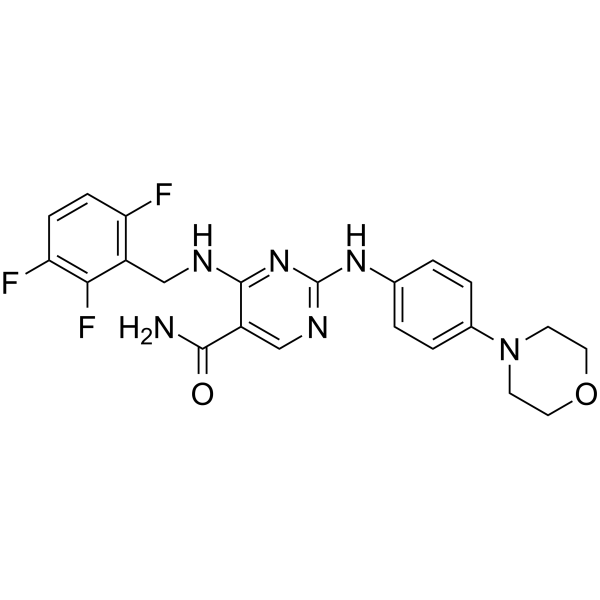
    YM-341619 (AS1617612) is a potent and orally active STAT6 inhibitor with an IC50 of 0.70 nM. YM-341619 inhibits Th2 differentiation in mouse spleen T cells induced by IL-4 (IC50=0.28 nM) without affecting Th1 cell differentiation . YM-341619 is a promising compound for the the research of allergic diseases, such as allergic asthma .
    YM-341619
  • HY-178129

    Syk Inflammation/Immunology
    MRL-SYKi is a chemical probe for gain-of-function variants of spleen tyrosine kinase (SYK). MRL-SYKi reduces the catalytic activity of SYK S550Y, SYK S550F and SYK P342T, and downregulates the phosphorylation level of SYK S550Y. MRL-SYKi serves as a template for developing NanoBRET tracers targeting SYK, enabling NanoBRET cellular target engagement assays for gain-of-function variants of SYK. MRL-SYKi is applicable to research related to inflammatory and immune diseases .
    MRL-SYKi
  • HY-N1470

    Glycosidase Metabolic Disease
    Plantagoside is a flavanone glucoside found in Plantago asiatica seeds, acting as a specific non-competitive α-mannosidase inhibitor with IC50 values of 5 μM and a Ki of 2.7 μM (jack bean). Plantagoside suppresses antibody response and Concanavalin A (HY-P2149)-induced lymphocyte proliferation in mouse spleen cells. Plantagoside inhibits the Maillard reaction, advanced glycation end product formation, and glycation-dependent protein-protein cross-link formation. Plantagoside can be used for the research of diabetes .
    Plantagoside
  • HY-164485

    Toll-like Receptor (TLR) SARS-CoV Infection
    INI-4001 is a TLR7/8 agonist and vaccine adjuvant. INI-4001 regulates innate and adaptive immune responses by activating murine TLR7 and human TLR7/TLR8. INI-4001 enhances IgG and neutralizing antibody responses against Powassan virus (POWV), reduces viral loads in the brain, liver and spleen, provides complete protection against lethal POWV challenge, and skews immune responses toward a Th1 phenotype. When INI-4001 is used in combination with Al (OH)3 and SARS-CoV-2 RBD antigen, it efficiently adsorbs to Al (OH)3, promotes Th1 immunity and enhances SARS-CoV-2 neutralizing antibody responses. INI-4001 is applicable to research related to Powassan virus infection and COVID-19 .
    INI-4001
  • HY-148049

    Liposome Others
    TT3 is an ionizable lipid-like material and a lipid nanoparticle (LLNs)-based mRNA delivery vector. TT3 exhibits liver and spleen specificity and excellent delivery efficiency .
    TT3
  • HY-B2046

    Environmental Pollutants Apoptosis Herbicide Bcl-2 Family Caspase Reactive Oxygen Species (ROS) Inflammation/Immunology
    Simazine is a triazine herbicide. Simazine is widely used in agriculture, potted plant and tree production. In addition, Simazine can induce the apoptosis of immune cells in the spleen of mice and inhibit the proliferation of B cells and T cells in mice .
    Simazine
  • HY-16420

    Syk Inflammation/Immunology
    R112 is a fast and reversible inhibitor of spleen tyrosine kinase (Syk) kinase. R112 inhibits Syk kinase activity with an IC50 value of 226 nM and a Ki value of 96 nM. R112 inhibits IgE-FcεRI signaling pathway. R112 can be used for the research of allergic rhinitis .
    R112
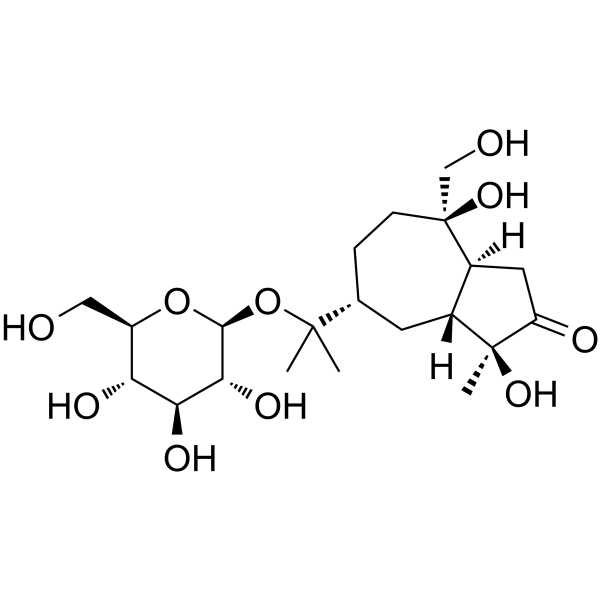
  • HY-N0237
    Atractyloside A
    3 Publications Verification

    Toll-like Receptor (TLR) MyD88 NF-κB Mitochondrial Metabolism Interleukin Related Aquaporin Cardiovascular Disease Metabolic Disease Inflammation/Immunology
    Atractyloside A is an orally active inhibitor of the TLR4/MyD88/NF-κB signaling pathway and also an opener of the mitochondrial permeability transition pore (MPTP). Atractyloside A interferes with the activation of the TLR4/MyD88/NF-κB pathway, thereby inhibiting intestinal inflammatory responses. Atractyloside A reverses mucin synthesis impairment, improves intestinal barrier integrity, and restores homeostasis by altering the composition of the gut microbiota. Atractyloside A can be used in studies related to spleen deficiency diarrhea and myocardial injury .
    Atractyloside A
  • HY-114175A

    RnADA, Calf spleen

    Adenosine Deaminase Inflammation/Immunology
    Adenosine deaminase, Calf Spleen is an enzyme that catalyzes the irreversible deamination of adenosine and 2'-deoxyadenosine to inosine and 2'-deoxyinosine, respectively .
    Adenosine deaminase, Calf Spleen
  • HY-W013755
    Dioctyl phthalate
    2 Publications Verification

    DNOP; Di-n-octyl phthalate; Phthalic acid dioctyl ester

    Biochemical Assay Reagents Aminotransferases (Transaminases) Phosphatase Bacterial Inflammation/Immunology
    Dioctyl phthalate (DNOP) is a plasticizer. Dioctyl phthalate increases the activities of alanine aminotransferase (ALT) and alkaline phosphatase (ALP) in the liver, as well as the levels of creatinine and urea in the kidney. Exposure to Dioctyl phthalate disrupts the homeostasis of the intestinal microbial community, increases the abundance of pathogenic bacteria, and reduces the abundance of beneficial bacteria such as Lactobacillus. Dioctyl phthalate induces significant and dose-dependent inflammatory responses in the liver, spleen and kidney of mice .
    Dioctyl phthalate
  • HY-N6801

    Caspase Apoptosis Bcl-2 Family Infection Inflammation/Immunology Cancer
    Nivalenol, a trichothecene mycotoxin that can be produced by Fusarium graminearum, is a fungal metabolite present in agricultural product. Nivalenol modulates apoptotic pathway, cell cycle regulation, Bax, ERK, caspase-3, and poly-ADP-ribose synthase activity in macrophages. Nivalenol inhibits ribosomal peptidyltransferase site, protein synthesis, DNA synthesis, and cell proliferation. Nivalenol induces late-stage apoptotic morphological changes, reduces cellular metabolism, and decreases cell proliferation in erythroleukemia cells. Nivalenol induces lymphocyte apoptosis in murine thymus, spleen, and Peyer's patches. Nivalenol can be used for the research of erythroleukemia .
    Nivalenol
  • HY-173247

    C-type Lectin-like Receptors (CTLRs) Others
    GalNAc-NAG37 phosphoramidite is an N-acetylgalactosamine (GalNAc) derivative that acts as a ligand for the asialoglycoprotein receptor (ASGPR). GalNAc-NAG37 phosphoramidite can be used to synthesize GalNAc-siRNA and for oligonucleotide delivery .
    GalNAc-NAG37 phosphoramidite
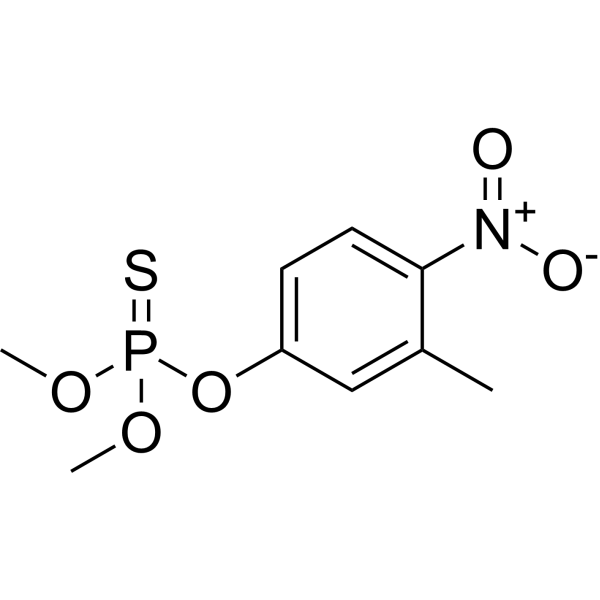
  • HY-B1885
    Fenitrothion
    2 Publications Verification

    Environmental Pollutants Apoptosis Insecticide Cholinesterase (ChE) AMPK PI3K Parasite Akt SOD Infection
    Fenitrothion is a broad-spectrum and orally active insecticide/acaricide. Fenitrothion inhibits cholinesterase, AMPKα and IRS1/PI3K/AKT. Fenitrothion causes Apoptosis, reduces SOD activity. Fenitrothion shows insecticidal effect against Rhyzopertha dominica and Tribolium castaneum adults. Fenitrothion is widely used in cotton crops, vegetable crops, fruit crops and field crops, especially rice. Fenitrothion can be used for brain and spleen toxicology studies .
    Fenitrothion
  • HY-101366

    Adrenergic Receptor Endocrinology
    A-61603 is a selective α1A/α1a-adrenergic receptor agonist with Ki of 8.89 nM for rat submaxillary gland α1A, Ki of 30.5 nM for cloned bovine α1a. A-61603 potentiates Ca 2+ transients with EC50 of 6.9 nM. A-61603 stimulates phosphoinositide hydrolysis, induces contractile responses in vas deferens, prostate strips, and spleen strips, and exhibits low activity in aortic rings. A-61603 can be used for research on adrenergic function .
    A-61603
  • HY-12736A
    GSK143 dihydrochloride
    1 Publications Verification

    Syk ERK Inflammation/Immunology Cancer
    GSK143 dihydrochloride is an orally active and highly selective spleen tyrosine kinase (SYK) inhibitor with a pIC50 of 7.5. GSK143 dihydrochloride inhibits phosphorylated Erk (pErk: pIC50=7.1) . GSK143 dihydrochloride reduces inflammation and prevents recruitment of immune cells in the intestinal muscularis in mice .
    GSK143 dihydrochloride
  • HY-156857

    Liposome Inflammation/Immunology Cancer
    PPZ-A10 is an ionizable cationic lipid. PPZ-A10 preferentially delivers mRNA to liver and spleen immune cells. Pi-LNPs containing PPZ-A10 can effectively deliver mRNA/siRNA to solid tumors .
    PPZ-A10
  • HY-N2499

    Others Metabolic Disease
    Dehydrotumulosic acid is one of the effective constituents of Poria cocos. Poria cocos, a popular Chinese medicinal herb of fungal origin, has been included in many combinations with other CM herbs for its traditionally claimed activities of inducing diuresis, excreting dampness, invigorating the spleen and tranquilizing the mind and its modern pharmacological use of modulating the immune system of the body .
    Dehydrotumulosic acid
  • HY-172404

    Endogenous Metabolite Cancer
    Arylsulfatase is a hydrolase with substrate specificity for potassium 6-benzoyl-2-naphthyl sulfate. Arylsulfatase exhibits optimal activity at 37°C, and its incubation time is tissue-dependent. Arylsulfatase can be used in tumor-related research .
    Arylsulfatase
  • HY-113470

    Endogenous Metabolite Metabolic Disease
    LysoPC(16:1(9Z)) is a type of lysophosphatidylcholine that can be used to study spleen deficiency syndrome .
    LysoPC(16:1(9Z))
  • HY-167846

    JAK Cancer
    YLIU-4-105-1 is a Type II JAK2 inhibitor. YLIU-4-105-1 binds to the ATP-binding pocket of JH1. YLIU-4-105-1 has in vivo pharmacodynamic activity as evidenced by inhibiting pSTAT5, reducing spleen to body weight, and lowering blood reticulocyte counts in a dose-dependent manner .
    YLIU-4-105-1
  • HY-153372

    Liposome Others
    93-O17S is an ionizable lipid. 93-O17S is involved in the construction of LNP. 93-O17S can achieve mRNA delivery to the spleen .
    93-O17S
  • HY-W008753

    N-Cbz-L-valine

    Biochemical Assay Reagents Drug Intermediate Amino Acid Derivatives Infection
    Z-L-Val-OH (N-Cbz-L-valine) is an amino acid derivative and key intermediate in organic synthesis. Z-L-Val-OH can be used in the synthesis of anti-cytomegalovirus compounds and peptide inhibitors of human spleen plasminogen activator (SFP) and human leukocyte elastase-like protease (ELP) .
    Z-L-Val-OH
  • HY-W015050

    1-Aminoanthracene

    GABA Receptor Chloride Channel Fluorescent Dye Neurological Disease
    1-Anthramine (1-aminoanthracene) is a fluorescent general anesthetic. potentiates GABAergic transmission with Kd = 0.1 mM, for binding to the general anesthetic site in horse spleen apoferritin (HSAF). 1-Anthramine fluorescence is enhanced when bound to HSAF. 1-Anthramine potentiates chloride currents elicited by GABA. 1-Anthramine can reversibly inhibit the movement of Xenopus laevis, with an EC50 value of 16 μM .
    1-Anthramine
  • HY-P991191

    Transmembrane Glycoprotein Cancer
    REGN5054 is a fully human monoclonal IgG1 antibody that binds specifically to human and cynomolgus CD8 expressed on T cells .
    REGN-5054
  • HY-106263B

    PTEN PDK-1 MDM-2/p53 Apoptosis Akt Cancer
    Tyroserleutide hydrochloride is a tripeptide isolated from the degradation products of porcine spleen with antitumor activity. Tyroserleutide hydrochloride can upregulate the expression of the tumor suppressor gene PTEN and inhibit the activity of AKT and PDK1. Tyroserleutide hydrochloride inhibits tumor cell proliferation and MDM2 phosphorylation by inhibiting the PI3K/AKT pathway, and also upregulates P21, P27, P53, and induces mitochondrial damage and cell apoptosis .
    Tyroserleutide hydrochloride
  • HY-P1997

    Desferrichrome; DFC; N-Desferriferrichrome

    Biochemical Assay Reagents Others
    Ferrichrome is a hydroxamate siderophore produced by various fungi, including U. sphaerogena, that facilitates iron chelation and uptake by these organisms. It can be used as a heterosiderophore by bacteria, including Pseudomonas aeruginosa and Vibrio parahaemolyticus. Ferrichrome (0.8 μM) inhibits concanavalin A-induced proliferation of mouse spleen monocytes and reduces the number of concanavalin A-stimulated CD4+ T cells expressing IL-2 receptor. It also inhibits the heme-catalyzed oxidation of LDL by hydrogen peroxide in a concentration-dependent manner.
    Ferrichrome Iron-free
  • HY-112319

    Drug Isomer Syk Cardiovascular Disease Inflammation/Immunology
    (R,S)-MK-8457 is a stereoisomer of MK-8457. MK-8457 is a dual inhibitor of Syk and ZAP70 .
    (R,S)-MK-8457
  • HY-165035

    Glucocerebrosides; Gaucher cerebroside; GluCers (gaucher's spleen)

    Endogenous Metabolite Neurological Disease Metabolic Disease
    Glucosylceramides are sphingolipid molecules found in both neuronal and non-neuronal mammalian tissues, as well as in low quantities across various plant species. Elevated levels of glucosylceramides provide cellular protection and prepare certain cells for proliferation; however, they have also been linked to obesity-induced insulin resistance in mice and to neuronal deficits observed in neuronopathic Gaucher disease .
    Glucosylceramide (gaucher's spleen)
  • HY-P2867

    3′-Exonuclease

    Phosphodiesterase (PDE) Neurological Disease
    Phosphodiesterase II (EC 3.1.16.1), namely phosphodiesterase 2, is mainly involved in the hydrolysis of the important second messengers cyclic adenosine monophosphate (cAMP) and cyclic guanosine monophosphate (cGMP), and is often used in biochemical research. Phosphodiesterase II is expressed in a variety of tissues, such as the adrenal medulla, brain, heart, platelets, macrophages and endothelial cells, and is involved in the regulation of many different intracellular processes .
    Phosphodiesterase II, Bovine Spleen
  • HY-109082A

    SKI-O-703 dimesylate

    Syk Inflammation/Immunology
    Cevidoplenib is an orally available inhibitor of spleen tyrosine kinase (Syk), with potential anti-inflammatory and immunomodulating activities .
    Cevidoplenib dimesylate
  • HY-P991112

    Transmembrane Glycoprotein Infection
    Anti-Mouse CD8α Antibody (YTS169.4) is an IgG2 monoclonal antibody targeting mouse CD8α. Anti-Mouse CD8α Antibody (YTS169.4) rapidly depletes or downregulates CD8 + T cells in the spleens of Biozzi AB/H mice. Anti-Mouse CD8α Antibody (YTS169.4) is applicable to research related to hepatitis B virus infection . Recommended isotype control: Rat IgG2b kappa, Isotype Control (HY-P990682).
    Anti-Mouse CD8α Antibody (YTS169.4)
  • HY-148075

    PI4K Infection
    PI4KIIIbeta-IN-11 is an inhibitor of PI4KIIIβ, with a mean pIC50 value of at least 9.1. PI4KIIIβ plays a key role in diseases research of RNA viruses and Plasmodium falciparum .
    PI4KIIIbeta-IN-11
  • HY-112742

    Leukotriene Receptor Inflammation/Immunology
    CP-195543 is a potent, selective and orally active leukotriene B4 (LTB4) receptor antagonist with IC50s of 6.8, 37.0 nM for human neutrophils and murine spleen membranes, respectively. CP-195543 blocks CD11b up-regulation. CP-195543 inhibits LTB4-mediated neutrophil infiltration .
    CP-195543
  • HY-100867

    TAK-659; CB-659

    Syk FLT3 Cancer
    TAK-659 is a highly potent, selective, reversible and orally available dual inhibitor of spleen tyrosine kinase (SYK) and fms related tyrosine kinase 3 (FLT3), with an IC50 of 3.2 nM and 4.6 nM for SYK and FLT3, respectively. TAK-659 induces cell death in tumor cells but not in nontumor cells, and with potential for the treatment of chronic lymphocytic leukemia (CLL) .
    Mivavotinib
  • HY-118335

    SZL 49

    Adrenergic Receptor Cardiovascular Disease
    Prazobind (SZL 49), a prazosin analog, is an irreversible α1-adrenoceptor antagonist. Prazobind competes for alpha 1-adrenoceptor binding sites with a similar potency (IC50 of 1 nM) in tissues enriched in both the alpha 1A (hippocampus) and alpha 1B (liver) subtypes. Prazobind partially inhibits the contractions of circular muscles, longitudinal muscles and smooth muscles of the spleen. Prazobind can be used for the study of blood pressure .
    Prazobind
  • HY-112809

    Syk Src LRRK2 GSK-3 JAK VEGFR Aurora Kinase Inflammation/Immunology
    GSK2646264 (Compound 44) is a potent and selective spleen tyrosine kinase (SYK) inhibitor with a pIC50 of 7.1. GSK2646264 also inhibits other kinases with pIC50 values of 5.4, 5.4, 5.3, 5, 4.5, <4.6 and <4.3 against LCK, LRRK2, GSK3β, JAK2, VEGFR2, Aurora B and Aurora A, respectively. GSK2646264 is penetrable into the epidermis and dermis of the skin .
    GSK2646264
  • HY-149667

    DGK Cancer
    BMS-332 is a dual DGKα/ζ lipid kinase inhibitor, with IC50s of 5 and 1 nM against DGKα and DGKζ, respectively. BMS-332 enhances the antigen-specific T cell response. BMS-332 reduces the viral load in the liver and spleen when combined with anti-PD-1 in chronic infection models. BMS-332 can be used for the study of T cell immune checkpoint strategy .
    BMS-332
  • HY-124146

    Syk Inflammation/Immunology
    BI1002494 is an orally active, potent, and selective spleen tyrosine kinase (SYK) inhibitor. BI 1002494 exhibits an IC50 of 115 nM in inhibiting high-affinity IgE receptor-mediated mast cell and basophil degranulation. BI1002494 can be utilized in immunology reesearch .
    BI1002494
  • HY-12736

    Syk ERK Inflammation/Immunology Cancer
    GSK143 is an orally active and highly selective spleen tyrosine kinase (SYK) inhibitor with a pIC50 of 7.5. GSK143 inhibits phosphorylated Erk (pErk: pIC50=7.1) . GSK143 reduces inflammation and prevents recruitment of immune cells in the intestinal muscularis in mice .
    GSK143
  • HY-W581820

    Ferrous succinate

    Biochemical Assay Reagents Cardiovascular Disease
    Iron(II) succinate (Ferrous succinate) is an orally active and organic acid iron supplement (ferrous salt). Iron(II) succinate improves hematological parameters in iron-deficiency anemia rats, including hemoglobin, red blood cells, hematocrit, mean corpuscular volume, mean corpuscular hemoglobin, and mean corpuscular hemoglobin concentration. Iron(II) succinate increases serum ferritin, serum iron levels, and transferrin saturation, while decreasing total iron-binding capacity in iron-deficiency anemia rats. Iron(II) succinate reduces the elevated heart, spleen, and kidney coefficients, and increases the decreased liver coefficient in iron-deficiency anemia rats. Iron(II) succinate replenishes the depleted iron content in the liver and spleen of iron-deficiency anemia rats. Iron(II) succinate can be used for the research of iron-deficiency anemia .
    Iron(II) succinate
  • HY-D2396

    Sulfo SMCC R-PE

    Fluorescent Dye Cancer
    Sulfo SMCC R-phycoerythrin is a conjugate composed of the protein crosslinker SMCC (HY-42360) and R-PE (R-Phycoerythrin) (HY-D0988) that can be used to label proteins to make them carry red fluorescence. Among them, SMCC is able to engage antigen-coupled spleen cells to induce antigen-specific immune responses .
    Sulfo SMCC R-phycoerythrin
  • HY-NP078A

    PSA (FITC)

    Biochemical Assay Reagents CD3 Inflammation/Immunology Endocrinology
    Pisum sativum Agglutinin (PSA) FITC is a plant lectin conjugated with FITC (HY-66019). Pisum sativum Agglutinin FITC serves as an acrosome stain for detecting the acrosomal status of sperm. Pisum sativum Agglutinin exhibits lymphocyte mitogenic and immunomodulatory activities .
    Pisum Sativum Agglutinin (FITC)
  • HY-113902

    CRM1 Cancer
    (2-(β-Piperidinoethyl)-9-hydroxyellipticinium chloride (compound 1AA) is a SETBP1 inhibitor that disrupts the interaction between SETBP1 and XPO1. (2-(β-Piperidinoethyl)-9-hydroxyellipticinium chloride inhibits colony formation, induces differentiation/cytotoxicity, and downregulates the transcription of Setbpl target genes. (2-(β-Piperidinoethyl)-9-hydroxyellipticinium chloride improves survival and reduces the spleen size of leukemic mice. (2-(β-Piperidinoethyl)-9-hydroxyellipticinium chloride can be used for myeloid neoplasms and solid tumors research .
    (2-(β-Piperidinoethyl)-9-hydroxyellipticinium chloride
  • HY-162427

    Syk Endocrinology
    NMS-0963 (compound 1) is an inhibitor of spleen tyrosine kinase (SYK) with an oral activity and IC50 value of 3 nM. NMS-0963 inhibits BaF3-TEL/SYK cell line proliferative at 27 nM .
    NMS-0963
  • HY-W342930

    Acid Red 17

    Biochemical Assay Reagents Others
    Bordeaux Red (Acid Red 17) is a redox indicator that can be used for cytoplasm staining, such as spleen, testis, and liver slice staining. Bordeaux Red is a kind of biological materials or organic compounds that are widely used in life science research .
    Bordeaux Red
  • HY-W726392

    Adrenergic Receptor Endocrinology
    N-Nitrosometoprolol is an N-nitroso derivative formed by the in vitro reaction of β-adrenergic blockers with sodium nitrite. N-Nitrosometoprolol can induce micronuclei in rat liver, bone marrow and spleen .
    N-Nitrosometoprolol

Inquiry Online

Your information is safe with us. * Required Fields.

Salutation


Country or Region *

Applicant Name *


Organization Name *

Department *


Email Address *


Product Name *

Cat. No.


Requested quantity *

Phone Number *


Remarks

Inquiry Online

Inquiry Information

Product Name:
Cat. No.:
Quantity:
MCE Japan Authorized Agent:

