
Search Result
Results for "
stroke volume
" in MedChemExpress (MCE) Product Catalog:
1
Isotope-Labeled Compounds
| Cat. No. |
Product Name |
Target |
Research Areas |
Chemical Structure |
-
- HY-108841
-
|
Kineret; Anakinra
|
Interleukin Related
|
Inflammation/Immunology
Cancer
|
|
Raleukin (AMG-719) is a recombinant, nonglycosylated human interleukin-1 receptor (IL-1R) antagonist. Raleukin significantly reduces neutrophil accumulation in blood vessels and brain infarct volume as well as improves motor coordination performance in ischemic stroke mice model. Anakinra can be used to study chronic inflammatory disorders like rheumatoid arthritis and cardiovascular recurrence post-myocardial infarction .
|
-
-
- HY-12807
-
FIPI
5 Publications Verification
5-Fluoro-2-indolyl deschlorohalopemide
|
Phospholipase
|
Cardiovascular Disease
Neurological Disease
Inflammation/Immunology
Cancer
|
|
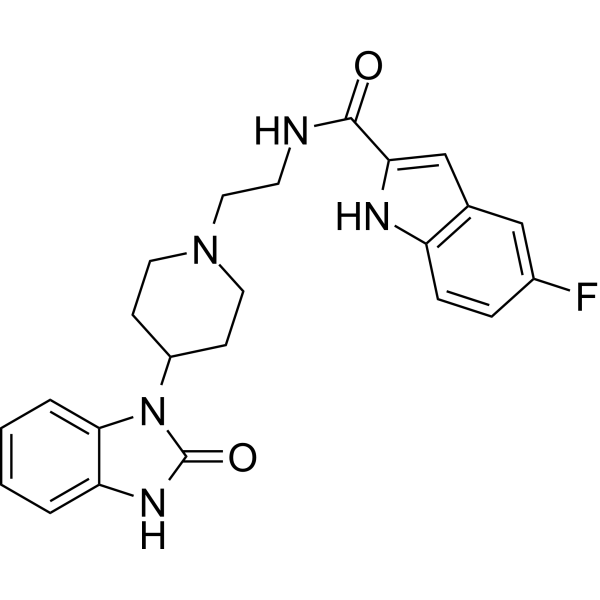
FIPI is a phospholipase D (PLD) inhibitor with an IC50 for PLD1 and PLD2 of about 25 nM. FIPI regulates cytoskeletal recombination, cell diffusion and chemotaxis. FIPI can be used in cancer research. In addition, FIPI can enhance the secretion and aggregation of platelet dense particles, inhibit thrombosis, reduce ischemic stroke infarct volume and improve nerve function .
|
-
-
- HY-B1065
-
|
α-N-Acetyl-L-glutamine; N2-Acetylglutamine
|
Keap1-Nrf2
Akt
ASK1
Apoptosis
|
Neurological Disease
|
|
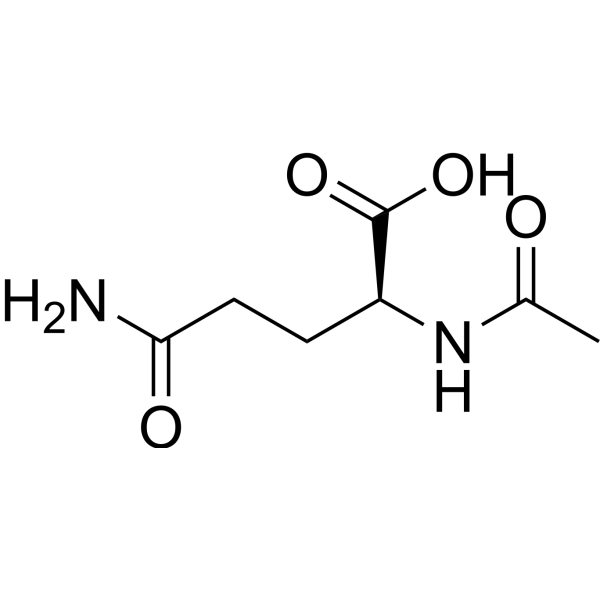
Aceglutamide (α-N-Acetyl-L-glutamine; N2-Acetylglutamine) is a neuroprotectant that can penetrate the blood-brain barrier. Aceglutamide can enhance the antioxidant systems of glutathione (GSH), thioredoxin (Trx) and Nrf2. Aceglutamide also inhibits ASK1 and TRAF1, activates the Akt/Bcl-2 anti-apoptotic pathway, enhances the activity of antioxidant enzymes and reduces oxidative damage. Aceglutamide can improve neurological deficits after cerebral ischemia, reduce infarct volume, and inhibit neuronal apoptosis, especially substantia nigra dopaminergic neurons. Aceglutamide can reduce cerebral ischemia/reperfusion injury, improve motor dysfunction, and is used in ischemic stroke-related research .
|
-
-
- HY-P10275
-
|
|
Apoptosis
|
Neurological Disease
|
|
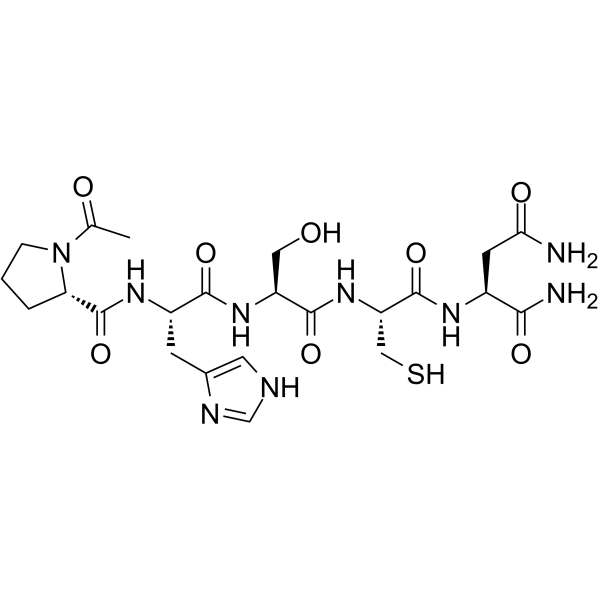
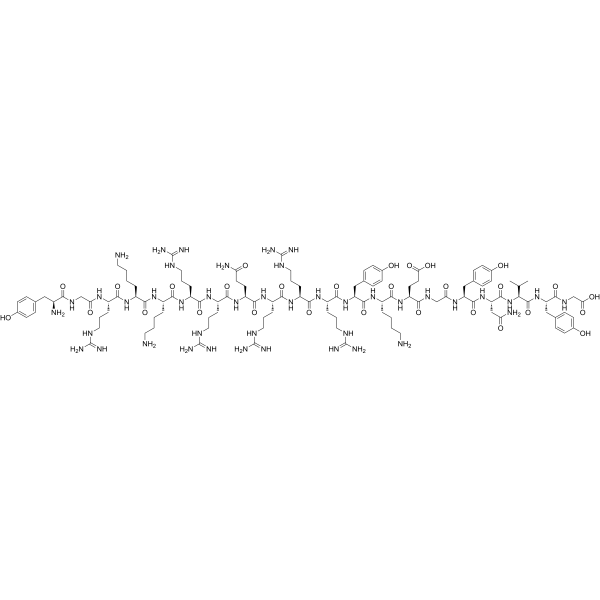
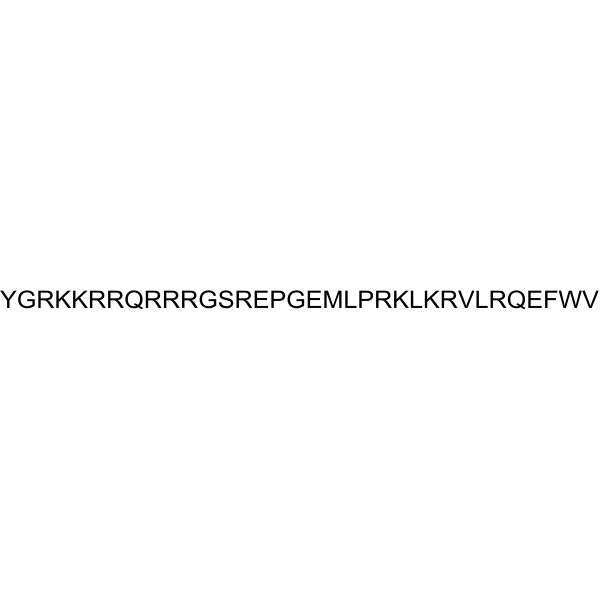
Tat-NTS peptide is a cell-penetrating peptide with neuroprotective effects. Tat-NTS peptide can specifically inhibit the nuclear translocation of ANXA1 and reduce neuronal apoptosis in ischemic areas. Moreover, Tat-NTS peptide can reduce the volume of cerebral ischemic infarction and can be used in the research of ischemic stroke .
|
-
-
- HY-P5883
-
|
tatM2NX
|
TRP Channel
|
Cardiovascular Disease
Neurological Disease
|
|
TAT-M2NX (tatM2NX) is a selective inhibitor targeting human TRPM2 channels and exerts inhibitory effects on ischemic stroke. TAT-M2NX reduces H2O2-induced calcium influx via TRPM2 channels. After traumatic brain injury in mice, TAT-M2NX preserves hippocampal long-term potentiation, improves memory function, and reduces infarct volume after middle cerebral artery occlusion, but it shows no effect on female mice. TAT-M2NX can be used in studies related to traumatic brain injury and ischemic stroke .
|
-
-
- HY-N1910
-
|
|
SARS-CoV
Virus Protease
Succinate Receptor 1
ERK
|
Infection
Neurological Disease
|
|
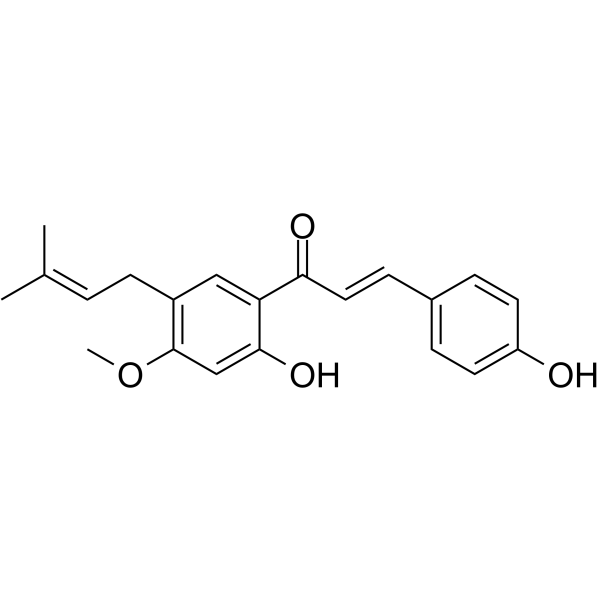
4'-O-Methylbavachalcone is an orally active prenylated flavonoid that inhibits the activity of SARS-CoV papain-like protease (PLpro), with an IC50 of 10.1 μM and a Ki of 4.6 μM. 4'-O-Methylbavachalcone inhibits poly (ADP-ribose) polymerase-mediated cell death (parthanatos), reduces cerebral infarct volume, binds to the orthosteric site of SUCNR1, blocks the interaction between succinate and SUCNR1, inhibits SUCNR1 activity, blocks the nuclear translocation of NFATc4, suppresses the activation of the ERK1/2 signaling pathway, inhibits cardiomyocyte hypertrophy and restores the expression of α-actinin. 4'-O-Methylbavachalcone can be used in studies related to ischemic stroke, SARS-CoV and cardiomyocyte hypertrophy .
|
-
-
- HY-N2125
-
|
|
5-HT Receptor
iGluR
Caspase
Interleukin Related
TNF Receptor
SOD
NF-κB
|
Neurological Disease
Inflammation/Immunology
|
|
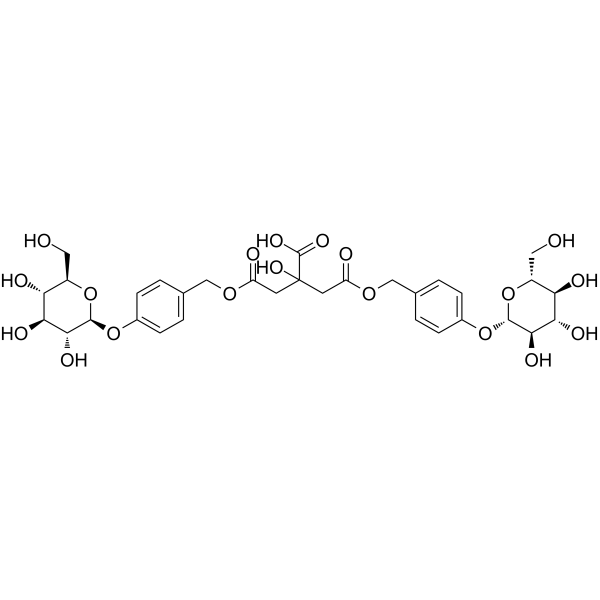
Parishin C is a brain-penetrant major bioactive component found in Gastrodia elata Blume. Parishin C is a 5-HT1A receptor agonist with an EC50 of 34 nM. Parishin C has antipsychotic and neuroprotective effects. Parishin C protects against Aβ-induced long-term potentiation damage and NMDA receptor current impairment. Parishin C reduces oxidative stress, pro-inflammatory cytokine levels, caspase activity, brain water content, and cerebral infarct volume; increases antioxidant enzyme activity and BDNF levels; improves nerve function and histopathological brain damage. Parishin C attenuates phencyclidine-induced immobility time increases, sociability deficits, and visual recognition memory impairment. Parishin C can be used for the research of ischemic stroke, Alzheimer's disease, and schizophrenia-like psychosis .
|
-
-
- HY-P2259
-
|
|
iGluR
HIV Integrase
Adenosine Receptor
|
Cardiovascular Disease
Neurological Disease
|
|
TAT-GluA2 3Y is a blood-brain barrier-permeable AMPA receptor inhibitory peptide that crosses cell membranes via the HIV-1 TAT protein domain. TAT-GluA2 3Y blocks the endocytosis of AMPA receptors, including the internalization of GluA1/GluA2 subunits, by disrupting interactions with the AP2, Brag2 and Syt3-GluA2 complexes, while also inhibiting long-term depression. TAT-GluA2 3Y blocks hypoxia-mediated AMPAR internalization, alleviates A1R-induced persistent synaptic inhibition, and reduces cerebral ischemic volume, neurological deficits and spatial memory deficits. TAT-GluA2 3Y blocks the effect of NLRP3 deficiency on fear generalization, inhibits amphetamine-induced behavioral/neurochemical sensitization, weakens the unconditioned stimulus-conditioned stimulus association of morphine, and promotes the extinction of morphine CPP. TAT-GluA2 3Y can be used in studies related to fear generalization, ischemic stroke, hypoxia, drug addiction and opioid addiction .
|
-
-
- HY-N0935
-
|
Chuanxiongzine hydrochloride; Tetramethylpyrazine hydrochloride
|
Reactive Oxygen Species (ROS)
Akt
NO Synthase
Aminotransferases (Transaminases)
|
Cardiovascular Disease
Neurological Disease
Metabolic Disease
Inflammation/Immunology
|
|
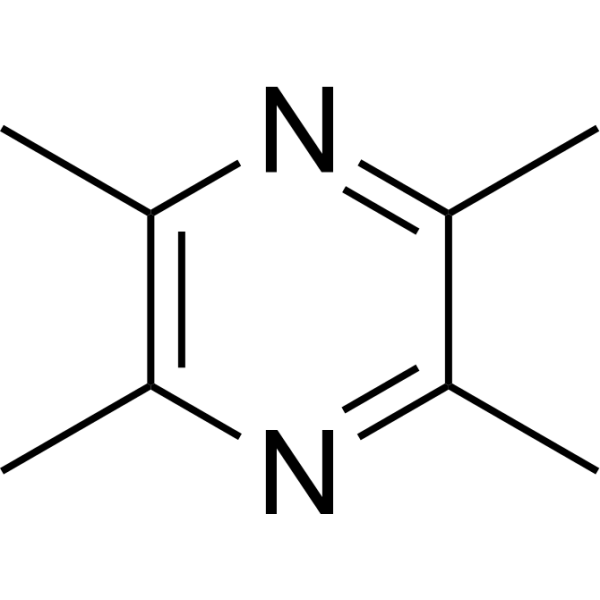
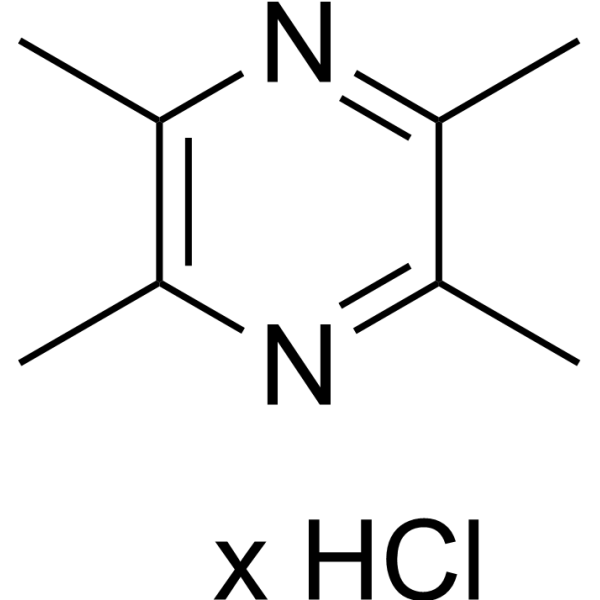
Ligustrazine hydrochloride is an orally active, blood-brain barrier-permeable alkaloid. It can be isolated from Ligusticum striatum DC. Ligustrazine hydrochloride reduces ROS, upregulates the levels of p-Akt/Akt and p-eNOS/eNOS, and decreases ALT and AST. It inhibits glutamate excitotoxicity, calcium overload, oxidative stress, ischemia-reperfusion injury and atherosclerotic plaque progression, enhances synaptic plasticity, and improves neurological function, cerebral infarct volume and brain water content. Ligustrazine hydrochloride possesses anti-inflammatory, antioxidant, lipid-lowering, endothelial protective and hepatoprotective activities. It can be used in studies related to ischemic stroke, cerebral ischemia-reperfusion injury and atherosclerosis .
|
-
-
- HY-132280
-
|
U 74006F free base
|
Reactive Oxygen Species (ROS)
SARS-CoV
Virus Protease
|
Neurological Disease
Inflammation/Immunology
|
|
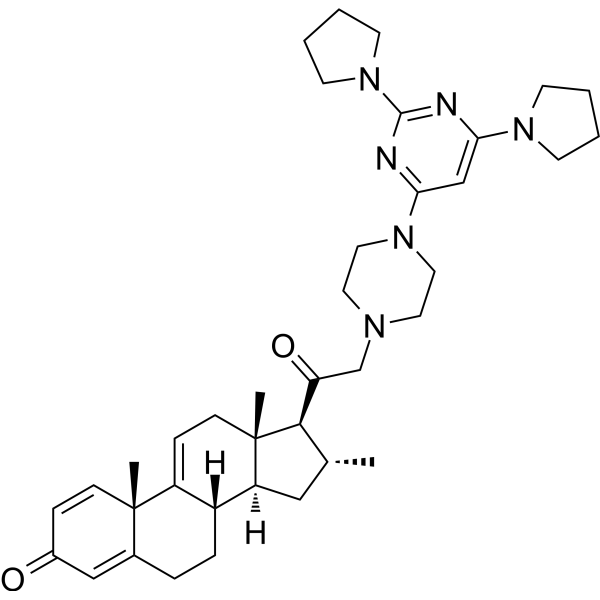
Tirilazad (U 74006F free base) is a neuroprotective agent. Tirilazad can also bind tightly to the main protease of the COVID-19 virus and exert anti-SARS-CoV-2 activity. Tirilazad scavenges hydroxyl and lipid peroxyl free radicals and maintains the levels of endogenous antioxidants. Tirilazad reduces cerebral infarct volume and improves neurobehavioral scores in animal models of focal ischemia. Tirilazad can be used in research related to ischemic stroke and subarachnoid hemorrhage .
|
-
-
- HY-113898
-
|
|
Angiotensin-converting Enzyme (ACE)
Toll-like Receptor (TLR)
Interleukin Related
|
Cardiovascular Disease
Neurological Disease
|
|
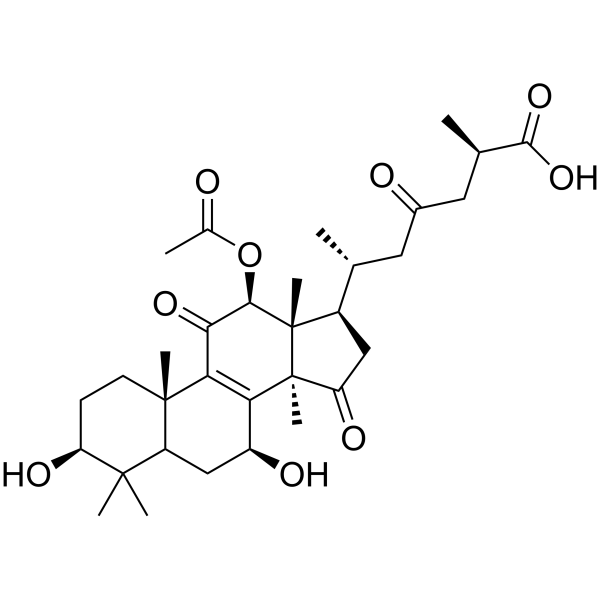
Ganoderic acid K is a triterpenoid compound. Ganoderic acid K can be isolated from Ganoderma lucidum. Ganoderic acid K inhibits ACE activity with an IC50 of 2.6×10 -5 M. Ganoderic acid K exhibits direct, high-affinity binding to recombinant MD2 protein, with a Kd value of 0.47 μM. It potently inhibits LPS-induced release of TNF-α and IL-6. It reduces cerebral infarction volume and ameliorates neurological dysfunction in mice with ischemic stroke in the tMCAO model. Ganoderic acid K can be used in studies related to hypertension and ischemic stroke .
|
-
-
- HY-124304
-
|
LOE-908
|
TRP Channel
SARS-CoV
|
Neurological Disease
|
|
Pinokalant is a broad-spectrum and non-selectivecation channel inhibitor. Pinokalant significantly reduces cortical infarct volume. Pinokalant o improves the metabolic and electrophysiologic status of the ischemic penumbra. Pinokalant reduces lesion size on magnetic resonance images in the acute phase following middle cerebral artery occlusion in rats. Pinokalant has the potential for the research of stroke. Pinokalant also shows anti-SARS-CoV-2 activity .
|
-
-
- HY-18402
-
|
|
Drug Derivative
|
Cardiovascular Disease
|
|
2-(Methylthio)benzothiazole is a derivative of 2-Mercaptobenzothiazole (HY-W017113). 2-(Methylthio)benzothiazole reduces heart rate, causes pericardial edema and deformity, delays cardiac maturation, decreases stroke volume and cardiac output, and leads to vascular structural defects in zebrafish larvae .
|
-
-
- HY-106969A
-
|
|
Glycine Receptor (GlyR)
iGluR
|
Cardiovascular Disease
Neurological Disease
|
|
ZD 9379 sodium is a competitive glycine/NMDA receptor antagonist, with an IC50 value of 75 nM (glutamate site). ZD 9379 sodium selectively antagonizes the glycine binding site (GlyB site) on the NMDA receptor, inhibiting the binding of glycine to the NMDA receptor and alleviating excitotoxicity. ZD 9379 sodium reduces the frequency of cortical spreading depression (SDs), alleviates energy depletion in the ischemic penumbra, and delays the expansion of infarction. ZD 9379 sodium reduces the infarct volume and improves neurological function in mouse models. ZD 9379 sodium can be used in studies of acute ischemic stroke, etc .
|
-
-
- HY-151547
-
|
|
P2X Receptor
|
Neurological Disease
|
|
MRS4719 is a potent P2X4 receptor antagonist with an IC50 value of 0.503 μM for human P2X4 receptor. MRS4719 can reduce infarct volume and reduce brain atrophy, showing neuroprotective and neuro-rehabilitative activities in ischemic stroke model. MRS4719 also reduces ATP-induced [Ca 2+]i influx in primary human monocyte-derived macrophages. MRS4719 can be used to research ischemic stroke .
|
-
-
- HY-100206
-
|
|
AMPK
|
Neurological Disease
|
|
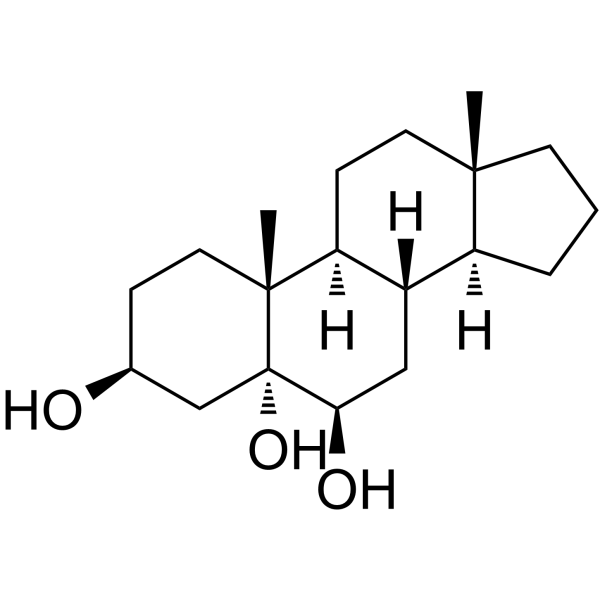
5α-Androstane-3β,5,6β-triol is a neuroprotectant. 5α-Androstane-3β,5,6β-triol can remarkably reverse intracellular acidification and alleviate neuronal injury through the inhibition of AMPK signaling. 5α-Androstane-3β,5,6β-triol remarkably reduced the infarct volume and attenuated neurologic impairment in acute ischemic stroke models of middle cerebral artery occlusion in vivo .
|
-
-
- HY-106868
-
|
Isocarbacyclin methyl ester; TEI 9090; TTC 909
|
Drug Derivative
|
Cardiovascular Disease
Neurological Disease
|
|
Clinprost (Isocarbacyclin methyl ester; TEI 9090; TTC 909) is a drug preparation of the stable prostaglandin I(2) analogue clinprost incorporated into lipid microspheres. Clinprost can reduce infarct volume in stroke rats .
|
-
-
- HY-P1428A
-
|
|
Neuropeptide Y Receptor
|
Cardiovascular Disease
|
|
RFRP-1(human) TFA is a potent endogenous NPFF receptor agonist (EC50 values are 0.0011 and 29 nM for NPFF2 and NPFF1, respectively). Attenuates contractile function of isolated rat and rabbit cardiac myocytes. Reduces heart rate, stroke volume, ejection fraction and cardiac output, and increases plasma prolactin levels in rats.
|
-
-
- HY-176712
-
|
|
GSNOR
Apoptosis
|
Neurological Disease
|
|
GSNOR-IN-1, a prodrug of GSNOR-IN-2 (HY-176275), is a BBB-penetrable S-nitrosoglutathione reductase (GSNOR) inhibitor. GSNOR-IN-1 has significant protective activity against OGD/R-induced injury. GSNOR-IN-1 regulates calcium signaling and synaptic function via Clstn1 S-nitrosation and inhibits neuronal apoptosis. GSNOR-IN-1 significantly reduces infarct volume while improving neurological deficits in ischemic stroke rat models. GSNOR-IN-1 has neuroprotective activity, promising for ischemic stroke research .
|
-
-
- HY-12807A
-
|
5-Fluoro-2-indolyl deschlorohalopemide hydrochloride
|
Phospholipase
|
Cardiovascular Disease
Neurological Disease
Inflammation/Immunology
Cancer
|
|
FIPI hydrochloride is a phospholipase D (PLD) inhibitor with an IC50 for PLD1 and PLD2 of about 25 nM. FIPI hydrochloride regulates cytoskeletal recombination, cell diffusion and chemotaxis. FIPI hydrochloride can be used in cancer research. In addition, FIPI hydrochloride can enhance the secretion and aggregation of platelet dense particles, inhibit thrombosis, reduce ischemic stroke infarct volume and improve nerve function .
|
-
-
- HY-151547S
-
|
|
Isotope-Labeled Compounds
P2X Receptor
|
Neurological Disease
|
|
MRS4719-d3 is the deuterium labeled MRS4719 (HY-151547). MRS4719 is a potent P2X4 receptor antagonist with an IC50 value of 0.503 μM for human P2X4 receptor. MRS4719 can reduce infarct volume and reduce brain atrophy, showing neuroprotective and neuro-rehabilitative activities in ischemic stroke model. MRS4719 also reduces ATP-induced [Ca 2+]i influx in primary human monocyte-derived macrophages. MRS4719 can be used to research ischemic stroke .
|
-
-
- HY-113858
-
|
Brefanolol
|
Adrenergic Receptor
|
Cardiovascular Disease
|
|
Brefonalol (Brefanolol) is an orally active, non-selective β-adrenergic receptor blocker with vasodilatory properties. Brefonalol exhibits an optimal balance between β-blockade and vasodilatory effects at low doses: it reduces blood pressure and slows heart rate, while increasing stroke volume instead of decreasing it, causing no significant elevation in peripheral resistance and increasing reactive hyperemia; at high doses, the β-blockade effect dominates. Brefonalol can be used in the research of arterial hypertension .
|
-
-
- HY-174260
-
|
|
NO Synthase
COX
Caspase
MDM-2/p53
|
Neurological Disease
|
|
Neuroprotective agent 11 (Compound 1a) is an orally active polyphenol compound with significant protective effects against cerebral ischemia. The main activities of Neuroprotective agent 11 include inhibiting neuronal inflammation and apoptosis, reducing cerebral infarction volume, and improving behavioral symptoms of cerebral ischemic mice. Neuroprotective agent 11 exerts its regulatory mechanism by downregulating the expression of inflammatory factors (iNOS、COX-2) and apoptotic proteins (cleaved-Caspase3, p53). Neuroprotective agent 11 can be used in the study of cerebral ischemia-related diseases (such as ischemic stroke) .
|
-
-
- HY-100458
-
|
|
NO Synthase
|
Neurological Disease
|
|
SCR-4026 is a neuroprotective agent with blood-brain barrier penetration ability. SCR-4026 exerts neuroprotective effects by disrupting the interaction between neuronal nNOS and PSD9, with an IC50 of 6.3 μM. SCR-4026 alleviates N-methyl-D-aspartate (NMDA)-induced excitotoxic damage in primary cortical neurons, and also protects neurons in the oxygen-glucose deprivation (OGD) model. SCR-4026 can reduce the cerebral infarct volume in the rat middle cerebral artery occlusion (MCAO) reperfusion model. SCR-4026 can be used for the study of stroke .
|
-
-
- HY-175027
-
|
|
RIP kinase
Ferroptosis
|
Neurological Disease
|
|
RIPK1-IN-33 is a blood-brain barrier-permeable and orally active RIPK1 inhibitor, with an IC50 of 0.115 μM. RIPK1-IN-33 demonstrates remarkable anti-ferroptosis activity, radical scavenging capacity (IC50 = 123.3 μM), and anti-lipid peroxidation effects (IC50 = 9.72 μM). RIPK1-IN-33 markedly reduces cerebral infarction volume and improves neurological function scores in transient middle cerebral artery occlusion (tMCAO) model. RIPK1-IN-33 can be used for the study of ischemic stroke .
|
-
-
- HY-132280R
-
|
U 74006F free base (Standard)
|
Reference Standards
Reactive Oxygen Species (ROS)
SARS-CoV
Virus Protease
|
Neurological Disease
Inflammation/Immunology
|
|
Tirilazad (U 74006F free base) Standard is the analytical standard of Tirilazad (HY-132280). This product is intended for research and analytical applications. Tirilazad (U 74006F free base) is a neuroprotective agent. Tirilazad can also bind tightly to the main protease of the COVID-19 virus and exert anti-SARS-CoV-2 activity. Tirilazad scavenges hydroxyl and lipid peroxyl free radicals and maintains the levels of endogenous antioxidants. Tirilazad reduces cerebral infarct volume and improves neurobehavioral scores in animal models of focal ischemia. Tirilazad can be used in research related to ischemic stroke and subarachnoid hemorrhage .
|
-
-
- HY-B1065R
-
|
α-N-Acetyl-L-glutamine (Standard); N2-Acetylglutamine (Standard)
|
Reference Standards
Keap1-Nrf2
Akt
ASK1
Apoptosis
|
Neurological Disease
|
|
Aceglutamide (α-N-Acetyl-L-glutamine; N2-Acetylglutamine) (Standard) is the analytical standard of Aceglutamide (HY-B1065). This product is intended for research and analytical applications. Aceglutamide (α-N-Acetyl-L-glutamine; N2-Acetylglutamine) is a neuroprotectant that can penetrate the blood-brain barrier. Aceglutamide can enhance the antioxidant systems of glutathione (GSH), thioredoxin (Trx) and Nrf2. Aceglutamide also inhibits ASK1 and TRAF1, activates the Akt/Bcl-2 anti-apoptotic pathway, enhances the activity of antioxidant enzymes and reduces oxidative damage. Aceglutamide can improve neurological deficits after cerebral ischemia, reduce infarct volume, and inhibit neuronal apoptosis, especially substantia nigra dopaminergic neurons. Aceglutamide can reduce cerebral ischemia/reperfusion injury, improve motor dysfunction, and is used in ischemic stroke-related research .
|
-
-
- HY-N2125R
-
|
|
Reference Standards
5-HT Receptor
iGluR
Caspase
Interleukin Related
TNF Receptor
SOD
NF-κB
|
Neurological Disease
Inflammation/Immunology
|
|
Parishin C (Standard) is the analytical standard of Parishin C (HY-N2125). This product is intended for research and analytical applications. Parishin C is a brain-penetrant major bioactive component found in Gastrodia elata Blume. Parishin C is a 5-HT1A receptor agonist with an EC50 of 34 nM. Parishin C has antipsychotic and neuroprotective effects. Parishin C protects against Aβ-induced long-term potentiation damage and NMDA receptor current impairment. Parishin C reduces oxidative stress, pro-inflammatory cytokine levels, caspase activity, brain water content, and cerebral infarct volume; increases antioxidant enzyme activity and BDNF levels; improves nerve function and histopathological brain damage. Parishin C attenuates phencyclidine-induced immobility time increases, sociability deficits, and visual recognition memory impairment. Parishin C can be used for the research of ischemic stroke, Alzheimer's disease, and schizophrenia-like psychosis .
|
-
-
- HY-113858A
-
|
Brefanolol hydrochloride
|
Adrenergic Receptor
|
Cardiovascular Disease
|
|
Brefonalol (Brefanolol) hydrochloride is an orally active, non-selective β-adrenergic receptor blocker with vasodilatory properties. Brefonalol hydrochloride exhibits an optimal balance between β-blockade and vasodilatory effects at low doses: it reduces blood pressure and slows heart rate, while increasing stroke volume instead of decreasing it, causing no significant elevation in peripheral resistance and increasing reactive hyperemia; at high doses, the β-blockade effect dominates. Brefonalol hydrochloride can be used in the research of arterial hypertension .
|
-
-
- HY-149796
-
|
|
Adrenergic Receptor
|
Cardiovascular Disease
|
|
Tazolol is a specific β-adrenergic antagonist (IC50: 700 nM for (-) isoproterenol-elicited accumulation of cyclic AMP in rat cortical slices). Tazolol produces a significant and sustained increase in cardiac output and stroke volume. Tazolol can be used in the research of heart failure .
|
-
-
- HY-182252
-
|
|
Na+/Ca2+ Exchanger
|
Cardiovascular Disease
|
|
SAR296968 is a Na +/Ca 2+ exchanger (NCX) subtype inhibitor with an IC50 value of 74 nM against hNCX1. SAR296968 inhibits both forward and reverse modes of NCX current. SAR296968 enhances cardiac contractility and stroke volume. SAR296968 exerts antiarrhythmic effects. SAR296968 is applicable to research related to heart failure .
|
-
-
- HY-180267
-
|
|
Drug Derivative
|
Cardiovascular Disease
Neurological Disease
|
|
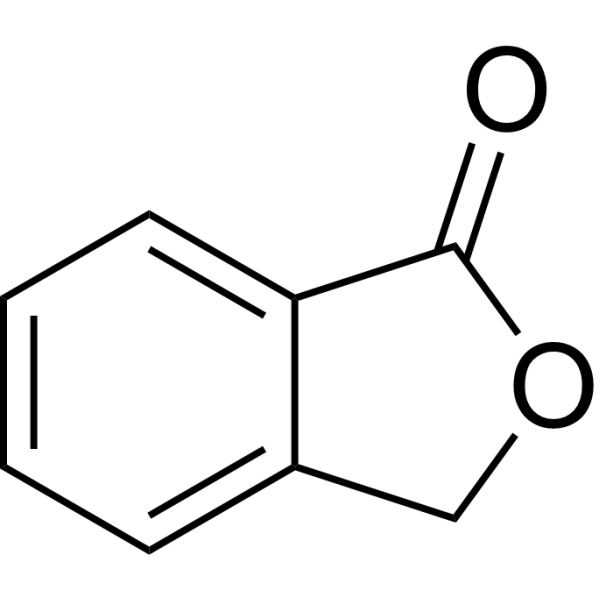
(R)-Chloro-butylphthalide-O-NBP, a chiral 3-n-butylphthalide derivative, is a neuroprotective agent. (R)-Chloro-butylphthalide-O-NBP shows potent blood-brain barrier (BBB) protective function. In vivo, (R)-Chloro-butylphthalide-O-NBP significantly reduces infarct volume and markedly preserves BBB integrity. (R)-Chloro-butylphthalide-O-NBP can be used for the research of ischemic stroke .
|
-
-
- HY-183654
-
|
|
HIF/HIF Prolyl-Hydroxylase
|
Cardiovascular Disease
Neurological Disease
|
|
Vadadustat prodrug-1 is a near-infrared activated photocaged, blood-brain barrier-permeable neuroprotective prodrug of Vadadustat. Vadadustat prodrug-1 masks the acidic pharmacophore of Vadadustat, and releases active Vadadustat upon irradiation at 650 nm to inhibit PHD2. Vadadustat prodrug-1 reduces cell damage, infarct volume and cerebral edema, and promotes neurological function recovery. Vadadustat prodrug-1 can be used for the research of ischemic stroke .
|
-
-
- HY-180828
-
|
|
NO Synthase
|
Cardiovascular Disease
Neurological Disease
|
|
iNOs-IN-8 (Compound 13h) is an efficient and highly selective inducible nitric oxide synthase (iNOS) inhibitor, with an IC50 of 238 nM. iNOs-IN-8 exhibits significant neuroprotective effects in oxygen-glucose deprivation/reoxygenation (OGD/R) and hydrogen peroxide-induced neuronal and endothelial cell damage. iNOs-IN-8 significantly reduces the volume of cerebral infarction and improves neurological function in rat models. iNOs-IN-8 can be used for the study of ischemic stroke .
|
-
-
- HY-175824
-
|
|
iGluR
NO Synthase
Apoptosis
Reactive Oxygen Species (ROS)
|
Neurological Disease
|
|
PSD-95/nNOS PPI-IN-1 is a inhibitor targeting the PSD-95/nNOS interaction with potential blood-brain barrier penetration. PSD-95/nNOS PPI-IN-1 binds to the PSD-95 PDZ2 domain with high affinity (Ki = 19.45 μM). PSD-95/nNOS PPI-IN-1 inhibits glutamate-induced excitotoxicity by reducing intracellular ROS levels and inhibiting apoptosis. PSD-95/nNOS PPI-IN-1 significantly reduces cerebral infarct volume in rat tMCAO models. PSD-95/nNOS PPI-IN-1 can be used for the study of acute ischemic stroke .
|
-
| Cat. No. |
Product Name |
Target |
Research Area |
-
- HY-P10275
-
|
|
Apoptosis
|
Neurological Disease
|
|
Tat-NTS peptide is a cell-penetrating peptide with neuroprotective effects. Tat-NTS peptide can specifically inhibit the nuclear translocation of ANXA1 and reduce neuronal apoptosis in ischemic areas. Moreover, Tat-NTS peptide can reduce the volume of cerebral ischemic infarction and can be used in the research of ischemic stroke .
|
-
- HY-P5883
-
|
tatM2NX
|
TRP Channel
|
Cardiovascular Disease
Neurological Disease
|
|
TAT-M2NX (tatM2NX) is a selective inhibitor targeting human TRPM2 channels and exerts inhibitory effects on ischemic stroke. TAT-M2NX reduces H2O2-induced calcium influx via TRPM2 channels. After traumatic brain injury in mice, TAT-M2NX preserves hippocampal long-term potentiation, improves memory function, and reduces infarct volume after middle cerebral artery occlusion, but it shows no effect on female mice. TAT-M2NX can be used in studies related to traumatic brain injury and ischemic stroke .
|
-
- HY-P2259
-
|
|
iGluR
HIV Integrase
Adenosine Receptor
|
Cardiovascular Disease
Neurological Disease
|
|
TAT-GluA2 3Y is a blood-brain barrier-permeable AMPA receptor inhibitory peptide that crosses cell membranes via the HIV-1 TAT protein domain. TAT-GluA2 3Y blocks the endocytosis of AMPA receptors, including the internalization of GluA1/GluA2 subunits, by disrupting interactions with the AP2, Brag2 and Syt3-GluA2 complexes, while also inhibiting long-term depression. TAT-GluA2 3Y blocks hypoxia-mediated AMPAR internalization, alleviates A1R-induced persistent synaptic inhibition, and reduces cerebral ischemic volume, neurological deficits and spatial memory deficits. TAT-GluA2 3Y blocks the effect of NLRP3 deficiency on fear generalization, inhibits amphetamine-induced behavioral/neurochemical sensitization, weakens the unconditioned stimulus-conditioned stimulus association of morphine, and promotes the extinction of morphine CPP. TAT-GluA2 3Y can be used in studies related to fear generalization, ischemic stroke, hypoxia, drug addiction and opioid addiction .
|
-
- HY-P1428A
-
|
|
Neuropeptide Y Receptor
|
Cardiovascular Disease
|
|
RFRP-1(human) TFA is a potent endogenous NPFF receptor agonist (EC50 values are 0.0011 and 29 nM for NPFF2 and NPFF1, respectively). Attenuates contractile function of isolated rat and rabbit cardiac myocytes. Reduces heart rate, stroke volume, ejection fraction and cardiac output, and increases plasma prolactin levels in rats.
|
-
- HY-175824
-
|
|
iGluR
NO Synthase
Apoptosis
Reactive Oxygen Species (ROS)
|
Neurological Disease
|
|
PSD-95/nNOS PPI-IN-1 is a inhibitor targeting the PSD-95/nNOS interaction with potential blood-brain barrier penetration. PSD-95/nNOS PPI-IN-1 binds to the PSD-95 PDZ2 domain with high affinity (Ki = 19.45 μM). PSD-95/nNOS PPI-IN-1 inhibits glutamate-induced excitotoxicity by reducing intracellular ROS levels and inhibiting apoptosis. PSD-95/nNOS PPI-IN-1 significantly reduces cerebral infarct volume in rat tMCAO models. PSD-95/nNOS PPI-IN-1 can be used for the study of acute ischemic stroke .
|
| Cat. No. |
Product Name |
Target |
Research Area |
Image |
-
- HY-108841
-
|
Kineret; Anakinra
|
Interleukin Related
|
Inflammation/Immunology
Cancer
|
|
Raleukin (AMG-719) is a recombinant, nonglycosylated human interleukin-1 receptor (IL-1R) antagonist. Raleukin significantly reduces neutrophil accumulation in blood vessels and brain infarct volume as well as improves motor coordination performance in ischemic stroke mice model. Anakinra can be used to study chronic inflammatory disorders like rheumatoid arthritis and cardiovascular recurrence post-myocardial infarction .
|
-
(5)
| Cat. No. |
Product Name |
Category |
Target |
Chemical Structure |
-
- HY-B1065
-
|
α-N-Acetyl-L-glutamine; N2-Acetylglutamine
|
Microorganisms
Ketones, Aldehydes, Acids
Endogenous metabolite
Source Classification
|
Keap1-Nrf2
Akt
ASK1
Apoptosis
|
|
Aceglutamide (α-N-Acetyl-L-glutamine; N2-Acetylglutamine) is a neuroprotectant that can penetrate the blood-brain barrier. Aceglutamide can enhance the antioxidant systems of glutathione (GSH), thioredoxin (Trx) and Nrf2. Aceglutamide also inhibits ASK1 and TRAF1, activates the Akt/Bcl-2 anti-apoptotic pathway, enhances the activity of antioxidant enzymes and reduces oxidative damage. Aceglutamide can improve neurological deficits after cerebral ischemia, reduce infarct volume, and inhibit neuronal apoptosis, especially substantia nigra dopaminergic neurons. Aceglutamide can reduce cerebral ischemia/reperfusion injury, improve motor dysfunction, and is used in ischemic stroke-related research .
|
-
-
- HY-N1910
-
-
-
- HY-N2125
-
|
|
Structural Classification
Gastrodia elata Bl.
Orchidaceae
Phenols
Plants
Source Classification
|
5-HT Receptor
iGluR
Caspase
Interleukin Related
TNF Receptor
SOD
NF-κB
|
|
Parishin C is a brain-penetrant major bioactive component found in Gastrodia elata Blume. Parishin C is a 5-HT1A receptor agonist with an EC50 of 34 nM. Parishin C has antipsychotic and neuroprotective effects. Parishin C protects against Aβ-induced long-term potentiation damage and NMDA receptor current impairment. Parishin C reduces oxidative stress, pro-inflammatory cytokine levels, caspase activity, brain water content, and cerebral infarct volume; increases antioxidant enzyme activity and BDNF levels; improves nerve function and histopathological brain damage. Parishin C attenuates phencyclidine-induced immobility time increases, sociability deficits, and visual recognition memory impairment. Parishin C can be used for the research of ischemic stroke, Alzheimer's disease, and schizophrenia-like psychosis .
|
-
-
- HY-N0935
-
|
Chuanxiongzine hydrochloride; Tetramethylpyrazine hydrochloride
|
Alkaloids
Structural Classification
Classification of Application Fields
Other Alkaloids
Other Diseases
Dicerothamnus rhinocerotis
Umbelliferae
Plants
Disease Research Fields
Source Classification
|
Reactive Oxygen Species (ROS)
Akt
NO Synthase
Aminotransferases (Transaminases)
|
|
Ligustrazine hydrochloride is an orally active, blood-brain barrier-permeable alkaloid. It can be isolated from Ligusticum striatum DC. Ligustrazine hydrochloride reduces ROS, upregulates the levels of p-Akt/Akt and p-eNOS/eNOS, and decreases ALT and AST. It inhibits glutamate excitotoxicity, calcium overload, oxidative stress, ischemia-reperfusion injury and atherosclerotic plaque progression, enhances synaptic plasticity, and improves neurological function, cerebral infarct volume and brain water content. Ligustrazine hydrochloride possesses anti-inflammatory, antioxidant, lipid-lowering, endothelial protective and hepatoprotective activities. It can be used in studies related to ischemic stroke, cerebral ischemia-reperfusion injury and atherosclerosis .
|
-
-
- HY-B1065R
-
|
α-N-Acetyl-L-glutamine (Standard); N2-Acetylglutamine (Standard)
|
Structural Classification
Microorganisms
Ketones, Aldehydes, Acids
Endogenous metabolite
Source Classification
|
Reference Standards
Keap1-Nrf2
Akt
ASK1
Apoptosis
|
|
Aceglutamide (α-N-Acetyl-L-glutamine; N2-Acetylglutamine) (Standard) is the analytical standard of Aceglutamide (HY-B1065). This product is intended for research and analytical applications. Aceglutamide (α-N-Acetyl-L-glutamine; N2-Acetylglutamine) is a neuroprotectant that can penetrate the blood-brain barrier. Aceglutamide can enhance the antioxidant systems of glutathione (GSH), thioredoxin (Trx) and Nrf2. Aceglutamide also inhibits ASK1 and TRAF1, activates the Akt/Bcl-2 anti-apoptotic pathway, enhances the activity of antioxidant enzymes and reduces oxidative damage. Aceglutamide can improve neurological deficits after cerebral ischemia, reduce infarct volume, and inhibit neuronal apoptosis, especially substantia nigra dopaminergic neurons. Aceglutamide can reduce cerebral ischemia/reperfusion injury, improve motor dysfunction, and is used in ischemic stroke-related research .
|
-
-
- HY-N2125R
-
|
|
Structural Classification
Gastrodia elata Bl.
Orchidaceae
Phenols
Plants
Source Classification
|
Reference Standards
5-HT Receptor
iGluR
Caspase
Interleukin Related
TNF Receptor
SOD
NF-κB
|
|
Parishin C (Standard) is the analytical standard of Parishin C (HY-N2125). This product is intended for research and analytical applications. Parishin C is a brain-penetrant major bioactive component found in Gastrodia elata Blume. Parishin C is a 5-HT1A receptor agonist with an EC50 of 34 nM. Parishin C has antipsychotic and neuroprotective effects. Parishin C protects against Aβ-induced long-term potentiation damage and NMDA receptor current impairment. Parishin C reduces oxidative stress, pro-inflammatory cytokine levels, caspase activity, brain water content, and cerebral infarct volume; increases antioxidant enzyme activity and BDNF levels; improves nerve function and histopathological brain damage. Parishin C attenuates phencyclidine-induced immobility time increases, sociability deficits, and visual recognition memory impairment. Parishin C can be used for the research of ischemic stroke, Alzheimer's disease, and schizophrenia-like psychosis .
|
-
| Cat. No. |
Product Name |
Chemical Structure |
-
- HY-151547S
-
|
|
|
MRS4719-d3 is the deuterium labeled MRS4719 (HY-151547). MRS4719 is a potent P2X4 receptor antagonist with an IC50 value of 0.503 μM for human P2X4 receptor. MRS4719 can reduce infarct volume and reduce brain atrophy, showing neuroprotective and neuro-rehabilitative activities in ischemic stroke model. MRS4719 also reduces ATP-induced [Ca 2+]i influx in primary human monocyte-derived macrophages. MRS4719 can be used to research ischemic stroke .
|
-
Your information is safe with us. * Required Fields.
Inquiry Information
- Product Name:
- Cat. No.:
- Quantity:
- MCE Japan Authorized Agent:

