

1. Search Result
Search Result
Results for "

systemic toxicities

" in MedChemExpress (MCE) Product Catalog:

51

Inhibitors & Agonists

2

Screening Libraries

5

Biochemical Assay Reagents

1

Peptides

1

Inhibitory Antibodies

4

Isotope-Labeled Compounds

2

Click Chemistry

3

Oligonucleotides

Cat. No. Product Name Target Research Areas Chemical Structure
  • HY-Y0320C
    Dimethyl sulfoxide
    30+ Cited Publications

    DMSO

    Environmental Pollutants Bacterial Cholinesterase (ChE) Inflammation/Immunology
    Dimethyl sulfoxide (DMSO) is an aprotic solvent that can dissolve water-insoluble therapeutic and toxic agents. Dimethyl sulfoxide (DMSO) has a strong affinity for water and has the ability to rapidly penetrate or enhance the penetration of other substances through biological membranes. Dimethyl sulfoxide also has potential free radical scavenging and anticholinesterase effects and may affect coagulation activity. Dimethyl sulfoxide also induces histamine release from mast cells but is thought to have low systemic toxicity .
    Low endotoxin, can be used in various biochemical experiments such as drug dissolution.
    Dimethyl sulfoxide
  • HY-Y0320

    DMSO, meets analytical specification of Ch.P.

    Environmental Pollutants Bacterial Cholinesterase (ChE) Infection Inflammation/Immunology Cancer
    Dimethyl sulfoxide (DMSO), meets analytical specification of Ch.P. is an aprotic solvent that dissolves polar and non-polar compounds, including water-insoluble therapeutic and toxic agents. Dimethyl sulfoxide (DMSO) has a strong affinity for water and can rapidly penetrate or enhance the penetration of other substances into biological membranes. Dimethyl sulfoxide also has potential free radical scavenging and anticholinesterase effects and may affect coagulation activity. Dimethyl sulfoxide also induces histamine release from mast cells but is thought to have low systemic toxicity. Dimethyl sulfoxide also exhibits antifreeze and antibacterial properties .
    MCE provides Dimethyl sulfoxide that complies with the inspection standards (Ch.P) of Part 4 of the Chinese Pharmacopoeia (2020 Edition). Amicrobic, low endotoxin, can be used in various biochemical experiments such as drug dissolution.
    Dimethyl sulfoxide, meets analytical specification of Ch.P.
  • HY-19792
    Mertansine
    25+ Cited Publications

    DM1; Maytansinoid DM1

    Microtubule/Tubulin ADC Payload Cancer
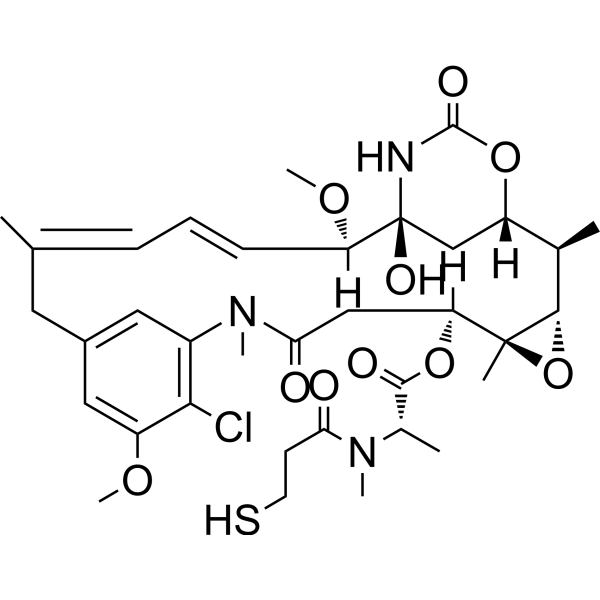
    Mertansine (DM1) is a microtubulin inhibitor and is an antibody-conjugatable maytansinoid that is developed to overcome systemic toxicity associated with maytansine and to enhance tumor-specific delivery. Mertansine can be attached to a monoclonal antibody with a linker to create an antibody-drug conjugate (ADC) .
    Mertansine
  • HY-13679
    Sodium 2-mercaptoethanesulfonate
    2 Publications Verification

    Mesnum

    Glutathione Peroxidase Cancer
    Mesna (Sodium 2-mercaptoethanesulfonate) is an antioxidant which has cytoprotective effects. Mesna is widely used as a systemic protective agent against chemotherapy toxicity. Mesna is also used to reduce hemorrhagic cystitis induced by cyclophosphamide .
    Sodium 2-mercaptoethanesulfonate
  • HY-W250313

    PLA

    Biochemical Assay Reagents Others Cancer
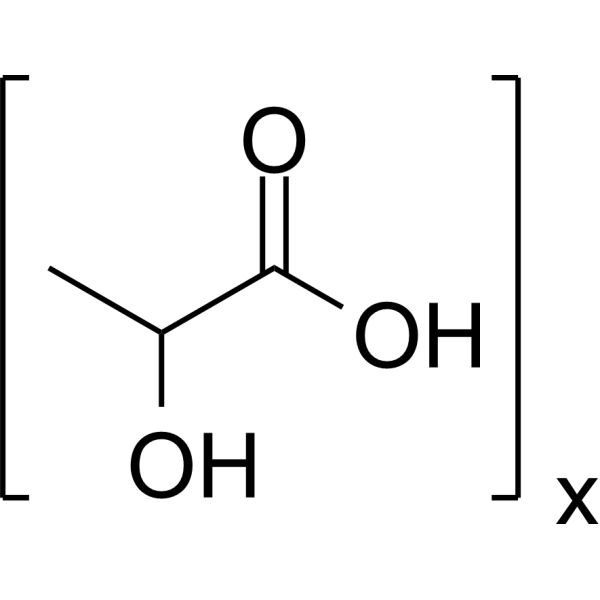
    Polylactic acid (PLA) is a biodegradable and biocompatible polymer widely used as a carrier for drug delivery systems and a structural material for tissue engineering and medical implants. Polylactic acid acts as a controlled release matrix through the hydrolysis mechanism of ester bonds, gradually releasing the encapsulated drug and metabolizing to non-toxic lactic acid. Polylactic acid has adjustable degradation rate, mechanical properties and the ability to composite with other polymers, and can be used in local or systemic drug delivery, orthopedic fixation devices and 3D printed bone regeneration scaffolds .
    Polylactic acid
  • HY-Y0320GL

    DMSO (GMP Like)

    Cholinesterase (ChE) Bacterial Infection Inflammation/Immunology Cancer
    Dimethyl sulfoxide (DMSO) (GMP Like) is the GMP Like class Dimethyl sulfoxide (HY-Y0320C). Dimethyl sulfoxide is an aprotic solvent that can dissolve water-insoluble therapeutic and toxic agents. Dimethyl sulfoxide has a strong affinity for water and has the ability to rapidly penetrate or enhance the penetration of other substances through biological membranes. Dimethyl sulfoxide also has potential free radical scavenging and anticholinesterase effects and may affect coagulation activity. Dimethyl sulfoxide also induces histamine release from mast cells but is thought to have low systemic toxicity .
    Dimethyl sulfoxide (GMP Like)
  • HY-150169

    TGF-β Receptor Cancer
    THRX-144644 is a Lung-restricted ALK5 inhibitor with an IC50 value of 0.14 nM. THRX-144644 avoids systemic toxicities associated with TGFβ pathway inhibition .
    THRX-144644
  • HY-W002199

    6:2 FTOH; 1H,1H,2H,2H-Perfluoro-1-octanol; 2-(Perfluorohexyl)ethanol

    Bacterial Apoptosis ERK TNF Receptor Infection Neurological Disease
    6:2 Fluorotelomer alcohol (6:2 FTOH) is an orally active, blood-brain barrier-permeable modulator of cyclin D1 and ETS1. 6:2 Fluorotelomer alcohol downregulates cyclin D1 expression, upregulates ETS1 via the TNF-α/ERK 1/2 pathway, impairs mitochondrial membrane potential and respiratory function, increases reactive oxygen species levels, disrupts calcium homeostasis and activates endoplasmic reticulum stress markers, and induces cell proliferation inhibition and endothelial-mesenchymal transition. Furthermore, 6:2 Fluorotelomer alcohol induces morphological abnormalities in zebrafish embryos and liver developmental damage, while disrupting the brain immune microenvironment in mice, causing systemic toxicity and delayed pup maturation in CD-1 mice. 6:2 Fluorotelomer alcohol also induces cortical neuron apoptosis, glial cell activation, synaptic abnormalities, colonic barrier damage, intestinal dysbiosis and autism spectrum disorder-like symptoms in mice. 6:2 Fluorotelomer alcohol shows no mutagenic, clastogenic, primary skin/eye irritation or skin sensitizing effects, exhibits no selective reproductive toxicity in CD-1 mice, and is classified as GHS Category 4 for acute oral toxicity. 6:2 Fluorotelomer alcohol can be used in studies of neurodevelopmental disorders and autism spectrum disorders .
    6:2 Fluorotelomer alcohol
  • HY-Y1840

    Drug Derivative Neurological Disease
    3-Methoxyphenol is a phenolic compound that is biologically toxic. 3-Methoxyphenol is systemically absorbed, disrupts the function of the liver, kidneys, central nervous system, and redox processes, and increases levels of Hb, red blood cells, and white blood cells in the body.
    3-Methoxyphenol
  • HY-W013762

    Environmental Pollutants Biochemical Assay Reagents Others
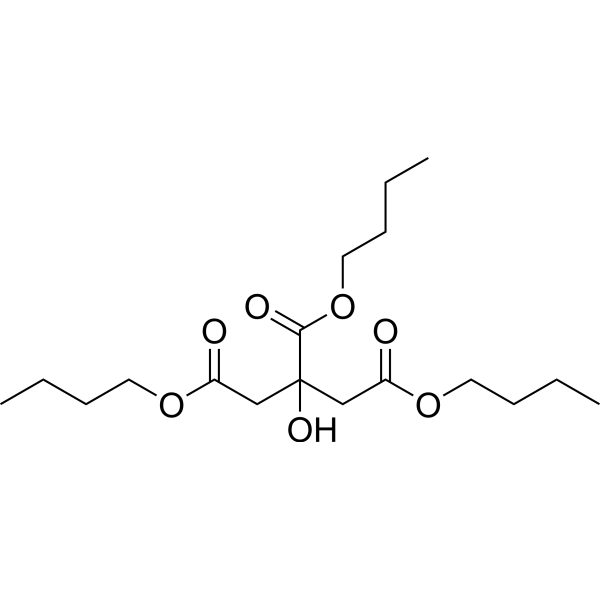
    Tributyl citrate is a low-toxicity and orally active citrate ester with no genotoxicity or skin sensitizing activity. Tributyl citrate also acts as a plasticizer, solvent, FDA-approved indirect food additive, and topical anesthetic, among other uses. Tributyl citrate induces a needle-prick insensitivity response that lasts for more than 2 hours, and a 5% suspension of it temporarily eliminates the corneal reflex in rabbits. Tributyl citrate causes no significant systemic toxicity in rats and cats at most tested doses, and only may cause growth retardation and gastrointestinal reactions such as diarrhea and nausea at high doses or with repeated oral administration .
    Tributyl citrate
  • HY-136261

    Drug-Linker Conjugates for ADC Cancer
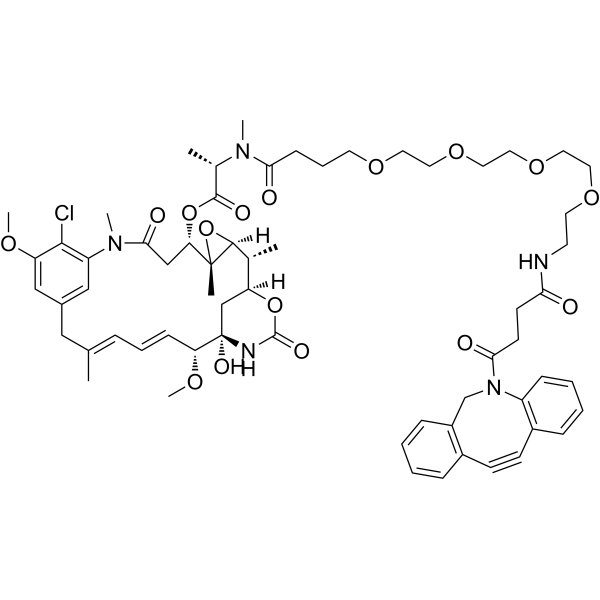
    DM1-(PEG)4-DBCO is a agent-linker conjugate composed of a potent microtubulin inhibitor DM1 and a linker DBCO-PEG4-Ahx to make antibody agent conjugate (ADC). Mertansine (DM1) is a microtubulin inhibitor and is an antibody-conjugatable maytansinoid that is developed to overcome systemic toxicity associated with maytansine and to enhance tumor-specific delivery. DM1-PEG4-DBCO is a click chemistry reagent, it contains a DBCO group that can undergo strain-promoted alkyne-azide cycloaddition (SPAAC) with molecules containing Azide groups.
    DM1-PEG4-DBCO
  • HY-164288

    TDI-006570

    Cyclic GMP-AMP Synthase STING Neurological Disease Inflammation/Immunology
    TDI-6570 (TDI-006570) is a blood-brain barrier-permeable, orally active cGAS inhibitor with an IC50 of 1.64 μM. TDI-6570 exhibits high gastrointestinal absorption and a long brain half-life in mice, and shows no toxicity to primary neurons. By inhibiting the cGAS-STING-IFN signaling pathway, TDI-6570 reduces STING levels and the activation of TBK1, blocks double-stranded DNA-induced cGAS activation and downstream interferon-stimulated gene expression, thereby reducing tau protein spread and improving synaptic loss. TDI-6570 reverses memory deficits, increases the amplitude of long-term potentiation, enhances the MEF2C transcriptional network, restores PSD-95 and vGAT punctate structures, and significantly improves cognitive resilience. TDI-6570 can be applied to the research of Alzheimer's disease, Parkinson's disease, systemic lupus erythematosus, as well as various central nervous system and autoimmune diseases .
    TDI-6570
  • HY-W014684

    Environmental Pollutants Keap1-Nrf2 Mitochondrial Metabolism Reactive Oxygen Species (ROS) Endocrinology
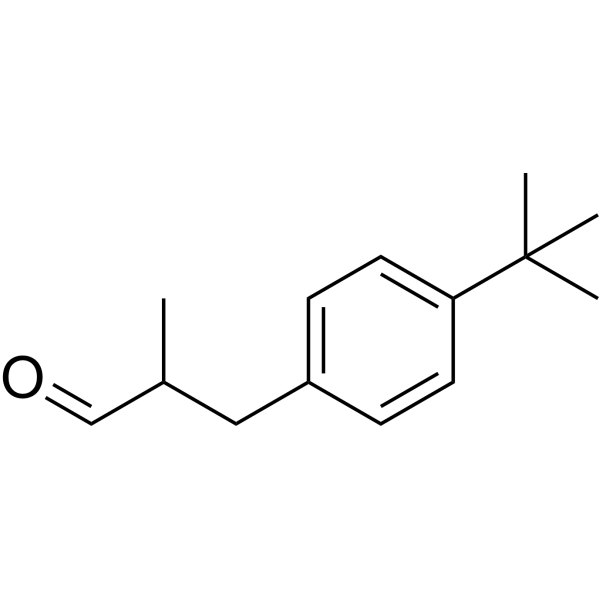
    Lilial is a widely used synthetic fragrance and ester in consumer products. Lilial possesses estrogenic activity in vitro. Lilial can induce a toxic effect on mitochondria that causes a decrease in the viability of HaCaT cells. Lilial can increase NRF2 protein level in vitro. Lilial is able to target respiratory chain complexes, inhibit complexes I and II of the electron transport chain, increase the generation of reactive oxygen species, and decrease the level of intracellular ATP. Lilial can induce systemic toxicity in vivo. Lilial induces significant DNA strand breaks .
    Lilial
  • HY-110207

    Toll-like Receptor (TLR) Inflammation/Immunology
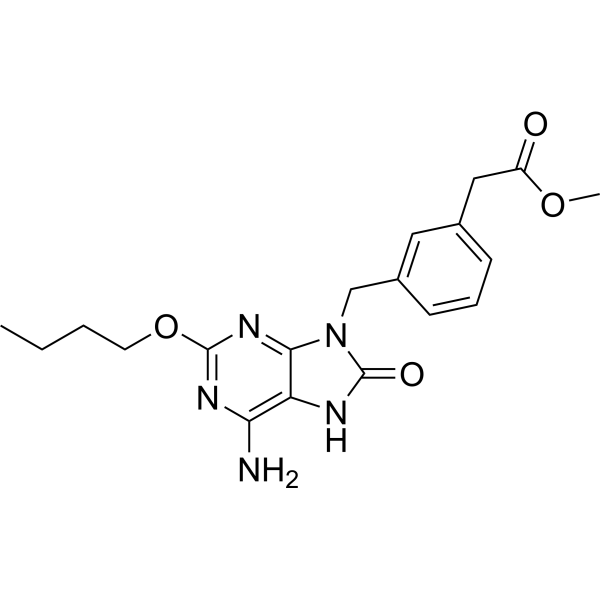
    SM-324405 is a TLR7 agonistic antedrug (EC50 = 50 nM), with pEC50 values of 7.3 and 6.6 for human TLR7 and Rat TLR7, respectively. SM-324405 is used for immunoresearch of allergic diseases. An antedrug is defined as a locally active compound that is designed to be rapidly metabolized to an inactive form upon entry into the circulation and prevents systemic toxicity by losing its agonistic activity in a plasmatic environment .
    SM-324405
  • HY-Y0320E

    Cholinesterase (ChE) Bacterial Infection Inflammation/Immunology Cancer
    Dimethyl sulfoxide (suitable for HPLC) is an aprotic solvent that can dissolve water-insoluble therapeutic and toxic agents. Dimethyl sulfoxide (DMSO) has a strong affinity for water and has the ability to rapidly penetrate or enhance the penetration of other substances through biological membranes. Dimethyl sulfoxide also has potential free radical scavenging and anticholinesterase effects and may affect coagulation activity. Dimethyl sulfoxide also induces histamine release from mast cells but is thought to have low systemic toxicity. Dimethyl sulfoxide (suitable for HPLC) is suitable for HPLC .
    Dimethyl sulfoxide (suitable for HPLC)
  • HY-P991739

    VEGFR PD-1/PD-L1 Cancer
    RC148 is a humanized IgG1 bispecific antibody targeting VEGF and PD-1. RC148 allows dimeric VEGF crosslinking and gradually enhances PD-1 binding activity, potentially reduces systemic toxicity of the anti-VEGF approach, and enhances antitumor potency via VEGF-triggered enrichment in tumor areas. RC148 blocks the binding of VEGF to VEGFR and PD-1 to PD-L1, prevents the growth and migration of human umbilical vein endothelial cells, and enables efficient T cell activation. RC148 can be used for the study of breast cancer and lung cancer .
    RC148
  • HY-B1869
    Metsulfuron-methyl
    2 Publications Verification

    Environmental Pollutants Herbicide Others
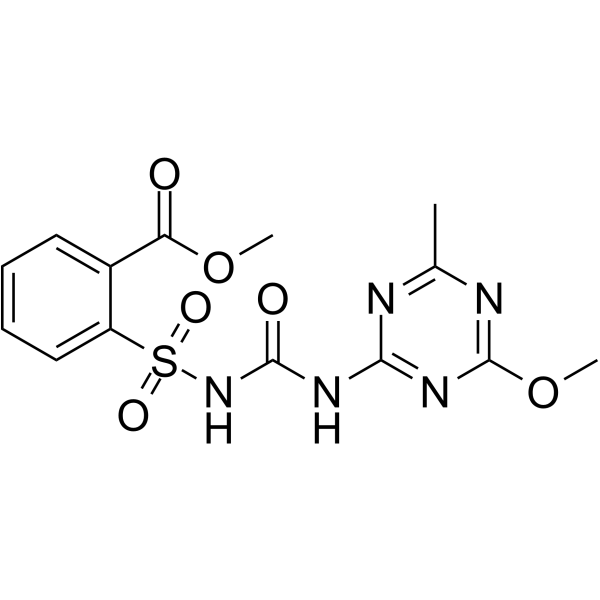
    Metsulfuron-methyl is a systemic sulfonylurea herbicide that has been widely used to control broadleaf weeds and annual grasses in rice, corn, wheat, and barley. Metsulfuron-methyl exhibits high herbicidal activity and low mammalian toxicity, with an LD50 for rats exceeding 5000 mg/kg .
    Metsulfuron-methyl
  • HY-W591838

    PFPeS

    Biochemical Assay Reagents Phosphatase Metabolic Disease
    Perfluoropentanesulfonic acid (PFPeS) is a per- and polyfluoroalkyl substance. Perfluoropentanesulfonic acid increases alkaline phosphatase (ALKP). Perfluoropentanesulfonic acid induces systemic toxicity in mouse models and alters the expression of genes related to fatty acid metabolism, inflammation and skin integrity in the liver and skin .
    Perfluoropentanesulfonic acid
  • HY-B1265

    Cortisol 17-valerate

    Glucocorticoid Receptor Neurological Disease Inflammation/Immunology
    Hydrocortisone 17-valerate (Cortisol 17-valerate) is a 17α-ester derivative of Hydrocortisone (HY-N0583), an endogenous glucocorticoid with anti-inflammatory activity. Hydrocortisone 17-valerate can be used for research on skin inflammation .
    Hydrocortisone 17-valerate
  • HY-W099569

    Zinc octadecanoate

    Biochemical Assay Reagents Fungal Bacterial Parasite Infection
    Zinc stearate is a metal stearate that acts as a preservative, bactericide, fungicide, and larvicide. Zinc stearate inhibits larval reproduction in animal feces. Zinc stearate exhibits extremely low systemic toxicity. Zinc stearate is a common component of pharmaceutical excipients, lubricants, mold release agents, polymer stabilizers, and coating matting agents .
    Zinc stearate
  • HY-B0999

    Clorindanol; 7-Chloro-4-indanol

    Bacterial Infection
    Chlorindanol (7-Chloro-4-indanol) is a topical antiseptic or sanitizer. Chlorindanol is rapidly lethal to vegetative bacteria, Trichophyton sp., C. albicans, E. histolytica cysts and trophozoites, T. vaginalis, and spermatozoa in vitro. Chlorindanol is klow systemic toxicity, well skin/eyes/genital mucosa tolerance and nonallergenic.
    Chlorindanol
  • HY-W014684R

    Reference Standards Keap1-Nrf2 Reactive Oxygen Species (ROS) Mitochondrial Metabolism Endocrinology
    Lilial (Standard) is the analytical standard of Lilial. This product is intended for research and analytical applications. Lilial is a widely used synthetic fragrance and ester in consumer products. Lilial possesses estrogenic activity in vitro. Lilial can induce a toxic effect on mitochondria that causes a decrease in the viability of HaCaT cells. Lilial can increase NRF2 protein level in vitro. Lilial is able to target respiratory chain complexes, inhibit complexes I and II of the electron transport chain, increase the generation of reactive oxygen species, and decrease the level of intracellular ATP. Lilial can induce systemic toxicity in vivo. Lilial induces significant DNA strand breaks .
    Lilial (Standard)
  • HY-136260

    Drug-Linker Conjugates for ADC Cancer
    DBCO-PEG4-Ahx-DM1 is a agent-linker conjugate composed of a potent microtubulin inhibitor DM1 and a linker DBCO-PEG4-Ahx to make antibody agent conjugate (ADC). Mertansine (DM1) is a microtubulin inhibitor and is an antibody-conjugatable maytansinoid that is developed to overcome systemic toxicity associated with maytansine and to enhance tumor-specific delivery. DBCO-PEG4-Ahx-DM1 is a click chemistry reagent, it contains a DBCO group that can undergo strain-promoted alkyne-azide cycloaddition (SPAAC) with molecules containing Azide groups.
    DBCO-PEG4-Ahx-DM1
  • HY-179392

    Apoptosis DNA Alkylator/Crosslinker VEGFR PDGFR Cancer
    Sunitinib-platinum(IV) prodrug-1 (Complex A) is a Pt(IV) prodrug based on Cisplatin (HY-17394), and this design aims to enable Pt(IV) to be reduced to active Pt(II) under intracellular reducing conditions, while simultaneously releasing a derivative of Sunitinib (HY-10255A) with tyrosine kinase inhibitor (TKI) activity. Sunitinib-platinum(IV) prodrug-1 exhibits excellent cytotoxicity against renal cell carcinoma (RCC), causing DNA crosslinking and apoptosis. Sunitinib-platinum(IV) prodrug-1 inhibits the VEGFR/PDGFR signaling pathway, suppressing tumor growth and angiogenesis. Sunitinib-platinum(IV) prodrug-1 can be used for research on renal cell carcinoma .
    Sunitinib-platinum(IV) prodrug-1
  • HY-B2051
    Triclopyr
    1 Publications Verification

    Environmental Pollutants Fungal Others
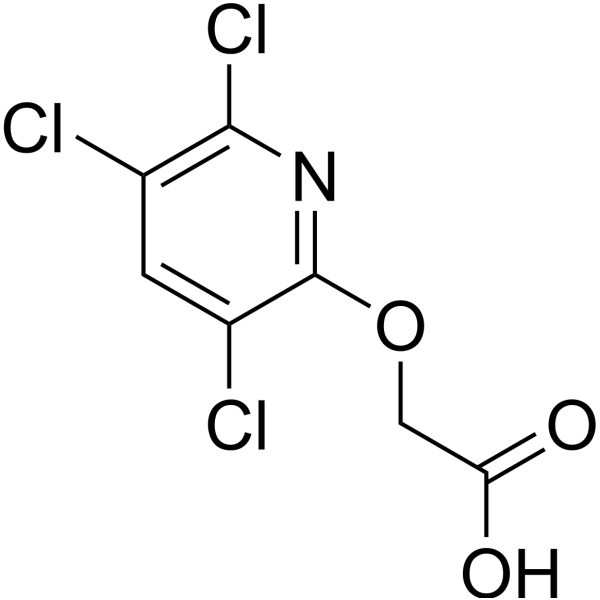
    Triclopyr, a foliar systemic herbicide and fungicide, is widely used for broadleaf and woody plant control. Triclopyr has severe toxicity .
    Triclopyr
  • HY-13679R

    Mesnum (Standard)

    Glutathione Peroxidase Reference Standards Cancer
    Sodium 2-mercaptoethanesulfonate (Standard) is the analytical standard of Sodium 2-mercaptoethanesulfonate. This product is intended for research and analytical applications. Mesna (Sodium 2-mercaptoethanesulfonate) is an antioxidant which has cytoprotective effects. Mesna is widely used as a systemic protective agent against chemotherapy toxicity. Mesna is also used to reduce hemorrhagic cystitis induced by cyclophosphamide .
    Sodium 2-mercaptoethanesulfonate (Standard)
  • HY-13679S

    Mesnum-d4 sodium

    Isotope-Labeled Compounds Glutathione Peroxidase Cancer
    2-Mercaptoethanesulfonate-d4 sodium (Mesnum-d4 sodium) is the deuterium labeled Sodium 2-mercaptoethanesulfonate (HY-13679). Mesna (Sodium 2-mercaptoethanesulfonate) is an antioxidant which has cytoprotective effects. Mesna is widely used as a systemic protective agent against chemotherapy toxicity. Mesna is also used to reduce hemorrhagic cystitis induced by cyclophosphamide .
    2-Mercaptoethanesulfonate-d4 sodium
  • HY-W762012

    OCDD

    Cytochrome P450 Environmental Pollutants Others
    Octachlorodibenzo-p-dioxin (OCDD) is an environmental contaminant but is not acutely toxic. In rats, Octachlorodibenzo-p-dioxin (50 μg/kg i.v. or 50-5000 μg/kg p.o.) has a systemic elimination half-life of 3-5 months and accumulates and concentrates in the liver and adipose tissue after low-dose, repeated exposure. Repeated administration of octachlorodibenzo-p-dioxin causes increases in 7-ethoxyresorufin-O-deethylase (7-EROD) activity and total cytochrome P-450 levels .
    Octachlorodibenzo-p-dioxin
  • HY-178028

    Histone Methyltransferase Cancer
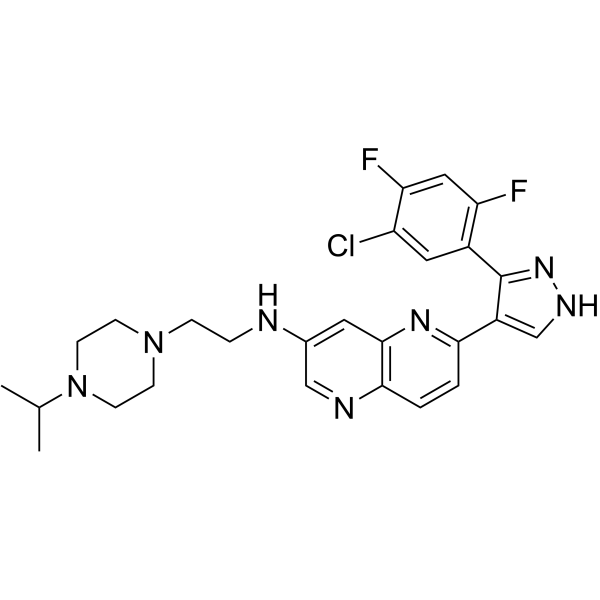
    PRMT5-IN-53 is a gut-restricted and orally active PRMT5 inhibitor with pIC50s of ≥ 9.7 against hPRMT5 and mPRMT5. PRMT5-IN-53 binds to the PRMT5:MEP50 complex with a KD of 11.3 pM. PRMT5-IN-53 effectively inhibits PRMT5 locally in the intestines of mice, significantly reducing the number and area of polyps, while avoiding systemic hematological toxicity (such as anemia, neutropenia). PRMT5-IN-53 can be used for the study of colorectal cancer especially for familial adenomatous polyposis (FAP) .
    PRMT5-IN-53
  • HY-B1869R

    Herbicide Reference Standards Others
    Metsulfuron-methyl (Standard) is the analytical standard of Metsulfuron-methyl. This product is intended for research and analytical applications. Metsulfuron-methyl is a systemic sulfonylurea herbicide that has been widely used to control broadleaf weeds and annual grasses in rice, corn, wheat, and barley. Metsulfuron-methyl exhibits high herbicidal activity and low mammalian toxicity, with an LD50 for rats exceeding 5000 mg/kg .
    Metsulfuron-methyl (Standard)
  • HY-161874

    Apoptosis MDM-2/p53 Bcl-2 Family Caspase PARP Autophagy Cancer
    RPS6-IN-1 (Compound 22o) inhibits cell metastasis, induces cell apoptosis (increases the expression of Bax, p53, cleaved-caspase 3, and cleaved-PARP). RPS6-IN-1 decreases mitochondrial membrane potential. RPS6-IN-1 activates autophagy through the PI3K-Akt-mTOR signaling pathway, damages intracellular mitochondria and lysosomes, and cause ER stress. RPS6-IN-1 inhibits RPS6 phosphorylation. RPS6-IN-1 is an anticancer agent with low systemic toxicity .
    RPS6-IN-1
  • HY-139719

    NF-κB Inflammation/Immunology
    IMD-biphenylC is a novel imidazoquinolinone-NF-κB immunomodulator dimer that inhibits tumor proliferation while induces low systemic inflammation and reduces adjuvant toxicity.
    IMD-biphenylC
  • HY-139718

    NF-κB Inflammation/Immunology
    IMD-biphenylB is a potent imidazoquinolinone-NF-κB immunomodulator dimer that inhibits tumor proliferation while induces low systemic inflammation and reduces adjuvant toxicity.
    IMD-biphenylB
  • HY-117630

    Drug Intermediate Cancer
    RB-6145 is an orally active pro-drug of the hypoxic cell radiosensitizer RSU 1069. RB-6145 acts a hypoxic cell radiosensitizer and cytotoxin but reduces systemic toxicity in mice .
    RB-6145
  • HY-B2051R

    Fungal Reference Standards Others
    Triclopyr (Standard) is the analytical standard of Triclopyr. This product is intended for research and analytical applications. Triclopyr, a foliar systemic herbicide and fungicide, is widely used for broadleaf and woody plant control. Triclopyr has severe toxicity .
    Triclopyr (Standard)
  • HY-145829

    JAK Apoptosis Inflammation/Immunology
    Tofacitinib precursor-1 is an effective and oral active precursor to mitigate the systemic adverse effects of Tofacitinib. Tofacitinib precursor-1 can effectively attenuate the oxazolone-induced colitis in mice model with low toxicity. Tofacitinib precursor-1 is a potential drug candidate for the research of ulcerative colitis .
    Tofacitinib Prodrug-1
  • HY-Y1840R

    Biochemical Assay Reagents Reference Standards Neurological Disease
    3-Methoxyphenol (Standard) is the analytical standard of 3-Methoxyphenol. This product is intended for research and analytical applications. 3-Methoxyphenol is a phenolic compound that is biologically toxic. 3-Methoxyphenol is systemically absorbed, disrupts the function of the liver, kidneys, central nervous system, and redox processes, and increases levels of Hb, red blood cells, and white blood cells in the body.
    3-Methoxyphenol (Standard)
  • HY-Y1840S

    Isotope-Labeled Compounds Neurological Disease
    3-Methoxyphenol-d3 is deuterated labeled 3-Methoxyphenol (HY-Y1840). 3-Methoxyphenol is a phenolic compound that is biologically toxic. 3-Methoxyphenol is systemically absorbed, disrupts the function of the liver, kidneys, central nervous system, and redox processes, and increases levels of Hb, red blood cells, and white blood cells in the body.
    3-Methoxyphenol-d3
  • HY-W013762R

    Reference Standards Biochemical Assay Reagents Others
    Tributyl citrate (Standard) is the analytical standard of Tributyl citrate. This product is intended for research and analytical applications. Tributyl citrate is a low-toxicity and orally active citrate ester with no genotoxicity or skin sensitizing activity. Tributyl citrate also acts as a plasticizer, solvent, FDA-approved indirect food additive, and topical anesthetic, among other uses. Tributyl citrate induces a needle-prick insensitivity response that lasts for more than 2 hours, and a 5% suspension of it temporarily eliminates the corneal reflex in rabbits. Tributyl citrate causes no significant systemic toxicity in rats and cats at most tested doses, and only may cause growth retardation and gastrointestinal reactions such as diarrhea and nausea at high doses or with repeated oral administration .
    Tributyl citrate (Standard)
  • HY-185398

    Amikacin disulfate liposome; Liposomal amikacin

    Liposome Antibiotic Bacterial Infection
    Amikacin liposome is a liposome-encapsulated form of Amikacin disulfate (HY-B0509B), an aminoglycoside antibiotic with antibactericidal avtivity. Amikacin liposome prolongs the release of amikacin in the lungs and reduces systemic exposure, thereby lowering systemic toxicity.
    Amikacin liposome
  • HY-19074

    Drug Derivative Others
    BMY-30047 is a retinoic acid derivative. BMY-30047 has topical retinoid activity. BMY-30047 has relative low local and systemic toxicity .
    BMY-30047
  • HY-B0869

    Acetolactate Synthase (ALS) Herbicide Others
    Bispyribac is an acetolactate synthase inhibitor that can be used as a systemic post-emergence herbicide for control of weeds in agriculture. Bispyribac blocks the amino acid synthesis. Bispyribac has low acute toxicity in animal models .
    Bispyribac
  • HY-116883

    Biochemical Assay Reagents Others
    Endothion, a systemic insecticide, has been used for agricultural and horticultural areas. Endothion can prevent Mediterranean Drosophila on peaches, and the residual effect lasts for more than 3 weeks without toxicity to leaves and fruits .
    Endothion
  • HY-B2061

    Fungal Androgen Receptor Infection Cancer
    Vinclozolin is a non-systemic dicarboximide fungicide. Vinclozolin is also an antagonist of the androgen receptor, exerting anti-androgenic effects through its metabolites. Vinclozolin inhibits spore germination and can be used to control fungi in plants such as vegetables and fruits. Vinclozolin is toxic to the reproductive system of rats and possesses certain anti-tumor activity .
    Vinclozolin
  • HY-19792S2

    DM1-d3; Maytansinoid DM1-d3

    Isotope-Labeled Compounds Microtubule/Tubulin ADC Payload Cancer
    Mertansine-d3 (DM1-d3) is the deuterium labeled Mertansine (HY-19792). Mertansine (DM1) is a microtubulin inhibitor and is an antibody-conjugatable maytansinoid that is developed to overcome systemic toxicity associated with maytansine and to enhance tumor-specific delivery. Mertansine can be attached to a monoclonal antibody with a linker to create an antibody-drug conjugate (ADC) .
    Mertansine-d3
  • HY-19792S

    DM1-13C,d3; Maytansinoid DM1-13C,d3

    Isotope-Labeled Compounds Microtubule/Tubulin ADC Payload Cancer
    Mertansine- 13C,d3 (DM1- 13C,d3) is the 13C- and deuterium labeled Mertansine (HY-19792). Mertansine (DM1) is a microtubulin inhibitor and is an antibody-conjugatable maytansinoid that is developed to overcome systemic toxicity associated with maytansine and to enhance tumor-specific delivery. Mertansine can be attached to a monoclonal antibody with a linker to create an antibody-drug conjugate (ADC) .
    Mertansine-13C,d3
  • HY-181694

    Topoisomerase HDAC Apoptosis Kinesin RAD51 Cancer
    SeSA-HCPT is an orally active dual-target inhibitor integrating Topo I and HDAC inhibition. SeSA-HCPT induces potent DNA damage, apoptosis, S-phase arrest in prostate cancer cells. SeSA-HCPT inhibits cancer cells proliferation and migration. SeSA-HCPT impairs homologous recombination by suppressing KIF4A-RAD51 signaling. SeSA-HCPT markedly inhibits CRPC tumor growth with minimal systemic toxicity .
    SeSA-HCPT
  • HY-179394

    Proteasome Inflammation/Immunology
    Immunoproteasome-IN-2 is selective immunoproteasome inhibitor with IC50 = 232.3 nM for LMP7, IC50 = 9384.9 nM for β5. Immunoproteasome-IN-2 exhibits ancillary inhibitory activity against LMP2 and MECL-1 subunits. Immunoproteasome-IN-2 demonstrates anti-inflammatory efficacy in a mouse model of arthritis and shows a favorable safety profile in toxicological studies with reduced hepatotoxicity and hematotoxicity. Immunoproteasome-IN-2 has LMP7/β5 selectivity directly correlated with lower systemic toxicity. Immunoproteasome-IN-2 can be employed for research in arthritis .
    Immunoproteasome-IN-2
  • HY-179501

    PDK-1 Reactive Oxygen Species (ROS) Apoptosis Oxidative Phosphorylation Cancer
    PDK1-IN-5 is a selective PDK1 inhibitor. PDK1-IN-5 activaties PDH by diminishing phosphorylation level via PDK1 inhibition. PDK1-IN-5 effectively reverses the Warburg effect and shifts cellular energy metabolism from glycolysis toward oxidative phosphorylation by increased acetyl-CoA, reduced lactate, elevated mitochondrial ROS, and subsequent induction of apoptosis. PDK1-IN-5 robustly inhibits tumor growth in vivo without inducing systemic toxicity. PDK1-IN-5 can be used for lung adenocarcinoma, human non-small cell lung adenocarcinoma and gastric colorectal .
    PDK1-IN-5
  • HY-183549

    Apoptosis Ferroptosis Cancer
    Ferroptosis/apoptosis inducer-4 is a pyridine-hydrazone-derived Cu (II) complex and a synergistic inducer of ferroptosis and apoptosis. Ferroptosis/apoptosis inducer-4 exerts anti-tumor proliferation and anti-metastasis effects with extremely low systemic toxicity. Ferroptosis/apoptosis inducer-4 disrupts cellular redox homeostasis by depleting glutathione and generating hydroxyl radicals through the Cu 2+/Cu + redox cycle. Ferroptosis/apoptosis inducer-4 also triggers mitochondrial dysfunction and endoplasmic reticulum stress, which in turn lead to Ca 2+ release, mitochondrial Ca 2+ overload, and the formation of a ROS−Ca 2+ self-amplifying feedback loop. Ferroptosis/apoptosis inducer-4 can be used in studies related to cervical cancer .
    Ferroptosis/apoptosis inducer-4

Inquiry Online

Your information is safe with us. * Required Fields.

Salutation


Country or Region *

Applicant Name *


Organization Name *

Department *


Email Address *


Product Name *

Cat. No.


Requested quantity *

Phone Number *


Remarks

Inquiry Online

Inquiry Information

Product Name:
Cat. No.:
Quantity:
MCE Japan Authorized Agent:

