Search Result
Results for "
tight binding
" in MedChemExpress (MCE) Product Catalog:
1
Isotope-Labeled Compounds
| Cat. No. |
Product Name |
Target |
Research Areas |
Chemical Structure |
-
- HY-18731
-
|
|
NO Synthase
Apoptosis
|
Cardiovascular Disease
Inflammation/Immunology
Cancer
|
|
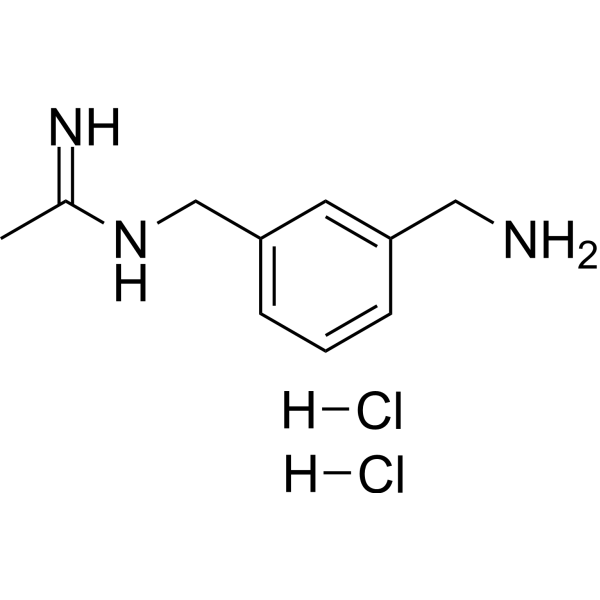
1400W dihydrochloride is the dihydrochloride form of 1400W (HY-18730). 1400W is a slow, tight binding, and highly selective inducible nitric-oxide synthase (iNOS) inhibitor, with a Kd value ≤ 7 nM. 1400W inhibits iNOS induction in microglial cells, and reduces generation of NO, thereby mitigating oxidative stress and neuronal cell apoptosis in the rat cerebral cortex, and improving the spatial memory dysfunction caused by acute hypobaric hypoxia-reoxygenation .
|
-
-
- HY-12220
-
MM-102
4 Publications Verification
HMTase Inhibitor IX
|
WDR5
Apoptosis
NF-κB
TNF Receptor
Interleukin Related
|
Inflammation/Immunology
Cancer
|
|
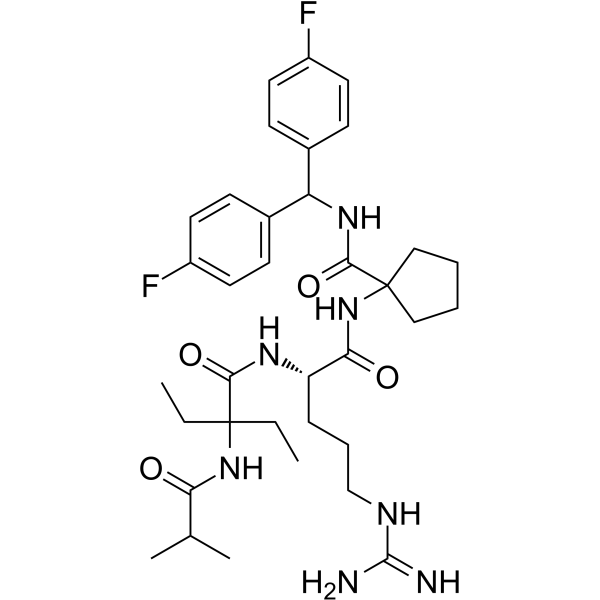
MM-102 (HMTase Inhibitor IX) is a cell-permeable and tightly binding inhibitor of MLL1-WDR5 interaction (IC50=2.4 nM). MM-102 can specifically inhibit the growth and induce apoptosis of leukemia cells containing MLL1 fusion protein, and reduce renal fibrosis and inflammation in mice with ischemia-reperfusion injury. In addition, MM-102 also acts as an H3K4 histone methyltransferase inhibitor to improve the development of porcine somatic cell nuclear transfer (SCNT) embryos .
|
-
-
- HY-115194
-
|
|
Aminopeptidase
Bacterial
|
Infection
|
|
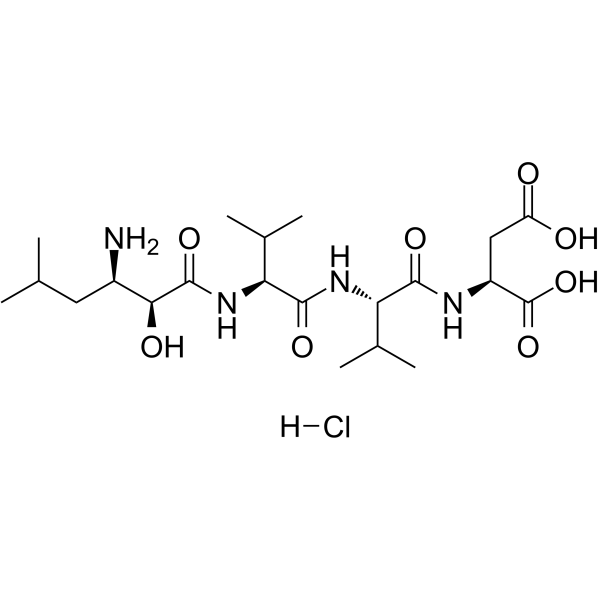
Amastatin hydrochloride is a slow, tight binding, competitive aminopeptidase (AP) inhibitor with Ki values of 0.26 nM, 30 nM, 52 nM for Aeromonas aminopeptidase, cytosolic leucine aminopeptidase, microsomal aminopeptidase .
|
-
-
- HY-15460
-
|
|
Bacterial
Antibiotic
|
Infection
|
|
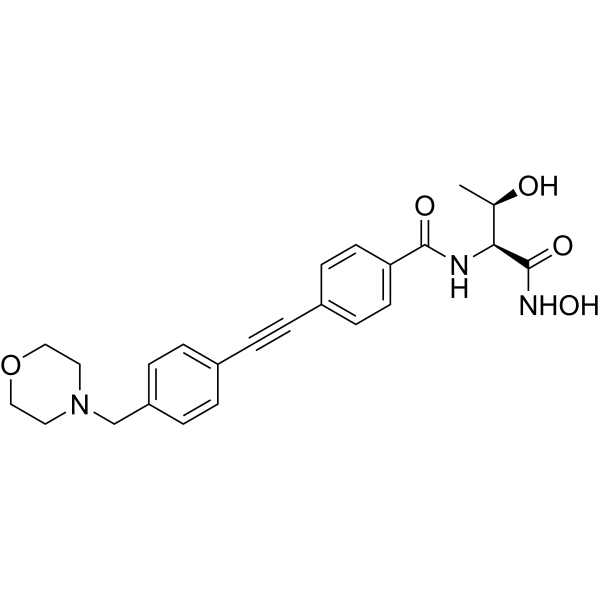
CHIR-090 is a potent, slow, tight-binding inhibitor of the LpxC deacetylase. It binds to E. coli LpxC with a Ki of 4.0 nM. CHIR-090 is a click chemistry reagent, it contains an Alkyne group and can undergo copper-catalyzed azide-alkyne cycloaddition (CuAAc) with molecules containing Azide groups.
|
-
-
- HY-D2468
-
|
|
Fluorescent Dye
|
Others
|
|
Sulfonylurea Receptor HRP-Streptavidin is a biotin-binding signal amplifier designed to bind tightly with biotinylated anti-TSH monoclonal antibodies, thereby constituting a key component of the signal amplification system in immunoassays. HRP-Streptavidin is formed by the covalent coupling of Horseradish Peroxidase (HRP) with Streptavidin; it combines the highly efficient catalytic activity of the enzyme with the high affinity of Streptavidin for biotin, making it a potent and sensitive tool for signal amplification. HRP-Streptavidin is suitable for use in Western Blotting, ELISA, and other detection techniques .
|
-
-
- HY-18730
-
1400W
Maximum Cited Publications
28 Publications Verification
W1400
|
NO Synthase
Apoptosis
|
Cardiovascular Disease
Inflammation/Immunology
Cancer
|
|
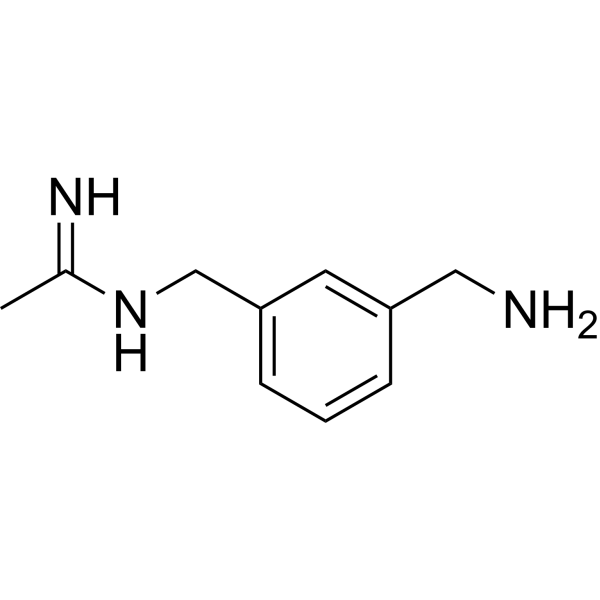
1400W is a slow, tight binding, and highly selective inducible nitric-oxide synthase (iNOS) inhibitor, with a Kd value ≤ 7 nM. 1400W inhibits iNOS induction in microglial cells, and reduces generation of NO, thereby mitigating oxidative stress and neuronal cell apoptosis in the rat cerebral cortex, and improving the spatial memory dysfunction caused by acute hypobaric hypoxia-reoxygenation .
|
-
-
- HY-117766
-
|
|
Fungal
Cytochrome P450
|
Infection
|
|
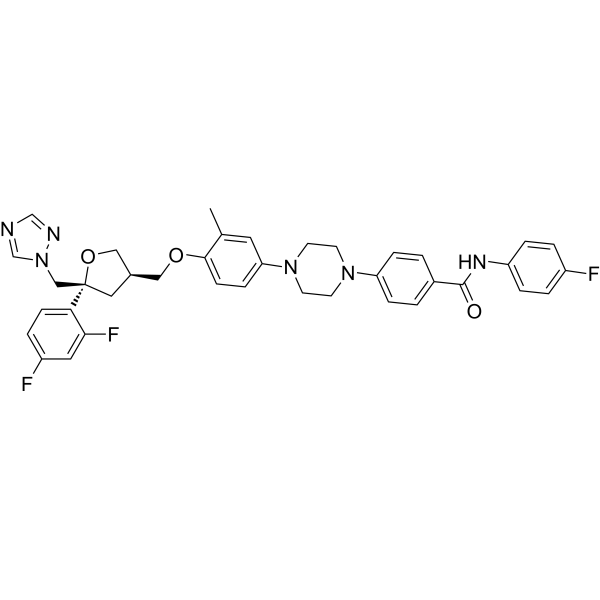
PC945, a potent, long-acting antifungal triazole, possesses activity against a broad range of both azole-susceptible and azole-resistant strains of Aspergillus fumigatus. PC945 is also a potent, tightly binding inhibitor of A. fumigatus sterol 14α-demethylase activity, CYP51A and CYP51B, with IC50s of 0.23 μM and 0.22 μM, respectively .
|
-
-
- HY-B0306
-
|
Protionamide
|
Bacterial
|
Infection
|
|
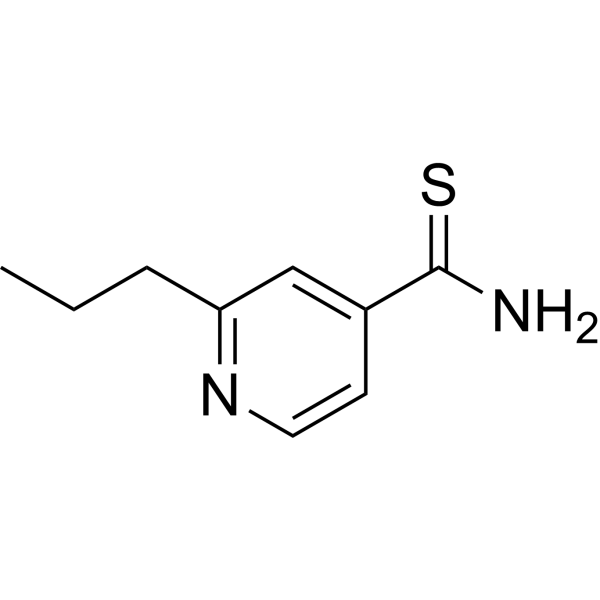
Prothionamide is an orally active thioamide antibacterial agent. Prothionamide is a substrate of OCT1 with a Km value of 805.8 μM. Prothionamide reacts with NAD to form a covalent adduct, with the adduct being a tight-binding inhibitor of Mycobacterium tuberculosis and Mycobacterium leprae InhA. Prothionamide can effectively inhibit the growth of Mycobacterium tuberculosis (MIC = ~0.5 µg/mL) and Mycobacterium leprae. Prothionamide is used in the research of tuberculosis and leprosy .
|
-
-
- HY-19348
-
|
RGFA-8; TC-H 106; Histone Deacetylase Inhibitor VII
|
HDAC
Monoamine Transporter
|
Neurological Disease
Cancer
|
|
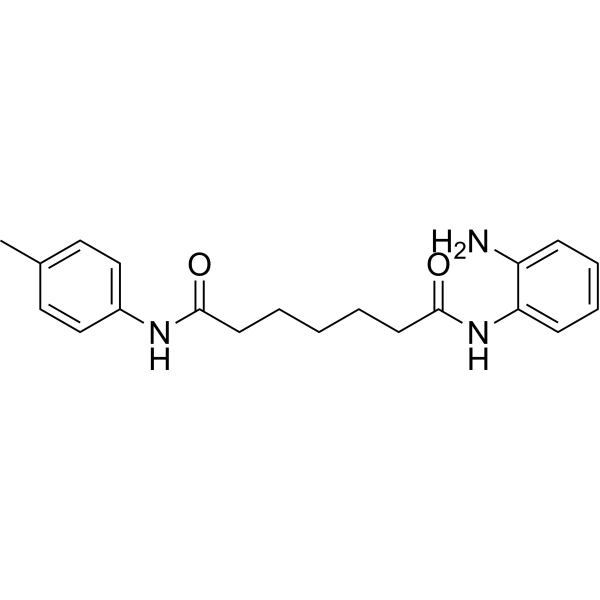
Pimelic Diphenylamide 106 (TC-H 106) is a slow, tight binding class I HDAC inhibitor (inhibits HDAC1, 2, and 3 with IC50 values of 150 nM, 760 nM, and 370 nM, respectively), with no activity against class II HDACs. Pimelic Diphenylamide 106 modulates dopamine concentration and protects dopamine cells by inducing VMAT2 expression. Pimelic Diphenylamide 106 can be used in the study of neuropsychiatric diseases such as attention deficit hyperactivity disorder (ADHD) .
|
-
-
- HY-P991200
-
|
|
HCV
Claudin
|
Infection
|
|
OM-7D3-B3 is an antibody-based antiviral agent targeting the tight junction protein CLDN1 (Kd=4 nM). By binding to the first extracellular domain of CLDN1, OM-7D3-B3 disrupts the formation of the CLDN1-CD81 co-receptor complex, thereby effectively inhibiting the entry of hepatitis C virus (HCV). OM-7D3-B3 not only prevents de novo and chronic HCV infections in humanized liver chimeric mice and uPA-SCID mice transplanted with human livers, but also exhibits favorable safety with no toxic effects observed. OM-7D3-B3 serves as a critical tool for research on HCV infection mechanisms and antiviral drug development .
|
-
-
- HY-P11446
-
|
|
Transmembrane Glycoprotein
|
Cancer
|
|
AE105 is a 9-mer peptide probe targeting the urokinase-type plasminogen activator receptor (uPAR). AE105 binds tightly to the uPA-binding cavity of uPAR. AE105 can be used for the study of cancer .
|
-
-
- HY-115450
-
|
|
LPL Receptor
|
Endocrinology
Cancer
|
|
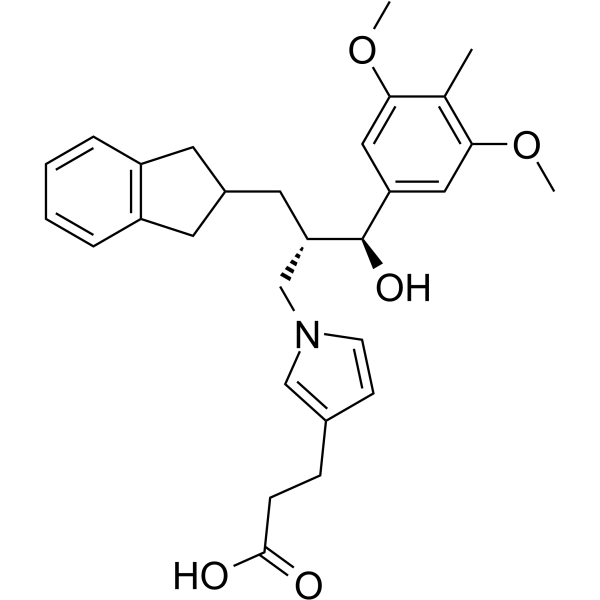
ONO-0300302 is an orally active and potent LPA1 (lysophosphatidic acid receptor 1) antagonist, with an IC50 of 0.086 μM. ONO-0300302 is a slow tight binding inhibitor, and its binding affinity increases with time, with Kd of 0.34 nM (37 °C, 2 h). ONO-0300302 can be used for benign prostatic hyperplasia (BPH) research .
|
-
-
- HY-124796
-
|
|
Bacterial
|
Infection
|
|
QStatin is a potent and selective inhibitor of SmcR (V. harveyi LuxR homologue) with an EC50 of 208.9 nM, binding tightly to SmcR and changes the flexibility of the protein, thereby altering its transcription regulatory activity. QStatin shows pan-QS (Vibrio quorum sensing) inhibitor activity in diverse Vibrio species and attenuates their virulence in an aquatic host. QStatin may be a sustainable antivibriosis agent useful in aquacultures .
|
-
-
- HY-125475
-
|
GMI-1070
|
E-Selectin
|
Cardiovascular Disease
|
|
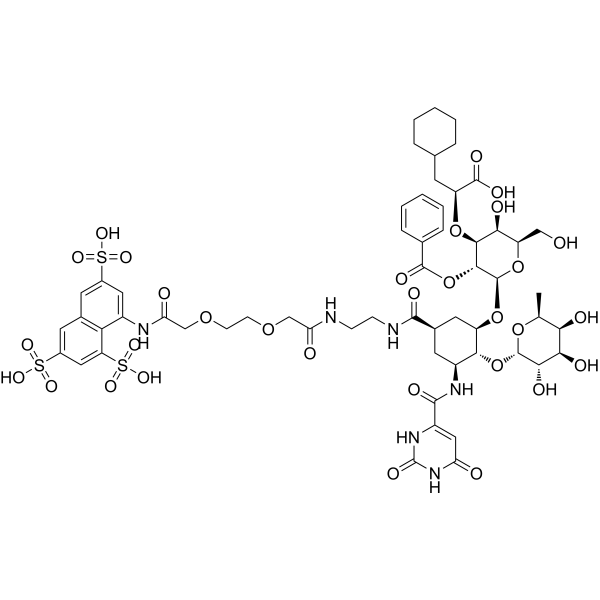
Rivipansel is a small-molecule glycomimetic pan-selectin antagonist with inhibitory activity against E-selectin and P-selectin. Rivipansel binds tightly to the lectin domain of E-selectin, and selectively blocks the recognition of CD62L by E-selectin without affecting the binding of PSGL-1 to E-selectin. Rivipansel functionally inhibits the adhesion of hematopoietic cells to endothelial cells, and is applicable to research related to sickle cell disease .
|
-
-
- HY-161304
-
|
|
HDAC
|
Cancer
|
|
HDAC6-IN-33 (compound 6) is a selective and irreversible HDAC6 inhibitor with an IC50 of 193 nM. HDAC6-IN-33 shows no activity against HDAC1-4. HDAC6-IN-33 is a tight-binding HDAC6 inhibitor capable of inhibiting HDAC6 via a two-step slow-binding mechanism .
|
-
-
- HY-P3828
-
|
|
Fluorescent Dye
|
Neurological Disease
|
|
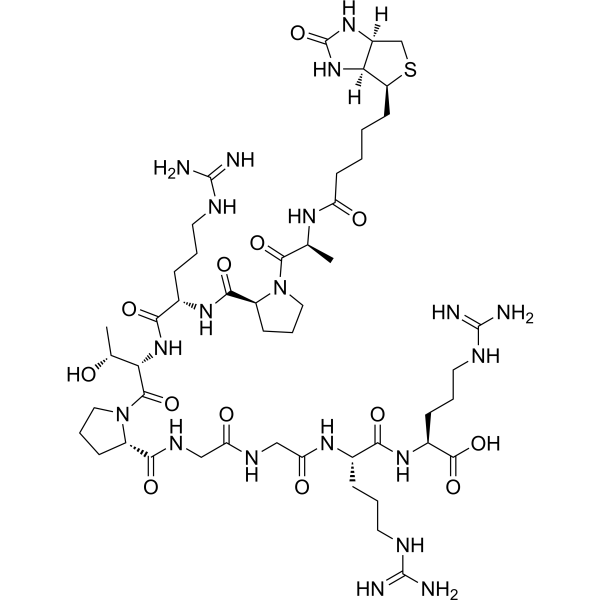
Biotin-myelin basic protein (94-102) is a peptide fragemt. Myelin basic protein is responsible for adhesion of the cytosolic surfaces of multilayered compact myelin, it plays an important role in the process of myelination of nerves in the nervous system. Myelin basic protein also acts as a membrane actin-binding protein, which might allow it to participate in transmission of extracellular signals to the cytoskeleton in oligodendrocytes and tight junctions in myelin .
|
-
-
- HY-125969
-
|
|
Histone Acetyltransferase
Fungal
|
Infection
|
|
Rtt109 inhibitor 1 (Compound 1) is an inhibitor for histone acetyltransferase Rtt109 through a tight binding, uncompetitive system. Rtt109 inhibitor 1 exhibits antifungal activity through acetylation at H3K56 site .
|
-
-
- HY-P2713
-
|
|
Beta-secretase
|
Neurological Disease
|
|
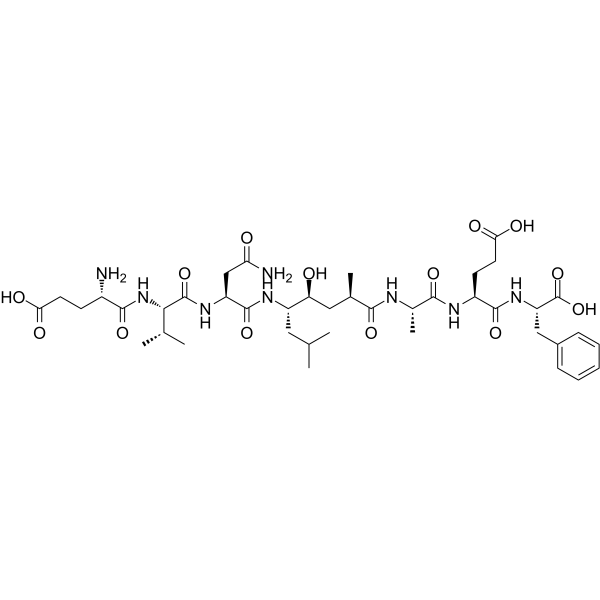
OM99-2, an eight residue peptidomimetic, tight-binding inhibitor of human brain memapsin 2 with a Ki value of 9.58 nM . OM99-2 is significantly advanced the development of BACE1 inhibitor . OM99-2 has the potential for the research of the Alzheimer's disease .
|
-
-
- HY-P11446A
-
|
|
Transmembrane Glycoprotein
|
Cancer
|
|
AE105 TFA is a 9-mer peptide probe targeting the urokinase-type plasminogen activator receptor (uPAR). AE105 TFA binds tightly to the uPA-binding cavity of uPAR. AE105 TFA can be used for the study of cancer .
|
-
-
- HY-113646
-
|
|
FKBP
|
Others
|
|
Shield-2 is an efficient stabilizing ligand binding to the FKBP (F36V) protein with a dissociation constant of 29 nM. Shield-2 binds tightly to the FKBP mutants destabilizing domains and prevents degradation, thus providing small molecule regulation over intracellular protein levels .
|
-
-
- HY-120621
-
|
|
Phospholipase
|
Inflammation/Immunology
|
|
BMS-229724 is an orally active and tight-binding cytosolic phospholipase A2 (cPLA2) inhibitor with an IC50 of 2.8 μM. BMS-229724 can inhibit the production of arachidonic acid and eicosanoids in U937 cells, neutrophils, platelets, and other cells. BMS-229724 has anti-inflammatory activity and can be used in the research of diseases such as skin inflammation .
|
-
-
- HY-161306
-
|
|
HDAC
|
Cancer
|
|
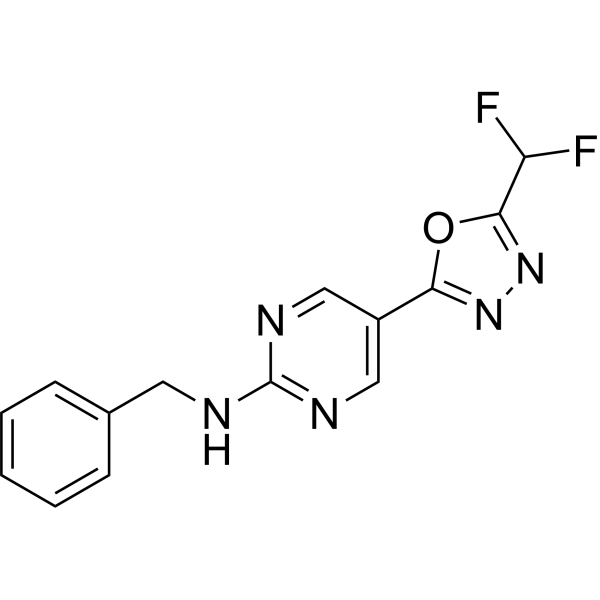
ITF5924 (compound 1) is a potent and highly selective HDAC6 inhibitor with an IC50 of 7.7 nM. ITF5924 shows greater than 104-fold selectivity for HDAC6 over all other HDAC subtypes. ITF5924 containing a difluoromethyl-1,3,4-oxadiazole (DFMO) moiety is slow-binding substrate analog of HDAC6 that undergo an enzyme-catalyzed ring opening reaction, forming a tight and long-lived enzyme-inhibitor complex .
|
-
-
- HY-178343
-
|
|
Aurora Kinase
Apoptosis
|
Cancer
|
|
Aurora A-IN-5 is a potent and highly selective Aurora A inhibitor (IC50 = 0.02 μM), showing 362-fold selectivity for over Aurora B. Aurora A-IN-5 shows its selectivity through unique C−H/π interactions, enhanced hydrophobic contacts, an open binding pocket, and tighter protein packing. Aurora A-IN-5 suppresses Aurora A autophosphorylation, thereby inhibiting cancer cell proliferation by inducing G2/M phase arrest, triggering apoptosis, and suppressing colony formation. Aurora A-IN-5 inhibits tumor growth in MDA-MB-231 xenograft mouse models. Aurora A-IN-5 can be used for breast, cervical, prostate, and lymphoma cancer research .
|
-
-
- HY-121908
-
|
|
ATP Synthase
|
Cancer
|
|
FCPT, an ATP competitive inhibitor, induces a tight-binding of kinesin-5 onto microtubules and induced loss of microtubules selectively at the poles of Xenopus extract spindles without altering microtubule dynamics .
|
-
-
- HY-172764
-
|
|
NO Synthase
|
Metabolic Disease
|
|
L-ENIPO (hydrochloride) is an inhibitor of iNOS, nNOS, and eNOS with Ki values of 17, 10.3, and 58.2 μM. L-ENIPO (hydrochloride) exerts reversible tight binding inhibition selective for iNOS with longer incubation time .
|
-
-
- HY-111150
-
|
|
Dipeptidyl Peptidase
|
Metabolic Disease
|
|
AMG-222 is a dipeptidyl peptidase IV (DPP-IV) inhibitor that exerts its inhibitory effect by tightly and reversibly binding to DPPIV. AMG 222 binds to human plasma proteins in a saturable and concentration-dependent manner, with a binding rate of 80.8% at 1 nM, while the binding rate decreases to 29.4% at concentrations above 100 nM. AMG-222 can be used in research related to diabetes .
|
-
-
- HY-P2713A
-
|
|
Beta-secretase
|
Neurological Disease
|
|
OM99-2 TFA, an eight residue peptidomimetic, tight-binding inhibitor of human brain memapsin 2 with a Ki value of 9.58 nM . OM99-2 TFA is significantly advanced the development of BACE1 inhibitor . OM99-2 has the potential for the research of the Alzheimer's disease .
|
-
-
- HY-15460R
-
|
|
Reference Standards
Bacterial
Antibiotic
|
Infection
|
|
CHIR-090 (Standard) is the analytical standard of CHIR-090. This product is intended for research and analytical applications. CHIR-090 is a potent, slow, tight-binding inhibitor of the LpxC deacetylase. It binds to E. coli LpxC with a Ki of 4.0 nM. CHIR-090 is a click chemistry reagent, it contains an Alkyne group and can undergo copper-catalyzed azide-alkyne cycloaddition (CuAAc) with molecules containing Azide groups.
|
-
-
- HY-18731R
-
|
|
NO Synthase
Apoptosis
|
Cardiovascular Disease
Inflammation/Immunology
Cancer
|
|
1400W (Dihydrochloride) (Standard) is the analytical standard of 1400W (Dihydrochloride). This product is intended for research and analytical applications. 1400W dihydrochloride is the dihydrochloride form of 1400W (HY-18730). 1400W is a slow, tight binding, and highly selective inducible nitric-oxide synthase (iNOS) inhibitor, with a Kd value ≤ 7 nM. 1400W inhibits iNOS induction in microglial cells, and reduces generation of NO, thereby mitigating oxidative stress and neuronal cell apoptosis in the rat cerebral cortex, and improving the spatial memory dysfunction caused by acute hypobaric hypoxia-reoxygenation .
|
-
-
- HY-B0306S
-
|
Protionamide-d5
|
Isotope-Labeled Compounds
Bacterial
|
Infection
|
|
Prothionamide-d5 is deuterium labeled Prothionamide (HY-B0306). Prothionamide is an orally active thioamide antibacterial agent. Prothionamide is a substrate of OCT1 with a Km value of 805.8 μM. Prothionamide reacts with NAD to form a covalent adduct, with the adduct being a tight-binding inhibitor of Mycobacterium tuberculosis and Mycobacterium leprae InhA. Prothionamide can effectively inhibit the growth of Mycobacterium tuberculosis (MIC = ~0.5 µg/mL) and Mycobacterium leprae. Prothionamide is used in the research of tuberculosis and leprosy .
|
-
-
- HY-B0306R
-
|
Protionamide (Standard)
|
Reference Standards
Bacterial
|
Infection
|
|
Prothionamide (Standard) is the analytical standard of Prothionamide (HY-B0306). This product is intended for research and analytical applications. Prothionamide is an orally active thioamide antibacterial agent. Prothionamide is a substrate of OCT1 with a Km value of 805.8 μM. Prothionamide reacts with NAD to form a covalent adduct, with the adduct being a tight-binding inhibitor of Mycobacterium tuberculosis and Mycobacterium leprae InhA. Prothionamide can effectively inhibit the growth of Mycobacterium tuberculosis (MIC = ~0.5 µg/mL) and Mycobacterium leprae. Prothionamide is used in the research of tuberculosis and leprosy .
|
-
-
- HY-133233
-
|
1-Palmitylthio-2-palmitoylamido-1,2-dideoxy-sn-glycero-3-phosphorylcholine
|
Endogenous Metabolite
Phospholipase
|
Metabolic Disease
|
|
Thioetheramide-PC (1-Palmitylthio-2-palmitoylamido-1,2-dideoxy-sn-glycero-3-phosphorylcholine) is a structurally modified phospholipid that acts as a competitive, reversible inhibitor of secretory phospholipase A2 (sPLA2). Thioetheramide-PC has an IC50 value of 2 μM at a substrate concentration of 0.5 mM. In addition to binding to the catalytic site of sPLA2, Thioetheramide-PC also binds to the activation site of the enzyme. Thioetheramide-PC binds more tightly to the activation site than to the catalytic site. As a result of this dual interaction, at low concentrations, Thioetheramide-PC may activate phospholipase activity rather than inhibit it.
|
-
-
- HY-133031A
-
|
|
Histone Methyltransferase
|
Others
|
|
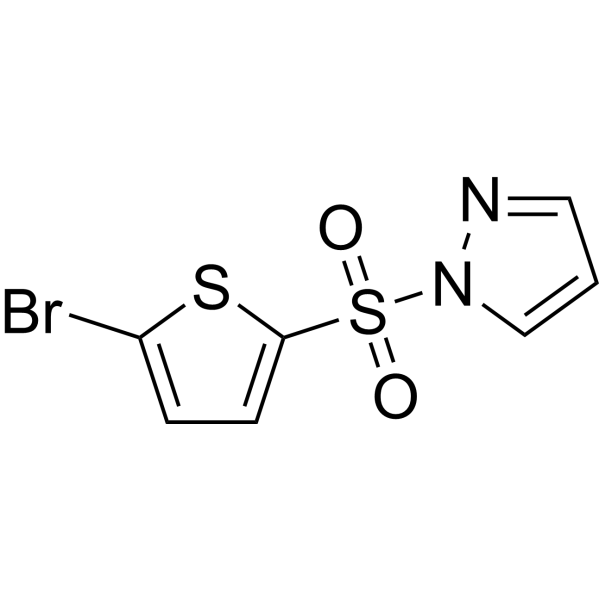
CSV0C018875 hydrochloride is a G9a (EHMT2) inhibitor that inhibits G9a activity. CSV0C018875 can effectively inhibit G9a activity in both enzyme and cell-based assays, and its toxicity is much lower than that of the known G9a inhibitor BIX-01294. CSV0C018875 binds tightly to the active site cavity of G9a, thereby improving the binding firmness and prolonging the residence time of the compound, further enhancing the inhibitory effect of G9a. CSV0C018875 has the potential to improve its ADME (absorption, distribution, metabolism and excretion) and pharmacodynamic properties through further optimization .
|
-
-
- HY-179655
-
|
|
HDAC
|
Cancer
|
|
ST17 is a light-activatable ST13 prodrug. ST17 readily releases ST13 upon irradiation. ST13 is a selective, slow- and tight-binding HDAC1/HDAC2 inhibitor with antiproliferative activity. ST17 can be used in the research of melanoma and breast cancer .
|
-
-
- HY-W800818
-
|
|
Biochemical Assay Reagents
|
Others
|
|
(Z)-Non-2-enyl 6-bromohexanoate is an analogue of Biotin and a protein cross-linking agent.(Z)-Non-2-enyl 6-bromohexanoate binds less tightly to biotin-binding proteins such as Avidin and is easily displaced by Biotin. It is used in the preparation of agarose matrices for affinity-based isolation of streptavidin-fluorophore conjugates.
|
-
-
- HY-182303
-
|
CATR
|
Methionine Adenosyltransferase (MAT)
|
Neurological Disease
|
|
Carboxyatractyloside (CATR) is a tight-binding inhibitor of adenine nucleotide translocase, and represents the major toxic component of Xanthium sibiricum. Carboxyatractyloside competes with ADP for binding to the translocase, blocks the translocation of ADP/ATP across the inner mitochondrial membrane, and thereby inhibits ADP-stimulated respiration. In the presence of Cyclosporin A (HY-B0579), Carboxyatractyloside still induces permeability transition in liver mitochondria of aged rats, exhibiting significant hepatotoxicity and nephrotoxicity. Carboxyatractyloside is widely used in studies related to hepatotoxicity, nephrotoxicity and Alzheimer's disease .
|
-
-
- HY-181085
-
|
|
DYRK
|
Neurological Disease
Inflammation/Immunology
Cancer
|
|
RD0448 is a potent inhibitor of DYRK1A, DYRK1B, and DYRK2. RD0448 selectively targets the non-native (folded intermediate) state of DYRK1A and DYRK1B. The binding site of RD0448 is hidden in the native state of DYRK1A and DYRK1B, and as a stabilizing binder, it binds tightly to both DYRK1A and DYRK1B, forming a stable complex with slow dissociation kinetics. In contrast, RD0448 targets the native state of DYRK2 without selectivity between its native and non-native states, acting as a weak binder with weaker binding affinity to DYRK2 and forming a rapidly dissociating complex .
|
-
-
- HY-P991869
-
|
AQmabAM; rAb-53
|
Aquaporin
|
Neurological Disease
|
|
Aquaporumab (AQmabAM) is an engineered human monoclonal IgG antibody. Aquaporumab is a selective inhibitor of aquaporin 4 (AQP4), binding tightly to AQP4 and competitively displacing AQP4-IgG from serum [1][2]. Aquaporumab significantly reduces neuromyelitis optica lesions in spinal cord slice cultures and in mice receiving intracerebral injection of AQP4-IgG and complement [1][2]. Aquaporumab can be used for research on neuromyelitis optica spectrum disorders [1][2]."}
|
-
-
- HY-179654
-
|
|
HDAC
Apoptosis
|
Cancer
|
|
ST13, an ortho-hydroxyanilide, is a selective, slow- and tight-binding HDAC1 and HDAC2 inhibitor with IC50s of 23 nM and 49 nM, respectively. ST13 shows a weak inhibition of HDAC3 (IC50 = 4.30 μM) and HDAC6 (IC50 > 10 μM). The induced fit mechanism of ST13 proceeds through a two-step process: first, the enzyme and inhibitor rapidly form a collision complex (EI), which then slowly transforms into the stable complex E*I. ST13 induces apoptosis in cancer cells. ST13 can be used for the study of melanoma and triple-negative breast .
|
-
| Cat. No. |
Product Name |
Type |
-
- HY-D2468
-
|
|
Fluorescent Dyes
|
|
Sulfonylurea Receptor HRP-Streptavidin is a biotin-binding signal amplifier designed to bind tightly with biotinylated anti-TSH monoclonal antibodies, thereby constituting a key component of the signal amplification system in immunoassays. HRP-Streptavidin is formed by the covalent coupling of Horseradish Peroxidase (HRP) with Streptavidin; it combines the highly efficient catalytic activity of the enzyme with the high affinity of Streptavidin for biotin, making it a potent and sensitive tool for signal amplification. HRP-Streptavidin is suitable for use in Western Blotting, ELISA, and other detection techniques .
|
| Cat. No. |
Product Name |
Target |
Research Area |
-
- HY-P11446
-
|
|
Transmembrane Glycoprotein
|
Cancer
|
|
AE105 is a 9-mer peptide probe targeting the urokinase-type plasminogen activator receptor (uPAR). AE105 binds tightly to the uPA-binding cavity of uPAR. AE105 can be used for the study of cancer .
|
-
- HY-P3828
-
|
|
Fluorescent Dye
|
Neurological Disease
|
|
Biotin-myelin basic protein (94-102) is a peptide fragemt. Myelin basic protein is responsible for adhesion of the cytosolic surfaces of multilayered compact myelin, it plays an important role in the process of myelination of nerves in the nervous system. Myelin basic protein also acts as a membrane actin-binding protein, which might allow it to participate in transmission of extracellular signals to the cytoskeleton in oligodendrocytes and tight junctions in myelin .
|
-
- HY-P2713
-
|
|
Beta-secretase
|
Neurological Disease
|
|
OM99-2, an eight residue peptidomimetic, tight-binding inhibitor of human brain memapsin 2 with a Ki value of 9.58 nM . OM99-2 is significantly advanced the development of BACE1 inhibitor . OM99-2 has the potential for the research of the Alzheimer's disease .
|
-
- HY-P11446A
-
|
|
Transmembrane Glycoprotein
|
Cancer
|
|
AE105 TFA is a 9-mer peptide probe targeting the urokinase-type plasminogen activator receptor (uPAR). AE105 TFA binds tightly to the uPA-binding cavity of uPAR. AE105 TFA can be used for the study of cancer .
|
-
- HY-P2713A
-
|
|
Beta-secretase
|
Neurological Disease
|
|
OM99-2 TFA, an eight residue peptidomimetic, tight-binding inhibitor of human brain memapsin 2 with a Ki value of 9.58 nM . OM99-2 TFA is significantly advanced the development of BACE1 inhibitor . OM99-2 has the potential for the research of the Alzheimer's disease .
|
| Cat. No. |
Product Name |
Target |
Research Area |
Image |
-
- HY-P991200
-
|
|
HCV
Claudin
|
Infection
|
|
OM-7D3-B3 is an antibody-based antiviral agent targeting the tight junction protein CLDN1 (Kd=4 nM). By binding to the first extracellular domain of CLDN1, OM-7D3-B3 disrupts the formation of the CLDN1-CD81 co-receptor complex, thereby effectively inhibiting the entry of hepatitis C virus (HCV). OM-7D3-B3 not only prevents de novo and chronic HCV infections in humanized liver chimeric mice and uPA-SCID mice transplanted with human livers, but also exhibits favorable safety with no toxic effects observed. OM-7D3-B3 serves as a critical tool for research on HCV infection mechanisms and antiviral drug development .
|
-
(5)
-
- HY-P991869
-
|
AQmabAM; rAb-53
|
Aquaporin
|
Neurological Disease
|
|
Aquaporumab (AQmabAM) is an engineered human monoclonal IgG antibody. Aquaporumab is a selective inhibitor of aquaporin 4 (AQP4), binding tightly to AQP4 and competitively displacing AQP4-IgG from serum [1][2]. Aquaporumab significantly reduces neuromyelitis optica lesions in spinal cord slice cultures and in mice receiving intracerebral injection of AQP4-IgG and complement [1][2]. Aquaporumab can be used for research on neuromyelitis optica spectrum disorders [1][2]."}
|
-
(5)
| Cat. No. |
Product Name |
Chemical Structure |
-
- HY-B0306S
-
|
|
|
Prothionamide-d5 is deuterium labeled Prothionamide (HY-B0306). Prothionamide is an orally active thioamide antibacterial agent. Prothionamide is a substrate of OCT1 with a Km value of 805.8 μM. Prothionamide reacts with NAD to form a covalent adduct, with the adduct being a tight-binding inhibitor of Mycobacterium tuberculosis and Mycobacterium leprae InhA. Prothionamide can effectively inhibit the growth of Mycobacterium tuberculosis (MIC = ~0.5 µg/mL) and Mycobacterium leprae. Prothionamide is used in the research of tuberculosis and leprosy .
|
-
| Cat. No. |
Product Name |
|
Classification |
-
- HY-181085
-
|
|
|
Alkynes
|
|
RD0448 is a potent inhibitor of DYRK1A, DYRK1B, and DYRK2. RD0448 selectively targets the non-native (folded intermediate) state of DYRK1A and DYRK1B. The binding site of RD0448 is hidden in the native state of DYRK1A and DYRK1B, and as a stabilizing binder, it binds tightly to both DYRK1A and DYRK1B, forming a stable complex with slow dissociation kinetics. In contrast, RD0448 targets the native state of DYRK2 without selectivity between its native and non-native states, acting as a weak binder with weaker binding affinity to DYRK2 and forming a rapidly dissociating complex .
|
Your information is safe with us. * Required Fields.
Inquiry Information
- Product Name:
- Cat. No.:
- Quantity:
- MCE Japan Authorized Agent:

