


1. Search Result
Search Result
Results for "

toxin production

" in MedChemExpress (MCE) Product Catalog:

19

Inhibitors & Agonists

3

Peptides

2

Isotope-Labeled Compounds

Cat. No. Product Name Target Research Areas Chemical Structure
  • HY-B1455
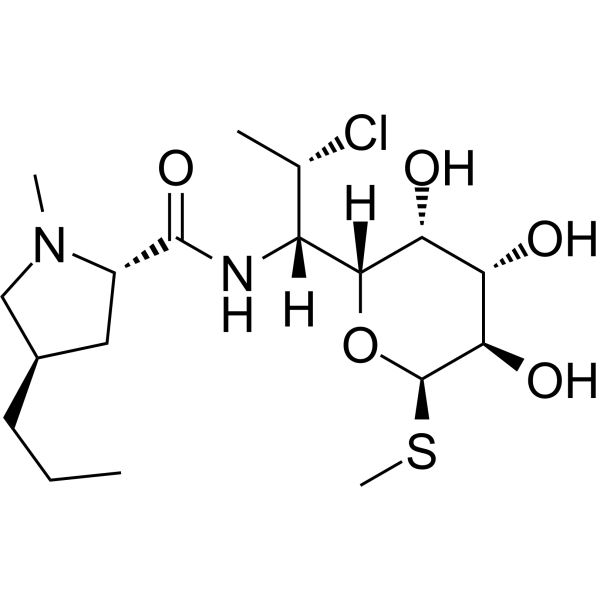
    Clindamycin
    Maximum Cited Publications
    14 Publications Verification

    Bacterial Antibiotic Parasite Infection Cancer
    Clindamycin is an orally active and broad-spectrum bacteriostatic lincosamide antibiotic. Clindamycin can inhibit bacterial protein synthesis, possessing the ability to suppress the expression of virulence factors in Staphylococcus aureus at sub-inhibitory concentrations (sub-MICs). Clindamycin resistance results from enzymatic methylation of the antibiotic binding site in the 50S ribosomal subunit (23S rRNA). Clindamycin decreases the production of Panton-Valentine leucocidin (PVL), toxic-shock-staphylococcal toxin (TSST-1) or alpha-haemolysin (Hla). Clindamycin also can be used for researching malaria .
    Clindamycin
  • HY-B1201
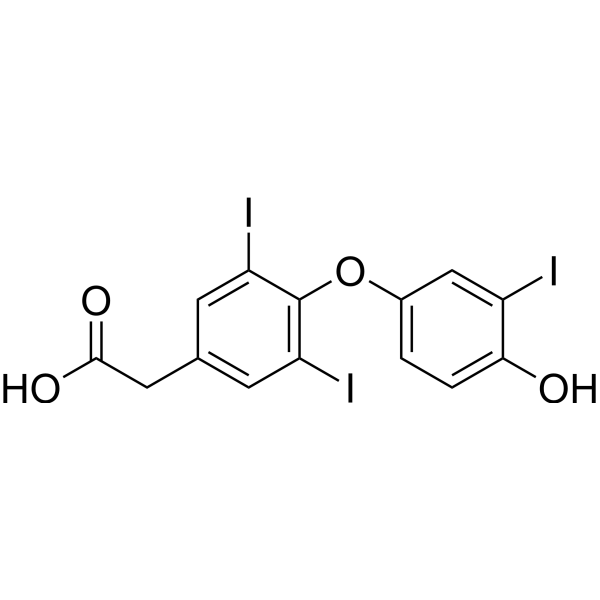
    Tiratricol
    1 Publications Verification

    3,3',5-Triiodothyroacetic acid

    Flavivirus Thyroid Hormone Receptor TNF Receptor Endocrinology
    Tiratricol is an orally available thyroid hormone analog that inhibits pituitary thyroid-stimulating hormone secretion. Tiratricol is an intracellular toxin neutralizer that inhibits LPS and lipid A cytotoxicity with IC50s of 20 μM and 32 μM, respectively. Tiratricol reduces TNF production in lipopolysaccharide-stimulated macrophages. Tiratricol also has antiviral activity and is an inhibitor of yellow fever virus (Flavivirus). It can bind to the RdRp domain of the viral NS5 protein to hinder YFV replication. .
    Tiratricol
  • HY-P1117
    MMK1
    1 Publications Verification

    Formyl Peptide Receptor (FPR) Calcium Channel Neurological Disease Inflammation/Immunology
    MMK1 is a potent and selective human formyl peptide receptor like-1 (FPRL-1/FPR2) agonist with EC50s of <2 nM and >10000 nM for FPRL-1 and FPR1, respectively. MMK1 is a potent chemotactic and calcium-mobilizing agonist. MMK1 potently activates phagocytic leukocytes and enhances Pertussis Toxin-sensitive production by human monocytes of proinflammatory cytokines IL-1b and IL-6. MMK1 exerts anxiolytic-like activity .
    MMK1
  • HY-115440
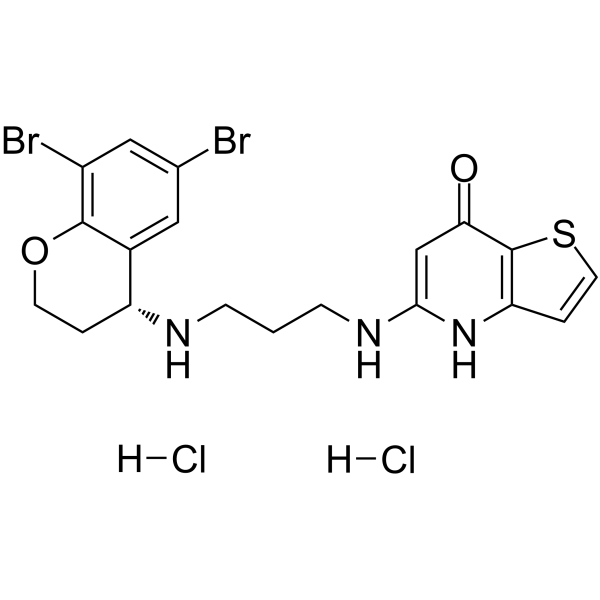
    CRS3123 dihydrochloride
    1 Publications Verification

    REP-3123 dihydrochloride

    Bacterial Antibiotic Infection
    CRS3123 (REP-3123) dihydrochloride, a fully synthetic antibacterial agent, potently inhibits methionyl-tRNA synthetase (MetRS) of Clostridioides difficile, inhibiting Clostridioides difficile toxin production and spore formation. CRS3123 dihydrochloride is an oral agent for the research of Clostridioides difficile infection (CDI) .
    CRS3123 dihydrochloride
  • HY-105017

    ATL 313; DE 112

    Adenosine Receptor Infection Inflammation/Immunology
    Evodenoson is a selective agonist of the A2A adenosine receptor. Evodenoson’s primary actions include reducing inflammatory responses, decreasing intestinal fluid secretion, edema, tissue damage, and neutrophil infiltration induced by Clostridium difficile toxin A. Evodenoson’s protective effect is achieved by reducing myeloperoxidase (MPO) and adenosine deaminase (ADA) activities, and by lowering the production of tumor necrosis factor-alpha (TNF-α) .
    Evodenoson
  • HY-N7118

    Bacterial Antibiotic Infection Cancer
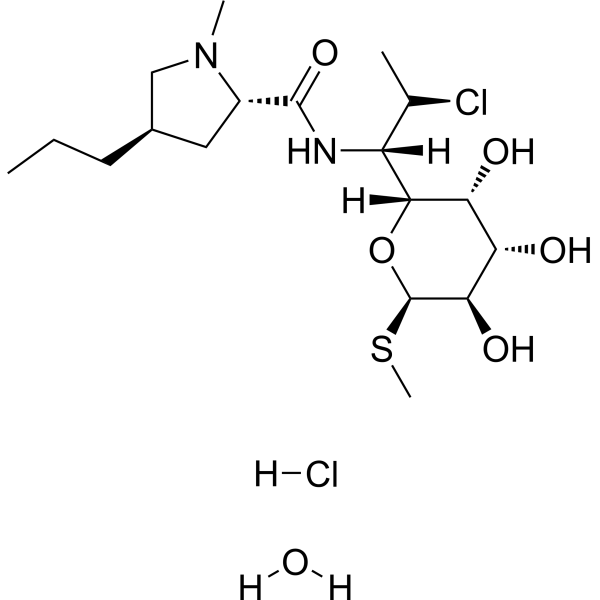
    Clindamycin hydrochloride monohydrate is an oral protein synthesis inhibitory agent that has the ability to suppress the expression of virulence factors in Staphylococcus aureus at sub-inhibitory concentrations (sub-MICs). Clindamycin hydrochloride monohydrate resistance results from enzymatic methylation of the antibiotic binding site in the 50S ribosomal subunit (23S rRNA). Clindamycin hydrochloride monohydrate decreases the production of Panton-Valentine leucocidin (PVL), toxic-shock-staphylococcal toxin (TSST-1) or alpha-haemolysin (Hla) .
    Clindamycin hydrochloride monohydrate
  • HY-B1455S1

    Isotope-Labeled Compounds Bacterial Antibiotic Parasite Infection
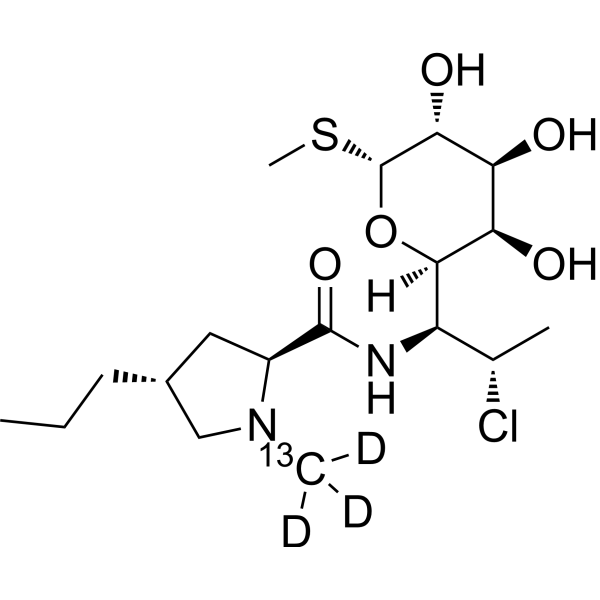
    Clindamycin- 13C,d3 is the 13C- and deuterium labeled Clindamycin. Clindamycin is an orally active and broad-spectrum bacteriostatic lincosamide antibiotic. Clindamycin can inhibit bacterial protein synthesis, possessing the ability to suppress the expression of virulence factors in Staphylococcus aureus at sub-inhibitory concentrations (sub-MICs). Clindamycin resistance results from enzymatic methylation of the antibiotic binding site in the 50S ribosomal subunit (23S rRNA). Clindamycin decreases the production of Panton-Valentine leucocidin (PVL), toxic-shock-staphylococcal toxin (TSST-1) or alpha-haemolysin (Hla). Clindamycin also can be used for researching malaria .
    Clindamycin-13C,d3
  • HY-P11114

    Bacterial p38 MAPK Reactive Oxygen Species (ROS) Apoptosis Caspase Infection Inflammation/Immunology
    Periplanetasin-4 is an antimicrobial peptide that can be derived from the American cockroach (Periplaneta americana). Periplanetasin-4 reduces cell rounding and apoptosis. Periplanetasin-4 blocks Clostridium difficile toxin A-induced ROS production and the activation of downstream p38 MAPK and p21. Periplanetasin-4 significantly increases mitochondrial calcium level, reduces DPH fluorescence intensity and vacuolar dysfunction in Candida albicans ATCC 90028 cells. Periplanetasin-4 significantly ameliorates toxin A-induced mucosal damage in the mouse gut. Periplanetasin-4 can be used for the study of colitis .
    Periplanetasin-4
  • HY-178690

    MyD88 IFNAR Infection Inflammation/Immunology
    MyD88-IN-4 is a MyD88 inhibitor. MyD88-IN-4 exerts antiviral effects by up-regulating IFN-β, and anti-inflammatory effects by inhibiting pro-inflammatory cytokine production. MyD88-IN-4 prevents MyD88 homodimer formation and its interaction with IRF3/IRF7. MyD88-IN-4 demonstrates efficacy against encephalitic alphavirus infections by reducing viral replication and improving survival in VEEV TC-83-infected mouse models. MyD88-IN-4 can be used for the study of alphavirus infections, bacterial toxin-related diseases, and sepsis .
    MyD88-IN-4
  • HY-B1201R

    3,3',5-Triiodothyroacetic acid (Standard)

    Flavivirus Thyroid Hormone Receptor Reference Standards TNF Receptor Endocrinology
    Tiratricol (Standard) is the analytical standard of Tiratricol. This product is intended for research and analytical applications. Tiratricol is an orally available thyroid hormone analog that inhibits pituitary thyroid-stimulating hormone secretion. Tiratricol is an intracellular toxin neutralizer that inhibits LPS and lipid A cytotoxicity with IC50s of 20 μM and 32 μM, respectively. Tiratricol reduces TNF production in lipopolysaccharide-stimulated macrophages. Tiratricol also has antiviral activity and is an inhibitor of yellow fever virus (Flavivirus). It can bind to the RdRp domain of the viral NS5 protein to hinder YFV replication. .
    Tiratricol (Standard)
  • HY-B1455S

    Bacterial Antibiotic Parasite Infection
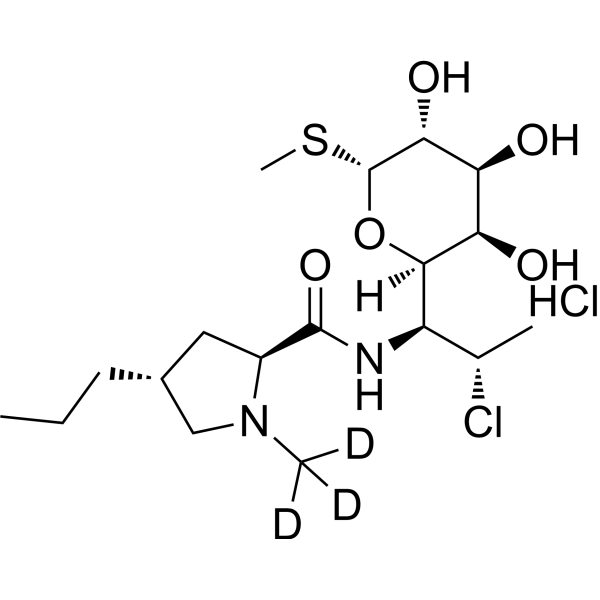
    Clindamycin-d3 (hydrochloride) is the deuterium labeled Clindamycin. Clindamycin is an orally active and broad-spectrum bacteriostatic lincosamide antibiotic. Clindamycin can inhibit bacterial protein synthesis, possessing the ability to suppress the expression of virulence factors in Staphylococcus aureus at sub-inhibitory concentrations (sub-MICs). Clindamycin resistance results from enzymatic methylation of the antibiotic binding site in the 50S ribosomal subunit (23S rRNA). Clindamycin decreases the production of Panton-Valentine leucocidin (PVL), toxic-shock-staphylococcal toxin (TSST-1) or alpha-haemolysin (Hla). Clindamycin also can be used for researching malaria .
    Clindamycin-d3 hydrochloride
  • HY-172912

    Bacterial Infection
    Anti-MRSA agent 27 (compound 4a) is a potent anti-methicillin-resistant Staphylococcus aureus agent with a MIC of 0.0975 μmol/L. Anti-MRSA agent 27 disrupts MRSA biofilms and suppresses hemolytic toxin production .
    Anti-MRSA agent 27
  • HY-N7118R

    Reference Standards Bacterial Antibiotic Infection Cancer
    Clindamycin (hydrochloride monohydrate) (Standard) is the analytical standard of Clindamycin (hydrochloride monohydrate). This product is intended for research and analytical applications. Clindamycin hydrochloride monohydrate is an oral protein synthesis inhibitory agent that has the ability to suppress the expression of virulence factors in Staphylococcus aureus at sub-inhibitory concentrations (sub-MICs). Clindamycin hydrochloride monohydrate resistance results from enzymatic methylation of the antibiotic binding site in the 50S ribosomal subunit (23S rRNA). Clindamycin hydrochloride monohydrate decreases the production of Panton-Valentine leucocidin (PVL), toxic-shock-staphylococcal toxin (TSST-1) or alpha-haemolysin (Hla) .
    Clindamycin hydrochloride monohydrate (Standard)
  • HY-115440R

    REP-3123 dihydrochloride (Standard)

    Reference Standards Bacterial Antibiotic Infection
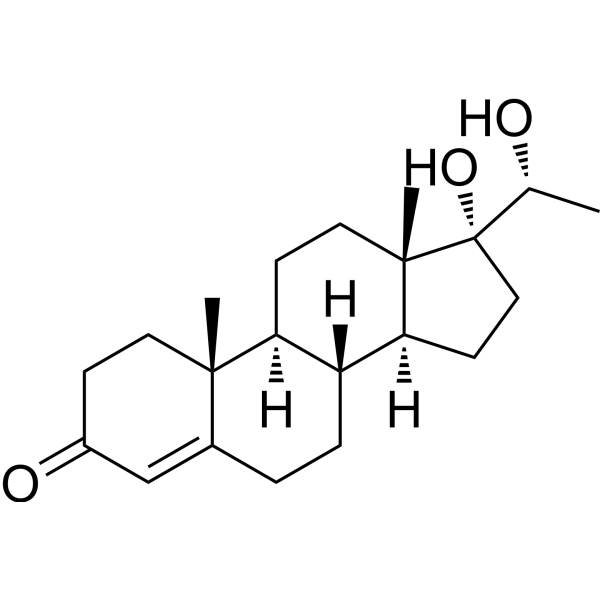
    Selegiline (Standard) is the analytical standard of Selegiline. This product is intended for research and analytical applications. Selegiline (Deprenyl) is a potent, selective and irreversible inhibitor of MAO-B, with an IC50 of 51 nM. Selegiline exhibits 450-flod selectivity for MAO-B over MAO-A (IC50=23 μM). Selegiline can be used for the research of Parkinson's disease, Alzheimer's disease and major depressive disorder .
    CRS3123 dihydrochloride (Standard)
  • HY-P1117A

    Formyl Peptide Receptor (FPR) Calcium Channel Neurological Disease Inflammation/Immunology
    MMK1 TFA is a potent and selective human formyl peptide receptor like-1 (FPRL-1/FPR2) agonist with EC50s of <2 nM and >10000 nM for FPRL-1 and FPR1, respectively. MMK1 TFA is a potent chemotactic and calcium-mobilizing agonist. MMK1 TFA potently activates phagocytic leukocytes and enhances Pertussis Toxin-sensitive production by human monocytes of proinflammatory cytokines IL-1b and IL-6. MMK1 TFA exerts anxiolytic-like activity .
    MMK1 TFA
  • HY-B1455R

    Reference Standards Bacterial Antibiotic Parasite Infection Cancer
    Clindamycin (Standard) is the analytical standard of Clindamycin. This product is intended for research and analytical applications. Clindamycin is an orally active and broad-spectrum bacteriostatic lincosamide antibiotic. Clindamycin can inhibit bacterial protein synthesis, possessing the ability to suppress the expression of virulence factors in Staphylococcus aureus at sub-inhibitory concentrations (sub-MICs). Clindamycin resistance results from enzymatic methylation of the antibiotic binding site in the 50S ribosomal subunit (23S rRNA). Clindamycin decreases the production of Panton-Valentine leucocidin (PVL), toxic-shock-staphylococcal toxin (TSST-1) or alpha-haemolysin (Hla). Clindamycin also can be used for researching malaria .
    Clindamycin (Standard)
  • HY-B1977

    GS 16068; Sancap; Cotofor

    Herbicide Others
    Dipropetryn (GS 16068) is a compound that inhibits algal photosynthesis and toxin production. It can reduce the photosynthetic activity and pigment content of Karenia, reduce the levels of unsaturated fatty acids, reactive oxygen and hemolytic toxins, and regulate the expression of related proteins.
    Dipropetryn
  • HY-175073

    Toll-like Receptor (TLR) Interleukin Related Neurological Disease Inflammation/Immunology
    Ganglioside GT1b bovine trisodium is a trisialic acid ganglioside. Ganglioside GT1b bovine trisodium binds to botulinum toxin type A (BTxA), BTxA heavy chain, and tetanus toxin with IC50 values of 11, 0.74, and 7.2 μM, respectively. Ganglioside GT1b bovine trisodium acts as a TLR2 agonist, leading to microglial activation, increased expression of pro-inflammatory factors, and increased pain sensitivity in spinal microglia. Ganglioside GT1b bovine trisodium also reduces the production of IL-6, IL-10, IgG, IgM, and IgA in human peripheral blood mononuclear cells (PBMCs). Ganglioside GT1b bovine trisodium increases extracellular glutamate levels in neural cell models. Ganglioside GT1b bovine trisodium has potential applications in research on immune system diseases and nervous system diseases .
    Ganglioside GT1b (bovine) trisodium
  • HY-182505

    Bacterial Infection
    QS-IN-1 (Compound 10 in Table 2 on page 18) is a quorum sensing (QS) inhibitor with an IC50 of 1.22 μM against agr-type QS. QS-IN-1 is applicable to the research of bacterial infections .
    QS-IN-1

Inquiry Online

Your information is safe with us. * Required Fields.

Salutation


Country or Region *

Applicant Name *


Organization Name *

Department *


Email Address *


Product Name *

Cat. No.


Requested quantity *

Phone Number *


Remarks

Inquiry Online

Inquiry Information

Product Name:
Cat. No.:
Quantity:
MCE Japan Authorized Agent:

