

1. Search Result
Search Result
Results for "

type 2 inflammatory diseases

" in MedChemExpress (MCE) Product Catalog:

30

Inhibitors & Agonists

3

Peptides

5

Inhibitory Antibodies

16

Natural
Products

Cat. No. Product Name Target Research Areas Chemical Structure
  • HY-113402
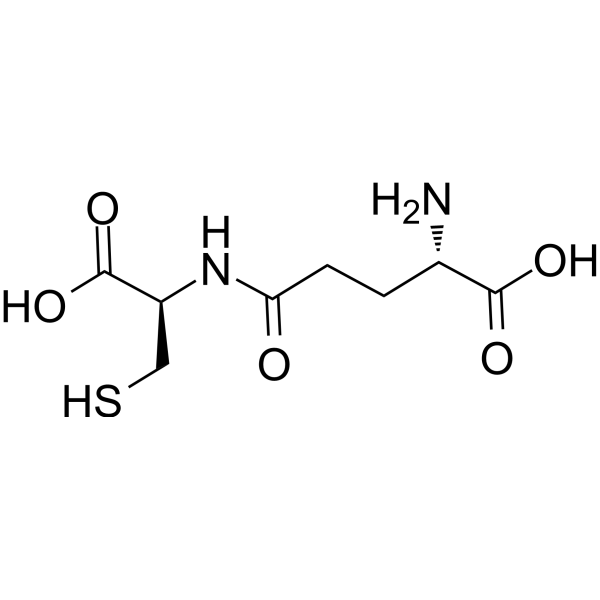
    Gamma-glutamylcysteine
    4 Publications Verification

    γ-Glu-Cys

    Endogenous Metabolite Interleukin Related TNF Receptor AMPK Sirtuin STAT PI3K NF-κB JAK p38 MAPK JNK Akt Apoptosis Ferroptosis Cardiovascular Disease Neurological Disease Inflammation/Immunology
    Gamma-glutamylcysteine (γ-Glu-Cys) is an orally active, blood-brain barrier permeable dipeptide . Gamma-glutamylcysteine activates AMPK, SIRT1, IL-4/STAT6, AC/cAMP/PI3K, IGF-1R/IRS1/PI3K, and Nrf2 signaling pathways; it inhibits NF-κB, JAK1/STAT1/3, MAPKs, cadmium-induced p38 MAPK, JNK, and PI3K/Akt signaling pathways. Gamma-glutamylcysteine regulates macrophage polarization, modulates the trafficking of CD36 and GLUT4, induces glutathione synthesis, improves metabolic dysfunction, reduces lipid deposition, ameliorates glucose homeostasis, inhibits apoptosis (Apoptosis), stabilizes mitochondria, suppresses lipid peroxidation, iron accumulation and ferroptosis (Ferroptosis), reduces ds-HMGB1 levels, reverses mechanical hyperalgesia, and alleviates hepatic lipid droplet formation. Gamma-glutamylcysteine is applicable to research related to inflammatory bowel disease, type 2 diabetes, cadmium-induced neurotoxicity, Alzheimer's disease, cerebral ischemia/reperfusion injury, neuropathy, and alcoholic liver disease .
    Gamma-glutamylcysteine
  • HY-P2048
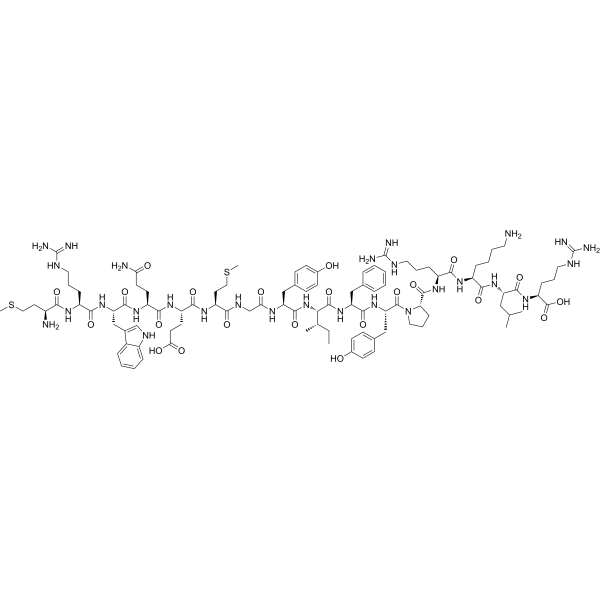
    MOTS-c (human)
    1 Publications Verification

    Apoptosis GLUT AMPK Neurological Disease Metabolic Disease Inflammation/Immunology Endocrinology
    MOTS-c (human) is a blood-brain barrier-penetrating, mitochondrial-derived peptide that modulates the AMPK/PGC-1α pathway to enhance insulin sensitivity. MOTS-c (human) inhibits the folate cycle and de novo purine synthesis, increases AICAR levels to activate AMPK, and then regulates the Nrf2/Keap1 antioxidant pathway and inhibits the NF-κB inflammatory pathway, while promoting mitochondrial biogenesis and energy metabolism. MOTS-c (human) has the effects of improving glucose and lipid metabolism, anti-oxidative stress, anti-inflammatory and neuroprotection, and can be used in the study of type 2 diabetes, traumatic brain injury, inflammatory diseases and aging-related metabolic disorders .
    MOTS-c (human)
  • HY-N2593
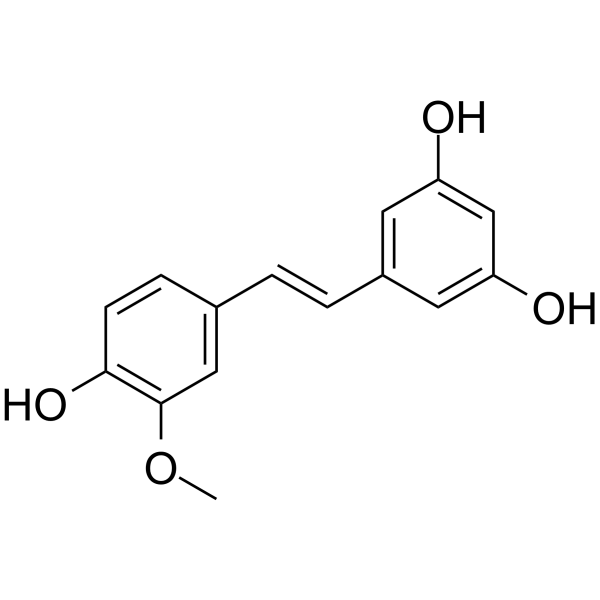
    Isorhapontigenin
    4 Publications Verification

    Carnitine Palmitoyltransferase (CPT) Reactive Oxygen Species (ROS) Autophagy Apoptosis NF-κB PI3K Akt MMP Keap1-Nrf2 Metabolic Disease Inflammation/Immunology Cancer
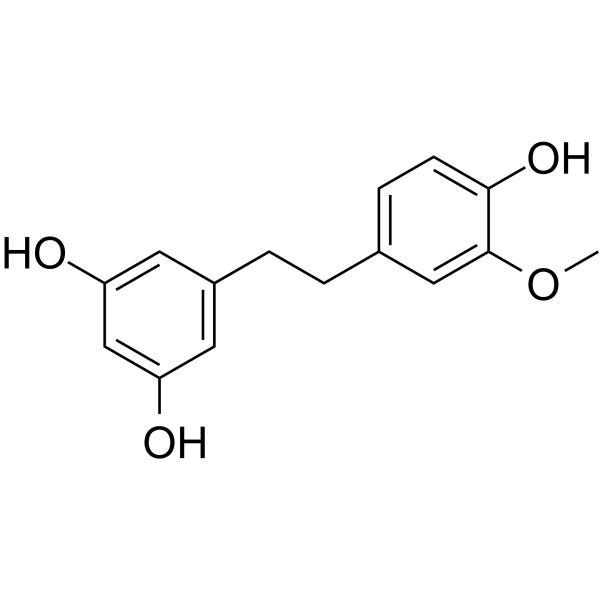
    Isorhapontigenin is an orally active dietary polyphenol. Isorhapontigenin acts as a potent antioxidant that reduces the production of reactive oxygen species (ROS). Isorhapontigenin promotes the binding of JUN to the AP-1 site on the SESN2 promoter, induces SESN2 transcription, triggers MAPK8-dependent JUN activation, and upregulates the expression of PPAR-α, PGC-1α and CPT-1A to facilitate fatty acid oxidation. Isorhapontigenin induces autophagy, apoptosis and preadipocyte differentiation; it inhibits tumor growth, cell invasion, NF-κB transcriptional activity, the PI3K/Akt signaling pathway, STAT1 phosphorylation and MMP-2 expression. Isorhapontigenin alleviates oxidative stress, inflammatory cytokine release and triglyceride accumulation; it increases intracellular ATP levels and promotes Nrf2 nuclear translocation. Isorhapontigenin improves insulin sensitivity in adipose tissue and glucose tolerance, and reduces postprandial blood glucose, insulin and free fatty acid levels. Isorhapontigenin is applicable to research on bladder cancer, liver injury, chronic obstructive pulmonary disease, acute lung injury and type 2 diabetes .
    Isorhapontigenin
  • HY-113402A
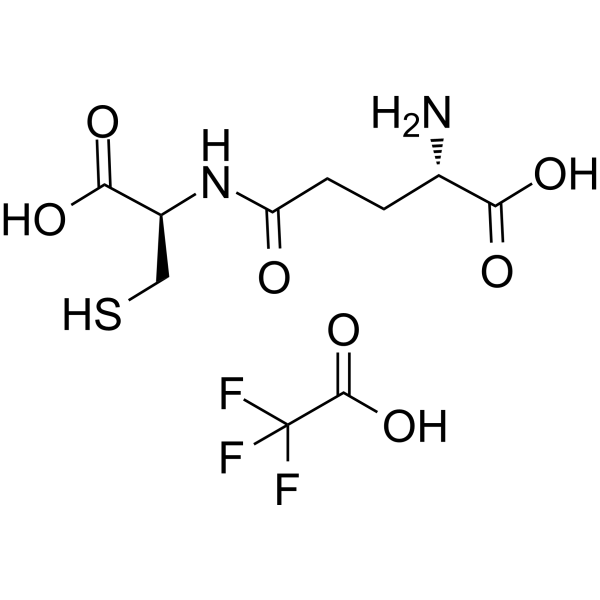
    Gamma-glutamylcysteine TFA
    4 Publications Verification

    γ-Glu-Cys TFA

    Interleukin Related TNF Receptor Endogenous Metabolite AMPK Sirtuin STAT PI3K NF-κB JAK p38 MAPK JNK Akt Apoptosis Ferroptosis Cardiovascular Disease Neurological Disease Inflammation/Immunology
    Gamma-glutamylcysteine TFA (γ-Glu-Cys TFA) is an orally active, blood-brain barrier permeable dipeptide . Gamma-glutamylcysteine TFA activates AMPK, SIRT1, IL-4/STAT6, AC/cAMP/PI3K, IGF-1R/IRS1/PI3K, and Nrf2 signaling pathways; it inhibits NF-κB, JAK1/STAT1/3, MAPKs, cadmium-induced p38 MAPK, JNK, and PI3K/Akt signaling pathways. Gamma-glutamylcysteine TFA regulates macrophage polarization, modulates the trafficking of CD36 and GLUT4, induces glutathione synthesis, improves metabolic dysfunction, reduces lipid deposition, ameliorates glucose homeostasis, inhibits apoptosis (Apoptosis), stabilizes mitochondria, suppresses lipid peroxidation, iron accumulation and ferroptosis (Ferroptosis), reduces ds-HMGB1 levels, reverses mechanical hyperalgesia, and alleviates hepatic lipid droplet formation. Gamma-glutamylcysteine TFA is applicable to research related to inflammatory bowel disease, type 2 diabetes, cadmium-induced neurotoxicity, Alzheimer's disease, cerebral ischemia/reperfusion injury, neuropathy, and alcoholic liver disease .
    Gamma-glutamylcysteine TFA
  • HY-N4150
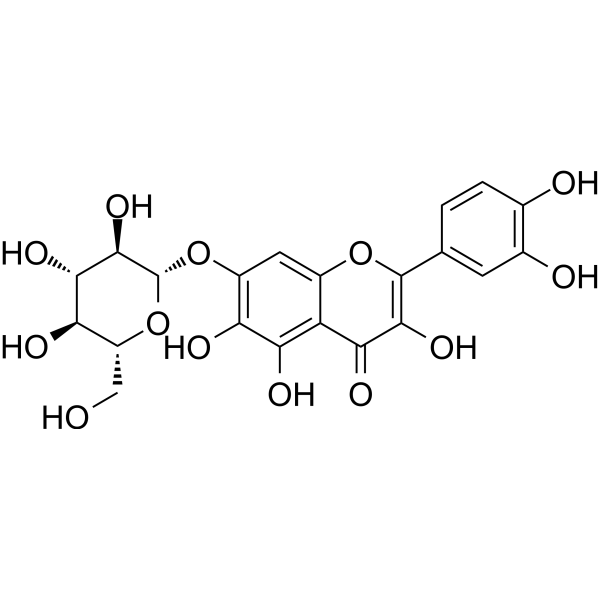
    Quercetagitrin
    1 Publications Verification

    Quercetagetin-7-O-glucoside

    Phosphatase Tau Protein NF-κB Neurological Disease Metabolic Disease Inflammation/Immunology
    Quercetagitrin (Quercetagetin-7-O-glucoside) is a natural product that can be isolated from the African marigold (Tagetes erecta). Quercetagitrin has anti-inflammatory activity. Quercetagitrin inhibits Tau accumulation. Quercetagitrin can reverse neuroinflammation and cognitive deficits in P301S-Tau transgenic mouse model through inhibiting NF-κB activation. Quercetagitrin is a dual-target inhibitor of PTPN6 (IC50 = 1 μM) and PTPN9 (IC50 = 1.7 μM). Quercetagitrin enhances glucose uptake by mature C2C12 myoblasts. Quercetagitrin can be studied in research for Alzheimer’s disease and type 2 diabetes .
    Quercetagitrin
  • HY-P990933

    CM-326

    Interleukin Related Inflammation/Immunology
    Ocankitug (CM-326) is a humanized IgG1κ antibody targeting thymic stromal lymphopoietin (TSLP). It can be used for research on type 2 inflammatory respiratory diseases, including moderate to severe asthma, chronic sinusitis with nasal polyps, etc.
    Ocankitug
  • HY-108615

    GPi 819

    Phosphorylase Cardiovascular Disease Neurological Disease Metabolic Disease
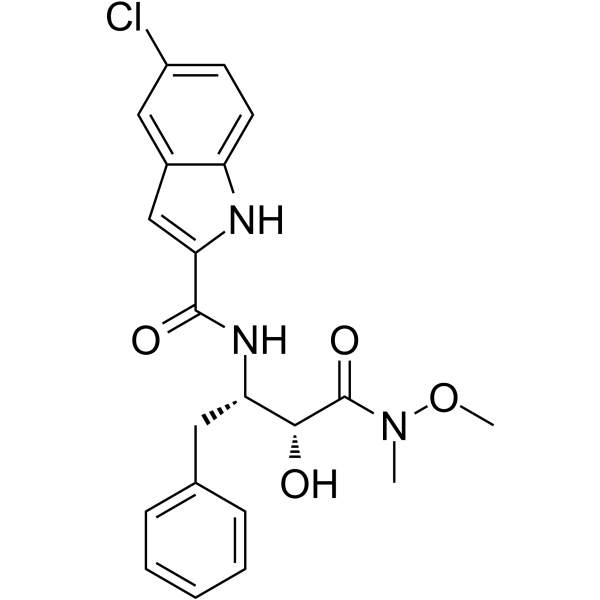
    CP-316819 (GPi 819) is a blood-brain barrier permeable glycogen phosphorylase inhibitor. CP-316819 inhibits hepatic glycogenolysis, safely reduces blood glucose in type 2 diabetes, and rarely induces hypoglycemia. CP-316819 increases brain glycogen reserves, protects neurons, alleviates hypoglycemic brain injury, and inhibits excessive platelet activation, exerting both neuroprotective and vasculoprotective effects. CP-316819 can be used in research related to hypoglycemia, thrombosis, autoimmune inflammatory diseases, and type 2 diabetes .
    CP-316819
  • HY-W010516

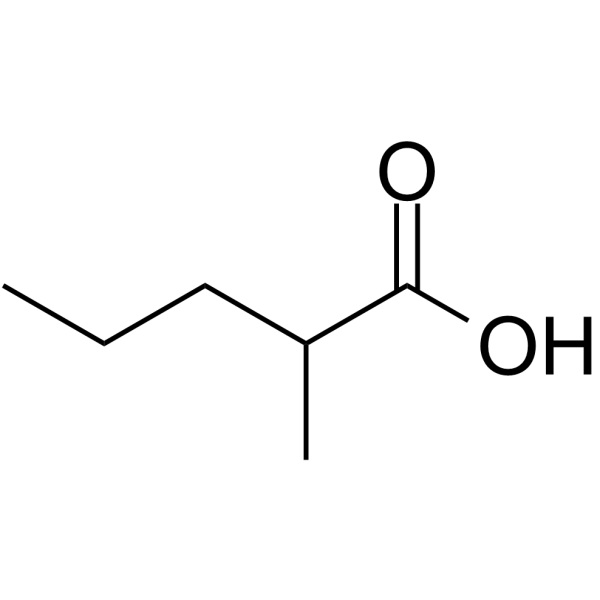
    2-Methylpentanoic acid

    Endogenous Metabolite Metabolic Disease
    2-Methylvaleric acid is a branched short-chain fatty acid (SCFA) produced by the metabolism of branched-chain amino acids by gut microbes. 2-Methylvaleric acid can be used as a potential biomarker for metabolic diseases such as type 2 diabetes, and its content is significantly reduced in the feces of diabetic mice. 2-Methylvaleric acid may regulate host energy metabolism and inflammatory response through G protein-coupled receptors (GPCRs) or histone deacetylase (HDAC) inhibition. 2-Methylvaleric acid can be used to study gut microbe-host interactions and metabolic diseases as a fecal biomarker[1][2].
    2-Methylvaleric acid
  • HY-N5027
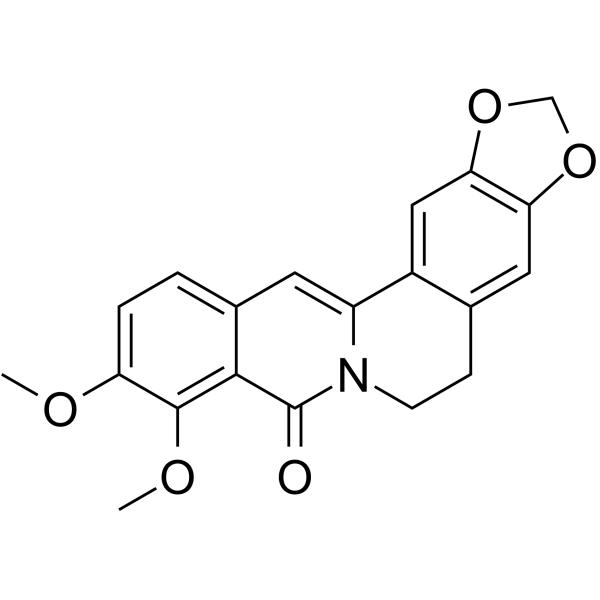
    Oxyberberine
    2 Publications Verification

    Oxyberberin; Berlambine; 8-Oxoberberine

    Others Infection Neurological Disease Inflammation/Immunology
    Oxyberberine (Oxyberberin; Berlambine) is an orally effective heme oxygenase HO-1 agonist that can activate antioxidant mechanisms by regulating the PI3K/Akt/AMPK signaling pathway. Oxyberberine induces HO-1 expression, increases SOD and GSH-Px activity, inhibits NF-κB-mediated inflammatory responses, and improves insulin sensitivity and glucose metabolism. Oxyberberine has anti-diabetic, neuroprotective, anti-inflammatory and antioxidant effects, and can be used to study type 2 diabetes, traumatic brain injury (TBI) and inflammatory bowel disease .
    Oxyberberine
  • HY-P2048A
    MOTS-c(human) acetate
    1 Publications Verification

    AMPK GLUT Neurological Disease Metabolic Disease Inflammation/Immunology Endocrinology
    MOTS-c (human) acetate is a blood-brain barrier-penetrating, mitochondrial-derived peptide that modulates the AMPK/PGC-1α pathway to enhance insulin sensitivity. MOTS-c (human) acetate inhibits the folate cycle and de novo purine synthesis, increases AICAR levels to activate AMPK, and then regulates the Nrf2/Keap1 antioxidant pathway and inhibits the NF-κB inflammatory pathway, while promoting mitochondrial biogenesis and energy metabolism. MOTS-c (human) acetate has the effects of improving glucose and lipid metabolism, anti-oxidative stress, anti-inflammatory and neuroprotection, and can be used in the study of type 2 diabetes, traumatic brain injury, inflammatory diseases and aging-related metabolic disorders .
    MOTS-c(human) acetate
  • HY-P991670

    AVTX-009

    Interleukin Related Inflammation/Immunology
    Abdakibart is a humanized IgG4 monoclonal antibody inhibitor targeting IL-1β. Abdakibart can be used for inflammatory disease like type 2 diabetes research .
    Abdakibart
  • HY-N9454

    Pregnane X Receptor (PXR) COX NF-κB Amylases β-glucuronidase DNA/RNA Synthesis Amyloid-β NOD-like Receptor (NLR) Pyroptosis Cancer
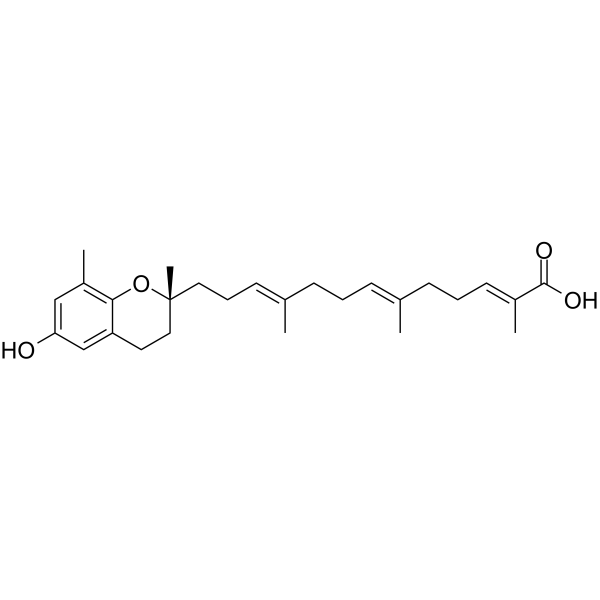
    Garcinoic acid is an orally active anti-inflammatory agent that crosses the blood-brain barrier. Garcinoic acid also enhances efferocytosis and enzyme/receptor regulation, and selectively inhibits human COX-2, porcine α-amylase, Saccharomyces cerevisiae α-glucosidase and human DNA polymerase β (IC50=11 μM), as well as activates human PXR. Garcinoic acid enhances macrophage efferocytosis via receptors such as MerTK and LRP-1, and promotes the production of pro-resolving lipid mediators. Garcinoic acid inhibits NF-κB activation and pro-inflammatory cytokine secretion, interferes with aggregation, downregulates NLRP3 inflammasome activity, and binds to targets including CD44 and EGFR to inhibit leukemia cell proliferation. The pharmacological activities of Garcinoic acid, such as antioxidant, anti-inflammatory and lipid metabolism-regulating effects, are widely used in studies related to various diseases including atherosclerosis, Alzheimer's disease, type 2 diabetes, inflammatory bowel disease and viral pneumonia .
    Garcinoic acid
  • HY-113402R

    γ-Glu-Cys (Standard)

    Reference Standards Endogenous Metabolite Interleukin Related TNF Receptor AMPK Sirtuin STAT PI3K NF-κB JAK p38 MAPK JNK Akt Apoptosis Ferroptosis Inflammation/Immunology
    Gamma-glutamylcysteine (Standard) is the analytical standard of Gamma-glutamylcysteine. This product is intended for research and analytical applications. Gamma-glutamylcysteine (γ-Glu-Cys) is an orally active, blood-brain barrier permeable dipeptide . Gamma-glutamylcysteine activates AMPK, SIRT1, IL-4/STAT6, AC/cAMP/PI3K, IGF-1R/IRS1/PI3K, and Nrf2 signaling pathways; it inhibits NF-κB, JAK1/STAT1/3, MAPKs, cadmium-induced p38 MAPK, JNK, and PI3K/Akt signaling pathways. Gamma-glutamylcysteine regulates macrophage polarization, modulates the trafficking of CD36 and GLUT4, induces glutathione synthesis, improves metabolic dysfunction, reduces lipid deposition, ameliorates glucose homeostasis, inhibits apoptosis (Apoptosis), stabilizes mitochondria, suppresses lipid peroxidation, iron accumulation and ferroptosis (Ferroptosis), reduces ds-HMGB1 levels, reverses mechanical hyperalgesia, and alleviates hepatic lipid droplet formation. Gamma-glutamylcysteine is applicable to research related to inflammatory bowel disease, type 2 diabetes, cadmium-induced neurotoxicity, Alzheimer's disease, cerebral ischemia/reperfusion injury, neuropathy, and alcoholic liver disease.
    Gamma-glutamylcysteine (Standard)
  • HY-P991258

    Interleukin Related Inflammation/Immunology
    CNTO-5825 is a humanized monoclonal antibody inhibitor targeting interleukin-13 (IL-13). CNTO-5825 is promising for research of Th2-type inflammatory related diseases such as asthma and atopic dermatitis .
    CNTO-5825
  • HY-176838

    Free Fatty Acid Receptor GLP Receptor Inflammation/Immunology
    LXT34 (Example 2) is a GPR120 agonist. LXT34 has an anti-inflammatory activity. LXT34 promotes GLP-1 formation in the gastrointestinal tract and improves insulin resistance in macrophages and pancreas cells. LXT34 can be used for inflammatory diseases, such as type 2 diabetes, obesity and non-alcoholic fatty liver research .
    LXT34
  • HY-174312

    NOD-like Receptor (NLR) Pyroptosis Caspase Interleukin Related Inflammation/Immunology
    NLRP3-IN-81 (N102) is a BBB-penetrable inhibitor against NLRP3 inflammasome-dependent pyroptosis with an EC50 of 0.029 μM against cell pyroptosis induced by Nigericin (HY-127019). NLRP3-IN-81 potently inhibits NLRP3-dependent activation of caspase-1 and the release of IL-1β. NLRP3-IN-81 disturbs the interaction of NLRP3 with the adaptor protein ASC and inhibits ASC oligomerization. NLRP3-IN-81 can be used for pyroptosis-related diseases research, such as inflammatory bowel diseases and type 2 diabetes .
    NLRP3-IN-81
  • HY-113402AR

    γ-Glu-Cys TFA (Standard)

    Interleukin Related TNF Receptor Endogenous Metabolite Reference Standards AMPK Sirtuin STAT PI3K NF-κB JAK p38 MAPK JNK Akt Apoptosis Ferroptosis Cardiovascular Disease Neurological Disease Inflammation/Immunology
    Gamma-glutamylcysteine (TFA) (Standard) is the analytical standard of Gamma-glutamylcysteine (TFA). This product is intended for research and analytical applications. Gamma-glutamylcysteine TFA (γ-Glu-Cys TFA) is an orally active, blood-brain barrier permeable dipeptide . Gamma-glutamylcysteine TFA activates AMPK, SIRT1, IL-4/STAT6, AC/cAMP/PI3K, IGF-1R/IRS1/PI3K, and Nrf2 signaling pathways; it inhibits NF-κB, JAK1/STAT1/3, MAPKs, cadmium-induced p38 MAPK, JNK, and PI3K/Akt signaling pathways. Gamma-glutamylcysteine TFA regulates macrophage polarization, modulates the trafficking of CD36 and GLUT4, induces glutathione synthesis, improves metabolic dysfunction, reduces lipid deposition, ameliorates glucose homeostasis, inhibits apoptosis (Apoptosis), stabilizes mitochondria, suppresses lipid peroxidation, iron accumulation and ferroptosis (Ferroptosis), reduces ds-HMGB1 levels, reverses mechanical hyperalgesia, and alleviates hepatic lipid droplet formation. Gamma-glutamylcysteine TFA is applicable to research related to inflammatory bowel disease, type 2 diabetes, cadmium-induced neurotoxicity, Alzheimer's disease, cerebral ischemia/reperfusion injury, neuropathy, and alcoholic liver disease.
    Gamma-glutamylcysteine TFA (Standard)
  • HY-N1117

    Phosphatase NO Synthase Infection Metabolic Disease Cancer
    Tristin is a PTP1B inhibitor (IC50=21.2 μM) with antioxidant and antifungal activities. Tristin inhibits lipid peroxidation and NO production in LPS-stimulated macrophages, and also exhibits activity against a variety of phytopathogenic fungi. Tristin is also able to inhibit cancer cell proliferation. Tristin can be used in the research of diseases associated with phytopathogenic fungal infection, leukemia, type 2 diabetes and inflammatory responses .
    Tristin
  • HY-W010516R

    2-Methylpentanoic acid (Standard)

    Reference Standards Endogenous Metabolite Metabolic Disease
    2-Methylvaleric acid (Standard) is the analytical standard of 2-Methylvaleric acid. This product is intended for research and analytical applications. 2-Methylvaleric acid is a branched short-chain fatty acid (SCFA) produced by the metabolism of branched-chain amino acids by gut microbes. 2-Methylvaleric acid can be used as a potential biomarker for metabolic diseases such as type 2 diabetes, and its content is significantly reduced in the feces of diabetic mice. 2-Methylvaleric acid may regulate host energy metabolism and inflammatory response through G protein-coupled receptors (GPCRs) or histone deacetylase (HDAC) inhibition. 2-Methylvaleric acid can be used to study gut microbe-host interactions and metabolic diseases as a fecal biomarker[1][2].
    2-Methylvaleric acid (Standard)
  • HY-109692

    Free Fatty Acid Receptor Metabolic Disease Inflammation/Immunology
    GPR120 Agonist 5 (compound 12) is an agonist targeting GPR120 (EC50=1.2 μM). GPR120 Agonist 5 promotes the release of glucagon-like 1 (GLP-1) by binding to the GPR120 receptor, which in turn binds to its receptors on pancreatic beta cells, increasing insulin secretion and thereby lowering blood sugar levels. GPR120 Agonist 5 also helps reduce chronic low-grade inflammation, which plays an important role in the pathogenesis of obesity, insulin resistance, and type 2 diabetes. GPR120 Agonist 5 can be used to investigate the mechanism of action of GPR120 in metabolic and inflammatory diseases .
    GPR120 Agonist 5
  • HY-N4150R

    Quercetagetin-7-O-glucoside (Standard)

    Reference Standards Phosphatase Tau Protein NF-κB Metabolic Disease Inflammation/Immunology Cancer
    Quercetagitrin (Standard) is the analytical standard of Quercetagitrin. This product is intended for research and analytical applications. Quercetagitrin (Quercetagetin-7-O-glucoside) is a natural product that can be isolated from the African marigold (Tagetes erecta). Quercetagitrin has anti-inflammatory activity. Quercetagitrin inhibits Tau accumulation. Quercetagitrin can reverse neuroinflammation and cognitive deficits in P301S-Tau transgenic mouse model through inhibiting NF-κB activation. Quercetagitrin is a dual-target inhibitor of PTPN6 (IC50 = 1 μM) and PTPN9 (IC50 = 1.7 μM). Quercetagitrin enhances glucose uptake by mature C2C12 myoblasts. Quercetagitrin can be studied in research for Alzheimer’s disease and type 2 diabetes .
    Quercetagitrin (Standard)
  • HY-113402B

    γ-Glu-Cys ammonium

    Interleukin Related TNF Receptor Endogenous Metabolite AMPK Sirtuin STAT PI3K NF-κB JAK p38 MAPK JNK Akt Apoptosis Ferroptosis Cardiovascular Disease Neurological Disease Inflammation/Immunology
    Gamma-glutamylcysteine ammonium (γ-Glu-Cys ammonium) is an orally active, blood-brain barrier permeable dipeptide . Gamma-glutamylcysteine ammonium activates AMPK, SIRT1, IL-4/STAT6, AC/cAMP/PI3K, IGF-1R/IRS1/PI3K, and Nrf2 signaling pathways; it inhibits NF-κB, JAK1/STAT1/3, MAPKs, cadmium-induced p38 MAPK, JNK, and PI3K/Akt signaling pathways. Gamma-glutamylcysteine ammonium regulates macrophage polarization, modulates the trafficking of CD36 and GLUT4, induces glutathione synthesis, improves metabolic dysfunction, reduces lipid deposition, ameliorates glucose homeostasis, inhibits apoptosis (Apoptosis), stabilizes mitochondria, suppresses lipid peroxidation, iron accumulation and ferroptosis (Ferroptosis), reduces ds-HMGB1 levels, reverses mechanical hyperalgesia, and alleviates hepatic lipid droplet formation. Gamma-glutamylcysteine ammonium is applicable to research related to inflammatory bowel disease, type 2 diabetes, cadmium-induced neurotoxicity, Alzheimer's disease, cerebral ischemia/reperfusion injury, neuropathy, and alcoholic liver disease .
    Gamma-glutamylcysteine ammonium
  • HY-N2593R

    Reference Standards Carnitine Palmitoyltransferase (CPT) Reactive Oxygen Species (ROS) Autophagy Apoptosis NF-κB PI3K Akt MMP Keap1-Nrf2 Inflammation/Immunology Cancer
    Isorhapontigenin (Standard) is the analytical standard of Isorhapontigenin (HY-N2593). This product is intended for research and analytical applications. Isorhapontigenin is an orally active dietary polyphenol. Isorhapontigenin acts as a potent antioxidant that reduces the production of reactive oxygen species (ROS). Isorhapontigenin promotes the binding of JUN to the AP-1 site on the SESN2 promoter, induces SESN2 transcription, triggers MAPK8-dependent JUN activation, and upregulates the expression of PPAR-α, PGC-1α and CPT-1A to facilitate fatty acid oxidation. Isorhapontigenin induces autophagy, apoptosis and preadipocyte differentiation; it inhibits tumor growth, cell invasion, NF-κB transcriptional activity, the PI3K/Akt signaling pathway, STAT1 phosphorylation and MMP-2 expression. Isorhapontigenin alleviates oxidative stress, inflammatory cytokine release and triglyceride accumulation; it increases intracellular ATP levels and promotes Nrf2 nuclear translocation. Isorhapontigenin improves insulin sensitivity in adipose tissue and glucose tolerance, and reduces postprandial blood glucose, insulin and free fatty acid levels. Isorhapontigenin is applicable to research on bladder cancer, liver injury, chronic obstructive pulmonary disease, acute lung injury and type 2 diabetes.
    Isorhapontigenin (Standard)
  • HY-N18020

    Others Metabolic Disease Inflammation/Immunology Cancer
    Saurufuran A is a PPARγ agonist with an EC50 of 16.7 μM. Saurufuran A is applicable to research related to type 2 diabetes, inflammatory diseases and certain cancers .
    Saurufuran A
  • HY-P992486

    Interleukin Related Inflammation/Immunology
    XKH001 is a recombinant humanized IgG1 monoclonal antibody targeting IL-25. XKH001 has low immunogenicity. XKH001 can be used for the research of type 2 inflammatory diseases .
    XKH001
  • HY-182637

    Prostaglandin Receptor Inflammation/Immunology
    ACT-774312 is a potent and selective CRTH2 antagonist with an IC50 of 4 nM. ACT-774312 blocks the activity and internalization of the CRTH2 receptor, and inhibits PGD2-induced morphological changes in eosinophils. ACT-774312 can be used in the research of nasal polyps and type 2 inflammatory diseases.
    ACT-774312
  • HY-P992440

    Interleukin Related Inflammation/Immunology
    PF-06817024 is a high affinity, humanized antibody that binds IL-33. PF-06817024 binds to IL-33, prevents IL-33 from binding to receptor ST2, and inhibits downstream type 2 inflammatory responses. PF-06817024 can be used for the research of allergic diseases .
    PF-06817024
  • HY-108615R

    GPi 819 (Standard)

    Phosphorylase Reference Standards Cardiovascular Disease Neurological Disease Metabolic Disease
    CP-316819 (GPi 819) Standard is the analytical standard of CP-316819 (HY-108615). This product is intended for research and analytical applications. CP-316819 (GPi 819) is a blood-brain barrier permeable glycogen phosphorylase inhibitor. CP-316819 inhibits hepatic glycogenolysis, safely reduces blood glucose in type 2 diabetes, and rarely induces hypoglycemia. CP-316819 increases brain glycogen reserves, protects neurons, alleviates hypoglycemic brain injury, and inhibits excessive platelet activation, exerting both neuroprotective and vasculoprotective effects. CP-316819 can be used in research related to hypoglycemia, thrombosis, autoimmune inflammatory diseases, and type 2 diabetes.
    CP-316819 (Standard)
  • HY-N17326

    Acyltransferase Phosphatase Interleukin Related Metabolic Disease Inflammation/Immunology
    Ilekudinol B is an inhibitor of ACAT and PTP1B, with an IC50 of 5.3 μM and a Ki of 11.6 μM against human PTP1B. Ilekudinol B inhibits the classical pathway of the complement system, with an IC50 of 51 μM. Ilekudinol B inhibits TNF-α-induced cellular IL-8 secretion, promotes glucose uptake in skeletal muscle myotubes, and acts as an insulin mimetic and insulin sensitizer. Ilekudinol B can be used in research related to type 2 diabetes, obesity, and inflammatory diseases .
    Ilekudinol B
  • HY-N7773

    TNF Receptor Interleukin Related Caspase SOD Neurological Disease Metabolic Disease
    Hibiscetin is an orally active anti-inflammatory, antioxidant, antihyperglycemic, hypolipidemic, hepatoprotective and neuroprotective agent. Hibiscetin reduces the levels of TNF-α, IL-1β and IL-6. Hibiscetin inhibits lipid peroxidation, reduces MDA levels, and induces the activities of antioxidant enzymes CAT, GSH and SOD. Hibiscetin lowers blood glucose, reverses reduced insulin levels, regulates adipokine levels, and reduces elevated AST and ALT levels. Hibiscetin alleviates Rotenone (HY-B1756)-induced akinesia and catalepsy, normalizes neurotransmitter levels, and modulates the activities of activated caspase 3 and BDNF. Hibiscetin can be used in the research of type 2 diabetes, Parkinson's disease and Huntington's disease .
    Hibiscetin

Inquiry Online

Your information is safe with us. * Required Fields.

Salutation


Country or Region *

Applicant Name *


Organization Name *

Department *


Email Address *


Product Name *

Cat. No.


Requested quantity *

Phone Number *


Remarks

Inquiry Online

Inquiry Information

Product Name:
Cat. No.:
Quantity:
MCE Japan Authorized Agent:

