

1. Search Result
Search Result
Results for "

typical

" in MedChemExpress (MCE) Product Catalog:

106

Inhibitors & Agonists

2

Screening Libraries

3

Fluorescent Dye

20

Biochemical Assay Reagents

11

Peptides

1

MCE Kits

1

Inhibitory Antibodies

17

Natural
Products

5

Isotope-Labeled Compounds

7

Oligonucleotides

Cat. No. Product Name Target Research Areas Chemical Structure
  • HY-12591B
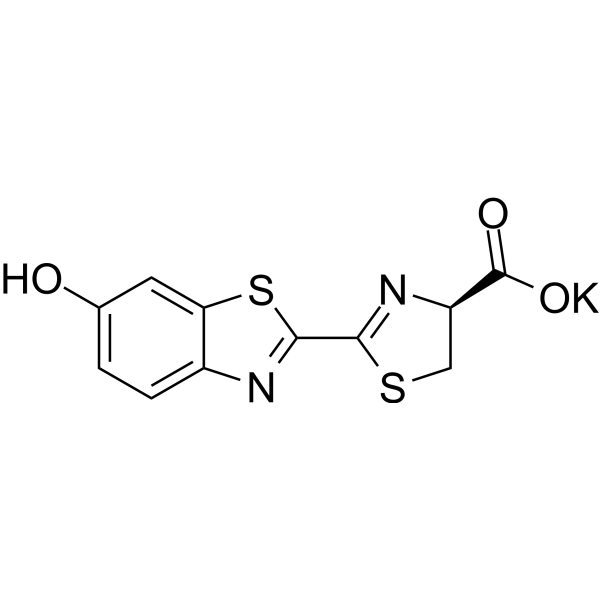
    D-Luciferin potassium
    Maximum Cited Publications
    110 Publications Verification

    D-(-)-Luciferin potassium; Firefly luciferin potassium; Beetle Luciferin potassium

    Fluorescent Dye Others
    D-luciferin potassium is the natural substrate of the enzyme luciferase (Luc) that catalyzes the production of the typical yellowgreen light of fireflies. The 560 nm chemiluminescence from this reaction peaks within seconds, with light output that is proportional to luciferase concentration when the substrate luciferin is present in excess. The luciferase (luc) gene is a popular reporter gene for research and agent screening. Chemiluminescent techniques are virtually background-free, making the luc reporter gene ideal for detecting low-level gene expression. As little as 0.02 pg of luciferase can be reliably measured in a standard scintillation counter. In addition to its role as a reporter of gene expression, luciferase is commonly used in an extremely sensitive assay for ATP . We offer the firefly luciferase (HY-P1004A), luciferin free acid (HY-12591A), as well as its water-soluble sodium salts (HY-12591) and potassium salts (HY-12591B) .
    D-Luciferin potassium
  • HY-12591
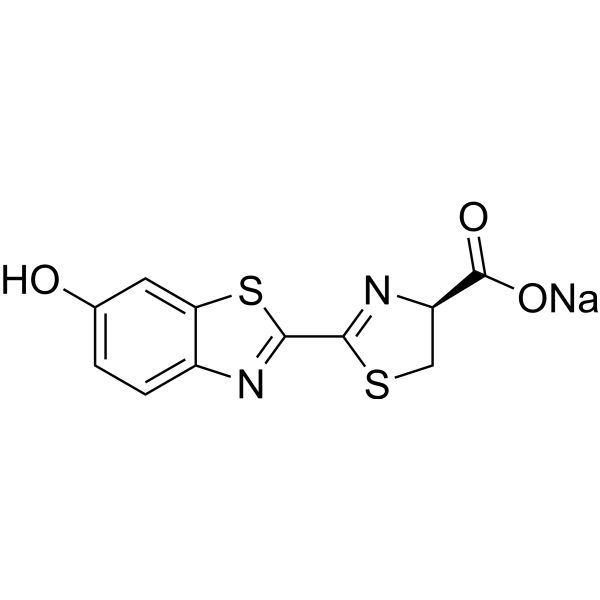
    D-Luciferin sodium
    Maximum Cited Publications
    110 Publications Verification

    D-(-)-Luciferin sodium; Firefly luciferin sodium; Beetle Luciferin sodium

    Fluorescent Dye Others
    D-luciferin sodium is the natural substrate of the enzyme luciferase (Luc) that catalyzes the production of the typical yellowgreen light of fireflies. The 560 nm chemiluminescence from this reaction peaks within seconds, with light output that is proportional to luciferase concentration when the substrate luciferin is present in excess. The luciferase (luc) gene is a popular reporter gene for research and agent screening. Chemiluminescent techniques are virtually background-free, making the luc reporter gene ideal for detecting low-level gene expression. As little as 0.02 pg of luciferase can be reliably measured in a standard scintillation counter. In addition to its role as a reporter of gene expression, luciferase is commonly used in an extremely sensitive assay for ATP . We of er the firefly luciferase (HY-P1004A), luciferin free acid (HY-12591A), as well as its water-soluble sodium salts (HY-12591) and potassium salts (HY-12591B) .
    D-Luciferin sodium
  • HY-12591A
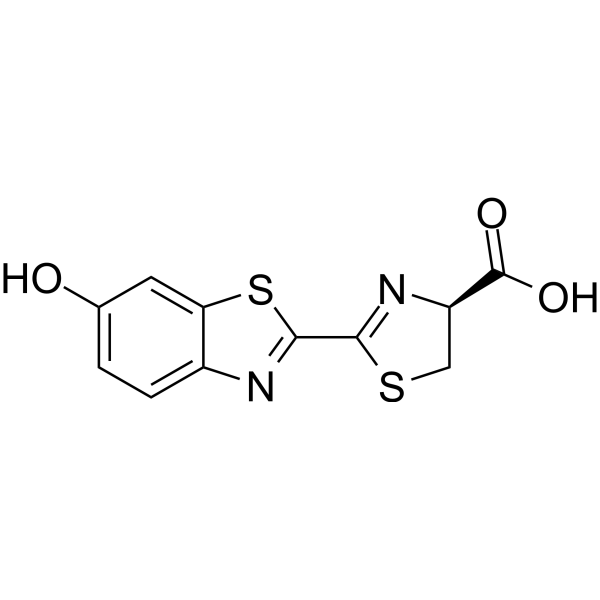
    D-Luciferin
    Maximum Cited Publications
    110 Publications Verification

    D-(-)-Luciferin; Firefly luciferin; Beetle Luciferin

    Fluorescent Dye Others
    D-luciferin is the natural substrate of the enzyme luciferase (Luc) that catalyzes the production of the typical yellowgreen light of fireflies. The 560 nm chemiluminescence from this reaction peaks within seconds, with light output that is proportional to luciferase concentration when the substrate luciferin is present in excess. The luciferase (luc) gene is a popular reporter gene for research and agent screening. Chemiluminescent techniques are virtually background-free, making the luc reporter gene ideal for detecting low-level gene expression. As little as 0.02 pg of luciferase can be reliably measured in a standard scintillation counter. In addition to its role as a reporter of gene expression, luciferase is commonly used in an extremely sensitive assay for ATP . We of er the firefly luciferase (HY-P1004A), luciferin free acid (HY-12591A), as well as its water-soluble sodium salts (HY-12591) and potassium salts (HY-12591B) .
    D-Luciferin
  • HY-B1463
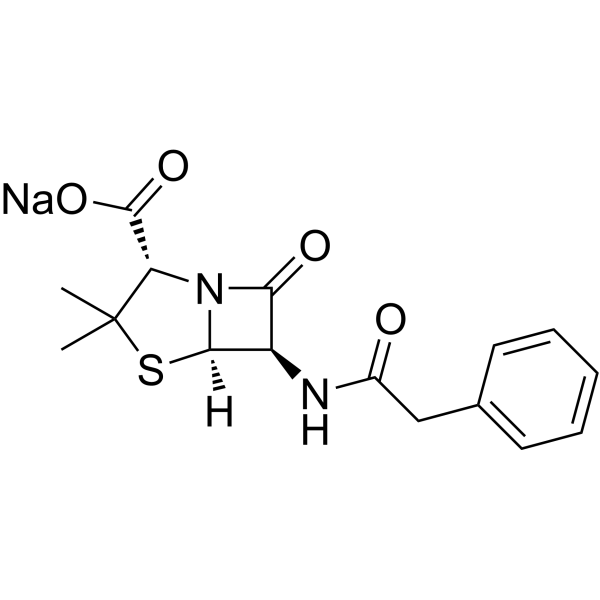
    Penicillin G sodium salt
    20+ Cited Publications

    Benzylpenicillin sodium salt

    Beta-lactamase Bacterial Antibiotic Infection
    Penicillin G sodium salt is a typical β-lactam antibiotic.
    Penicillin G sodium salt
  • HY-N1992
    Theaflavin 3,3'-digallate
    5+ Cited Publications

    TF-3; ZP10

    Virus Protease HSV HIV Flavivirus Infection Cancer
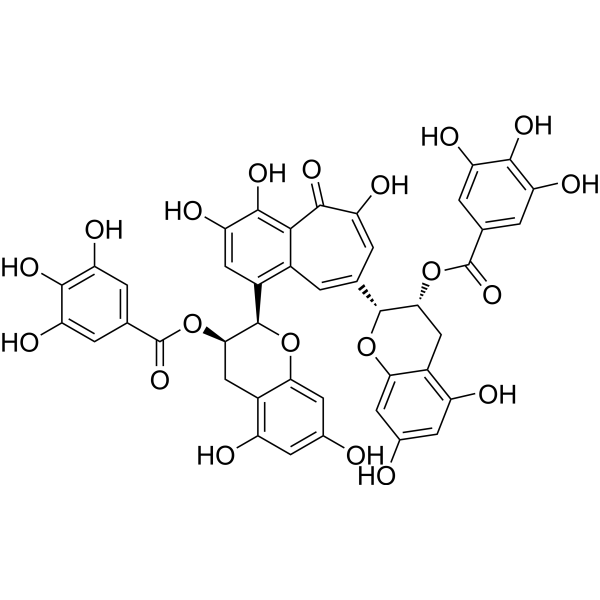
    Theaflavin 3,3'-digallate (TF-3) is a potent Zika virus (ZIKV) protease inhibitor with an IC50 of 2.3 μM. Theaflavin 3,3'-digallat directly binds to ZIKVpro (Kd=8.86 μM) and inhibits ZIKV replication. Theaflavin 3,3'-digallat inhibits the activity of gp41 and NS2B-3 protease and has antiviral activity against HSV and HIV-1 . Theaflavin 3,3'-digallate, the typical pigment in black tea, is a potent antitumor agent .
    Theaflavin 3,3'-digallate
  • HY-119109
    Laminaran
    1 Publications Verification

    Environmental Pollutants Endogenous Metabolite Cancer
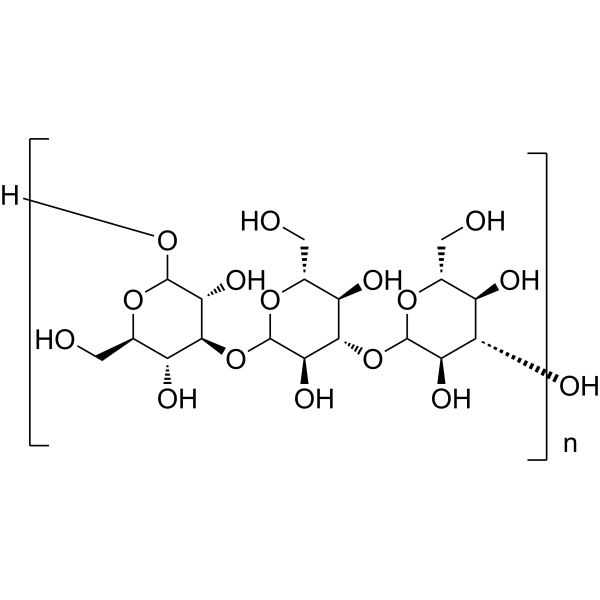
    Laminaran is an β-1-3-glucan and a typical ligand for Dectin-1 from Eisenia Bicyclis, has potent immunomodulating, radioprotective, and anticancer activities . Laminaran is made up of β (1→3)-glucan with β (1→6)-branches and can be catalyzed by enzymes such as laminarinase (EC 3.2.1.6) that breaks the β (1→3) bonds . Laminaran is a promising immune stimulatory molecule for use in cancer immunotherapy .
    Laminaran
  • HY-P99052
    Tislelizumab
    3 Publications Verification

    BGB-A317

    PD-1/PD-L1 Inflammation/Immunology Cancer
    Tislelizumab is a monoclonal antibody that specifically binds to programmed cell death receptor 1 (PD-1), blocking its interaction with programmed death ligand 1 (PD-L1) and programmed death ligand 2 (PD-L2). Tislelizumab can reactivate immune cells such as T lymphocytes and enhance anti-tumor activity. Tislelizumab can be used for the research of a variety of tumors including typical Hodgkin's lymphoma, urothelial carcinoma, non-small cell lung cancer and hepatocellular carcinoma .
    Tislelizumab
  • HY-W017330
    Methacrylic anhydride
    1 Publications Verification

    Biochemical Assay Reagents Others
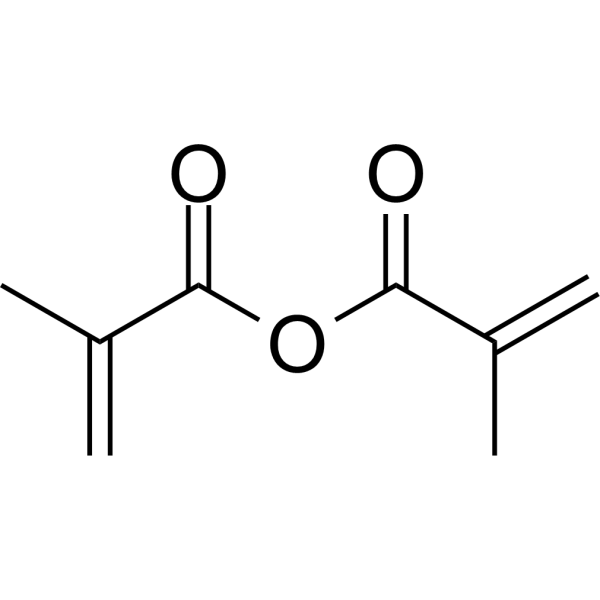
    Methacrylic anhydride is a typical polymerizable 1,6-diolefin. Methacrylic anhydride can form a soluble csyclopolymer by free-radical initiation. Methacrylic anhydride can spontaneously polymerize through the vinyl group and justifies the use of 2-6-di-tert-butyl4-methylphenol as an inhibitor .
    Methacrylic anhydride
  • HY-D1056D
    Lipopolysaccharides, from P. gingivalis
    3 Publications Verification

    LPS, from Porphyromonas gingivalis

    Toll-like Receptor (TLR) Inflammation/Immunology
    Lipopolysaccharides, from P. gingivalis (LPS, from Porphyromonas gingivalis) are endotoxins and TLR4 activators extracted from Porphyromonas gingivalis (P. gingivalis) and are classified as S (smooth) type LPS. Lipopolysaccharides, from P. gingivalis possess the typical three-part structure: O-antigen, core oligosaccharide, and lipid A. Lipopolysaccharides, from P. gingivalis activate TLR-4 in immune cells and are important virulence factors in the mechanism of periodontal disease. Lipopolysaccharides, from P. gingivalis can be used in research related to periodontitis .
    It is recommended to prepare a solution with concentration ≥2 mg/mL. Vortex thoroughly for more than 10 minutes. Due to the adsorption characteristics of LPS, silanized container or low adsorption centrifuge tubes should be used for aliquoting and storage, and mix thoroughly before use.
    Lipopolysaccharides, from P. gingivalis
  • HY-D1056B3

    LPS, from bacterial (Klebsiella pneumoniae)

    Toll-like Receptor (TLR) Inflammation/Immunology
    Lipopolysaccharides, from Klebsiella pneumoniae (LPS, from bacterial (Klebsiella pneumoniae)) are lipopolysaccharide endotoxins and TLR4 activators derived from Klebsiella pneumoniae, and are classified as S-type LPS. Lipopolysaccharides, from Klebsiella pneumoniae exhibit a typical three-part structure: O-antigen, core oligosaccharide, and lipid A. Lipopolysaccharides, from Klebsiella pneumoniae may participate in bacterial immune evasion by inhibiting complement-mediated killing and suppressing the host's secretion of antimicrobial peptides, thereby allowing the bacteria to escape immune defenses. Lipopolysaccharides, from Klebsiella pneumoniae possess high viscosity and resistance to serum-mediated killing, which may lead to sepsis. Lipopolysaccharides, from Klebsiella pneumoniae can be used to construct Acute Lung Injury Model .
    It is recommended to prepare a solution with concentration ≥2 mg/mL. Vortex thoroughly for more than 10 minutes. Due to the adsorption characteristics of LPS, silanized container or low adsorption centrifuge tubes should be used for aliquoting and storage, and mix thoroughly before use.
    Lipopolysaccharides, from Klebsiella pneumoniae
  • HY-108751
    Aripiprazole Lauroxil
    2 Publications Verification

    Dopamine Receptor Neurological Disease
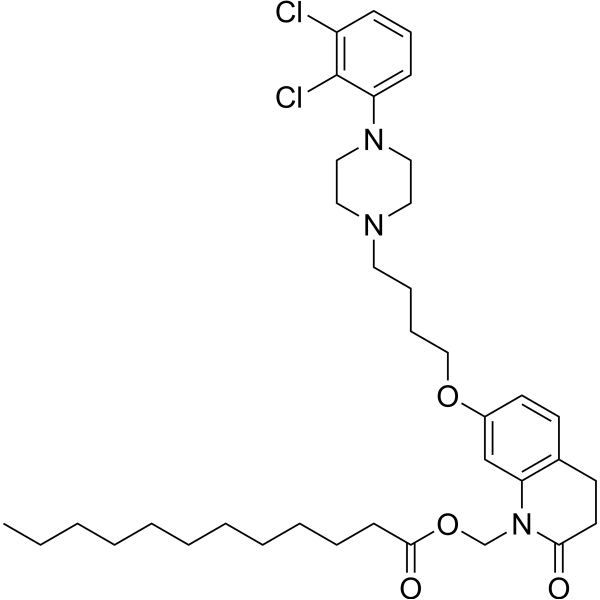
    Aripiprazole lauroxil, an N-acyloxymethyl proagent of Aripiprazole (HY-14546), is a Long-acting injectable (LAI) typical antipsychotic for schizophrenia and a ligand of dopamine receptor D2R/D4R. Aripiprazole lauroxil is cleaved by body’s enzyme esterase to N-hydroxymethyl aripiprazole (plus lauric acid) and then to aripiprazole (plus formaldehyde), no toxicity.
    Aripiprazole Lauroxil
  • HY-16911
    AFN-1252
    10+ Cited Publications

    API-1252; Debio 1452

    Bacterial Antibiotic Infection
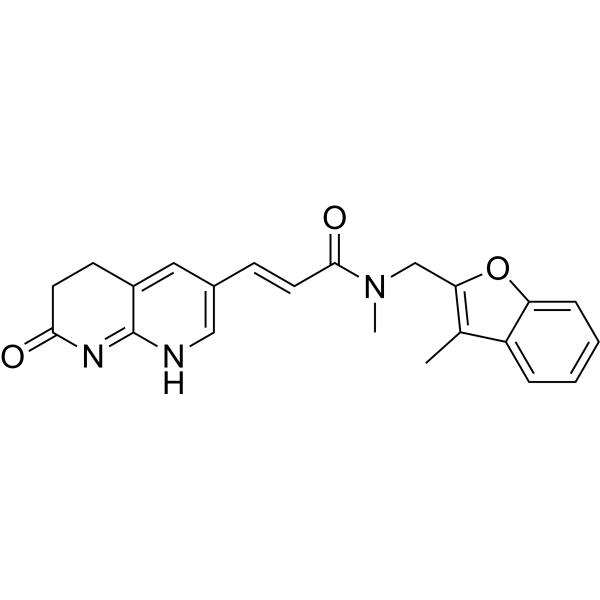
    AFN-1252 is an orally active and selective inhibitor of FabI, an essential enzyme in fatty acid biosynthesis in Staphylococcus spp. AFN-1252 exhibits exquisite and highly selective activity against Staphylococcus spp. AFN-1252 exhibits typical MIC90 values of ⩽0.015 μg/ml against diverse clinical isolates of S. aureus. AFN-1252 is efficacious in a mouse model of septicemia providing 100% protection from an otherwise lethal peritoneal infection of S. aureus Smith .
    AFN-1252
  • HY-125130
    Hesperetin 7-O-glucoside
    1 Publications Verification

    Hes-7-G

    HMG-CoA Reductase (HMGCR) Bacterial Interleukin Related Infection Metabolic Disease Inflammation/Immunology
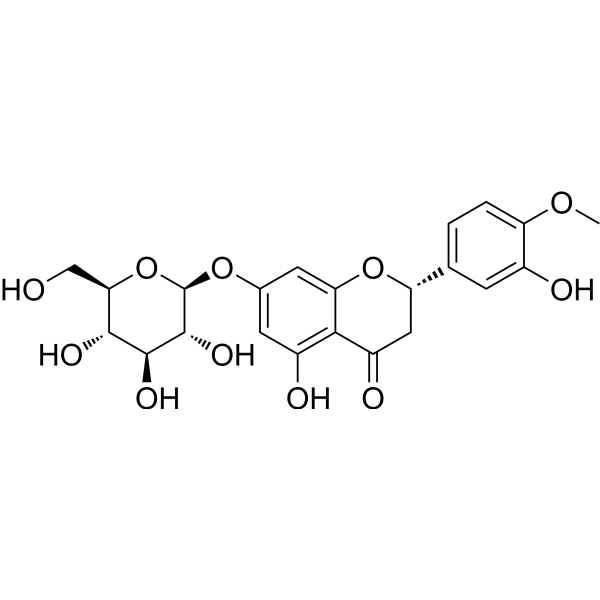
    Hesperetin 7-O-glucoside is a typical flavonoid monoglucoside, which is an anti-inflammatory agent and an antihypertensive with orally active. Hesperetin 7-O-glucoside is a commonly used food adjuvant. Hesperetin 7-O-glucoside inhibits human intestinal maltase and human HMG-CoA reductase with Ki of 1.8 mM and 9.8 μM, respectively. Hesperetin 7-O-glucoside has antibacterial activity and can regulate intestinal flora and metabolic homeostasis in mice .
    Hesperetin 7-O-glucoside
  • HY-W145665

    Biochemical Assay Reagents Endogenous Metabolite Others
    Amylose is not a typical small-molecule ligand with a specific traditional receptor-binding target. It is a polysaccharide. In food science and biological systems, amylose can interact with proteins and free fatty acids through non-covalent forces like hydrophobic interactions and electrostatic interactions. For example, it can form a ternary complex with them, which is related to the structure and digestion of starch. It is widely studied in the fields of food science, carbohydrate metabolism, and is also relevant in research on controlling glycemic responses, as it affects starch digestion rate .
    Amylose
  • HY-12396
    Aminothiazole
    2 Publications Verification

    2-Aminothiazole; 2-Thiazolylamine

    Bacterial Fungal Virus Protease Infection
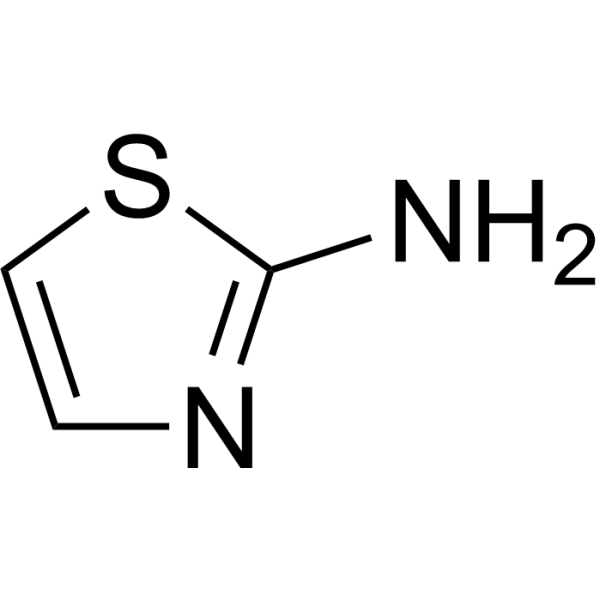
    Aminothiazole (2-Aminothiazole), a typical heterocyclic amine, is a precursor for the synthesis of biologically active molecules including sulfur agents, biocides, fungicides, antibiotics, dyes and chemical reaction accelerators .
    Aminothiazole
  • HY-135761
    Penconazole
    1 Publications Verification

    Environmental Pollutants Fungal Cholinesterase (ChE) Infection Neurological Disease
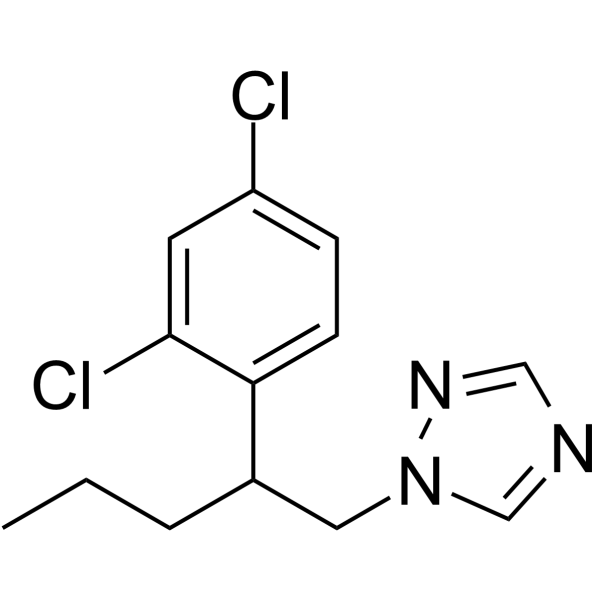
    Penconazole is a typical triazole fungicide, and mainly applied on apples, grapes, and vegetables to control powdery mildew. Penconazole inhibits sterol biosynthesis in fungi. Penconazole decrease AChE activity in the cerebrum and cerebellum of rats .
    Penconazole
  • HY-107609

    Leukotriene Receptor Inflammation/Immunology Endocrinology
    BAY-u 9773 is a selective cysteinyl-leukotriene receptor antagonist. BAY-u 9773 competitively antagonizes cysteinyl-leukotriene-induced contractions at typical and atypical cysteinyl-leukotriene receptors with comparable activity. BAY-u 9773 can be used for the research of trichomoniasis .
    BAY-u 9773
  • HY-131146
    AMOZ
    1 Publications Verification

    3-Amino-5-morpholinomethyl-2-oxazolidone

    Drug Metabolite Infection
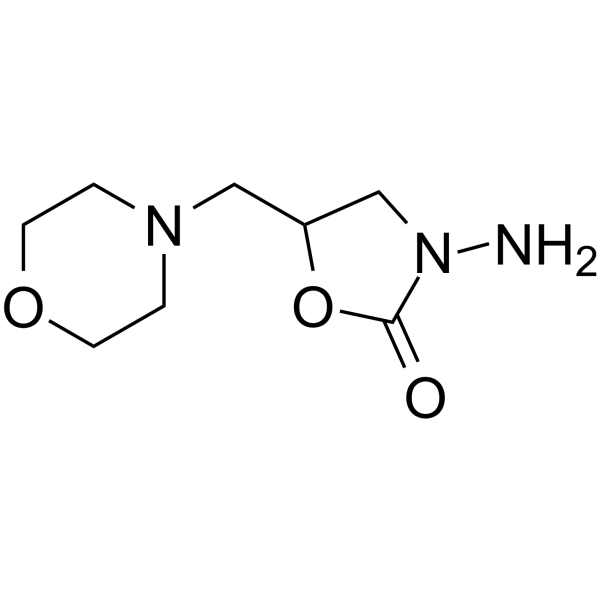
    AMOZ is a carcinogenic metabolite of Furaltadone (HY-B1148A), which forms stable tissue residues by covalently binding to proteins as a hapten. AMOZ can be coupled with carrier proteins (such as BSA/OVA) to induce immune response and is released after acid hydrolysis. AMOZ residues can be detected by competitive ELISA method, and the detection limit in the monoclonal antibody 2E5.1 test is as low as 0.16 μg/kg (shrimp sample). AMOZ can be used as a typical marker to monitor drug residues in animal-derived foods in the field of food safety[1][2].
    AMOZ
  • HY-12089

    CP-529414

    CETP Endocrinology
    Torcetrapib (CP-529414) is a selective, potent cholesteryl ester transfer protein (CETP) inhibitor. A typical inhibition curve for whole human plasma, having a CETP concentration of 37 nM .
    Torcetrapib
  • HY-119926

    Hydroxylupanine

    Integrin Cardiovascular Disease Neurological Disease
    13-Hydroxylupanine (Hydroxylupanine) is the typical alkaloid profile of sweet lupins.13-Hydroxylupanine blocks ganglionic transmission, decreases cardiac contractility and contracts uterine smooth muscle .
    13-Hydroxylupanine
  • HY-W075256

    Environmental Pollutants Bacterial Others
    Isotianil is a plant defense inducer that has no direct antimicrobial effect but instead activates typical plant defense responses. Isotianil can be used as a plant protection agent for controlling rice blast .
    Isotianil
  • HY-W040194

    Environmental Pollutants Herbicide Metabolic Disease
    Clomazone is a broad spectrum herbicide, mainly used to control annual broadleaf weeds and grass weeds in various crops such as rice, soybeans, and peanuts. Clomazone inhibits carotenoid biosynthesis, and treated plants show typical "albinism" symptoms due to the destruction of chloroplast membrane structure leading to chlorophyll degradation. Clomazone exhibits multiple toxic effects on non-target organisms, including aquatic lethality, developmental malformations, liver damage, mitochondrial dysfunction, and hematotoxicity .
    Clomazone
  • HY-D1056H
    Lipopolysaccharides, from S. marcescens
    1 Publications Verification

    LPS, from Serratia marcescens

    Toll-like Receptor (TLR) Inflammation/Immunology
    Lipopolysaccharides, from S. marcescens (Serratia marcescens) are lipopolysaccharide endotoxins and TLR-4 activators derived from Serratia marcescens, classified as S-type LPS, which can activate pathogen-associated molecular patterns (PAMP) of the immune system and induce cellular secretion of migrasomes. Lipopolysaccharides, from S. marcescens exhibit a typical three-part structure: O-antigen (O-antigen), core oligosaccharide (core oligosaccharide), and lipid A (Lipid A). Lipopolysaccharides, from S. marcescens induce NF-κB activation in mouse cells via Toll-like receptor (TLR4)/MD-2. The lipopolysaccharides of S. marcescens can induce apoptosis in host immune cells, thereby suppressing the host's innate immunity .
    It is recommended to prepare a solution with concentration ≥2 mg/mL. Vortex thoroughly for more than 10 minutes. Due to the adsorption characteristics of LPS, silanized container or low adsorption centrifuge tubes should be used for aliquoting and storage, and mix thoroughly before use.
    Lipopolysaccharides, from S. marcescens
  • HY-D1056A4

    LPS, from Escherichia coli (O128:B12)

    Toll-like Receptor (TLR) Inflammation/Immunology
    Lipopolysaccharides, from E. coli O128:B12 (LPS, from Escherichia coli (O128:B12)) are endotoxins and TLR4 activators extracted from Escherichia coli (E. coli O128:B12) and are classified as S (smooth) type LPS. Lipopolysaccharides, from E. coli O128:B12 possess the typical three-part structure: O-antigen, R3-type core oligosaccharide, and lipid A. Lipopolysaccharides, from E. coli O128:B12 activate TLR-4 in immune cells, can be used to construct animal models of neonatal brain inflammation, and may influence preterm birth in neonates .
    It is recommended to prepare a solution with concentration ≥2 mg/mL. Vortex thoroughly for more than 10 minutes. Due to the adsorption characteristics of LPS, silanized container or low adsorption centrifuge tubes should be used for aliquoting and storage, and mix thoroughly before use.
    Lipopolysaccharides, from E. coli O128:B12
  • HY-D1056E

    LPS, from Pseudomonas aeruginosa (10)

    Toll-like Receptor (TLR) Inflammation/Immunology
    Lipopolysaccharides from P. aeruginosa (Pseudomonas aeruginosa) 10 are lipopolysaccharide endotoxins and TLR4 activators derived from Pseudomonas aeruginosa 10, and are classified as S-type LPS. Lipopolysaccharides from P. aeruginosa 10 exhibit a typical three-part structure: O-antigen, core oligosaccharide, and lipid A. The lipopolysaccharides of P. aeruginosa 10 have a fatty acid composition distinct from common enterobacteria, an exceptionally high degree of phosphorylation (triphosphate residues have been detected), and a unique outer region of the core oligosaccharide. Additionally, their O-specific side chains are typically rich in novel aminosugars. Lipopolysaccharides from P. aeruginosa 10 demonstrate susceptibility to viruses, with the level of susceptibility determined by the content of high molecular weight polysaccharides in their composition. The absence of high molecular weight polysaccharides increases their sensitivity to bacteriophages .
    It is recommended to prepare a solution with concentration ≥2 mg/mL. Vortex thoroughly for more than 10 minutes. Due to the adsorption characteristics of LPS, silanized container or low adsorption centrifuge tubes should be used for aliquoting and storage, and mix thoroughly before use.
    Lipopolysaccharides, from P. aeruginosa 10
  • HY-137295

    PKC Apoptosis Inflammation/Immunology
    Ingenol 3,20-dibenzoate is a potent protein kinase C (PKC) isoform-selective agonist. Ingenol 3,20-dibenzoate induces selective translocation of nPKC-delta, -epsilon, and -theta and PKC-mu from the cytosolic fraction to the particulate fraction and induces morphologically typical apoptosis through de novo synthesis of macromolecules. Ingenol 3,20-dibenzoate increases the IFN-γ production and degranulation by NK cells, especially when NK cells are stimulated by NSCLC cells .
    Ingenol 3,20-dibenzoate
  • HY-106584

    Clospipramine

    Drug Derivative Dopamine Receptor 5-HT Receptor Neurological Disease
    Mosapramine (Clospipramine) is an orally active antipsychotic agent and one of the metabolites of Clocapramine (HY-B2073) after oral absorption. Mosapramine exerts its effects by specifically binding to striatal dopamine D2 receptors and frontal lobe 5-HT2 receptors, with a D2/5-HT2 receptor occupancy ratio of 7.4. Mosapramine induces typical neuropharmacological responses in rat brain regions, including extrapyramidal symptoms, hyperprolactinemia, increased salivation, constipation, and upregulated Fos protein expression. Mosapramine also features a reduced incidence of weight loss. Mosapramine is applicable to research related to schizophrenia .
    Mosapramine
  • HY-D1056B4

    LPS, from bacterial (Salmonella typhosa)

    Toll-like Receptor (TLR) Inflammation/Immunology
    Lipopolysaccharides, from Salmonella typhosa are lipopolysaccharide endotoxins and TLR-4 activators derived from Salmonella typhosa, classified as S-type LPS, which can activate pathogen-associated molecular patterns (PAMP) of the immune system and induce cellular secretion of migrasomes. Lipopolysaccharides, from Salmonella typhosa exhibit a typical three-part structure: O-antigen, core oligosaccharide, and lipid A. Lipopolysaccharides, from Salmonella typhosa can serve as vaccine adjuvants and demonstrate adjuvant activity targeting B cells in immune responses in vivo .
    It is recommended to prepare a solution with concentration ≥2 mg/mL. Vortex thoroughly for more than 10 minutes. Due to the adsorption characteristics of LPS, silanized container or low adsorption centrifuge tubes should be used for aliquoting and storage, and mix thoroughly before use.
    Lipopolysaccharides, from Salmonella typhosa
  • HY-P10333A

    CXCR Neurological Disease Inflammation/Immunology
    LIH383 TFA is an agonist of ACKR3 (CXCR7) (EC50=0.61 nM). LIH383 TFA efficiently induces the recruitment of β-arrestin to ACKR3 but does not trigger typical G protein signaling .
    LIH383 TFA
  • HY-W141392

    Nucleoside Antimetabolite/Analog Xanthine Oxidase Phosphoramidites Cancer
    2'-Fluoro-5'-O-DMT-2'-deoxyinosine-3'-CE-phosphoramidite is a hypoxanthine analog. Hypoxanthine is a kind of purine base mainly present in muscle tissue. And it is a metabolite produced by purine oxidase acting on xanthine. Hypoxanthine has typical anti-inflammatory effects and is a potential endogenous poly(ADP-ribose) polymerase (PARP) inhibitor. It is cytoprotective by inhibiting PAPR activity, inhibiting peroxynitrite-induced mitochondrial depolarization and secondary superoxide production. Hypoxanthine can also be used as an indicator of hypoxia .
    2'-Fluoro-5'-O-DMT-2'-deoxyinosine-3'-CE-phosphoramidite
  • HY-D1056C3

    LPS, from Salmonella enterica (Serotype typhimurium)

    Toll-like Receptor (TLR) Inflammation/Immunology
    Lipopolysaccharides, from S. enterica (Salmonella enterica) serotype typhimurium are lipopolysaccharide endotoxins and TLR4 activators derived from serotype typhimurium of Salmonella enterica, and are classified as S-type LPS. Lipopolysaccharides, from S. enterica exhibit a typical three-part structure: O-antigen, core oligosaccharide, and lipid A. Lipopolysaccharides, from S. enterica serotype typhimurium can modulate the fate of bacteria in dendritic cells (DC), determining the uptake, degradation, and activation of immune functions by DC cells against the bacteria .
    It is recommended to prepare a solution with concentration ≥2 mg/mL. Vortex thoroughly for more than 10 minutes. Due to the adsorption characteristics of LPS, silanized container or low adsorption centrifuge tubes should be used for aliquoting and storage, and mix thoroughly before use.
    Lipopolysaccharides, from S. enterica serotype typhimurium
  • HY-D1056C1

    LPS, from Salmonella enterica (Serotype enteritidis)

    Toll-like Receptor (TLR) Inflammation/Immunology
    Lipopolysaccharides, from S. enterica (Salmonella enterica) serotype enteritidis are lipopolysaccharide endotoxins and TLR-4 activators derived from the enteritidis serotype of S. enterica, classified as S-type LPS, which can activate pathogen-associated molecular patterns (PAMP) of the immune system and induce cellular secretion of migrasomes. Lipopolysaccharides, from S. enterica serotype enteritidis exhibit a typical three-part structure: O-antigen, core oligosaccharide, and lipid A. Lipopolysaccharides, from S. enterica serotype enteritidis can induce systemic inflammatory responses, increasing levels of TNF-α, IFN-γ, IL-6, IL-10, and nitrate in plasma .
    It is recommended to prepare a solution with concentration ≥2 mg/mL. Vortex thoroughly for more than 10 minutes. Due to the adsorption characteristics of LPS, silanized container or low adsorption centrifuge tubes should be used for aliquoting and storage, and mix thoroughly before use.
    Lipopolysaccharides, from S. enterica serotype enteritidis
  • HY-W582564

    Ethylenediaminetetraacetic acid copper disodium tetrahydrate

    Biochemical Assay Reagents Others
    Cu(Ⅱ)-EDTA disodium tetrahydrate, a typical contaminant in industrial wastewater, is an EDTA-complexed heavy metal. Cu(Ⅱ)-EDTA disodium tetrahydrate can be used in research on the recovery of heavy metal resources from mixed wastewater .
    Cu(Ⅱ)-EDTA disodium tetrahydrate
  • HY-121161C

    Phytohormone Metabolic Disease
    Brassinazole (0.5, 1, 5 μM) causes markedly deformed seedlings, whose morphology is similar to that of BR-deficient mutants. Brassinazole causes cress dwarfism, altering leaf morphology such as the typical downward curl and dark green appearance of Arabidopsis BR-deficient mutants. However, administration of 10 nM BR reversed dwarfism .
    (2R,3S)-Brassinazole
  • HY-129197

    Environmental Pollutants Bacterial Infection
    Stearyldiethanolamine is a typical amine-based surfactant used in development for antibacterial freshness-keeping film or antibacterial nonwoven fabric. Stearyldiethanolamine can be used as a collector towards the surfaces of quartz and malachite, to recover efficiently malachite from quartz. Stearyldiethanolamine can disrupt bacterial cell membrane with the alkyl chain, leading to irreversible damage and cell death .
    Stearyldiethanolamine
  • HY-146302
    14-3-3η Protein inhibitor 1
    2 Publications Verification

    Apoptosis Cancer
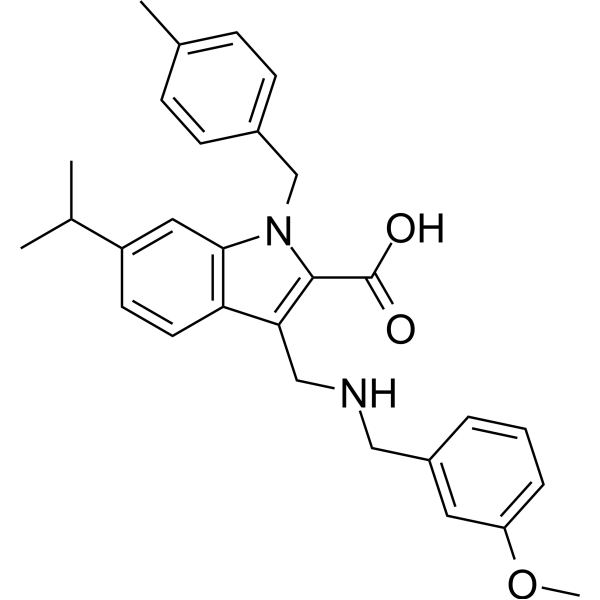
    14-3-3η Protein inhibitor 1 (Compound C11) is a 14-3-3η protein inhibitor with a KD of 35 µM. 14-3-3η Protein inhibitor 1 shows inhibitory activities against several typical human liver cancer cell lines. 14-3-3η Protein inhibitor 1 induces cell apoptosis and G1-S cell cycle arrest with good metabolic stability .
    14-3-3η Protein inhibitor 1
  • HY-106587A

    Clorotepine maleate salt

    Drug Derivative 5-HT Receptor Neurological Disease
    Octoclothepine (Clorotepine) maleate salt, an analog of Clozapine (HY-14539), is a neuroleptic and antipsychotic agent. Octoclothepine maleate salt exists in enantiomeric forms, where the (+)-form acts as an atypical antipsychotic, while the (-)-functions as a typical antipsychotic. (+)-Octoclothepine maleate salt exhibits extremely high binding affinity for 5-HT₆ and 5-HT₇ receptors, with Ki values of 0.41 and 0.38 nM; the Ki values of (-)-Octoclothepine maleate salt are 17.7 and 1.3 nM, respectively. Octoclothepine maleate salt can be used in research related to schizophrenia .
    Octoclothepin maleate salt
  • HY-P1218B

    Sodium Channel Neurological Disease
    Phrixotoxin 3-NH2 TFA is a derivative of Phrixotoxin 3 TFA (HY-P1218A). Phrixotoxin 3 TFA is a potent blocker of voltage-gated sodium channels, with IC50s of 0.6, 42, 72, 288, 610 nM for NaV1.2, NaV1.3, NaV1.4, NaV1.1 and NaV1.5, respectively. Phrixotoxin 3 TFA modulates voltage-gated sodium channels with properties similar to those of typical gating-modifier toxins, both by causing a depolarizing shift in gating kinetics and by blocking the inward component of the sodium current .
    Phrixotoxin 3-NH2 TFA
  • HY-150175

    Fluorescent Dye Inflammation/Immunology
    HKSOX-1 and its derivatives (HKSOX-1r and HKSOX-1m) are novel fluorescent probes designed for highly sensitive and selective detection of the superoxide anion radical (O2 •−) in cellular environments. These probes utilize an aryl trifluoromethanesulfonate group that undergoes O2 •−-mediated cleavage, releasing a free phenol and emitting fluorescence. They demonstrate excellent specificity and sensitivity across various pH ranges, withstand interference from strong oxidants and reductants typical in cellular contexts. HKSOX-1r, optimized for cellular retention, has been effectively employed in diverse assays including confocal imaging, flow cytometry, and zebrafish embryo studies, highlighting its utility in investigating O2 •− roles in inflammation, mitochondrial stress, and other physiological processes .
    HKSOX-1
  • HY-D1056B2

    LPS, from bacterial (Proteus mirabilis)

    Toll-like Receptor (TLR) Inflammation/Immunology
    Lipopolysaccharides, from Proteus mirabilis are lipopolysaccharide endotoxins and TLR-4 activators derived from Proteus mirabilis, classified as S-type LPS, which can activate pathogen-associated molecular patterns (PAMP) of the immune system and induce cellular secretion of migrasomes. Lipopolysaccharides, from Proteus mirabilis exhibit a typical three-part structure: O-antigen, core oligosaccharide, and lipid A. Proteus mirabilis is a major pathogen causing urinary tract infections and may also contribute to rheumatoid arthritis. Lipopolysaccharides, from Proteus mirabilis also exhibit potential anti-tumor effects, demonstrating in vivo inhibitory activity against solid tumors such as meningosarcoma and Walker carcinosarcoma .
    It is recommended to prepare a solution with concentration ≥2 mg/mL. Vortex thoroughly for more than 10 minutes. Due to the adsorption characteristics of LPS, silanized container or low adsorption centrifuge tubes should be used for aliquoting and storage, and mix thoroughly before use.
    Lipopolysaccharides, from Proteus mirabilis
  • HY-135761R

    Reference Standards Fungal Cholinesterase (ChE) Infection Neurological Disease
    Penconazole (Standard) is the analytical standard of Penconazole. This product is intended for research and analytical applications. Penconazole is a typical triazole fungicide, and mainly applied on apples, grapes, and vegetables to control powdery mildew. Penconazole inhibits sterol biosynthesis in fungi. Penconazole decrease AChE activity in the cerebrum and cerebellum of rats .
    Penconazole (Standard)
  • HY-136281

    Sigma Receptor Neurological Disease
    DuP 734 is a sigma receptor antagonist. DuP 734 is a selective and potent sigma and 5-HT2 receptor ligand with weak affinity for D2 receptors. DuP 734 may have antipsychotic activity without the liability of motor side effects typical of neuroleptics .
    DuP 734
  • HY-P3684A

    CRFR Neurological Disease
    [DPro5] Corticotropin Releasing Factor, human, rat TFA is a selective corticotropin releasing factor/hormone R2 (CRH-R2)agonist. [DPro5] Corticotropin Releasing Factor, human, rat TFA fails to cause the typical anxiogenic effect, but modulates learning and memory processes in rat .
    [DPro5] Corticotropin Releasing Factor, human, rat TFA
  • HY-A0077S1

    5-HT Receptor Adrenergic Receptor Apoptosis Autophagy Dopamine Receptor Histamine Receptor Neurological Disease Endocrinology
    Perphenazine-d4 is the deuterium labeled Perphenazine. Perphenazine is a typical antipsychotic agent, inhibits 5-HT2Areceptor, Alpha-1A adrenergic receptor, Dopamine receptor D2/D3, D2L receptor, and Histamine H1 receptor, with Ki values of 5.6, 10, 0.765/0.13, 3.4, and 8 nM, respectively.
    Perphenazine-d4
  • HY-152696

    Xanthine Oxidase Nucleoside Antimetabolite/Analog Others
    6-O-Methylinosine is a hypoxanthine analogue. Hypoxanthine is a kind of purine base mainly present in muscle tissue. And it is a metabolite produced by purine oxidase acting on xanthine. Hypoxanthine has typical anti-inflammatory effects and is a potential endogenous poly(ADP-ribose) polymerase (PARP) inhibitor. It is cytoprotective by inhibiting PAPR activity, inhibiting peroxynitrite-induced mitochondrial depolarization and secondary superoxide production. Hypoxanthine can also be used as an indicator of hypoxia .
    6-O-Methylinosine
  • HY-P1218

    Sodium Channel Neurological Disease
    Phrixotoxin 3 is a potent blocker of voltage-gated sodium channels, with IC50s of 0.6, 42, 72, 288, 610 nM for NaV1.2, NaV1.3, NaV1.4, NaV1.1 and NaV1.5, respectively. Phrixotoxin 3 modulates voltage-gated sodium channels with properties similar to those of typical gating-modifier toxins, both by causing a depolarizing shift in gating kinetics and by blocking the inward component of the sodium current .
    Phrixotoxin 3
  • HY-121452

    nAChR Calcium Channel Cancer
    Migrastatin is a typical Fascin1 inhibitor. Migrastatin is isolated from a cultured broth of Streptomyces sp. MK929-43F1. Migrastatin inhibits tumor cell migration .
    Migrastatin
  • HY-118423

    IQP-0410

    HIV Inflammation/Immunology
    SJ-3366 (IQP-0410) is a potent inhibitor of HIV nonnucleoside reverse transcriptase . SJ-3366 (IQP-0410) inhibits HIV at sub-nanomolar concentrations primarily through a typical non-nucleoside mechanism .
    SJ-3366
  • HY-W741940

    Others Cardiovascular Disease Cancer
    Evomonoside is a type of cardiac glycoside compound. Evomonoside exhibits significant in vitro anticancer activity, especially having nanomolar inhibitory concentrations against gastric cancer cell lines. Evomonoside has typical cardiac toxicity risks, including arrhythmias and conduction abnormalities. Evomonoside can be used for research on gastric cancer .
    Evomonoside
  • HY-34763

    7-Hydroxyquinolinone; 2,7-Dihydroxyquinoline

    Drug Derivative Others
    7-Hydroxycarbostyril (7-Hydroxy-2(1H)-quinolinone) (Compound 7) is a quinolinone derivative. 7-Hydroxycarbostyril can be used for synthesis of Brexpiprazole (HY-15780). Brexpiprazole, a typical orally active antipsychotic agent, is a partial agonist of human 5-HT1A and dopamine D2L receptor .
    7-Hydroxycarbostyril

Inquiry Online

Your information is safe with us. * Required Fields.

Salutation


Country or Region *

Applicant Name *


Organization Name *

Department *


Email Address *


Product Name *

Cat. No.


Requested quantity *

Phone Number *


Remarks

Inquiry Online

Inquiry Information

Product Name:
Cat. No.:
Quantity:
MCE Japan Authorized Agent:

