
Search Result
Results for "
ultraviolet
" in MedChemExpress (MCE) Product Catalog:
8
Biochemical Assay Reagents
14
Isotope-Labeled Compounds
| Cat. No. |
Product Name |
Target |
Research Areas |
Chemical Structure |
-
- HY-W090090
-
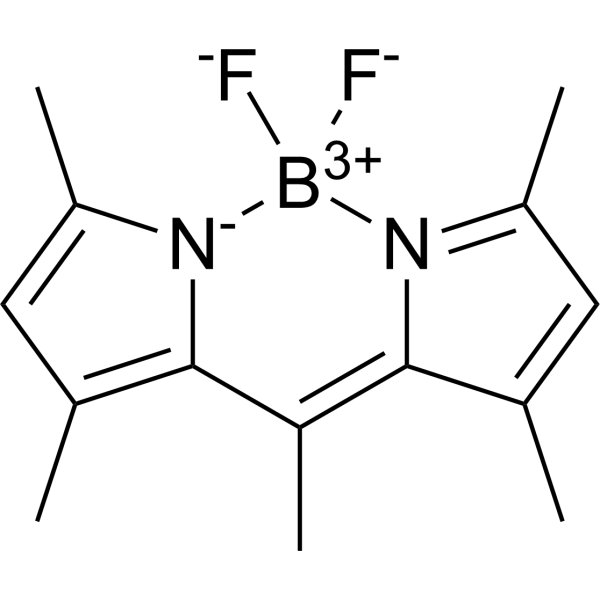
BODIPY 493/503
Maximum Cited Publications
104 Publications Verification
Pyrromethene 546
|
Fluorescent Dye
|
Others
|
|
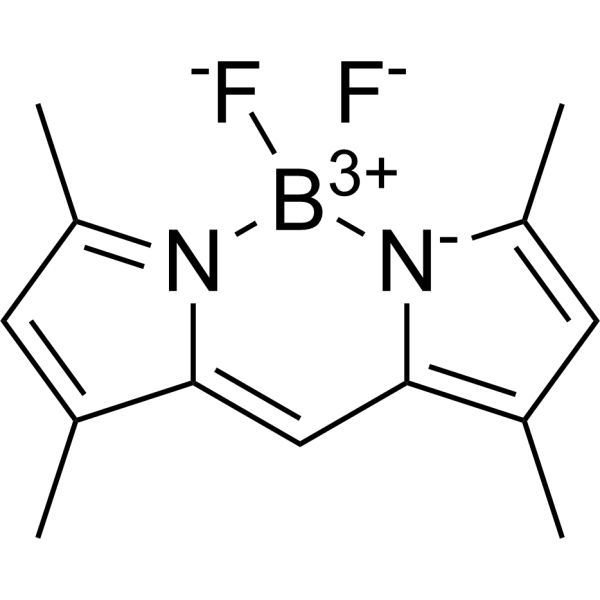
BODIPY493/503 is a BODIPY dye. BODIPY dye is a small molecule dye with strong ultraviolet absorption ability, its fluorescence peak is relatively sharp, and the quantum yield is high. They are relatively insensitive to the polarity and pH of the environment and are relatively stable under different physiological conditions. Due to its structural asymmetry, BODIPY derives a variety of structural products. BODIPY lipid droplet dyes can well pass through the cell membrane into the cell, and localize the neutral lipids in the cell to specifically stain the lipid droplets, which can be used for labeling of live cells and fixed cells . Maximum excitation/emission wavelength: 493/503 nm .
|
-
-
- HY-113485
-
Melanin
1 Publications Verification
|
Endogenous Metabolite
|
Others
|
|
Melanin is a unique pigment with myriad functions. It is multifunctional, providing defense against environmental stresses such as ultraviolet (UV) light, oxidizing agents and ionizing radiation.
|
-
-
- HY-N0428
-
|
|
Apoptosis
|
Cancer
|
|
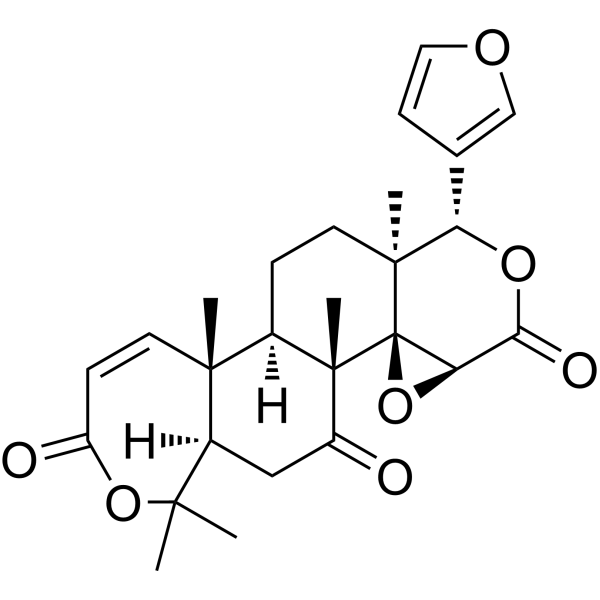
Obacunone is a highly oxidized triterpenoid limonoid isolated from citrus plants. Obacunone exerts its anticancer effects by inducing apoptosis. Obacunone also protects retinal pigment epithelial (RPE) cells from ultraviolet (UV) radiation (UVR)-induced oxidative damage .
|
-
-
- HY-D1237
-
|
|
Fluorescent Dye
|
Metabolic Disease
|
|
BODIPY505/515 is a BODIPY dye. BODIPY dye is a small molecule dye with strong ultraviolet absorption ability, its fluorescence peak is relatively sharp, and the quantum yield is high. They are relatively insensitive to the polarity and pH of the environment and are relatively stable under different physiological conditions. Due to its structural asymmetry, BODIPY derives a variety of structural products. BODIPY lipid droplet dyes can well pass through the cell membrane into the cell, and localize the neutral lipids in the cell to specifically stain the lipid droplets, which can be used for labeling of live cells and fixed cells . Maximum excitation/emission wavelength: 505/515 nm .
|
-
-
- HY-D1106
-
|
|
Fluorescent Dye
|
Cancer
|
|
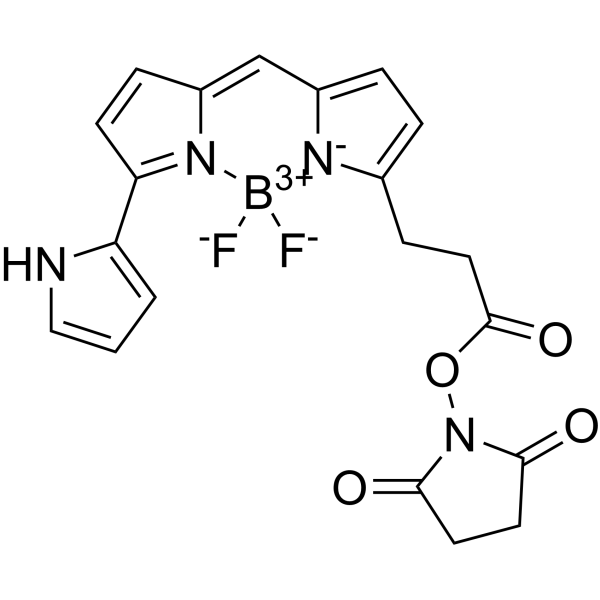
BODIPY dye is a small molecule dye with strong ultraviolet absorption ability, its fluorescence peak is relatively sharp, and the quantum yield is high. They are relatively insensitive to the polarity and pH of the environment and are relatively stable under different physiological conditions . Due to its structural asymmetry, BODIPY derives a variety of structural products. BODIPY lipid droplet dyes can well pass through the cell membrane into the cell, and localize the neutral lipids in the cell to specifically stain the lipid droplets, which can be used for labeling of live cells and fixed cells .
|
-
-
- HY-B1156
-
|
Cefradine; SQ-11436
|
Bacterial
Antibiotic
TOPK
|
Infection
Inflammation/Immunology
|
|
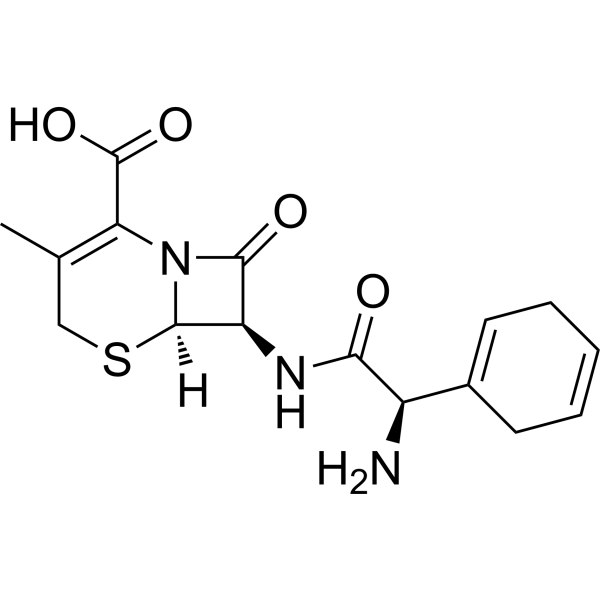
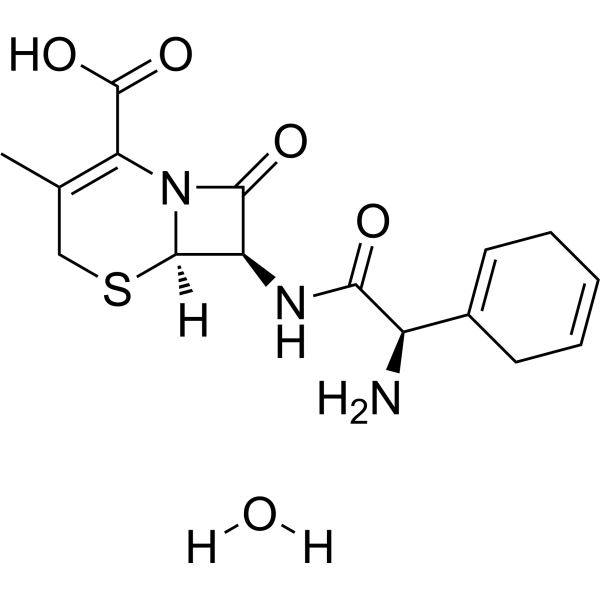
Cephradine (Cefradine) is a broad-spectrum and orally active cephalosporin. Cephradine is active against both gram-positive and gram-negative pathogens. Cephradine is effective in eradicating most penicillinase-producing organisms. Cephradine has been used in the research of genitourinary, gastrointestinal and respiratory tract infections, and in infections of the skin and soft tissues. Cephradine blocks solar-ultraviolet induced skin inflammation through direct inhibition of TOPK .
|
-
-
- HY-106950
-
|
Diphosphofructose; Esafosfan; FDP
|
Toll-like Receptor (TLR)
COX
|
Cardiovascular Disease
Neurological Disease
Metabolic Disease
|
|
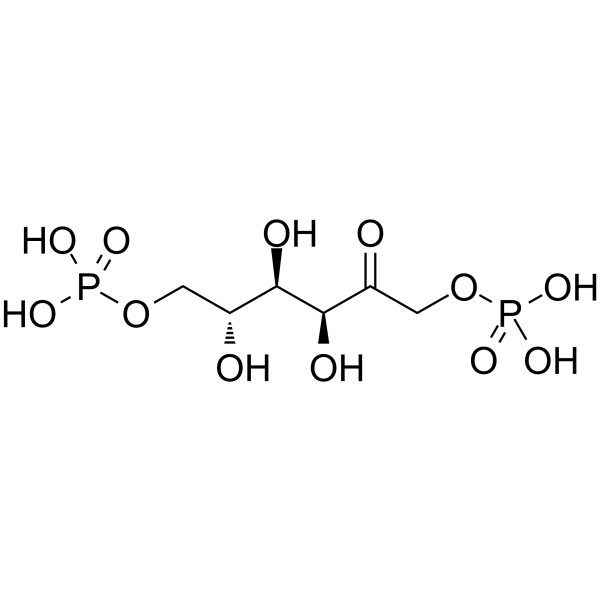
Fosfructose is an orally active cyclooxygenase-2 inhibitor and Toll-like receptor 4 modulator. Fosfructose reduces the expression of cyclooxygenase-2, thereby decreasing prostaglandin production. By inhibiting the Toll-like receptor 4 signaling pathway, Fosfructose downregulates LPS-induced adhesion molecule expression. Fosfructose is applicable to research related to ischemic stroke, epilepsy, sepsis, myocardial injury, osteoporosis, and ultraviolet B-induced skin damage .
|
-
-
- HY-Y0546
-
|
|
Environmental Pollutants
Endogenous Metabolite
Photosensitizer
|
Cancer
|
|
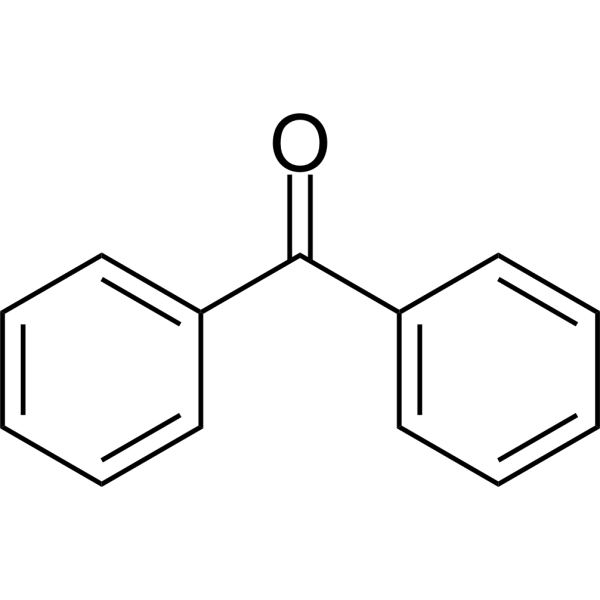
Benzophenone is an endogenous metabolite. Benzophenone is a photosensitizer, that absorbs UV light, transfers its energy to DNA, and triggers DNA damage. Benzophenone can be used as the fragrance enhancer, ultraviolet curing agent, additive in plastics, or the flavor ingredient. Benzophenone can also be used in the manufacturing of insecticides, agricultural chemicals, hypnotics, antihistamines, and other pharmaceuticals. Benzophenone exhibits certain carcinogenicity in mouse/rat models under long term exposure. Benzophenone exhibits estrogenic activity .
|
-
-
- HY-B1234
-
|
Octyl methoxycinnamate
|
Environmental Pollutants
Estrogen Receptor/ERR
Androgen Receptor
Cytochrome P450
Thyroid Hormone Receptor
|
Metabolic Disease
Endocrinology
|
|
Octinoxate (Octyl methoxycinnamate) is a thyroid hormone receptor agonist, reducing the levels of triiodothyronine (T3) and thyroxine (T4) and transcription levels of genes related to type II deiodinase (deio2) in Japanese Medaka. Octinoxate is commonly used as a safe ultraviolet (UV) filter used in the aquatic environment. Octinoxate inhibits CYP1A1 and CYP1B1 to regulate hyaluronan (HA) (HY-B0633A) metabolism in a PI3K pathway-dependent manner in human keratinocytes. Octinoxate also exhibits an anti-estrogenic and anti-androgenic effect in vitro and in vivo .
|
-
-
- HY-N2460
-
-
-
- HY-113008
-
|
|
Endogenous Metabolite
|
Cancer
|
|
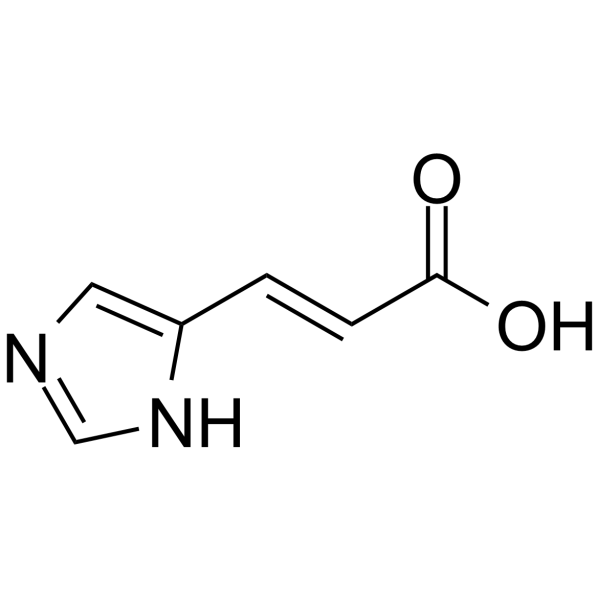
Urocanic acid, produced in the upper layers of mammalian skin, is a major absorber of ultraviolet radiation (UVR).
|
-
-
- HY-W099730
-
|
Tinosorb S
|
Others
|
Others
|
|
Bemotrizinol (Tinosorb S), a compound that can absorb ultraviolet light, has been shown to accept atomic oxygen generated by N-oxide photodeoxygenation .
|
-
-
- HY-P10533
-
|
|
Tyrosinase
|
Others
|
|
Cysteine peptide is a tyrosinase inhibitor with skin-whitening, antioxidant and multi-regulatory activities. Cysteine peptide inhibits enzyme activity and blocks melanin transport, effectively reducing UV-B-induced skin erythema and pigmentation. Cysteine peptide synergistically maintains skin health by quenching ROS, resisting oxidative stress and promoting pheomelanin production. Cysteine peptide safely prevents daily ultraviolet damage and supports moderate sun exposure for vitamin D synthesis. Cysteine peptide also acts as a plant signaling factor to regulate vegetative growth, development and stress resistance responses .
|
-
-
- HY-A0087
-
|
|
Environmental Pollutants
PPAR
Estrogen Receptor/ERR
Biochemical Assay Reagents
Cytochrome P450
|
Others
|
|
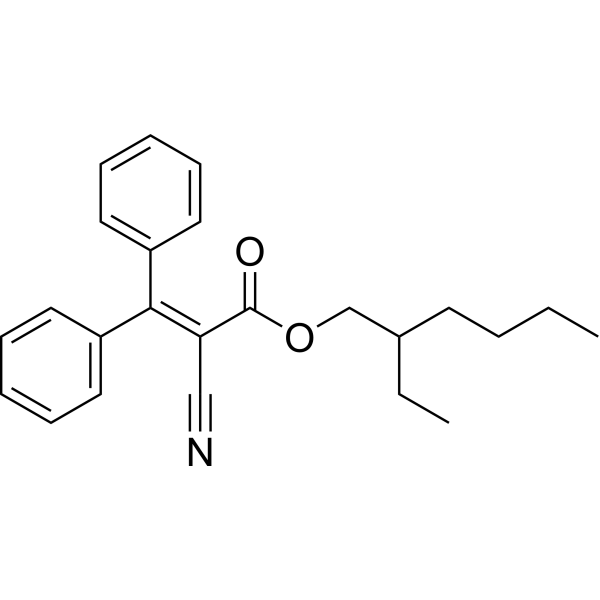
Octocrylene is an organic ultraviolet (UV) filter that absorbs mainly UVB radiation and shorter UVA wavelengths. Octocrylene acts as a partial agonist of PPARγ, which alters the gene transcription profile of lipid metabolism enzymes. In addition, Octocrylene is cytotoxic and genotoxic to human skin fibroblasts and mediates the biosynthesis of estrogens such as estriol in zebrafish larvae, while affecting antioxidant pathways including glutathione transferase and peroxisomes .
|
-
-
- HY-128449
-
|
Cefradine monohydrate
|
Bacterial
Antibiotic
TOPK
|
Infection
Inflammation/Immunology
|
|
Cephradine (Cefradine) monohydrate is a broad-spectrum and orally active cephalosporin. Cephradine monohydrate is active against both grampositive and gram-negative pathogens and effective in eradicating most penicillinase-producing organisms known to be resistant to penicillin G, penicillin V, and ampicillin. Cephradine monohydrate has been used in the research of genitourinary, gastrointestinal and respiratory tract infections, and in infections of the skin and soft tissues. Cephradine monohydrate blocks solar-ultraviolet induced skin inflammation through direct inhibition of TOPK .
|
-
-
- HY-137822
-
|
4-Nitrophenyl a-D-mannopyranoside
|
Glycosidase
|
Others
|
|
p-Nitrophenyl α-D-mannopyranoside (4-Nitrophenyl α-D-mannopyranoside) is a chromogenic glycosidic ligand. p-Nitrophenyl α-D-mannopyranoside features a sugar moiety (α-D-mannopyranose) with the mannose-characteristic axial hydroxyl group at the C2 position and a ligand portion (p-nitrophenol) that provides ultraviolet-visible light absorption properties. p-Nitrophenyl α-D-mannopyranoside can be used to determine glycosidase activity and characterize the sugar recognition properties of lectins (such as Concanavalin A (HY-P2149)) .
|
-
-
- HY-D1570
-
|
|
Fluorescent Dye
|
Others
|
|
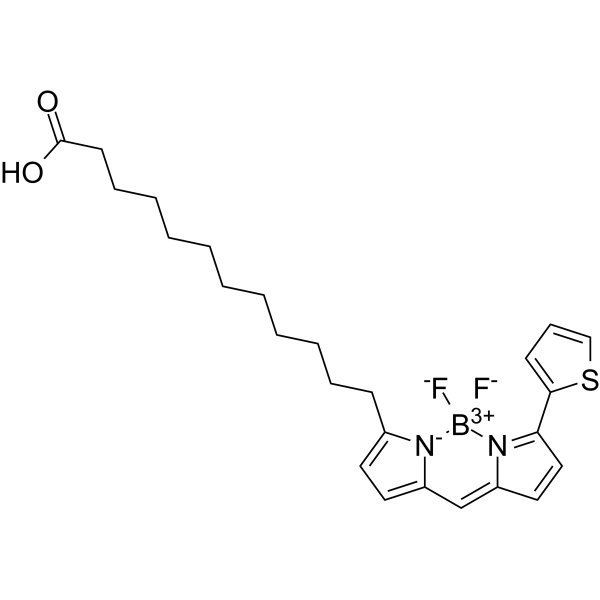
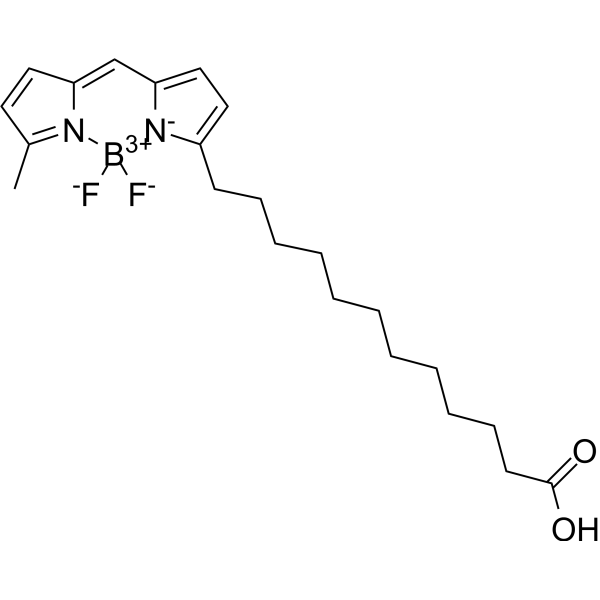
BODIPYFL C12 is a BODIPY dye. BODIPY dye is a small molecule dye with strong ultraviolet absorption ability, its fluorescence peak is relatively sharp, and the quantum yield is high. They are relatively insensitive to the polarity and pH of the environment and are relatively stable under different physiological conditions. Due to its structural asymmetry, BODIPY derives a variety of structural products. BODIPY lipid droplet dyes can well pass through the cell membrane into the cell, and localize the neutral lipids in the cell to specifically stain the lipid droplets, which can be used for labeling of live cells and fixed cells . Maximum excitation/emission wavelength: 480/508 nm .
|
-
-
- HY-17587
-
|
4-MBC; Enzacamene
|
Apoptosis
PI3K
Akt
ERK
|
Metabolic Disease
|
|
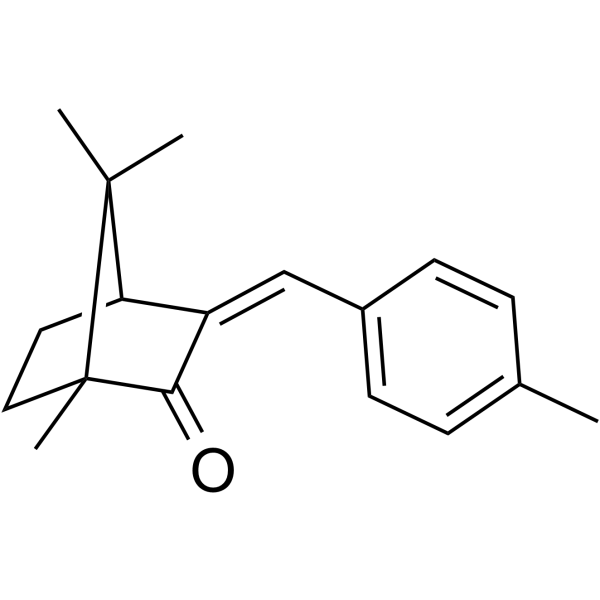
4-Methylbenzylidene camphor (4-MBC) is an endocrine disrupter that produces estrogen-like effects. 4-Methylbenzylidene camphor decreases the proliferation of human trophoblast cells and induces apoptosis. 4-Methylbenzylidene camphor activates PI3K/AKT and ERK1/2 signaling pathways and elevates intracellular ROS production. 4-Methylbenzylidene camphor is a ultraviolet (UV) filter and may hamper normal placental formation during early pregnancy .
|
-
-
- HY-109655
-
-
-
- HY-B1157
-
|
Trisoralen; Trioxysalen; TMP
|
DNA Alkylator/Crosslinker
|
Inflammation/Immunology
|
|
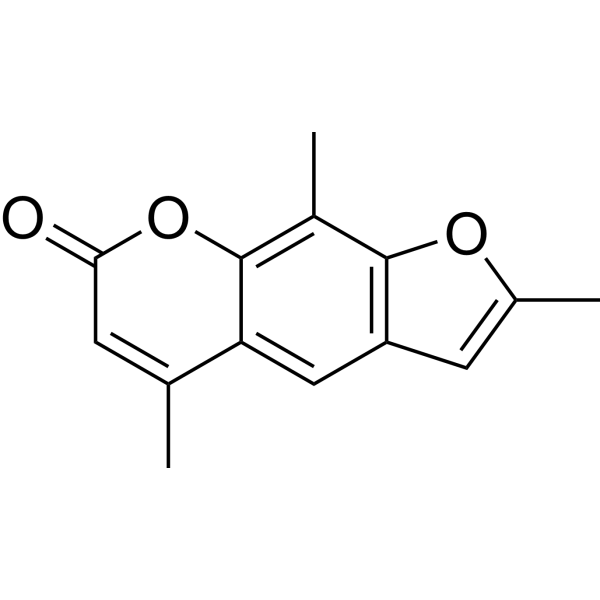
Trioxsalen (Trisoralen), a psoralen derivative, is a photochemical DNA crosslinker. Trioxsalen only works after photoactivation with near ultraviolet light. Trioxsalen is a photosensitizer that can be used for the research of vitiligo and hand eczema. Trioxsalen is used for visualization of genomic interstrand cross-links localized by laser photoactivation .
|
-
-
- HY-D0026
-
|
7-Amino-4-methyl-3-coumarinacetic acid N-succinimidyl ester
|
Fluorescent Dye
|
Others
|
|
AMCA,SE (7-Amino-4-methyl-3-coumarinacetic acid N-succinimidyl ester) is a bright blue fluorescent dye. AMCA,SE reacts with amino groups and is excited by ultraviolet light. AMCA,SE can be used for amine reactive labeling (Ex/Em = 354/440 nm) .
|
-
-
- HY-B0966
-
|
Benzophenone-8; UV-24
|
Biochemical Assay Reagents
|
Inflammation/Immunology
Cancer
|
|
Dioxybenzone (Benzophenone-8; UV-24) is an organic compound used to block UVB and short-wave UVA (ultraviolet) radiation. Dioxybenzone has orally activity. Dioxybenzone exhibits estrogenic disrupting effect. Dioxybenzone up-regulates inflammatory cytokines. Dioxybenzone can be used for cancer, reproductive system disease and inflammatory disease study .
|
-
-
- HY-N1750
-
|
|
Tyrosinase
|
Metabolic Disease
|
|
3-(2,4-Dihydroxyphenyl) propanoic acid (DPPacid) is a competitive Tyrosinase inhibitor. It exhibits an IC50 value of 3.02 μM against mushroom tyrosinase with L-tyrosine as the substrate, an IC50 value of 62 μM with DL-DOPA as the substrate, and a Ki value of 11.5 μM. 3-(2,4-Dihydroxyphenyl) propanoic acid shows no DPPH radical scavenging activity. It can be used in studies related to ultraviolet B (UVB)-induced hyperpigmentation .
|
-
-
- HY-131551
-
-
-
- HY-W036120
-
|
2,2′,4,4′-Tetrahydroxybenzophenone
|
Environmental Pollutants
Glycosidase
Estrogen Receptor/ERR
Pregnane X Receptor (PXR)
|
Metabolic Disease
Endocrinology
|
|
Benzophenone-2 (2,2',4,4'-Tetrahydroxybenzophenone) is an organic ultraviolet absorber that is widely used in personal care products and industrial products such as plastics and coatings. Benzophenone-2 is an endocrine disruptor that can interfere with estrogen receptors (ERα receptor) and pregnane X receptor (PXR receptor) activity, leading to reproductive toxicity, immune disorders, and metabolic abnormalities. Benzophenone-2 can inhibit the activity of α-glucosidase (IC50 = 49.72 μM), and can be used for research on diabetes .
|
-
-
- HY-W014223
-
-
-
- HY-N7681
-
|
Taxifolin 7-O-glucoside
|
Biochemical Assay Reagents
|
Inflammation/Immunology
|
|
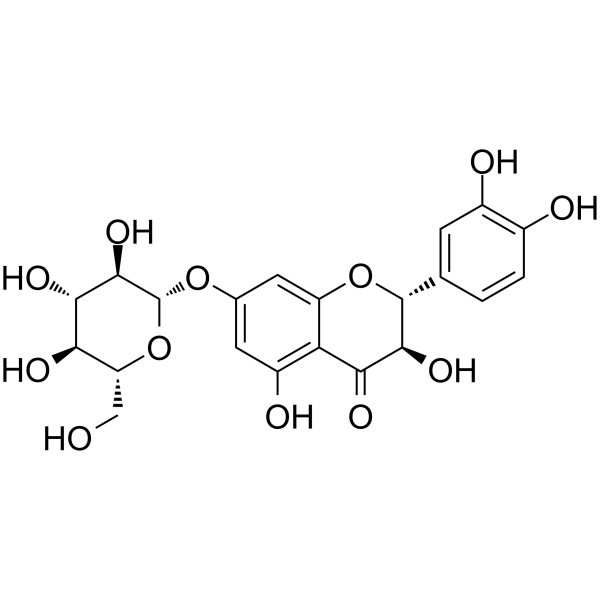
Taxifolin 7-O-β-D-glucoside (Taxifolin 7-O-glucoside) is a flavonol and active antioxidant that can be isolated from Scutellaria baicalensis. Taxifolin 7-O-β-D-glucoside participates in pathogen defense and ultraviolet damage protection in the seed coat during seed germination of Scutellaria baicalensis .
|
-
-
- HY-131618
-
|
Bz-Gly-Arg
|
Amino Acid Derivatives
|
Others
|
|
Hippuryl-Arg (Bz-Gly-Arg) is a substrate used for fluorescence detection and is commonly used in biochemical studies, especially in studying enzyme activity. The phenylalanine portion of Hippuryl-Arg is connected by an aromatic side chain, which allows it to be detected under ultraviolet light. Hippuryl-Arg is used to detect enzymes that recognize and cut peptide bonds containing arginine .
|
-
-
- HY-109116
-
|
Leukomethylene blue
|
Biochemical Assay Reagents
|
Others
|
|
Hydromethylthionine (Leukomethylene blue) has a very active photochemically active reagent, especially in its interaction with dissolved oxygen. The photochemical activity of Hydromethylthionine is mainly regulated by the reaction of its triplet state with dissolved oxygen, which reacts with dissolved oxygen to form Methylene Blue (HY-14536) and hydronium ions under ultraviolet light. Hydromethylthionine can be used for the photodegradation of model pollutants in semiconductor photocatalysis and for the study of indicators in chemical analysis .
|
-
-
- HY-Y0546S
-
|
|
Isotope-Labeled Compounds
Endogenous Metabolite
Photosensitizer
|
Cancer
|
|
Benzophenone-d10 is the deuterium labeled Benzophenone (HY-Y0546). Benzophenone is an endogenous metabolite. Benzophenone is a photosensitizer, that absorbs UV light, transfers its energy to DNA, and triggers DNA damage. Benzophenone can be used as the fragrance enhancer, ultraviolet curing agent, additive in plastics, or the flavor ingredient. Benzophenone can also be used in the manufacturing of insecticides, agricultural chemicals, hypnotics, antihistamines, and other pharmaceuticals. Benzophenone exhibits certain carcinogenicity in mouse/rat models under long term exposure. Benzophenone exhibits estrogenic activity .
|
-
-
- HY-N3985
-
|
|
Others
|
Cancer
|
|
Gyrophoric acid is a good ultraviolet filter in lichen populations. Gyrophoric acid shows DPPH radical scavenging activity with an IC50 value of 105.75 μg/ml .
|
-
-
- HY-N4096
-
|
|
Others
|
Inflammation/Immunology
|
|
Tsugaric acid A can significantly inhibit superoxide anion formation. Tsugaric acid A also protects human keratinocytes against damage induced by ultraviolet B (UV B) light. Tsugaric acid A can protect keratinocytes from photodamage.
|
-
-
- HY-W099730R
-
|
Tinosorb S (Standard)
|
Reference Standards
Others
|
Others
|
|
Bemotrizinol (Standard) is the analytical standard of Bemotrizinol. This product is intended for research and analytical applications. Bemotrizinol (Tinosorb S), an ultraviolet (UV) filter, has been shown to accept atomic oxygen generated by N-oxide photodeoxygenation .
|
-
-
- HY-P4406
-
|
|
Fluorescent Dye
|
Others
|
|
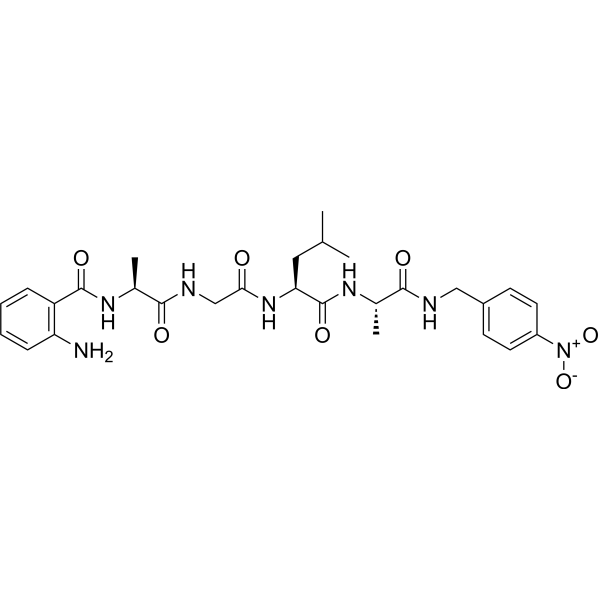
Abz-AGLA-Nba is a fluorogenic substrate for the determination of protease activity. Abz-AGLA-Nba is hydrolyzed to release aminoacyl benzimide (Abz-AGLA) and 2-naphthylaminoacyl (Nba). The product Abz-AGLA produced by this hydrolysis reaction is fluorescent under ultraviolet light and can emit a fluorescent signal .
|
-
-
- HY-W010417
-
|
|
Reactive Oxygen Species (ROS)
|
Others
|
|
4-Thiouracil is a thionucleobase with cytostatic properties. 4-Thiouracil can be used as biological photoprobes to detect RNA structures and nucleic acid-nucleic acid contacts. 4-Thiouracil can also act as a strong ultraviolet A (UVA) photosensitizer, providing a source of the reactive oxygen species of O2. 4-Thiouracil is promising for research of photocross linking, photodamage, as well as photodynamic therapy .
|
-
-
- HY-126789
-
|
|
Biochemical Assay Reagents
|
Metabolic Disease
|
|
DM-Nitrophen is a photolabile caged calcium compound that acts as a calcium releaser. DM-Nitrophen binds Ca 2+ with high affinity and Mg 2+ with considerable affinity before photolysis. DM-Nitrophen releases Ca 2+ into the cytosol upon ultraviolet light irradiation. DM-Nitrophen induces calcium concentration pulses, triggers cytosolic calcium transients, promotes calcium-dependent exocytosis. DM-Nitrophen can be used for the research of calcium-dependent cellular processes .
|
-
-
- HY-P10143
-
|
Ac-Pro-Leu-Gly-[(S)-2-mercapto-4-methyl-pentanoyl]-Leu-Gly-OEt
|
MMP
|
Others
|
|
MMP-2/MMP-9 Substrate (Ac-Pro-Leu-Gly-[(S)-2-mercapto-4-methyl-pentanoyl]-Leu-Gly-OEt) is a synthetic chromogenic polypeptide substrate whose core structure mimics the cleavage sites of MMP-2 and MMP-9 (gelatinase A and B) in collagen. After being hydrolyzed by collagenase, MMP-2/MMP-9 Substrate reacts with 4,4'-dithiodipyridine or Ellman's Reagent via its thiol fragment to produce a product with ultraviolet absorption properties .
|
-
-
- HY-W014226
-
|
|
Drug Intermediate
Ser/Thr Protease
|
Others
|
|
4,4'-Dihydroxybenzophenone is a type of phenolic ultraviolet absorber and a drug intermediate for synthesis of various anticancer active compounds (such as Sivifene (HY-14801)). 4,4'-Dihydroxybenzophenone binds to the active site of trypsin with binding constants (KA = 7.59 x 10 5 L/moL) and leads to abnormal structure of trypsin, suggesting that long-term intake may affect the digestive function of the human body. 4,4’-dihydroxybenzophenone has a relatively low toxicity to Chlorella vulgaris and a moderate toxicity to Daphnia magna .
|
-
-
- HY-172354
-
|
|
Biochemical Assay Reagents
|
Others
|
|
Acrylate-PEG2000-NHS is a photosensitive PEG compound that can be cross-linked when exposed to ultraviolet light and is used to synthesize PEG hydrogels .
|
-
-
- HY-W015205
-
|
|
DNA Alkylator/Crosslinker
Drug Derivative
|
Others
|
|
5-Bromocytosine is a Cytosine (HY-I0626) derivative. 5-Bromocytosine can be incorporated into cellular DNA and promote DNA chain breakage and cross-linking under ultraviolet irradiation .
|
-
-
- HY-A0087R
-
|
|
Biochemical Assay Reagents
Reference Standards
PPAR
Estrogen Receptor/ERR
Cytochrome P450
|
Others
|
|
Octocrylene (Standard) is the analytical standard of Octocrylene. This product is intended for research and analytical applications. Octocrylene is an organic ultraviolet (UV) filter which absorbs mainly UVB radiation and short UVA wavelengths. Octocrylene has the potential for using in various cosmetic products to either provide an appropriate sun protection factor in sunscreen products or to protect cosmetic formulations from UV radiation .
|
-
-
- HY-176548
-
|
|
YAP
Annexin A
|
Inflammation/Immunology
|
|
PY-PAP is a photoactivatable affinity probe and a derivative of PY-60 (HY-141644). PY-PAP retains the cellular function of activating YAP transcriptional activity. In 293A cells, PY-PAP can label cathepsin D (CTSD) and annexin A2 (ANXA2) through ultraviolet crosslinking and click reactions. PY-PAP plays a key role in identifying ANXA2 as the specific target of PY-60 .
|
-
-
- HY-W012911
-
|
|
Biochemical Assay Reagents
|
Others
|
|
2,6-Difluoropyridine is a fluorinated pyridine derivative. 2,6-Difluoropyridine adopts a planar conformation in its S0 electronic ground state and S1(π,π) excited state .
|
-
-
- HY-148400
-
|
TXC hydrochloride
|
Ser/Thr Protease
Drug Derivative
|
Metabolic Disease
|
|
Cetyl tranexamate (TXC) hydrochloride is an ester derivative of Tranexamic acid (HY-B0149). Cetyl tranexamate hydrochloride is an inhibitor of fibrinogen activation and can reduce the production of fibrinogen in keratinocytes induced by ultraviolet rays or damage, indirectly inhibiting the melanin production pathway. Cetyl tranexamate hydrochloride also targets melanin (dark spots) and hemoglobin (red spots), reducing vascular dilation and pigmentation by inhibiting inflammatory mediators (such as prostaglandins, platelet activating factors). Cetyl tranexamate hydrochloride can be used as a cosmetic ingredient and is suitable for epidermal pigment disorders such as photoaging, post-inflammatory hyperpigmentation (PIH), and melasma .
|
-
-
- HY-N10228
-
|
|
Endogenous Metabolite
|
Infection
|
|
Gliorosein is a fungal metabolite isolated from Gliocladium. Gliorosein is isomeric with the quinol but shows a different ultraviolet absorption spectrum .
|
-
-
- HY-N13278
-
|
2-Acetyl-2-decarboxamidooxytetracycline
|
Antibiotic
|
Others
|
|
2-Acetyl-2-decarboxamidotetracycline (2-Acetyl-2-decarboxamidooxytetracycline) is an antibiotic of the tetracycline type. 2-Acetyl-2-decarboxamidotetracycline shows an ultraviolet absorption spectrum which is identical with that of tetracycline or of 5-oxytetracycline above 300 mμ, a region characteristic of the BCD-ring system .
|
-
-
- HY-172354A
-
|
|
Biochemical Assay Reagents
|
Others
|
|
Acrylate-PEG3500-NHS is a photosensitive PEG compound that can be cross-linked when exposed to ultraviolet light and is used to synthesize PEG hydrogels .
|
-
-
- HY-113008S1
-
|
|
Endogenous Metabolite
|
Cancer
|
|
Urocanic acid- 13C3 is the 13C labeled Urocanic acid . Urocanic acid, produced in the upper layers of mammalian skin, is a major absorber of ultraviolet radiation (UVR) .
|
-
-
- HY-N3925
-
|
|
Bacterial
|
Infection
Metabolic Disease
Inflammation/Immunology
|
|
Ganoderol A is a terpenoid extracted from Ganoderma lucidum with antimicrobial activities. Ganoderol A inhibits cholesterol synthesis pathway and has significant anti-inflammatory activity and protection against ultraviolet A (UVA) damage .
|
-
-
- HY-E70578
-
|
|
DNA Glycosylase
|
Others
|
|
T4 Endonuclease V is a dual-activity DNA glycosylase that combines the activities of DNA N-glycosylase and AP lyase. T4 Endonuclease V can repair ultraviolet (UV)-induced cyclobutane pyrimidine dimers in DNA .
|
-
- HY-P4406A
-
|
|
Fluorescent Dye
|
Others
|
|
Abz-AGLA-Nba TFA is a fluorogenic substrate for the determination of protease activity. Abz-AGLA-Nba TFA is hydrolyzed to release aminoacyl benzimide (Abz-AGLA) and 2-naphthylaminoacyl (Nba). The product Abz-AGLA produced by this hydrolysis reaction is fluorescent under ultraviolet light and can emit a fluorescent signal .
|
-
- HY-127170R
-
|
|
Lipoxygenase
Reference Standards
|
Others
|
|
3-Hydroxycoumarin (Standard) is the analytical standard of 3-Hydroxycoumarin. This product is intended for research and analytical applications. 3-hydroxycoumarin is a potent and redox inhibitor of human 15-LOX-1. 3-hydroxycoumarin is recently demonstrated to protect sea urchin reproductive cells against ultraviolet B damage .
|
-
- HY-N7171
-
|
4,4'-DiOMEA; Nasutin C
|
Wnt
|
Cancer
|
|
4,4'-Di-O-methylellagic acid (4,4'-DiOMEA; Nasutin C) can be isolated from the Australian termites. 4,4'-Di-O-methylellagic acid is blue-fluorescent under ultra-violet light . 4,4'-Di-O-methylellagic acid inhibits colon cancer cell proliferation via the wnt signal pathway .
|
-
- HY-N16571
-
|
|
Fluorescent Dye
Endogenous Metabolite
|
Others
|
|
Marionol is a type of flavonol compound and belongs to the secondary metabolites of plants. Marionol exhibits significant specificity towards Cu²⁺ and possesses the characteristic of intramolecular proton transfer in excited state (ESIPT), enabling it to generate strong fluorescence upon excitation by ultraviolet light. The maximum excitation/emission wavelengths are 350 nm and 510 nm (depending on the solvent), respectively. Marionol can be used as a fluorescence probe for Cu²⁺ .
|
-
- HY-W017428
-
|
P-Ethyoxybenzaldehyde
|
Interleukin Related
Prostaglandin Receptor
|
Inflammation/Immunology
|
|
4-Ethoxybenzaldehyde (P-Ethyoxybenzaldehyde) is a derivative of benzaldehyde. 4-Ethoxybenzaldehyde can significantly inhibit the production of key inflammatory factors such as prostaglandin E2 (PGE2), IL-6, and IL-8 induced by ultraviolet radiation (UVR). 4-Ethoxybenzaldehyde shows significant efficacy and good safety in reducing facial redness when added to an oil-in-water emulsion at a concentration of 1%. 4-Ethoxybenzaldehyde can be used in the study of chronic inflammatory skin diseases .
|
-
- HY-126789A
-
|
|
Biochemical Assay Reagents
|
Metabolic Disease
|
|
DM-Nitrophen tertasodium is a photolabile caged calcium compound that acts as a calcium releaser. DM-Nitrophen tertasodium binds Ca 2+ with high affinity and Mg 2+ with considerable affinity before photolysis. DM-Nitrophen tertasodium releases Ca 2+ into the cytosol upon ultraviolet light irradiation. DM-Nitrophen tertasodium induces calcium concentration pulses, triggers cytosolic calcium transients, promotes calcium-dependent exocytosis. DM-Nitrophen tertasodium can be used for the research of calcium-dependent cellular processes .
|
-
- HY-Y0546S2
-
|
|
Isotope-Labeled Compounds
Endogenous Metabolite
Photosensitizer
|
Cancer
|
|
Benzophenone- 13C is the 13C labeled Benzophenone (HY-Y0546). Benzophenone is an endogenous metabolite. Benzophenone is a photosensitizer, that absorbs UV light, transfers its energy to DNA, and triggers DNA damage. Benzophenone can be used as the fragrance enhancer, ultraviolet curing agent, additive in plastics, or the flavor ingredient. Benzophenone can also be used in the manufacturing of insecticides, agricultural chemicals, hypnotics, antihistamines, and other pharmaceuticals. Benzophenone exhibits certain carcinogenicity in mouse/rat models under long term exposure. Benzophenone exhibits estrogenic activity .
|
-
- HY-W419643
-
|
|
Biochemical Assay Reagents
|
Others
|
|
Drometrizole trisiloxane is a photostable, oil-soluble chemical UVB and UVA filter with two absorption peaks, one at 303 nm (UVB) and the other at 344 nm (UVA). Drometrizole trisiloxane can be used in cosmetics to absorb ultraviolet radiation .
|
-
- HY-113008R
-
|
|
Reference Standards
Endogenous Metabolite
|
Cancer
|
|
Urocanic acid (Standard) is the analytical standard of Urocanic acid. This product is intended for research and analytical applications. Urocanic acid, produced in the upper layers of mammalian skin, is a major absorber of ultraviolet radiation (UVR).
|
-
- HY-137989
-
|
Voriconazole oxynitride
|
Fungal
|
Infection
|
|
Voriconazole N-oxide (Voriconazole oxynitride) is a potent antifungal agent. Voriconazole N-oxide has phototoxicity and photocarcinogenicity. Voriconazole N-oxide does not sensitize keratinocytes to ultraviolet B (UVB) .
|
-
- HY-N0428R
-
|
|
Reference Standards
Apoptosis
|
Cancer
|
|
Obacunone (Standard) is the analytical standard of Obacunone. This product is intended for research and analytical applications. Obacunone is a highly oxidized triterpenoid limonoid isolated from citrus plants. Obacunone exerts its anticancer effects by inducing apoptosis. Obacunone also protects retinal pigment epithelial (RPE) cells from ultraviolet (UV) radiation (UVR)-induced oxidative damage .
|
-
- HY-174569
-
|
|
mRNA
|
Inflammation/Immunology
|
|
Human NFKB1 mRNA encodes the human nuclear factor kappa B subunit 1 (NFKB1) protein, a transcription regulator that is activated by various intra- and extra-cellular stimuli such as cytokines, oxidant-free radicals, ultraviolet irradiation, and bacterial or viral products. Inappropriate activation of NFKB has been associated with a number of inflammatory diseases while persistent inhibition of NFKB leads to inappropriate immune cell development or delayed cell growth. NFKB is a critical regulator of the immediate-early response to viral infection.
|
-
- HY-N6095
-
|
|
Endogenous Metabolite
|
Others
|
|
Nocarimidazole A is a white amorphous solid alkaloid with ultraviolet activity that can be isolated from marine actinomycete Nocardiopsis .
|
-
- HY-W419643R
-
|
|
Biochemical Assay Reagents
Reference Standards
|
Others
|
|
Drometrizole trisiloxane (Standard) is the analytical standard of Drometrizole trisiloxane. This product is intended for research and analytical applications. Drometrizole trisiloxane is a photostable, oil-soluble chemical UVB and UVA filter with two absorption peaks, one at 303 nm (UVB) and the other at 344 nm (UVA). Drometrizole trisiloxane can be used in cosmetics to absorb ultraviolet radiation .
|
-
- HY-W014223S
-
|
ultraviolet absorber UV-0-13C6
|
Isotope-Labeled Compounds
|
Others
|
|
2,4-Dihydroxybenzophenone- 13C6 (Ultraviolet absorber UV-0- 13C6) is the 13C- and deuterium labeled (2,4-Dihydroxyphenyl)(phenyl)methanone .
|
-
- HY-W014223R
-
|
ultraviolet absorber UV-0 (Standard)
|
Reference Standards
Toll-like Receptor (TLR)
Reactive Oxygen Species (ROS)
MyD88
IRAK
NF-κB
|
Inflammation/Immunology
|
|
2,4′-Dihydroxybenzophenone (Standard) is the analytical standard of 2,4′-Dihydroxybenzophenone. This product is intended for research and analytical applications. 2,4′-Dihydroxybenzophenone (Ultraviolet absorber UV-0) occupies the hydrophobic pocket of MD2 and blocks the dimerization of TLR4. 2,4′-Dihydroxybenzophenone inhibits the LPS induced mtROS production, and LPS induced inflammatory response by downregulating pro-inflammatory mediators and decreasing the expression of MyD88, p-IRAK4, and NF-κB. 2,4′-Dihydroxybenzophenone is also a UV absorber .
|
-
- HY-17587R
-
|
4-MBC (Standard); Enzacamene (Standard)
|
Reference Standards
Apoptosis
PI3K
Akt
ERK
|
Metabolic Disease
|
|
4-Methylbenzylidene camphor (Standard) is the analytical standard of 4-Methylbenzylidene camphor. This product is intended for research and analytical applications. 4-Methylbenzylidene camphor (4-MBC) is an endocrine disrupter that produces estrogen-like effects. 4-Methylbenzylidene camphor decreases the proliferation of human trophoblast cells and induces apoptosis. 4-Methylbenzylidene camphor activates PI3K/AKT and ERK1/2 signaling pathways and elevates intracellular ROS production. 4-Methylbenzylidene camphor is a ultraviolet (UV) filter and may hamper normal placental formation during early pregnancy .
|
-
- HY-107333
-
|
|
PPAR
|
Metabolic Disease
|
|
Cinoxate is a hypertrophic peroxisome proliferator activating receptor γ (PPARγ) agonist with Ki value of 18.0 μM. Cinoxate can be used to study obesity .
|
-
- HY-N9550
-
|
|
Others
|
Others
|
|
Chrysogine, a yellow pigment, can be obtained from filamentous fungi. Chrysogine protects microorganisms from damage by ultraviolet radiation .
|
-
- HY-131551R
-
|
|
Biochemical Assay Reagents
Reference Standards
|
Others
|
|
Drometrizole (Standard) is the analytical standard of Drometrizole (HY-131551). This product is intended for research and analytical applications. Drometrizole is an orally active UV absorber and can be used in cosmetic research. Drometrizole has low acute toxicity, no teratogenicity and carcinogenicity .
|
-
- HY-W749966
-
|
|
Isotope-Labeled Compounds
|
Metabolic Disease
|
|
Octocrylene-d10 is the deuterium labeled Octocrylene. Octocrylene is an organic ultraviolet (UV) filter which absorbs mainly UVB radiation and short UVA wavelengths .
|
-
- HY-172354B
-
|
|
Biochemical Assay Reagents
|
Others
|
|
Acrylate-PEG5000-NHS is a photosensitive PEG compound that can be cross-linked when exposed to ultraviolet light and is used to synthesize PEG hydrogels .
|
-
- HY-E70419
-
|
|
Others
|
Others
|
|
PQQ-Dependent glucose dehydrogenase, microorganismyes PQQnovel nanostructure platform for fluorescence analysis of glucose dehydrogenase-dependent glycogenase. Fluorescence signals were generated under ultraviolet excitation at a wavelength (365 nm).
|
-
- HY-109655R
-
|
Octyl triazone (Standard)
|
Biochemical Assay Reagents
Reference Standards
|
Others
|
|
Ethylhexyl triazone (Standard) is the analytical standard of Ethylhexyl triazone. This product is intended for research and analytical applications. Ethylhexyl triazone is an approved ultraviolet-B (UV-B) chemical filter for commercial sunscreens.
|
-
- HY-P4465
-
|
|
Fluorescent Dye
|
Others
|
|
Gly-Arg-pNA is a fluorogenic substrate for the measurement of protease activity. Gly-Arg-pNA undergoes hydrolysis and releases the fluorescent product p-nitroaniline. p-nitroaniline is in a fluorescent state under ultraviolet light irradiation and can emit a fluorescent signal .
|
-
- HY-168436
-
|
|
Tyrosinase
|
Endocrinology
|
|
Tyrosinase-IN-40 (Compound 9r) is a competitive-type tyrosinase inhibitor, with an IC50 value of 17.02 µM, a Ki value of 14.87 µM. Tyrosinase-IN-40 displays antioxidant activity. Tyrosinase-IN-40 can be used in melanin-related studies .
|
-
- HY-P4400
-
|
|
Fluorescent Dye
|
Others
|
|
Z-VDVAD-AFC is a fluorogenic substrate. Z-VDVAD-AFC is used to measure the activity of cysteine protease 3 (Caspase-3). Z-VDVAD-AFC undergoes hydrolysis to release 7-amino-4-trifluoromethylcoumarin (AFC). AFC is fluorescent under ultraviolet light and can emit fluorescent signals .
|
-
- HY-137989S
-
|
Voriconazole oxynitride-d3
|
Isotope-Labeled Compounds
Fungal
|
Infection
|
|
Voriconazole N-oxide-d3 (Voriconazole oxynitride-d3) is deuterium labeled Voriconazole N-oxide. Voriconazole N-oxide (Voriconazole oxynitride) is a potent antifungal agent. Voriconazole N-oxide has phototoxicity and photocarcinogenicity. Voriconazole N-oxide does not sensitize keratinocytes to ultraviolet B (UVB) .
|
-
- HY-P4404
-
|
|
Cathepsin
|
Others
|
|
Abz-GIVRAK(Dnp) is the most efficient substrate for cathepsin B and is highly selective for this enzyme among lysosomal cysteine proteases. After Abz-GIVRAK(Dnp) is hydrolyzed, aminoacylbenziminosulfosuccinic acid (Abz-SAS) is released, and dinitrobenzoyl (Dnp) is also released. The product of this hydrolysis reaction, Abz-SAS, is fluorescent under ultraviolet light and can emit a fluorescent signal .
|
-
- HY-B1157R
-
|
Trisoralen (Standard); Trioxysalen (Standard); TMP (Standard)
|
Reference Standards
DNA Alkylator/Crosslinker
|
Inflammation/Immunology
|
|
Trioxsalen (Standard) is the analytical standard of Trioxsalen. This product is intended for research and analytical applications. Trioxsalen (Trisoralen), a psoralen derivative, is a photochemical DNA crosslinker. Trioxsalen only works after photoactivation with near ultraviolet light. Trioxsalen is a photosensitizer that can be used for the research of vitiligo and hand eczema. Trioxsalen is used for visualization of genomic interstrand cross-links localized by laser photoactivation .
|
-
- HY-B1156A
-
|
Cefradine sodium; SQ-11436 sodium
|
Bacterial
Antibiotic
TOPK
|
Infection
Inflammation/Immunology
|
|
Cephradine sodium is a broad-spectrum and orally active cephalosporin. Cephradine sodium is active against both gram-positive and gram-negative pathogens. Cephradine sodium is effective in eradicating most penicillinase-producing organisms. Cephradine sodium has been used in the research of genitourinary, gastrointestinal and respiratory tract infections, and in infections of the skin and soft tissues. Cephradine sodium blocks solar-ultraviolet induced skin inflammation through direct inhibition of TOPK .
|
-
- HY-169860
-
|
|
BCRP
|
Cancer
|
|
BCRP-IN-2 has BCRP inhibitory activity and shows even greater inhibition of BCRP after activation by ultraviolet light. BCRP-IN-2 can be a valuable probe for studying the interactions of quinazolinamine derivatives with BCRP, as it stimulates ATP hydrolysis of the BCRP transport protein, increasing the accumulation of mitoxantrone (HY-13502) in H460/MX20 cells with BCRP overexpression .
|
-
- HY-W717530
-
|
7-Isopropyl-1-methylphenanthrene
|
Biochemical Assay Reagents
Environmental Pollutants
|
Others
|
|
Retene is widely present in modern and ancient sediments, and can be extracted from fir forest soils, humus coal, continental petroleum source rocks, and deep-sea sediments. Retene can be toxic when exposed to light, and this light-induced toxicity can have lethal and sublethal effects on aquatic organisms. Retene can be used as a model compound to study the interaction between environmental pollutants and ultraviolet rays .
|
-
- HY-B0966R
-
|
Benzophenone-8 (Standard); UV-24 (Standard)
|
Biochemical Assay Reagents
Reference Standards
|
Inflammation/Immunology
Cancer
|
|
Dioxybenzone (Standard) is the analytical standard of Dioxybenzone. This product is intended for research and analytical applications. Dioxybenzone (Benzophenone-8; UV-24) is an organic compound used to block UVB and short-wave UVA (ultraviolet) radiation. Dioxybenzone has orally activity. Dioxybenzone exhibits estrogenic disrupting effect. Dioxybenzone up-regulates inflammatory cytokines. Dioxybenzone can be used for cancer, reproductive system disease and inflammatory disease study.
|
-
- HY-B0966S
-
|
Benzophenone-8-d3; UV-24-d3
|
Isotope-Labeled Compounds
Biochemical Assay Reagents
|
Inflammation/Immunology
Cancer
|
|
Dioxybenzone-d3 is deuterium labeled Dioxybenzone. Dioxybenzone (Benzophenone-8; UV-24) is an organic compound used to block UVB and short-wave UVA (ultraviolet) radiation. Dioxybenzone has orally activity. Dioxybenzone exhibits estrogenic disrupting effect. Dioxybenzone up-regulates inflammatory cytokines. Dioxybenzone can be used for cancer, reproductive system disease and inflammatory disease study .
|
-
- HY-106317
-
|
Glutathione isopropyl ester; YM 737
|
Drug Derivative
|
Neurological Disease
Inflammation/Immunology
Cancer
|
|
Glutathione monoisopropyl ester (Glutathione isopropyl ester) is an ester derivative of glutathione. Glutathione monoisopropyl ester can increase glutathione concentrations in tissues such as the liver, lungs, heart, and brain of mice, exerting a dose-dependent protective effect against liver injury. Glutathione monoisopropyl ester effectively inhibits ultraviolet-induced lipid peroxidation, inflammatory responses, and tumorigenesis in the skin of hairless mice by maintaining epidermal glutathione levels. Glutathione monoisopropyl ester also inhibits the progression of X-ray-induced cataracts in rats .
|
-
- HY-B1156R
-
|
Cefradine (Standard); SQ-11436 (Standard)
|
Reference Standards
Bacterial
Antibiotic
TOPK
|
Infection
Inflammation/Immunology
|
|
Cephradine (Standard) is the analytical standard of Cephradine. This product is intended for research and analytical applications. Cephradine (Cefradine) is a broad-spectrum and orally active cephalosporin. Cephradine is active against both gram-positive and gram-negative pathogens. Cephradine is effective in eradicating most penicillinase-producing organisms. Cephradine has been used in the research of genitourinary, gastrointestinal and respiratory tract infections, and in infections of the skin and soft tissues. Cephradine blocks solar-ultraviolet induced skin inflammation through direct inhibition of TOPK .
|
-
- HY-W654296
-
|
|
Isotope-Labeled Compounds
PPAR
Cytochrome P450
Biochemical Assay Reagents
Estrogen Receptor/ERR
|
Others
|
|
Octocrylene- 13C3 is the 13C-labeled Octocrylene (HY-A0087). Octocrylene is an organic ultraviolet (UV) filter that absorbs mainly UVB radiation and shorter UVA wavelengths. Octocrylene acts as a partial agonist of PPARγ, which alters the gene transcription profile of lipid metabolism enzymes. In addition, Octocrylene is cytotoxic and genotoxic to human skin fibroblasts and mediates the biosynthesis of estrogens such as estriol in zebrafish larvae, while affecting antioxidant pathways including glutathione transferase and peroxisomes .
|
-
- HY-Y0546S1
-
|
|
Isotope-Labeled Compounds
Endogenous Metabolite
Photosensitizer
|
Cancer
|
|
Benzophenone-d5 is the deuterium labeled Benzophenone (HY-Y0546). Benzophenone is an endogenous metabolite. Benzophenone is a photosensitizer, that absorbs UV light, transfers its energy to DNA, and triggers DNA damage. Benzophenone can be used as the fragrance enhancer, ultraviolet curing agent, additive in plastics, or the flavor ingredient. Benzophenone can also be used in the manufacturing of insecticides, agricultural chemicals, hypnotics, antihistamines, and other pharmaceuticals. Benzophenone exhibits certain carcinogenicity in mouse/rat models under long term exposure. Benzophenone exhibits estrogenic activity .
|
-
- HY-Y0546R
-
|
|
Reference Standards
Endogenous Metabolite
Photosensitizer
|
Cancer
|
|
Benzophenone (Standard) is the analytical standard of Benzophenone. This product is intended for research and analytical applications. Benzophenone standard is a photosensitizer, that absorbs UV light, transfers its energy to DNA, and triggers DNA damage. Benzophenone standard can be used as the fragrance enhancer, ultraviolet curing agent, additive in plastics, or the flavor ingredient. Benzophenone standard can also be used in the manufacturing of insecticides, agricultural chemicals, hypnotics, antihistamines, and other pharmaceuticals. Benzophenone standard exhibits certain carcinogenicity in mouse/rat models under long term exposure. Benzophenone standard exhibits estrogenic activity .
|
-
- HY-W099116S
-
|
ultraviolet absorbent UV-1-d3
|
Isotope-Labeled Compounds
|
Others
|
|
Ethyl 4-(((methyl(phenyl)amino)methylene)amino)benzoate-d3 (Ultraviolet absorbent UV-1-d3) is deuterium labeled Ethyl 4-(((methyl(phenyl)amino)methylene)amino)benzoate .
|
-
- HY-W014223S1
-
|
ultraviolet absorber UV-0-d5
|
Isotope-Labeled Compounds
|
Others
|
|
(2,4-Dihydroxyphenyl)(phenyl)methanone-d5 is the deuterium labeled (2,4-Dihydroxyphenyl)(phenyl)methanone .
|
-
- HY-Z1074
-
|
|
Endogenous Metabolite
|
Others
|
|
Previtamin D2 is a precursor to Vitamin D2 (ergocalciferol) , formed through the photoisomerization of ergosterol, a compound found in fungi and some plants. Exposure to ultraviolet (UV) light triggers the conversion of ergosterol to previtamin D2, which then rapidly isomerizes to vitamin D2.
|
-
- HY-W895360
-
|
|
Biochemical Assay Reagents
|
Others
|
|
pacFA is a bifunctional fatty acid with both photocrosslinking and click chemistry properties. pacFA can be metabolically incorporated into phospholipids by cells, enabling in-situ capture, identification and imaging of protein-lipid interactions in live cells and living organisms via ultraviolet crosslinking and click reactions .
|
-
- HY-D3448
-
|
|
Fluorescent Dye
|
Others
|
|
8-Anthracene-BODIPY 505/515-di iodine (BDP-1) is an iodine-substituted BODIPY derivative and monomer for synthesis of conjugated porous polymer CPP-1. BODIPY dye is a small molecule dye with strong ultraviolet absorption ability, its fluorescence peak is relatively sharp, and the quantum yield is high (Ex/Em = 505/515 nm) .
|
-
- HY-119167
-
|
F 1686
|
COX
|
Inflammation/Immunology
|
|
Lotifazole (F 1686) is a non-steroidal anti-inflammatory agent. Lotifazole exhibits specific inhibition of delayed-type hypersensitivity and does not rely on the prostaglandin synthesis inhibition pathway at low doses. Lotifazole shows significant efficacy in treating paw edema induced by carrageenan in rats, erythema induced by ultraviolet radiation in guinea pigs, and pleurisy at high doses. Lotifazole can be used for the study of T-cell-mediated diseases .
|
-
- HY-118720A
-
|
U-23 TFA
|
Reactive Oxygen Species (ROS)
|
Others
|
|
Ovothiol A TFA (U-23 TFA) is an antioxidant. Ovothiol A TFA can be isolated from the tissues of marine invertebrates, algae and fish. Ovothiol A acts synergistically with glutathione to actively scavenge ROS and free radicals, and quench the triplet state of Kynurenic acid (HY-100806), thereby inhibiting oxidative stress and photodamage. OSH is expected to serve as an excellent photoprotective agent to inhibit the harmful effects caused by solar ultraviolet radiation .
|
-
- HY-P11638
-
|
|
Mitochondrial Metabolism
|
Neurological Disease
Inflammation/Immunology
|
|
Mitochondrial-targeted peptide BP29 is a mitochondria-targeted iron chelator linked to a mitochondria-homing SS-peptide. Mitochondrial-targeted peptide BP29 protects human primary skin fibroblasts against ultraviolet A-induced oxidative damage to mitochondrial membranes, ATP depletion, and necrotic cell death. Mitochondrial-targeted peptide BP29 prevents hydrogen peroxide-induced oxidative stress and cytotoxicity in both healthy and Friedreich's ataxia skin fibroblasts. Mitochondrial-targeted peptide BP29 can be used for the research of Friedreich's ataxia .
|
-
- HY-P11638A
-
|
|
Mitochondrial Metabolism
|
Neurological Disease
Inflammation/Immunology
|
|
Mitochondrial-targeted peptide BP29 acetate is a mitochondria-targeted iron chelator linked to a mitochondria-homing SS-peptide. Mitochondrial-targeted peptide BP29 acetate protects human primary skin fibroblasts against ultraviolet A-induced oxidative damage to mitochondrial membranes, ATP depletion, and necrotic cell death. Mitochondrial-targeted peptide BP29 acetate prevents hydrogen peroxide-induced oxidative stress and cytotoxicity in both healthy and Friedreich's ataxia skin fibroblasts. Mitochondrial-targeted peptide BP29 acetate can be used for the research of Friedreich's ataxia .
|
-
- HY-N11732
-
|
|
Drug Derivative
|
Inflammation/Immunology
|
|
O-Demethylrotenone is a rotenone (HY-B1756) derivative and a photodegradation product of rotenone that induces acute intraperitoneal toxicity. The acute intraperitoneal LD50 of O-Demethylrotenone in Mus musculus is 8.0 mg/kg .
|
-
- HY-138226
-
|
|
Fluorescent Dye
|
Others
|
|
BODIPY 558/568 C12 is a BODIPY dye. BODIPY dye is a small molecule dye with strong ultraviolet absorption ability, its fluorescence peak is relatively sharp, and the quantum yield is high. They are relatively insensitive to the polarity and pH of the environment and are relatively stable under different physiological conditions. Due to its structural asymmetry, BODIPY derives a variety of structural products. BODIPY lipid droplet dyes can well pass through the cell membrane into the cell, and localize the neutral lipids in the cell to specifically stain the lipid droplets, which can be used for labeling of live cells and fixed cells . Maximum excitation/emission wavelength: 558/568 nm .
|
-
- HY-13568
-
|
LRCL 3794
|
Cytochrome P450
COX
Lipoxygenase
PGE synthase
|
Inflammation/Immunology
|
Benoxaprofen (LRCL 3794) is a nonsteroidal anti-inflammatory agent that blocks the biosynthesis of inflammatory mediators such as leukotrienes and prostaglandins by inhibiting 5-LOX, PGH2 synthase and cytochrome P-450. Benoxaprofen exhibits significant toxicity: it not only alters cellular redox status, uncouples oxidative phosphorylation and disrupts calcium ion homeostasis, but also causes liver injury through the formation of covalent adducts between its active metabolites and hepatic proteins. Benoxaprofen shows strong phototoxicity under ultraviolet irradiation, and induces erythrocyte lysis, mast cell degranulation and histamine release. Benoxaprofen is widely used in studies of urticaria and related phototoxic mechanisms .
|
-
- HY-D1614
-
|
|
Fluorescent Dye
|
Others
|
|
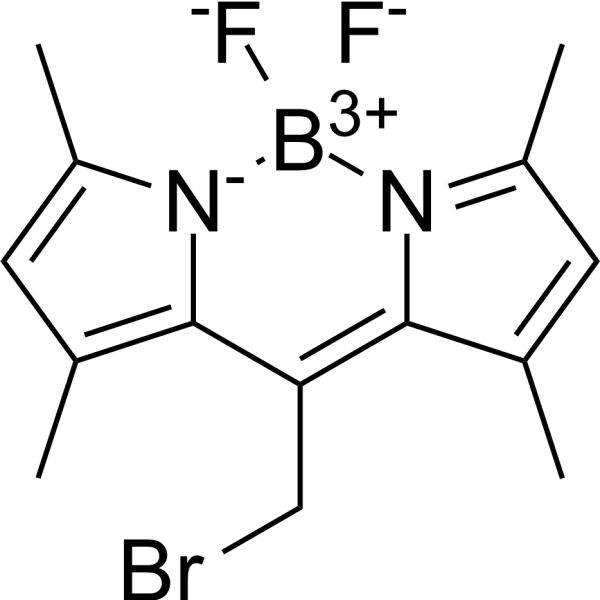
BODIPY493/503 methyl bromide is a BODIPY dye. BODIPY dye is a small molecule dye with strong ultraviolet absorption ability, its fluorescence peak is relatively sharp, and the quantum yield is high. They are relatively insensitive to the polarity and pH of the environment and are relatively stable under different physiological conditions. Due to its structural asymmetry, BODIPY derives a variety of structural products. BODIPY lipid droplet dyes can well pass through the cell membrane into the cell, and localize the neutral lipids in the cell to specifically stain the lipid droplets, which can be used for labeling of live cells and fixed cells . Maximum excitation/emission wavelength: 493/503 nm .
|
-
- HY-W086988
-
|
5-Methylbenzotriazole
|
Biochemical Assay Reagents
|
Others
|
|
5-Methyl-1H-benzotriazole (5-Methylbenzotriazole) is a benzotriazole derivative, and serves as a key building block for ultraviolet absorbers and light stabilizers. 5-Methyl-1H-benzotriazole reduces the photosensitizing ability of nitrate and dissolved organic matter (DOM), enhances the persistence of microorganic pollutants, inhibits the photodegradation of DOM and drug residues, and quenches the triplet excited states of DOM and methotrexate substructures. 5-Methyl-1H-benzotriazole acts as a corrosion inhibitor for copper and copper alloys, and is present in formulations of anti-icing fluids, dishwasher detergents, aircraft deicing fluids and automotive antifreezes .
|
-
- HY-DY1004
-
|
|
Fluorescent Dye
|
Others
|
BODIPY 493/503 (solution) is a BODIPY dye. BODIPY dye is a small molecule dye with strong ultraviolet absorption ability, its fluorescence peak is relatively sharp, and the quantum yield is high. They are relatively insensitive to the polarity and pH of the environment and are relatively stable under different physiological conditions. Due to its structural asymmetry, BODIPY derives a variety of structural products. BODIPY lipid droplet dyes can well pass through the cell membrane into the cell, and localize the neutral lipids in the cell to specifically stain the lipid droplets, which can be used for labeling of live cells and fixed cells . Maximum excitation/emission wavelength: 493/503 nm. Solvent and concentration: DMSO: 5 mM.
|
-
- HY-103300
-
|
|
Endogenous Metabolite
|
Infection
|
|
NPE-caged-proton is a reagent that releases protons under UV light and has the activity of activating the fusion protein GP64 under weak acidic conditions. NPE-caged-proton can promote the binding of enveloped viruses to liposome membranes with acidic phospholipids in an environment of pH 4.0 to 5.5, thereby initiating membrane fusion. The ultraviolet unblocking effect of NPE-caged-proton can lower the environmental pH, thereby triggering the process of viral membrane fusion. When studying the interaction between viruses and cell membranes, NPE-caged-proton provides a valuable tool for revealing the subtle behaviors of viruses in different chemical and biochemical environments .
|
-
- HY-DY1090
-
|
|
Fluorescent Dye
|
Others
|
BODIPY 493/503 methyl bromide (solution) is a BODIPY dye. BODIPY dye is a small molecule dye with strong ultraviolet absorption ability, its fluorescence peak is relatively sharp, and the quantum yield is high. They are relatively insensitive to the polarity and pH of the environment and are relatively stable under different physiological conditions. Due to its structural asymmetry, BODIPY derives a variety of structural products. BODIPY lipid droplet dyes can well pass through the cell membrane into the cell, and localize the neutral lipids in the cell to specifically stain the lipid droplets, which can be used for labeling of live cells and fixed cells . Maximum excitation/emission wavelength: 493/503 nm . Solvent and concentration: DMSO: 5 mM
|
-
- HY-DY1061
-
|
|
Fluorescent Dye
|
Others
|
BODIPY 558/568 C12 (solution) is a BODIPY dye. BODIPY dye is a small molecule dye with strong ultraviolet absorption ability, its fluorescence peak is relatively sharp, and the quantum yield is high. They are relatively insensitive to the polarity and pH of the environment and are relatively stable under different physiological conditions. Due to its structural asymmetry, BODIPY derives a variety of structural products. BODIPY lipid droplet dyes can well pass through the cell membrane into the cell, and localize the neutral lipids in the cell to specifically stain the lipid droplets, which can be used for labeling of live cells and fixed cells . Maximum excitation/emission wavelength: 558/568 nm . Solvent and concentration: DMSO: 2 mM
|
-
- HY-118159
-
|
DPPP
|
Fluorescent Dye
|
Others
|
|
Diphenyl-1-pyrenylphosphine (DPPP) is a functional organic molecule with both fluorescent properties and metal coordination ability, which is commonly used in materials and coordination chemistry research. Upon exposure to ultraviolet light, Diphenyl-1-pyrenylphosphine undergoes photoinduced phosphorus atom oxidation to form O-DPPP, triggering a transition from aggregation-induced emission (AIE) to aggregation-caused quenching (ACQ). Diphenyl-1-pyrenylphosphine reacts stoichiometrically with lipid hydroperoxides to produce fluorescent diphenyl-1-pyrenylphosphine oxide. Diphenyl-1-pyrenylphosphine can insert into cell membranes to monitor lipid peroxidation processes in living cells .
|
-
- HY-A0169
-
|
|
Reactive Oxygen Species (ROS)
Photosensitizer
|
Cancer
|
|
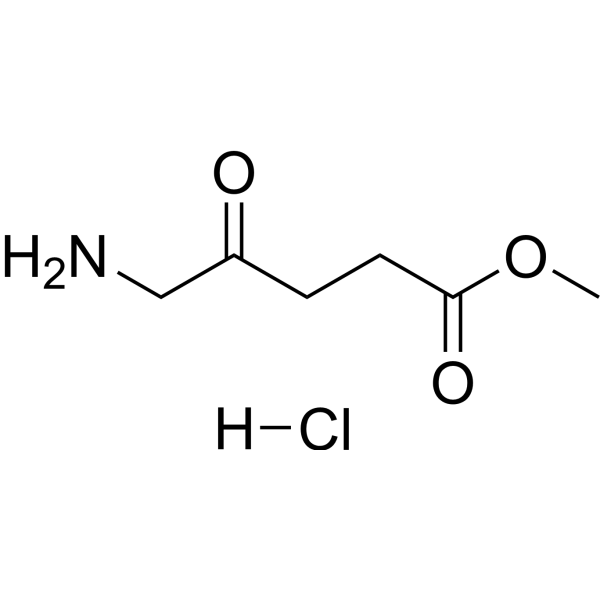
Methyl aminolevulinate is a sensitizer used in photodynamic therapy (PDT). Methyl aminolevulinate penetrates the skin and induces the production of photoactive porphyrins including protoporphyrin IX in cells; upon exposure to appropriate light, it generates ROS, which triggers cellular oxidation and cell death. Methyl aminolevulinate acts as a photo-damage reversing agent through epidermal reconstruction, cytokine-mediated activation of dermal fibroblasts, elastin breakdown, new collagen formation, and compression of dilated capillaries. Methyl aminolevulinate reduces the expression of the proliferation marker Ki-67 and the early skin carcinogenesis marker TP53. Methyl aminolevulinate delays the onset of ultraviolet-induced skin tumors and reduces tumor burden in hairless mice. Methyl aminolevulinate is applicable to research related to actinic keratosis and basal cell carcinoma .
|
-
- HY-A0169A
-
|
|
Reactive Oxygen Species (ROS)
Photosensitizer
|
Cancer
|
|
Methyl aminolevulinate hydrochloride is a sensitizer used in photodynamic therapy (PDT). Methyl aminolevulinate hydrochloride penetrates the skin and induces the production of photoactive porphyrins including protoporphyrin IX in cells; upon exposure to appropriate light, it generates ROS, which triggers cellular oxidation and cell death. Methyl aminolevulinate hydrochloride acts as a photo-damage reversing agent through epidermal reconstruction, cytokine-mediated activation of dermal fibroblasts, elastin breakdown, new collagen formation, and compression of dilated capillaries. Methyl aminolevulinate hydrochloride reduces the expression of the proliferation marker Ki-67 and the early skin carcinogenesis marker TP53. Methyl aminolevulinate hydrochloride delays the onset of ultraviolet-induced skin tumors and reduces tumor burden in hairless mice. Methyl aminolevulinate hydrochloride is applicable to research related to actinic keratosis and basal cell carcinoma .
|
-
- HY-D1617
-
|
|
Fluorescent Dye
|
Others
|
|
BODIPY 500/510 C1, C12 is a BODIPY dye. BODIPY dye is a small molecule dye with strong ultraviolet absorption ability, its fluorescence peak is relatively sharp, and the quantum yield is high. They are relatively insensitive to the polarity and pH of the environment and are relatively stable under different physiological conditions. Due to its structural asymmetry, BODIPY derives a variety of structural products. BODIPY lipid droplet dyes can well pass through the cell membrane into the cell, and localize the neutral lipids in the cell to specifically stain the lipid droplets, which can be used for labeling of live cells and fixed cells . Maximum excitation/emission wavelength: 500/510 nm . Protect from light, stored at -20°C.
|
-
- HY-180985
-
|
|
PROTACs
Bcr-Abl
|
Cancer
|
|
Azo-PROTAC-4C-cis is a BCR-ABL PROTAC degrader, and its degradation efficiency of BCR-ABL is much lower than that of its trans isomer Azo-PROTAC-4C-trans (HY-180983). Azo-PROTAC-4C-cis is the product of the conformational transformation of Azo-PROTAC-4C-trans under ultraviolet (UV) light irradiation. Azo-PROTAC-4C-cis can be converted into highly active Azo-PROTAC-4C-trans under visible light, thereby initiating protein degradation. Azo-PROTAC-4C-cis can be used for the study of myeloid leukemia .
|
-
- HY-112356
-
|
|
Apoptosis
Reactive Oxygen Species (ROS)
Polo-like Kinase (PLK)
|
Inflammation/Immunology
Cancer
|
|
Scytonemin is a hydrophobic alkaloid pigment that can be isolated from the outer sheath of cyanobacteria. Scytonemin has protective function against short-wave solar ultraviolet (UV) radiation, which can reduce the generation of reactive oxygen species (ROS) and the formation of DNA damage. Scytonemin also has anti-inflammatory and anti-proliferative activities, produces concentration-dependent inhibition (IC50=2.0 μM) of polo-like kinase 1 (PLK1)-mediated cdc25C phosphorylation, and plays an important role in regulating the G2/M transition in the cell cycle. It can be used in the research of cancer, acute inflammation and sunscreen cosmetics .
|
-
- HY-B1234S
-
|
|
Cytochrome P450
Thyroid Hormone Receptor
Androgen Receptor
Estrogen Receptor/ERR
Isotope-Labeled Compounds
|
Metabolic Disease
Endocrinology
|
|
Octinoxate-13C,d3 is the deuterium labeled Octinoxate (HY-W245806). Octinoxate (Octyl methoxycinnamate) is a thyroid hormone receptor agonist, reducing the levels of triiodothyronine (T3) and thyroxine (T4) and transcription levels of genes related to type II deiodinase (deio2) in Japanese Medaka. Octinoxate is commonly used as a safe ultraviolet (UV) filter used in the aquatic environment. Octinoxate inhibits CYP1A1 and CYP1B1 to regulate hyaluronan (HA) (HY-B0633A) metabolism in a PI3K pathway-dependent manner in human keratinocytes. Octinoxate also exhibits an anti-estrogenic and anti-androgenic effect in vitro and in vivo .
|
-
- HY-W778179
-
|
LRCL 3794-13C,d3
|
Isotope-Labeled Compounds
COX
Cytochrome P450
Lipoxygenase
PGE synthase
|
Inflammation/Immunology
|
|
Benoxaprofen- 13C, d3 is the 13C-labeled Benoxaprofen (HY-13568). Benoxaprofen (LRCL 3794) is a nonsteroidal anti-inflammatory agent that blocks the biosynthesis of inflammatory mediators such as leukotrienes and prostaglandins by inhibiting 5-LOX, PGH2 synthase and cytochrome P-450. Benoxaprofen exhibits significant toxicity: it not only alters cellular redox status, uncouples oxidative phosphorylation and disrupts calcium ion homeostasis, but also causes liver injury through the formation of covalent adducts between its active metabolites and hepatic proteins. Benoxaprofen shows strong phototoxicity under ultraviolet irradiation, and induces erythrocyte lysis, mast cell degranulation and histamine release. Benoxaprofen is widely used in studies of urticaria and related phototoxic mechanisms .
|
-
- HY-133240
-
|
|
DNA Alkylator/Crosslinker
Calcium Channel
Potassium Channel
Sodium Channel
|
Infection
|
|
trans-AzoTAB is a photoresponsive potassium/sodium/calcium channel modulator and DNA-binding agent. trans-AzoTAB undergoes trans-cis isomerization driven by light, with variable polarity and DNA affinity. trans-AzoTAB also enhances voltage-gated potassium currents and inhibits sodium and calcium currents in cardiomyocytes, thereby reducing spontaneous electrical activity and excitation conduction velocity. In addition, trans-AzoTAB induces compaction and frozen conformation of λ-phage DNA, and non-sequence-dependently inhibits transcription and translation processes in the dark; its activity can be reversed and restored by visible light after activation with ultraviolet irradiation. trans-AzoTAB can serve as a probe for two-photon optical regulation of myocardial excitability, and is used to construct photoresponsive interfacial polymer structures .
|
-
- HY-13568R
-
|
LRCL 3794 (Standard)
|
Reference Standards
COX
Cytochrome P450
Lipoxygenase
PGE synthase
|
Inflammation/Immunology
|
|
Benoxaprofen (Standard) is the analytical standard of Benoxaprofen. This product is intended for research and analytical applications. Benoxaprofen (LRCL 3794) is a nonsteroidal anti-inflammatory agent that blocks the biosynthesis of inflammatory mediators such as leukotrienes and prostaglandins by inhibiting 5-LOX, PGH2 synthase and cytochrome P-450. Benoxaprofen exhibits significant toxicity: it not only alters cellular redox status, uncouples oxidative phosphorylation and disrupts calcium ion homeostasis, but also causes liver injury through the formation of covalent adducts between its active metabolites and hepatic proteins. Benoxaprofen shows strong phototoxicity under ultraviolet irradiation, and induces erythrocyte lysis, mast cell degranulation and histamine release. Benoxaprofen is widely used in studies of urticaria and related phototoxic mechanisms .
|
-
- HY-W713284
-
|
|
Isotope-Labeled Compounds
Cytochrome P450
Estrogen Receptor/ERR
Androgen Receptor
Thyroid Hormone Receptor
|
Endocrinology
|
|
2-Ethylhexyl (E)-3-(4-(methoxy-d3)phenyl)acrylate is the deuterium labeled Octinoxate (HY-B1234). Octinoxate (Octyl methoxycinnamate) is a thyroid hormone receptor agonist, reducing the levels of triiodothyronine (T3) and thyroxine (T4) and transcription levels of genes related to type II deiodinase (deio2) in Japanese Medaka. Octinoxate is commonly used as a safe ultraviolet (UV) filter used in the aquatic environment. Octinoxate inhibits CYP1A1 and CYP1B1 to regulate hyaluronan (HA) (HY-B0633A) metabolism in a PI3K pathway-dependent manner in human keratinocytes. Octinoxate also exhibits an anti-estrogenic and anti-androgenic effect in vitro and in vivo .
|
-
- HY-W111581
-
|
Diethyldithiocarbamic acid copper salt
|
Apoptosis
Caspase
|
Cancer
|
|
Copper(II) diethyldithiocarbamate (Diethyldithiocarbamic acid copper salt) is a Copper(II) and diethyldithiocarbamate coordination polymer. Copper(II) diethyldithiocarbamate binds tightly to NPL4 and induces its aggregation, disrupting the p97-NPL4-UFD1 pathway. Copper(II) diethyldithiocarbamate causes ubiquitinated proteins accumulation and impairs waste proteins degradation, thus resulting in cell apoptosis. Copper(II) diethyldithiocarbamate inhibits tumor growth in MDA-MB-231 xenograft mice models. Copper(II) diethyldithiocarbamate can be used for the research of cancer, such as breast cancer .
|
-
- HY-A0169AR
-
|
|
Reactive Oxygen Species (ROS)
Reference Standards
Photosensitizer
|
Inflammation/Immunology
Cancer
|
|
Methyl aminolevulinate hydrochloride (Standard) is the analytical standard of Methyl aminolevulinate hydrochloride. This product is intended for research and analytical applications. Methyl aminolevulinate hydrochloride is a sensitizer used in photodynamic therapy (PDT). Methyl aminolevulinate hydrochloride penetrates the skin and induces the production of photoactive porphyrins including protoporphyrin IX in cells; upon exposure to appropriate light, it generates ROS, which triggers cellular oxidation and cell death. Methyl aminolevulinate hydrochloride acts as a photo-damage reversing agent through epidermal reconstruction, cytokine-mediated activation of dermal fibroblasts, elastin breakdown, new collagen formation, and compression of dilated capillaries. Methyl aminolevulinate hydrochloride reduces the expression of the proliferation marker Ki-67 and the early skin carcinogenesis marker TP53. Methyl aminolevulinate hydrochloride delays the onset of ultraviolet-induced skin tumors and reduces tumor burden in hairless mice. Methyl aminolevulinate hydrochloride is applicable to research related to actinic keratosis and basal cell carcinoma .
|
-
- HY-140339
-
|
|
Biochemical Assay Reagents
|
Others
Cancer
|
|
ANB-NOS is a heterobifunctional crosslinker with lipophilic, uncharged properties suitable for intracellular conjugation. ANB-NOS contains an amine-reactive Nhydroxysuccinimide (NHS) ester and a photoactivatable nitrophenyl azide. ANB-NOS can be used for the research of fibrosarcoma and mammary adenocarcinoma .
|
-
- HY-158231
-
|
F127DA
|
Integrin
FAK
|
Inflammation/Immunology
|
|
Polyether F127 Diacrylate (F127DA) is an acrylated polyethylene glycol-polypropylene glycol-polyethylene glycol triblock copolymer. Polyether F127 Diacrylate rapidly crosslinks and cures into a gel under ultraviolet or visible light with the action of a photoinitiator. Polyether F127 Diacrylate exhibits excellent thermogelation properties and favorable biosafety. Polyether F127 Diacrylate can upregulate the Integrin-FAK pathway, enhance collagen production, increase the protein and gene expression levels of COL-1/SCX, and promote fibroblastic differentiation of periodontal ligament stem cells. Polyether F127 Diacrylate promotes periodontal ligament regeneration and reduces abnormal healing in a rat model of delayed replanted teeth . Polyether F127 Diacrylate promotes functional osteochondral regeneration in a rat model of osteoarthritis. Polyether F127 Diacrylate supports adipose tissue survival, rendering it suitable for breast reconstruction applications. Polyether F127 Diacrylate can be used in studies related to periodontal ligament injury, breast defect and osteoarthritis .
|
-
- HY-W075770
-
|
Nickel monoxide
|
Environmental Pollutants
Apoptosis
Reactive Oxygen Species (ROS)
Caspase
TGF-beta/Smad
p38 MAPK
Akt
PI3K
|
Infection
Metabolic Disease
Cancer
|
|
Nickel(II) oxide (nickel monoxide) is a chemical warfare agent that can enter the body through the respiratory tract and other routes, distributing to organs such as the lungs and testes. The nanoparticle form of nickel(II) oxide (NiO NPs) exhibits antibacterial, anti-leishmanial, anti-diabetic, and anti-cancer activities. NiO NPs can be activated by ultraviolet and visible light, generating reactive oxygen species (ROS). Nickel(II) oxide induces oxidative stress by generating reactive oxygen species, activating the TGF-β1-mediated MAPK and PI3K/AKT pathways, disrupting the MMPs/TIMPs balance, and upregulating the expression of inflammatory factors (IL-1β, IL-6) and apoptosis-related molecules (Bax, caspase-3, p53), while inhibiting the activity of the anti-apoptotic molecule Bcl-2. Nickel(II) oxide induces cytotoxicity, promotes fibrosis, triggers inflammatory responses, and causes apoptosis. Nickel(II) oxide can be applied in research on the safety assessment of nanomaterials, such as in the context of pulmonary fibrosis and reproductive system toxicity .
|
-
- HY-141439
-
|
|
Keap1-Nrf2
Quinone Reductase
Glutathione S-transferase
Apoptosis
TNF Receptor
|
Inflammation/Immunology
Cancer
|
|
TBE 31 is an orally active Keap1/Nrf2 pathway activator and NQO1 inducer with a Dm value of 1.1 nM for NQO1. TBE 31 binds to cysteine residues of Keap1, inhibits ubiquitination and degradation of Nrf2, thereby activating the expression of ARE-dependent genes. TBE 31 induces cytoprotective enzymes including NQO1 and GST isoforms, promotes Nrf2 accumulation, and upregulates Nrf2-regulated genes related to antioxidation and lipid metabolism. TBE 31 inhibits pro-inflammatory responses, formation of AFB1-DNA adducts, endoplasmic reticulum stress, cell apoptosis (apoptosis), hepatic fibrosis, oxidative stress, and the expression of ChREBP. TBE 31 reduces the number of tumors in a mouse model of ultraviolet-induced skin carcinogenesis. TBE 31 enhances nerve growth factor-induced neurite outgrowth. TBE 31 attenuates LPS-induced serum TNF-α levels and immobility time in mice. TBE 31 can be used in research related to liver cancer, skin cancer, inflammation-related depression, and non-alcoholic steatohepatitis .
|
-
| Cat. No. |
Product Name |
Type |
-
- HY-W090090
-
BODIPY 493/503
Maximum Cited Publications
104 Publications Verification
Pyrromethene 546
|
Fluorescent Dye
|
|
BODIPY493/503 is a BODIPY dye. BODIPY dye is a small molecule dye with strong ultraviolet absorption ability, its fluorescence peak is relatively sharp, and the quantum yield is high. They are relatively insensitive to the polarity and pH of the environment and are relatively stable under different physiological conditions. Due to its structural asymmetry, BODIPY derives a variety of structural products. BODIPY lipid droplet dyes can well pass through the cell membrane into the cell, and localize the neutral lipids in the cell to specifically stain the lipid droplets, which can be used for labeling of live cells and fixed cells . Maximum excitation/emission wavelength: 493/503 nm .
|
-
- HY-D1237
-
|
|
Fluorescent Dye
|
|
BODIPY505/515 is a BODIPY dye. BODIPY dye is a small molecule dye with strong ultraviolet absorption ability, its fluorescence peak is relatively sharp, and the quantum yield is high. They are relatively insensitive to the polarity and pH of the environment and are relatively stable under different physiological conditions. Due to its structural asymmetry, BODIPY derives a variety of structural products. BODIPY lipid droplet dyes can well pass through the cell membrane into the cell, and localize the neutral lipids in the cell to specifically stain the lipid droplets, which can be used for labeling of live cells and fixed cells . Maximum excitation/emission wavelength: 505/515 nm .
|
-
- HY-D1106
-
|
|
Fluorescent Dye
|
|
BODIPY dye is a small molecule dye with strong ultraviolet absorption ability, its fluorescence peak is relatively sharp, and the quantum yield is high. They are relatively insensitive to the polarity and pH of the environment and are relatively stable under different physiological conditions . Due to its structural asymmetry, BODIPY derives a variety of structural products. BODIPY lipid droplet dyes can well pass through the cell membrane into the cell, and localize the neutral lipids in the cell to specifically stain the lipid droplets, which can be used for labeling of live cells and fixed cells .
|
-
- HY-138226
-
|
|
Fluorescent Dye
|
|
BODIPY 558/568 C12 is a BODIPY dye. BODIPY dye is a small molecule dye with strong ultraviolet absorption ability, its fluorescence peak is relatively sharp, and the quantum yield is high. They are relatively insensitive to the polarity and pH of the environment and are relatively stable under different physiological conditions. Due to its structural asymmetry, BODIPY derives a variety of structural products. BODIPY lipid droplet dyes can well pass through the cell membrane into the cell, and localize the neutral lipids in the cell to specifically stain the lipid droplets, which can be used for labeling of live cells and fixed cells . Maximum excitation/emission wavelength: 558/568 nm .
|
-
- HY-DY1004
-
|
|
Fluorescent Dye
|
BODIPY 493/503 (solution) is a BODIPY dye. BODIPY dye is a small molecule dye with strong ultraviolet absorption ability, its fluorescence peak is relatively sharp, and the quantum yield is high. They are relatively insensitive to the polarity and pH of the environment and are relatively stable under different physiological conditions. Due to its structural asymmetry, BODIPY derives a variety of structural products. BODIPY lipid droplet dyes can well pass through the cell membrane into the cell, and localize the neutral lipids in the cell to specifically stain the lipid droplets, which can be used for labeling of live cells and fixed cells . Maximum excitation/emission wavelength: 493/503 nm. Solvent and concentration: DMSO: 5 mM.
|
-
- HY-D1570
-
|
|
Fluorescent Dye
|
|
BODIPYFL C12 is a BODIPY dye. BODIPY dye is a small molecule dye with strong ultraviolet absorption ability, its fluorescence peak is relatively sharp, and the quantum yield is high. They are relatively insensitive to the polarity and pH of the environment and are relatively stable under different physiological conditions. Due to its structural asymmetry, BODIPY derives a variety of structural products. BODIPY lipid droplet dyes can well pass through the cell membrane into the cell, and localize the neutral lipids in the cell to specifically stain the lipid droplets, which can be used for labeling of live cells and fixed cells . Maximum excitation/emission wavelength: 480/508 nm .
|
-
- HY-118159
-
|
DPPP
|
Fluorescent Dye
|
|
Diphenyl-1-pyrenylphosphine (DPPP) is a functional organic molecule with both fluorescent properties and metal coordination ability, which is commonly used in materials and coordination chemistry research. Upon exposure to ultraviolet light, Diphenyl-1-pyrenylphosphine undergoes photoinduced phosphorus atom oxidation to form O-DPPP, triggering a transition from aggregation-induced emission (AIE) to aggregation-caused quenching (ACQ). Diphenyl-1-pyrenylphosphine reacts stoichiometrically with lipid hydroperoxides to produce fluorescent diphenyl-1-pyrenylphosphine oxide. Diphenyl-1-pyrenylphosphine can insert into cell membranes to monitor lipid peroxidation processes in living cells .
|
-
- HY-D1617
-
|
|
Fluorescent Dye
|
|
BODIPY 500/510 C1, C12 is a BODIPY dye. BODIPY dye is a small molecule dye with strong ultraviolet absorption ability, its fluorescence peak is relatively sharp, and the quantum yield is high. They are relatively insensitive to the polarity and pH of the environment and are relatively stable under different physiological conditions. Due to its structural asymmetry, BODIPY derives a variety of structural products. BODIPY lipid droplet dyes can well pass through the cell membrane into the cell, and localize the neutral lipids in the cell to specifically stain the lipid droplets, which can be used for labeling of live cells and fixed cells . Maximum excitation/emission wavelength: 500/510 nm . Protect from light, stored at -20°C.
|
-
- HY-D0026
-
|
7-Amino-4-methyl-3-coumarinacetic acid N-succinimidyl ester
|
Fluorescent Dye
|
|
AMCA,SE (7-Amino-4-methyl-3-coumarinacetic acid N-succinimidyl ester) is a bright blue fluorescent dye. AMCA,SE reacts with amino groups and is excited by ultraviolet light. AMCA,SE can be used for amine reactive labeling (Ex/Em = 354/440 nm) .
|
-
- HY-109116
-
|
Leukomethylene blue
|
Fluorescent Dye
|
|
Hydromethylthionine (Leukomethylene blue) has a very active photochemically active reagent, especially in its interaction with dissolved oxygen. The photochemical activity of Hydromethylthionine is mainly regulated by the reaction of its triplet state with dissolved oxygen, which reacts with dissolved oxygen to form Methylene Blue (HY-14536) and hydronium ions under ultraviolet light. Hydromethylthionine can be used for the photodegradation of model pollutants in semiconductor photocatalysis and for the study of indicators in chemical analysis .
|
-
- HY-DY1061
-
|
|
Fluorescent Dye
|
BODIPY 558/568 C12 (solution) is a BODIPY dye. BODIPY dye is a small molecule dye with strong ultraviolet absorption ability, its fluorescence peak is relatively sharp, and the quantum yield is high. They are relatively insensitive to the polarity and pH of the environment and are relatively stable under different physiological conditions. Due to its structural asymmetry, BODIPY derives a variety of structural products. BODIPY lipid droplet dyes can well pass through the cell membrane into the cell, and localize the neutral lipids in the cell to specifically stain the lipid droplets, which can be used for labeling of live cells and fixed cells . Maximum excitation/emission wavelength: 558/568 nm . Solvent and concentration: DMSO: 2 mM
|
-
- HY-D3448
-
|
|
Fluorescent Dye
|
|
8-Anthracene-BODIPY 505/515-di iodine (BDP-1) is an iodine-substituted BODIPY derivative and monomer for synthesis of conjugated porous polymer CPP-1. BODIPY dye is a small molecule dye with strong ultraviolet absorption ability, its fluorescence peak is relatively sharp, and the quantum yield is high (Ex/Em = 505/515 nm) .
|
-
- HY-DY1090
-
|
|
Fluorescent Dye
|
BODIPY 493/503 methyl bromide (solution) is a BODIPY dye. BODIPY dye is a small molecule dye with strong ultraviolet absorption ability, its fluorescence peak is relatively sharp, and the quantum yield is high. They are relatively insensitive to the polarity and pH of the environment and are relatively stable under different physiological conditions. Due to its structural asymmetry, BODIPY derives a variety of structural products. BODIPY lipid droplet dyes can well pass through the cell membrane into the cell, and localize the neutral lipids in the cell to specifically stain the lipid droplets, which can be used for labeling of live cells and fixed cells . Maximum excitation/emission wavelength: 493/503 nm . Solvent and concentration: DMSO: 5 mM
|
| Cat. No. |
Product Name |
Type |
-
- HY-137822
-
|
4-Nitrophenyl a-D-mannopyranoside
|
Biochemical Assay Reagents
|
|
p-Nitrophenyl α-D-mannopyranoside (4-Nitrophenyl α-D-mannopyranoside) is a chromogenic glycosidic ligand. p-Nitrophenyl α-D-mannopyranoside features a sugar moiety (α-D-mannopyranose) with the mannose-characteristic axial hydroxyl group at the C2 position and a ligand portion (p-nitrophenol) that provides ultraviolet-visible light absorption properties. p-Nitrophenyl α-D-mannopyranoside can be used to determine glycosidase activity and characterize the sugar recognition properties of lectins (such as Concanavalin A (HY-P2149)) .
|
-
- HY-158231
-
|
F127DA
|
Biochemical Assay Reagents
|
|
Polyether F127 Diacrylate (F127DA) is an acrylated polyethylene glycol-polypropylene glycol-polyethylene glycol triblock copolymer. Polyether F127 Diacrylate rapidly crosslinks and cures into a gel under ultraviolet or visible light with the action of a photoinitiator. Polyether F127 Diacrylate exhibits excellent thermogelation properties and favorable biosafety. Polyether F127 Diacrylate can upregulate the Integrin-FAK pathway, enhance collagen production, increase the protein and gene expression levels of COL-1/SCX, and promote fibroblastic differentiation of periodontal ligament stem cells. Polyether F127 Diacrylate promotes periodontal ligament regeneration and reduces abnormal healing in a rat model of delayed replanted teeth . Polyether F127 Diacrylate promotes functional osteochondral regeneration in a rat model of osteoarthritis. Polyether F127 Diacrylate supports adipose tissue survival, rendering it suitable for breast reconstruction applications. Polyether F127 Diacrylate can be used in studies related to periodontal ligament injury, breast defect and osteoarthritis .
|
-
- HY-W014226
-
|
|
Biochemical Assay Reagents
|
|
4,4'-Dihydroxybenzophenone is a type of phenolic ultraviolet absorber and a drug intermediate for synthesis of various anticancer active compounds (such as Sivifene (HY-14801)). 4,4'-Dihydroxybenzophenone binds to the active site of trypsin with binding constants (KA = 7.59 x 10 5 L/moL) and leads to abnormal structure of trypsin, suggesting that long-term intake may affect the digestive function of the human body. 4,4’-dihydroxybenzophenone has a relatively low toxicity to Chlorella vulgaris and a moderate toxicity to Daphnia magna .
|
-
- HY-172354
-
|
|
Biochemical Assay Reagents
|
|
Acrylate-PEG2000-NHS is a photosensitive PEG compound that can be cross-linked when exposed to ultraviolet light and is used to synthesize PEG hydrogels .
|
-
- HY-W015205
-
|
|
Biochemical Assay Reagents
|
|
5-Bromocytosine is a Cytosine (HY-I0626) derivative. 5-Bromocytosine can be incorporated into cellular DNA and promote DNA chain breakage and cross-linking under ultraviolet irradiation .
|
-
- HY-W012911
-
|
|
Biochemical Assay Reagents
|
|
2,6-Difluoropyridine is a fluorinated pyridine derivative. 2,6-Difluoropyridine adopts a planar conformation in its S0 electronic ground state and S1(π,π) excited state .
|
-
- HY-172354A
-
|
|
Biochemical Assay Reagents
|
|
Acrylate-PEG3500-NHS is a photosensitive PEG compound that can be cross-linked when exposed to ultraviolet light and is used to synthesize PEG hydrogels .
|
-
- HY-172354B
-
|
|
Biochemical Assay Reagents
|
|
Acrylate-PEG5000-NHS is a photosensitive PEG compound that can be cross-linked when exposed to ultraviolet light and is used to synthesize PEG hydrogels .
|
| Cat. No. |
Product Name |
Target |
Research Area |
-
- HY-P10533
-
|
|
Tyrosinase
|
Others
|
|
Cysteine peptide is a tyrosinase inhibitor with skin-whitening, antioxidant and multi-regulatory activities. Cysteine peptide inhibits enzyme activity and blocks melanin transport, effectively reducing UV-B-induced skin erythema and pigmentation. Cysteine peptide synergistically maintains skin health by quenching ROS, resisting oxidative stress and promoting pheomelanin production. Cysteine peptide safely prevents daily ultraviolet damage and supports moderate sun exposure for vitamin D synthesis. Cysteine peptide also acts as a plant signaling factor to regulate vegetative growth, development and stress resistance responses .
|
-
- HY-P4406
-
|
|
Fluorescent Dye
|
Others
|
|
Abz-AGLA-Nba is a fluorogenic substrate for the determination of protease activity. Abz-AGLA-Nba is hydrolyzed to release aminoacyl benzimide (Abz-AGLA) and 2-naphthylaminoacyl (Nba). The product Abz-AGLA produced by this hydrolysis reaction is fluorescent under ultraviolet light and can emit a fluorescent signal .
|
-
- HY-P10143
-
|
Ac-Pro-Leu-Gly-[(S)-2-mercapto-4-methyl-pentanoyl]-Leu-Gly-OEt
|
MMP
|
Others
|
|
MMP-2/MMP-9 Substrate (Ac-Pro-Leu-Gly-[(S)-2-mercapto-4-methyl-pentanoyl]-Leu-Gly-OEt) is a synthetic chromogenic polypeptide substrate whose core structure mimics the cleavage sites of MMP-2 and MMP-9 (gelatinase A and B) in collagen. After being hydrolyzed by collagenase, MMP-2/MMP-9 Substrate reacts with 4,4'-dithiodipyridine or Ellman's Reagent via its thiol fragment to produce a product with ultraviolet absorption properties .
|
-
- HY-P4406A
-
|
|
Fluorescent Dye
|
Others
|
|
Abz-AGLA-Nba TFA is a fluorogenic substrate for the determination of protease activity. Abz-AGLA-Nba TFA is hydrolyzed to release aminoacyl benzimide (Abz-AGLA) and 2-naphthylaminoacyl (Nba). The product Abz-AGLA produced by this hydrolysis reaction is fluorescent under ultraviolet light and can emit a fluorescent signal .
|
-
- HY-P4465
-
|
|
Fluorescent Dye
|
Others
|
|
Gly-Arg-pNA is a fluorogenic substrate for the measurement of protease activity. Gly-Arg-pNA undergoes hydrolysis and releases the fluorescent product p-nitroaniline. p-nitroaniline is in a fluorescent state under ultraviolet light irradiation and can emit a fluorescent signal .
|
-
- HY-P4400
-
|
|
Fluorescent Dye
|
Others
|
|
Z-VDVAD-AFC is a fluorogenic substrate. Z-VDVAD-AFC is used to measure the activity of cysteine protease 3 (Caspase-3). Z-VDVAD-AFC undergoes hydrolysis to release 7-amino-4-trifluoromethylcoumarin (AFC). AFC is fluorescent under ultraviolet light and can emit fluorescent signals .
|
-
- HY-P4404
-
|
|
Cathepsin
|
Others
|
|
Abz-GIVRAK(Dnp) is the most efficient substrate for cathepsin B and is highly selective for this enzyme among lysosomal cysteine proteases. After Abz-GIVRAK(Dnp) is hydrolyzed, aminoacylbenziminosulfosuccinic acid (Abz-SAS) is released, and dinitrobenzoyl (Dnp) is also released. The product of this hydrolysis reaction, Abz-SAS, is fluorescent under ultraviolet light and can emit a fluorescent signal .
|
-
- HY-P11638
-
|
|
Mitochondrial Metabolism
|
Neurological Disease
Inflammation/Immunology
|
|
Mitochondrial-targeted peptide BP29 is a mitochondria-targeted iron chelator linked to a mitochondria-homing SS-peptide. Mitochondrial-targeted peptide BP29 protects human primary skin fibroblasts against ultraviolet A-induced oxidative damage to mitochondrial membranes, ATP depletion, and necrotic cell death. Mitochondrial-targeted peptide BP29 prevents hydrogen peroxide-induced oxidative stress and cytotoxicity in both healthy and Friedreich's ataxia skin fibroblasts. Mitochondrial-targeted peptide BP29 can be used for the research of Friedreich's ataxia .
|
-
- HY-P11638A
-
|
|
Mitochondrial Metabolism
|
Neurological Disease
Inflammation/Immunology
|
|
Mitochondrial-targeted peptide BP29 acetate is a mitochondria-targeted iron chelator linked to a mitochondria-homing SS-peptide. Mitochondrial-targeted peptide BP29 acetate protects human primary skin fibroblasts against ultraviolet A-induced oxidative damage to mitochondrial membranes, ATP depletion, and necrotic cell death. Mitochondrial-targeted peptide BP29 acetate prevents hydrogen peroxide-induced oxidative stress and cytotoxicity in both healthy and Friedreich's ataxia skin fibroblasts. Mitochondrial-targeted peptide BP29 acetate can be used for the research of Friedreich's ataxia .
|
| Cat. No. |
Product Name |
Category |
Target |
Chemical Structure |
-
- HY-113485
-
-
-
- HY-N0428
-
-
-
- HY-106950
-
-
-
- HY-Y0546
-
|
|
Structural Classification
Microorganisms
Classification of Application Fields
Ketones, Aldehydes, Acids
Metabolic Disease
Endogenous metabolite
Disease Research Fields
Source Classification
|
Environmental Pollutants
Endogenous Metabolite
Photosensitizer
|
|
Benzophenone is an endogenous metabolite. Benzophenone is a photosensitizer, that absorbs UV light, transfers its energy to DNA, and triggers DNA damage. Benzophenone can be used as the fragrance enhancer, ultraviolet curing agent, additive in plastics, or the flavor ingredient. Benzophenone can also be used in the manufacturing of insecticides, agricultural chemicals, hypnotics, antihistamines, and other pharmaceuticals. Benzophenone exhibits certain carcinogenicity in mouse/rat models under long term exposure. Benzophenone exhibits estrogenic activity .
|
-
-
- HY-B1234
-
-
-
- HY-N2460
-
-
-
- HY-113008
-
-
-
- HY-112356
-
-
-
- HY-N1750
-
-
-
- HY-N7681
-
-
-
- HY-N3985
-
-
-
- HY-N4096
-
-
-
- HY-N10228
-
-
-
- HY-N3925
-
-
-
- HY-127170R
-
-
-
- HY-N7171
-
|
4,4'-DiOMEA; Nasutin C
|
Animals
Phenols
Polyphenols
Source Classification
|
Wnt
|
|
4,4'-Di-O-methylellagic acid (4,4'-DiOMEA; Nasutin C) can be isolated from the Australian termites. 4,4'-Di-O-methylellagic acid is blue-fluorescent under ultra-violet light . 4,4'-Di-O-methylellagic acid inhibits colon cancer cell proliferation via the wnt signal pathway .
|
-
-
- HY-N16571
-
|
|
Structural Classification
Flavonols
Flavonoids
Amaranthaceae
Plants
Source Classification
|
Fluorescent Dye
Endogenous Metabolite
|
|
Marionol is a type of flavonol compound and belongs to the secondary metabolites of plants. Marionol exhibits significant specificity towards Cu²⁺ and possesses the characteristic of intramolecular proton transfer in excited state (ESIPT), enabling it to generate strong fluorescence upon excitation by ultraviolet light. The maximum excitation/emission wavelengths are 350 nm and 510 nm (depending on the solvent), respectively. Marionol can be used as a fluorescence probe for Cu²⁺ .
|
-
-
- HY-W017428
-
-
-
- HY-113008R
-
-
-
- HY-N0428R
-
-
-
- HY-N9550
-
-
-
- HY-Y0546R
-
|
|
Structural Classification
Microorganisms
Ketones, Aldehydes, Acids
Endogenous metabolite
Source Classification
|
Reference Standards
Endogenous Metabolite
Photosensitizer
|
|
Benzophenone (Standard) is the analytical standard of Benzophenone. This product is intended for research and analytical applications. Benzophenone standard is a photosensitizer, that absorbs UV light, transfers its energy to DNA, and triggers DNA damage. Benzophenone standard can be used as the fragrance enhancer, ultraviolet curing agent, additive in plastics, or the flavor ingredient. Benzophenone standard can also be used in the manufacturing of insecticides, agricultural chemicals, hypnotics, antihistamines, and other pharmaceuticals. Benzophenone standard exhibits certain carcinogenicity in mouse/rat models under long term exposure. Benzophenone standard exhibits estrogenic activity .
|
-
-
- HY-N11732
-
-
| Cat. No. |
Product Name |
Chemical Structure |
-
- HY-Y0546S
-
|
|
|
Benzophenone-d10 is the deuterium labeled Benzophenone (HY-Y0546). Benzophenone is an endogenous metabolite. Benzophenone is a photosensitizer, that absorbs UV light, transfers its energy to DNA, and triggers DNA damage. Benzophenone can be used as the fragrance enhancer, ultraviolet curing agent, additive in plastics, or the flavor ingredient. Benzophenone can also be used in the manufacturing of insecticides, agricultural chemicals, hypnotics, antihistamines, and other pharmaceuticals. Benzophenone exhibits certain carcinogenicity in mouse/rat models under long term exposure. Benzophenone exhibits estrogenic activity .
|
-
-
- HY-113008S1
-
|
|
|
Urocanic acid- 13C3 is the 13C labeled Urocanic acid . Urocanic acid, produced in the upper layers of mammalian skin, is a major absorber of ultraviolet radiation (UVR) .
|
-
-
- HY-Y0546S2
-
|
|
|
Benzophenone- 13C is the 13C labeled Benzophenone (HY-Y0546). Benzophenone is an endogenous metabolite. Benzophenone is a photosensitizer, that absorbs UV light, transfers its energy to DNA, and triggers DNA damage. Benzophenone can be used as the fragrance enhancer, ultraviolet curing agent, additive in plastics, or the flavor ingredient. Benzophenone can also be used in the manufacturing of insecticides, agricultural chemicals, hypnotics, antihistamines, and other pharmaceuticals. Benzophenone exhibits certain carcinogenicity in mouse/rat models under long term exposure. Benzophenone exhibits estrogenic activity .
|
-
-
- HY-W014223S
-
|
|
|
2,4-Dihydroxybenzophenone- 13C6 (Ultraviolet absorber UV-0- 13C6) is the 13C- and deuterium labeled (2,4-Dihydroxyphenyl)(phenyl)methanone .
|
-
-
- HY-W749966
-
|
|
|
Octocrylene-d10 is the deuterium labeled Octocrylene. Octocrylene is an organic ultraviolet (UV) filter which absorbs mainly UVB radiation and short UVA wavelengths .
|
-
-
- HY-137989S
-
|
|
|
Voriconazole N-oxide-d3 (Voriconazole oxynitride-d3) is deuterium labeled Voriconazole N-oxide. Voriconazole N-oxide (Voriconazole oxynitride) is a potent antifungal agent. Voriconazole N-oxide has phototoxicity and photocarcinogenicity. Voriconazole N-oxide does not sensitize keratinocytes to ultraviolet B (UVB) .
|
-
-
- HY-B0966S
-
|
|
|
Dioxybenzone-d3 is deuterium labeled Dioxybenzone. Dioxybenzone (Benzophenone-8; UV-24) is an organic compound used to block UVB and short-wave UVA (ultraviolet) radiation. Dioxybenzone has orally activity. Dioxybenzone exhibits estrogenic disrupting effect. Dioxybenzone up-regulates inflammatory cytokines. Dioxybenzone can be used for cancer, reproductive system disease and inflammatory disease study .
|
-
-
- HY-W654296
-
|
|
|
Octocrylene- 13C3 is the 13C-labeled Octocrylene (HY-A0087). Octocrylene is an organic ultraviolet (UV) filter that absorbs mainly UVB radiation and shorter UVA wavelengths. Octocrylene acts as a partial agonist of PPARγ, which alters the gene transcription profile of lipid metabolism enzymes. In addition, Octocrylene is cytotoxic and genotoxic to human skin fibroblasts and mediates the biosynthesis of estrogens such as estriol in zebrafish larvae, while affecting antioxidant pathways including glutathione transferase and peroxisomes .
|
-
-
- HY-Y0546S1
-
|
|
|
Benzophenone-d5 is the deuterium labeled Benzophenone (HY-Y0546). Benzophenone is an endogenous metabolite. Benzophenone is a photosensitizer, that absorbs UV light, transfers its energy to DNA, and triggers DNA damage. Benzophenone can be used as the fragrance enhancer, ultraviolet curing agent, additive in plastics, or the flavor ingredient. Benzophenone can also be used in the manufacturing of insecticides, agricultural chemicals, hypnotics, antihistamines, and other pharmaceuticals. Benzophenone exhibits certain carcinogenicity in mouse/rat models under long term exposure. Benzophenone exhibits estrogenic activity .
|
-
-
- HY-B1234S
-
|
|
|
Octinoxate-13C,d3 is the deuterium labeled Octinoxate (HY-W245806). Octinoxate (Octyl methoxycinnamate) is a thyroid hormone receptor agonist, reducing the levels of triiodothyronine (T3) and thyroxine (T4) and transcription levels of genes related to type II deiodinase (deio2) in Japanese Medaka. Octinoxate is commonly used as a safe ultraviolet (UV) filter used in the aquatic environment. Octinoxate inhibits CYP1A1 and CYP1B1 to regulate hyaluronan (HA) (HY-B0633A) metabolism in a PI3K pathway-dependent manner in human keratinocytes. Octinoxate also exhibits an anti-estrogenic and anti-androgenic effect in vitro and in vivo .
|
-
-
- HY-W778179
-
|
|
|
Benoxaprofen- 13C, d3 is the 13C-labeled Benoxaprofen (HY-13568). Benoxaprofen (LRCL 3794) is a nonsteroidal anti-inflammatory agent that blocks the biosynthesis of inflammatory mediators such as leukotrienes and prostaglandins by inhibiting 5-LOX, PGH2 synthase and cytochrome P-450. Benoxaprofen exhibits significant toxicity: it not only alters cellular redox status, uncouples oxidative phosphorylation and disrupts calcium ion homeostasis, but also causes liver injury through the formation of covalent adducts between its active metabolites and hepatic proteins. Benoxaprofen shows strong phototoxicity under ultraviolet irradiation, and induces erythrocyte lysis, mast cell degranulation and histamine release. Benoxaprofen is widely used in studies of urticaria and related phototoxic mechanisms .
|
-
-
- HY-W713284
-
|
|
|
2-Ethylhexyl (E)-3-(4-(methoxy-d3)phenyl)acrylate is the deuterium labeled Octinoxate (HY-B1234). Octinoxate (Octyl methoxycinnamate) is a thyroid hormone receptor agonist, reducing the levels of triiodothyronine (T3) and thyroxine (T4) and transcription levels of genes related to type II deiodinase (deio2) in Japanese Medaka. Octinoxate is commonly used as a safe ultraviolet (UV) filter used in the aquatic environment. Octinoxate inhibits CYP1A1 and CYP1B1 to regulate hyaluronan (HA) (HY-B0633A) metabolism in a PI3K pathway-dependent manner in human keratinocytes. Octinoxate also exhibits an anti-estrogenic and anti-androgenic effect in vitro and in vivo .
|
-
-
- HY-W099116S
-
|
|
|
Ethyl 4-(((methyl(phenyl)amino)methylene)amino)benzoate-d3 (Ultraviolet absorbent UV-1-d3) is deuterium labeled Ethyl 4-(((methyl(phenyl)amino)methylene)amino)benzoate .
|
-
-
- HY-W014223S1
-
|
|
|
(2,4-Dihydroxyphenyl)(phenyl)methanone-d5 is the deuterium labeled (2,4-Dihydroxyphenyl)(phenyl)methanone .
|
-
| Cat. No. |
Product Name |
|
Classification |
-
- HY-176548
-
|
|
|
Alkynes
|
|
PY-PAP is a photoactivatable affinity probe and a derivative of PY-60 (HY-141644). PY-PAP retains the cellular function of activating YAP transcriptional activity. In 293A cells, PY-PAP can label cathepsin D (CTSD) and annexin A2 (ANXA2) through ultraviolet crosslinking and click reactions. PY-PAP plays a key role in identifying ANXA2 as the specific target of PY-60 .
|
-
- HY-140339
-
|
|
|
PROTAC Synthesis
Azide
|
|
ANB-NOS is a heterobifunctional crosslinker with lipophilic, uncharged properties suitable for intracellular conjugation. ANB-NOS contains an amine-reactive Nhydroxysuccinimide (NHS) ester and a photoactivatable nitrophenyl azide. ANB-NOS can be used for the research of fibrosarcoma and mammary adenocarcinoma .
|
-
- HY-W895360
-
|
|
|
Alkynes
|
|
pacFA is a bifunctional fatty acid with both photocrosslinking and click chemistry properties. pacFA can be metabolically incorporated into phospholipids by cells, enabling in-situ capture, identification and imaging of protein-lipid interactions in live cells and living organisms via ultraviolet crosslinking and click reactions .
|
| Cat. No. |
Product Name |
|
Classification |
-
- HY-174569
-
|
|
|
mRNA
|
|
Human NFKB1 mRNA encodes the human nuclear factor kappa B subunit 1 (NFKB1) protein, a transcription regulator that is activated by various intra- and extra-cellular stimuli such as cytokines, oxidant-free radicals, ultraviolet irradiation, and bacterial or viral products. Inappropriate activation of NFKB has been associated with a number of inflammatory diseases while persistent inhibition of NFKB leads to inappropriate immune cell development or delayed cell growth. NFKB is a critical regulator of the immediate-early response to viral infection.
|
Your information is safe with us. * Required Fields.
Inquiry Information
- Product Name:
- Cat. No.:
- Quantity:
- MCE Japan Authorized Agent:

