

31 Results for "

unsaturated fatty acids

" in MedChemExpress (MCE) Product Catalog:
Products (31)

31 Results for "unsaturated fatty acids" in MCE Product Catalog:

5
5 Cited Publications
Cat. No.: HY-131370B
CAS No.: 68890-65-3
Synonyms: 20% Fat Emulsion
Intralipid 20% is a safe fat emulsion, composed of soybean oil (consisting of a mixture of long-chain triglycerides (C14-24) of predominantly unsaturated fatty acids), and egg phospholipids, can be used as a nutritional supplement. Intralipid 20% effectively inhibits the opening of the mitochondrial permeability transition pore, effectively protecting the heart from ischaemia-reperfusion injury and has some potential to modulate the innate immune response .
loading...
    loading...
1
1 Cited Publications
Cat. No.: HY-21268
CAS No.: 301-00-8
Synonyms: Linolenic acid methyl ester
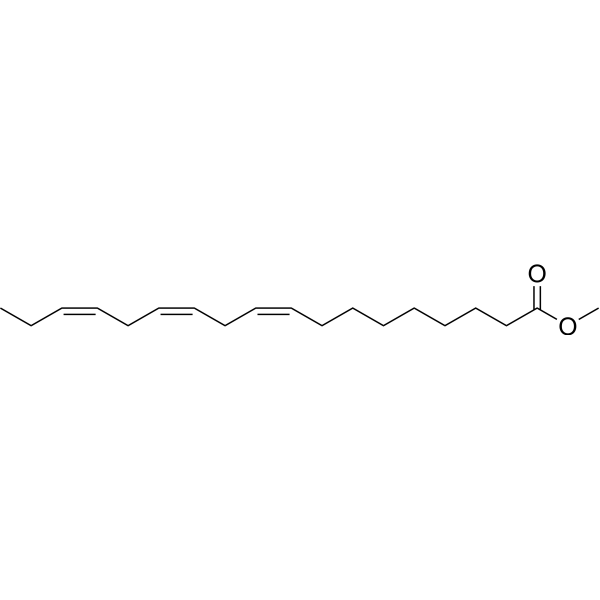
Methyl linolenate is a polyunsaturated fattly acid (PUFA). Methyl linolenate has an anti-melanogenesis activity with an IC50 of 60 μM. Methyl linolenate can also be used for studies of the mechanisms and prevention of oxidation/peroxidation of unsaturated fatty acids .
loading...
    loading...
Cat. No.: HY-151226
CAS No.: 31566-31-1
Purity:  ≥98.0%
Synonyms: GMS
Target:  

Liposome

Research Areas:  

Others Cancer

Glyceryl monostearate (GMS) is a type of monoglyceride. Glyceryl monostearateGlyceryl monostearate can serve as a core lipid material for constructing solid lipid nanoparticles in the field of drug delivery. Glyceryl monostearate can be used as a gelling agent to structure liquid vegetable oils into semi-solid oleogels, so as to replace animal fat in meat products .
loading...
    loading...
Cat. No.: HY-Y0624
CAS No.: 591-80-0
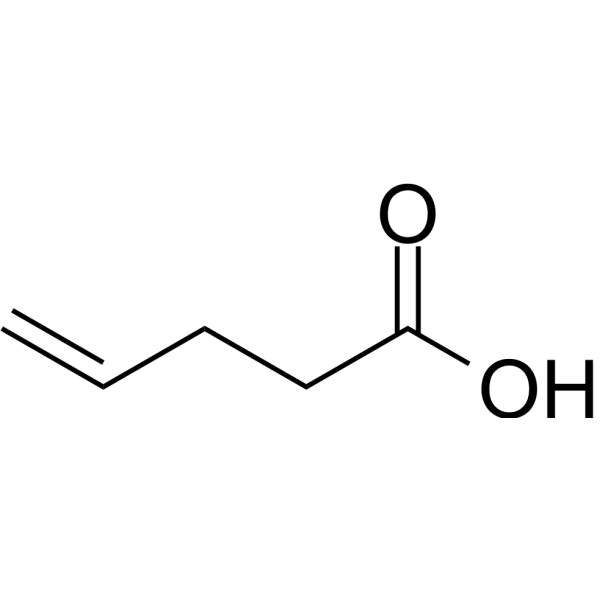
4-Pentenoic acid is a medium-chain unsaturated fatty acid. 4-Pentenoic acid has hypoglycemic and fatty acid oxidation inhibitory activities. 4-Pentenoic acid can affect blood glucose metabolism and energy metabolism through mechanisms such as inhibiting long-chain fatty acid oxidation, reducing gluconeogenesis, and promoting glucose utilization .
loading...
    loading...
Cat. No.: HY-13212
CAS No.: 15790-91-7
Purity:  99.56%
Synonyms: cis-2-Decenoic acid
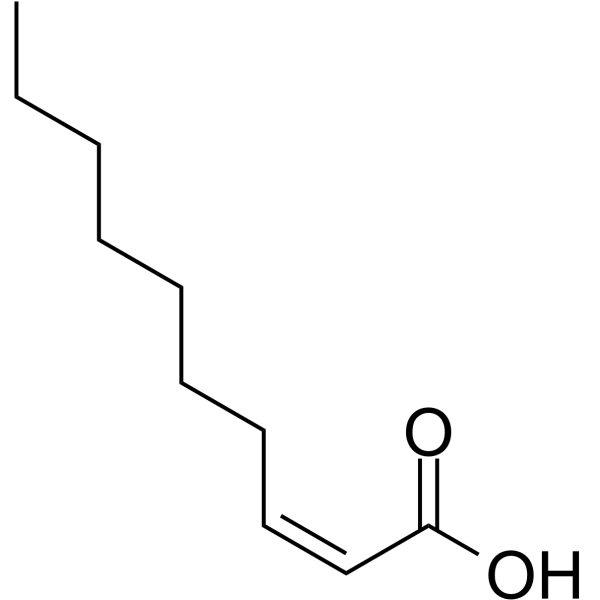
(Z)-2-decenoic acid (cis-2-Decenoic acid) is an unsaturated fatty acid produced by Pseudomonas aeruginosa. (Z)-2-decenoic acid induces a dispersion response in biofilms formed by a range of gram-negative bacteria, including P. aeruginosa, and by gram-positive bacteria. (Z)-2-decenoic acid inhibits biofilm development .
loading...
    loading...
Cat. No.: HY-N7864
CAS No.: 25182-74-5
Synonyms: all-cis-4,7,10,13,16-Docosapentaenoic acid
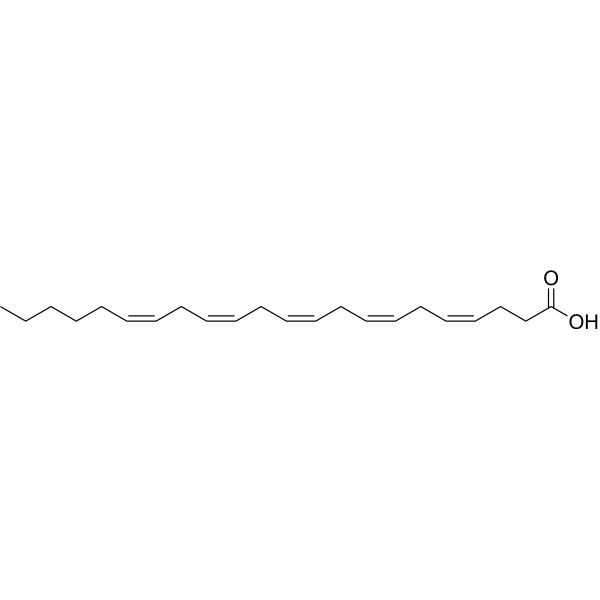
Docosapentaenoic acid (DPA) is a 22-carbon fatty acid found in fish oil. It is a minor component of total serum unsaturated fatty acids in humans, ranging from 0.1% to 1%, and increasing with dietary supplementation. all-cis-4,7,10,13,16-DPA, also known as Austrian acid, is an isomer of DPA. It is an omega-6 fatty acid formed by the extension and desaturation of arachidonic acid. During fatty acid desaturase syndrome, levels of this fatty acid may be reduced, which may affect development. Upregulated hepatic elongate expression of very long fatty acid protein 6 and elevated levels of very long chain fatty acids, including all-cis 4,7,10,13,16-DPA, are characteristic of nonalcoholic steatohepatitis, a precancerous disease of hepatocellular carcinoma.
loading...
    loading...
Cat. No.: HY-P1743
CAS No.: 66851-75-0
Target:  

Peptides

Research Areas:  

Infection

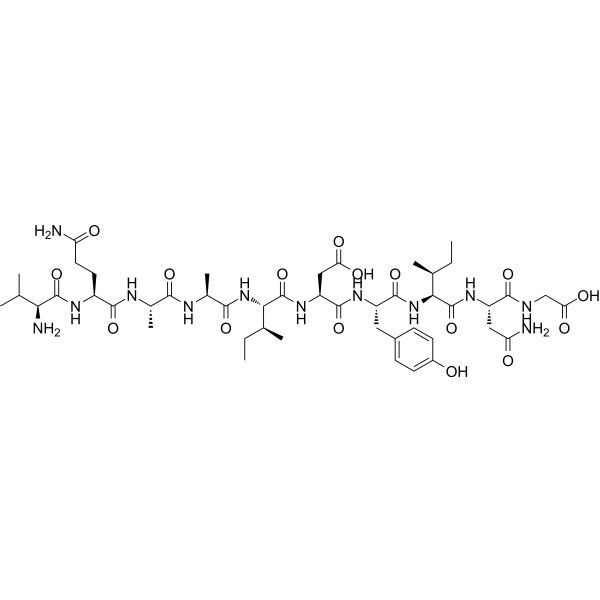
Acyl Carrier Protein (ACP) (65-74) is a key coenzyme fragment of fatty acid synthase (FAS) and participates in fatty acid synthesis as an acyl carrier. Acyl Carrier Protein (ACP) (65-74) mediates condensation, reduction and other cyclic reactions in fatty acid synthesis by covalently binding to acyl chains to form acyl-ACP intermediates, promoting acyl chain extension. Acyl Carrier Protein (ACP) (65-74) can regulate the synthesis ratio of saturated and unsaturated fatty acids. Acyl Carrier Protein (ACP) (65-74) can be used to study the mechanism of bacterial fatty acid synthesis and is a potential target for antibiotics (such as inhibiting the FAS system of pathogens) .
loading...
    loading...
Cat. No.: HY-108398B
CAS No.: 17046-59-2
Purity:  99.30%
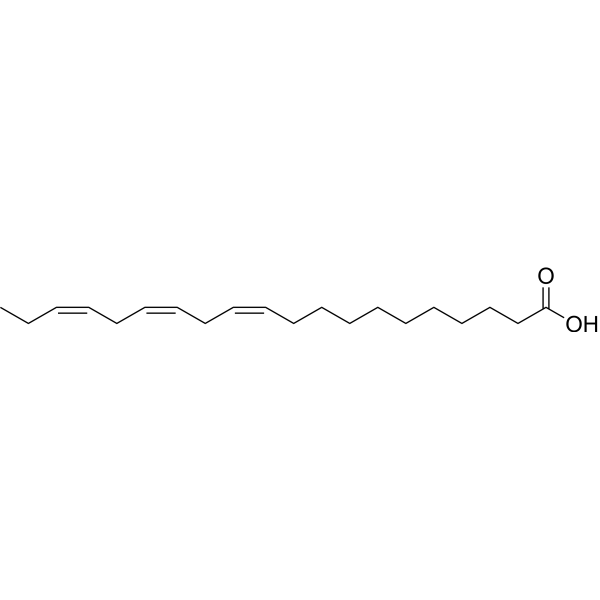
11 (Z),14 (Z),17 (Z)-Eicosatrienoic acid is an unsaturated fatty acid that affects mitochondrial genome maintenance. 11 (Z),14 (Z),17 (Z)-Eicosatrienoic acid fully incorporates into cell membrane phospholipids and supports the initial induction of cellular respiration, but fails to sustain the continuous replication and retention of mitochondrial genomes. 11 (Z),14 (Z),17 (Z)-Eicosatrienoic acid is applicable to research related to fatty acid acyl chain structure-dependent mitochondrial genome maintenance and mitochondrial biogenesis .
loading...
    loading...
Cat. No.: HY-120996B
CAS No.: 84743-29-3
Purity:  99.86%
Synonyms: cis-10-Pentadecenoic acid
Research Areas:  

Others

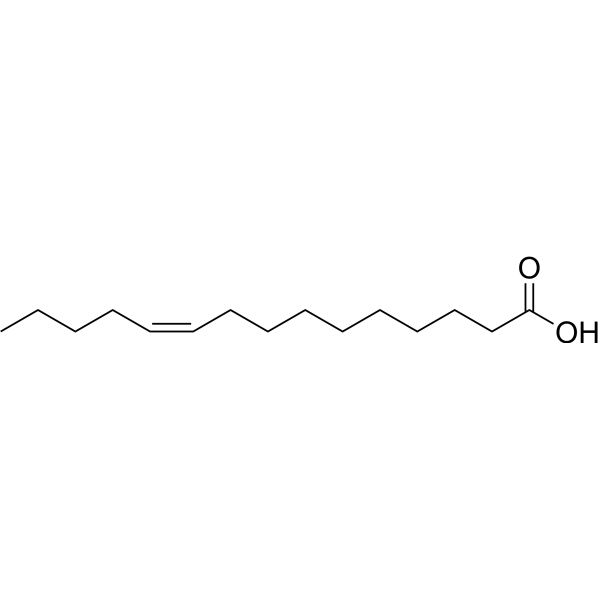
10(Z)-Pentadecenoic acid is an unsaturated fatty acid. Unsaturated fatty acids are an important class of lipid molecules whose chemical structure contains one or more double bonds.
loading...
    loading...
Cat. No.: HY-113873
CAS No.: 105099-89-6
Research Areas:  

Metabolic Disease

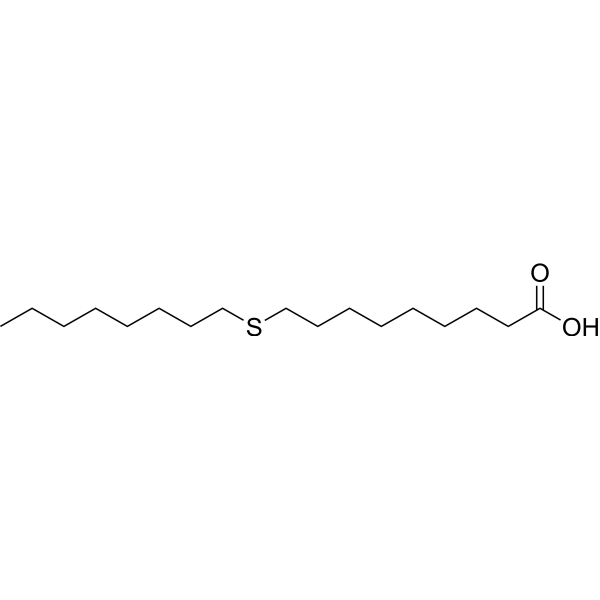
10-Thiastearic acid inhibits desaturation of stearate to oleate. 10-Thiastearic acid has hypolipidemic effect .
loading...
    loading...
Cat. No.: HY-143203
CAS No.: 7266-53-7
Purity:  ≥98.0%
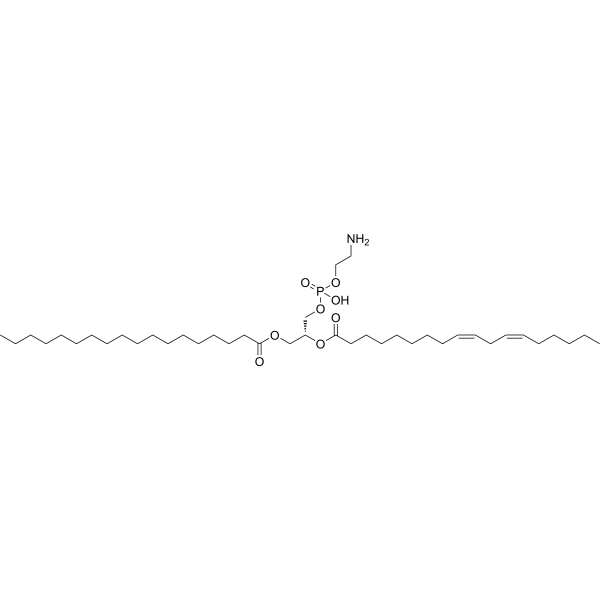
Synonyms: 1-Stearoyl-2-linoleoyl-sn-glycero-3-phosphoethanolamine
Target:  

Liposome

Research Areas:  

Cardiovascular Disease Cancer

18:0-18:2 PE (1-Stearoyl-2-linoleoyl-sn-glycero-3-phosphoethanolamine) is a glycerophospholipid compound and an essential component of biological cell membranes. 18:0-18:2 PE possesses biological activities including regulation of phospholipid metabolism, antioxidant activity, maintenance of cell membrane fluidity, immune protection, and regulation of signaling pathways. 18:0-18:2 PE in the hot processing process, its unsaturated fatty acids will degrade to form a variety of odor active compounds. 18:0-18:2 PE can be applied in food processing and research on phospholipid metabolism-related diseases .
loading...
    loading...
Cat. No.: HY-N10898
CAS No.: 124649-78-1
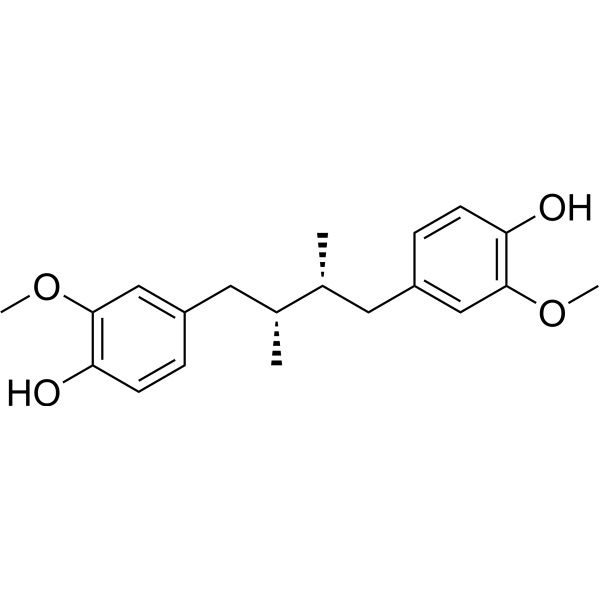
(-)-Dihydroguaiaretic acid is a Lipoxygenase inhibitor that has antioxidant activity. (-)-Dihydroguaiaretic acid inhibits the oxidation of unsaturated fatty acids and removes free radicals. (-)-Dihydroguaiaretic acid also has anticancer activity with an IC50 value of 7.49 μM (A549 cells) .
loading...
    loading...
Cat. No.: HY-W127384
CAS No.: 15469-77-9
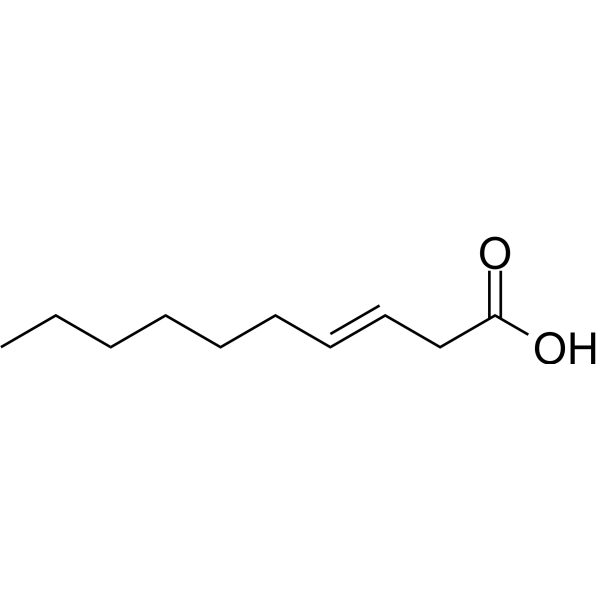
3-Decenoic acidIt is an organic compound belonging to the class of unsaturated fatty acids. It has a strong rancid smell and is commonly found in a variety of foods, such as dairy products and meat. 3-Decenoic acidIt has various applications in the pharmaceutical industry, especially as an intermediate in the synthesis of antibacterial agents such as antibiotics. In addition, it is used as a food preservative to prevent the growth of microorganisms.
loading...
    loading...
Cat. No.: HY-124084
CAS No.: 1673556-40-5
Research Areas:  

Cancer

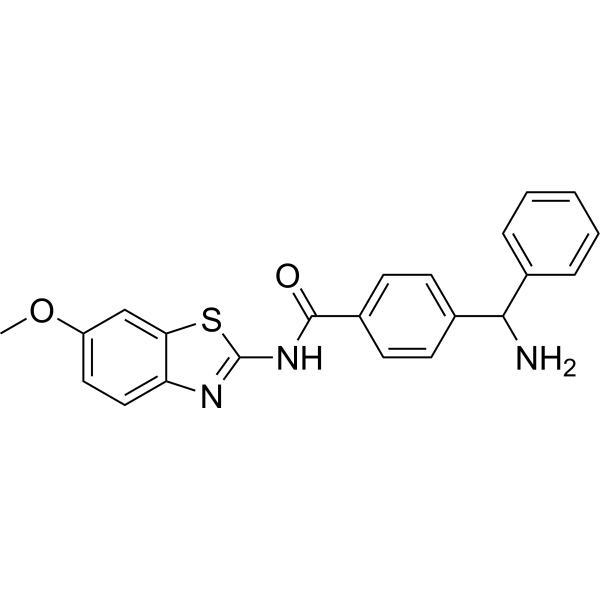
SW203668 is an irreversible stearoyl CoA desaturase (SCD) inhibitor with an IC50 of 54 nM. SW203668 covalently binds and inhibits SCD, depletes unsaturated fatty acids, and triggers cell death in sensitive cells. SW203668 requires demethylation by CYP4F11 to form its active SCD-inhibiting form; differential CYP4F11 expression drives selective cytotoxicity. SW203668 exerts cytotoxicity toward CYP4F11-expressing non-small cell lung cancer (NSCLC) cells and spares CYP4F11-lacking NSCLC cells. SW203668 inhibits tumor growth in immunodeficient mice bearing CYP4F11-expressing NSCLC xenografts and spares mouse skin sebocytes. SW203668 can be used for the research of non-small cell lung cancer .
loading...
    loading...
Cat. No.: HY-107965
CAS No.: 8001-23-8
Synonyms: Safflower seed oil (from Carthamus tinctorius seed)
Safflower oil (from Carthamus tinctorius seed) is rich in unsaturated fatty acids such as linoleic acid and oleic acid, as well as tocopherols and phenolic compounds, and exhibits antioxidant, anti-aging and blood lipid-regulating effects. Safflower oil (from Carthamus tinctorius seed) inhibits the activities of collagenase and elastase, and exerts antioxidant activity by scavenging free radicals. Linoleic acid in safflower oil (from Carthamus tinctorius seed) reduces blood cholesterol levels. Safflower oil (from Carthamus tinctorius seed) can be applied to research in fields such as skin aging, atherosclerosis, edible oil processing and industrial raw material development .
loading...
    loading...
Cat. No.: HY-124084A
CAS No.: 2117405-48-6
Research Areas:  

Cancer

SW203668 TFA is an irreversible stearoyl CoA desaturase (SCD) inhibitor with an IC50 of 54 nM. SW203668 TFA covalently binds and inhibits SCD, depletes unsaturated fatty acids, and triggers cell death in sensitive cells. SW203668 TFA requires demethylation by CYP4F11 to form its active SCD-inhibiting form; differential CYP4F11 expression drives selective cytotoxicity. SW203668 TFA exerts cytotoxicity toward CYP4F11-expressing non-small cell lung cancer (NSCLC) cells and spares CYP4F11-lacking NSCLC cells. SW203668 TFA inhibits tumor growth in immunodeficient mice bearing CYP4F11-expressing NSCLC xenografts and spares mouse skin sebocytes. SW203668 TFA can be used for the research of non-small cell lung cancer .
loading...
    loading...
Cat. No.: HY-118146
CAS No.: 25229-42-9
Target:  

Others

Research Areas:  

Metabolic Disease

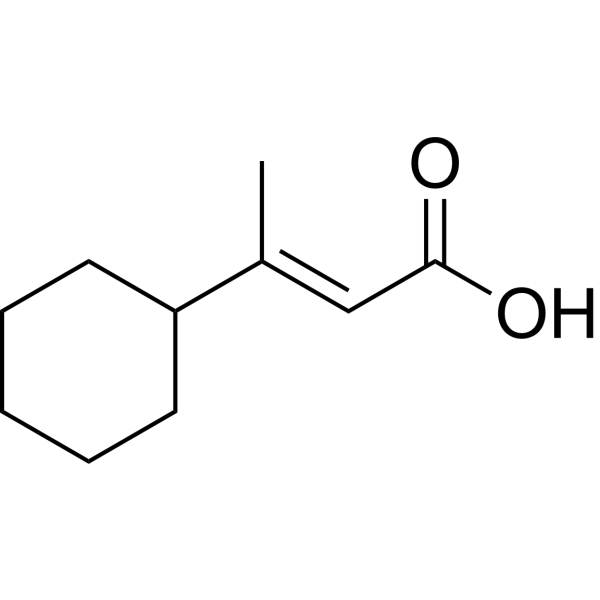
Cicrotoic acid is an unsaturated fatty acid that increases bile flow and changes lipid composition .
loading...
    loading...
Cat. No.: HY-N16225
CAS No.: 13126-37-9
Synonyms: cis-12-Octadecenoic acid
12(Z)-Octadecenoic acid (cis-12-Octadecenoic acid) is the 12(Z)-isomer of Octadecenoic acid. 12(Z)-Octadecenoic acid is an unsaturated fatty acid .
loading...
    loading...
Cat. No.: HY-145952
CAS No.: 182369-03-5
Target:  

Lipoxygenase

Research Areas:  

Metabolic Disease

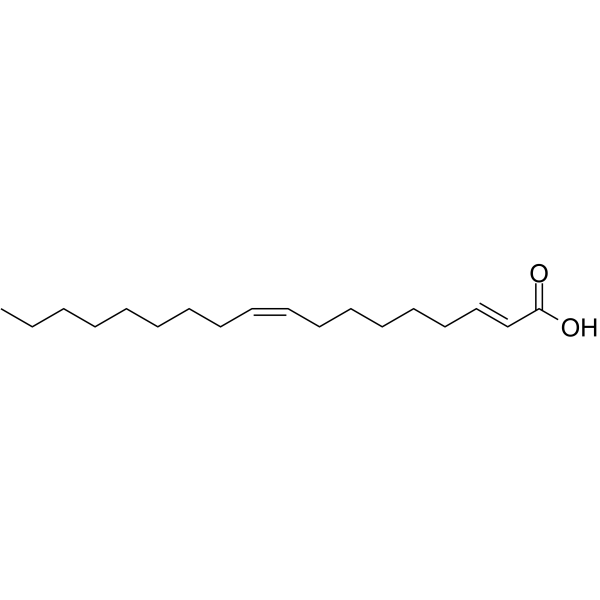
(2E,9Z)-Octadeca-2,9-dienoic acid, a polyunsaturated fatty acid, can be used for the research of lipoxygenase-dependent metabolism .
loading...
    loading...
Cat. No.: HY-134511
CAS No.: 125992-60-1
Research Areas:  

Inflammation/Immunology Cancer

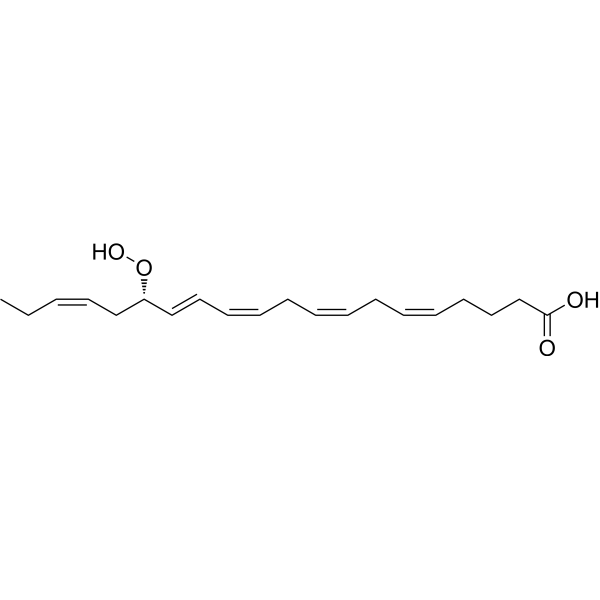
15(S)-HpEPE is a product of lipoxygenase hydrolysis of unsaturated fatty acids (PUFA) and is a potential inhibitor of prostaglandin H synthase 2 (PGHS-2). 15(S)-HpEPE can downregulate the expression of PGHS-2 .
loading...
    loading...

