



Campylotropis hirtella (Franch.) Schindl.
-
Campylotropis hirtella (Franch.) Schindl. (8)

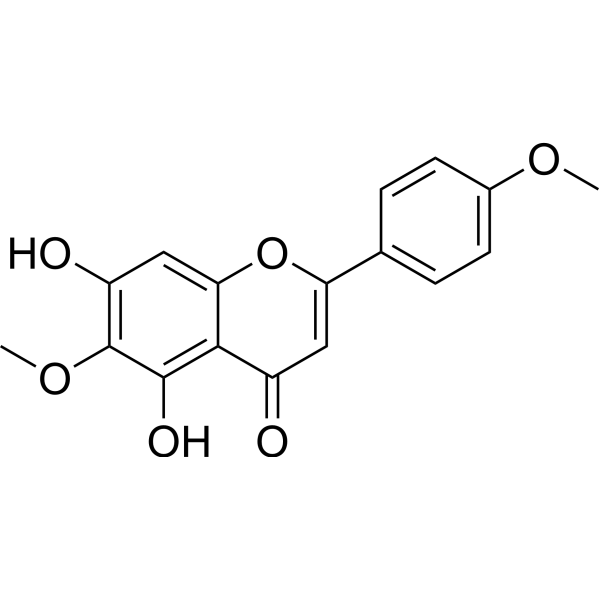
- Formula: C17H14O6
- Molecular Weight: 314.29
Pectolinarigenin is an orally active dual inhibitor of COX-2/5-LOX with anti-inflammatory, antioxidant, antitumor and neuroprotective activities. Pectolinarigenin exerts neuroprotective and anti-inflammatory effects on astrocyte inflammation via the NFκB and MAPK pathways. Pectolinarigenin inhibits LPS-induced phosphorylation of ERK1/2, N-FκB and p38MAPK, directly inhibits the enzymatic activity or binding of COX-2, 5-LOX and HIF-1α, and reduces the level of XIAP. Pectolinarigenin modifies Keap1 to promote nuclear accumulation of Nrf2, induces ARE-mediated antioxidant enzyme expression, and possesses direct free radical scavenging activity. Pectolinarigenin reduces the release of NO, proinflammatory mediators and leukotrienes, and increases the level of IL-10. Pectolinarigenin induces G2/M cell cycle arrest, apoptosis (Apoptosis) and autophagy (Autophagy) via the PI3K/AKT/mTOR signaling pathway. Pectolinarigenin reduces renal crystal deposition and inhibits melanin synthesis. Pectolinarigenin inhibits inflammation and alleviates allergy in mouse models of inflammation. Pectolinarigenin alleviates renal injury, inflammation and oxidative stress in mice by inhibiting HIF-1α activity. Pectolinarigenin can be used for the research of neurodegenerative diseases, inflammatory/allergic diseases, calcium oxalate nephrocalcinosis, gastric cancer, melasma, post-inflammatory diseases and chloasma.
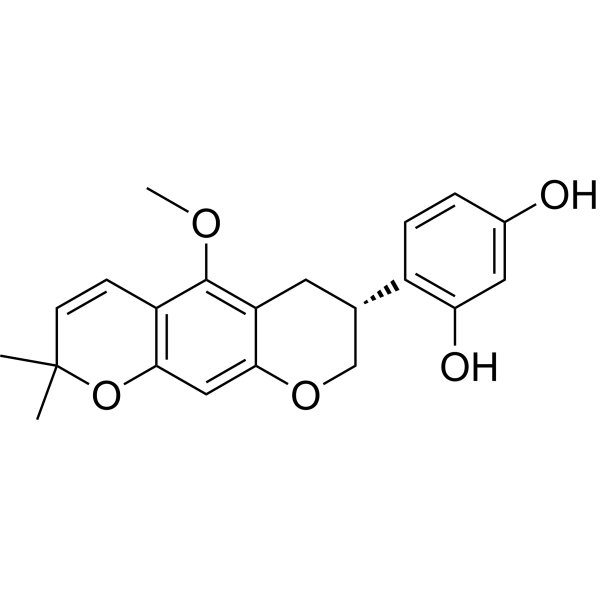
- Formula: C21H22O5
- Molecular Weight: 354.40
Neorauflavane is a tyrosinase inhibitor with mushroom tyrosinase IC50 values of 30 nM and 500 nM, and Ki values of 19 nM and 130 nM. Neorauflavane inhibits monophenolase and diphenolase activities, binds to tyrosinase’s active site via its B-ring resorcinol motif and A-ring methoxy group. Neorauflavane reduces melanin synthesis in melanoma cells. Neorauflavane can be used for the research of skin hyperpigmentation.

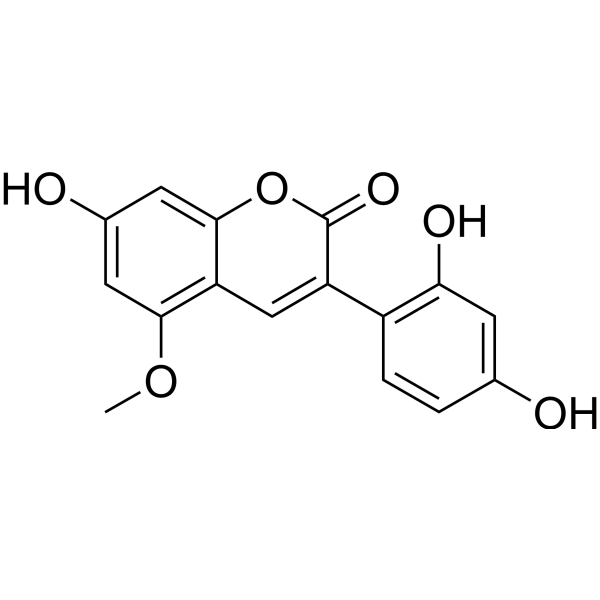
- Formula: C16H12O6
- Molecular Weight: 300.26
7,2',4'-Trihydroxy-5-methoxy-3-arylcoumarin is a coumarin, that can be isolated from campylotropis hirtella (FRANCH.) SCHINDL. 7,2',4'-Trihydroxy-5-methoxy-3-arylcoumarin inhibits PSA secretion in LNCaP cells, with an IC50 of 24.2 μg/mL.
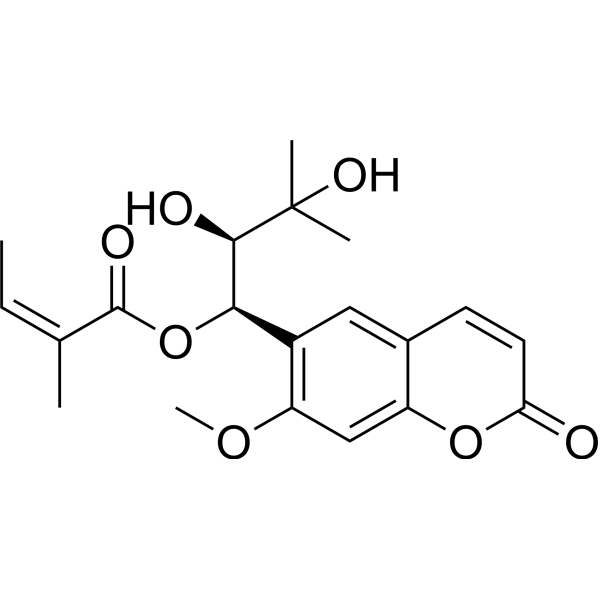
- Formula: C20H24O7
- Molecular Weight: 376.40
Angelol G, a coumarin, can be isolated from Campylotropis hirtella. Angelol G shows inhibitory activity for prostate specific antigen (PSA)IC50 value of 152.1μM. Angelol G can be used for the research of benign prostate hyperplasia (BPH).

- Formula: C17H14O6
- Molecular Weight: 314.29
Pectolinarigenin (Standard) is the analytical standard of Pectolinarigenin. This product is intended for research and analytical applications. Pectolinarigenin is an orally active dual inhibitor of COX-2/5-LOX with anti-inflammatory, antioxidant, antitumor and neuroprotective activities. Pectolinarigenin exerts neuroprotective and anti-inflammatory effects on astrocyte inflammation via the NFκB and MAPK pathways. Pectolinarigenin inhibits LPS-induced phosphorylation of ERK1/2, N-FκB and p38MAPK, directly inhibits the enzymatic activity or binding of COX-2, 5-LOX and HIF-1α, and reduces the level of XIAP. Pectolinarigenin modifies Keap1 to promote nuclear accumulation of Nrf2, induces ARE-mediated antioxidant enzyme expression, and possesses direct free radical scavenging activity. Pectolinarigenin reduces the release of NO, proinflammatory mediators and leukotrienes, and increases the level of IL-10. Pectolinarigenin induces G2/M cell cycle arrest, apoptosis (Apoptosis) and autophagy (Autophagy) via the PI3K/AKT/mTOR signaling pathway. Pectolinarigenin reduces renal crystal deposition and inhibits melanin synthesis. Pectolinarigenin inhibits inflammation and alleviates allergy in mouse models of inflammation. Pectolinarigenin alleviates renal injury, inflammation and oxidative stress in mice by inhibiting HIF-1α activity. Pectolinarigenin can be used for the research of neurodegenerative diseases, inflammatory/allergic diseases, calcium oxalate nephrocalcinosis, gastric cancer, melasma, post-inflammatory diseases and chloasma.

- Formula: C42H50O16
- Molecular Weight: 810.84
Hedyotisol B is a Lignans product that can be isolated from the herbs of Campylotropis hirtella.
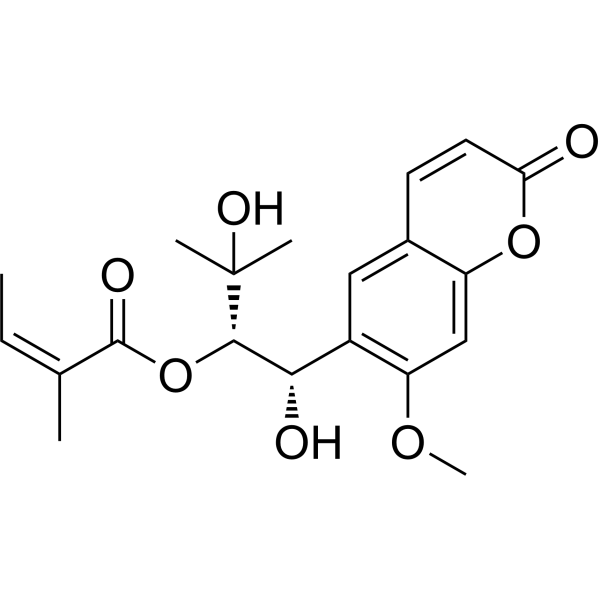
- Formula: C20H24O7
- Molecular Weight: 376.40
Angelol M,isolated from the roots of Angelica gigas Nakai, shows activity in inhibiting prostate specific antigen (PSA) secreted from androgen dependent prostate cancer cell line, LNCaP cells.



