



Amyloid-β
β-amyloid peptide; Aβ; Abeta
Amyloid-β (Aβ) denotes peptides of 36–43 amino acids that are crucially involved in Alzheimer's disease as the main component of theamyloid plaques found in the brains of Alzheimer patients. The peptides result from the amyloid precursor protein (APP), which is being cut by certain enzymes to yield Aβ. Amyloid-β molecules can aggregate to form flexible soluble oligomers which may exist in several forms. Amyloid-β peptide is due to overproduction of Aβ and/or the failure of clearance mechanisms. Amyloid-β self-aggregates into oligomers, which can be of various sizes, and forms diffuse and neuritic plaques in the parenchyma and blood vessels. Amyloid-β oligomers and plaques are potent synaptotoxins, block proteasome function, inhibit mitochondrial activity, alter intracellular Ca2+levels and stimulate inflammatory processes. Loss of the normal physiological functions of Aβ is also thought to contribute to neuronal dysfunction.
All Product Categories
-
Amyloid-β Inhibitors
(469)
View all products
-
Amyloid-β Agonists
(2)
View all products
-
Amyloid-β Antagonists
(5)
View all products
-
Amyloid-β Activators
(5)
View all products
-
Amyloid-β Modulators
(4)
View all products
-
Amyloid-β Chemicals
(7)
View all products
-
Amyloid-β Inducers
(5)
View all products
-
Amyloid-β Degraders
(6)
View all products
-
Amyloid-β Controls
(3)
View all products
-
Amyloid-β Substrate
(1)
View all products
-
Amyloid-β Ligands
(11)
View all products
-
Amyloid-β Related Products (744)
Related Products (744)

-
Antibodies (9)
-
Aleplasinin
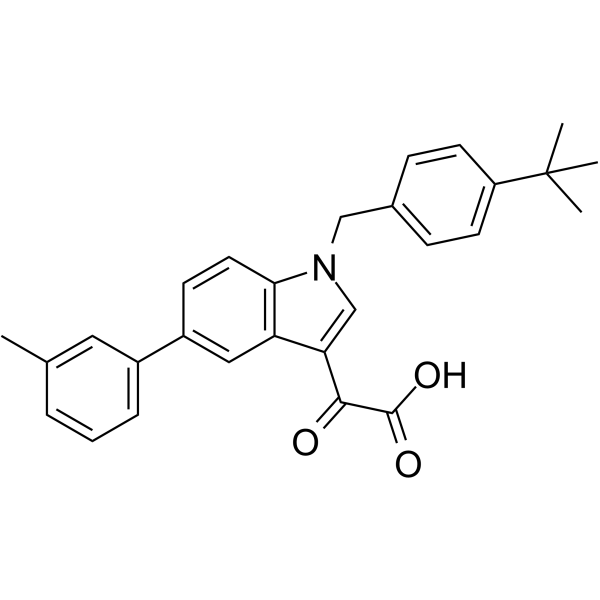 0 ImagesSynonyms: PAZ-417Aleplastinin (PAZ-417) is an orally active, blood-brain barrier permeable, selective SERPINE1 (PAI-1) inhibitor (IC50=655 nM). Aleplastinin activates the tissue type plasminogen activator (tPA)/fibrinolysis cascade by inhibiting PAI-1, thereby promoting the degradation of amyloid-β (Aβ) oligomers and monomers. Aleplastinin can significantly reduce plasma and brain Aβ levels, improve memory impairment, and reverse cognitive impairment. Aleplastinin can be used for research on Alzheimer's disease.
-
CRANAD-2
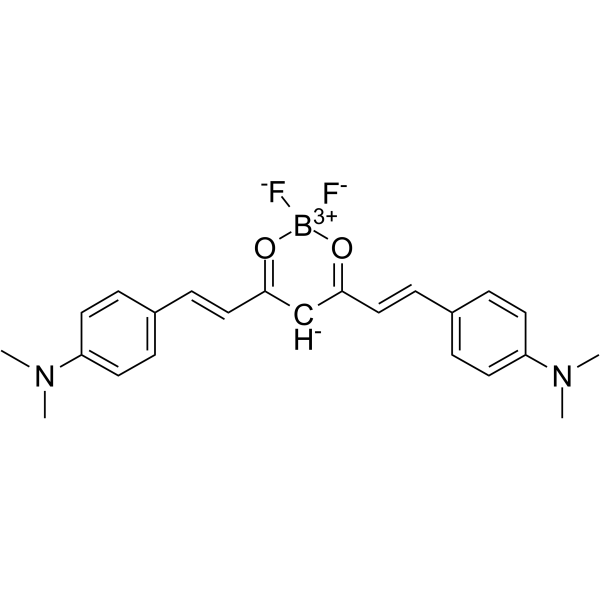 0 ImagesCRANAD-2 is a specific near-infrared (NIR) fluorescent probe for detecting Aβ plaques (unbound to Aβ: Ex=640 nm; Em=805 nm; after binding: Em=715 nm). CRANAD-2 penetrates the blood-brain barrier and has high affinity for Aβ aggregates, with a Kd value of 38 nM. CRANAD-2 is applicable to research related to Alzheimer's disease and neurodegenerative diseases.
-
5-FAM-β-Amyloid (1-42), human Tris
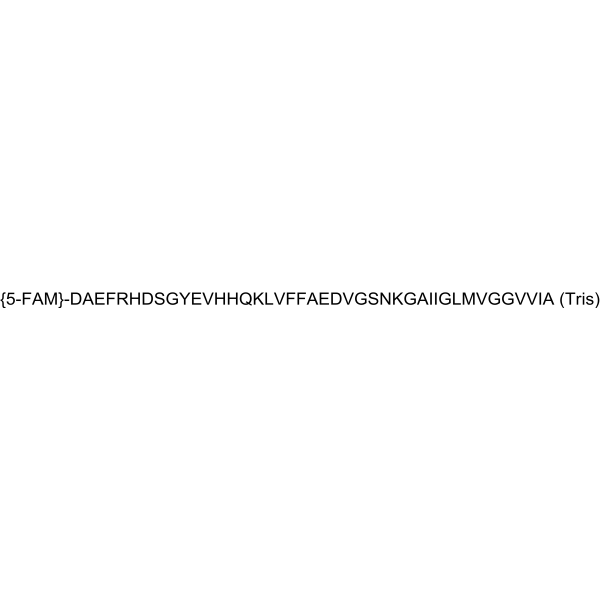 0 ImagesCat. No.: HY-P1363F3Synonyms: 5-FAM-Amyloid β-peptide (1-42) (human) Tris5-FAM-β-Amyloid (1-42), human (5-FAM-Amyloid β-peptide (1-42) (human) Tris is a 5-FAM labeled β-Amyloid (1-42), human. β-Amyloid (1-42), human is a brain-penetrant amyloid protein fragment, which can be used in research on Alzheimer's disease and Down’s syndrome.
-
Tramiprosate
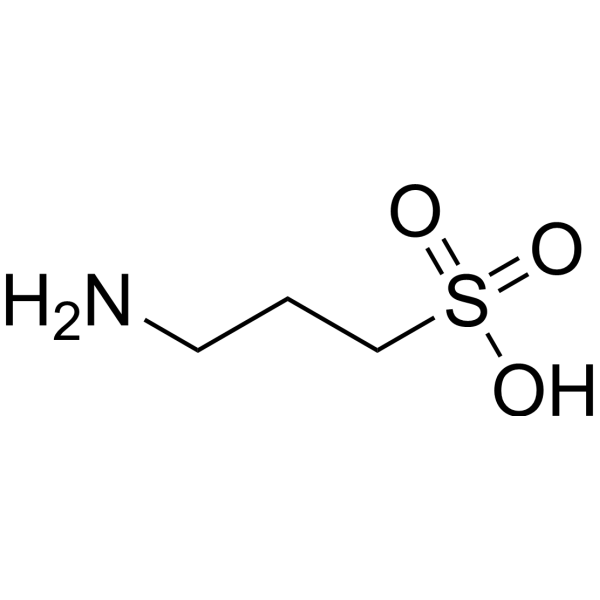 0 ImagesSynonyms: Homotaurine; 3-Amino-1-propanesulfonic acidTramiprosate (Homotaurine), an orally active and brain-penetrant natural amino acid found in various species of red marine algae. Tramiprosate binds to soluble Aβ and maintains Aβ in a non-fibrillar form. Tramiprosate is also a GABA analog and possess neuroprotection, anticonvulsion and antihypertension effects.
-
HEPPS
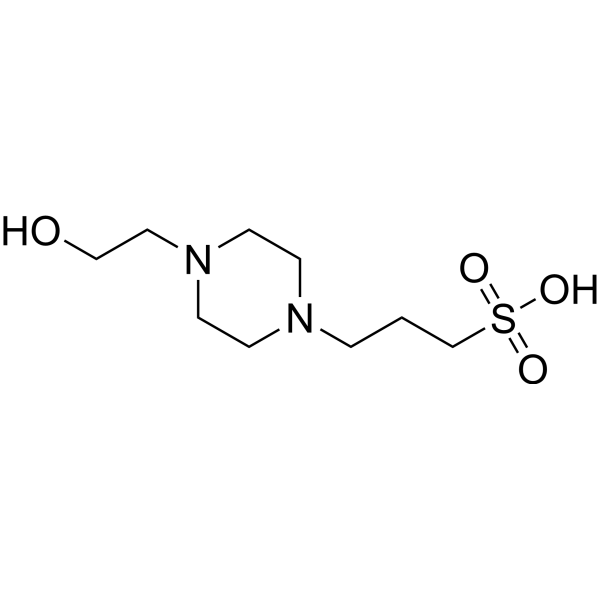 0 ImagesSynonyms: EPPSHEPPS (EPPS) is a buffering agent with the useful pH range from 7.3 ~ 8.7. HEPPS reduces Aβ-aggregate-induced memory deficits and rescues cognitive deficits in mice. EPPS is orally active and penetrates the blood-brain barrier.
-
Cromolyn
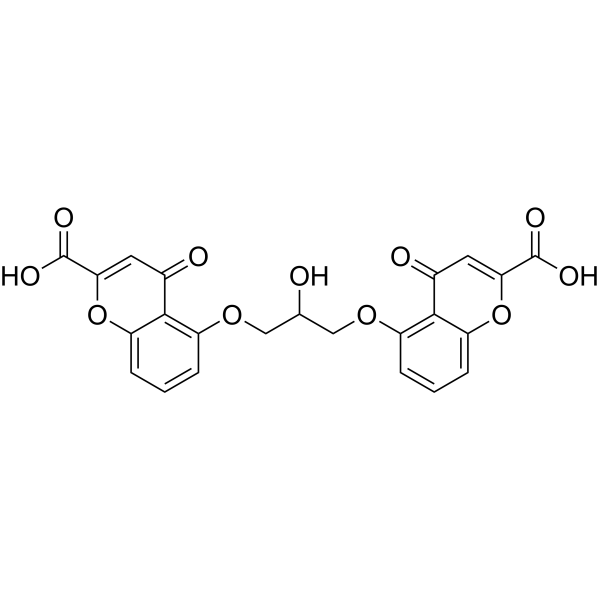 0 ImagesSynonyms: Cromoglycate; Cromoglicic acid; FPL-670 free acidCromolyn (Cromoglycate) is an orally active GSK-3β inhibitor with an IC50 of 2.0 μM. Cromolyn is also a mast cell stabilizer that can inhibit the release of mediators from mast cells, regulate reflex bronchoconstriction, and reduce non-specific bronchial hyperreactivity, and Cromolyn can be used in the research of bronchial asthma. In addition, Cromolyn has multiple activities such as anti-inflammatory, anti-allergic, anti-histamine, anti-cancer, and neuroprotective effects.
-
Chemerin-9 (149-157) TFA
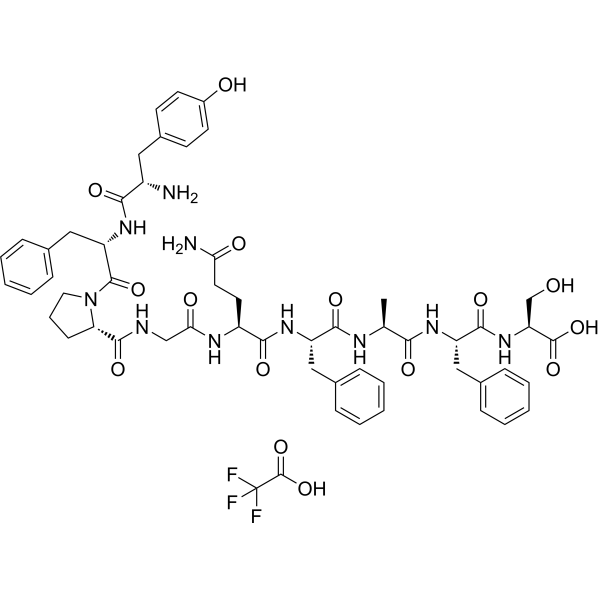 0 ImagesCat. No.: HY-P1844APurity: 98.41%Chemerin-9 (149-157) TFA is a potent agonist of chemokine-like receptor 1 (CMKLR1) . Chemerin-9 (149-157) TFA has anti-inflammatory activity. Chemerin-9 (149-157) TFA stimulates phosphorylation of Akt and ERK as well as ROS production. Chemerin-9 (149-157) TFA ameliorates Aβ1-42-induced memory impairmen. Chemerin-9 (149-157) TFA regulates immune responses, adipocyte differentiation, and glucose metabolism.
-
Donanemab (Mouse IgG2a)
 0 ImagesCat. No.: HY-P991045Purity: 99.9%Synonyms: mE8‑IgG2a
-
(Pyr3)-Amyloid β-Protein (3-42) TFA
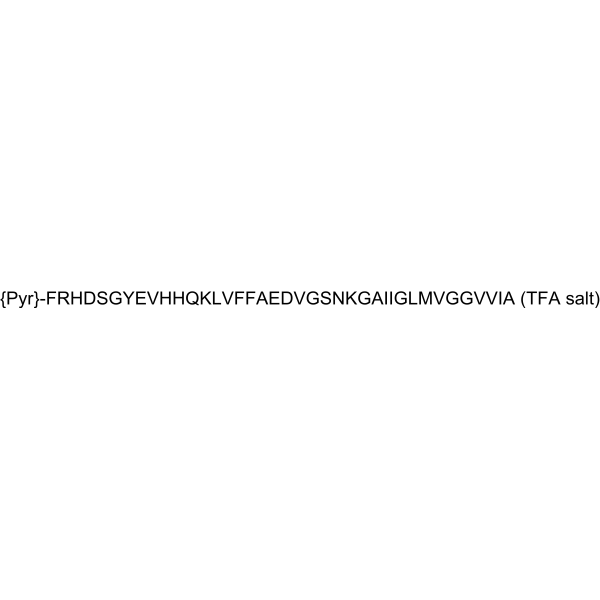 0 ImagesCat. No.: HY-P4882APurity: 99.60%(Pyr3)-Amyloid β-Protein (3-42) TFA is the predominant amyloid β-peptide structure deposited in human brain of Alzheimer's disease and Down's syndrome patients. (Pyr3)-Amyloid β-Protein (3-42) TFA is suggested to accumulate in the brain and to trigger the formation of insoluble amyloid β-peptide deposits.
-
Dihydroergocristine mesylate
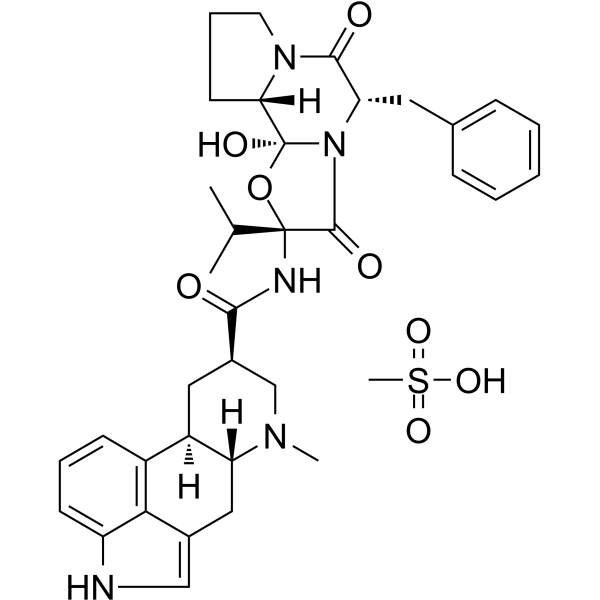 0 ImagesSynonyms: DHEC mesylateDihydroergocristine mesylate (DHEC mesylate) is a inhibitor of γ-secretase (GSI), reduces the production of the Alzheimer's disease amyloid-β peptides, binds directly to γ-secretase and Nicastrin with equilibrium dissociation constants (Kd) of 25.7 nM and 9.8 μM, respectively.
-
Fmoc-Ala-Glu-Asn-Lys-NH2
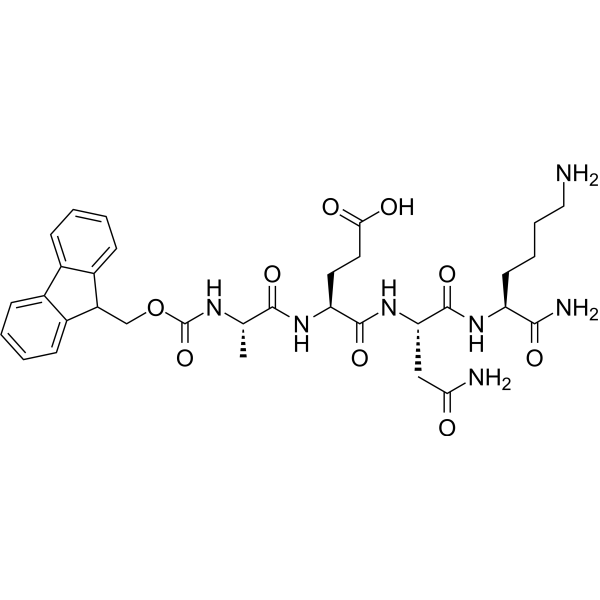 0 ImagesFmoc-Ala-Glu-Asn-Lys-NH2 is a selective asparagine endopeptidase (AEP) inhibitor peptide and suppresses amyloid precursor protein (APP) cleavage. AEP, a pH-controlled cysteine proteinase, is activated during ageing and mediates APP proteolytic processing.
-
Ponicidin
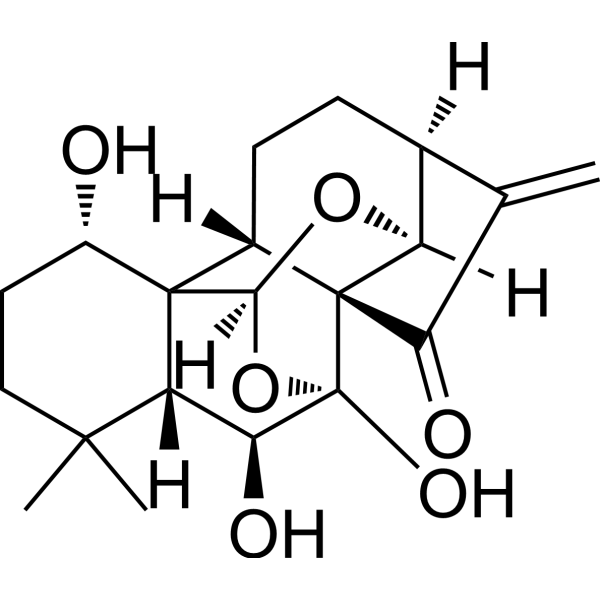 0 ImagesSynonyms: Rubescensine BPonicidin (Rubescensine B) is an orally active RIPK1 inhibitor with a Kd value of 135 nM. Ponicidin inhibits the JAK2/STAT3 pathway to induce apoptosis, activates the PI3K/Akt pathway, upregulates SIRT1 expression, alleviates oxidative stress, suppresses inflammatory responses and necroptosis, and blocks cell cycle progression. Ponicidin induces ROS production to exert antiproliferative and antiviral effects, while also improving cognitive function and reducing Aβ plaque deposition. Ponicidin can be used in studies related to hepatocellular carcinoma, Alzheimer's disease, and gastric cancer.
-
Pyridoxal 5'-phosphate hydrate
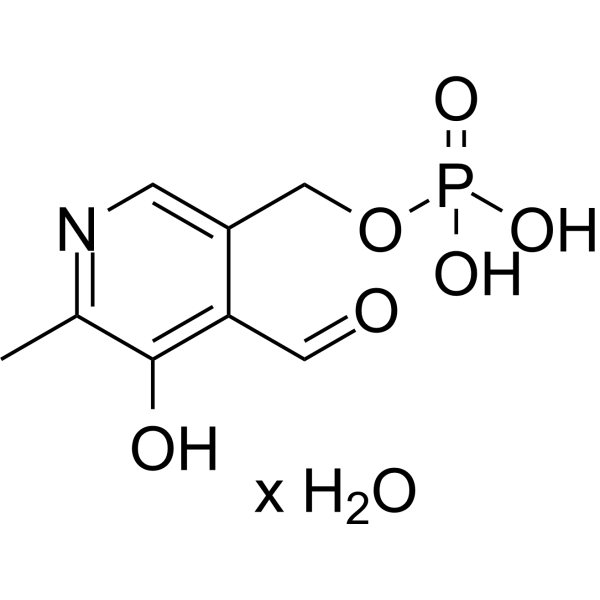 0 ImagesSynonyms: Pyridoxal phosphate hydratePyridoxal 5'-phosphate hydrate, the active form of vitamin B6, is an essential cofactor for multiple enzymes, including aromatic l-amino acid decarboxylase that catalyzes the final stage in the production of the neurotransmitters dopamine and serotonin. Pyridoxal 5'-phosphate hydrate is the most important coenzyme variant in the process of vitamin B6 intracellular phosphorylation and is interconvertible with other variants, including pyridoxine 5′‐phosphate (PNP) and pyridoxamine 5′-phosphate (PMP).
-
Solanezumab
 0 ImagesSynonyms: LY-2062430
-
Bapineuzumab
 0 ImagesCat. No.: HY-P99185CAS No.: 648895-38-9Synonyms: AAB-001Bapineuzumab is an anti-β-amyloid protein (APP) monoclonal antibody. Bapineuzumab is a humanized IgG1 that recognizes the N terminus of Aβ cleared plaques from the brains. Bapineuzumab can be used for the research of Alzheimer’s disease (AD).
-
Davunetide
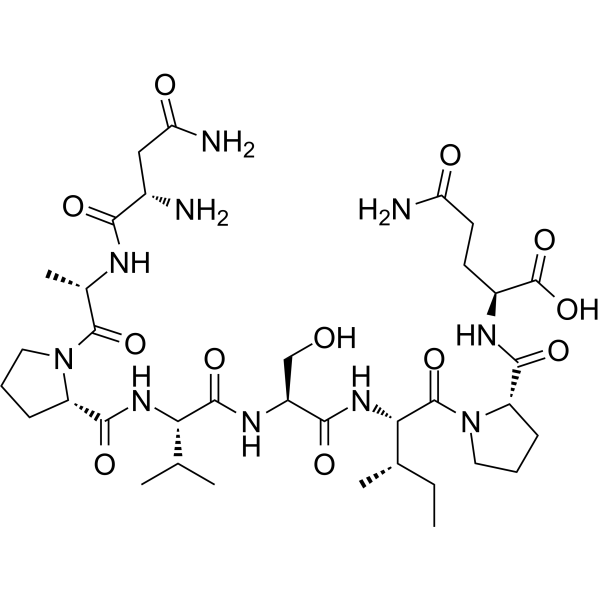 0 ImagesDavunetide is an eight amino acid snippet derived from activity-dependent neuroprotective protein (ADNP), a neurotrophic factor that exists in the mammalian CNS. Davunetide possesses neuroprotective, neurotrophic and cognitive protective roperties. Davunetide, a microtubule-stabilizing peptide, interacts with and stabilises neuron-specific βIII-tubulin in vitro. Davunetide penetrates the blood-brain barrier and is non-toxic. Davunetide inhibits Aβ aggregation and Aβ-induced neurotoxicity.




