



HSP
Heat shock proteins
HSP (Heat shock proteins) are a group of proteins induced by heat shock, the most prominent members of this group are a class of functionally related proteins involved in the folding and unfolding of other proteins. HSP expression is increased when cells are exposed to elevated temperatures or other stress. This increase in expression is transcriptionally regulated. The dramatic upregulation of the heat shock proteins is a key part of the heat shock response and is induced primarily by heat shock factor (HSF). HSPs are found in virtually all living organisms, from bacteria to humans. Heat shock proteins appear to serve a significant cardiovascular role. Hsp90, Hsp84, Hsp70, Hsp27, Hsp20 and alpha B crystallin all have been reported as having roles in the cardiovasculature.
HSP Isoform Specific Products
All Product Categories
-
HSP Inhibitors
(324)
View all products
-
HSP Agonists
(2)
View all products
-
HSP Antagonists
(5)
View all products
-
HSP Activators
(88)
View all products
-
HSP Modulators
(6)
View all products
-
HSP Inducers
(7)
View all products
-
HSP Degraders
(7)
View all products
-
HSP Pre-designed Set
(1)
View all products
-
HSP Controls
(2)
View all products
-
HSP Ligands
(11)
View all products
-
HSP Related Products (503)
Related Products (503)

-
Antibodies (46)
-
HSP Isoform Comparison
-
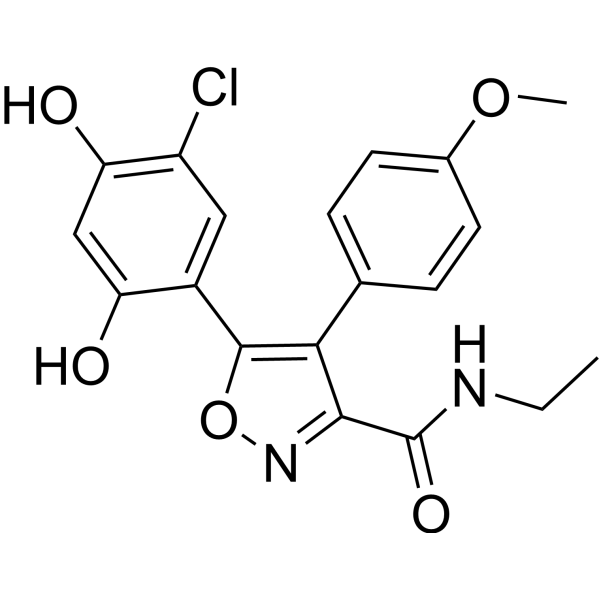
iHSP110-33
 0 ImagesCat. No.: HY-161765Purity: 99.59%iHSP110-33 is an inhibitor for heat shock protein 110 (HSP110). iHSP110-33 exhibits antitumor efficacy agaisnt large B-cell lymphoma and classical Hodgkin lymphoma. iHSP110-33 shows a synergistic effect with Selinexor (HY-17536), inhibits the STAT6 phosphorylation, and enhances its antitumor activity..
-
MK2-IN-1 hydrochloride
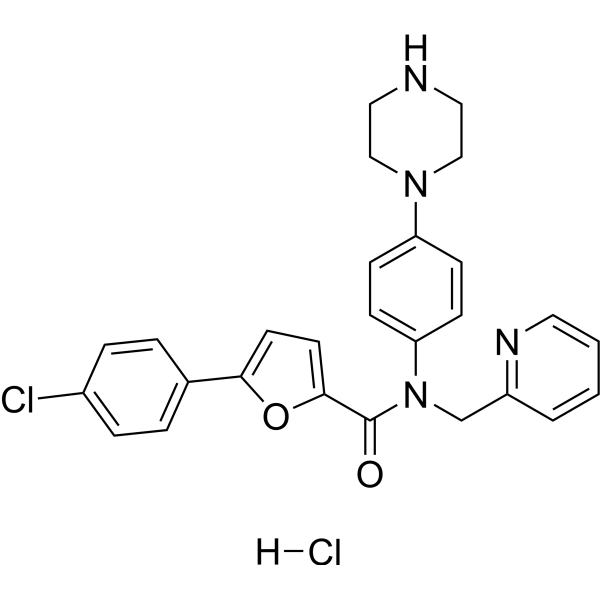 0 ImagesMK2-IN-1 hydrochloride (compound 1) is a potent and selecitve MAPKAPK2 (MK2) inhibitor with an IC50 of 0.11 uM for MK2 and an EC50 of 0.35 uM for pHSP27. MK2-IN-1 hydrochloride impaires the phosphorylation level of serine residues in the Tfcp2l1 protein.
-
MAL3-101
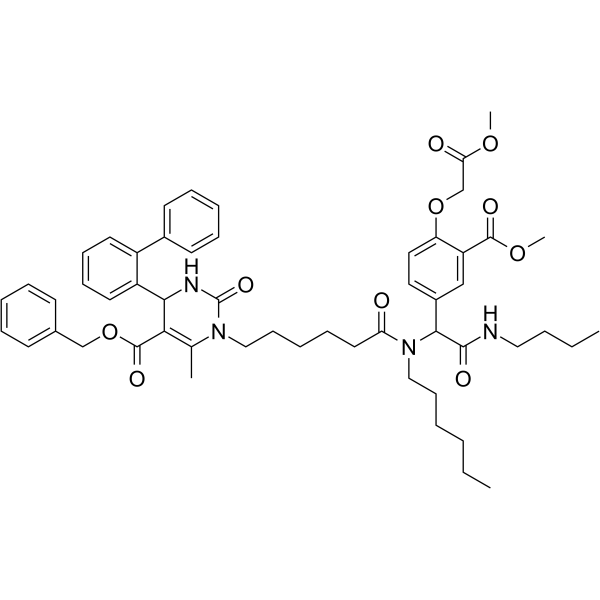 0 ImagesMAL3-101 is a potent HSP70 allosteric inhibitor. MAL3-101 inhibits HSP70 ATPase activity by blocking Hsp40 co-chaperone interaction. MAL3-101 can be used for researching muscle invasive bladder cancer (MIBC).
-
Palmitic acid-1-13C
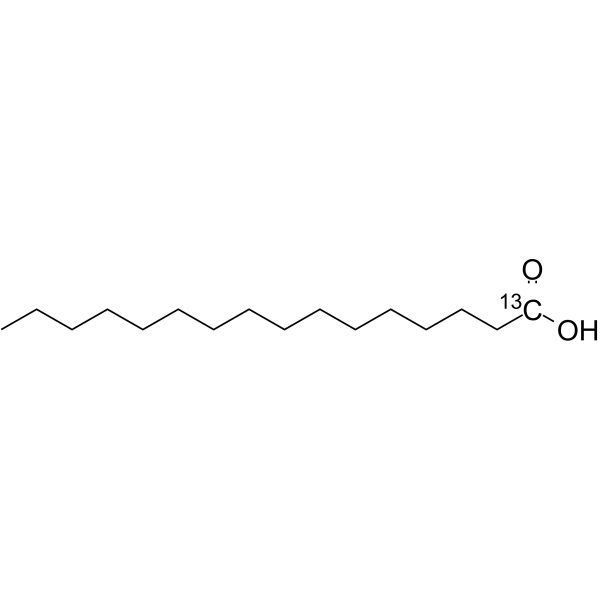 0 ImagesPalmitic acid-1-13C is the 13C-labeled Palmitic acid. Palmitic acid is a long-chain saturated fatty acid commonly found in both animals and plants. Palmitic acid can induce the expression of glucose-regulated protein 78 (GRP78) and CCAAT/enhancer binding protein homologous protein (CHOP) in in mouse granulosa cells.
-
Questiomycin A
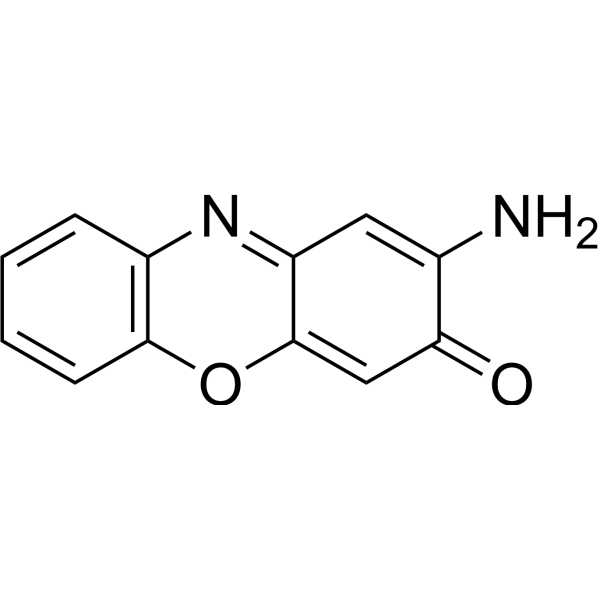 0 ImagesQuestiomycin A (Phx-3) is a GRP78 (cytoprotective endoplasmic reticulum chaperone) degrader and enhances the anticancer activity of Sorafenib. Questiomycin A is also an antimicrobial/antibiotic that can be obtained from the metabolite of Pseudomonas chlororaphis HT66. Questiomycin A can be used in research on biological control of cancer and plant diseases.
-
NCT-58
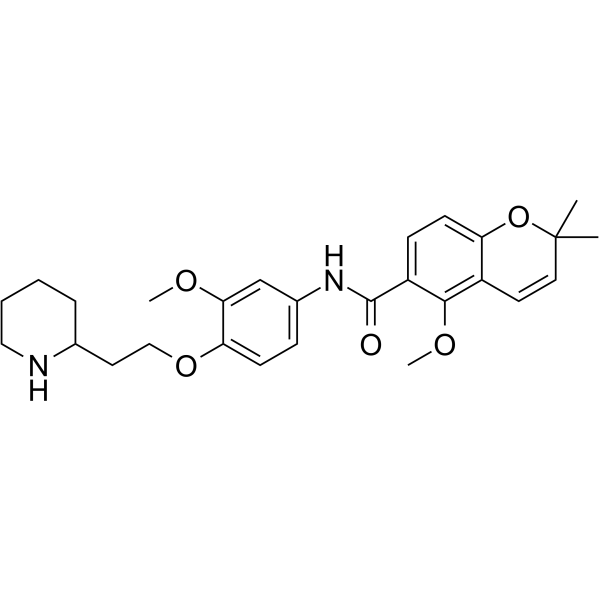 0 ImagesNCT-58 is a potent inhibitor of C-terminal HSP90. NCT-58 does not induce the heat shock response (HSR) due to its targeting of the C-terminal region and elicits anti-tumor activity via the simultaneous downregulation of HER family members as well as inhibition of Akt phosphorylation. NCT-58 kills Trastuzumab-resistant breast cancer stem-like cells. NCT-58 induces apoptosis in HER2-positive breast cancer cells.
-
Icapamespib
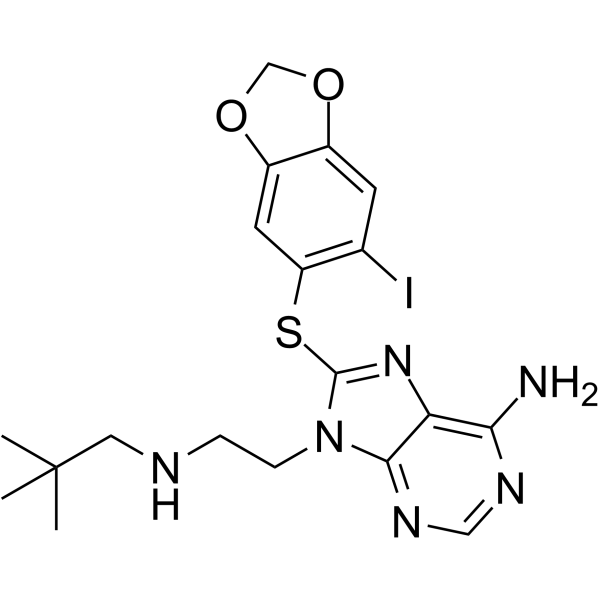 0 ImagesSynonyms: PU-HZ151Icapamespib (PU-HZ151; PU-AD) is a selective, orally active inhibitor of Epichaperomes assembled by HSP90 with slow dissociation kinetics. Icapamespib can cross the blood-brain barrier (BBB) ??and induce epichaperome disassembly by non-covalently binding to HSP90, restoring the normal protein-protein interaction network. Icapamespib can specifically disrupt disease-related abnormal protein interaction networks, reduce neurotoxic protein aggregation and tumor cell survival signals. Icapamespib can be used in the research of neurodegenerative diseases such as Alzheimer's disease, as well as cancers such as glioblastoma and metastatic breast cancer.
-
Flavokawain C
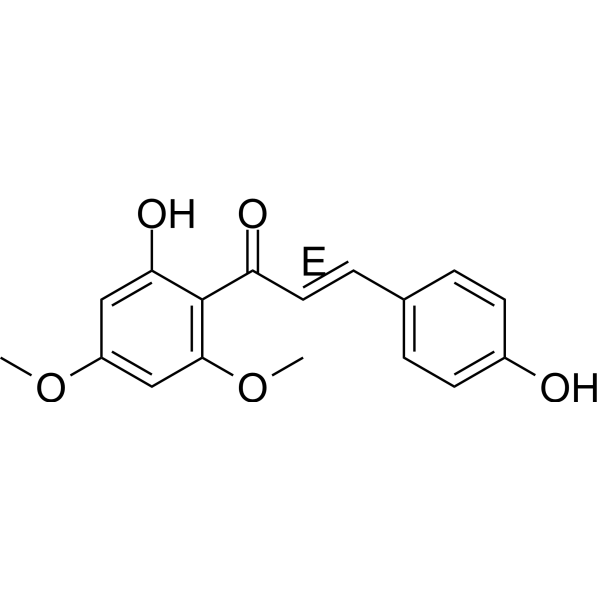 0 ImagesFlavokawain C is an orally active natural chalcone. Flavokawain C inhibits the proliferation of various cancer cells. Flavokawain C upregulates GADD153 in cancer cells, inhibits the phosphorylation of Akt and JNK, suppresses early ERK phosphorylation, activates late ERK phosphorylation, activates caspase related subtypes, induces PARP-1 cleavage, causes upregulation of p21 and p27, downregulation of mutant p53 and anti-apoptotic IAP proteins, elevates intracellular ROS levels, reduces SOD activity, and induces apoptosis. Flavokawain C downregulates FABP4, induces autophagy in cancer cells, and activates the AMPK/mTOR pathway. Flavokawain C decreases the expression of glycolysis-related proteins GLUT1 and HK2, and inhibits glycolysis in nasopharyngeal carcinoma cells. Flavokawain C inhibits the activation of the EGFR/PI3K/Akt/mTOR signaling pathway and reduces the expression of HSP90B1. Flavokawain C inhibits angiogenesis by decreasing the expression of angiogenic proteins Ang-1 and VEGF in human umbilical vein endothelial cells. Flavokawain C increases γ-H2AX levels in cells, inhibits the phosphorylation of FAK, PI3K and AKT in cells, and induces DNA damage in cells. Flavokawain C exerts anti-tumor activity in multiple tumor xenograft mouse models. Flavokawain C is applicable to research related to colorectal cancer, colon adenocarcinoma, nephroblastoma, nasopharyngeal carcinoma and liver cancer.
-
DGAT-1 inhibitor 2
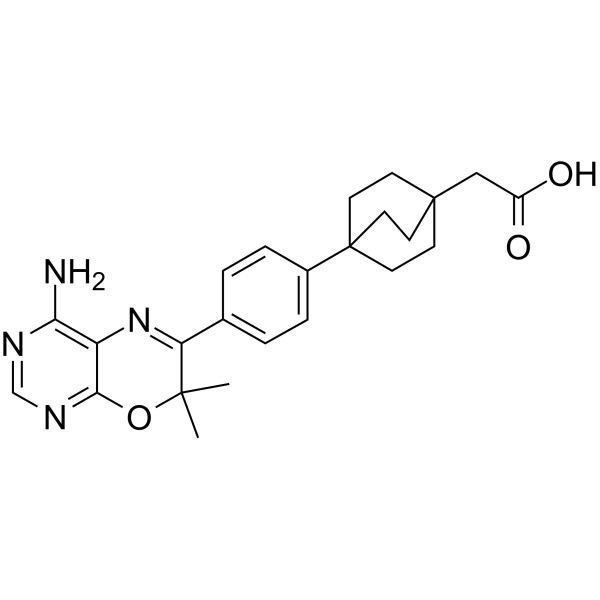 0 ImagesCat. No.: HY-50670CAS No.: 942999-61-3DGAT-1 inhibitor 2 is an orally active DGAT-1 inhibitor with IC50 values of 15 nM and 9 nM for human DGAT-1 and rat DGAT-1, respectively. DGAT-1 inhibitor 2 increases ROS concentration, GRP78, and PERK protein abundance. DGAT-1 inhibitor 2 increases SREBF1, CPT1A, and MTTP mRNA in fatty acid-treated cells. DGAT-1 inhibitor 2 improves obesity.
-
Palmitic acid-d4
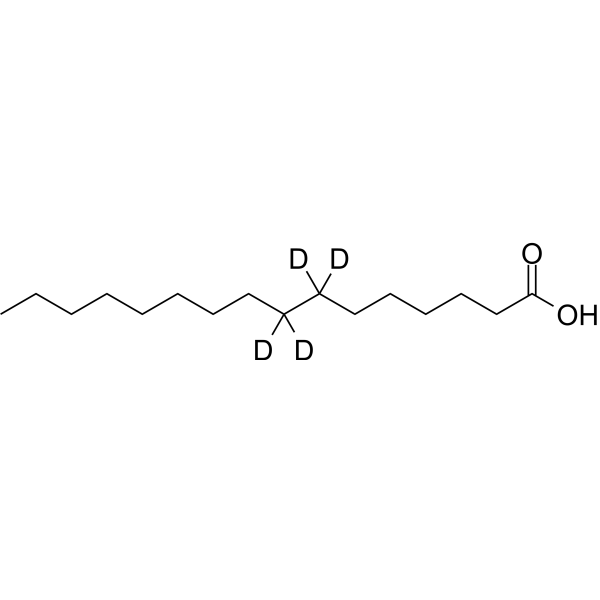 0 ImagesPalmitic acid-d4 is the deuterium labeled Palmitic acid. Palmitic acid is a long-chain saturated fatty acid commonly found in both animals and plants. Palmitic acid can induce the expression of glucose-regulated protein 78 (GRP78) and CCAAT/enhancer binding protein homologous protein (CHOP) in in mouse granulosa cells.
-
TBPH
 0 ImagesCat. No.: HY-W018587CAS No.: 26040-51-7TBPH is a brominated flame retardant. TBPH enhances hepatic steatosis, inflammation, and fibrosis in mice with nonalcoholic steatohepatitis (NASH). TBPH induces dysregulation of phospholipid metabolism, reducing cardiolipin (CL) and phosphatidylserine (PS) levels. TBPH leads to impaired endoplasmic reticulum-mitochondria (ER-Mito) contacts, subsequently causing mitochondrial dysfunction. TBPH induces lung injury through an inflammatory response mediated by mitochondria-derived ds-DNA. TBPH can be used to study the role of MFN2-mediated ER-mitochondria contacts in lipid metabolism homeostasis.
-
1-Heptanol
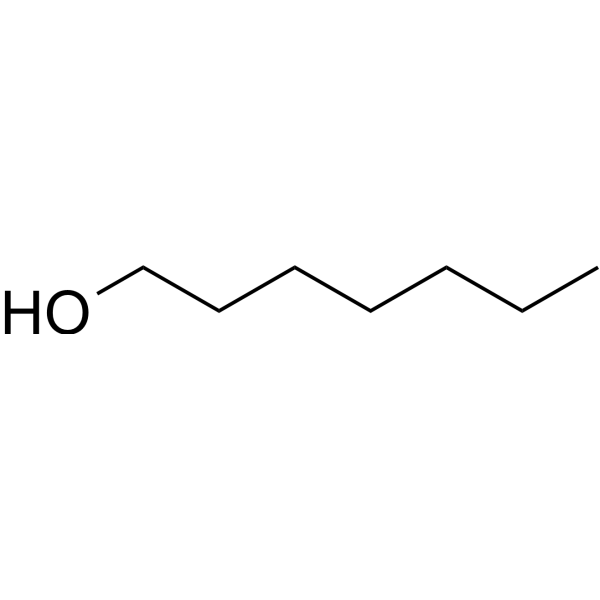 0 ImagesSynonyms: n-Heptyl alcohol1-Heptanol (n-Heptyl alcohol) is a linear primary fatty alcohol. 1-Heptanol selectively inhibits the activating phosphorylation of SAPK/JNK and reduces the phosphorylation level of IκB-α. 1-Heptanol increases plasma membrane fluidity, decreases membrane thermal stability, alters the coupling kinetics of STIM1-ORAI1, inhibits the production of ROS and LTC4, and induces the expression of HSP70. 1-Heptanol is used in the fragrance industry due to its pleasant odor.
-
DN401
 0 ImagesSynonyms: Panvotinib-401; Pan-401DN401 is a potent TRAP1 inhibitor with an IC50 of 79 nM. DN401 shows a weak inhibition of Hsp90 (IC50 of 698 nM). DN401 inactivates mitochondrial TRAP1 and has potent anticancer activities.
-
Mirificin
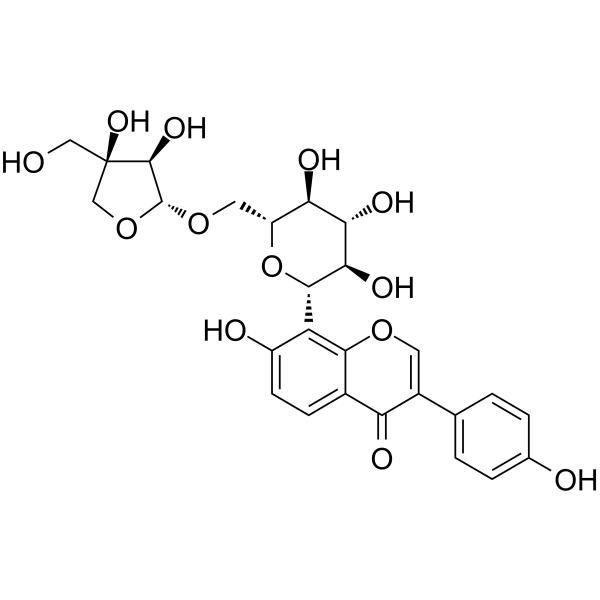 0 ImagesSynonyms: Puerarin apiosideMirificin (Puerarin apioside) is a blood-brain barrier-permeable tyrosinase inhibitor, with an IC50 value of 12.66 μM against mushroom tyrosinase. Mirificin reduces the expression of ALOX12 in cardiomyocytes and alleviates hypoxia/reoxygenation-induced apoptosis. The neuroprotective effect of Mirificin depends on the activation of VEGFR2 and HSP1A1, which reduces cerebral infarct size and improves neurological function. Mirificin can be used in the research of hyperpigmentation, acute myocardial infarction and ischemic stroke.

-
Icapamespib hydrochloride
 0 ImagesSynonyms: PU-HZ151 hydrochlorideIcapamespib (PU-HZ151; PU-AD) hydrochloride is a selective, orally active inhibitor of Epichaperomes assembled by HSP90 with slow dissociation kinetics. Icapamespib hydrochloride can cross the blood-brain barrier (BBB) ??and induce epichaperome disassembly by non-covalently binding to HSP90, restoring the normal protein-protein interaction network. Icapamespib hydrochloride can specifically disrupt disease-related abnormal protein interaction networks, reduce neurotoxic protein aggregation and tumor cell survival signals. Icapamespib hydrochloride can be used in the research of neurodegenerative diseases such as Alzheimer's disease, as well as cancers such as glioblastoma and metastatic breast cancer.
-
Ursolic acid acetate
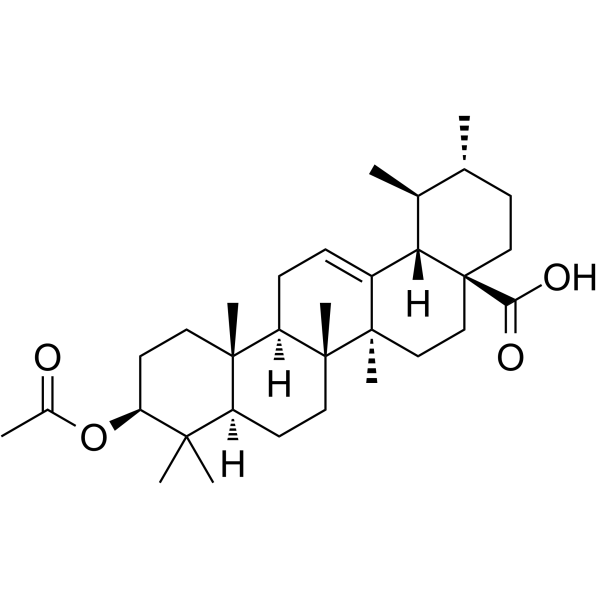 0 ImagesSynonyms: Acetylursolic acid; 3-Acetylursolic acidUrsolic acid acetate (Acetylursolic acid) is a triterpenoid compound and an inhibitor of Plasmodium falciparum heat shock protein 90 (PfHsp90) with a KD of 8.16 μM. Ursolic acid acetate is cytotoxic to KB cells, with an IC50 value of 8.4 μM. Ursolic acid acetate can be used in tumor and antimalarial research.




