HSP
Heat shock proteins
HSP (Heat shock proteins) are a group of proteins induced by heat shock, the most prominent members of this group are a class of functionally related proteins involved in the folding and unfolding of other proteins. HSP expression is increased when cells are exposed to elevated temperatures or other stress. This increase in expression is transcriptionally regulated. The dramatic upregulation of the heat shock proteins is a key part of the heat shock response and is induced primarily by heat shock factor (HSF). HSPs are found in virtually all living organisms, from bacteria to humans. Heat shock proteins appear to serve a significant cardiovascular role. Hsp90, Hsp84, Hsp70, Hsp27, Hsp20 and alpha B crystallin all have been reported as having roles in the cardiovasculature.
HSP Isoform Specific Products
All Product Categories
-
HSP Inhibitors
(324)
View all products
-
HSP Agonists
(2)
View all products
-
HSP Antagonists
(5)
View all products
-
HSP Activators
(88)
View all products
-
HSP Modulators
(6)
View all products
-
HSP Inducers
(7)
View all products
-
HSP Degraders
(7)
View all products
-
HSP Pre-designed Set
(1)
View all products
-
HSP Controls
(2)
View all products
-
HSP Ligands
(11)
View all products
-
HSP Related Products (503)
Related Products (503)

-
Antibodies (46)
-
HSP Isoform Comparison
-
KHS101 hydrochloride
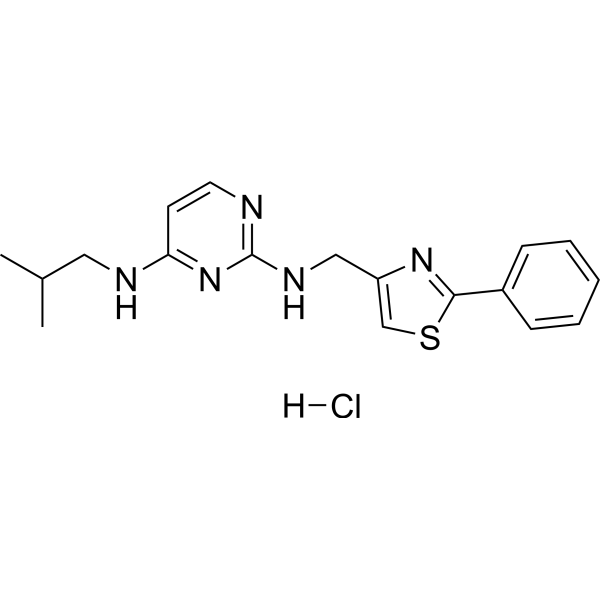 0 ImagesKHS101 is a blood-brain barrier-penetrant anticancer agent that primarily functions by inhibiting HSPD1 (IC50 = 14.4 μM) and TACC3 across different cellular backgrounds. KHS101 promotes the aggregation of HSPD1 with client proteins, destabilizes TACC3, and reduces the levels of TACC3, Aurora A and PLK1. KHS101 induces autophagy, apoptosis, cell cycle exit and neuronal differentiation; it suppresses cancer cell growth, motility, EMT and stemness; it also impairs mitochondrial bioenergetics and glycolysis in glioblastoma cells. KHS101 can be used in research related to glioblastoma multiforme and breast cancer.
-
Rosolutamide
 0 ImagesSynonyms: ASC-JM17; ALZ-003Rosolutamide (ASC-JM17) is an orally active Nrf1/Nrf2 activator. Rosolutamide activates Hsf1 pathways, upregulates proteasome subunits and antioxidant enzymes, induces proteasome complex structural rearrangement, and enhances ubiquitin-proteasome system-mediated degradation. Rosolutamide reduces mutant androgen receptor and ataxin-3 aggregates, restores mitochondrial function, attenuates reactive oxygen species (ROS) levels, induces apoptosis and ferroptosis, and inhibits cancer cell growth. Rosolutamide can be used for the research of spinal and bulbar muscular atrophy, Huntington’s disease, and temozolomide-resistant glioblastoma.
-
Cucurbitacin D
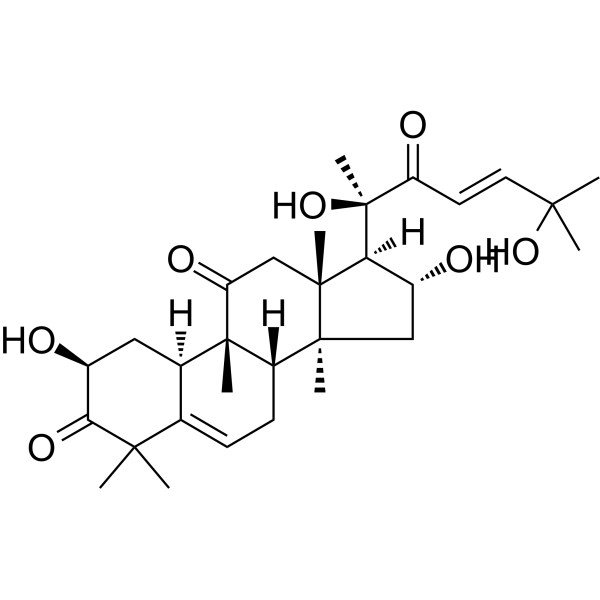 0 ImagesCucurbitacin D is the active ingredient in Trichosanthes kirilowii and can disrupt the interaction between Hsp90 and two co-chaperones, Cdc37 and p23. Cucurbitacin D is an inflammasome activator. Cucurbitacin D induces cell cycle arrest and cell apoptosis, exhibiting anti-tumor and anti-inflammatory effects.
-
Arimoclomol citrate
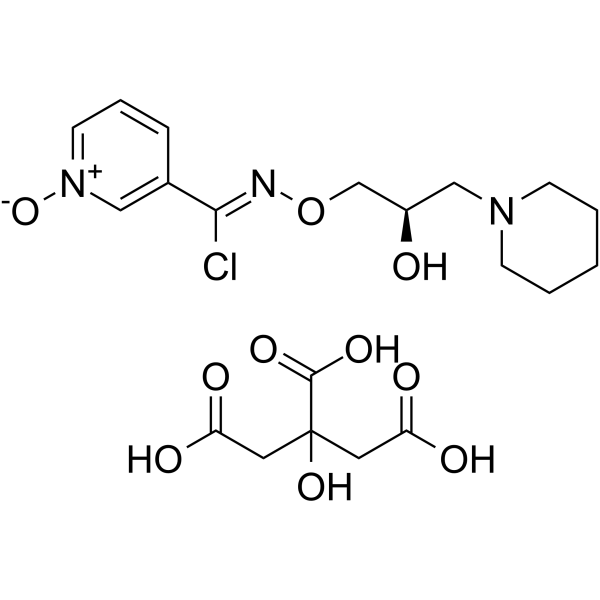 0 ImagesSynonyms: BRX-220 citrateArimoclomol citrate (BRX-220 citrate) is an orally active co-inducer of heat shock proteins (HSP). Arimoclomol citrate protects motor neurons by enhancing Hsp expression, thus directly affecting protein aggregation and clearance of misfolded assemblies via the proteasome-ubiquitin system. Arimoclomol citrate can be used for the study of Niemann–Pick disease type C.
-
EC144
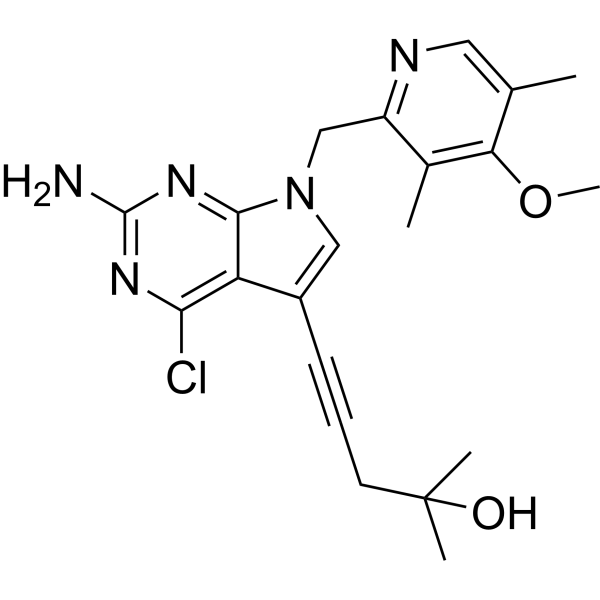 0 ImagesEC144 is a potent and selective inhibitor of heat shock protein 90 (Hsp90) with an IC50 of 1.1 nM. EC144 inhibits tumor growth and causes partial tumor regressions. EC144 has the potential for the research of cancer diseases. EC144 is a click chemistry reagent, it contains an Alkyne group and can undergo copper-catalyzed azide-alkyne cycloaddition (CuAAc) with molecules containing Azide groups.
-
Eupalinolide A
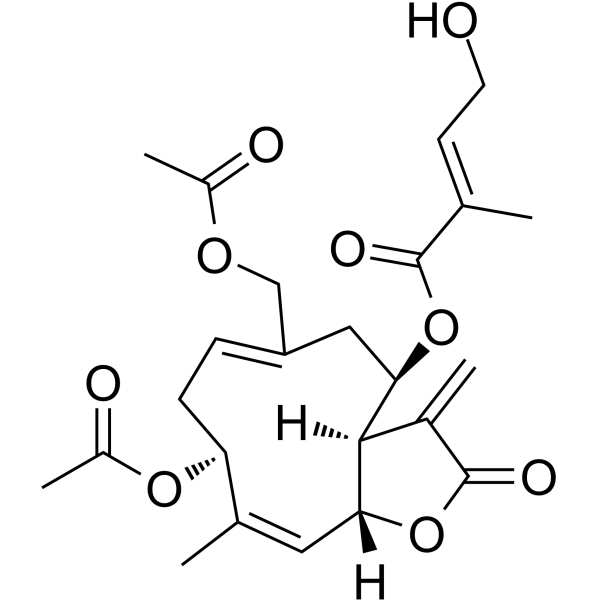 0 ImagesEupalinolide A is a Yes-associated protein (YAP) degrader and HSP70 inducer. Eupalinolide A inhibits osteogenic differentiation of tendon-derived stem cells (TDSCs). Eupalinolide A induces autophagy in hepatocellular carcinoma cells via activating the ROS/ERK signaling pathway. Eupalinolide A protects PAM212 cells from UVB-, Menadione (HY-B0332)-, or heat shock-induced apoptosis. Eupalinolide A alleviates trauma-induced heterotopic ossification (HO) of Achilles tendon and inhibits growth of MHCC97-L and HCCLM3 hepatocellular carcinoma xenograft tumors in mice. Eupalinolide A can be used for the study of traumatic heterotopic ossification of tendons and hepatocellular carcinoma.
-
Neoisoliquiritin
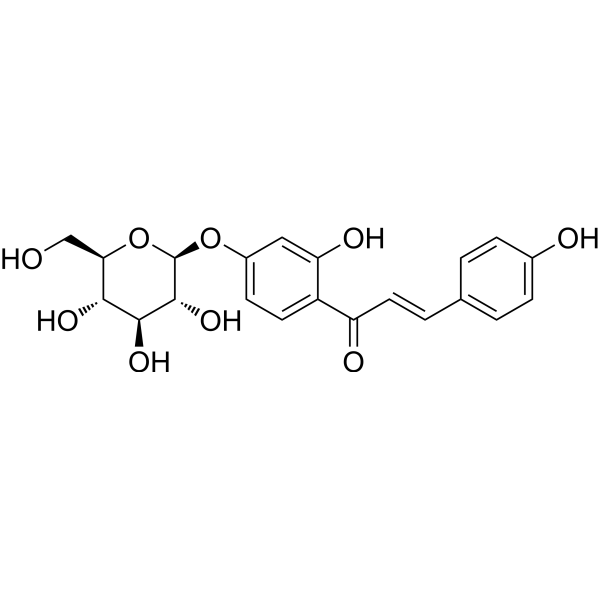 0 ImagesSynonyms: NeoisoliquiritigeninNeoisoliquiritin (Neoisoliquiritigenin) is an androgen receptor (AR) inhibitor. Neoisoliquiritin inhibits the ATPase activity of GRP78. Neoisoliquiritin induces G0/G1 cell cycle arrest and inhibits proliferation in cancer cells, while it also induces cell apoptosis (apoptosis). Neoisoliquiritin suppresses tumor growth in mouse models of prostate cancer and breast cancer. Neoisoliquiritin can be used in studies related to prostate cancer and breast cancer.
-
2-O-β-D-Glucopyranosyl-L-ascorbic acid
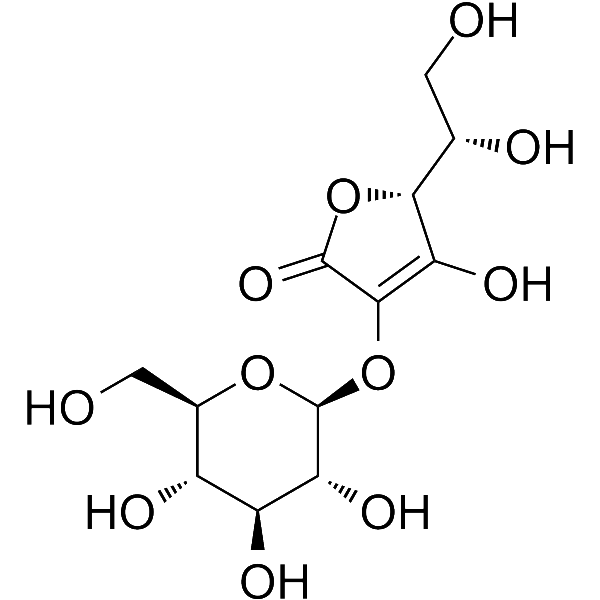 0 ImagesCat. No.: HY-N6958CAS No.: 562043-82-7Synonyms: AA-2βG2-O-β-D-Glucopyranosyl-L-ascorbic acid (AA-2βG) is an orally active vitamin C derivative. 2-O-β-D-Glucopyranosyl-L-ascorbic acid exhibits multiple activities including antioxidant, anti-tumor and immunomodulatory effects. 2-O-β-D-Glucopyranosyl-L-ascorbic acid mediates tumor cell apoptosis, induces cell cycle arrest, scavenges free radicals and eliminates oxidative stress. 2-O-β-D-Glucopyranosyl-L-ascorbic acid can be used in studies related to cancer, inflammation and immunity.
-
Plecstatin-1 hydrochloride
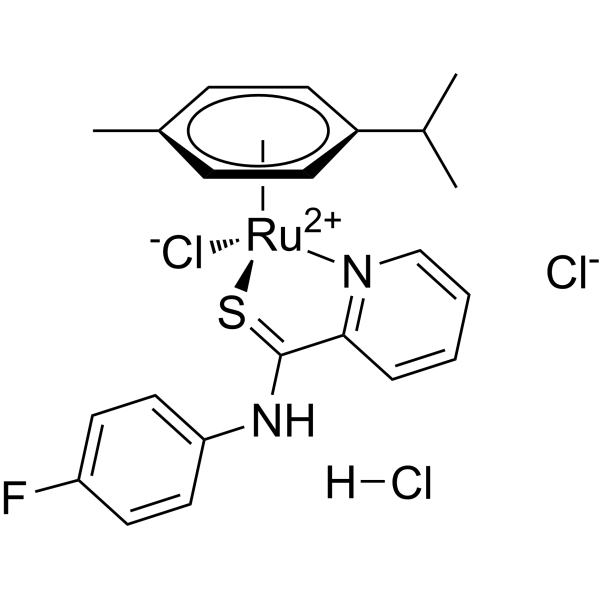 0 ImagesCat. No.: HY-156675APurity: 98.96%Plecstatin-1 hydrochloride is a metal complex that drives the aggregation and collapse of the plectin network, and disrupts the cytoskeletal structures of α‑tubulin and F‑actin. Plecstatin-1 hydrochloride triggers oxidative stress, mediates the phosphorylation of eIF2α, and induces molecular features associated with immunogenic cell death, including calreticulin membrane exposure, membrane localization of HSP70/HSP90, ATP secretion, and HMGB‑1 release. Plecstatin-1 hydrochloride induces apoptosis via the intrinsic mitochondrial pathway and exerts anti-invasive activity. Plecstatin-1 hydrochloride inhibits sphere proliferation and reduces clonogenicity in the 3D tumor spheroid model of colon cancer cells. Plecstatin-1 hydrochloride is applicable to relevant research on colorectal cancer.
-
Geldanamycin-FITC
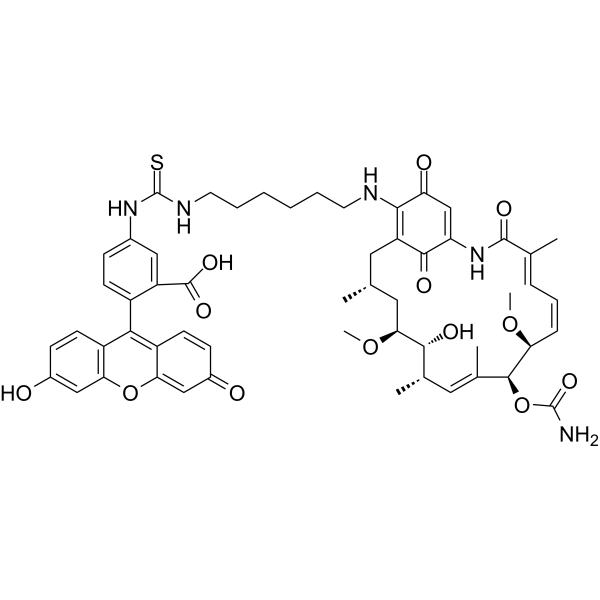 0 ImagesCat. No.: HY-133705CAS No.: 2969156-01-0
-
Palladium(Ⅱ) acetylacetonate
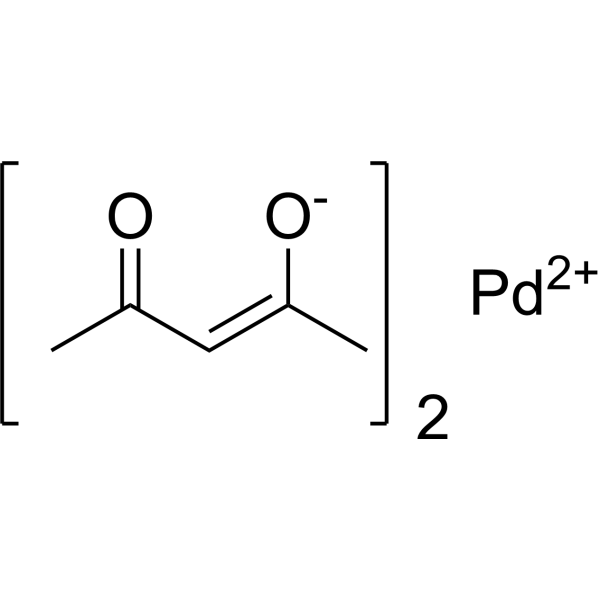 0 ImagesSynonyms: Palladium(Ⅱ) 2,4-pentanedionate; Pd(acac)2Palladium(II) acetylacetonate is a metal-organic complex. Palladium(II) acetylacetonate upregulates the expression of GRP78, ATF-4, XBP-1, CHOP, and phosphorylated c-Jun. Palladium(II) acetylacetonate induces Apoptosis. Palladium(II) acetylacetonate has anticancer effects against non-small cell lung cancer, gastric cancer, leukemia, and cervical cancer.
-
AT-533
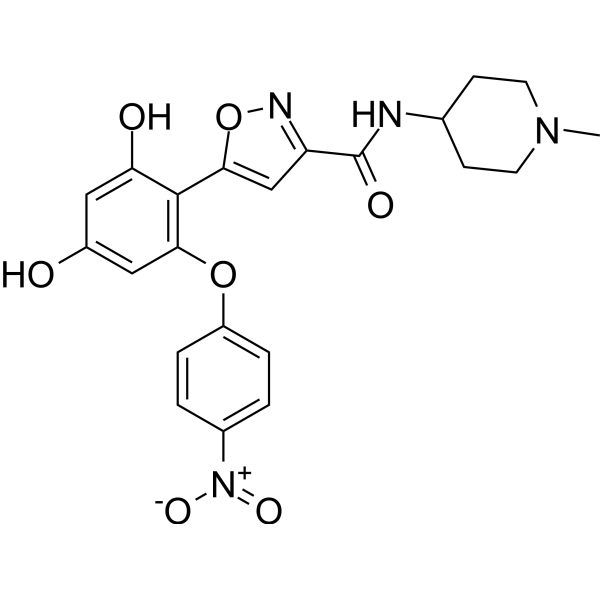
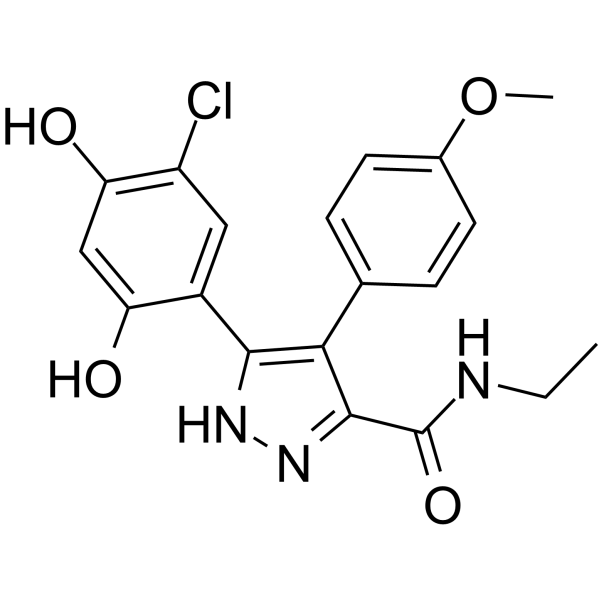
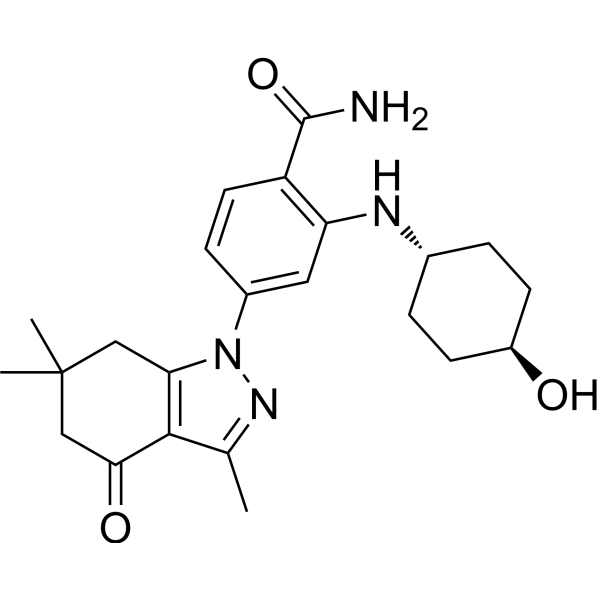 0 ImagesAT-533 is a potent Hsp90 and HSV inhibitor. AT-533 suppresses tumor growth and angiogenesis by blocking the HIF-1α/VEGF/VEGFR-2 signaling pathway. AT-533 also inhibits the activation of the downstream pathways, including Akt/mTOR/p70S6K, Erk1/2 and FAK. AT-533 inhibits the tube formation, cell migration, and invasion of human umbilical vein endothelial cells (HUVECs).
-
Palmitic acid-d2
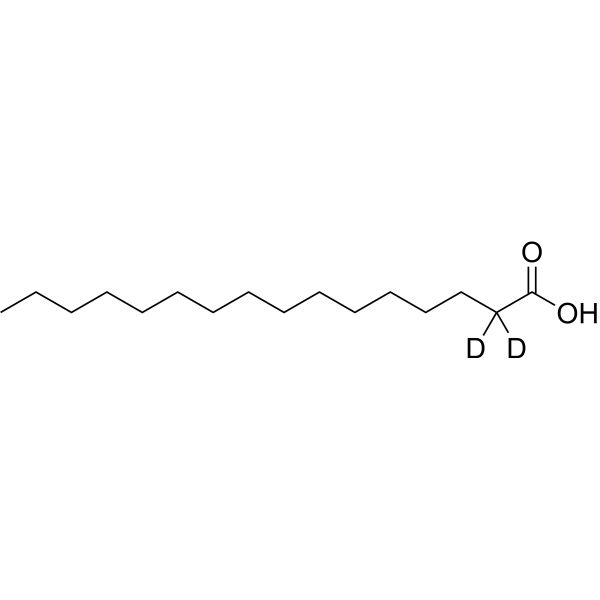 0 ImagesPalmitic acid-d2 is the deuterium labeled Palmitic acid. Palmitic acid is a long-chain saturated fatty acid commonly found in both animals and plants. Palmitic acid can induce the expression of glucose-regulated protein 78 (GRP78) and CCAAT/enhancer binding protein homologous protein (CHOP) in in mouse granulosa cells.