



HSP
Heat shock proteins
HSP (Heat shock proteins) are a group of proteins induced by heat shock, the most prominent members of this group are a class of functionally related proteins involved in the folding and unfolding of other proteins. HSP expression is increased when cells are exposed to elevated temperatures or other stress. This increase in expression is transcriptionally regulated. The dramatic upregulation of the heat shock proteins is a key part of the heat shock response and is induced primarily by heat shock factor (HSF). HSPs are found in virtually all living organisms, from bacteria to humans. Heat shock proteins appear to serve a significant cardiovascular role. Hsp90, Hsp84, Hsp70, Hsp27, Hsp20 and alpha B crystallin all have been reported as having roles in the cardiovasculature.
HSP Isoform Specific Products
All Product Categories
-
HSP Inhibitors
(324)
View all products
-
HSP Agonists
(2)
View all products
-
HSP Antagonists
(5)
View all products
-
HSP Activators
(88)
View all products
-
HSP Modulators
(6)
View all products
-
HSP Inducers
(7)
View all products
-
HSP Degraders
(7)
View all products
-
HSP Pre-designed Set
(1)
View all products
-
HSP Controls
(2)
View all products
-
HSP Ligands
(11)
View all products
-
HSP Related Products (503)
Related Products (503)

-
Antibodies (46)
-
HSP Isoform Comparison
-
CT-1
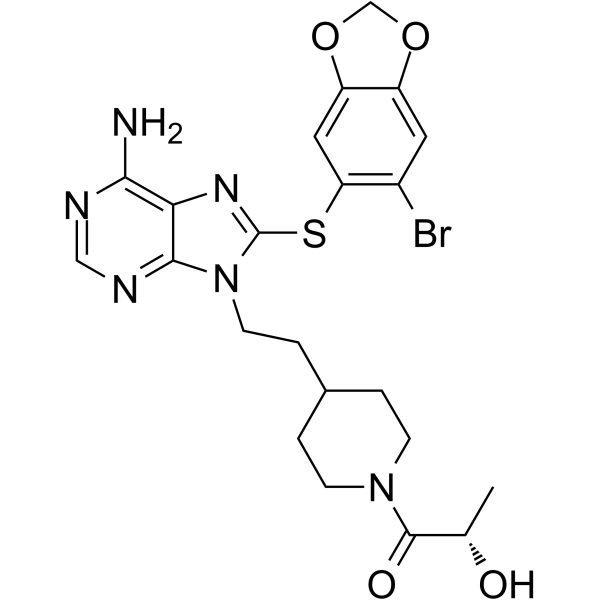
 0 ImagesCat. No.: HY-168894Purity: 99.90%CT-1 is a secreted protein belonging to the IL-6 cytokine family. Overexpression of CT-1 enhances cell proliferation, migration and angiogenesis via the ADMA/DDAH pathway. CT-1 inhibits the growth of triple-negative breast cancer cells by simultaneously inducing Ferroptosis in N2-type tumor-associated neutrophils and cancer cells. CT-1 activates the Jak/STAT-3, p42/p44 MAPK and AMPK pathways, and inhibits GSK-3β activity through phosphorylation to induce cardiomyocyte hypertrophy. CT-1 enhances the viability of cardiomyocytes and neurons, reduces cell Apoptosis, induces the expression of heat shock proteins (HSP) and BNP, and inhibits TNF levels. CT-1 exerts anti-tumor activity in mouse models of triple-negative breast cancer. CT-1 improves cognitive impairment in mice. CT-1 is applicable to the research of ischemic heart disease, triple-negative breast cancer, myocardial hypertrophy, Parkinson's disease, hypertensive heart disease, myocardial infarction, acute Chagas cardiomyopathy, high-fat diet-induced cognitive impairment and diabetes-related cognitive impairment.
-
Azure C
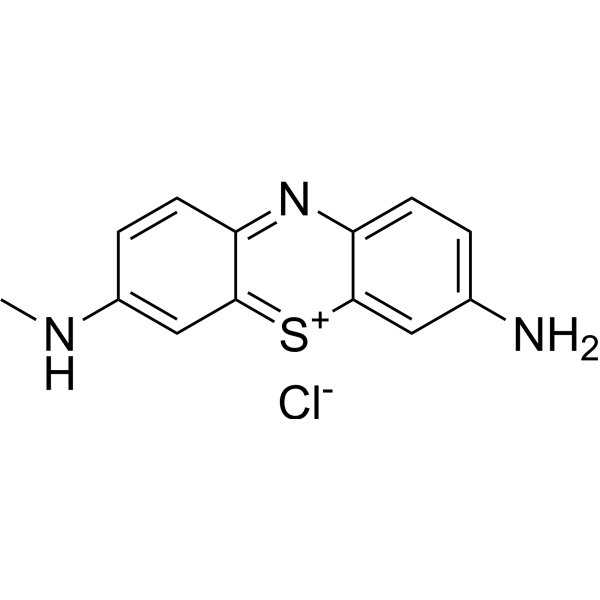 0 ImagesCat. No.: HY-W143216CAS No.: 531-57-7Synonyms: MonomethylthionineAzure C (Monomethylthionine) acts as a tau oligomer inhibitor and Aβ42 oligomerization inhibitor. Azure C regulates hsp70 ATPase activity, thereby mediating the clearance of tau protein. Azure C reduces the levels of toxic tau oligomers by promoting the formation of non-toxic tau aggregates, rescues neuroblastoma cells from tau oligomer-induced toxicity, and binds to and inhibits Aβ42 oligomerization. Azure C is generated via continuous oxidation of methylene blue or azure B through a horseradish peroxidase-mediated reaction. Azure C can be used in research related to tauopathies, including Alzheimer's disease.
-
Hexapeptide-11
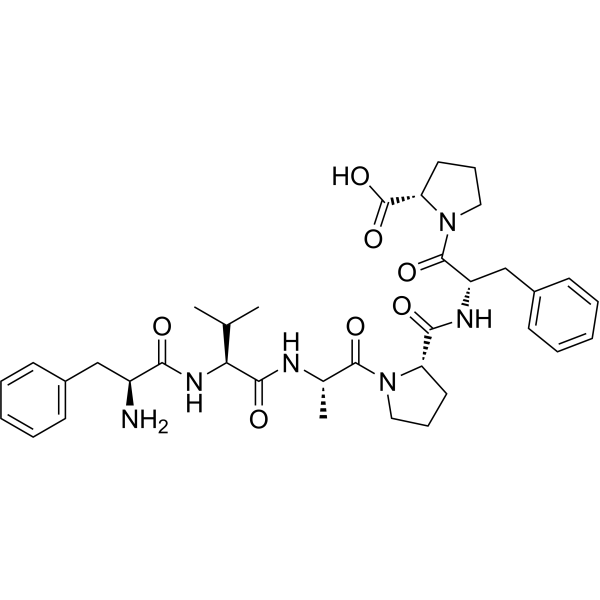 0 ImagesHexapeptide-11 is an anti-aging peptide that can protect fibroblasts from premature cell senescence mediated by oxidative stress. Hexapeptide-11 is also a potential stimulator of hyaluronic acid in keratinocytes, and can enhance skin barrier function by upregulating the expression of HAS2 and EGR3, and downregulating the expression of HYAL2. Hexapeptide-11 can also improve skin elasticity.
-
Nonactin
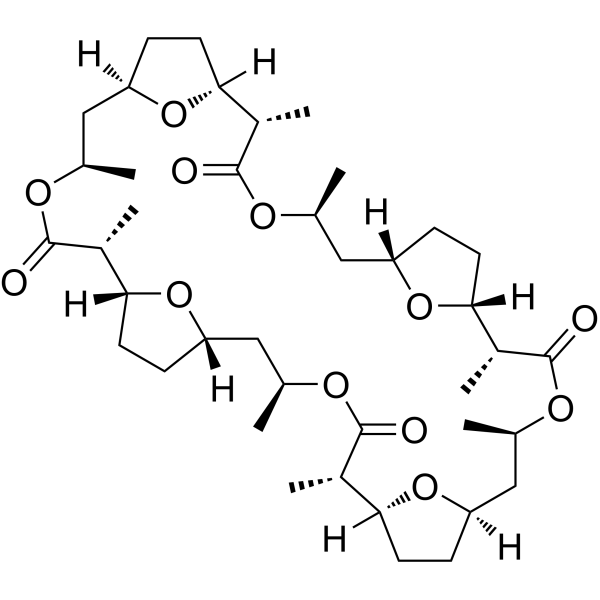 0 ImagesNonactin is a macrotetrolide antibiotic and mitochondrial uncoupler with antibacterial, insecticidal, and acaricidal activities. Nonactin acts as an ionophore for monovalent cations, including K+, and NH4+, and it can also inhibit the surface expression of endogenous HSP60. In addition, Nonactin can induce apoptosis in β-catenin mutant tumor cells and has anti-tumor activity.
-
2-Methoxyhydroquinone
 0 Images2-Methoxyhydroquinone is a phenolic compound that reduces TNF-α-induced production of chemokine (C-C motif) ligand 2 (CCL2) with an IC50 value of 64.3 µM. 2-Methoxyhydroquinone is also a precursor in the synthesis of the Hsp90 inhibitor Geldanamycin (HY-15230).
-
Cholesterol β-D-glucoside
 0 ImagesCholesterol β-D-glucoside (Cholesteryl glucoside) is a heat shock transcription factor 1 (HSF1) activator. Cholesterol β-D-glucoside induces HSP70 in fibroblast cells.
-
HYOU1-IN-1
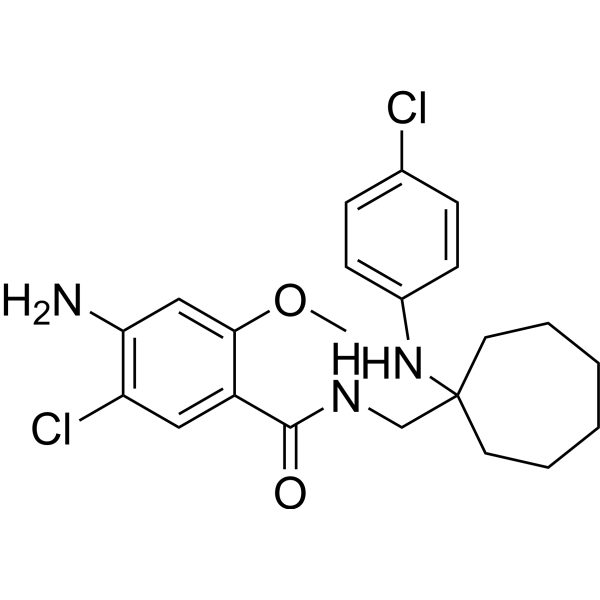 0 ImagesHYOU1-IN-1 (Compound 33) is an inhibitor of hypoxia-upregulated protein 1 (HYOU1) with anti-inflammatory activity. HYOU1-IN-1 can be used in research on the regulation of fibroblast activation, chronic inflammation, and fibrotic diseases.
-
SNX-0723
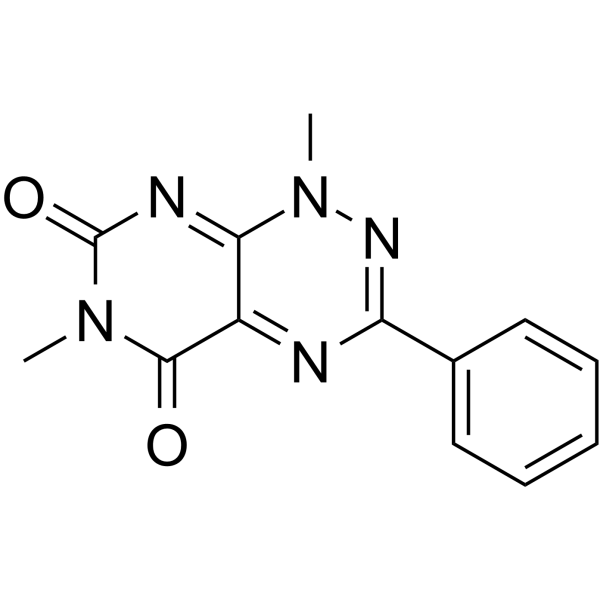
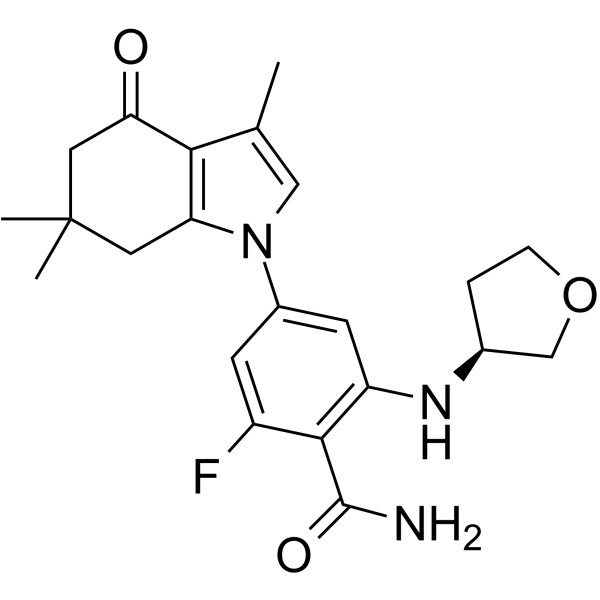 0 ImagesSNX-0723 is a potent Hsp90 Inhibitor with anti-Plasmodium activity. SNX-0723 shows high binding affinity for HsHsp90 and PfHsp90 with Kis of 4.4 and 47 nM, respectively. SNX-0723 inhibits liver-stage P. berghei ANKA parasites with the EC50 of 3.3 μM.
-
HSP70-IN-1
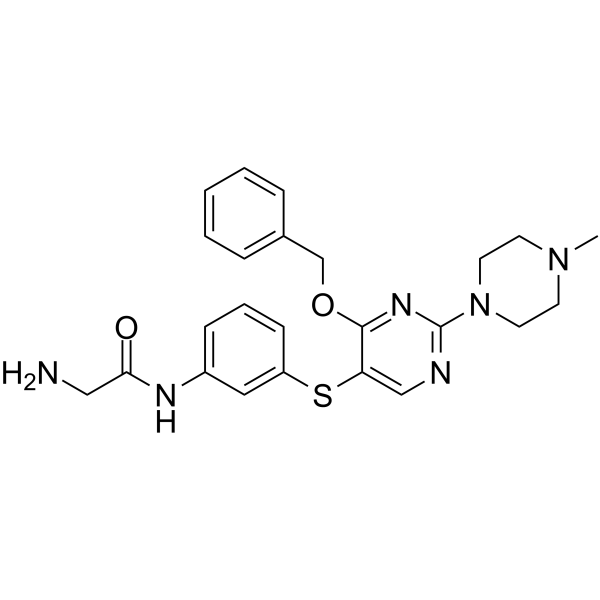 0 ImagesHSP70-IN-1 is a heat shock protein (HSP) inhibitor; inhibits the growth of Kasumi-1 cells with an IC50 of 2.3 μM.
-
HSP90-IN-23
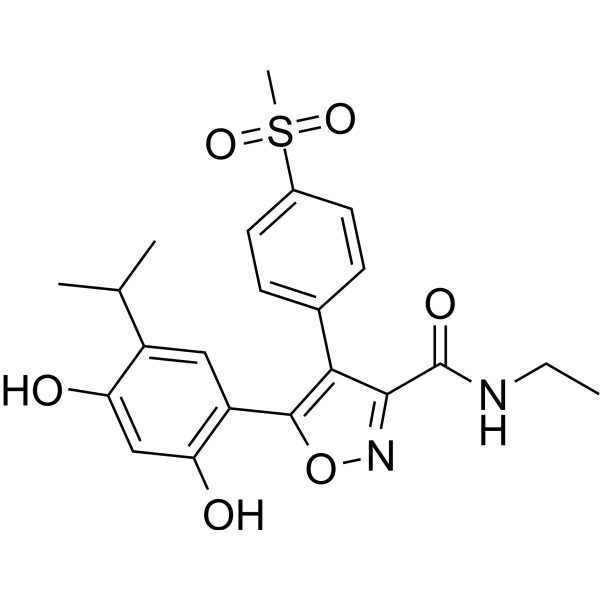 0 ImagesHSP90-IN-23 (Comp 12-1) is an inhibitor of heat shock protein 90(HSP90) with an IC50 of 9 nM. HSP90-IN-23 induces apoptosis of tumor cells and arrests the tumor cell cycle in G0/G1 phase. HSP90-IN-23 can be used for cancer research.
-
Hsp90-Cdc37-IN-3
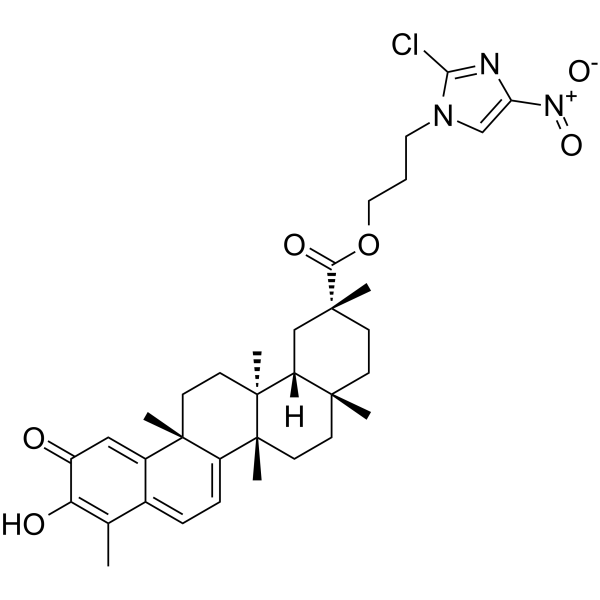 0 ImagesHsp90-Cdc37-IN-3 (Compound 9) is a novel celastrol−imidazole derivative with anticancer activity. Hsp90-Cdc37-IN-3 inhibits Hsp90−Cdc37 by covalent-binding, and induces apoptosis.
-
SGC8158
 0 ImagesCat. No.: HY-114211CAS No.: 3062376-84-2SGC8158 is an inhibitor of PRMT7 and can be used to study the cellular function of PRMT7. SGC8158 decreases monomethylarginine levels of Hsp70 (the best characterized PRMT7 substrate). SGC8158 induces growth inhibition in various cancer cells (IC50: 2-9 μM), as well as multidrug-resistant (MDR) cancer cells. SGC8158 also enhances Doxorubicin (HY-15142A) induced DNA damage and Its cytotoxicity.
-
Tamoxifen-d5
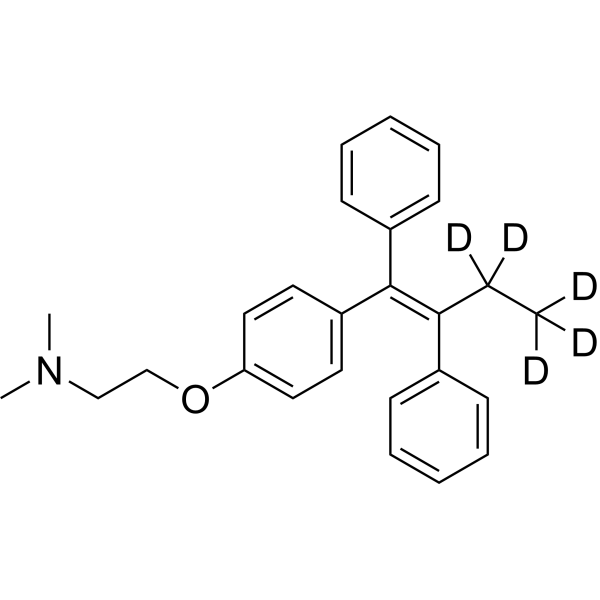 0 ImagesSynonyms: ICI 47699-d5; (Z)-Tamoxifen-d5; trans-Tamoxifen-d5Tamoxifen-d5 is a deuterium labeled Tamoxifen. Tamoxifen (ICI 47699) is an orally active, selective estrogen receptor modulator (SERM). Tamoxifen is a potent Hsp90 activator and enhances the Hsp90 molecular chaperone ATPase activity.
-
Psora-4
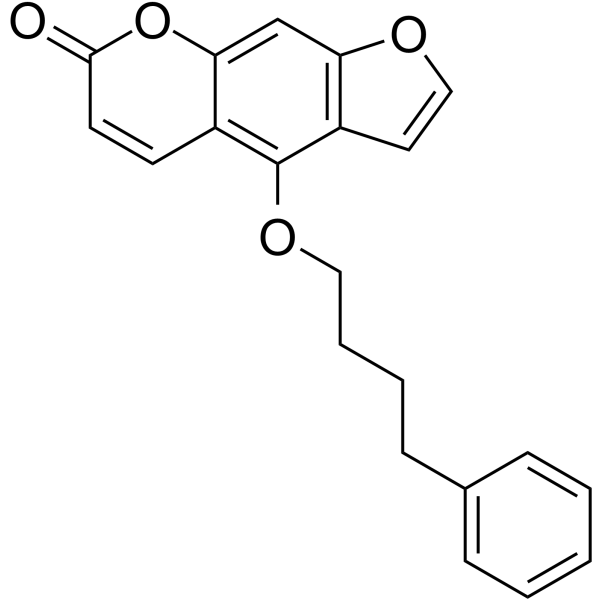 0 ImagesSynonyms: 5-(4-Phenylbutoxy)psoralenPsora-4 (5-(4-Phenylbutoxy) psoralen) is a selective Kv1.3 blocker (Kd = 3 nM). Psora-4 increases mitochondrial ROS production, activates stress response genes including daf-16 targets and heat shock proteins, reduces triglyceride accumulation, extends lifespan and healthspan in C. elegans, and increases resistance to Paraquat-induced oxidative stress. Psora-4 can be used for research on psoriasis and obesity.
-
Flurochloridone
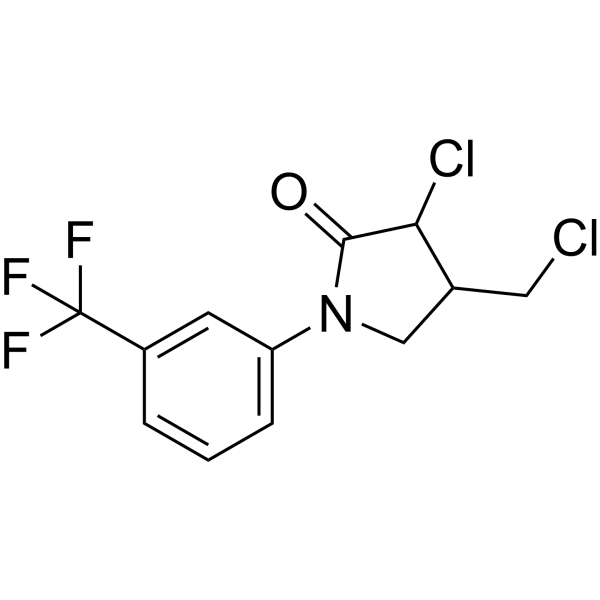 0 ImagesSynonyms: R-40244Flurochloridone (R-40244) is an orally active herbicide and an inducer of ER stress, apoptosis, and cytotoxicity. Flurochloridone upregulates GRP78 and activates the PERK-eIF2α-ATF4 UPR axis, ATF6, CHOP, Bax, and Bim. Flurochloridone decreases Akt, p-Akt, GSK3β, and p-GSK3β levels, and induces ROS, oxidative stress, γ-glutamyl cycle activation, and GSH accumulation. Flurochloridone inhibits mitochondrial respiration and ATP production while enhancing glycolysis and cell viability inhibition. Flurochloridone inhibits spermatogonial proliferation, spermatocyte meiosis, and sperm mitochondrial membrane potential, and induces Sertoli cell apoptosis and mitochondrial damage. Flurochloridone non-competitively binds phytoene desaturase, blocking phytoene desaturation and carotenoid synthesis, leading to leaf bleaching and phytotoxicity. Flurochloridone can be used for research on male reproductive toxicity, hepatotoxicity, and as a herbicide.
-
Palmitic acid-13C2
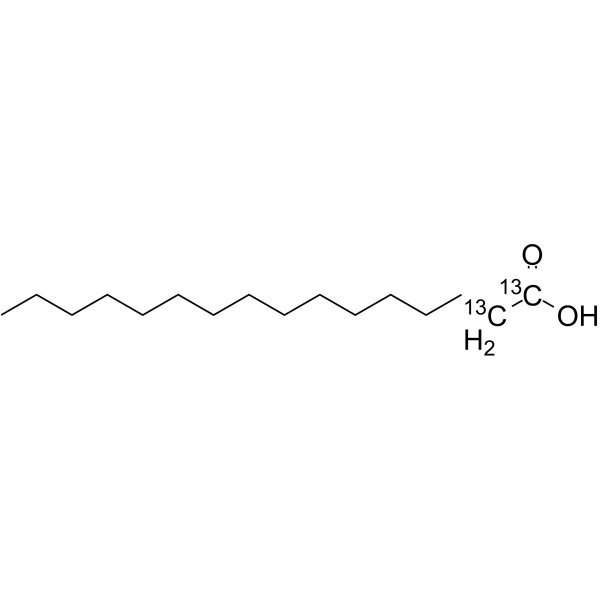 0 ImagesPalmitic acid-13C2 is the 13C-labeled Palmitic acid. Palmitic acid is a long-chain saturated fatty acid commonly found in both animals and plants. Palmitic acid can induce the expression of glucose-regulated protein 78 (GRP78) and CCAAT/enhancer binding protein homologous protein (CHOP) in in mouse granulosa cells.
-
Prostaglandin A1
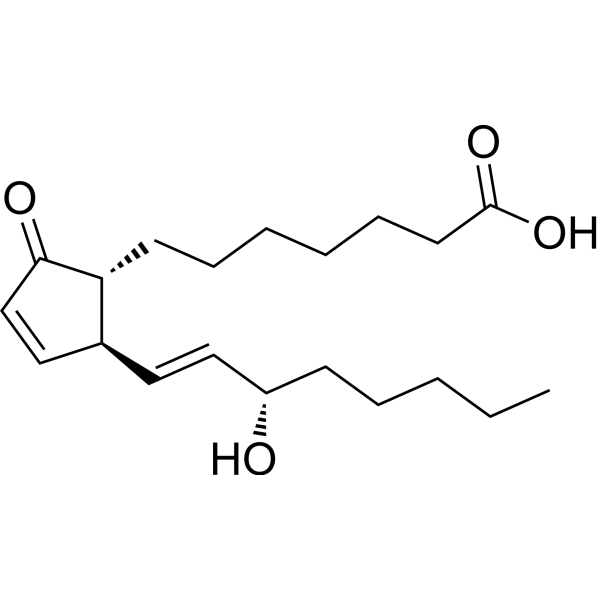 0 ImagesProstaglandin A1 is a dehydrated derivative of Prostaglandin E1. Prostaglandin A1 exhibits antiviral, anti-inflammatory, antitumor, neuroprotective, and antihypertensive activities. Prostaglandin A1 covalently binds to cysteine residues of target proteins through Michael addition, or activates pathways such as PPARγ and HSPs via transcriptional regulation. Prostaglandin A1 is used in research on Mayaro virus infection, stroke, Alzheimer's disease, neuroblastoma, melanoma, and severe gestational hypertension.




