



MEK
Mitogen-activated protein kinase kinase; MAPKK; MAP2K
MEK (Mitogen-activated protein kinase kinase, MAPKK) is a kinase enzyme which phosphorylates mitogen-activated protein kinases (MAPKs). The activated MAPK leads to the phosphorylation of downstream transcription factors that regulate various responses such as stress signaling, pathogen response, and hormone signaling.
In general, the MAPKKK phosphorylates a serine or threonine residue on a MAPKK, which sequentially activates a MAPK (ERK, p38 or JNK), the last protein in the cascade. Activation of the p38 MAPK occurs mainly through mitogen-activated protein kinase kinase 3 (MKK3) and MKK6 (sometimes MKK4). The JNK is regulated by two upstream MAP2Ks: MKK4 and MKK7. The highly homologous kinases, MEK1 and MEK2, act downstream of Ras and Raf to activate ERK mitogen-activated protein kinases.
MEK Isoform Specific Products
All Product Categories
-
MEK Related Products (250)
Related Products (250)

-
Antibodies (9)
-
MEK Isoform Comparison
-
Sophocarpine monohydrate
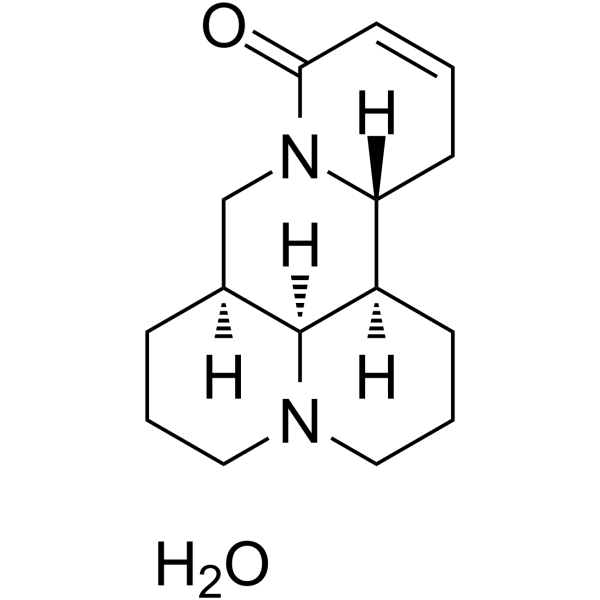 0 ImagesSophocarpine monohydrate is a PTEN activator and an inhibitor of PI3K/Akt, MEK/ERK, and NF-κB signaling pathways. Sophocarpine monohydrate upregulates PTEN expression and inhibits PI3K/Akt phosphorylation, arrests tumor cell cycle and induces apoptosis. Sophocarpine monohydrate inhibits MEK/ERK phosphorylation and VEGF secretion, reducing tumor cell migration. Sophocarpine monohydrate can also inhibit NF-κB activation and p38 and JNK phosphorylation, reduce the expression of inflammatory factors such as iNOS and COX-2, and activate the Nrf2/HO-1 pathway to reduce oxidative stress. Sophocarpine monohydrate has anti-tumor, anti-inflammatory, antioxidant and anti-apoptotic effects, and can be used in the research of cancers such as glioblastoma and colorectal cancer, inflammation-related diseases, and Doxorubicin (HY-15142A)-induced cardiac damage.
-
Luvometinib
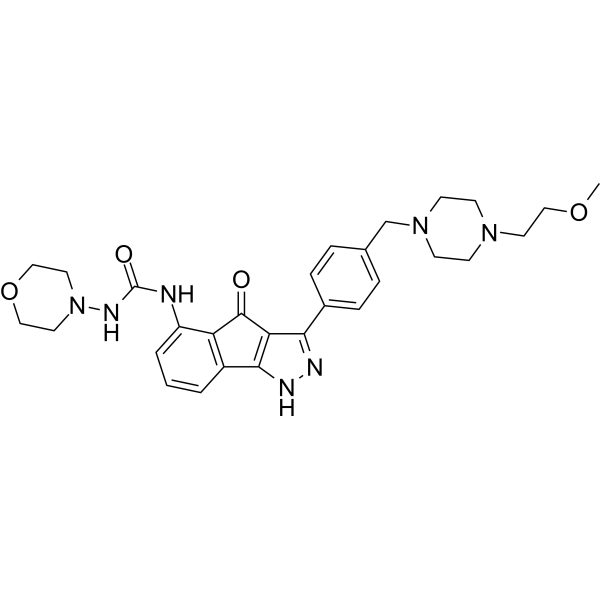
 0 ImagesSynonyms: FCN-159Luvometinib is a mitogen-activated protein kinase (MEK) inhibitor with antitumor activity.
-
DZ2002
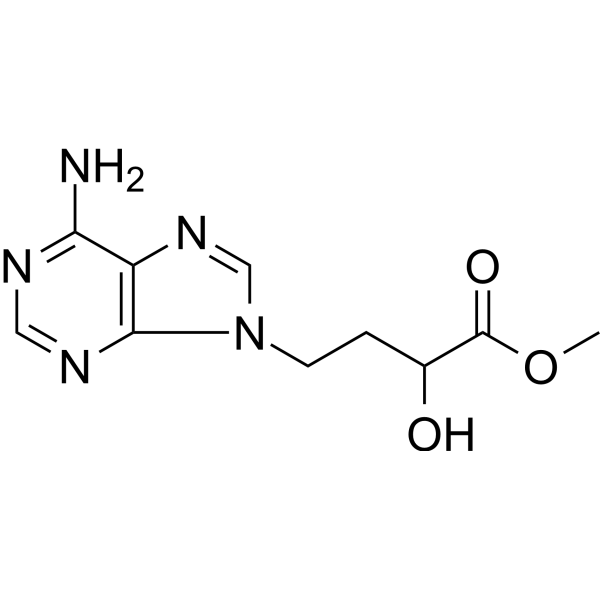 0 ImagesDZ2002 is an orally active, reversible and low-cytotoxic type III SAHH inhibitor (Ki=17.9 nM), with good immunosuppressive activity. DZ2002 prevents the development of experimental dermal fibrosis by reversing the profibrotic phenotype of various cell types. DZ2002 can be used in studies of autoimmune diseases such as lupus syndrome and systemic sclerosis.
-
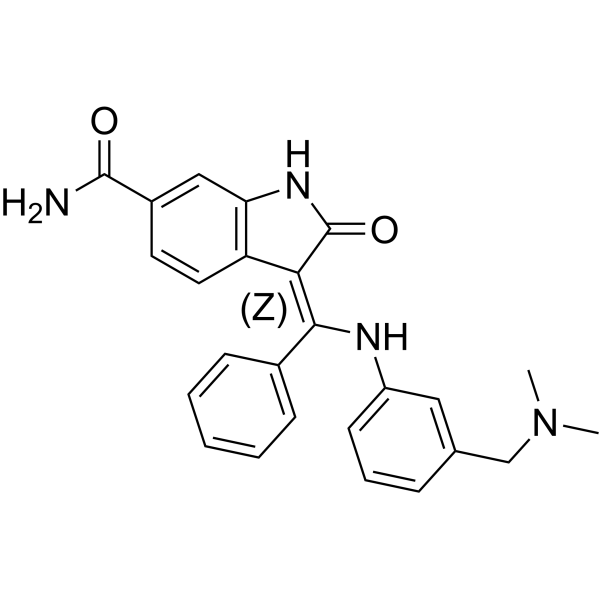
Polfurmetinib
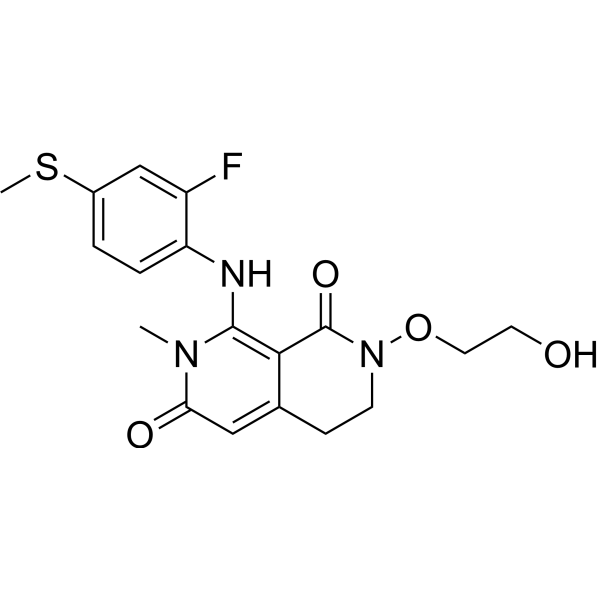 0 ImagesSynonyms: MEK-IN-6
-
Licoflavone A
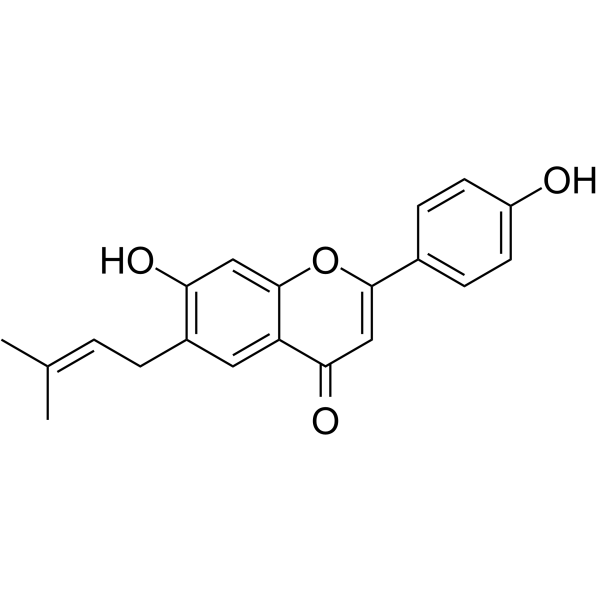 0 ImagesLicoflavone A is an orally active PTP1B/VEGFR-2 inhibitor, with an IC50 of 54.5 μM against PTP1B, an IC50 of 14.36 μM and a Kd of 142.38 nM against human VEGFR-2. Licoflavone A blocks the PI3K/AKT and MEK/ERK signaling pathways. Licoflavone A induces G1 phase cell cycle arrest, apoptosis via the intrinsic mitochondrial pathway (apoptosis), and inhibits migration, invasion and epithelial-mesenchymal transition (EMT) of gastric cancer cells. Licoflavone A inhibits the proliferation of gastric cancer cells in vitro and in xenograft models. Licoflavone A reduces the expression levels of HIF-1α, GLUT1, LDHA, PKM2 and HK2 in hypoxic gastric cancer cells, decreases glucose uptake and suppresses glycolysis. Licoflavone A can be used in research related to gastric cancer, type 2 diabetes and obesity.
-
3-Hydroxy-4-carboxyalkylamidino-5-arylamino-isothiazoles
 0 Images3-Hydroxy-4-carboxyalkylamidino-5-arylamino-isothiazoles is an inhibitor for bone morphogenetic protein 2 (BMP2) with an IC50 of 2.2 μM. 3-Hydroxy-4-carboxyalkylamidino-5-arylamino-isothiazoles is inhibitor for mitogen-activated protein kinase 1 (MEK1). 3-Hydroxy-4-carboxyalkylamidino-5-arylamino-isothiazoles exhibits anti-inflammatory and neuroprotective activity in EAE mouse model.
-
Lixisenatide acetate
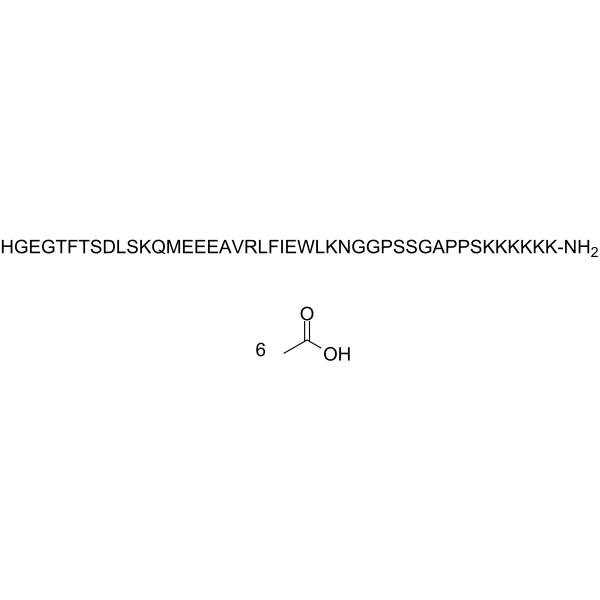 0 ImagesLixisenatide acetate is a glucagon-like peptide-1 (GLP-1) receptor agonist. Lixisenatide acetate inhibits the inflammatory response through down regulation of pro-inflammatory cytokines, and suppresses of the Akt-MEK1/2 signaling pathway. Lixisenatide acetate can inhibit oxidative stress, mitochondrial dysfunction and apoptosis. Lixisenatide acetate can be used for the researches of inflammation, metabolic disease, neurological disease and cardiovascular disease, such as rheumatoid arthritis, diabetes, Alzheimer's disease and atherosclerosis.
-
Lidocaine-d10 hydrochloride
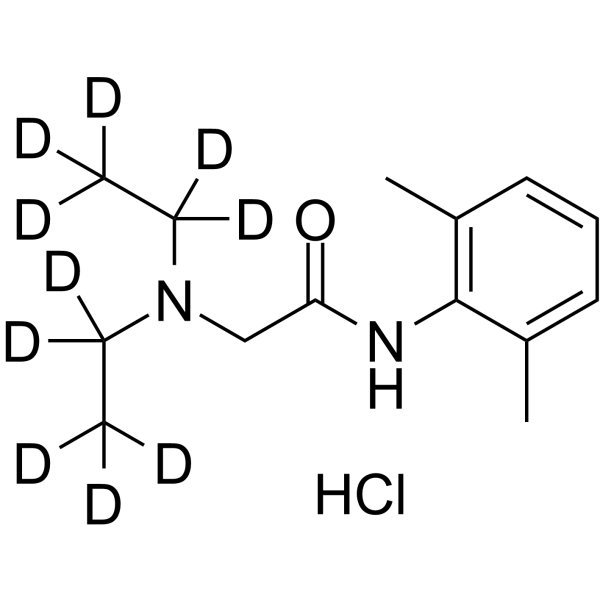 0 ImagesLidocaine-d10 (hydrochloride) is the deuterium labeled Lidocaine hydrochloride. Lidocaine hydrochloride (Lignocaine hydrochloride) inhibits sodium channels involving complex voltage and using dependence. Lidocaine hydrochloride decreases growth, migration and invasion of gastric carcinoma cells via up-regulating miR-145 expression and further inactivation of MEK/ERK and NF-κB signaling pathways. Lidocaine hydrochloride, an amide derivative, has the potential for the research of the ventricular arrhythmia.
-
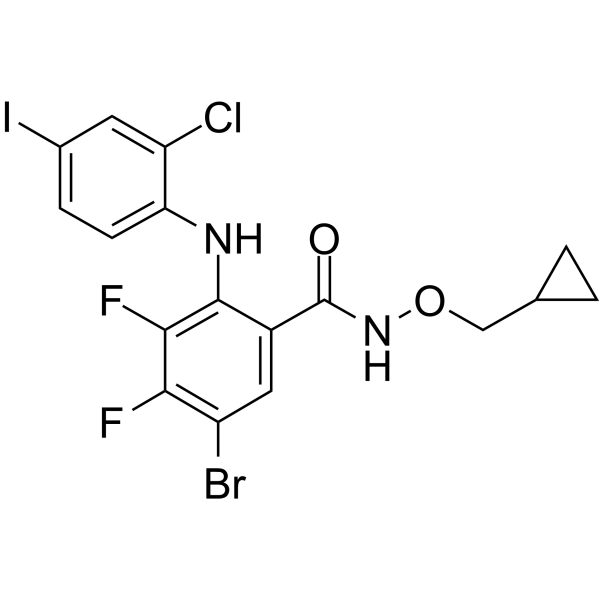
Rehmannioside A
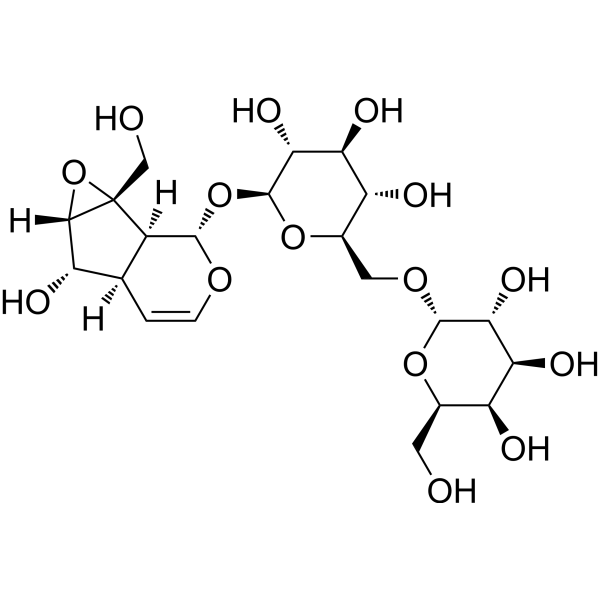 0 ImagesRehmannioside A is a compound that can be isolated from Rehmanniae radix. Rehmannioside A is an inhibitor of CYP3A4, 2C9 and 2D6, with IC50 values of 10.08, 12.62 and 16.43 μM, respectively. Rehmannioside A has anti-inflammatory, antioxidant, anti-apoptosis, anti-ferroptosis, cognitive improvement and neuroprotective activities. Rehmannioside A can be used for the research of nervous system and inflammation-related diseases.
-
Cucurbitacin IIa
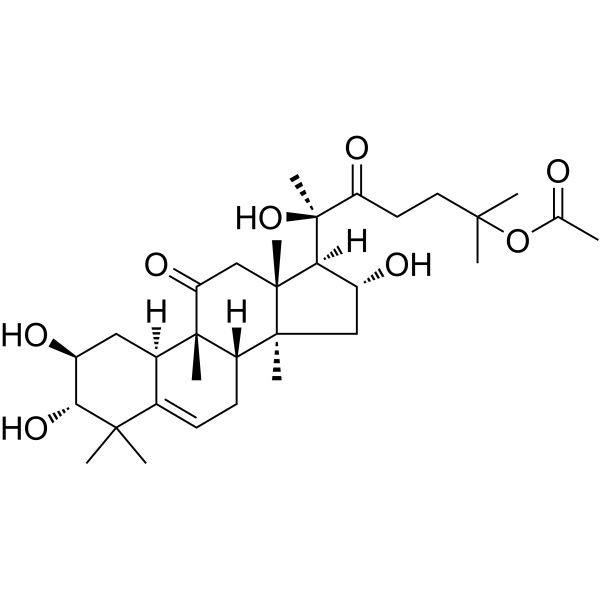 0 ImagesSynonyms: Hemslecin ACucurbitacin IIa (Hemslecin A) is an orally active, blood-brain barrier-permeable EGFR inhibitor with an IC50 of 1.455 nM against human EGFR. Cucurbitacin IIa induces caspase-3-dependent apoptosis, downregulates survivin expression, enhances autophagy levels, disrupts the actin cytoskeleton via actin aggregation, arrests the cell cycle at the G2/M phase, and exerts anti-inflammatory activity by inhibiting the EGFR-MAPK signaling pathway. Cucurbitacin IIa can be used in the research of inflammation-related diseases, depression, and cancers such as non-small cell lung cancer.
-
Cobimetinib (R-enantiomer)
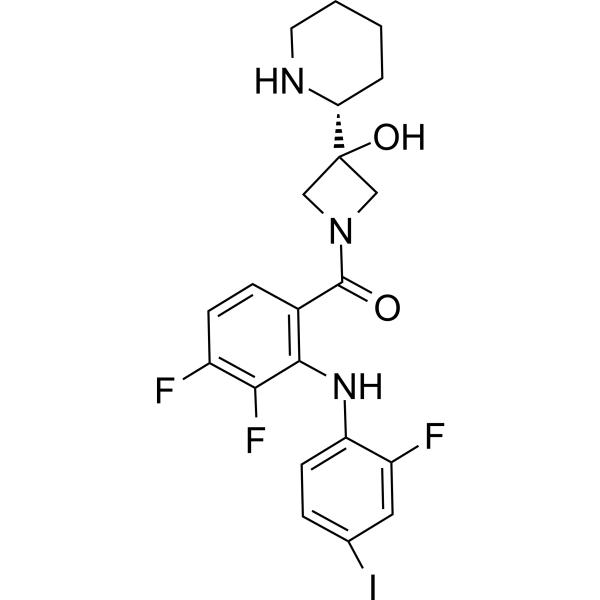 0 ImagesSynonyms: GDC-0973 (R-enantiomer); XL-518 (R-enantiomer)Cobimetinib R-enantiomer is the less active R-enantiomer of Cobimetinib. Cobimetinib is a potent and selective MEK inhibitor.
-
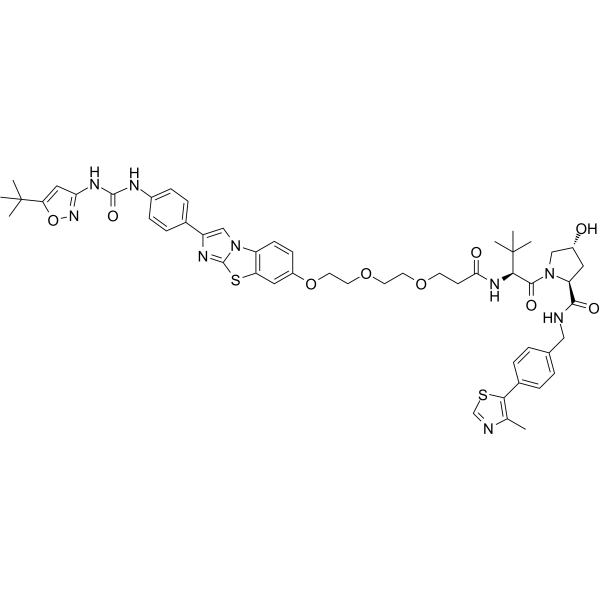
UBX-382
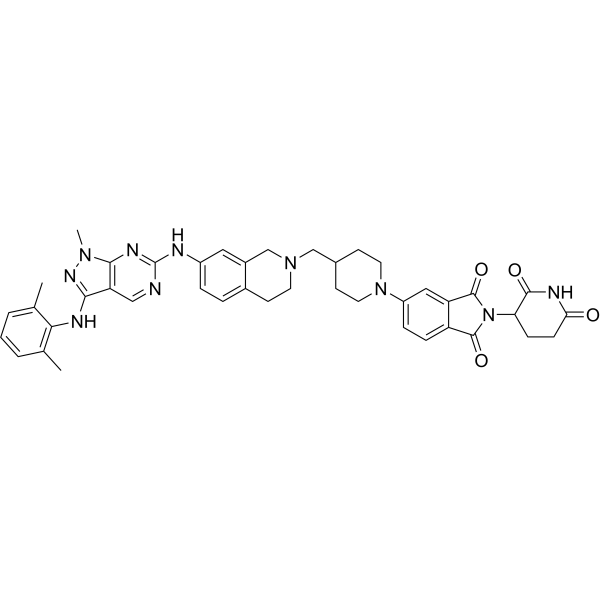 0 ImagesCat. No.: HY-160142CAS No.: 2884554-45-2UBX-382 is an orally active BTK PROTAC degrader with a DC50 of 4.56 nM. UBX-382 inhibits B-cell receptor signaling by targeting BTK. UBX-382 shows superior degradation activity for wild-type and mutant BTK proteins. UBX-382 inhibits tumor growth in murine xenograft models harboring wild-type or C481S mutant BTK-expressing TMD-8 cells. UBX-382 can be used for the study of B-cell-related blood cancers.
-
MEK inhibitor
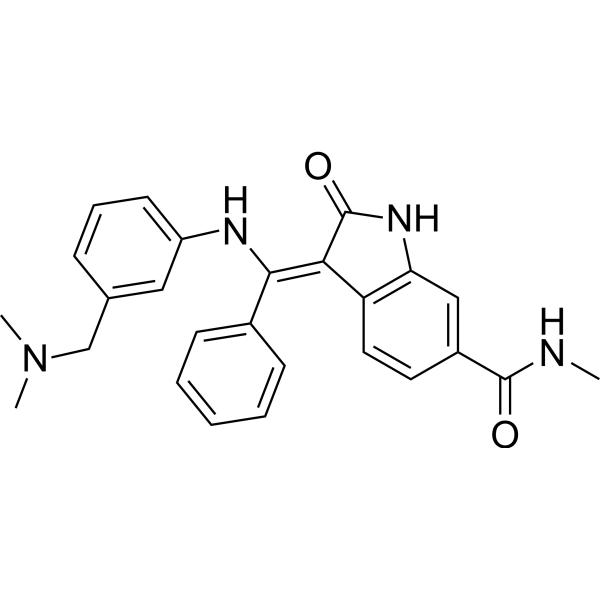 0 ImagesMEK inhibitor is a potent MEK inhibitor with antitumor potency.
-
Glycinexylidide
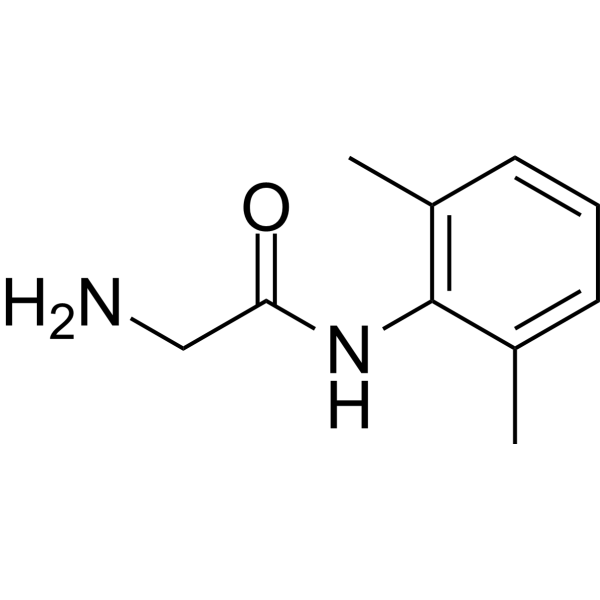 0 ImagesCat. No.: HY-W357818CAS No.: 18865-38-8Synonyms: GXGlycinexylidide (GX) is the active metabolite of Lidocaine. Lidocaine is a local agent that can suppress or relieve pain, that inhibits sodium channels involving complex voltage and dependence. Lidocaine also reduces the growth, migration and invasion of gastric cancer cells. Glycinexylidide has research potential for use in anesthesia, cancer, and cardiovascular disease.




