



PPAR
Peroxisome proliferator-activated receptors
PPARs (Peroxisome proliferator-activated receptors) are ligand-activated transcription factors of nuclear hormone receptor superfamily comprising of the following three subtypes: PPARα, PPARγ, and PPARβ/δ. PPARs play essential roles in the regulation of cellular differentiation, development, and metabolism (carbohydrate, lipid, protein), and tumorigenesis of higher organisms. All PPARs heterodimerize with the retinoid X receptor (RXR) and bind to specific regions on the DNA of target genes. Activation of PPAR-α reduces triglyceride level and is involved in regulation of energy homeostasis. Activation of PPAR-γ enhances glucose metabolism, whereas activation of PPAR-β/δ enhances fatty acids metabolism.
PPAR Isoform Specific Products
All Product Categories
-
PPAR Inhibitors
(105)
View all products
-
PPAR Agonists
(336)
View all products
-
PPAR Antagonists
(30)
View all products
-
PPAR Activators
(168)
View all products
-
PPAR Modulators
(41)
View all products
-
PPAR Inducers
(6)
View all products
-
PPAR Controls
(3)
View all products
-
PPAR Ligands
(4)
View all products
-
Peroxisome Proliferator-activated Receptor Proteins
(11)
View all products
-
PPAR alpha Proteins
(2)
View all products
-
PPAR gamma Proteins
(7)
View all products
-
PPAR-delta Proteins
(2)
View all products
-
PPAR Related Products (737)
Related Products (737)

-
Recombinant Proteins (11)
-
Antibodies (4)
-
PPAR Isoform Comparison
-
Fisetin quarterhydrate
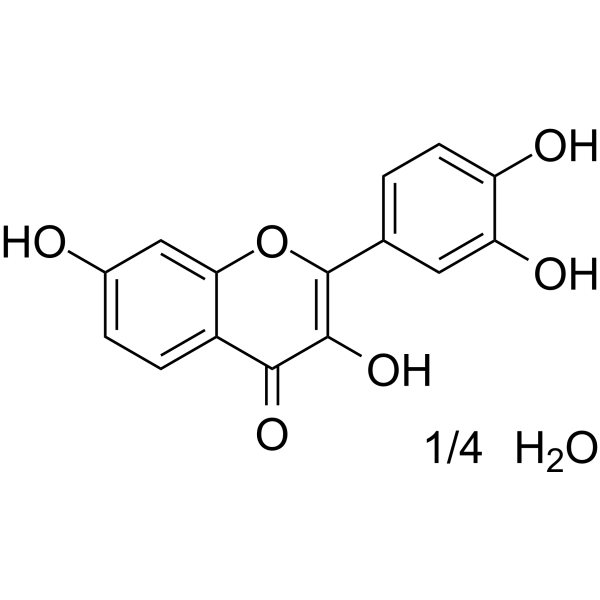 0 ImagesCat. No.: HY-N0182AFisetin quarterhydrate is a natural flavonol found in many fruits and vegetables with various benefits, such as antioxidant, anticancer, neuroprotection effects.
-
Candesartan (Standard)
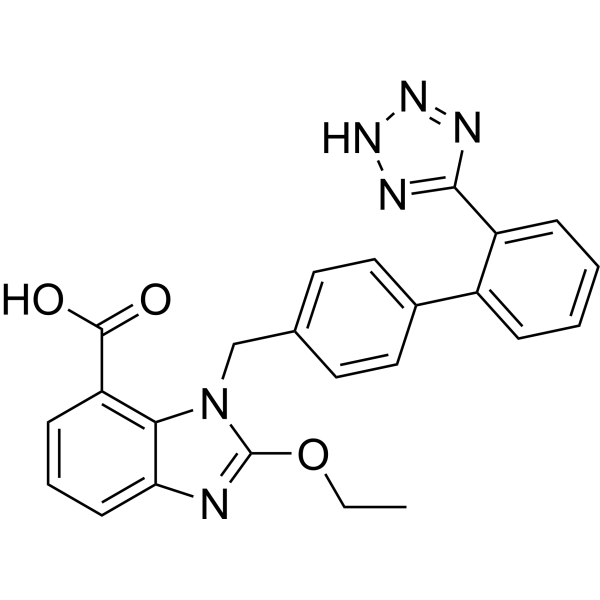 0 ImagesSynonyms: CV 11974 (Standard)Candesartan (Standard) is the analytical standard of Candesartan. This product is intended for research and analytical applications. Candesartan (CV 11974) is an orally active angiotensin II AT1-Receptor blocker and PPAR-γ agonist. Candesartan has potent and long-lasting antihypertensive effects. Candesartan can be used for the research of hypertension, chronic heart failure (CHF) and Traumatic brain injury (TBI).
-
Soyasaponin Aa
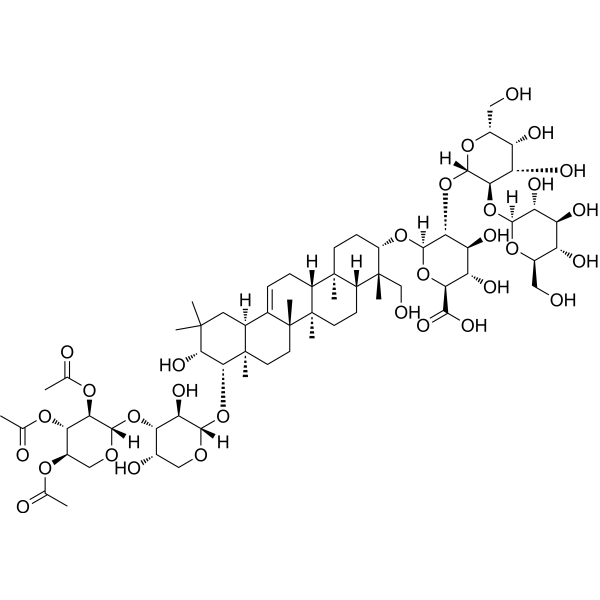 0 ImagesSoyasaponin Aa is a soyasaponin that can be found in soy. Soyasaponin Aa suppresses PPARγ transcriptional activity, reduces PPARγ and C/EBPα expression, inhibits adipocyte differentiation and lipid accumulation, and reduces adipogenic marker gene expression. Soyasaponin Aa reduces hydrogen peroxide-induced reactive oxygen species (ROS) production and malondialdehyde levels. Soyasaponin Aa exhibits cellular antioxidant activity. Soyasaponin Aa can be used for the research of obesity.
-
Naveglitazar
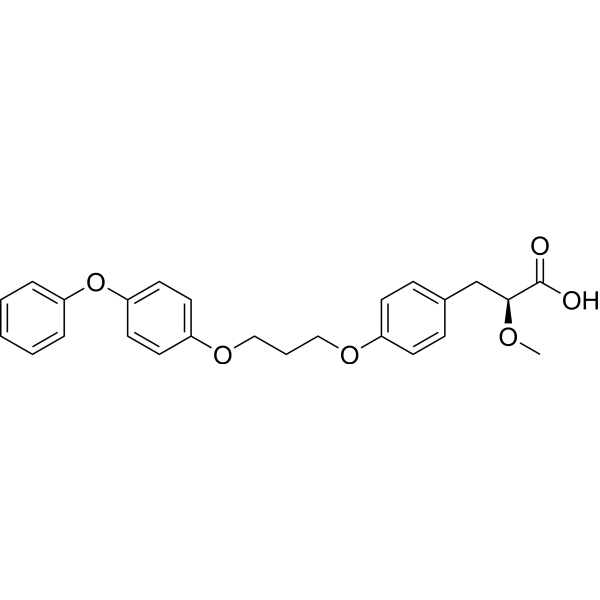 0 ImagesSynonyms: LY519818Naveglitazar (LY519818) is a nonthiozolidinedione peroxisome proliferator-activated receptor (PPAR) α-γ dual, γ-dominant agonist that has shown glucose-lowering potential in animal models.
-
13-Oxo-9E,11E-octadecadienoic acid
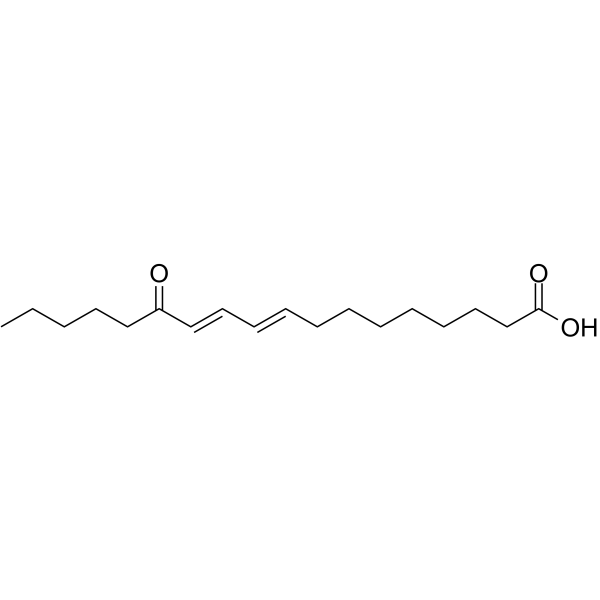 0 ImagesCat. No.: HY-N5097CAS No.: 29623-29-813-Oxo-9E,11E-octadecadienoic acid, an isomer of 9-oxo-ODA, is a potent PPARα activator derived from tomato juice. 13-Oxo-9E,11E-octadecadienoic acid decreases plasma and hepatic triglyceride in obese diabetic mice.
-
Caudatin (Standard)
 0 ImagesCaudatin (Standard) is the analytical standard of Caudatin (HY-N1983). This product is intended for research and analytical applications. Caudatin is an orally active and brain-penetrant C-21 steroidal found in Cynanchum bungei decne with a variety of biological activities. Caudatin can inhibit cell proliferation, migration, invasion, cause cell phase arrest, induce apoptosis, autophagy, ROS prodution and loss of mitochondrial membrane potential. Caudatin activates PARP, caspase-3, -7, -9, upregulates pro-apoptotic Bad and Bax and downregulates anti-apoptotic Bcl-2 and Bcl-XL. Caudatin suppresses VEGF, FAK phosphorylation, upregulates p21, p27, DR5 protein expression, activates the p38 MAPK, JNK and PPARα/TFEB-mediated autophagy-lysosomal signaling pathways. Caudatin can be used for the research of cancer, inflammation and neurological disease, such as glioma and Alzheimer's disease.
-
Rosiglitazone-d3
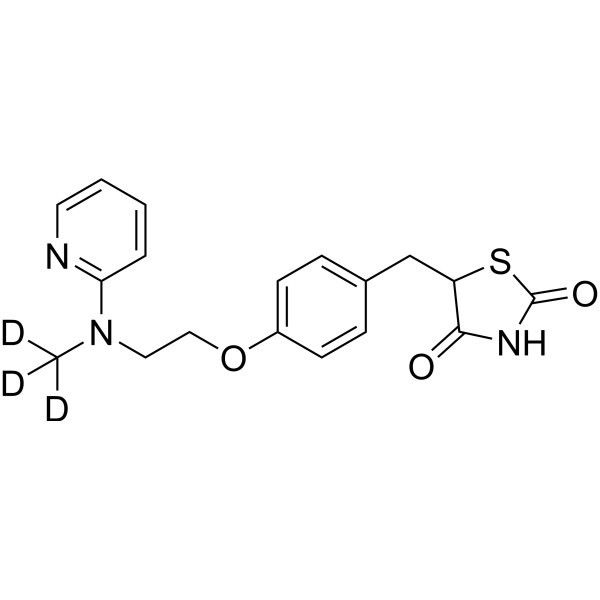 0 ImagesCat. No.: HY-17386SCAS No.: 1132641-22-5Rosiglitazone-d3 is the deuterium labeled Rosiglitazone. Rosiglitazone (BRL 49653) is a selective, orally active PPARγ agonist with EC50s of 30 nM, 100 nM and 60 nM for PPARγ1, PPARγ2, and PPARγ, respectively. Rosiglitazone binds to PPARγ with a Kd of approximately 40 nM. Rosiglitazone is also an activator of TRPC5 (EC50=~30 μM) and an inhibitor of TRPM3.
-
PPARγ agonist 11
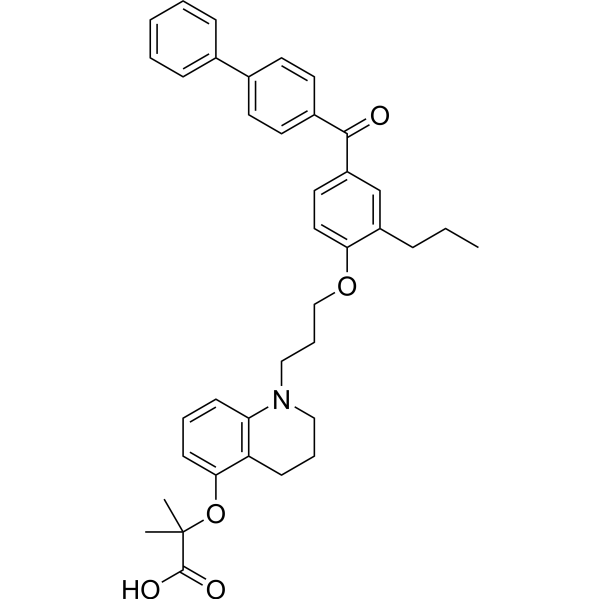 0 ImagesCat. No.: HY-116468CAS No.: 1143573-33-4PPARγ agonist 11 (compound 20) is a selective agonist of PPARγ (EC50: 0.1 μM).
-
GSK376501A
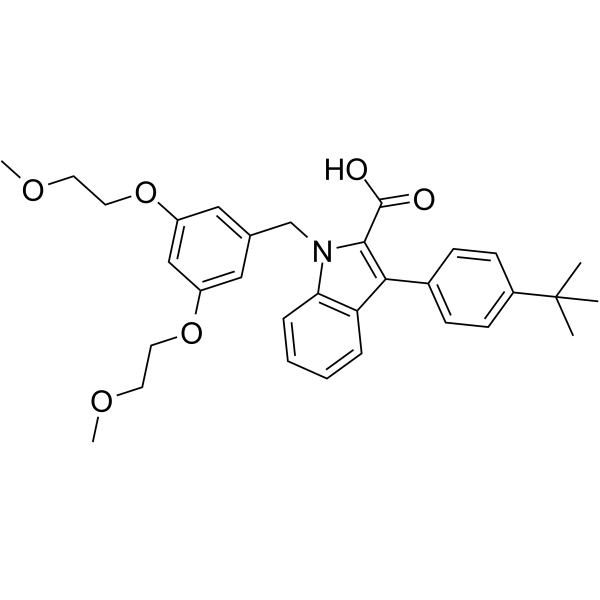 0 ImagesGSK376501A is a selective peroxisome proliferator-activated receptor gamma (PPARγ) modulator for the treatment of type 2 diabetes mellitus.
-
Perfluorotetradecanoic acid
 0 ImagesSynonyms: PFTeDAPerfluorotetradecanoic acid (PFTeDA) is an orally active perfluoroalkyl substance. Perfluorotetradecanoic acid directly binds to the ligand-binding domain of purified hPPARγ, with a Kd value of 157.8 μM. Perfluorotetradecanoic acid significantly reduces the activity of the SIRT1/PGC1α and AMPK signaling pathways while stimulating the activity of the AKT1/mTOR signaling pathway. Perfluorotetradecanoic acid significantly upregulates the expression of corticosterone biosynthesis genes. Perfluorotetradecanoic acid increases ROS levels and promotes Apoptosis. Perfluorotetradecanoic acid impairs Leydig cell function and male reproductive endocrine function in adult male rats.
-
PPAR agonist 1
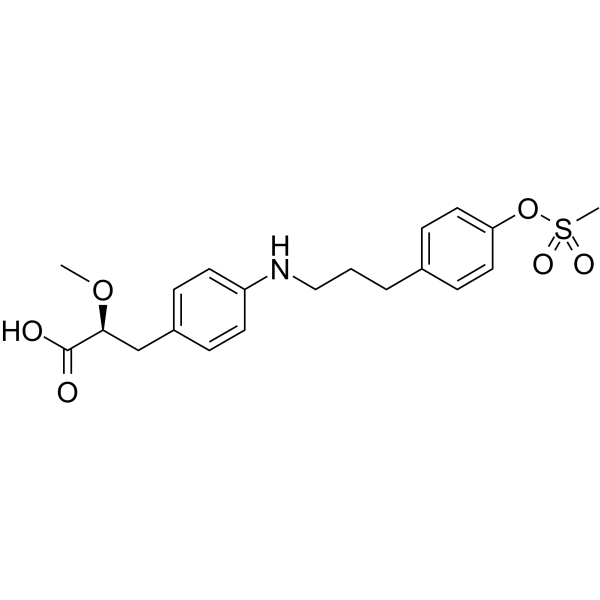 0 ImagesPPAR agonist 1 is an agonist of PPAR α and PPAR γ, used for reducing blood glucose, lipid levels, lowering cholesterol and reducing body weight.
-
PPARD Human Pre-designed siRNA Set A
 0 ImagesCat. No.: HY-RS10922
PPARD Human Pre-designed siRNA Set A contains three designed siRNAs for PPARD gene (Human), as well as a negative control, a positive control, and a FAM-labeled negative control.
-
E0924G
 0 ImagesE0924G is an orally active activator for PPARδ with EC50 of 2.82 μM. E0924G promotes the upregulation of osteoprotegerin (OPG) with an EC50 of 0.29 μM. E0924G reduces RANKL-induced osteoclast differentiation and inhibites F-actin ring formation in RAW264.7 macrophages. E0924G regulates the bone density and bone loss in ovariectomized (OVX) and age-related osteoporosis models.
-
Timcodar
 0 ImagesSynonyms: VX-853Timcodar is a macrolide agent, and studies have shown that during adipogenesis, timcodar can significantly inhibit fat accumulation, with an effect similar to that of rapamycin. However, unlike rapamycin, timcodar does not cause immunosuppression and glucose resistance. In addition, timcodar can effectively inhibit the adipogenic transcriptional regulators PPAR?? and C/EBP??, thereby inhibiting genes involved in fat accumulation. These studies lay the foundation for timcodar as a potential anti-obesity therapy, as obesity is becoming a global epidemic.
-
Pioglitazone-d4 (alkyl)
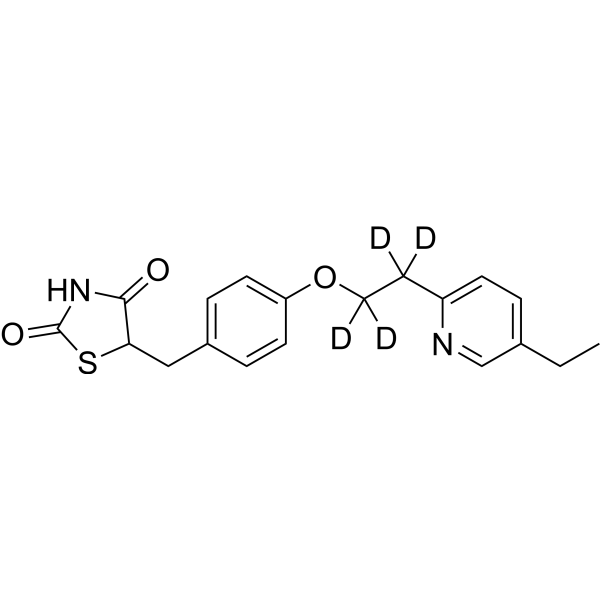 0 ImagesPioglitazone-d4 (alkyl) (U 72107-d4 (alkyl)) is the deuterium labeled Pioglitazone. Pioglitazone (U 72107) is a potent and selective PPARγ agonist with high affinity binding to the PPARγ ligand-binding domain with EC50 of 0.93 and 0.99 μM for human and mouse PPARγ, respectively.

-
Chiglitazar sodium
 0 ImagesSynonyms: Carfloglitazar sodium
-
Tibric acid
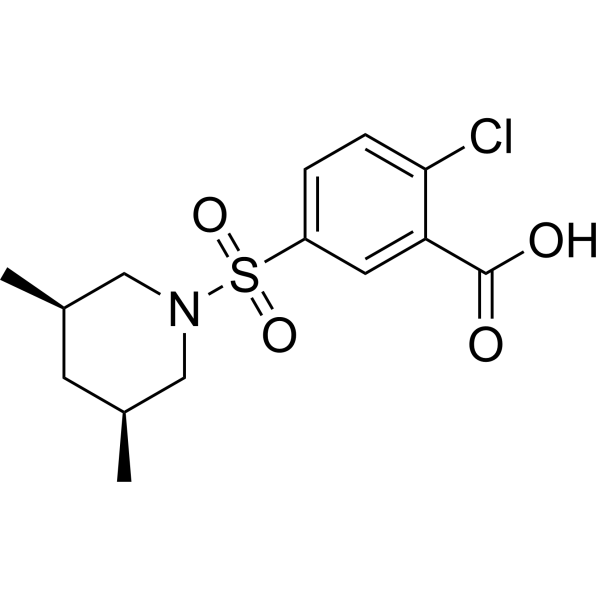 0 ImagesCat. No.: HY-121755CAS No.: 37087-94-8Synonyms: CP 18524Tibric acid (CP 18524) has similar effects to those of hypolipidemic agents. Tibric acid has orally active triglyceride-lowering effects. Tibric acid can be used for research of hypertriglyceridemia.
-
Asperosaponin VI (Standard)
 0 ImagesSynonyms: Akebia saponin D (Standard)Asperosaponin VI (Standard) is the analytical standard of Asperosaponin VI. This product is intended for research and analytical applications. Asperosaponin VI is a saponin component from Dipsacus asper. Asperosaponin VI induces osteoblast differentiation through the BMP-2/p38 and ERK1/2 signaling pathways. Asperosaponin VI protects against hypoxia-induced cardiomyocyte apoptosis by activating the PI3K/Akt and CREB pathways. Additionally, Asperosaponin VI also has antidepressant and wound-healing-promoting activities.
-
Sodium propionate-d3
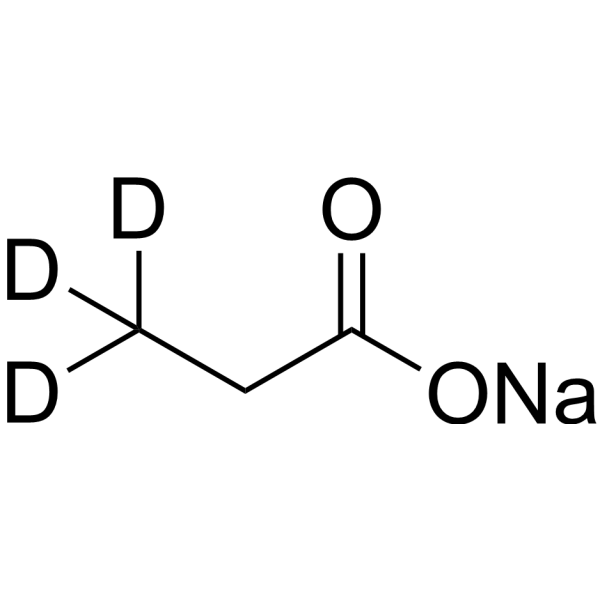 0 ImagesSodium propionate-d3 is the deuterium labeled Propionate sodium (HY-B1773A). Sodium propionate is an orally active short-chain fatty acid. Sodium propionate can be produced by intestinal bacteria from the metabolism of dietary fiber. Sodium propionate increases PPAR-γ, inhibits NF-κB activation, and reduces COX-2 expression and NO production. Sodium propionate also induces Apoptosis and Autophagy. Sodium propionate reduces HSV-1-induced keratitis. Sodium propionate has anticancer effects against glioblastoma. Sodium propionate exhibits neuroprotective, antioxidant, and anti-inflammatory activities. Sodium propionate can be used in the research of spinal cord injury and Alzheimer's disease.




