



TNF Receptor
Tumor Necrosis Factor Receptor; TNFR
Tumor necrosis factor (TNF) is a major mediator of apoptosis as well as inflammation and immunity, and it has been implicated in the pathogenesis of a wide spectrum of human diseases, including sepsis, diabetes, cancer, osteoporosis, multiple sclerosis, rheumatoid arthritis, and inflammatory bowel diseases.
TNF-α is a 17-kDa protein consisting of 157 amino acids that is a homotrimer in solution. In humans, the gene is mapped to chromosome 6. Its bioactivity is mainly regulated by soluble TNF-α–binding receptors. TNF-α is mainly produced by activated macrophages, T lymphocytes, and natural killer cells. Lower expression is known for a variety of other cells, including fibroblasts, smooth muscle cells, and tumor cells. In cells, TNF-α is synthesized as pro-TNF (26 kDa), which is membrane-bound and is released upon cleavage of its pro domain by TNF-converting enzyme (TACE).
Many of the TNF-induced cellular responses are mediated by either one of the two TNF receptors, TNF-R1 and TNF-R2, both of which belong to the TNF receptor super-family. In response to TNF treatment, the transcription factor NF-κB and MAP kinases, including ERK, p38 and JNK, are activated in most types of cells and, in some cases, apoptosis or necrosis could also be induced. However, induction of apoptosis or necrosis is mainly achieved through TNFR1, which is also known as a death receptor. Activation of the NF-κB and MAPKs plays an important role in the induction of many cytokines and immune-regulatory proteins and is pivotal for many inflammatory responses.
TNF Receptor Isoform Specific Products
-
TNF Receptor
(685)
View all products
-
TNFRSF1A/CD120a
(8)
View all products
-
TNFRSF3/CD18
(1)
View all products
-
TNFRSF4
(5)
View all products
-
TNFRSF5/CD40
(105)
View all products
-
TNFRSF6/Fas/CD95
(2)
View all products
-
TNFRSF7/CD27
(2)
View all products
-
TNFRSF8/CD30
(3)
View all products
-
TNFRSF9/4-1BB/CD137
(3)
View all products
-
TNFRSF10B/DR5/CD262
(1)
View all products
-
TNFRSF12A/TWEAK
(5)
View all products
-
TNFRSF16/NGF Receptor/CD271
(1)
View all products
-
TNFRSF18/GITR/CD357
(6)
View all products
All Product Categories
-
TNF Receptor Inhibitors
(841)
View all products
-
TNF Receptor Agonists
(35)
View all products
-
TNF Receptor Antagonists
(25)
View all products
-
TNF Receptor Activators
(71)
View all products
-
TNF Receptor Modulators
(8)
View all products
-
TNF Receptor Inducers
(9)
View all products
-
TNF Receptor Controls
(4)
View all products
-
TNF Receptor Ligands
(2)
View all products
-
TNF Receptor Superfamily Proteins
(282)
View all products
-
TNF Receptor Related Products (1180)
Related Products (1180)

-
Recombinant Proteins (282)
-
Antibodies (23)
-
TNF Receptor Signaling Pathway
-
TNF Receptor Isoform Comparison
-
HS-276
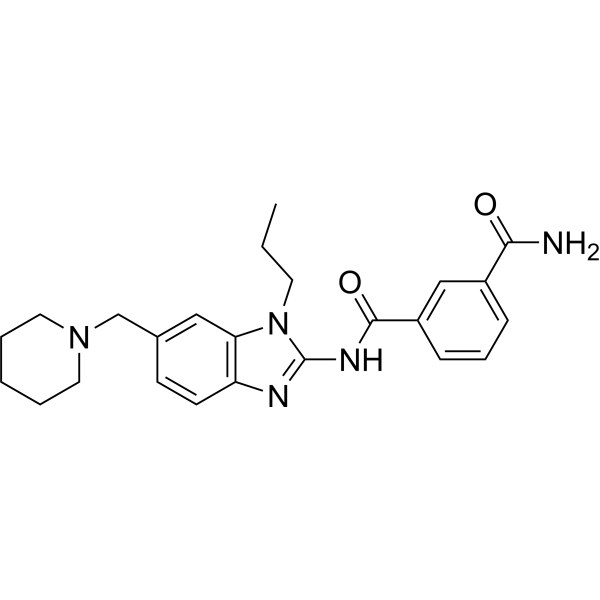 0 ImagesHS-276 is an orally active, potent and highly selective TAK1 inhibitor, with a Ki of 2.5 nM. HS-276 shows significant inhibition of TAK1, CLK2, GCK, ULK2, MAP4K5, IRAK1, NUAK, CSNK1G2, CAMKKβ-1, and MLK1, with IC50 values of 8.25, 29, 33, 63, 125, 264, 270, 810, 1280, and 5585 nM, respectively. HS-276 reduces the expression of TNF, IL-6, and IL-1β. HS-276 can be used for rheumatoid arthritis (RA) research.
-
LEAP-2
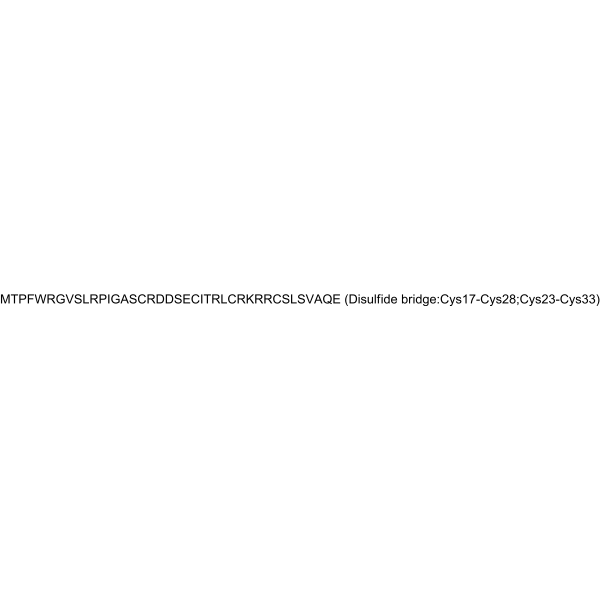 0 ImagesSynonyms: Human liver expressed antimicrobial peptide-2LEAP-2 (Human liver expressed antimicrobial peptide-2) is a GHS-R1a antagonist, with an IC50 of 6.0 nM. LEAP-2 suppresses the orexigenic effect of ghrelin. LEAP-2 attenuates ghrelin-induced growth hormone (GH) release and reduces basal food intake. LEAP-2 exhibits antimicrobial activity against microbial model organisms. LEAP-2 can be used for the study of obesity and infection.
-
Ozekibart
 0 ImagesSynonyms: INBRX-109Ozekibart (INBRX-109) is a DR5 agonist and antitumor agent with a human DR5 IC50 of 0.17 nmol/L and human DR5 Ka of 0.11 nmol/L. Ozekibart can be used for the research of unresectable/metastatic chondrosarcoma.
-
Linvoseltamab
 0 ImagesSynonyms: REGN5458Linvoseltamab (REGN5458) is a bispecific T-cell engager (BiTE) antibody that specifically binds to B cell maturation antigen (BCMA) and CD3 of T cells, thereby directing T cells to multiple myeloma (MM) cells expressing BCMA and activating T cells to kill tumor cells. Linvoseltamab can be used in research of relapsed/refractory multiple myeloma (RRMM).
-
10-Gingerol
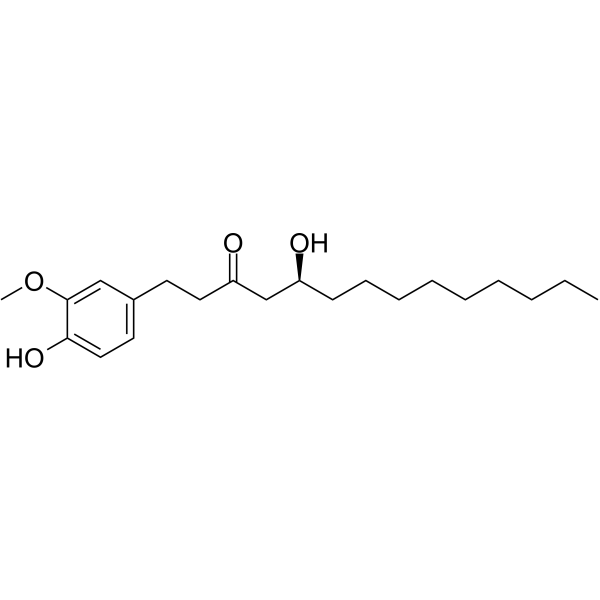 0 Images10-Gingerol is an AMPK agonist, which is found in the ginger oleoresin from fresh rhizome with anti-inflammatory, antioxidant and anti-proliferative activities. 10-Gingerol suppresses neointimal hyperplasia and inhibits vascular smooth muscle cell proliferation. 10-Gingerol exhibits substantial scavenging activities with an IC50 value of 10.47 μM against DPPH radical, an IC50 value of 1.68 μM against superoxide radical and an IC50 value of 1.35 μM against hydroxyl radical. 10-Gingerol inhibits the proliferation of MDA-MB-231 tumor cell line with an IC50 of 12.1 μM. 10-Gingerol suppresses the proliferation, migration, invasion, and induced apoptosis through targeting the PI3K/Akt signaling pathway in MDA-MB-231/IR cells. 10-Gingerol can be used in research on various common cancers such as ovarian cancer and colon cancer, as well as colitis and neurodegenerative diseases.
-
Omeprazole sodium
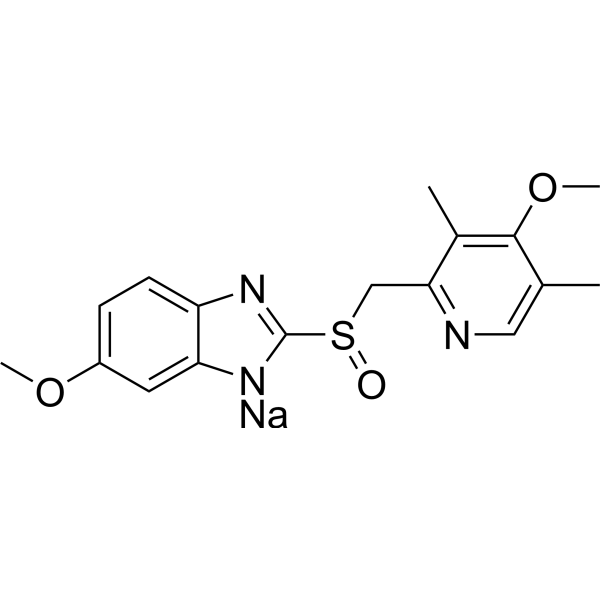 0 ImagesSynonyms: H 16868 sodiumOmeprazole (H 16868) sodium is an orally active H+,K+-ATPase inhibitor and a proton pump inhibitor. Omeprazole sodium competitively inhibits CYP2C19, CYP3A4, and CYP2C9 activity. Omeprazole sodium inhibits gastric acid secretion and can be used for acid-related gastrointestinal disorders. Omeprazole sodium inhibits pancreatic cancer cell proliferation, induces apoptosis, autophagosome accumulation (elevated LC3-I and LC3-II levels), oxidative stress, and cytogenetic imbalance, modulates lysosomal transport, reduces inflammatory cytokines. Omeprazole sodium alters small intestinal morphology and magnesium absorption, and induces gastric mucosa morphologic changes. Omeprazole sodium aslo has neuroprotective and antibacterial effects.
-
Linalool,98% (stabilized with MEHQ)
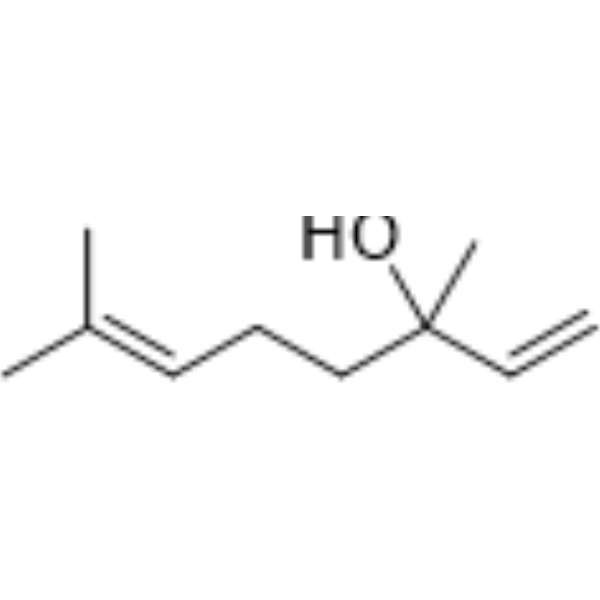 0 ImagesLinalool is a natural monoterpene which is a competitive NMDA receptor antagonist. Linalool is orally active and crosses the blood-brain barrier. Linalool has anticancer, antibacterial, anti-inflammatory, neuroprotective, anxiolytic, antidepressant, anti-stress, cardioprotective, hepatoprotective, nephroprotective and pulmonary protective activities.
-
Nifuratel
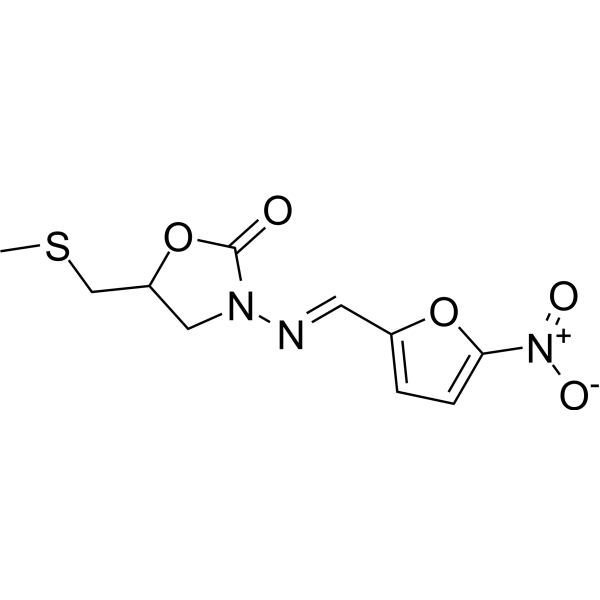 0 ImagesNifuratel (NF 113) is an orally active broad-spectrum antibiotic with antiprotozoal, antibacterial, anticancer and anti-inflammatory activities, and has good inhibitory effects on Candida and Trichomonas. Nifuratel is also a STAT3 inhibitor, which significantly inhibits the growth and proliferation of human gastric cancer cells and induces apoptosis. In addition, Nifuratel also inhibits mast cell-mediated antigen hypersensitivity reactions and can be used in the study of IgE-mediated allergic diseases.
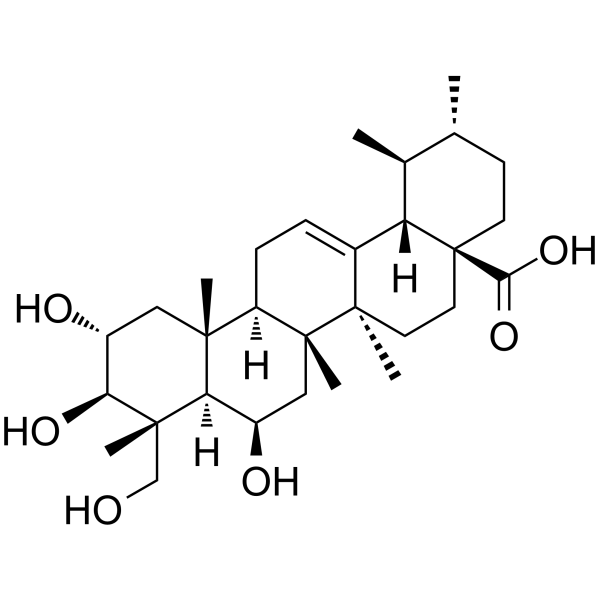
-
Taurohyodeoxycholic acid
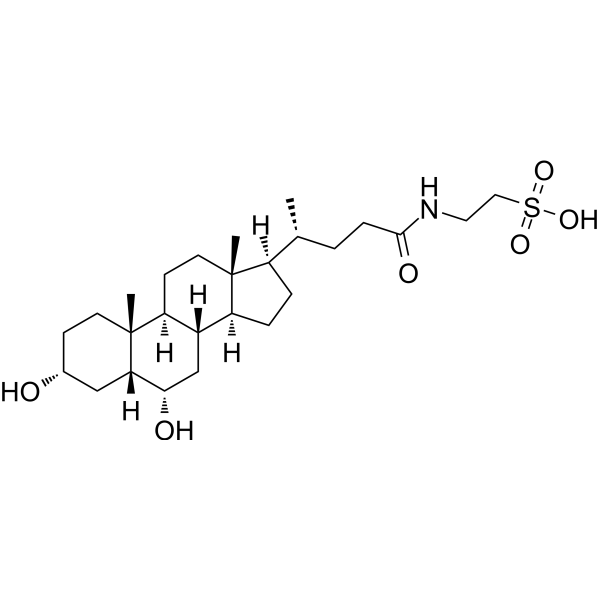 0 ImagesTaurohyodeoxycholic acid is an orally active 6 alpha-hydroxylated bile acid. Taurohyodeoxycholic acid decreases colonic MPO activity, TNF-α, lL-6 serum levels and the expression of COX-2. Taurohyodeoxycholic acid alleviates trinitrobenzene sulfonic acid induced ulcerative colitis via regulating Th1/Th2 and Th17/Treg cells balance. Taurohyodeoxycholic acid ameliorates high-fat diet-induced nonalcoholic fatty liver disease in mice. Taurohyodeoxycholic acid prevents Taurochenodeoxycholic acid (HY-N2027)-induced hepatotoxicity in bile fistula rats. Taurohyodeoxycholic acid can be used for the study of nonalcoholic fatty liver disease (NAFLD), colitis and biliary fistula.
-
Geniposidic acid
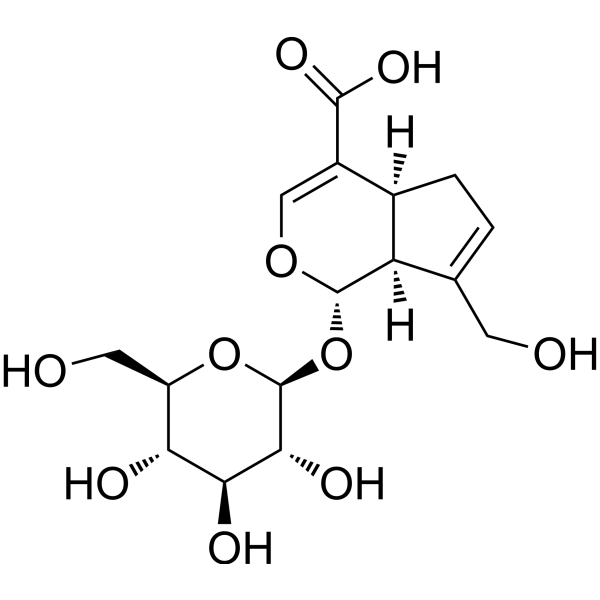 0 ImagesGeniposidic acid is an orally active FXR modulator and SIRT6 activator. Geniposidic acid binds to the Ser332 and His447 sites on the FXR ligand-binding domain, thereby driving nuclear translocation, coactivator recruitment, and transcription of downstream bile acid and cholesterol metabolism-related genes. Geniposidic acid improves metabolic dysfunction-related fatty liver disease by activating the SIRT6 signaling pathway. Geniposidic acid inhibits inflammation and modulates gut microbiota to alleviate colitis. Geniposidic acid can be used in research on drug-induced liver injury, inflammatory bowel disease, metabolic dysfunction-related fatty liver disease, and metabolic dysfunction-related steatohepatitis.
-
Anti-Mouse/Rat/Rabbit TNF alpha Antibody (TN3-19.12)
 0 ImagesCat. No.: HY-P99148Purity: 99.24%Anti-Mouse TNF alpha Antibody (TN3-19.12) is an anti-mouse TNF alpha IgG antibody inhibitor derived from host Armenian Hamster. Anti-Mouse TNF alpha Antibody (TN3-19.12) neutralizes cytotoxic activity in supernatants obtained from LNC-8 cells. Anti-Mouse TNF alpha Antibody (TN3-19.12) reduces the symptoms and severity of EAE (experimental allergic encephalomyelitis) in LNC-8 cells xenograft mice models. Anti-Mouse TNF alpha Antibody (TN3-19.12) prevents diabetes in NOD mice. Anti-Mouse TNF alpha Antibody (TN3-19.12) shows apparent radiosensitizing effect in CD2F1 mice.
-
Terameprocol
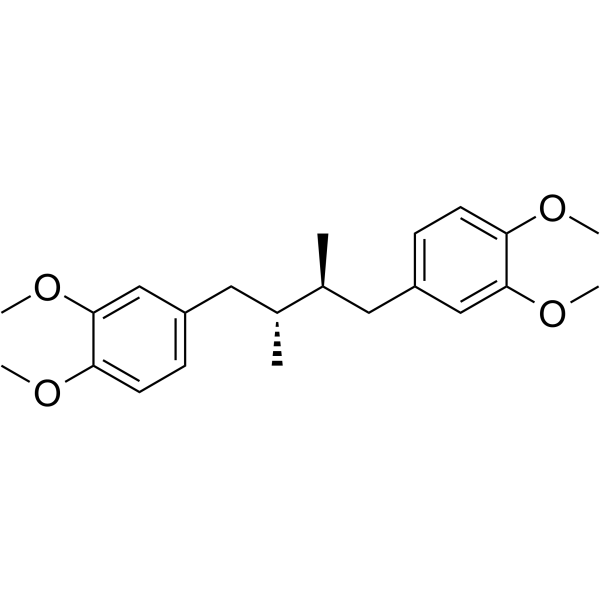 0 ImagesSynonyms: EM-1421Terameprocol is an inhibitor targeting the Sp1 transcription factor, which can selectively inhibit the transcription of Sp1-dependent genes. Terameprocol exerts its effects by inhibiting Sp1-mediated gene transcription, such as reducing the expression of genes like CDC2, survivin and HMGB1, thereby arresting the cell cycle, inducing apoptosis, and suppressing the inflammatory response. Terameprocol exhibits anti-proliferative, pro-apoptotic, and anti-inflammatory activities and is currently mainly used in the research of diseases such as cancer and pulmonary arterial hypertension[1][2][3].
-
Adrenocorticotropic hormone
 0 ImagesAdrenocorticotropic hormone (ACTH; Adrenocorticotrophic hormone) is a polypeptide tropic hormone produced by the anterior pituitary gland. Adrenocorticotropic hormone stimulates cortisol secretion from the adrenal cortex via the hypothalamic-pituitary-adrenal (HPA) axis. Adrenocorticotropic hormone regulates cortisol and androgen production. Adrenocorticotropic hormone can promote the development of spermatogenesis. Adrenocorticotropic hormone can relieve acute inflammation in gout models by inhibiting the polarization of macrophages to M1 type, inhibiting ROS and proinflammatory factor production and protecting mitochondrial function. Adrenocorticotropic hormone can be used for the researches of inflammation, endocrinology, metabolic disease, such as gout and nephrotic syndrome.
-
CRAMP (mouse)
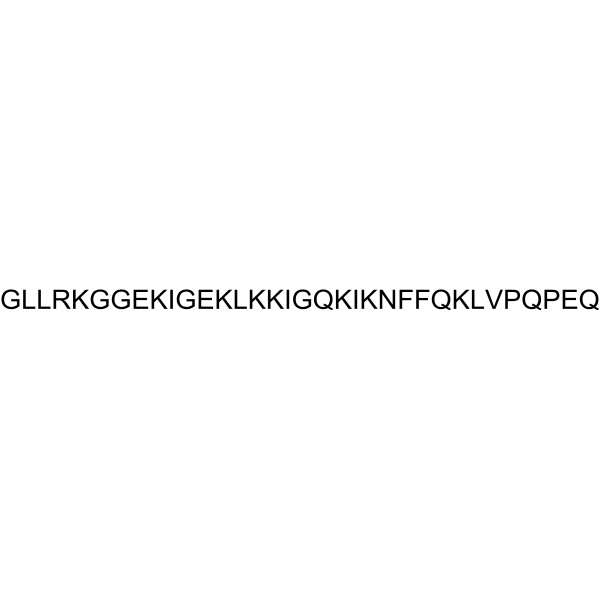 0 ImagesCRAMP (mouse) is an antibacterial peptide and a functional homolog of LL-37. CRAMP (mouse) exhibits potent antibacterial activity against Gram-negative bacteria. The complex formed by CRAMP (mouse) and CpG can activate macrophages to secrete TNF-α. CRAMP (mouse) plays a key role in wound healing, immune regulation and maintenance of intestinal homeostasis.
-
Tiratricol
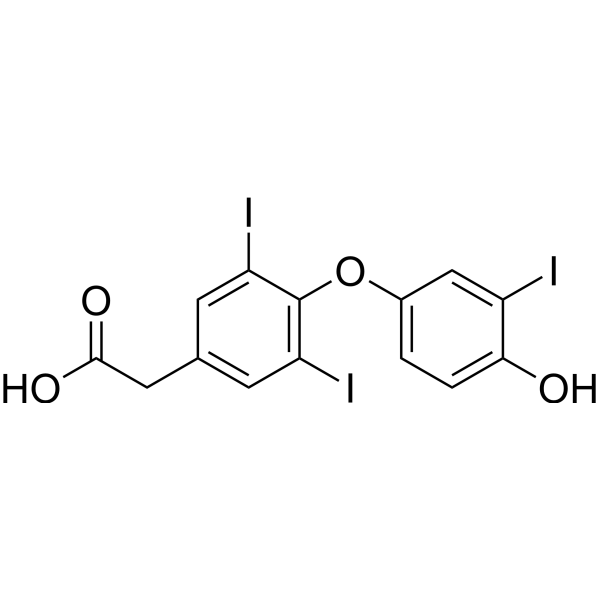 0 ImagesTiratricol is an orally available thyroid hormone analog that inhibits pituitary thyroid-stimulating hormone secretion. Tiratricol is an intracellular toxin neutralizer that inhibits LPS and lipid A cytotoxicity with IC50s of 20 μM and 32 μM, respectively. Tiratricol reduces TNF production in lipopolysaccharide-stimulated macrophages. Tiratricol also has antiviral activity and is an inhibitor of yellow fever virus (Flavivirus). It can bind to the RdRp domain of the viral NS5 protein to hinder YFV replication..
-
Anti-Mouse CD40 Antibody (FGK4.5/FGK45)
 0 ImagesCat. No.: HY-P990680Purity: 98.35%Anti-Mouse CD40 Antibody (FGK4.5/FGK45) is an agonistic rat-derived IgG2a monoclonal antibody targeting mouse CD40. Anti-Mouse CD40 Antibody (FGK4.5/FGK45) enhances T cells responses, dendritic cells maturation and NK cells activation. Anti-Mouse CD40 Antibody (FGK4.5/FGK45) can be used for the researches of cancer, infection, inflammation and immunology, such as CT26 tumor, vesicular stomatitis virus (VSV) infection and transplantation.
-
Ginsenoside Rc
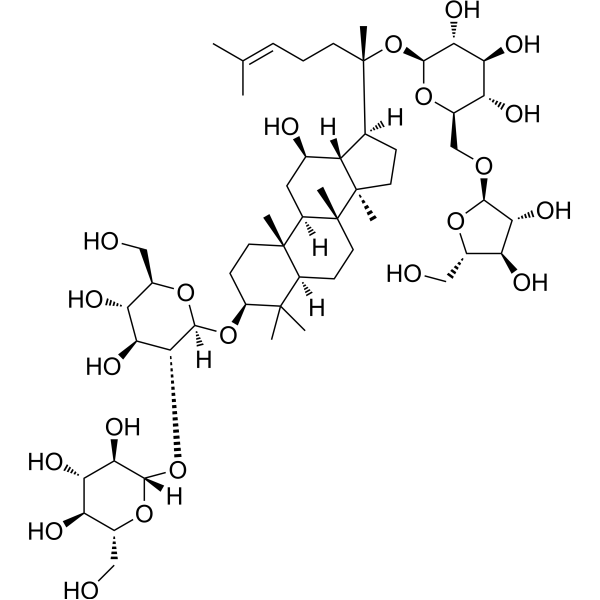 0 ImagesSynonyms: Panaxoside RcGinsenoside Rc, one of major Ginsenosides from Panax ginseng, enhances GABA receptorA (GABAA)-mediated ion channel currents (IGABA). Ginsenoside Rc inhibits the expression of TNF-α and IL-1β.




