



TNF Receptor
Tumor Necrosis Factor Receptor; TNFR
Tumor necrosis factor (TNF) is a major mediator of apoptosis as well as inflammation and immunity, and it has been implicated in the pathogenesis of a wide spectrum of human diseases, including sepsis, diabetes, cancer, osteoporosis, multiple sclerosis, rheumatoid arthritis, and inflammatory bowel diseases.
TNF-α is a 17-kDa protein consisting of 157 amino acids that is a homotrimer in solution. In humans, the gene is mapped to chromosome 6. Its bioactivity is mainly regulated by soluble TNF-α–binding receptors. TNF-α is mainly produced by activated macrophages, T lymphocytes, and natural killer cells. Lower expression is known for a variety of other cells, including fibroblasts, smooth muscle cells, and tumor cells. In cells, TNF-α is synthesized as pro-TNF (26 kDa), which is membrane-bound and is released upon cleavage of its pro domain by TNF-converting enzyme (TACE).
Many of the TNF-induced cellular responses are mediated by either one of the two TNF receptors, TNF-R1 and TNF-R2, both of which belong to the TNF receptor super-family. In response to TNF treatment, the transcription factor NF-κB and MAP kinases, including ERK, p38 and JNK, are activated in most types of cells and, in some cases, apoptosis or necrosis could also be induced. However, induction of apoptosis or necrosis is mainly achieved through TNFR1, which is also known as a death receptor. Activation of the NF-κB and MAPKs plays an important role in the induction of many cytokines and immune-regulatory proteins and is pivotal for many inflammatory responses.
TNF Receptor Isoform Specific Products
-
TNF Receptor
(685)
View all products
-
TNFRSF1A/CD120a
(8)
View all products
-
TNFRSF3/CD18
(1)
View all products
-
TNFRSF4
(5)
View all products
-
TNFRSF5/CD40
(105)
View all products
-
TNFRSF6/Fas/CD95
(2)
View all products
-
TNFRSF7/CD27
(2)
View all products
-
TNFRSF8/CD30
(3)
View all products
-
TNFRSF9/4-1BB/CD137
(3)
View all products
-
TNFRSF10B/DR5/CD262
(1)
View all products
-
TNFRSF12A/TWEAK
(5)
View all products
-
TNFRSF16/NGF Receptor/CD271
(1)
View all products
-
TNFRSF18/GITR/CD357
(6)
View all products
All Product Categories
-
TNF Receptor Inhibitors
(841)
View all products
-
TNF Receptor Agonists
(35)
View all products
-
TNF Receptor Antagonists
(25)
View all products
-
TNF Receptor Activators
(71)
View all products
-
TNF Receptor Modulators
(8)
View all products
-
TNF Receptor Inducers
(9)
View all products
-
TNF Receptor Controls
(4)
View all products
-
TNF Receptor Ligands
(2)
View all products
-
TNF Receptor Superfamily Proteins
(282)
View all products
-
TNF Receptor Related Products (1180)
Related Products (1180)

-
Recombinant Proteins (282)
-
Antibodies (23)
-
TNF Receptor Signaling Pathway
-
TNF Receptor Isoform Comparison
-
Pyrrothiogatain
 0 ImagesPyrrothiogatain is a transcription factor GATA3 inhibitor with an IC50 of 54.7 μM. Pyrrothiogatain inhibits the DNA-binding activity of GATA3 and inhibits the T helper 2 (Th2) cell differentiation and expression of Th2 cytokines. Pyrrothiogatain shows anti-infection effect by inhibiting ACE2 expression. Pyrrothiogatain can be used for the researches of inflammation, immunology, infection and cancer, such as colon cancer and SARS-CoV-2 infection.
-
Tebentafusp
 0 ImagesSynonyms: IMCgp100Tebentafusp (IMCgp100) is a bispecific fusion protein to target gp100 peptide-HLA-A*02:01 (a melanoma-associated antigen). Tebentafusp guides T cells to kill gp100-expressing tumor cells via a high affinity T-cell receptor (TCR) binding domain and an anti-CD3 T-cell engaging domain. Tebentafusp leads to inflammatory cytokines and cytolytic proteins production, resulting in the direct lysis of tumour cells.
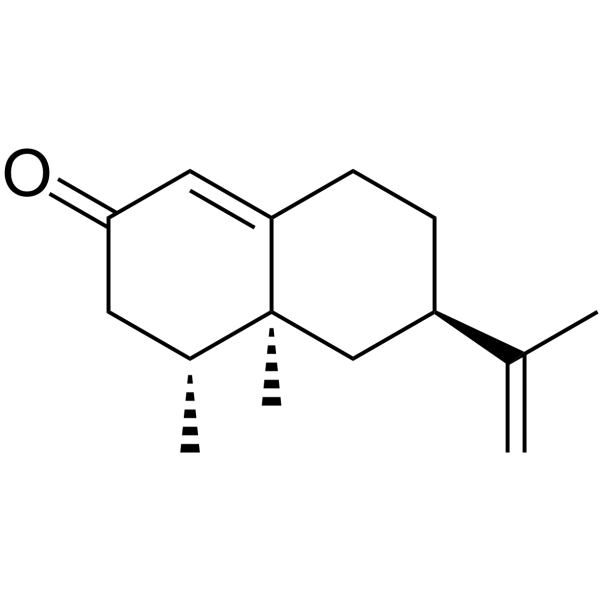
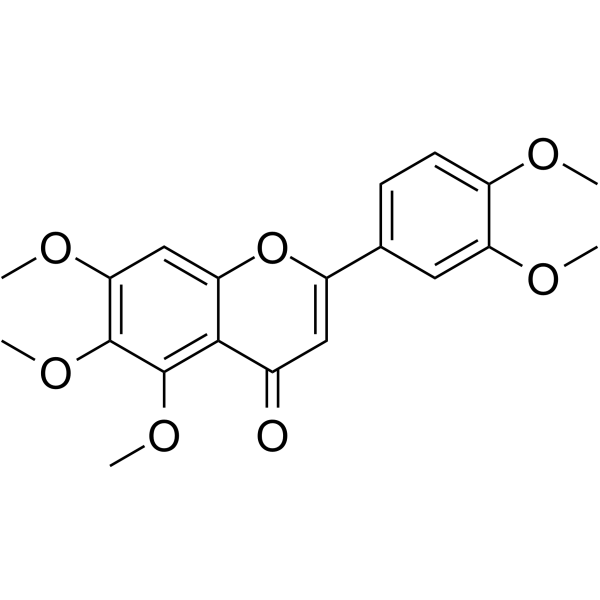
-
Linarin
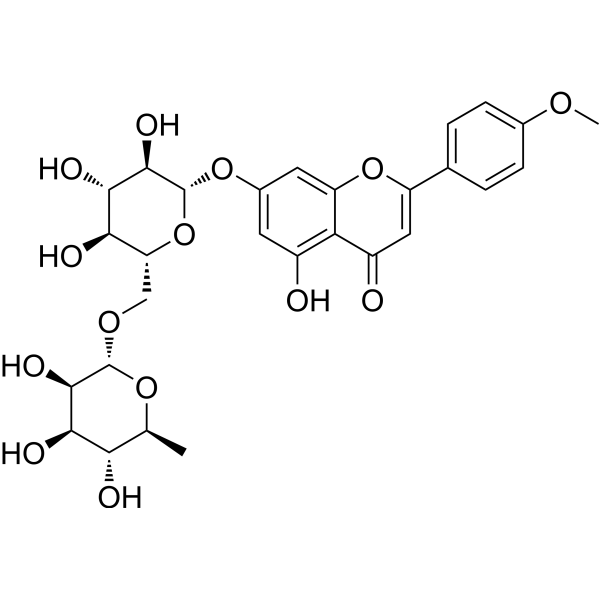 0 ImagesLinarin (Buddleoside) is an orally active and selective inhibitor of acetylcholinesterase (AChE). Linarin has many activities, such as anti-inflammatory, antioxidant, sleep aid and sedation, bone differentiation, anti-tumor, antibacterial and antiviral. Linarin can be used to study diseases such as the nervous system, osteoporosis and cancer.
-
BIO8898
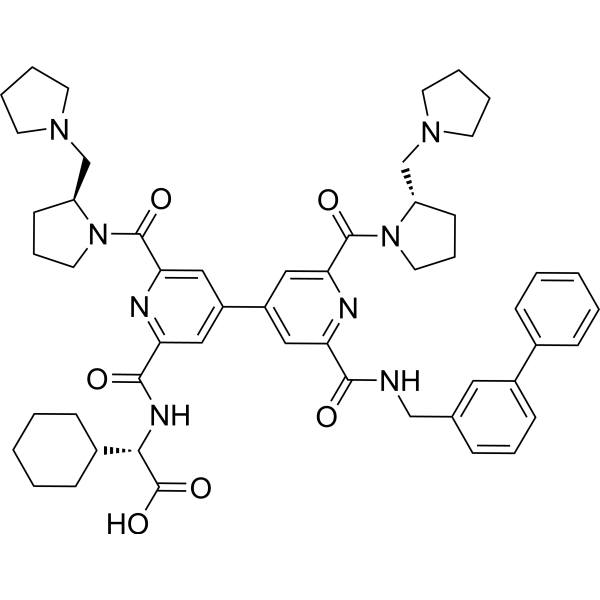 0 ImagesCat. No.: HY-122663APurity: 98.08%BIO8898 is a potent CD40-CD154 inhibitor. BIO8898 inhibits soluble CD40L binding to CD40-Ig with an IC50 value of 25 µM. BIO8898 inhibits CD40L-induced apoptosis.
-
Manumycin A
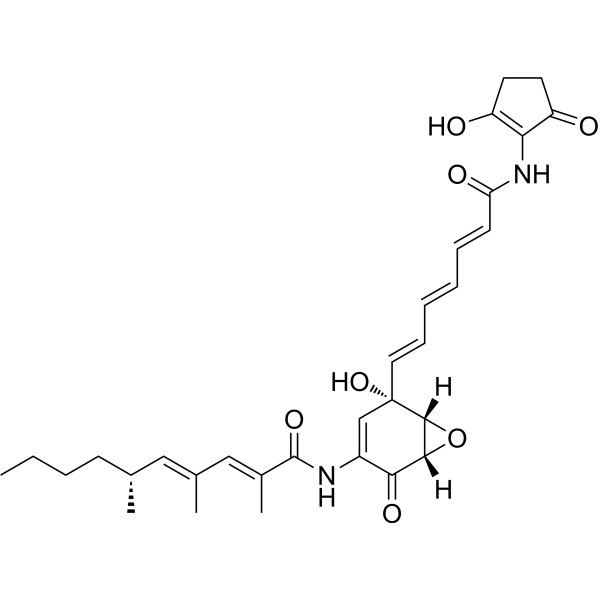 0 ImagesManumycin A is a polyketide antibiotic and an inhibitor of thioredoxin reductase 1 (TrxR-1). Manumycin A can inhibit the growth of breast cancer cells and exert its anti-tumor activity through LC3. Manumycin A can downregulate the release of pro-inflammatory cytokines in human monocytes stimulated by TNF α, and has potential anti-inflammatory activity. Manumycin A can inhibit the Ras/Raf/ERK1/2 signaling and hnRNP H1 in castration resistant prostate cancer cells to suppress exosome biogenesis and secretion.
-
Geraniin
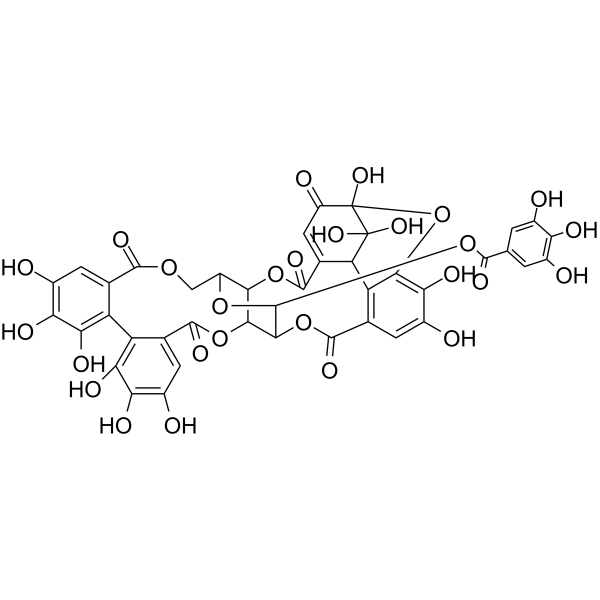 0 ImagesGeraniin is a TNF-α releasing inhibitor with numerous activities including anticancer, anti-inflammatory, and anti-hyperglycemic activities, with an IC50 of 43 μM.
-
Certolizumab pegol
 0 ImagesSynonyms: Certolizumab; CDP870Certolizumab pegol (Certolizumab) is a recombinant, polyethylene glycosylated, antigen-binding fragment of a humanized monoclonal antibody that selectively targets and neutralizes tumour necrosis factor-α (TNF-α). Certolizumab pegol can be used for rheumatoid arthritis and Crohn disease research.
-
TNF-α-IN-2
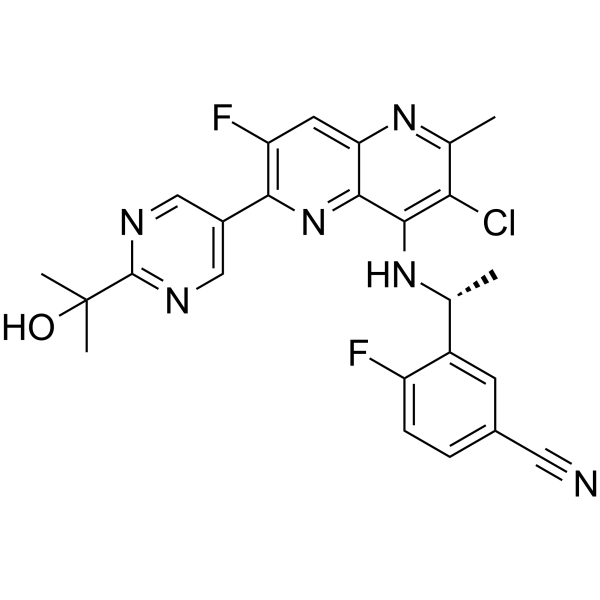 0 ImagesTNF-α-IN-2 is a potent and orally active inhibitor of tumor necrosis factor alpha (TNFα), with an IC50 of 25 nM in the HTRF assay. TNF-α-IN-2 distorts the TNFα trimer upon binding, leading to aberrant signaling when the trimer binds to TNFR1. TNF-α-IN-2 can be used for the research of rheumatoid arthritis.
-
L-Threonic acid magnesium
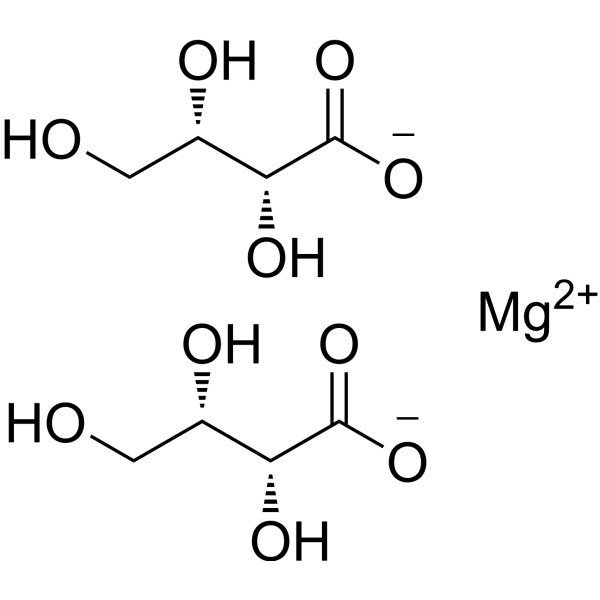 0 ImagesSynonyms: Magnesium L-threonateL-Threonic acid magnesium (Magnesium L-threonate) is the enantiomer of Threonic acid and the metabolite of vitamin C (HY-B0166). L-Threonic acid magnesium is a magnesium supplementation, that improves the brain magnesium concentration, inhibits the activation of TNF-α/NF-κB signaling pathway. L-Threonic acid magnesium can be used in research of Alzheimer’s disease. L-Threonic acid magnesium is orally active.
-
Conatumumab
 0 ImagesSynonyms: AMG 655; TRAIL-R2 mAb; Human Anti-TNFRSF10B Recombinant AntibodyConatumumab (AMG 655) is a human monoclonal agonist antibody against human death receptor 5 (DR5, TRAILR2) (Kd: 1 nM for the long form of DR5, 0.8 nM for the short form of DR5). Conatumumab induces apoptosis via caspase activation. Conatumumab can be used in the research of cancers. .

-
Atacicept
 0 ImagesSynonyms: TACI-Ig; TACI-Fc 5Atacicept (TACI-Ig) is a is a recombinant fusion protein containing the extracellular, ligand-binding portion of the TACI receptor and the Fc portion of human IgG. Atacicept inhibits B cell stimulation by binding to B lymphocyte stimulator and a proliferation-inducing ligand. Atacicept can be used in research of B-cell autoimmune disease.
-
1,2-DLPC
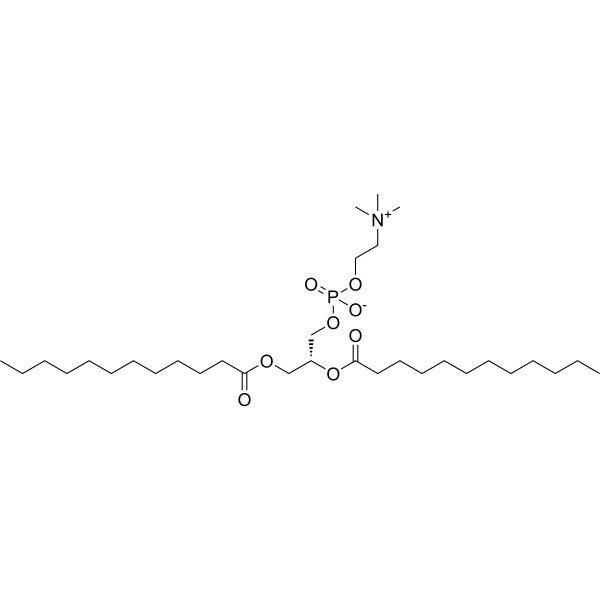 0 ImagesSynonyms: 1,2-Dilauroyl-sn-glycero-3-phosphocholine1,2-DLPC (1,2-Dilauroyl-sn-glycero-3-phosphocholine) is a ligand for LRH-1 agonists. 1,2-DLPC is a phospholipid used in the synthesis of liposomes. 1,2-DLPC enhances fat breakdown and apoptosis in fat cells through a TNFα-dependent pathway, while also inhibiting palmitate-induced insulin resistance through PPARα-mediated inflammation in muscle cells.
-
MM-102
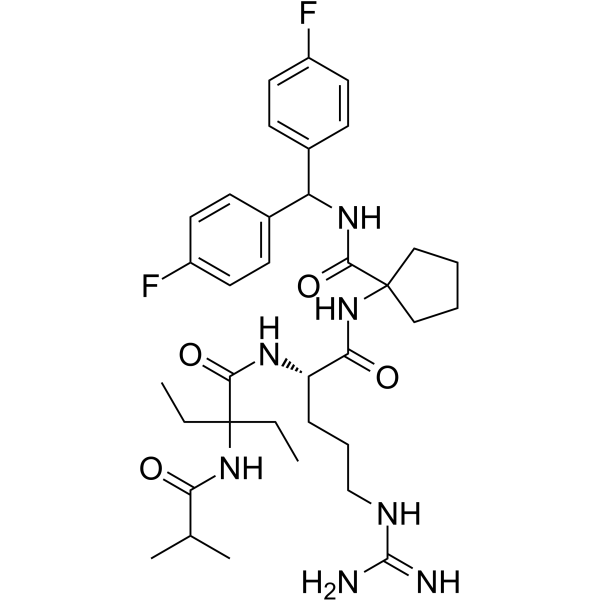 0 ImagesSynonyms: HMTase Inhibitor IXMM-102 (HMTase Inhibitor IX) is a cell-permeable and tightly binding inhibitor of MLL1-WDR5 interaction (IC50=2.4 nM). MM-102 can specifically inhibit the growth and induce apoptosis of leukemia cells containing MLL1 fusion protein, and reduce renal fibrosis and inflammation in mice with ischemia-reperfusion injury. In addition, MM-102 also acts as an H3K4 histone methyltransferase inhibitor to improve the development of porcine somatic cell nuclear transfer (SCNT) embryos.
-
DRI-C21045
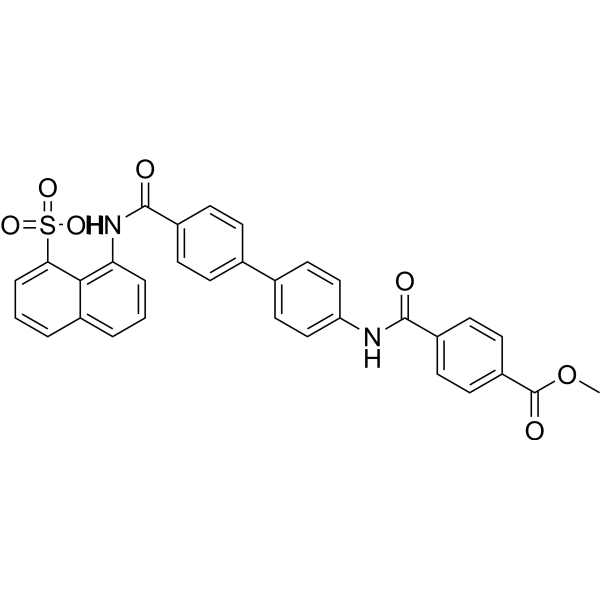 0 ImagesDRI-C21045 (compound 10) is a potent and selective inhibitor of the CD40-CD40L costimulatory protein-protein interaction (PPI) with an IC50 of 0.17 μM. DRI-C21045 shows concentration-dependent inhibition of the activation of NF-κB and B cell proliferation all induced by CD40L with IC50s of 17.1 μM and 4.5 μM, respectively.
-
Ruplizumab
 0 ImagesSynonyms: BG 9588; Anti-Human CD40L Recombinant Antibody; Hu5c8Ruplizumab (BG 9588) is a humanized anti-CD40L IgG1κ monoclonal antibody. By binding to CD40L, Ruplizumab blocks its interaction with the CD40 receptor, inhibits T-B cell costimulatory signals, and mediates the depletion of activated T cells via the Fc segment. Ruplizumab has immunosuppressive effects. Ruplizumab can be used in the study of systemic lupus erythematosus, organ transplant rejection, and autoimmune diseases. Recommend Isotype Controls: Human IgG1 kappa, Isotype Control (HY-P99001).
-
AR420626
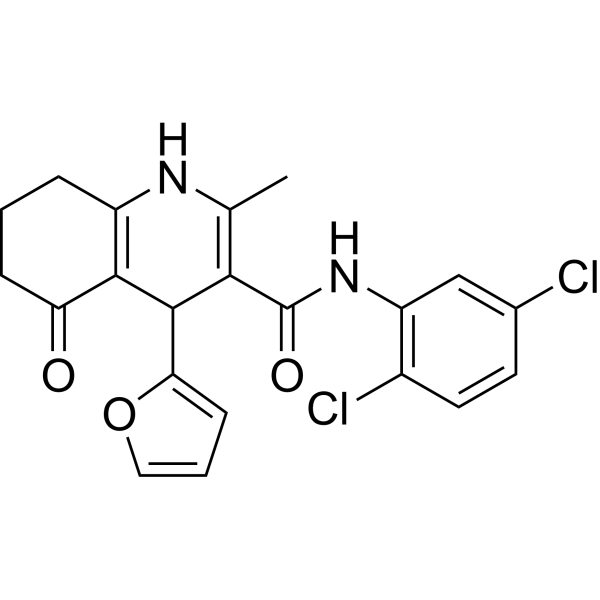 0 ImagesAR420626 is a selective agonist of free fatty acid receptor 3 (FFAR3) (IC50=117 nM). AR420626 has anti-inflammatory, anticancer and antidiabetic activities. AR420626 improves neurogenic diarrhea by inhibiting nAChR mediated neural pathways. AR420626 inhibits the growth of HepG2 xenografts and inhibits the proliferation of hepatoma cells by inducing apoptosis. AR420626 also suppresses allergic asthma and eczema and has the ability to activate GPR41 to increase Ca2+ signal-mediated glucose uptake and improve diabetes.
-
Sappanone A
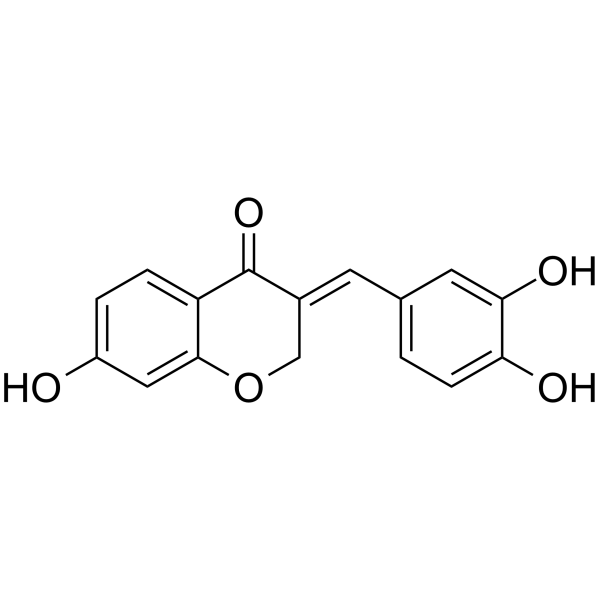 0 ImagesSappanone A is an orally active homoisoflavone found in sappan L. Sappanone A is a PDE4 and NF-κB inhibitor with anti-inflammatory and antioxidant effect. Sappanone A induces HO-1 expression through activation of Nrf2 pathway. Sappanone A also inhibits RANKL-induced osteoclastogenesis. Sappanone A has great potential in the research of inflammation-related and cardiovascular .




