



nAChR
Nicotinic acetylcholine receptors
nAChRs (nicotinic acetylcholine receptors) are neuron receptor proteins that signal for muscular contraction upon a chemical stimulus. They are cholinergic receptors that form ligand-gated ion channels in the plasma membranes of certain neurons and on the presynaptic and postsynaptic sides of theneuromuscular junction. Nicotinic acetylcholine receptors are the best-studied of the ionotropic receptors. Like the other type of acetylcholine receptor-the muscarinic acetylcholine receptor (mAChR)-the nAChR is triggered by the binding of the neurotransmitter acetylcholine (ACh). Just as muscarinic receptors are named such because they are also activated by muscarine, nicotinic receptors can be opened not only by acetylcholine but also by nicotine —hence the name "nicotinic".
All Product Categories
-
nAChR Related Products (475)
Related Products (475)

-
Antibodies (5)
-
SIB-1553A
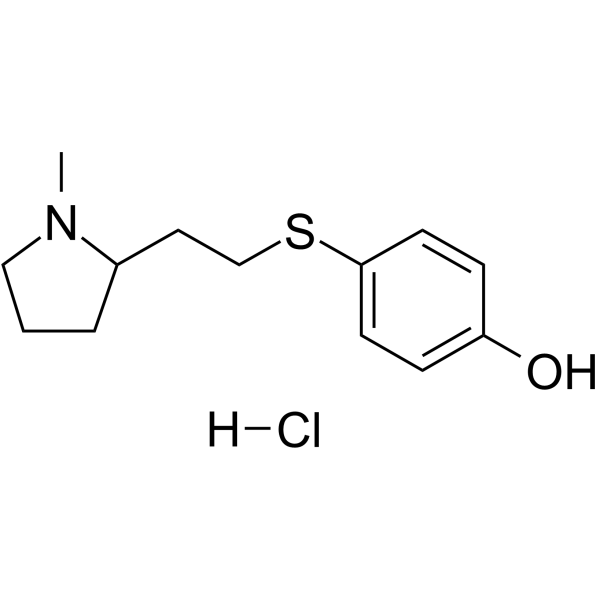 0 ImagesSIB-1553A is an orally bioavailable nicotinic acetylcholine receptors (nAChRs) agonist, with selectivity for β4 subunit-containing nAChRs. SIB-1553A is also a selective neuronal nAChR ligand. SIB-1553A is a cognitive enhancer, and has therapeutic potential for the symptomatic treatment of Alzheimer’s disease and other cognitive disorders.
-
Catestatin TFA
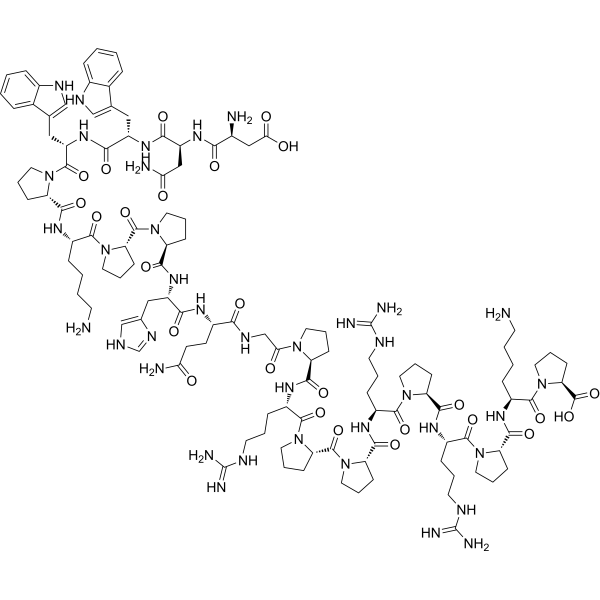
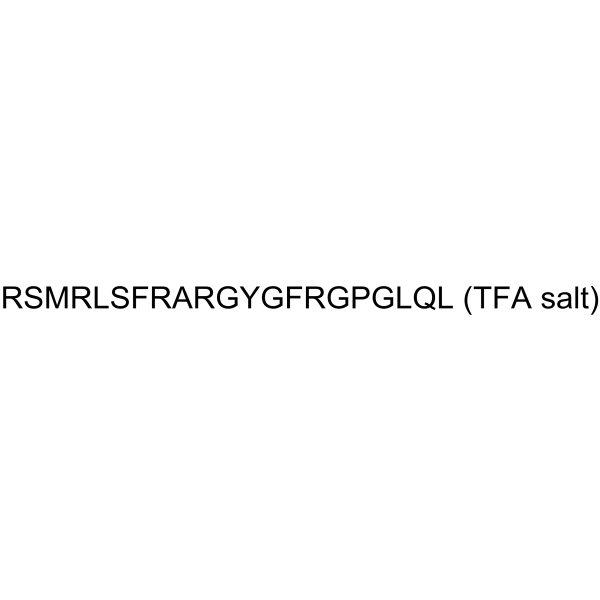 0 ImagesCat. No.: HY-P1271APurity: 99.07%Catestatin TFA is a 21-amino acid residue, cationic and hydrophobic peptide. Catestatin TFA is an endogenous peptide that regulates cardiac function and blood pressure. Catestatin TFA is a non-competitive nicotinic antagonist acting through nicotinic acetylcholine receptors (nAChRs) to inhibit catecholamine release.


-
(R)-Monepantel
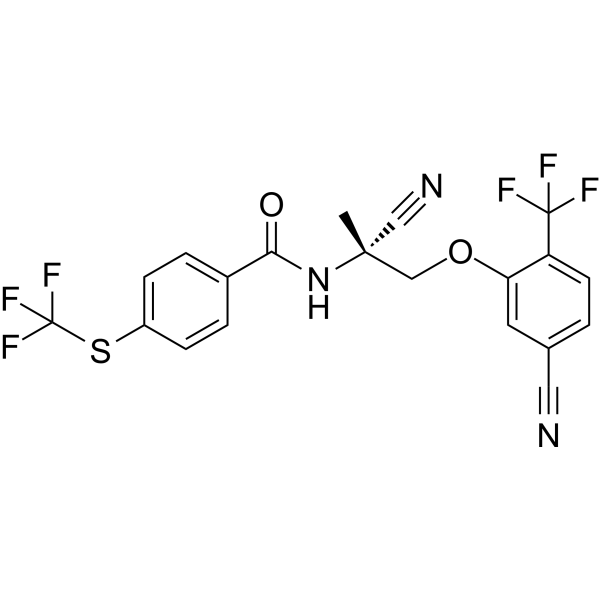 0 ImagesSynonyms: (R)-AAD1566(R)-Monepantel (AAD2224) is the optical R-enantiomer of monepantel. (R)-Monepantel has no nematocidal effect, is inactive.
-
Flupyradifurone-d5
 0 ImagesCat. No.: HY-W750777CAS No.: 2732873-32-2Flupyradifurone-d5 is the deuterium labeled Flupyradifurone (HY-145295). Flupyradifurone is a systemic?nAChR?agonist that interferes with signal transduction in the central nervous system of sucking pests. Flupyradifurone can be used as a butenolide?insecticide.
-
nAChR antagonist 2
 0 ImagesCat. No.: HY-180559nAChR antagonist 2 is a selective nAChR antagonist. nAChR antagonist 2 inhibits nAChR subtype including hα9α10, hα9, and hα7 with IC50 values of 16.0 nM, 26.2 nM, and 336.3 nM, respectively, in Xenopus oocytes. nAChR antagonist 2 suppresses ATP-induced IL-1β release at nanomolar concentrations. nAChR antagonist 2 can be used for nonopioid analgesics and immunomodulators research.
-
Atracurium
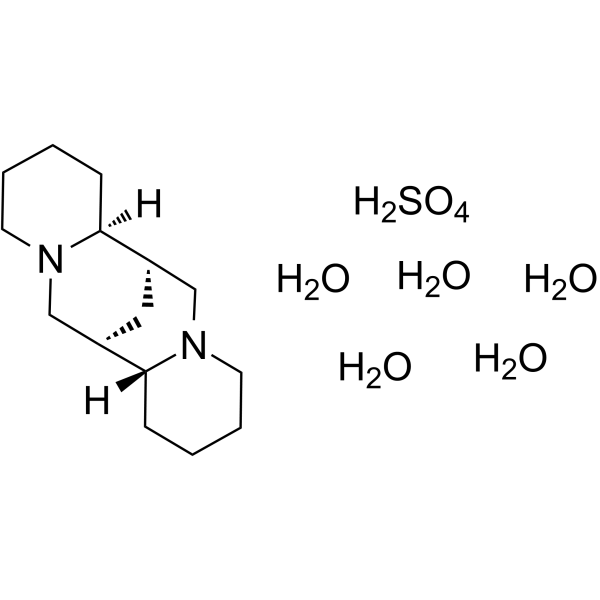
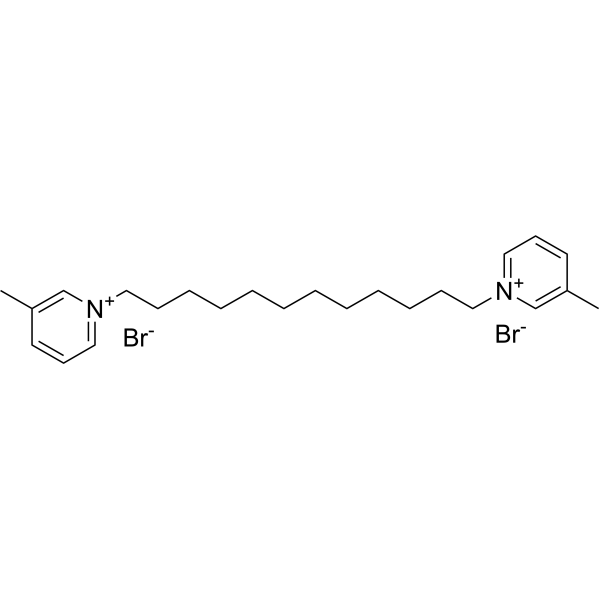
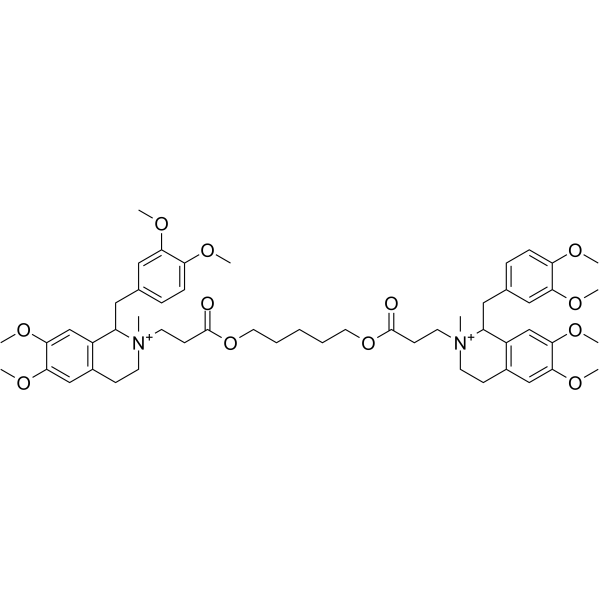 0 ImagesCat. No.: HY-B0292CAS No.: 64228-79-1Synonyms: BW-33A free acidtracurium (BW-33A free acid) is a potent, competitive and non-depolarizing neuromuscular blocking agent.Atracurium also is an AChR receptor antagonist. Atracurium induces bronchoconstriction and neuromuscular blockade. Atracurium promotes astroglial differentiation.
-
Monepantel (Standard)
 0 ImagesSynonyms: AAD1566 (Standard); NUZ-001 (Standard)Monepantel (Standard) is the analytical standard of Monepantel. This product is intended for research and analytical applications. Monepantel is organic anthelmintic, and acts as a positive allosteric modulator of a nematode-specific clade of nicotinic acetylcholine receptor (nAChR) subunits.


-
(±)-Anatoxin A fumarate
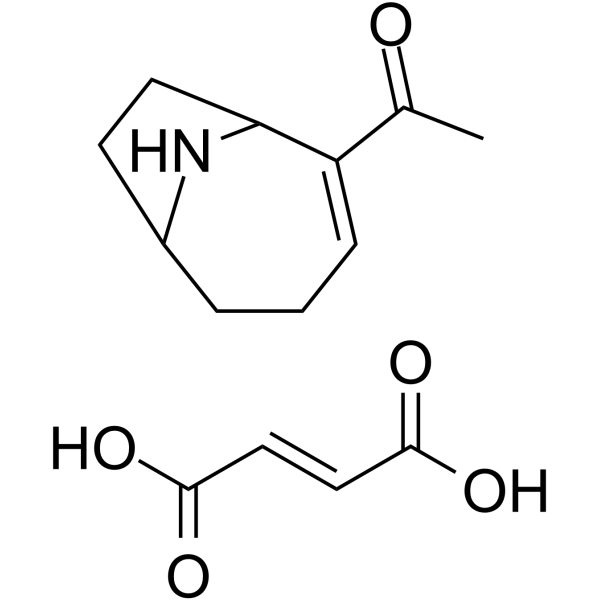 0 ImagesCat. No.: HY-N2326CAS No.: 1219922-30-1(±)-Anatoxin A fumarate is a natural alkaloid isolated from freshwater cyanobacterium.(±)-Anatoxin A fumarate is a potent nicotinic receptor agonist and exhibits Ki values of 1.25 nM and 1.84 μM for binding to α4β2- and α7-type nicotinic receptors in rat brain membranes, respectively. (±)-Anatoxin A fumarate stimulates [3H]-dopamine release from rat striatal synaptosomes (EC50=134 nM). (±)-Anatoxin A fumarate has toxic effect on fish.
-
Arecoline-d5 hydrobromide
 0 ImagesCat. No.: HY-W739837CAS No.: 131448-18-5Arecoline-d5 hydrobromide is the deuterium labeled Arecoline hydrobromide (HY-B0489). Arecoline hydrobromide, a naturally occurring psychoactive alkaloid, is a partial agonist of nicotinic and muscarinic acetylcholine receptor. Arecoline hydrobromide exhibits stimulation, alertness, anxiolysis and anti-parasitic effects. Arecoline hydrobromide also can induce oxidative stress.
-
Tebanicline tosylate
 0 ImagesSynonyms: Ebanicline tosylate; ABT-594 tosylateTebanicline tosylate, an analogue of epibatidine, is a neuronal nicotinic acetylcholine receptor agonist. Tebanicline tosylate exhibits potent antinociceptive effects and has a high affinity for the α4β2 neuronal nicotinic acetylcholine receptor subunit in the central nervous system.
-
Epibatidine dihydrochloride
 0 ImagesEpibatidine dihydrochloride serves as a powerful agonist for nicotinic receptors.
-
Rivanicline
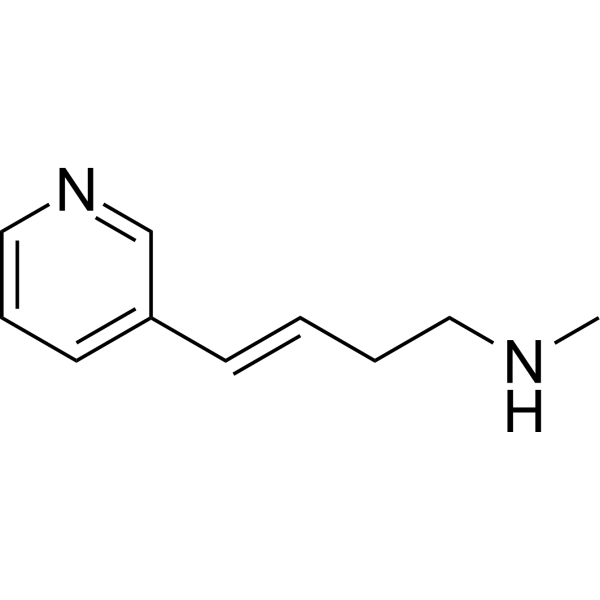 0 ImagesCat. No.: HY-13225ACAS No.: 15585-43-0Synonyms: RJR-2403; (E)-MetanicotineRivanicline (RJR-2403) is a neuronal nicotinic receptor agonist. Rivanicline is highly selective for the rat brain cortex nAChRs (Ki = 26 nM, EC50 of 732 nM) and α4β2 subtype (Ki = 26 nM, EC50 = 16 μM). Rivanicline can significantly restore the learning impairment and cognitive dysfunction. Rivanicline can be used for the study of neurodegenerative diseases (such as schizophrenia or Alzheimer's disease).
-
Meclofenoxate hydrochloride (Standard)
 0 ImagesSynonyms: Centrophenoxine hydrochloride (Standard)Meclofenoxate (hydrochloride) (Standard) is the analytical standard of Meclofenoxate (hydrochloride). This product is intended for research and analytical applications. Meclofenoxate hydrochloride is an ester synthesized from DMAE and pCPA, which has the activity of stimulating memory and improving cognition.




