NMDA Receptor
NMDA receptor (NMDAR) ionotropic glutamate receptors support synaptogenesis, synaptic maturation, long-term plasticity, neuronal network activity, and cognition[1]. Mechanistically, NMDARs act as glutamate-gated, calcium-permeable ion channels that mediate synaptic transmission and underpin learning and memory[2]. Their activation requires coordinated agonist binding, with glutamate binding GluN2 and glycine or D-serine binding GluN1[3]. In disease contexts, abnormal NMDAR-mediated signaling is associated with neurological and psychiatric disorders, while NMDAR dysfunction is implicated in seizure and ischemia models[1][2]. Anti-NMDA receptor encephalitis further links receptor-targeting antibodies with rapidly progressive neuropsychiatric disease mechanisms and experimental models[4]. Compared with related NMDA receptor isoforms, subunit composition creates receptor subtypes with distinct biophysical, pharmacological, and signaling properties[5]. Therefore, GluN2A, GluN2B, GluN2C, GluN2D, and GluN3-containing receptors should be separated in experimental design when subtype-specific function, synaptic plasticity, or disease signaling is tested[5]. For experimental applications, agonists and inhibitors provide mechanistic tools because agonists stabilize ligand-binding-domain gating arrangements, whereas competitive antagonists disrupt receptor activation[2]. D-serine also provides a useful ligand model because it binds GluN1, interacts with GluN2A, and can inhibit NMDAR current at high concentration[3].
Verweise:
- [1]. Dupuis JP, et al. NMDA receptor functions in health and disease: Old actor, new dimensions. Neuron. 2023 Aug 2;111(15):2312-2328. [Content Brief]
- [2]. Zhu S, et al. Mechanism of NMDA Receptor Inhibition and Activation. Cell. 2016 Apr 21;165(3):704-14. [Content Brief]
- [3]. Yovanno RA, et al. Excitatory and inhibitory D-serine binding to the NMDA receptor. Elife. 2022 Oct 27;11:e77645. [Content Brief]
- [4]. Dalmau J, et al. An update on anti-NMDA receptor encephalitis for neurologists and psychiatrists: mechanisms and models. Lancet Neurol. 2019 Nov;18(11):1045-1057. [Content Brief]
- [5]. Paoletti P, et al. NMDA receptor subunit diversity: impact on receptor properties, synaptic plasticity and disease. Nat Rev Neurosci. 2013 Jun;14(6):383-400. [Content Brief]
All Product Categories
-
NMDA Receptor Inhibitors
(28)
View all products
-
NMDA Receptor Agonists
(45)
View all products
-
NMDA Receptor Antagonists
(121)
View all products
-
NMDA Receptor Activators
(5)
View all products
-
NMDA Receptor Modulators
(13)
View all products
-
NMDA Receptor MDM2 Inhibitor
(1)
View all products
-
NMDA Receptor Control
(1)
View all products
-
NMDA Receptor Verwandte Produkte (237)
Verwandte Produkte (237)

-
D-AP5
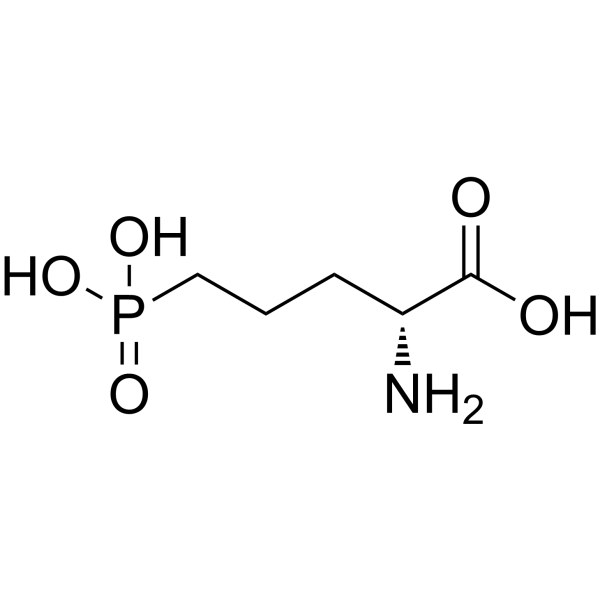 0 ImagesSynonyms: D-APV; D-2-Amino-5-phosphonovaleric acidD-AP5 (D-APV) is a selective and competitive NMDA receptor antagonist with a Kd of 1.4 μM. D-AP5 (D-APV) inhibits the glutamate binding site of NMDA receptors.
-
Glycine
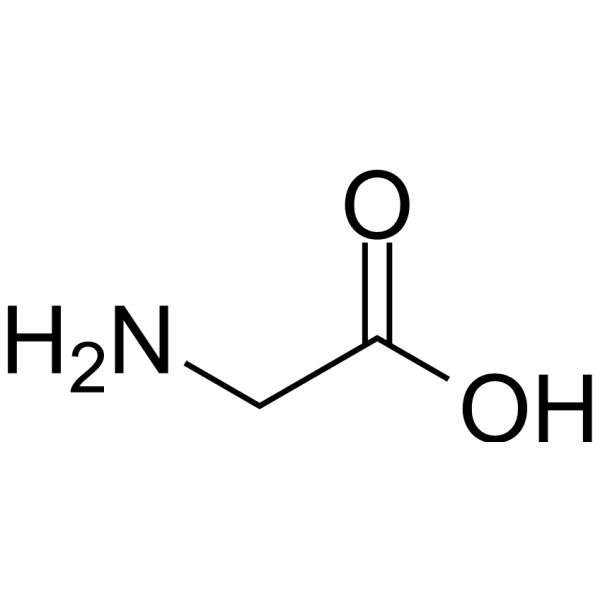 0 ImagesGlycine is an inhibitory neurotransmitter in the CNS and also acts as a co-agonist along with glutamate, facilitating an excitatory potential at the glutaminergic N-methyl-D-aspartic acid (NMDA) receptors. Glycine is orally active. Glycine inhibits the membrane aggregation of NINJ1 and prevents plasma membrane rupture during cell death. Glycine can be used to study cell protection, cancer, neurological diseases, and angiogenesis.
-
Dizocilpine maleate
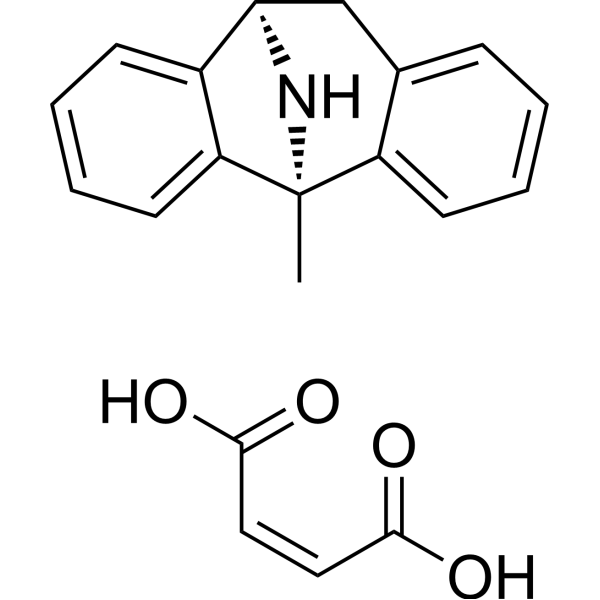 0 ImagesSynonyms: (+)-MK 801 MaleateDizocilpine maleate (MK-801 maleate) is a potent, selective and non-competitive NMDA receptor antagonist with Kd of 37.2 nM in rat brain membranes.
-
L-Phenylalanine
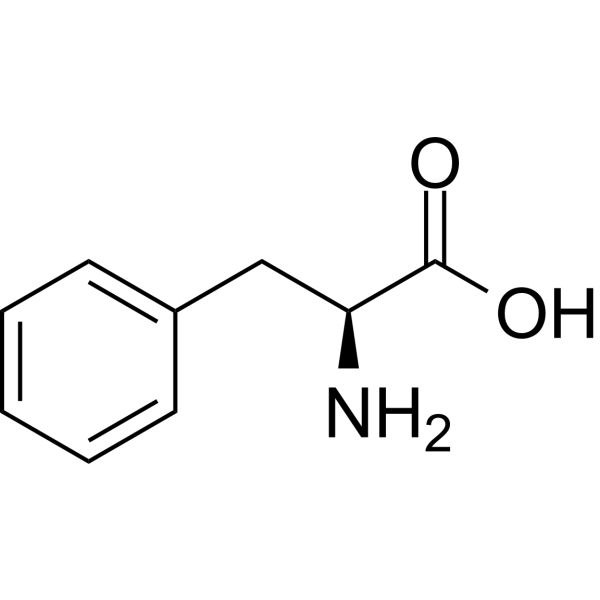 0 ImagesL-Phenylalanine ((S)-2-Amino-3-phenylpropionic acid) is an essential amino acid isolated from Escherichia coli. L-Phenylalanine is a α2δ subunit of voltage-dependent Ca+ channels antagonist with a Ki of 980 nM. L-phenylalanine is a competitive antagonist for the glycine- and glutamate-binding sites of N-methyl-D-aspartate receptors (NMDARs) (KB of 573 μM ) and non-NMDARs, respectively. L-Phenylalanine is widely used in the production of food flavors and pharmaceuticals.
-
GluN2B-NMDAR Allosteric modulator 1
 0 ImagesGluN2B-NMDAR Allosteric modulator 1 is a selective GluN2B-NMDAR positive allosteric modulator. GluN2B-NMDAR Allosteric modulator 1 can increase glutamate- and aspartate-evoked GluN2B-NMDAR-gated currents with EC50 values of 43.7 and 18 nM. GluN2B-NMDAR Allosteric modulator 1 can reverse anxiety-like behavior and social cognition deficits in mice. GluN2B-NMDAR Allosteric modulator 1 can be used for the research of neurological disease, such as anxiety.
-
CGP39653
 0 ImagesArt. -Nr.: HY-120681CAS. Nr.: 132472-31-2CGP39653 is a competitive NMDA receptor antagonist that inhibits receptor function by competing with glutamate for the binding site.
-
NMDA receptor antagonist 9
 0 ImagesArt. -Nr.: HY-181007NMDA receptor antagonist 9 is a selective GluN2B subunit-containing NMDA receptor antagonist with a Ki of 5.2 nM. NMDA receptor antagonist 9 exhibits 9-fold selectivity over σ1 receptors, shows poor selectivity towards σ2 receptors. NMDA receptor antagonist 9 inhibits ion flux through GluN2B subunit-containing NMDA receptors. NMDA receptor antagonist 9 can be used for the research of neurological disease, such as alzheimer’s disease and parkinson’s disease.
-
Dizocilpine
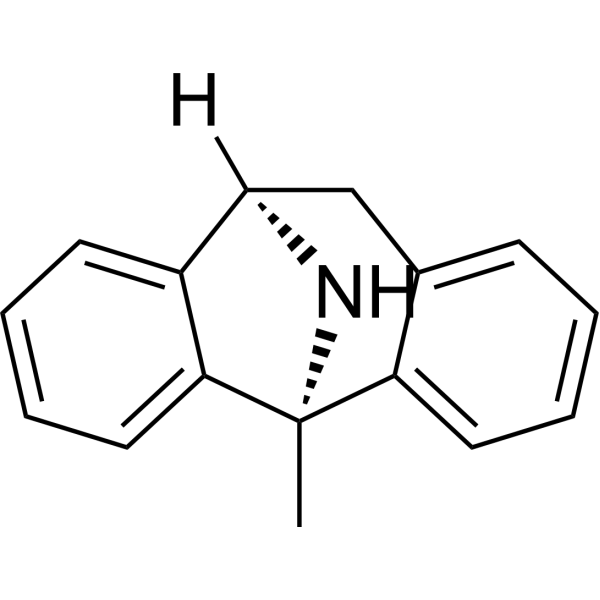 0 ImagesSynonyms: MK-801Dizocilpine (MK-801), a potent anticonvulsant, is a selective and non-competitive NMDA receptor antagonist, with a Kd of 37.2 nM in rat brain membranes. Dizocilpine acts by binding to a site located within the NMDA associated ion channel and thus prevents Ca2+ flux.
-
L-Aspartic acid
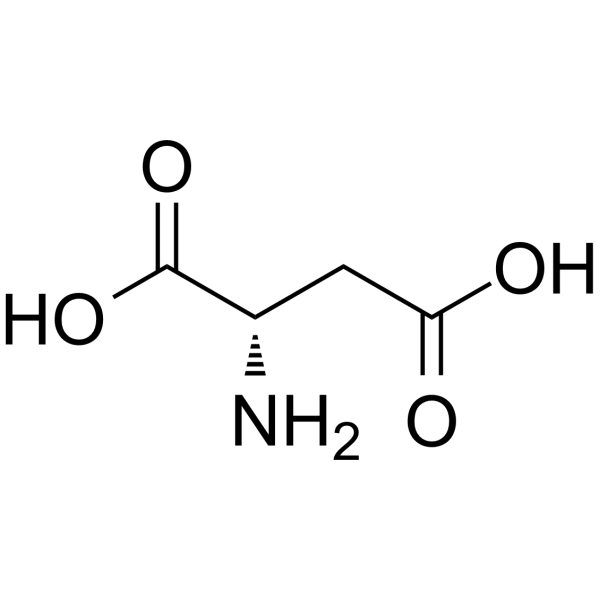 0 ImagesL-Aspartic acid is a NMDA receptor agonist and acidic amino acid. L-Aspartic acid has no independent analgesic activity. L-Aspartic acid can antagonize the analgesic effects of D-Aspartic acid and Morphine. L-Aspartic acid regulates polymorph transformation, crystal growth/aggregation and nucleation processes of calcium carbonate, and can serve as a biomineralization template. L-Aspartic acid promotes burst firing of central neurons. L-Aspartic acid can be used in studies related to cerebral ischemia and epilepsy.
-
Quinolinic acid
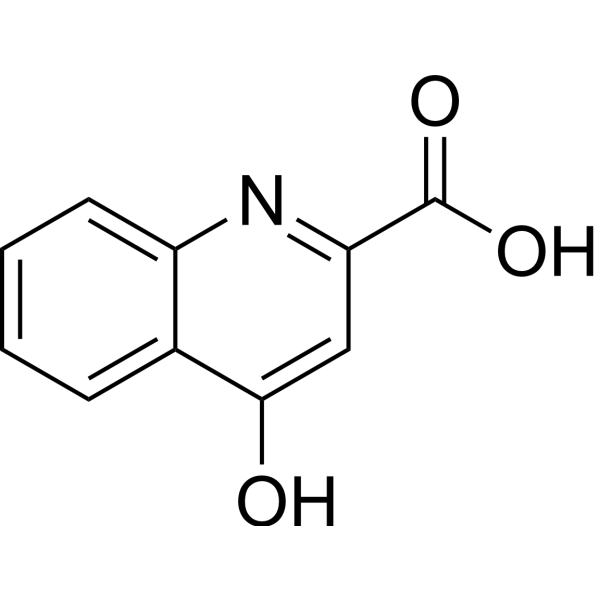
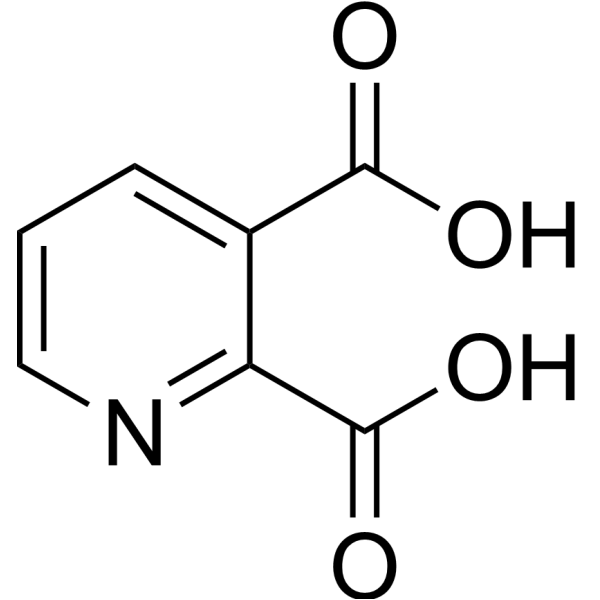 0 ImagesQuinolinic acid, an endogenous metabolite of tryptophan, is a N-methyl-D-aspartate receptor (NMDA receptor) agonist. Quinolinic acid increases glutamate efflux, induces the generation of ROS, activates nitric oxide synthase, produces excessive NO, leading to calcium ion influx and neuronal apoptosis.
-
Cycloleucine
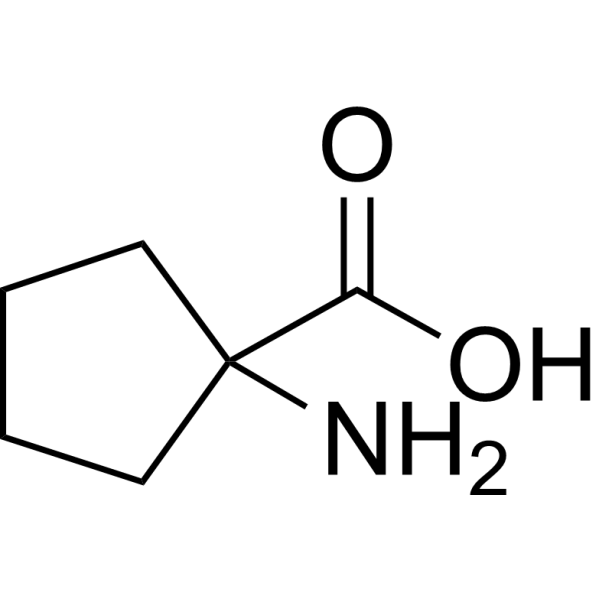 0 ImagesCycloleucine is a specific inhibitor of S-adenosyl-methionine mediated methylation. Cycloleucine is antagonist of NMDA receptor associated glycine receptor, with a Ki of 600 μM. Cycloleucine is also a competitive inhibitor of ATP: L-methionine-S-adenosyl transferase in vitro. Cycloleucine has anxiolytic and cytostatic effects.
-
DL-AP5
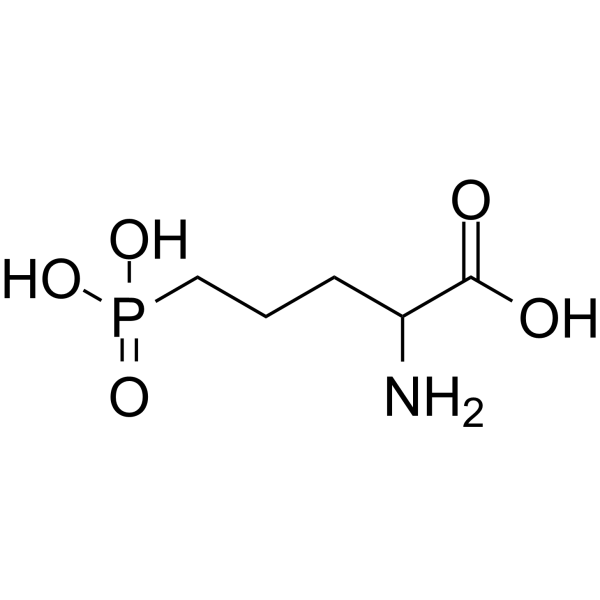 0 ImagesSynonyms: 2-APV; DL-2-Amino-5-phosphonovaleric acidDL-AP5 (2-APV) is a competitive NMDA (N-methyl-D-aspartate) receptor antagonist. DL-AP5 shows significantly antinociceptive activity. DL-AP5 specifically blocks on channels in the rabbit retina.
-
D-Cycloserine
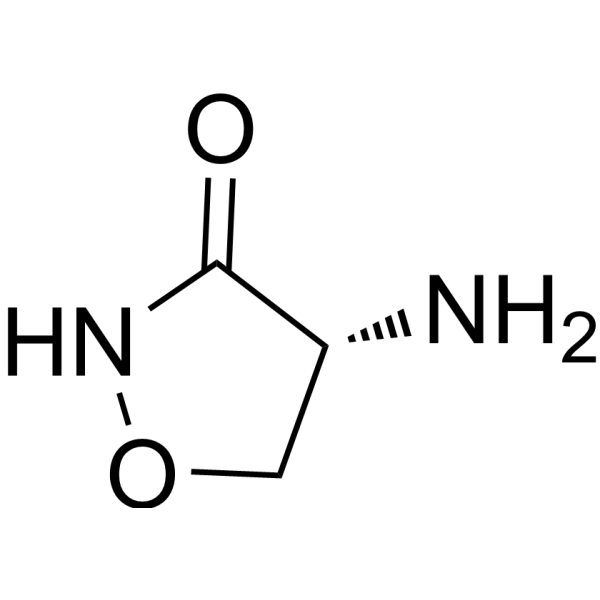 0 ImagesD-Cycloserine is an antibiotic which targets sequential bacterial cell wall peptidoglycan biosynthesis enzymes, with blood-brain barrier permeability. D-Cycloserine is a partial NMDA agonist that can improve cognitive functions. D-Cycloserine can be used for multidrug-resistant tuberculosis research.
-
Creatinine
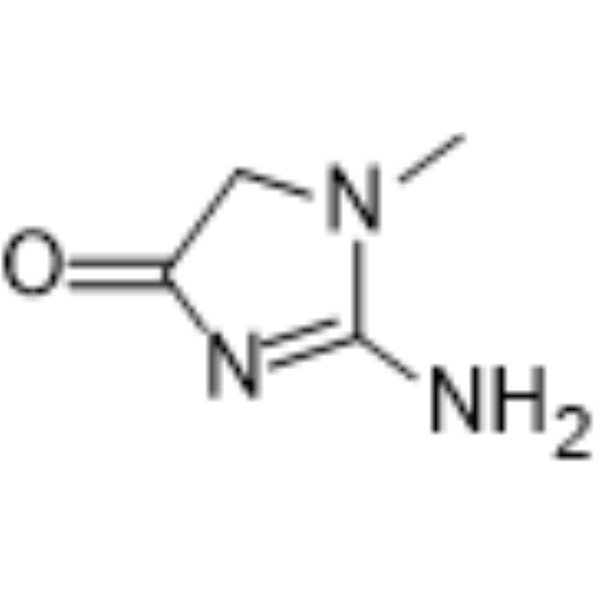 0 ImagesCreatinine (NSC13123) is an orally active, blood-brain barrier-permeable modulator of GABAA and NMDA receptors, with activities of antioxidation and metabolic regulation. Creatinine is generated via non-enzymatic conversion of creatine and phosphocreatine in muscle. Creatinine serum levels correlate with muscle mass, glomerular filtration rate, and extrarenal clearance, serving as an evaluation biomarker for renal function, muscle mass, and clinical outcomes, and used for perioperative renal risk assessment. In addition, Creatinine can induce specific Cryptococcus species to produce creatinine deiminase and act as their nitrogen source, while it can be secreted via renal tubules. Creatinine is widely used in research related to various diseases such as neurodegenerative diseases, psychiatric disorders, acute kidney injury, chronic kidney disease, and renal failure.
-
L-Phenylalanine-d5
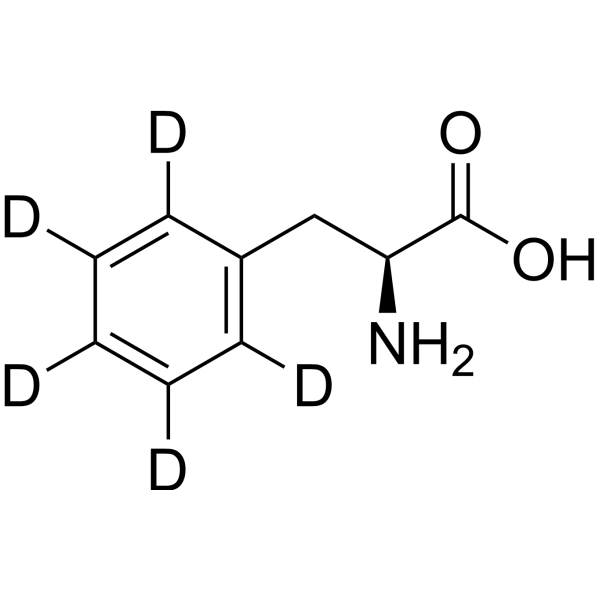 0 ImagesSynonyms: (S)-2-Amino-3-phenylpropionic acid-d5L-Phenylalanine-d5 is the deuterium labeled L-Phenylalanine. L-Phenylalanine ((S)-2-Amino-3-phenylpropionic acid) is an essential amino acid isolated from Escherichia coli. L-Phenylalanine is a α2δ subunit of voltage-dependent Ca+ channels antagonist with a Ki of 980 nM. L-phenylalanine is a competitive antagonist for the glycine- and glutamate-binding sites of N-methyl-D-aspartate receptors (NMDARs) (KB of 573 μM ) and non-NMDARs, respectively. L-Phenylalanine is widely used in the production of food flavors and pharmaceuticals.
-
Bupivacaine
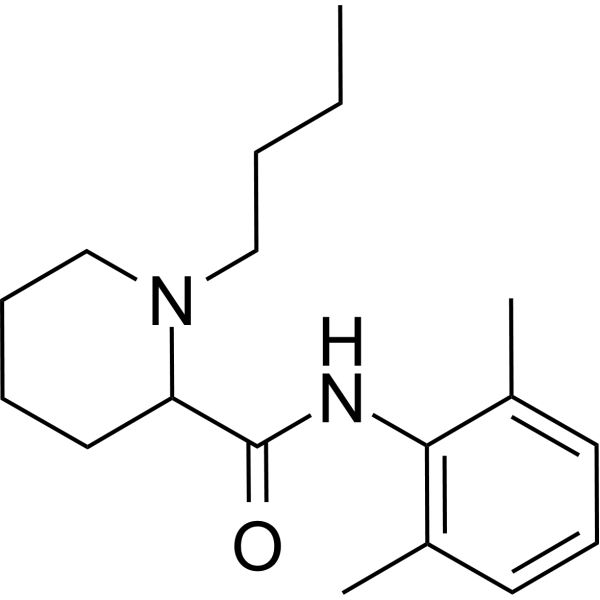 0 ImagesBupivacaine is a NMDA receptor inhibitor. Bupivacaine can block sodium, L-calcium, and potassium channels.Bupivacaine potently blocks SCN5A channels with the IC50 of 69.5 μM. Bupivacaine can be used for the research of chronic pain.
-
D-Serine
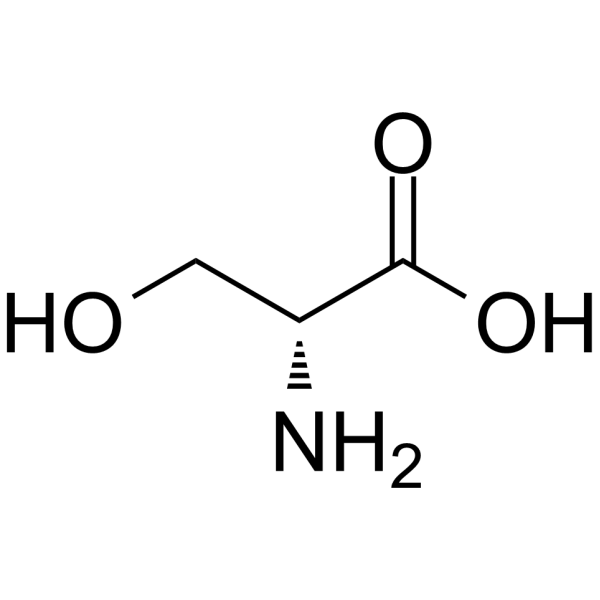 0 ImagesD-Serine ((R)-Serine), an endogenous amino acid involved in glia-synapse interactions that has unique neurotransmitter characteristics, is a potent co-agonist at the NMDA glutamate receptor. D-Serinee has a cardinal modulatory role in major NMDAR-dependent processes including NMDAR-mediated neurotransmission, neurotoxicity, synaptic plasticity, and cell migration.