



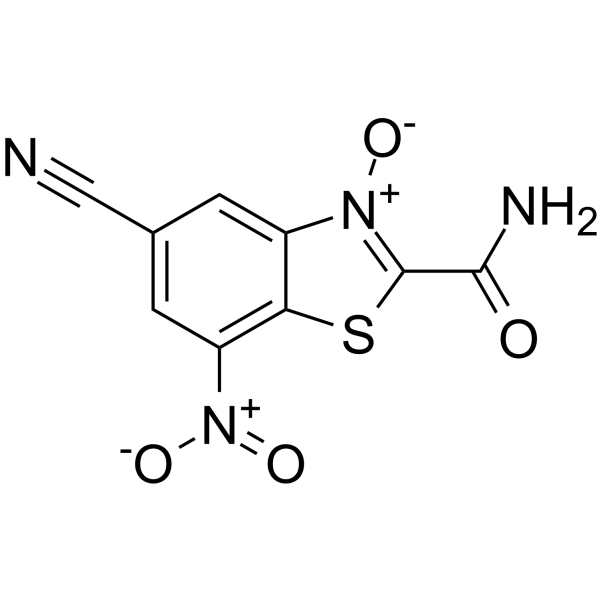
BTO-1
BTO-1 is a Polo-like kinase (Plk) inhibitor. BTO-1 is primarily used for phosphorylation and dephosphorylation applications.
For research use only. We do not sell to patients.
- CAS No.: 40647-02-7
- Formula: C9H4N4O4S
- Molecular Weight:264.22
-
Storage:
Please store the product under the recommended conditions in the Certificate of Analysis.

To place orders, for customer services and technical support, please contact: MedChemExpress USA
Tel: 609-228-6898 E-mail: [email protected] [email protected]


-
 Biological Activity
-
Chemical Information
- Protocols
- Purity & Documentation
- References
-
 Help & FAQs


-
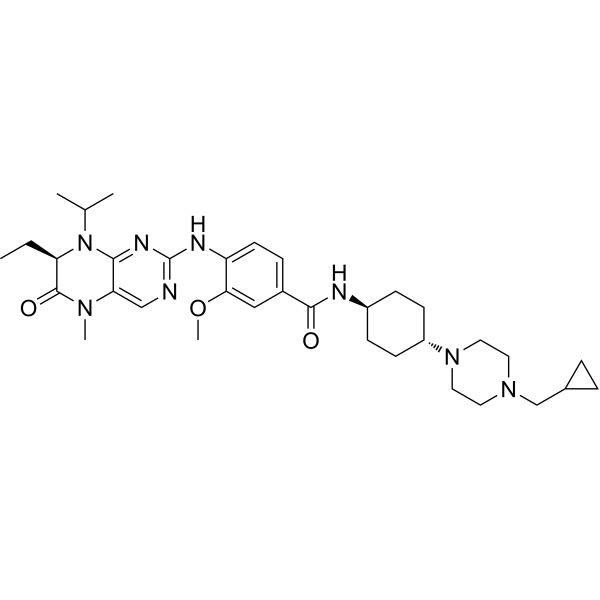
HY-12137
VolasertibPLK1 Inhibitor -
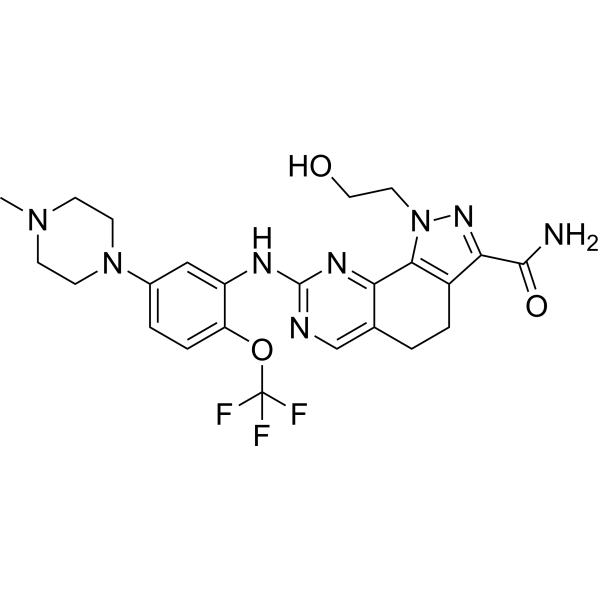
HY-15828
OnvansertibPLK1 Inhibitor -
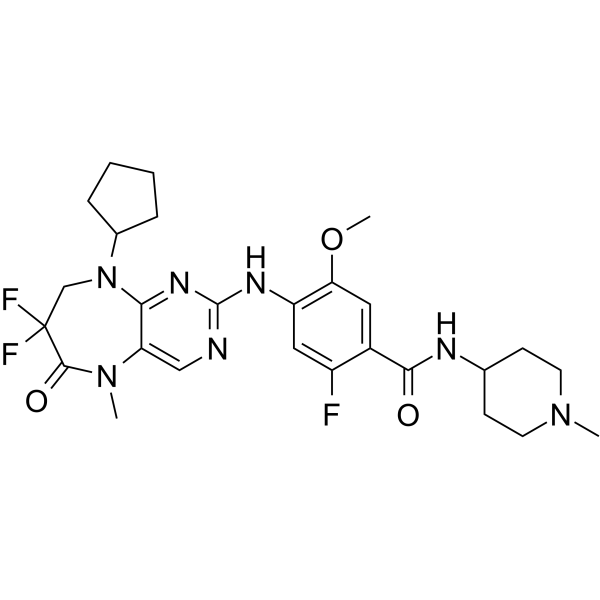
HY-15160
TAK-960PLK1 Inhibitor -
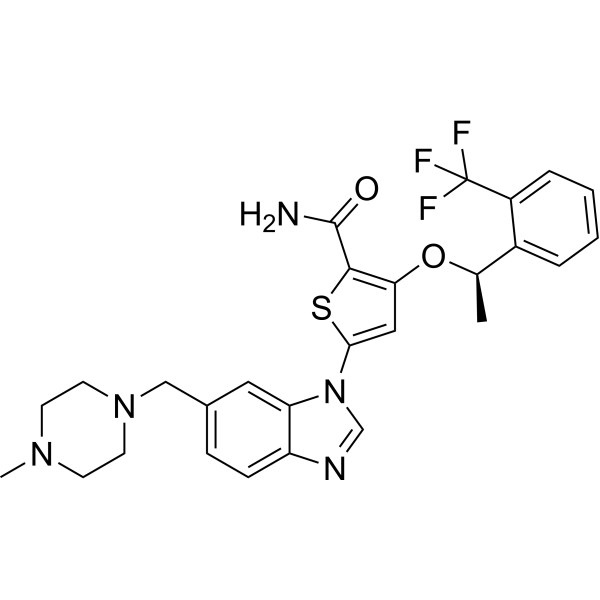
HY-50877
GSK461364PLK1 Inhibitor -
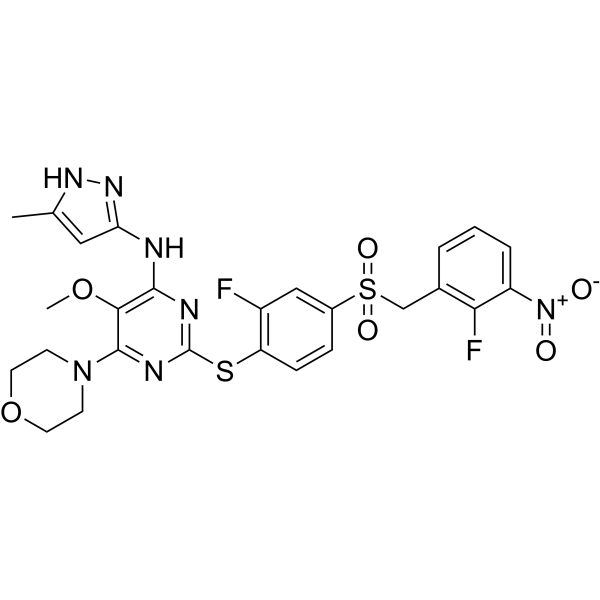
HY-18682
CentrinonePLK4 Inhibitor -
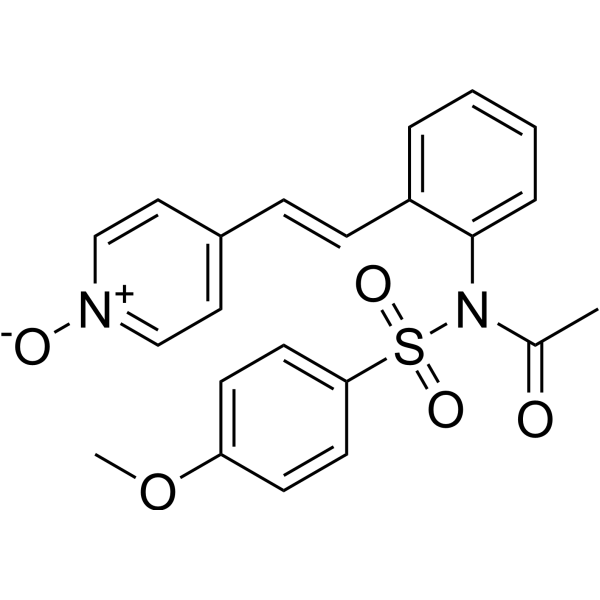
HY-12045
HMN-214PLK1 Inhibitor -
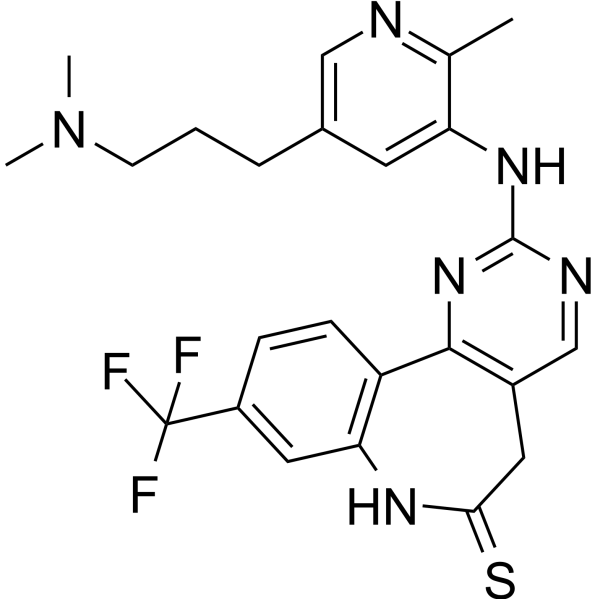
HY-15155
MLN0905PLK1 Inhibitor -
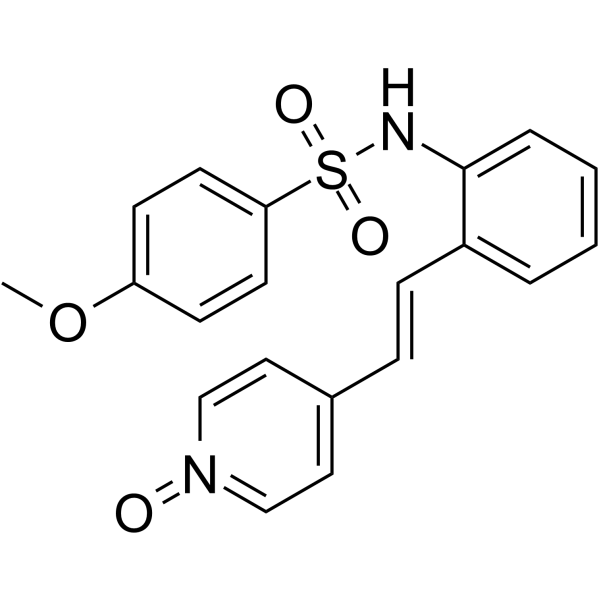
HY-13647
HMN-176PLK Inhibitor -
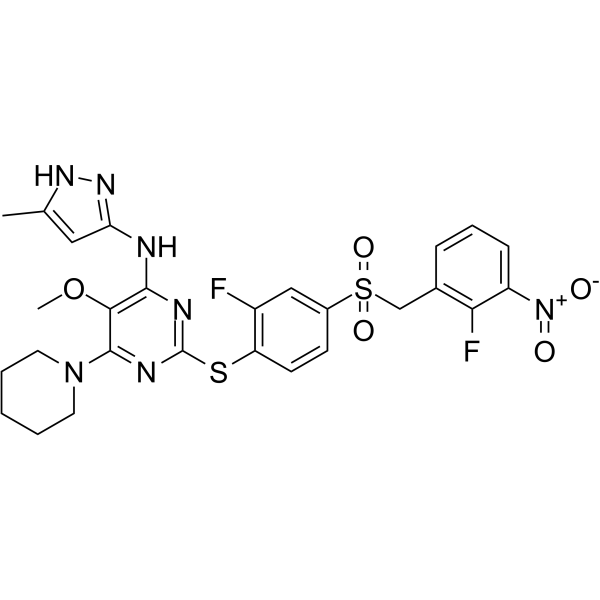
HY-18683
Centrinone-BPLK4 Inhibitor -
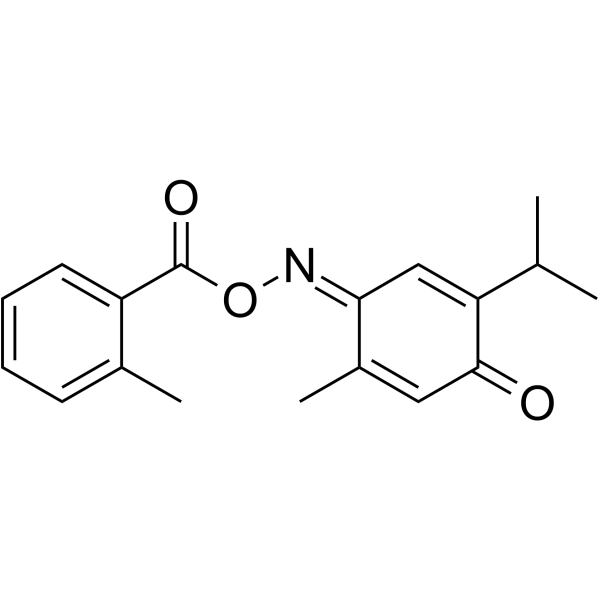
HY-12134
PoloxinPLK Inhibitor -
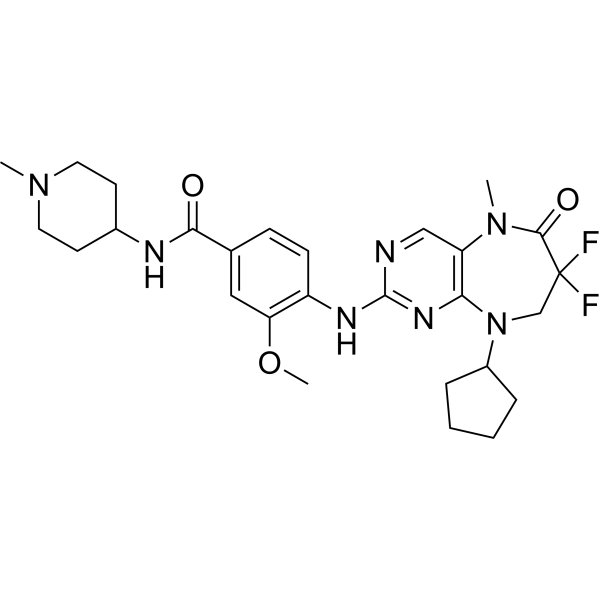
HY-15161
Ro3280PLK1 Inhibitor -
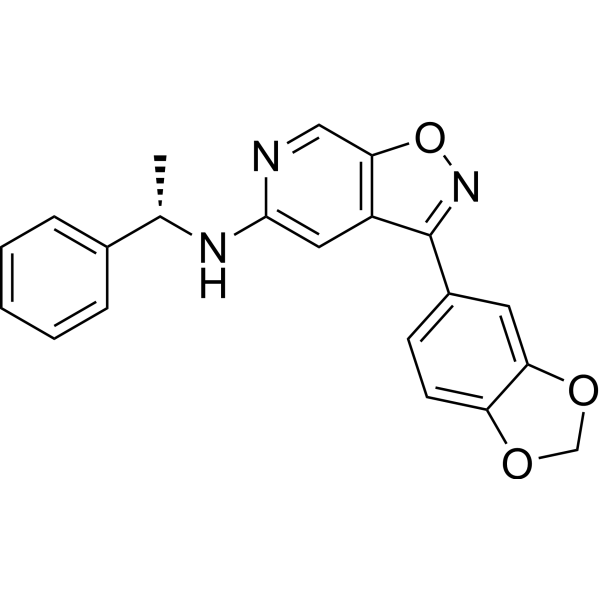
HY-108597
TC-S 7005PLK2 Inhibitor


Biological Activity
Description
IC50 & Target
|
Plx1 |
In Vitro
BTO-1 (50 μM; 4 hours; U20S cells) results in monopolar spindles in a comparable fraction of mitotic cells. BTO-1(20 μM; 1 hour; PTK cells) shows a dose-dependent reduction in phospho-Cdc25C. BTO-1(25 μM; 1 hour; PTK cells) shows about 20 % reduction in H3 phosphorylation compared to control cells. BTO-1 in HeLa cells results in a blockage of Rho and Rho-GEF recruitment, which is essential for the assembly of a functional contractile ring[1][2].
MedChemExpress (MCE) has not independently confirmed the accuracy of these methods. They are for reference only.


Chemical Information
-
CAS No. 40647-02-7
-
Molecular Weight 264.22
-
Formula C9H4N4O4S
-
SMILES
O=C(C1=[N+]([O-])C2=CC(C#N)=CC([N+]([O-])=O)=C2S1)N
-
Shipping
Room temperature in continental US; may vary elsewhere.
-
Storage
Please store the product under the recommended conditions in the Certificate of Analysis.


Purity & Documentation
References

Calculators
Concentration (start) × Volume (start) = Concentration (final) × Volume (final)


BTO-1 Related Classifications
HY-112395 Related Classifications
 Powered by Bioz