



TGF beta 3/TGFB3 Protein, Human (HEK293)
Based on 10 publication(s) in Google Scholar
TGF-β3 (transforming growth factor-β3) is a member of a TGF-beta superfamily subgroup that performs many cellular functions. TGF-β3 has a role in embryogenesis and cell differentiation. TGF-β3 also plays a critical role in palatogenesis, the wound healing process. TGF-β3 is capable of binding directly to the type II receptor (TβRII). TGF beta 3/TGFB3 Protein, Human (HEK293) is produced in HEK293 cells, and consists of 112 amino acids (A301-S412).
- Species: Human
- Source: HEK293
-
Storage:Stored at -20°C for 2 years from date of receipt. After reconstitution, it is stable at 4°C for 1 week or -20°C for longer (with carrier protein). It is recommended to freeze aliquots at -20°C or -80°C for extended storage.

To place orders, for customer services and technical support, please contact: MedChemExpress USA
Tel: 609-228-6898 E-mail: [email protected] [email protected]


-
 Biological Activity
-
Technical Parameters
-
Product Properties
- Documentation
- References
- Help & FAQs


-
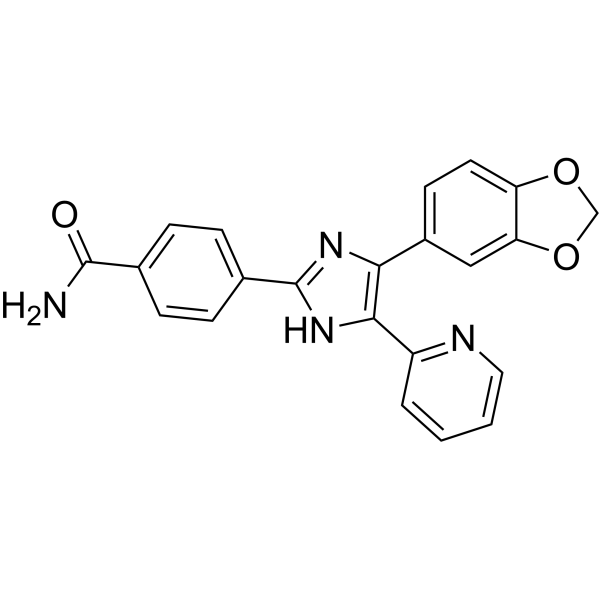
HY-10431
SB-431542 -
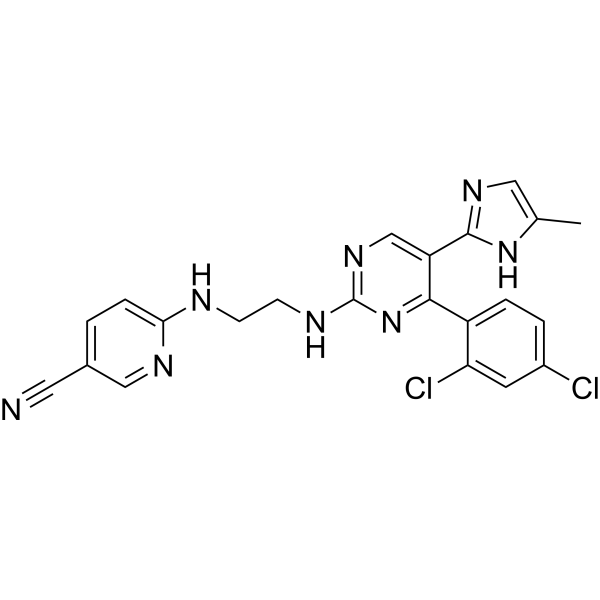
HY-10182
Laduviglusib -
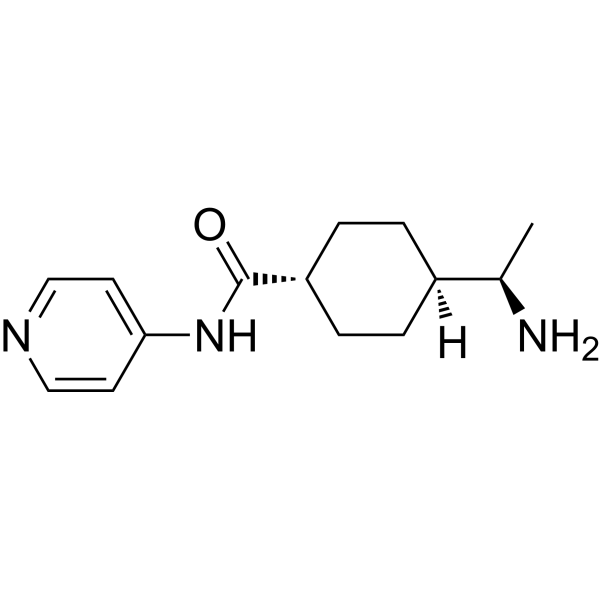
HY-10071
Y-27632 -

HY-P7116A
BDNF Protein, Human/Mouse/Rat -
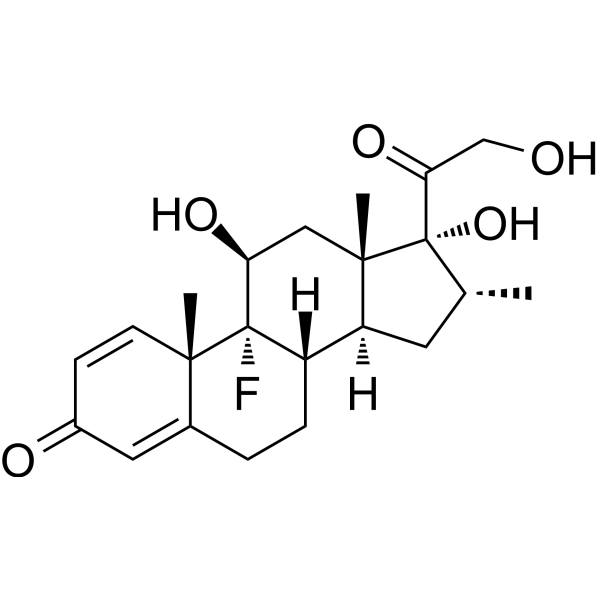
HY-14648
Dexamethasone -
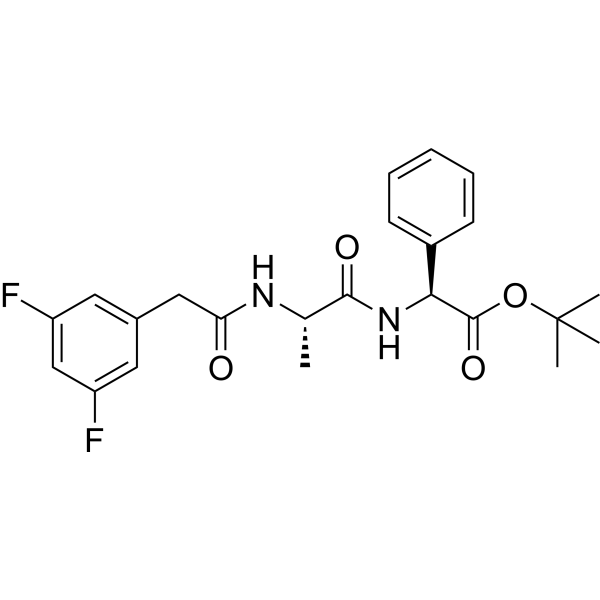
HY-13027
DAPT -
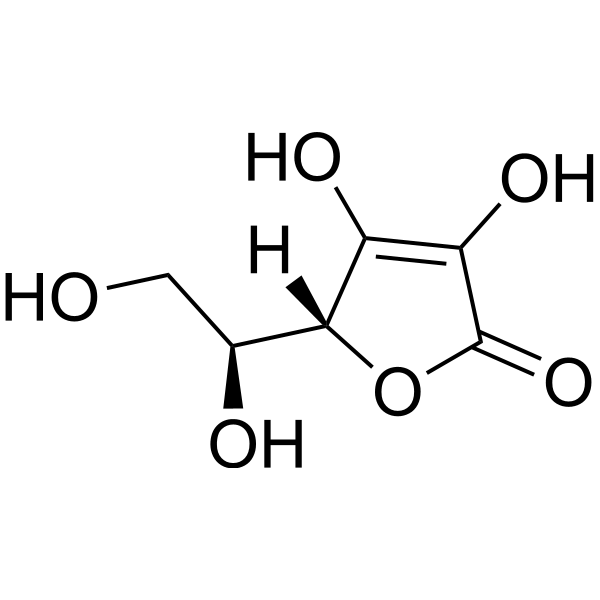
HY-B0166
L-Ascorbic acid -
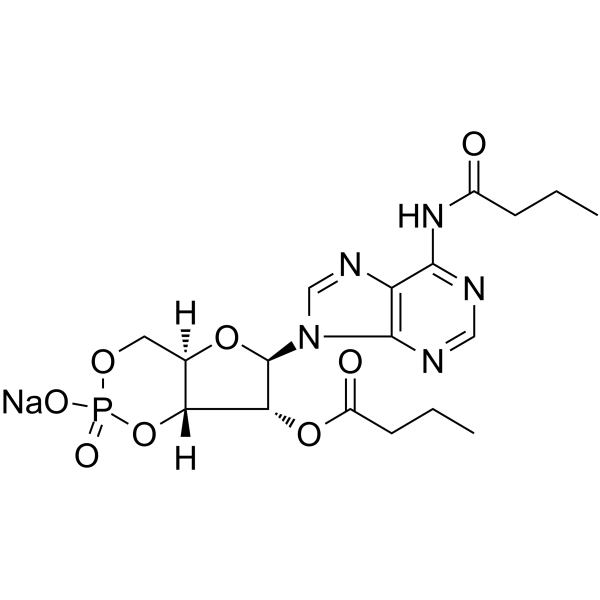
HY-B0764
Bucladesine sodium -
HY-P7055
PDGF-BB Protein, Human -
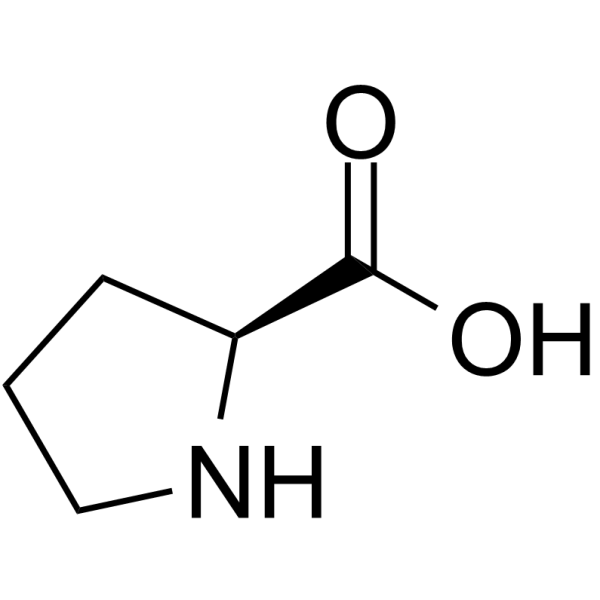
HY-Y0252
L-Proline -
HY-P7119
TGF beta 2/TGFB2 Protein, Human (HEK293) -
HY-P7182
GDNF Protein, Human


Biological Activity
Description
TGF-β3 (transforming growth factor-β3) is a member of a TGF-beta superfamily subgroup that performs many cellular functions. TGF-β3 has a role in embryogenesis and cell differentiation. TGF-β3 also plays a critical role in palatogenesis, the wound healing process. TGF-β3 is capable of binding directly to the type II receptor (TβRII)[1][2]. TGF beta 3/TGFB3 Protein, Human (HEK293) is produced in HEK293 cells, and consists of 112 amino acids (A301-S412).
Background
Three TGF-β isoforms have been found in mammals: TGF-β1, 2, and 3, which are structurally and functionally similar. TGF-β3 is important in embryonic development, scarless repair of injury in the embryo, adult wound healing and tissue homeostasis. It has an important role in regulating cell migration, angiogenesis, epithelial-mesenchymal transition, apoptosis, modulation of immune function, extracellular matrix (ECM) production and the regulation of ECM remodelling; biological processes that are often required for tumour growth and maintenance[1][2].
As with all members of the family, TGF-β3 is highly conserved across species, with mouse, rat and human TGF-β3 demonstrating >97% sequence homology.
TGF-β3 is released from LAP by integrins: integrin-binding results in distortion of the LAP chain and subsequent release of the active TGF-β3. TGF-β3 is capable of binding directly to the type II receptor (TβRII). TGF-β3 expression increases in fetal wound healing and reduces fibronectin and collagen I and III deposition, and also improves the architecture of the neodermis. Fibroblasts are key cells in the wound healing process. In addition, TGF-β3 may actually play a protective role against tumourigenesis in a range of tissues including the skin, breast, oral and gastric mucosa. TGF-β3 is a more potent inhibitor of DNA synthesis in human keratinocytes compared to TGF-β1 and TGF-β2. TGF-β3 mRNA is expressed in lymphocytes such as CD4+ T cells, CD8+ T cells, γδT cells, and B cells. TGF-β3 has the potential to regulate systemic autoimmune diseases by inhibiting B cells. Moreover, during palatogenesis, TGF-β3 is supposed to transduce signals via both canonical Smad-dependent and non-canonical Smad-independent signaling. In human B cells, TGF-β3 induces phosphorylation of Smad1/5 along with Smad2 and Smad3[1][2][3].
TGF-β3 is involved in cell differentiation, embryogenesis and development. TGF-β3 is crucial in tissue regeneration and scarless tissue repair. TGF-β3 is also involved in palatogenesis, chondrogenesis, and pulmonary development. Furthermore, TGF-β3 plays a role in cancer and immune diseases[1][2][3].
In Vitro
Recombinant TGF-β3 (0.01-10 ng/mL) induces fibronectin expression in leiomyoma cells and directly stimulates leiomyoma cell proliferation[4].
Recombinant TGF-β3 (0.5 ng/mL) promotes mRNA expression, and increased protein levels of osteocalcin (OCN) and type I collagen (COL I) in mouse pulpal mesenchymal cells. TGF-β3 also induces the expression of dentin sialophosphoprotein and dentin matrix protein 1[5].
Recombinant TGF-β3 (0.005-3 ng/mL) adds to rat Sertoli cells cultured in vitro on Matrigel-coated bicameral units perturbed the inter-Sertoli tight junction (TJ) permeability barrier dose-dependently. Moreover, the presence of TGF-β3 also inhibits the transient and/or basal expression of several TJ-associated proteins, which include occludin, zonula occludens-1, and claudin-11 when inter-Sertoli TJs are being assembled in vitro[8].
In Vivo
Recombinant TGF-β3 (1 μg/kg; i.p; once every week) decelerates the progress of radiation-induced pulmonary fibrosis and hindered the recruitment of fibrocytes to lung in radiation-induced mouse pulmonary fibrosis[6].
Recombinant TGF-β3 (local infiltration (0.5 μg, 1.0 μg, 2.5 μg, and 50 μg) or intravenous application (500 μg/kg); for 7 days) treatment accelerates gastric ulcer healing in rats[7].
Verified Bioactivity
1.The ED50 is <0.2 ng/mL as measured in a cell proliferation assay using mouse HT-2 cells.
2.Measured by its ability to inhibit the IL-4-dependent proliferation of TF-1 mouse T cells. The ED50 for this effect is 10-80 pg/mL.
3.Measured by its ability to inhibit the IL-4-dependent proliferation of TF-1 human erythroleukemic cells. The ED50 for this effect is 10-80 pg/mL.


Publications (10)
-
Journal Impact Factor
-
Most Recent
-
-
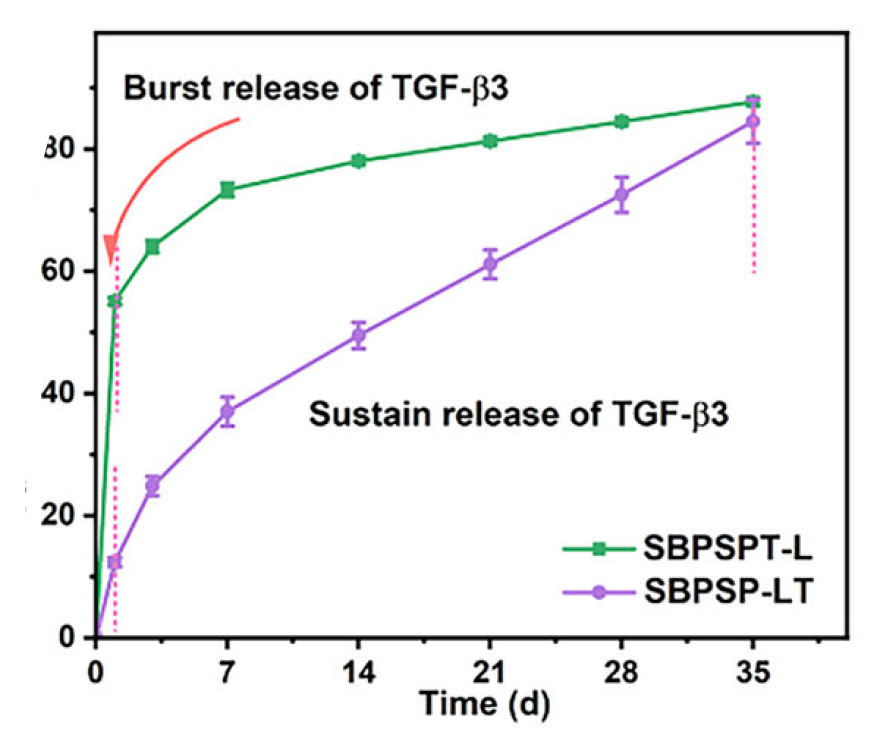
TGF beta 3/TGFB3 Protein, Human (HEK293) purchased from MedChemExpress. Usage Cited in: Adv Funct Mater. 2025 Jan 05.
The release kinetics of TGF-β3 Protein (50 μg/mL; PBS) from SBPSPL-T and SBPSP-LT hydrogels were studied. TGF-β3 Protein exhibited a burst release in the SBPSPT-L hydrogel throughout the incubation period, with 73.32 ± 1.10% of TGF-β3 Protein released within the first 7 days. In contrast, the SBPSP-LT group showed an initial burst release followed by a sustained and slower release over 3 to 21 days.
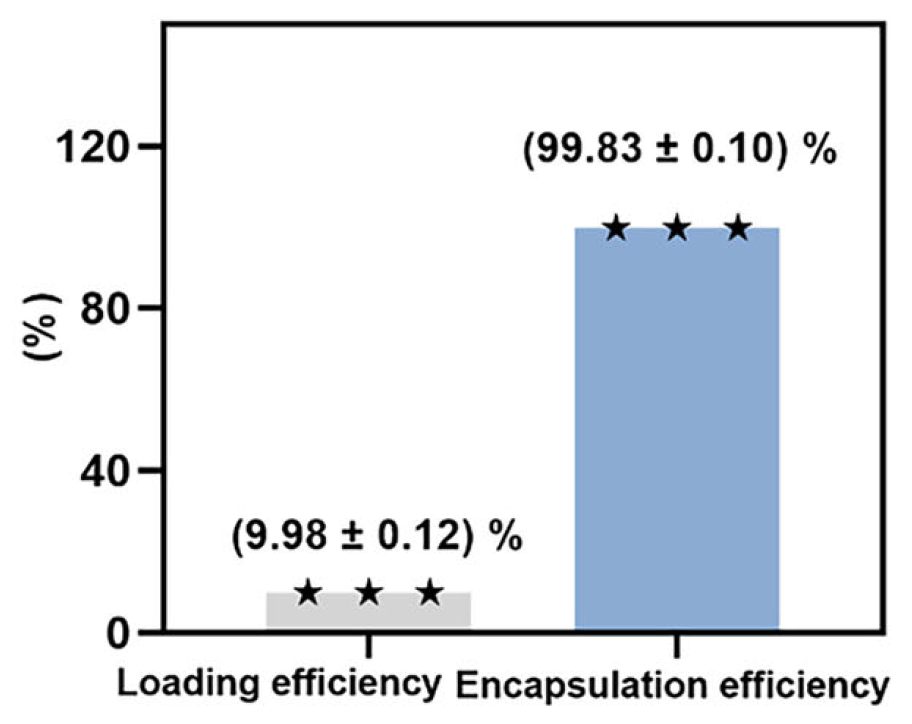
TGF beta 3/TGFB3 Protein, Human (HEK293) purchased from MedChemExpress. Usage Cited in: Adv Funct Mater. 2025 Jan 05.
The loading and encapsulation efficiencies of TGF-β3 (50 μg/mL; PBS) were determined to be 9.98 ± 0.12 % and 99.83 ± 0.10 %, respectively, as assessed by ELISA.
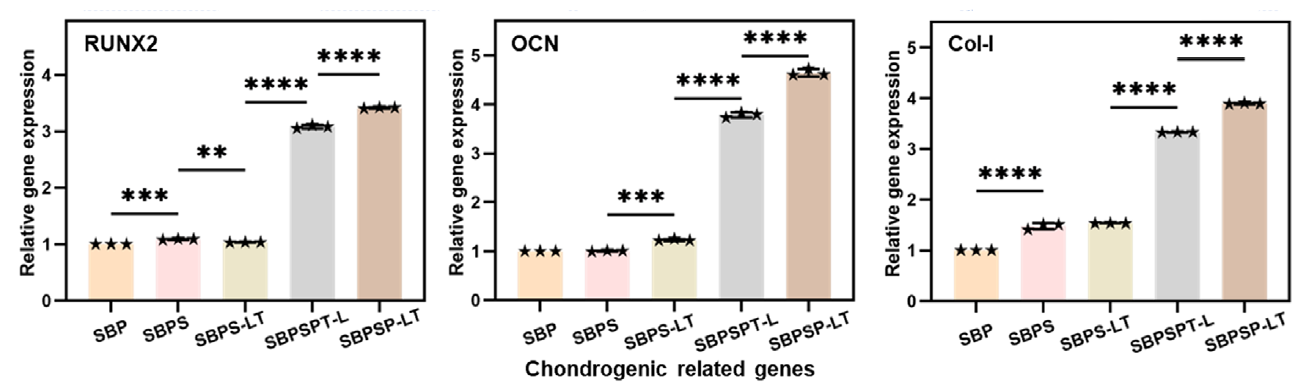
TGF beta 3/TGFB3 Protein, Human (HEK293) purchased from MedChemExpress. Usage Cited in: Adv Funct Mater. 2025 Jan 05.
The gene expression level of osteogenic and chondrogenic-associated genes was measured with RT-PCR at day 21. SBPSP-LT hydrogel can significantly enhance the osteochondrogenic differentiation of BMSCs by sequential delivery of TGF-β3 Protein (50 μg/mL; PBS) /Mg2+.
-
-
Adv Sci (Weinh)
Viridicatol from the Deep-Sea-Derived Fungus Alleviates Bone Loss by Targeting the Wnt/SHN3 Pathway. [Abstract]2025 Jun;12(21):e2416140. PMID: 40192033 -
Cell Rep Med
Reconstruction of T cell infiltration in an osteosarcoma PDX-organoid interactive biobank for personalized immunotherapy. [Abstract]2026 Mar 17;7(3):102644. PMID: 41763214 -
Stem Cell Res Ther
Low dose IFNγ remodels enhancer landscape to potentiate mesenchymal stromal cell activation. [Abstract]2025 Dec 12;16(1):676. PMID: 41387895 -
J Ethnopharmacol
Mechanistic Insights into Yunpi-Xiefei-Huatan decoction effects on autophagy and MUC5AC secretion in rat tracheal epithelial cells via the TGF-β3/Smad2/Smad3 pathway. [Abstract]2026 Feb 28:357:120922. PMID: 41260547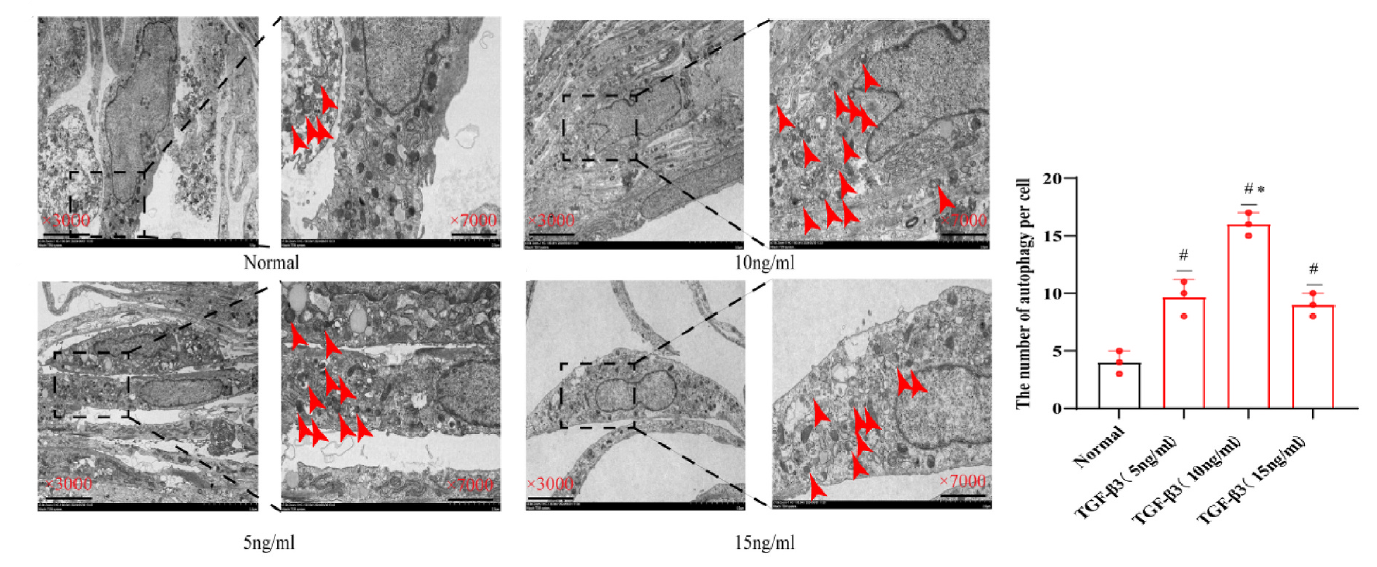
TGF beta 3/TGFB3 Protein, Human (HEK293) purchased from MedChemExpress. Usage Cited in: J Ethnopharmacol. 2026 Feb 28:357:120922. [Abstract]
The effects of different concentrations of TGF-β3 Protein (5, 10, 15 ng/mL; 24 h) on the number of autophagosomes and autolysosomes in RTE cells.
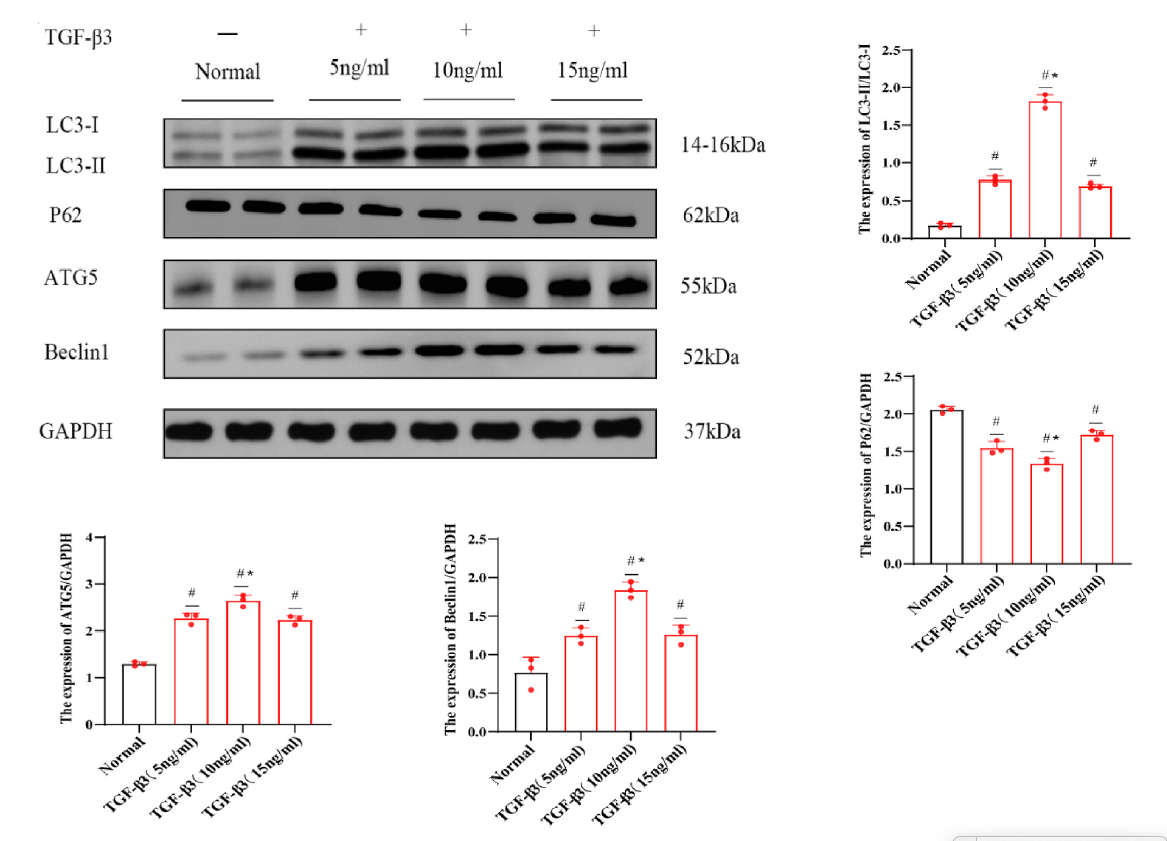
TGF beta 3/TGFB3 Protein, Human (HEK293) purchased from MedChemExpress. Usage Cited in: J Ethnopharmacol. 2026 Feb 28:357:120922. [Abstract]
The effects of different concentrations of TGF-β3 Protein (5, 10, 15 ng/mL; 24 h) on the LC3-II/LC3-I ratio and the levels of Beclin1, ATG-5, and P62 protein in RTE cells were determined by Western blot. The LC3-II/LC3-I ratio, Beclin1 level, and ATG-5 level increased in a concentration-dependent manner as the concentration of TGF-β3 Protein increased, whereas P62 expression exhibited a downward trend.
-
Cancer Immunol Immunother
TGF-β3 promotes vascular normalization of prostate cancer to potentiate immunotherapy and chemotherapy. [Abstract]2025 Jul 12;74(8):268. PMID: 40650767 -
-


Technical Parameters
-
Species Human
-
Source HEK293
-
Tag Tag Free
-
Accession
P10600-1 (A301-S412)
-
Molecular Construction
-
N-term
-
TGFB3 (A301-S412)
Accession # P10600-1 -
C-term
-
-
Protein Length
Full Length of TGFB3 Chain
-
Synonyms
TGFB3; Transforming Growth Factor, Beta 3; Prev. ARVD1; Transforming Growth Factor Beta; Prev. ARVD; TGF-Beta3; Transforming Growth Factor Beta-3 Proprotein; LDS5; Prepro-Transforming Growth Factor Beta-3; RNHF; Arrhythmogenic Right Ventricular Dysplasia
-
AA Sequence
ALDTNYCFRNLEENCCVRPLYIDFRQDLGWKWVHEPKGYFANFCSGPCPYLRSADTTHSTVLGLYNTLNPEASASPCCVPQDLEPLTILYYVGRTPKVEQLSNMVVKSCKCS
-
Predicted Molecular Mass
12.7 kDa
-
Molecular Weight
Approximately 12-14 kDa, based on SDS-PAGE under reducing conditions, due to the glycosylation.
-
Purity
≥ 95%, as determined by reducing SDS-PAGE.


Product Properties
Lyophilized powder
1.Lyophilized from a 0.22 μm filtered solution of 4 mM HCl.
2.Lyophilized from a 0.22 μm filtered solution of 50 mM Glycine-HCl, 150 mM NaCl, pH 2.5.
Please refer to the lot-specific COA for specific buffer information.
<1 EU/μg, determined by LAL method.
It is not recommended to reconstitute to a concentration less than 100 μg/mL in ddH2O. For long term storage it is recommended to add a carrier protein (0.1% BSA, 5% HSA, 10% FBS or 5% Trehalose).
Stored at -20°C for 2 years from date of receipt. After reconstitution, it is stable at 4°C for 1 week or -20°C for longer (with carrier protein). It is recommended to freeze aliquots at -20°C or -80°C for extended storage.
Room temperature in continental US; may vary elsewhere.


Documentation
-
Data Sheet (266 KB)
-
SDS (254 KB)
- English - EN (254 KB)
- Français - FR (254 KB)
- Deutsch - DE (254 KB)
- Norwegian - NO (254 KB)
- Español - ES (254 KB)
- Swedish - SV (254 KB)
- Italian - IT (254 KB)
- Korean - KR (254 KB)
- Portuguese - PT (254 KB)
-
Handling Instructions (2659 KB)


References
[1]. Mahmoudi Rad M, et al. Expression of TGF-β3 in isolated fibroblasts from foreskin. Rep Biochem Mol Biol. 2015 Apr;3(2):76-81. [Content Brief]
[2]. Laverty HG, et al. TGF-beta3 and cancer: a review. Cytokine Growth Factor Rev. 2009 Aug;20(4):305-17. [Content Brief]
[3]. Toshihiko Komai, et al. Reevaluation of Pluripotent Cytokine TGF-β3 in Immunity. Int J Mol Sci. 2018 Aug 1;19(8):2261. [Content Brief]
[4]. A Arici, et al. Transforming growth factor-beta3 is expressed at high levels in leiomyoma where it stimulates fibronectin expression and cell proliferation. Fertil Steril. 2000 May;73(5):1006-11. [Content Brief]
[5]. Muhetaer Huojia, et al. TGF-beta3 induces ectopic mineralization in fetal mouse dental pulp during tooth germ development. Dev Growth Differ. 2005 Apr;47(3):141-52. [Content Brief]
[6]. Long Xu, et al. Transforming growth factor β3 attenuates the development of radiation-induced pulmonary fibrosis in mice by decreasing fibrocyte recruitment and regulating IFN-γ/IL-4 balance. Immunol Lett. 2014 Nov;162(1 Pt A):27-33. [Content Brief]
[7]. S Coerper, et al. Recombinant human transforming growth factor beta 3 accelerates gastric ulcer healing in rats. Scand J Gastroenterol. 1997 Oct;32(10):985-90. [Content Brief]
[8]. W Y Lui, et al. Transforming growth factor-beta3 perturbs the inter-Sertoli tight junction permeability barrier in vitro possibly mediated via its effects on occludin, zonula occludens-1, and claudin-11. Endocrinology. 2001 May;142(5):1865-77. [Content Brief]

Calculators
Concentration (start) × Volume (start) = Concentration (final) × Volume (final)


 Powered by Bioz

