



Tigecycline
Based on 49 publication(s) in Google Scholar
Tigecycline (GAR-936) is a broad-spectrum glycylcycline antibiotic. The mean inhibitory concentration (MIC) of Tigecycline for E. coli (MG1655 strain) is approximately 125 ng/mL. MIC50 and MIC90 are 1 and 2 mg/L for Acinetobacter baumannii (A. baumannii), respectively.
For research use only. We do not sell to patients.
- Purity: 99.95%
- CAS No.: 220620-09-7
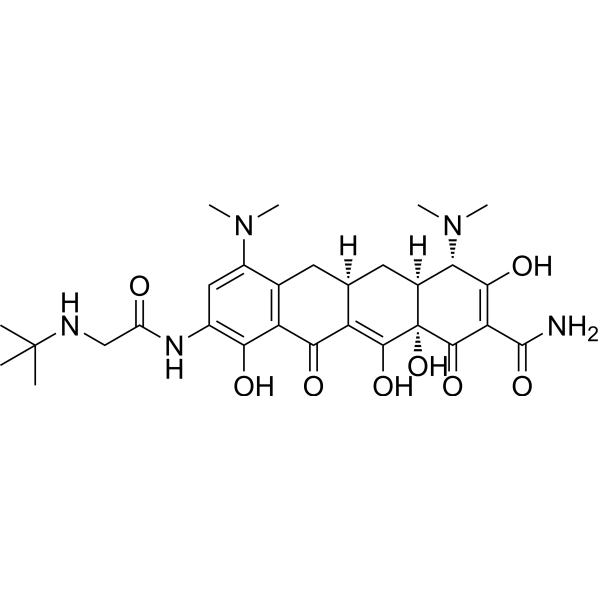
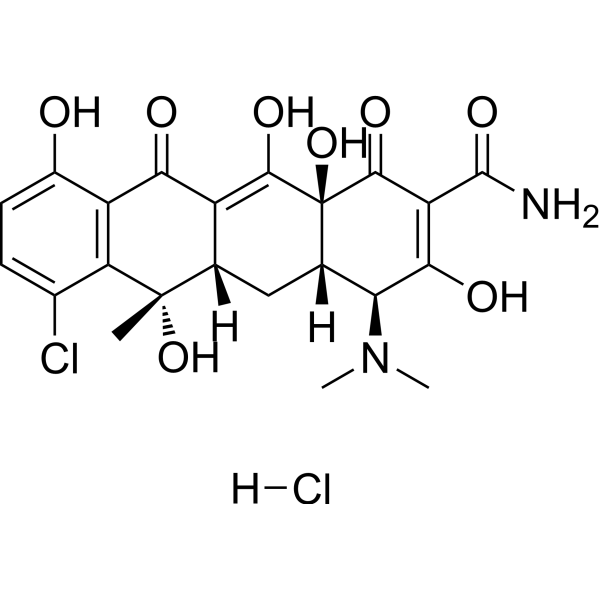
- Formula: C29H39N5O8
- Molecular Weight:585.65
-
Storage:Powder -20°C, 3 years ; In solvent -80°C, 6 months , -20°C, 1 month

To place orders, for customer services and technical support, please contact: MedChemExpress USA
Tel: 609-228-6898 E-mail: [email protected] [email protected]


-
 Biological Activity
-
Chemical Information
-
Solvent & Solubility
- Purity & Documentation
- References
-
 Help & FAQs


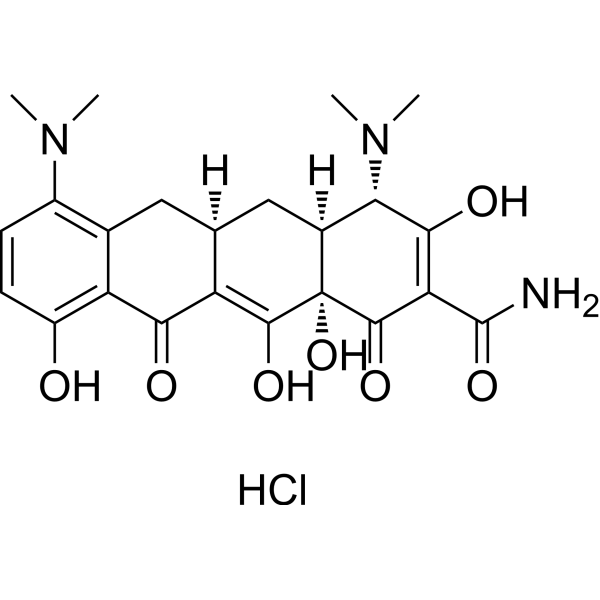
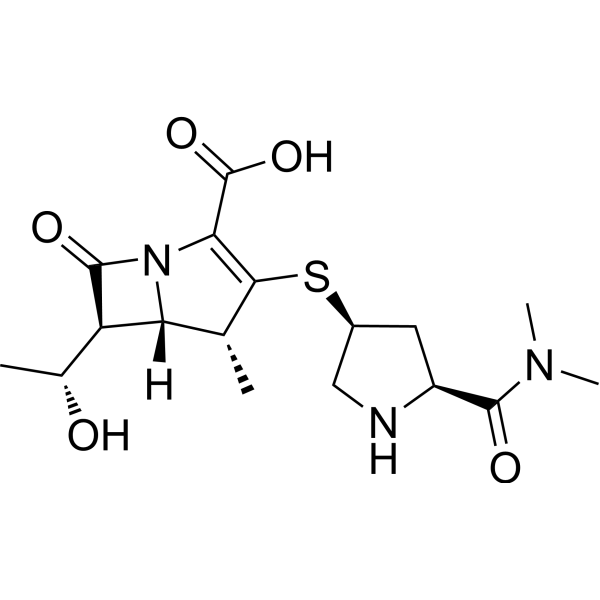
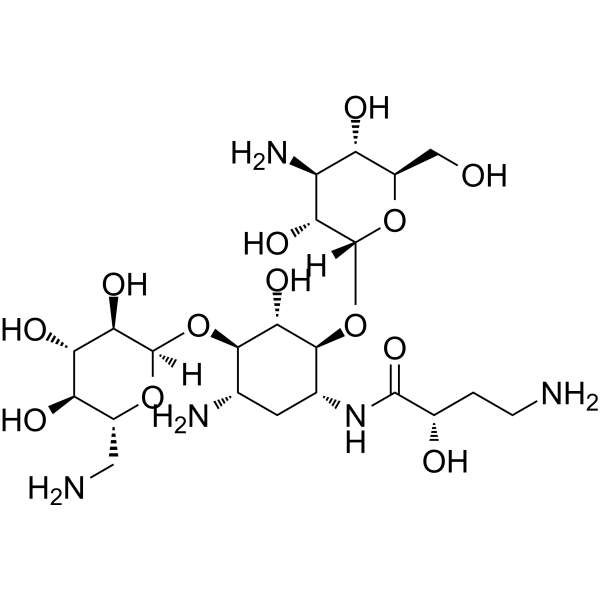
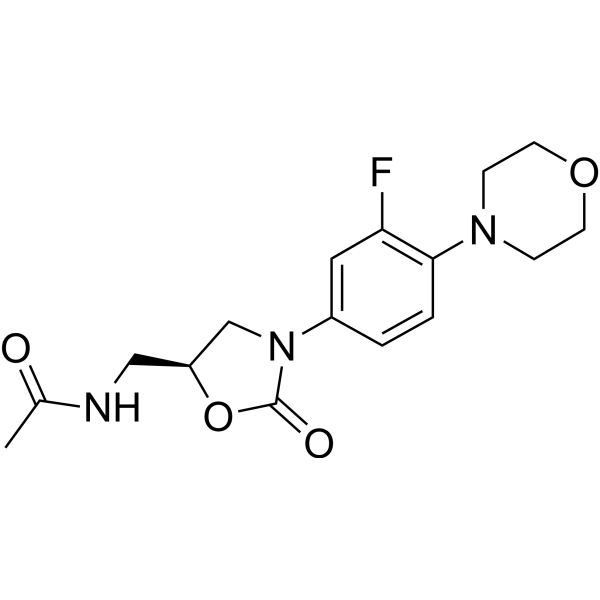
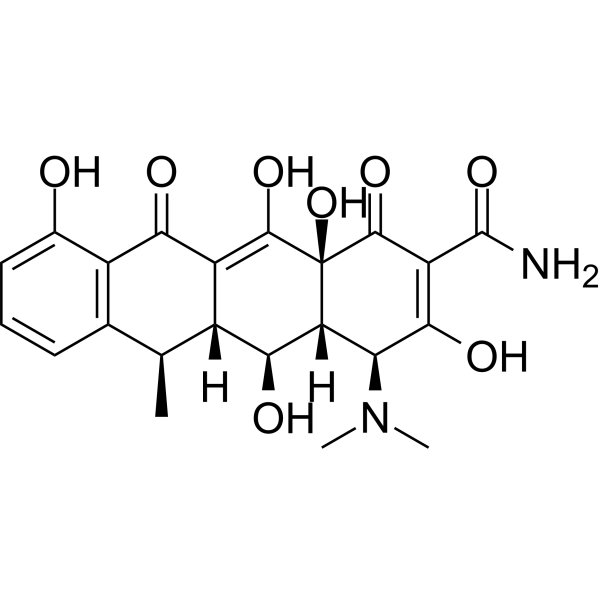
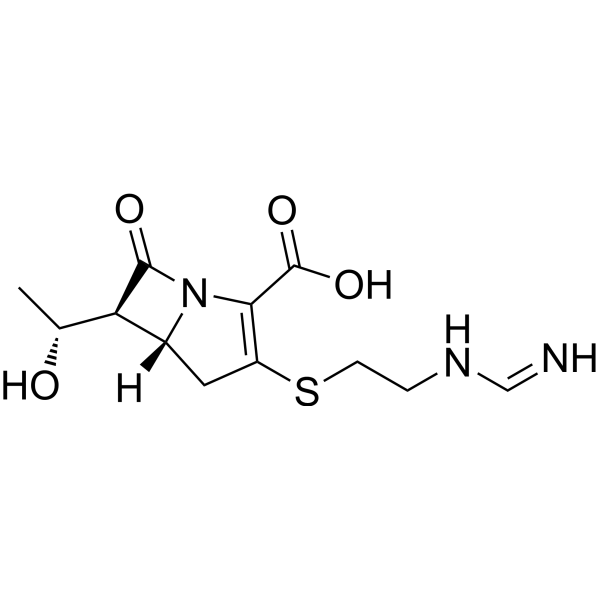
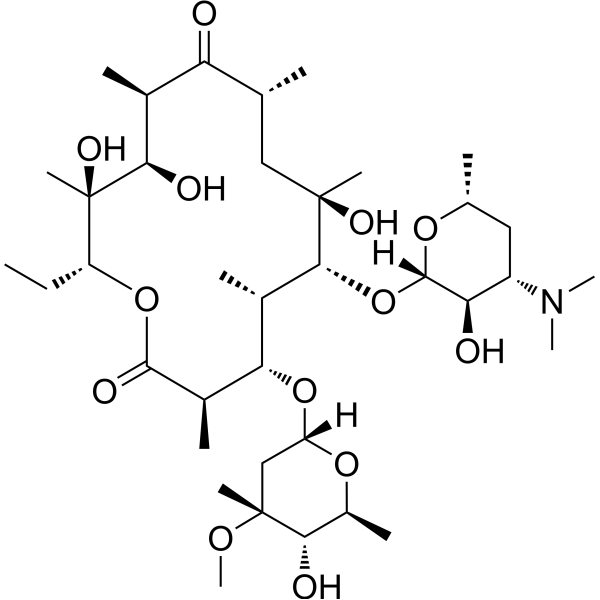
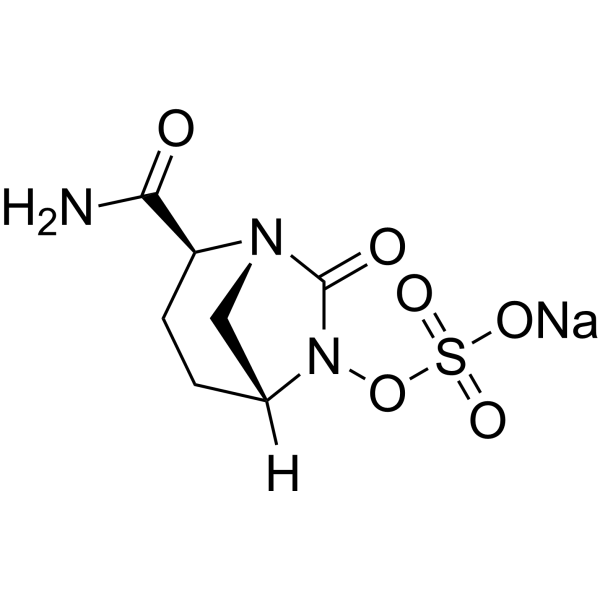
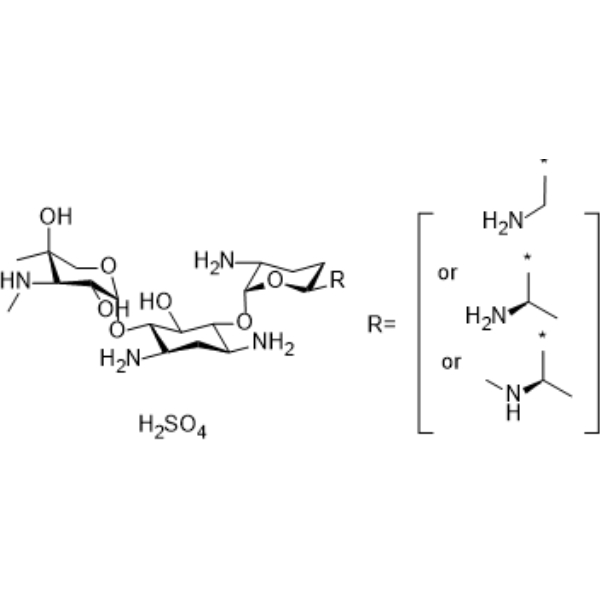
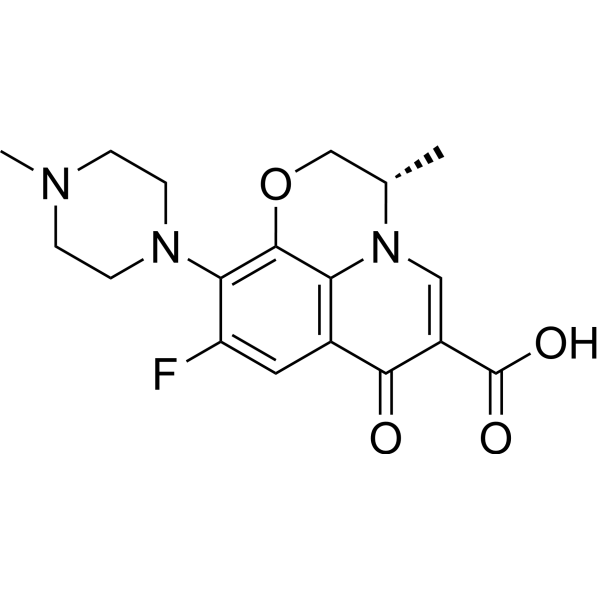
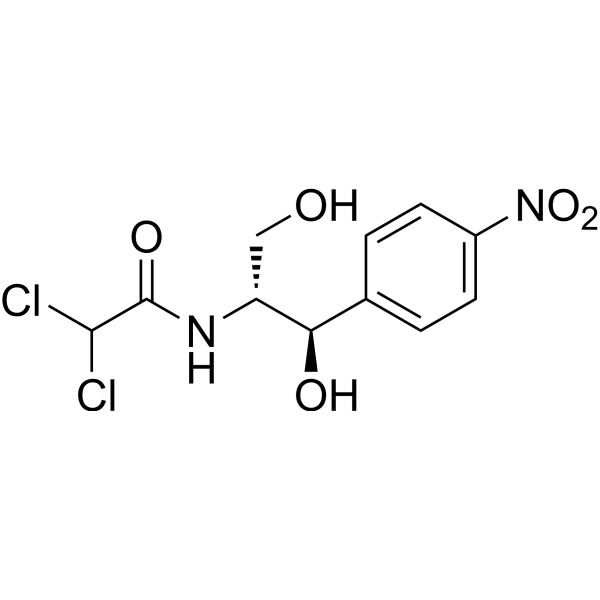
Publications Citing Use of MedChemExpress (MCE) Tigecycline
More- Signal Transduct Target Ther. 2025 Dec 15;10(1):406. [Abstract]
- Cell. 2025 May 15;188(10):2757-2777.e22. [Abstract]
- Nat Commun. 2024 Jun 28;15(1):5481. [Abstract]
- Nat Commun. 2022 Mar 2;13(1):1116. [Abstract]
- Mol Cell. 2026 Apr 16;86(8):1511-1528.e12. [Abstract]
- J Control Release. 2026 May 10:393:114810. [Abstract]
- EBioMedicine. 2022 Apr;78:103943. [Abstract]
- Cell Rep. 2025 Nov 25;44(11):116496. [Abstract]
- Emerg Microbes Infect. 2024 Dec;13(1):2321981. [Abstract]
- Virulence. 2026 Dec 31;17(1):2646808. [Abstract]
- Ann Clin Microbiol Antimicrob. 2024 Aug 20;23(1):73. [Abstract]
- Int J Antimicrob Agents. 2025 Oct;66(4):107551. [Abstract]
- Int J Antimicrob Agents. 2018 Aug;52(2):269-271. [Abstract]
- World J Microbiol Biotechnol. 2024 Jun 6;40(8):233. [Abstract]
- Microorganisms. 2024 Mar 13;12(3):575. [Abstract]
- Ann Lab Med. 2021 May 1;41(3):293-301. [Abstract]
- Antimicrob Agents Chemother. 2025 Jul 2;69(7):e0024925. [Abstract]
- Antimicrob Agents Chemother. 2024 Dec 5;68(12):e0094524. [Abstract]
- Antimicrob Agents Chemother. 2024 Mar 6;68(3):e0112023. [Abstract]
- Antimicrob Agents Chemother. 2023 Feb 16;67(2):e0145922. [Abstract]
- Antimicrob Agents Chemother. 2019 May 24;63(6). pii: e00470-19. [Abstract]
- J Antimicrob Chemother. 2026 Jun 3;81(7):dkag204. [Abstract]
- Microbiol Spectr. 2026 Apr 8;14(5):e0322825. [Abstract]
- Microbiol Spectr. 2026 Mar 30;14(5):e0147325. [Abstract]
- Microbiol Spectr. 2026 Feb 3;14(2):e0307925. [Abstract]
- J Antimicrob Chemother. 2025 Jun 3;80(6):1587-1594. [Abstract]
- Microbiol Spectr. 2025 May 6;13(5):e0134424. [Abstract]
- Microbiol Spectr. 2023 Jun 15;11(3):e0071823. [Abstract]
- Microbiol Spectr. 2023 Feb 14;11(1):e0323822. [Abstract]
- Naunyn Schmiedebergs Arch Pharmacol. 2025 Oct 29. [Abstract]
- Microb Pathog. 2020 Dec:149:104502. [Abstract]
- J Glob Antimicrob Resist. 2026 Jun 24:S2213-7165(26)00094-9. [Abstract]
- SLAS Discov. 2020 Sep;25(8):895-905. [Abstract]
- Infect Drug Resist. 2026 May 8;19.
- Infect Drug Resist. 2025 Oct 4:18:5239-5247. [Abstract]
- Adv Ther (Weinh). 2024 Jan 12.
- Infect Drug Resist. 2023 Apr 17:16:2271-2279. [Abstract]
- Infect Drug Resist. 2021 Jun 30;14:2499-2507. [Abstract]
- Infect Drug Resist. 2020 Jul 28:13:2617-2629. [Abstract]
- Anim Dis. 2021;1(1):26. [Abstract]
- Infect Genet Evol. 2025 Sep:133:105780. [Abstract]
- J Appl Microbiol. 2025 May 2;136(5):lxaf093. [Abstract]
- Vet Microbiol. 2024 May:292:110046. [Abstract]
- J Antibiot (Tokyo). 2022 Aug;75(8):463-471. [Abstract]
- Clin Exp Pharmacol Physiol. 2023 Jul;50(7):604-609. [Abstract]
- Res Sq. 2026 Mar 10.
- Authorea. 2025 Sep 17.
- Cureus. 2024 Dec 1;16(12):e74917. [Abstract]
- Biomed Pharmacother. 2023 Dec 31:169:115856. [Abstract]
 Customer Validation & Images

-
Cell Proliferation/Viability Assay
-
WB
-
Microbiological Assay
-
Cell Proliferation/Viability Assay
-
Microbiological Assay
All Antibiotic Isoforms
More

Biological Activity
Mean MIC: 125 ng/mL (E. coli)[1]
MIC50: 1 mg/mL (A. baumannii)[2]
MIC90: 2 mg/mL (A. baumannii)[2]
Tigecycline (0.63-30 μM, preincubated for 4 days, treated for 72 h) inhibits AML2 cells and HL-60 cells with IC50s of 4.72±0.54 and 3.06±0.85 μM (freshly prepared). Tigecycline inhibits AML2 cells and HL-60 cells with IC50s of 5.64±0.55 and 4.27±0.45 μM (1 day preincubation). Tigecycline inhibits AML2 cells and HL-60 cells with IC50s of 5.02±0.60 and 4.39±0.44 μM (2 day preincubation). Tigecycline inhibits AML2 cells and HL-60 cells with IC50s of 4.09±0.41 and 3.95±0.39 μM (3 day preincubation). After a 4 day preincubation of Tigecycline in saline, Tigecycline lost its ability to kill TEX human leukemia cells (from IC50~5 μM when freshly prepared to IC50>50 μM after 4 days preincubation) as measured by CellTiter Flour assay[1].
MedChemExpress (MCE) has not independently confirmed the accuracy of these methods. They are for reference only.
-
Cell Line:Human leukemic OCI-AML2, HL-60 (ATCC) and TEX cell lines
-
Concentration:0.63-30 µM
-
Incubation Time:Preincubated for 4 days, treated for 72 hours
-
Result:Inhibited AML2 cells and HL-60 cells with IC50s of 4.72±0.54 and 3.06±0.85 μM (freshly prepared).
The peak plasma concentration (Cmax), the terminal half-life (t1/2), area under the plasma concentration-time curve (AUC), clearance (CL) and volume of distribution (Vz) are 22.8μg/mL, 108.9 min, 1912.2min*μg/mL, 26.1 mL/min/kg, 4109.4 mL/kg for Tigecycline in saline, respectively. The peak plasma concentration (Cmax), the terminal half-life (t1/2), area under the plasma concentration-time curve (AUC), clearance (CL) and volume of distribution (Vz) are15.7μg/mL, 110.3 min, 2036.5 min*μg/mL, 24.6 mL/min/kg, 3906.2 mL/kg for Tigecycline in formulation (60 mg/mL pyruvate, 3 mg/mL ascorbic acid, pH 7 in saline) , respectively[1].
MedChemExpress (MCE) has not independently confirmed the accuracy of these methods. They are for reference only.
-
Animal Model:NOD/SCID mice with OCI-AML2 acute myeloid leukemia (AML) xenograft model[1]
-
Dosage:50 mg/kg
-
Administration:Intraperitoneal injection; twice a day; for 11 days
-
Result:Reduced tumor volume and weight.
-
Animal Model:NOD/SCID mice[1]
-
Dosage:50 mg/kg
-
Administration:Intraperitoneal injection; 360 minutes
-
Result:The peak plasma concentration (Cmax), the terminal half-life (t1/2), area under the plasma concentration-time curve (AUC), clearance (CL) and volume of distribution (Vz) are 22.8 μg/mL, 108.9 min, 1912.2 min*μg/mL, 26.1 mL/min/kg, 4109.4 mL/kg, respectively.
| NCT Number | Sponsor | Condition | Start Date |
Phase

|
|---|---|---|---|---|
| NCT01329991 | Plexxikon| | 2011-05 | PHASE1 |


Chemical Information
-
CAS No. 220620-09-7
-
Appearance Solid
-
Molecular Weight 585.65
-
Formula C29H39N5O8
-
Color Light yellow to orange
-
SMILES
O=C(C(C1=O)=C(O)[C@@H](N(C)C)[C@]2([H])C[C@]3([H])CC4=C(C(C3=C(O)[C@@]21O)=O)C(O)=C(NC(CNC(C)(C)C)=O)C=C4N(C)C)N
-
Synonyms
GAR-936
-
Initial Source
-
Shipping
Room temperature in continental US; may vary elsewhere.
-
Storage
Powder -20°C 3 years In solvent -80°C 6 months -20°C 1 month


Publications (49)
-
Journal Impact Factor
-
Most Recent
-
Signal Transduct Target Ther
Selective depletion of tumor-associated SAMHD1 enhances chemotherapeutic efficacy and antitumor immune responses. [Abstract]2025 Dec 15;10(1):406. PMID: 41392286 -
Cell
PAX translocations remodel mitochondrial metabolism through altered leucine usage in rhabdomyosarcoma. [Abstract]2025 May 15;188(10):2757-2777.e22. PMID: 40185100 -
Nat Commun
2024 Jun 28;15(1):5481. PMID: 38942792
Tigecycline purchased from MedChemExpress. Usage Cited in: Nat Commun. 2024 Jun 28;15(1):5481. [Abstract]
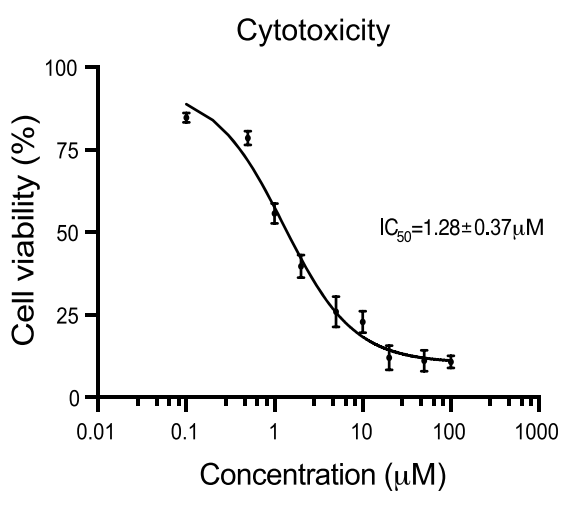
Cell viability of HEK293T cells in the presence of increasing concentrations of Tigecycline (0.1-100 μM; 72 h), as measured by CCK-8 assay. Error bars (standard deviation) were calculated from three different experimental units (n = 3 independent experiments), and data were presented as mean values +/− SD.
Tigecycline purchased from MedChemExpress. Usage Cited in: Nat Commun. 2024 Jun 28;15(1):5481. [Abstract]
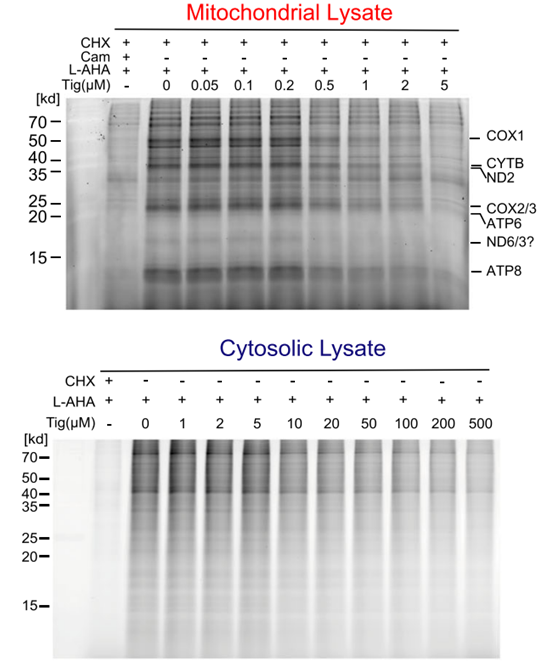
De novo mitochondrial and cytoplasmic nascent protein synthesis were measured by L-AHA labeling, followed by visualization of Alexa Fluor 488 fluorescence signal conjugated to L-AHA by “click reaction”. The intensity of the corresponding lines in the SDS-PAGE was analyzed using the ImageJ software. To estimate the IC50 value of Tigecycline (Tig, 0.1-5 μM) on the 55S mitoribosome in the mitochondrial lysate (Mito) and 80S human ribosome in the cytosolic lysate (Cyto), the intensities of positive controls derived from chloramphenicol (Cam) and CHX-treated samples, respectively, were subtracted. Second, the resulting intensities were normalized to the intensities of the negative controls, which in both cases were from the samples not treated with Tigecycline. Note that Tigecycline cannot sufficiently inhibit cytoplasmic translation even at high concentrations.
-
Nat Commun
Antimicrobial resistance and population genomics of multidrug-resistant Escherichia coli in pig farms in mainland China. [Abstract]2022 Mar 2;13(1):1116. PMID: 35236849 -
Mol Cell
Mitochondrial translation elongation controls OXPHOS biogenesis by coordinating synthesis and folding of mitochondrially encoded proteins. [Abstract]2026 Apr 16;86(8):1511-1528.e12. PMID: 41997111 -
J Control Release
M2 macrophage-mediated tigecycline nanoparticles for combating CRKP pneumonia via antibacterial and immunomodulatory therapy. [Abstract]2026 May 10:393:114810. PMID: 41819427 -
EBioMedicine
A novel inhibitor of monooxygenase reversed the activity of tetracyclines against tet(X3)/tet(X4)-positive bacteria. [Abstract]2022 Apr;78:103943. PMID: 35306337
Tigecycline purchased from MedChemExpress. Usage Cited in: EBioMedicine. 2022 Apr;78:103943. [Abstract]
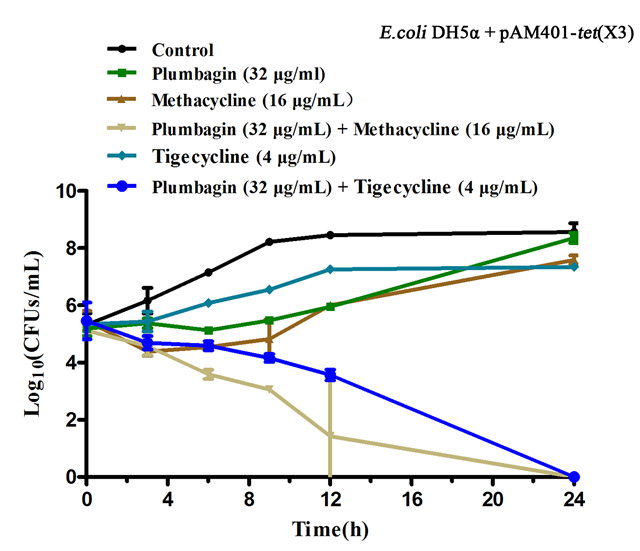
Tigecycline (4 μg/mL). Time-killing curves of tet(X3)-positive strains (E. coli DH5α+pAM401-tet(X3)), E. coli 47EC, and A. baumannii 34AB) with the indicated treatment. The bacterial CFUs per mL at different time points over 24 h were determined by plating.
-
Cell Rep
A generalized strategy to kill leukemic cells by targeting the regulatory systems governing mitochondrial membrane potential. [Abstract]2025 Nov 25;44(11):116496. PMID: 41166305 -
Emerg Microbes Infect
AMXT-1501 targets membrane phospholipids against Gram-positive and -negative multidrug-resistant bacteria. [Abstract]2024 Dec;13(1):2321981. PMID: 38422452 -
Virulence
Antibacterial efficacy and mechanism of the novel antimicrobial peptide lachnospirin-1 against Acinetobacter baumannii. [Abstract]2026 Dec 31;17(1):2646808. PMID: 41838520 -
Ann Clin Microbiol Antimicrob
Proteomic analysis of carbapenem-resistant Klebsiella pneumoniae outer membrane vesicles under the action of phages combined with tigecycline. [Abstract]2024 Aug 20;23(1):73. PMID: 39164718 -
Int J Antimicrob Agents
Elucidating adaptive compensatory tigecycline resistance mechanisms of RamA, RarA and SoxS in Klebsiella pneumoniae. [Abstract]2025 Oct;66(4):107551. PMID: 40499596 -
Int J Antimicrob Agents
Activity of TP-6076 against carbapenem-resistant Acinetobacter baumannii isolates collected from inpatients in Greek hospitals. [Abstract]2018 Aug;52(2):269-271. PMID: 29559273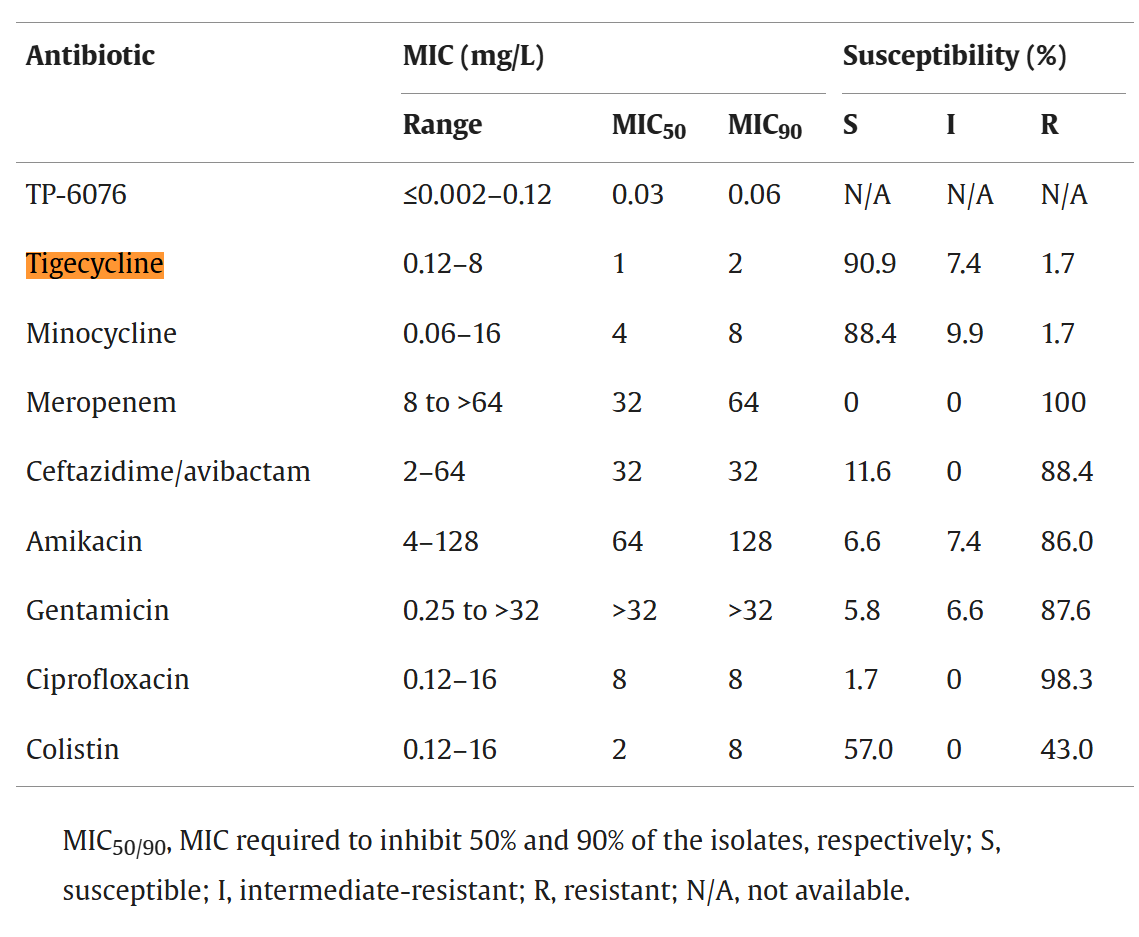
Tigecycline purchased from MedChemExpress. Usage Cited in: Int J Antimicrob Agents. 2018 Aug;52(2):269-271. [Abstract]
Minimum inhibitory concentration (MIC) range as well as MIC50 and MIC90 values of the antibiotics tested against 121 Acinetobacter baumannii isolates from Greek hospitals.
-
World J Microbiol Biotechnol
AcrAB-TolC efflux pump overexpression and tet(A) gene mutation increase tigecycline resistance in Klebsiella pneumoniae. [Abstract]2024 Jun 6;40(8):233. PMID: 38842631 -
Microorganisms
Antimicrobial Resistance and Genomic Characteristics of Escherichia coli Strains Isolated from the Poultry Industry in Henan Province, China. [Abstract]2024 Mar 13;12(3):575. PMID: 38543626
Tigecycline purchased from MedChemExpress. Usage Cited in: Microorganisms. 2024 Mar 13;12(3):575. [Abstract]
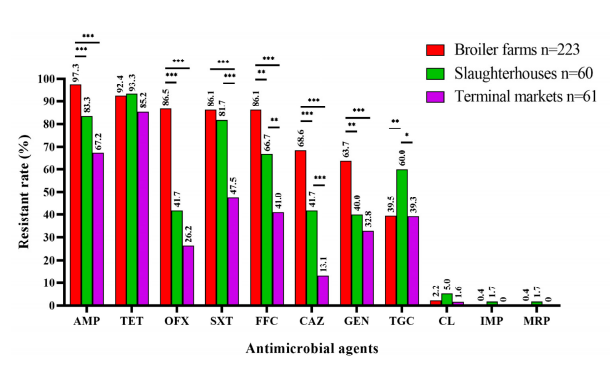
Percentages of E. coli strains showing antimicrobial resistance to different antimicrobial agents. AMP, Ampicillin; CAZ, Ceftazidime; IPM, Imipenem; MRP, Meropenem; GEN, Gentamicin; OFX, Ofloxacin; SXT, Trimethoprim–sulfamethoxazole; TET, Tetracycline; TGC, Tigecycline; CL, Colistin; FFC, Florfenicol.
-
Ann Lab Med
In Vitro Activity of the Novel Tetracyclines, Tigecycline, Eravacycline, and Omadacycline, Against Moraxella catarrhalis. [Abstract]2021 May 1;41(3):293-301. PMID: 33303714 -
Antimicrob Agents Chemother
An enoyl-ACP reductase inhibitor, NITD-916, expresses anti- Mycobacterium abscessus activity. [Abstract]2025 Jul 2;69(7):e0024925. PMID: 40407337 -
Antimicrob Agents Chemother
2024 Dec 5;68(12):e0094524. PMID: 39470202 -
Antimicrob Agents Chemother
Meropenem-ANT3310, a unique β-lactam-β-lactamase inhibitor combination with expanded antibacterial spectrum against Gram-negative pathogens including carbapenem-resistant Acinetobacter baumannii. [Abstract]2024 Mar 6;68(3):e0112023. PMID: 38289044 -
Antimicrob Agents Chemother
Activity of Oral Tebipenem-Avibactam in a Mouse Model of Mycobacterium abscessus Lung Infection. [Abstract]2023 Feb 16;67(2):e0145922. PMID: 36688684 -
Antimicrob Agents Chemother
In Vitro Activity of New Tetracycline Analogs Omadacycline and Eravacycline against Drug-Resistant Clinical Isolates of Mycobacterium abscessus. [Abstract]2019 May 24;63(6). pii: e00470-19. PMID: 30962331 -
J Antimicrob Chemother
Harnessing metabolic dependence-driven antibiotic synergy to eradicate tolerant Pseudomonas aeruginosa. [Abstract]2026 Jun 3;81(7):dkag204. PMID: 42267541 -
Microbiol Spectr
Phenotypic and genomic characterization of tigecycline-insensitive Klebsiella pneumoniae strains and validation of highly virulent MDR strains. [Abstract]2026 Apr 8;14(5):e0322825. PMID: 41949312 -
Microbiol Spectr
Eravacycline for Mycobacterium abscessus infections: pharmacodynamic advantages of long-acting post-antibiotic effects and weekly dosing regimens. [Abstract]2026 Mar 30;14(5):e0147325. PMID: 41910138 -
Microbiol Spectr
Phenotypic and genomic characterization of tigecycline heteroresistance in carbapenem-resistant Klebsiella pneumoniae. [Abstract]2026 Feb 3;14(2):e0307925. PMID: 41504473 -
J Antimicrob Chemother
Tetracyclines at subinhibitory concentrations are lethal for NADH peroxidase-deficient mutants of Enterococcus faecium. [Abstract]2025 Jun 3;80(6):1587-1594. PMID: 40208209 -
Microbiol Spectr
Sub-inhibitory concentrations of tigecycline could attenuate the virulence of Staphylococcus aureus by inhibiting the product of α-toxin. [Abstract]2025 May 6;13(5):e0134424. PMID: 40105354 -
Microbiol Spectr
Omadacycline, Eravacycline, and Tigecycline Express Anti-Mycobacterium abscessus Activity In Vitro. [Abstract]2023 Jun 15;11(3):e0071823. PMID: 37140428 -
Microbiol Spectr
In Vitro Antimicrobial Activities of Tigecycline, Eravacycline, Omadacycline, and Sarecycline against Rapidly Growing Mycobacteria. [Abstract]2023 Feb 14;11(1):e0323822. PMID: 36475850
Tigecycline purchased from MedChemExpress. Usage Cited in: Microbiol Spectr. 2023 Feb 14;11(1):e0323822. [Abstract]
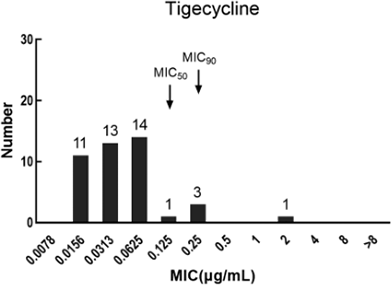
The MIC distributions of Tigecycline against 43 M. fortuitum isolates (incubate for 24 h). The y axis shows the number of strains with each MIC value, with the specific numbers shown above the bars.
-
Naunyn Schmiedebergs Arch Pharmacol
Integrative network pharmacology and experimental validation of multi-target synergy against multidrug-resistant klebsiella pneumoniae via PI3K/AKT-MAPK pathway disruption. [Abstract]2025 Oct 29. PMID: 41152613 -
Microb Pathog
Comparison of antimicrobial efficacy of eravacycline and tigecycline against clinical isolates of Streptococcus agalactiae in China: In vitro activity, heteroresistance, and cross-resistance. [Abstract]2020 Dec:149:104502. PMID: 32947016 -
J Glob Antimicrob Resist
In vitro activity of cefiderocol against clinically relevant Gram-negative bacilli collected in China in 2023. [Abstract]2026 Jun 24:S2213-7165(26)00094-9. PMID: 42342122 -
SLAS Discov
2020 Sep;25(8):895-905. PMID: 32567455 -
-
Infect Drug Resist
In vitro Activity of the Novel Tetracyclines Derivative, Zifanocycline Against Mycobacterium abscessus. [Abstract]2025 Oct 4:18:5239-5247. PMID: 41069760 -
-
Infect Drug Resist
Antibacterial Activity of Eravacycline Against Carbapenem-Resistant Gram-Negative Isolates in China: An in vitro Study. [Abstract]2023 Apr 17:16:2271-2279. PMID: 37090037 -
Infect Drug Resist
In vitro Activity of Meropenem-Vaborbactam versus Other Antibiotics Against Carbapenem-Resistant Escherichia coli from Southeastern China. [Abstract]2021 Jun 30;14:2499-2507. PMID: 34234477 -
Infect Drug Resist
Long-Term Continuous Antimicrobial Resistance Surveillance Among Nosocomial Gram-Negative Bacilli in China from 2010 to 2018 (CMSS). [Abstract]2020 Jul 28:13:2617-2629. PMID: 32801799 -
Anim Dis
Pasteurella multocida capsular: lipopolysaccharide types D:L6 and A:L3 remain to be the main epidemic genotypes of pigs in China. [Abstract]2021;1(1):26. PMID: 34778886 -
Infect Genet Evol
Polymyxin B combined with amikacin delays the resistance of Klebsiella pneumoniae to polymyxin B by modulating the expression of NlpE. [Abstract]2025 Sep:133:105780. PMID: 40480594 -
J Appl Microbiol
Genomic insights and phenotypic characterization of three multidrug resistant Cupriavidus strains from the cystic fibrosis lung. [Abstract]2025 May 2;136(5):lxaf093. PMID: 40246707 -
Vet Microbiol
Discovery of the tigecycline resistance gene cluster tmexCD3-toprJ1 in Pasteurella multocida strains isolated from pigs in China. [Abstract]2024 May:292:110046. PMID: 38471428 -
J Antibiot (Tokyo)
Comparison of antibacterial activities and resistance mechanisms of omadacycline and tigecycline against Enterococcus faecium. [Abstract]2022 Aug;75(8):463-471. PMID: 35760902 -
Clin Exp Pharmacol Physiol
In vitro susceptibility testing of tetracycline-class antibiotics against slowly growing non-tuberculous mycobacteria. [Abstract]2023 Jul;50(7):604-609. PMID: 37086075 -
-
-
Cureus
2024 Dec 1;16(12):e74917. PMID: 39742159 -
Biomed Pharmacother
The enhancement effect of small molecule Lyb24 reveals AzoR as a novel target of polymyxin B. [Abstract]2023 Dec 31:169:115856. PMID: 37949698


Solvent & Solubility
DMSO : 25 mg/mL (42.69 mM; ultrasonic and warming and heat to 60°C; Hygroscopic DMSO has a significant impact on the solubility of product, please use newly opened DMSO)
Please refer to the solubility information to select the appropriate solvent. Once prepared, please aliquot and store the solution to prevent product inactivation from repeated freeze-thaw cycles.
Storage method and period of stock solution: -80°C, 6 months; -20°C, 1 month. When stored at -80°C, please use it within 6 months. When stored at -20°C, please use it within 1 month.
Please refer to the solubility information to select the appropriate solvent. Once prepared, please aliquot and store the solution to prevent product inactivation from repeated freeze-thaw cycles.
Storage method and period of stock solution: -80°C, 6 months; -20°C, 1 month. When stored at -80°C, please use it within 6 months. When stored at -20°C, please use it within 1 month.
Concentration (start) × Volume (start) = Concentration (final) × Volume (final)
Select the appropriate dissolution method based on your experimental animal and administration route.
- For the following dissolution methods, please ensure to first prepare a clear stock solution using an In Vitro approach and then sequentially add co-solvents:
- To ensure reliable experimental results, the clarified stock solution can be appropriately stored based on storage conditions. As for the working solution for In Vivo experiments, it is recommended to prepare freshly and use it on the same day.
- The percentages shown for the solvents indicate their volumetric ratio in the final prepared solution. If precipitation or phase separation occurs during preparation, heat and/or sonication can be used to aid dissolution.
Add each solvent one by one: 10% DMSO 40% PEG300 5% Tween-80 45% Saline
Solubility: ≥ 2.5 mg/mL (4.27 mM); Clear solution
This protocol yields a clear solution of ≥ 2.5 mg/mL (saturation unknown).
Taking 1 mL working solution as an example, add 100 μL DMSO stock solution (25.0 mg/mL) to 400 μL PEG300, and mix evenly; then add 50 μL Tween-80 and mix evenly; then add 450 μL Saline to adjust the volume to 1 mL.
Preparation of Saline: Dissolve 0.9 g sodium chloride in ddH₂O and dilute to 100 mL to obtain a clear Saline solution.
Add each solvent one by one: 10% DMSO 90% (20% SBE-β-CD in Saline)
Solubility: ≥ 2.08 mg/mL (3.55 mM); Clear solution
This protocol yields a clear solution of ≥ 2.08 mg/mL (saturation unknown).
Taking 1 mL working solution as an example, add 100 μL DMSO stock solution (20.8 mg/mL) to 900 μL 20% SBE-β-CD in Saline, and mix evenly.
Preparation of 20% SBE-β-CD in Saline (4°C, storage for one week): 2 g SBE-β-CD powder is dissolved in 10 mL Saline, completely dissolve until clear.
For the following dissolution methods, please prepare the working solution directly:
It is recommended to prepare fresh solutions and use them promptly within a short period of time.
The percentages shown for the solvents indicate their volumetric ratio in the final prepared solution. If precipitation or phase separation occurs during preparation, heat and/or sonication can be used to aid dissolution.
Add each solvent one by one: PBS
Solubility: 3.33 mg/mL (5.69 mM); Clear solution; Need ultrasonic and warming and heat to 60°C
Please enter the basic information of animal experiments:
-
-
-
-
Recommended: Prepare an additional quantity of animals to account for potential losses during experiments.
Please enter your animal formula composition:
-
%DMSO +
Recommended: Keep the proportion of DMSO in working solution below 2% if your animal is weak.
-
%+
-
+%Tween-80 + +
-
%Saline +
The co-solvents required include: DMSO, . All of co-solvents are available by MedChemExpress (MCE). , Tween 80. All of co-solvents are available by MedChemExpress (MCE).
Working solution concentration: 0.22 mg/mL
Method for preparing stock solution: mg drug dissolved in μL DMSO. Stock solution concentration: mg/mL.
1. Take μL DMSO stock solution;
2. Add μL .
μL , mix evenly;
3. Then add μL Tween 80, mix evenly;
4. Then add μL
Please ensure that the stock solution in the first step is dissolved to a clear state, and add co-solvents in sequence. You can use ultrasonic heating (ultrasonic cleaner, recommended frequency 20-40 kHz), vortexing, etc. to assist dissolution.


Purity & Documentation
-
Data Sheet (279 KB)
-
SDS (393 KB)
- English - EN (393 KB)
- Français - FR (393 KB)
- Deutsch - DE (393 KB)
- Norwegian - NO (393 KB)
- Español - ES (393 KB)
- Swedish - SV (393 KB)
- Italian - IT (393 KB)
- Korean - KR (393 KB)
- Portuguese - PT (393 KB)
-
Handling Instructions (2659 KB)
References
[1]. Jitkova Y, et al. A novel formulation of tigecycline has enhanced stability and sustained antibacterial and antileukemic activity. PLoS One. 2014 May 28;9(5):e95281. [Content Brief]
[2]. Falagas ME, et al. Activity of TP-6076 against carbapenem-resistant Acinetobacter baumannii isolates collected from inpatients in Greek hospitals. Int J Antimicrob Agents. 2018 Aug;52(2):269-271. [Content Brief]


Complete Stock Solution Preparation Table
Please refer to the solubility information to select the appropriate solvent. Once prepared, please aliquot and store the solution to prevent product inactivation from repeated freeze-thaw cycles.
Storage method and period of stock solution: -80°C, 6 months; -20°C, 1 month. When stored at -80°C, please use it within 6 months. When stored at -20°C, please use it within 1 month.
| Optional Solvent | Concentration Solvent Mass | 1 mg | 5 mg | 10 mg | 25 mg |
|---|---|---|---|---|---|
| DMSO | 1 mM | 1.7075 mL | 8.5375 mL | 17.0750 mL | 42.6876 mL |
| 5 mM | 0.3415 mL | 1.7075 mL | 3.4150 mL | 8.5375 mL | |
| 10 mM | 0.1708 mL | 0.8538 mL | 1.7075 mL | 4.2688 mL | |
| 15 mM | 0.1138 mL | 0.5692 mL | 1.1383 mL | 2.8458 mL | |
| 20 mM | 0.0854 mL | 0.4269 mL | 0.8538 mL | 2.1344 mL | |
| 25 mM | 0.0683 mL | 0.3415 mL | 0.6830 mL | 1.7075 mL | |
| 30 mM | 0.0569 mL | 0.2846 mL | 0.5692 mL | 1.4229 mL | |
| 40 mM | 0.0427 mL | 0.2134 mL | 0.4269 mL | 1.0672 mL |


Tigecycline Related Classifications
HY-B0117 Related Classifications
 Powered by Bioz