118 Results for "

neuronal function

" in MedChemExpress (MCE) Product Catalog:
Products (118)

118 Results for "neuronal function" in MCE Product Catalog:

69
69 Publications Verification
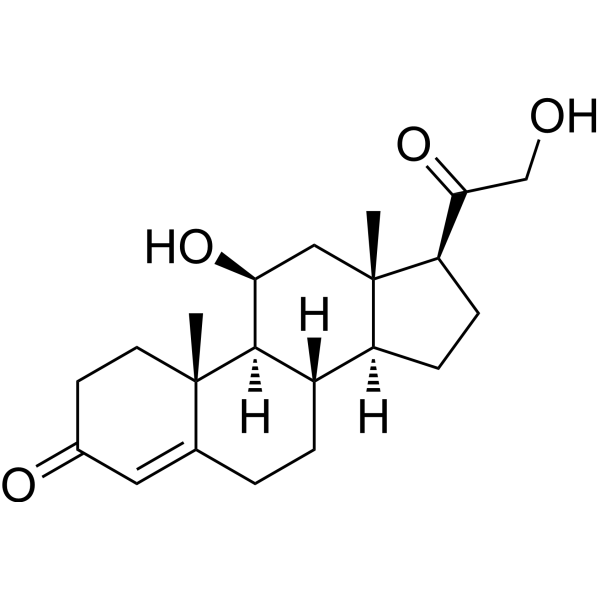
Cat. No.: HY-B1618
CAS No.: 50-22-6
Synonyms: 17-Deoxycortisol; 11β,21-Dihydroxyprogesterone; Kendall's compound B
Corticosterone (17-Deoxycortisol) is an orally active and adrenal cortex-produced glucocorticoid, which plays an important role in regulating neuronal functions of the limbic system (including hippocampus, prefrontal cortex, and amygdala). Corticosterone increases the Rab-mediated AMPAR membrane traffic via SGK-induced phosphorylation of GDI. Corticosterone also interferes with the maturation of dendritic cells and shows a good immunosuppressive effect .
loading...
    loading...
69
69 Publications Verification
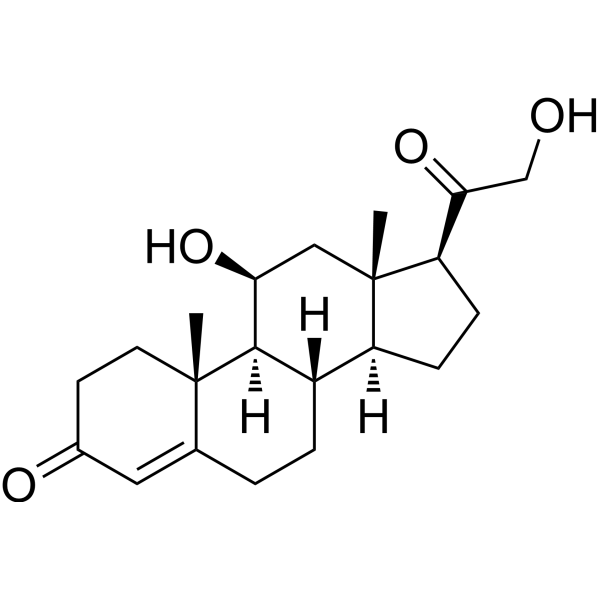
Cat. No.: HY-B1618R
CAS No.: 50-22-6
Synonyms: 17-Deoxycortisol(Standard); 11β,21-Dihydroxyprogesterone(Standard); Kendall's compound B (Standard)
Corticosterone (Standard) is the analytical standard of Corticosterone. This product is intended for research and analytical applications. Corticosterone (17-Deoxycortisol) is an orally active and adrenal cortex-produced glucocorticoid, which plays an important role in regulating neuronal functions of the limbic system (including hippocampus, prefrontal cortex, and amygdala). Corticosterone increases the Rab-mediated AMPAR membrane traffic via SGK-induced phosphorylation of GDI. Corticosterone also interferes with the maturation of dendritic cells and shows a good immunosuppressive effect .
loading...
    loading...
18
18 Cited Publications
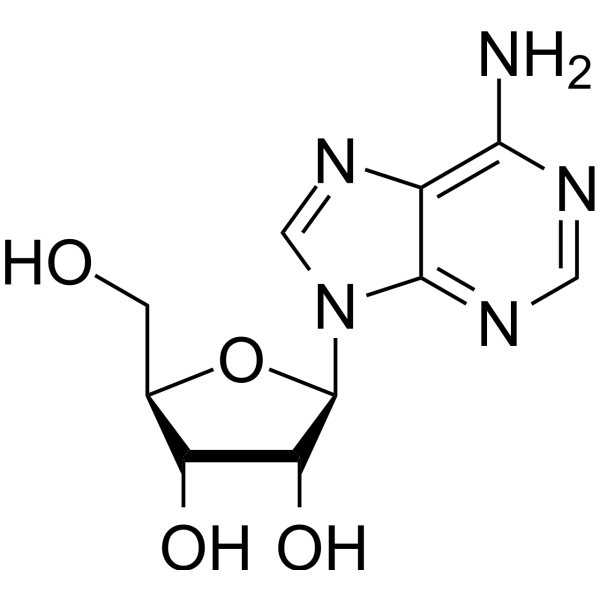
Cat. No.: HY-B0228
CAS No.: 58-61-7
Synonyms: Adenine riboside; D-Adenosine
Adenosine (Adenine riboside), a ubiquitous and BBB-permeable endogenous autacoid, acts through the enrollment of four G protein-coupled receptors: A1, A2A, A2B, and A3. Adenosine affects almost all aspects of cellular physiology, including neuronal activity, vascular function, platelet aggregation, and blood cell regulation .
loading...
    loading...
14
14 Cited Publications
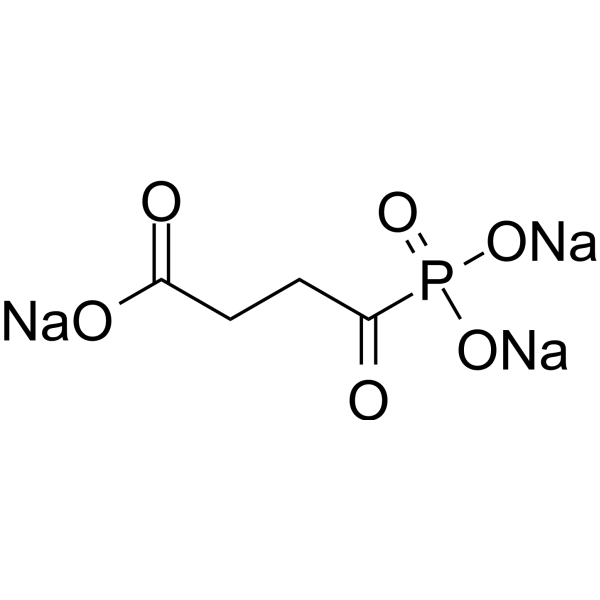
Cat. No.: HY-12688A
CAS No.: 864167-45-3
Purity:  ≥98.0%
Succinyl phosphonate trisodium salt is a α-Ketoglutarate Dehydrogenase Complex (KGDHC) modulator with neuroprotective activity. Succinyl phosphonate trisodium salt protects this complex, reduces cellular succinyl-CoA concentration, downregulates protein succinylation levels, and inhibits the activity of the α-ketoglutarate dehydrogenase complex. Succinyl phosphonate trisodium salt corrects hypoxic or ethanol-induced behavioral impairments, modulates exploratory behavior and emotional stress responses, and improves hypoxia tolerance. Succinyl phosphonate trisodium salt reduces glutamate excitotoxicity, restores the activity of the α-ketoglutarate dehydrogenase complex, reverses the changes in glutamate dehydrogenase and glutamine synthetase activities induced by β-amyloid (Amyloid-β), modulates cognitive function, and prevents β-amyloid-induced neuronal damage. Succinyl phosphonate trisodium salt improves microglial senescence, alleviates neuroinflammation, reactive oxygen species (ROS) production, lipid peroxidation, and the expression of proinflammatory cytokines. Succinyl phosphonate trisodium salt can be used in the research of Alzheimer's disease, aging-related neuroinflammation, and Parkinson's disease .
loading...
    loading...
11
11 Cited Publications
Cat. No.: HY-103312
CAS No.: 88903-69-9
Purity:  ≥99.0%
Synonyms: (-)-Xestospongin C
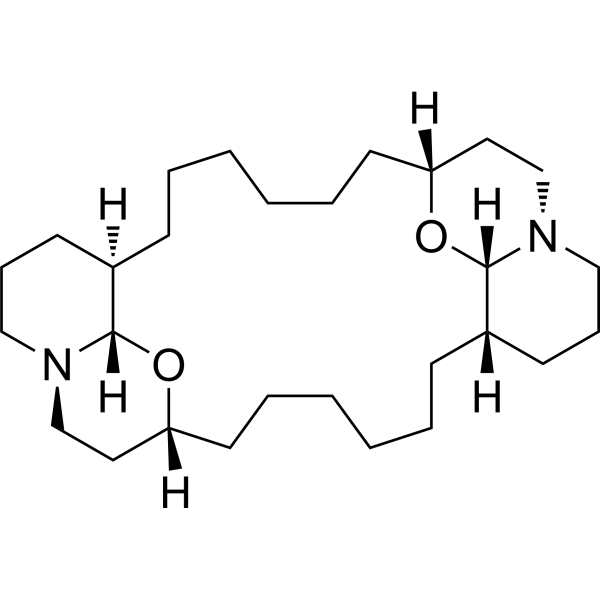
Xestospongin C ((-)-Xestospongin C) is a selective, reversible inositol 1,4,5-trisphosphate receptor (IP3R) inhibitor. Xestospongin C acts as an inhibitor of the sarcoplasmic/endoplasmic reticulum Ca 2+ ATPase (SERCA) pump of internal stores. Xestospongin C blocks IP3-induced Ca 2+ release from cerebellar microsomes with an IC50 of 358 nM. Xestospongin C is a valuable tool for investigating the structure and function of IP3Rs and Ca 2+ signaling in neuronal and nonneuronal cells .
loading...
    loading...
10
10 Cited Publications
Cat. No.: HY-N0570
CAS No.: 10597-60-1
Synonyms: DOPET; 3,4-Dihydroxyphenethyl alcohol; 3-Hydroxytyrosol
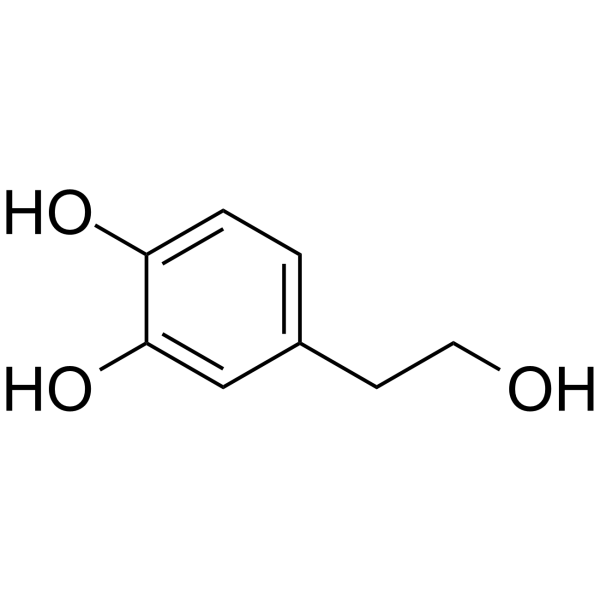
Hydroxytyrosol (DOPET; 3,4-Dihydroxyphenethyl alcohol) is an orally active, blood-brain barrier-permeable multi-active compound with multiple effects including antibacterial, antioxidant, anti-platelet aggregation, and neuroprotective activities. Hydroxytyrosol not only inhibits the growth of Vibrio by increasing bacterial membrane permeability, but also interacts with DNA and mediates supercoiled DNA relaxation. Meanwhile, Hydroxytyrosol effectively reduces thrombosis and inhibits lipid oxidation by inhibiting COX activity and promoting vascular nitric oxide production. In terms of neuroprotection, Hydroxytyrosol significantly alleviates neuronal apoptosis and inflammatory responses by up-regulating the expression level of ERβ, thereby improving cognitive function in Alzheimer's disease models. Hydroxytyrosol has been widely used in scientific research related to Vibrio infection, arterial thrombosis, Alzheimer's disease and other related fields .
loading...
    loading...
9
9 Cited Publications
Cat. No.: HY-153169
CAS No.: 2754428-18-5
Purity:  99.30%
Synonyms: 6PPD-Quinone
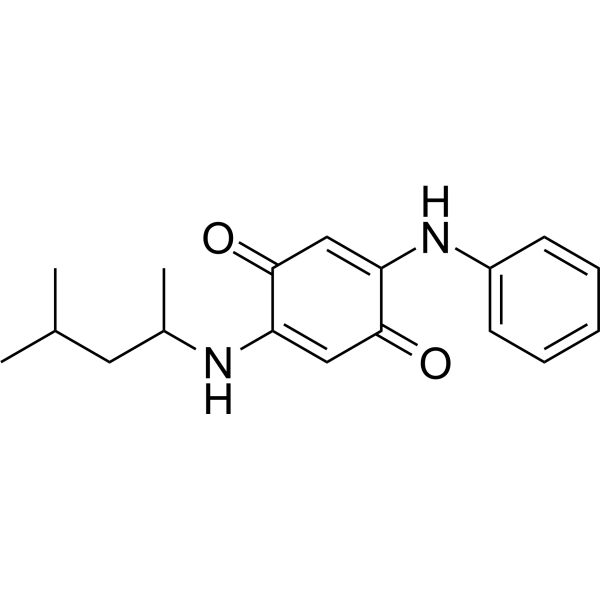
6PPD-Q (6PPD-Quinone) is an environmental pollutant that can be detected in human urine and is widely present in the environment. 6PPD-Q targets and binds to CNR2, CNR1, AA2AR, LCAT, and TRPA1, with CNR2 exhibiting the highest binding affinity, potentially acting as a CNR2 receptor agonist to activate cannabinoid receptors. 6PPD-Q induces intestinal inflammation and barrier damage by disrupting mitochondrial function, reducing neuronal glycolysis metabolites and TCA cycle intermediates, and exacerbating α-synuclein (α-syn) aggregation. 6PPD-Q is applicable in research on environmental toxicology, neurodegenerative diseases, and inflammation-related disorders .
loading...
    loading...
8
8 Cited Publications
Cat. No.: HY-B0158
CAS No.: 65-46-3
Synonyms: Cytosine β-D-riboside; Cytosine-1-β-D-ribofuranoside
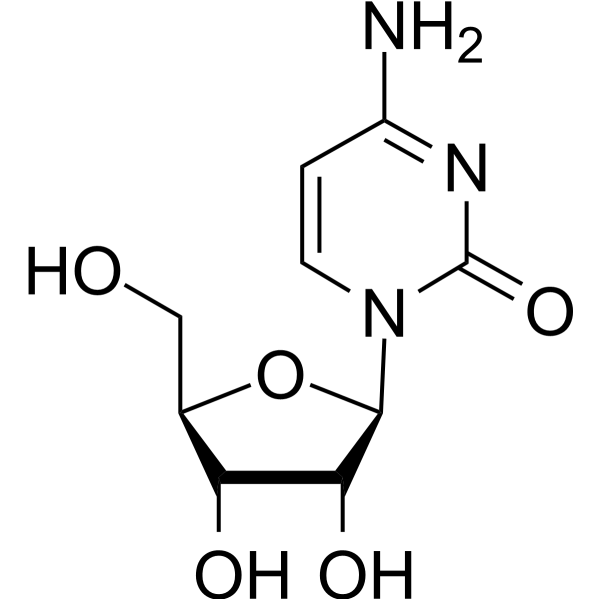
Cytidine is a pyrimidine nucleoside and acts as a component of RNA. Cytidine is a precursor of uridine. Cytidine controls neuronal-glial glutamate cycling, affecting cerebral phospholipid metabolism, catecholamine synthesis, and mitochondrial function .
loading...
    loading...
3
3 Cited Publications
Cat. No.: HY-101449
CAS No.: 385786-48-1
Purity:  99.87%
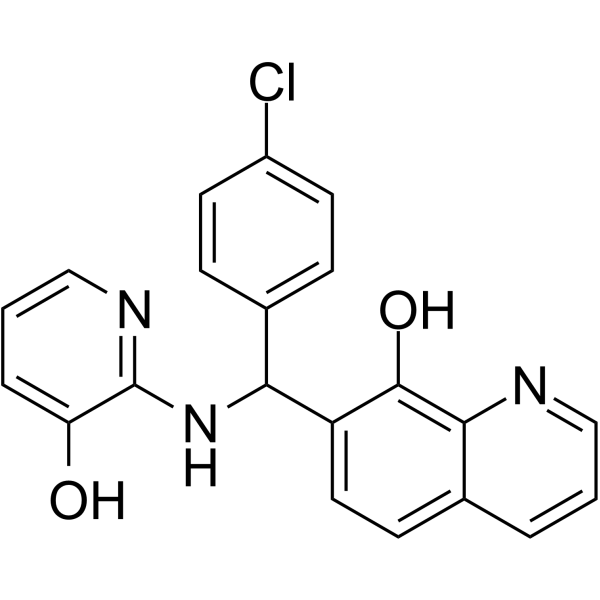
Adaptaquin is a BBB-penetrable HIF-PHDs inhibitor. Adaptaquin has anti-inflammatory and neuroprotective effects. Adaptaquin can effectively inhibit lipid peroxidation, maintain mitochondrial function, and reduce neuronal death. Adaptaquin can be used in the research of nervous system diseases such as Parkinson's disease .
loading...
    loading...
2
2 Cited Publications
Cat. No.: HY-10863
CAS No.: 94421-68-8
Purity:  ≥98.0%
Synonyms: AEA; Arachidonoyl ethanolamide
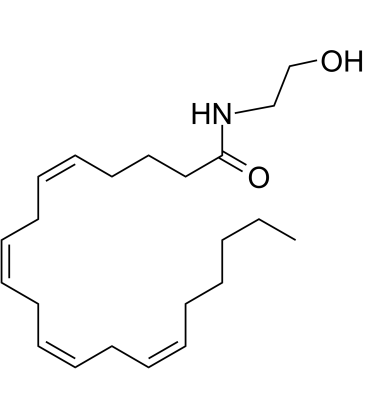
Anandamide is an endocannabinoid. Anandamide modulates both neuronal and immune functions through two protein-coupled cannabinoid receptors (CB1 and CB2). Anandamide can activate numerous other receptors like PPARS, TRPV1, and GPR18/GPR55. Anandamide also has potential anti-fungal and anti-inflammatory activities. Anandamide can be used for the research of Alzheimer’s disease (AD) and ulcerative colitis .
loading...
    loading...
2
2 Cited Publications
Cat. No.: HY-100784
CAS No.: 52497-36-6
Purity:  ≥99.0%
Target:  

EAAT

연구분야:  

Neurological Disease

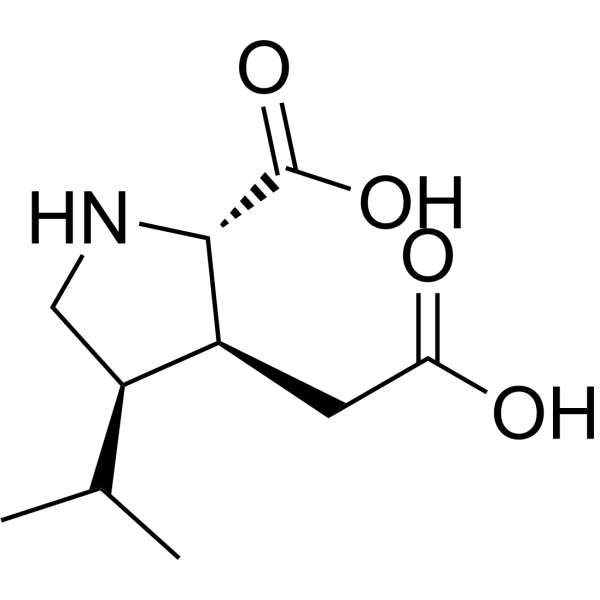
Dihydrokainic acid is a glutamate transporters (especially GLT1) inhibitor. Dihydrokainic acid targets GLT1 with high affinity, effectively inhibiting its transport function. Dihydrokainic acid exerts its effect by inhibiting the uptake of glutamate, leading to an increase in extracellular glutamate concentration, thereby affecting neuronal excitability and neurotransmission. Dihydrokainic acid is mainly applied in the field of neuroscience for research on glutamate-related neural functions, epilepsy, learning, and memory .
loading...
    loading...
2
2 Cited Publications
Cat. No.: HY-B0886A
CAS No.: 54-92-2
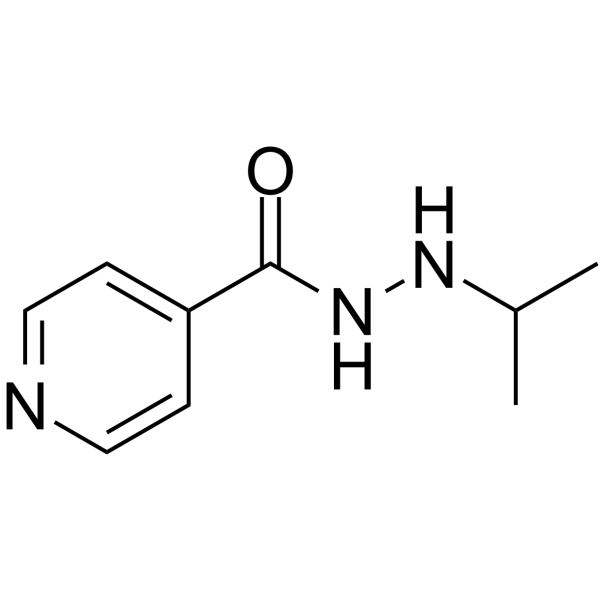
Iproniazid is an orally active, irreversible, non-selective monoamine oxidase (MAO) inhibitor. Iproniazid inhibits MAO activity and enhances Rotenone (HY-B1756)-induced Apoptosis. Iproniazid modulates neurotransmitter levels, affects neuronal function, induces hepatic necrosis, and interferes with the endocrine system. Iproniazid can be used in the research of depression, Parkinson's disease, and hepatotoxicity .
loading...
    loading...
2
2 Cited Publications
Cat. No.: HY-107825
CAS No.: 577-85-5
Purity:  99.92%
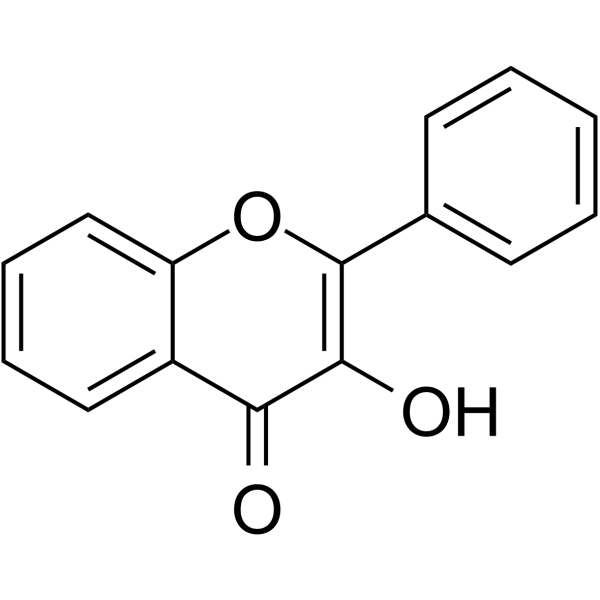
Flavonol is a cholinesterase (ChE) inhibitor, with an IC50 value of 120 μM and a Ki value of 74 μM. Flavonol has antioxidant, free radical-scavenging, antibacterial properties, and immune modulation functions. Flavonol inhibits the PriA helicase of Staphylococcus aureus. Flavonol can suppress the production of NO in LPS-activated RAW 264.7 cells by inhibiting the expression of the iNOS enzyme. Flavonol shows protective and analgesic effects in mice through various neuronal pathways. Flavonol can be used in research related to tumors and atherosclerosis diseases .
loading...
    loading...
2
2 Cited Publications
Cat. No.: HY-10996A
CAS No.: 1784282-12-7
Purity:  99.65%
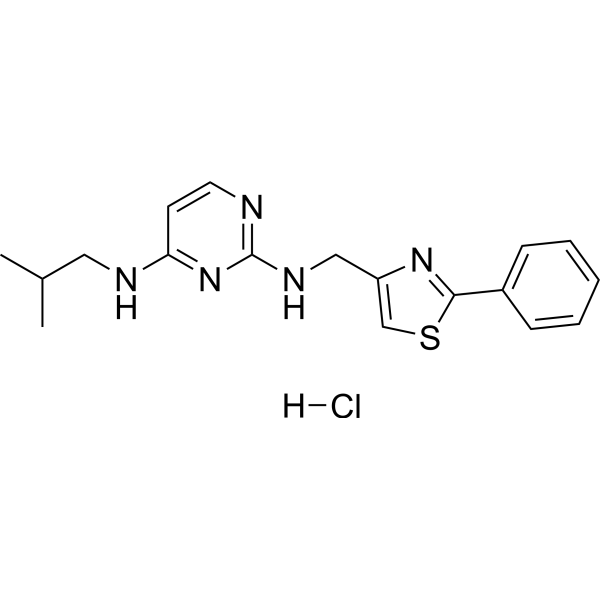
KHS101 is a blood-brain barrier-penetrant anticancer agent that primarily functions by inhibiting HSPD1 (IC50 = 14.4 μM) and TACC3 across different cellular backgrounds. KHS101 promotes the aggregation of HSPD1 with client proteins, destabilizes TACC3, and reduces the levels of TACC3, Aurora A and PLK1. KHS101 induces autophagy, apoptosis, cell cycle exit and neuronal differentiation; it suppresses cancer cell growth, motility, EMT and stemness; it also impairs mitochondrial bioenergetics and glycolysis in glioblastoma cells. KHS101 can be used in research related to glioblastoma multiforme and breast cancer .
loading...
    loading...
2
2 Cited Publications
Cat. No.: HY-B0886
CAS No.: 305-33-9
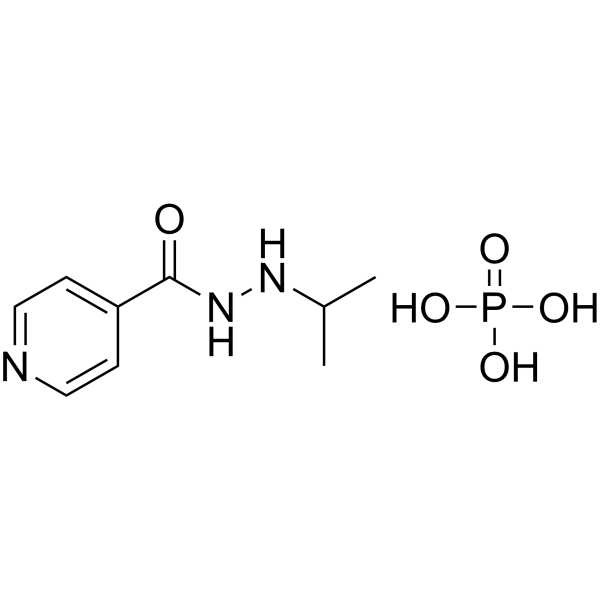
Iproniazid phosphate is an orally active, irreversible, non-selective monoamine oxidase (MAO) inhibitor. Iproniazid phosphate inhibits MAO activity and enhances Rotenone (HY-B1756)-induced Apoptosis. Iproniazid phosphate modulates neurotransmitter levels, affects neuronal function, induces hepatic necrosis, and interferes with the endocrine system. Iproniazid phosphate can be used in the research of depression, Parkinson's disease, and hepatotoxicity .
loading...
    loading...
2
2 Cited Publications
Cat. No.: HY-125039
CAS No.: 1287585-40-3
Purity:  99.57%
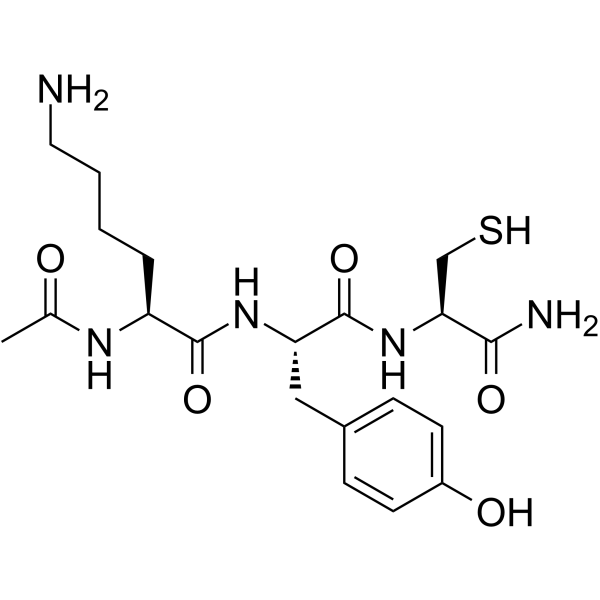
N-Acetyl lysyltyrosylcysteine amide is a potent, reversible, specific, and non-toxic tripeptide inhibitor of myeloperoxidase (MPO). N-Acetyl lysyltyrosylcysteine amide effectively inhibits MPO generation of toxic oxidants in vivo. N-Acetyl lysyltyrosylcysteine amide reduces neuronal damage and preserves brain tissue and neurological function in the stroked brain. N-Acetyl lysyltyrosylcysteine amide inhibits MPO-dependent hypochlorous acid (HOCl) generation, protein nitration, and LDL oxidation .
loading...
    loading...
2
2 Cited Publications
Cat. No.: HY-N1414A
CAS No.: 76656-80-9
3′,6-Disinapoylsucrose is a type of oligosaccharide that's effective when taken orally, and it has antidepressant, anti-anxiety, and antioxidant properties. 3′,6-Disinapoylsucrose inhibits neuronal apoptosis by lowering the ratio of Bax to Bcl-2 in hippocampal neurons, and it enhances cognitive function in APP/PS1 transgenic mice by activating the CREB/BDNF signaling pathway .
loading...
    loading...
1
1 Cited Publications
Cat. No.: HY-17001A
CAS No.: 56995-20-1
Synonyms: D 9998
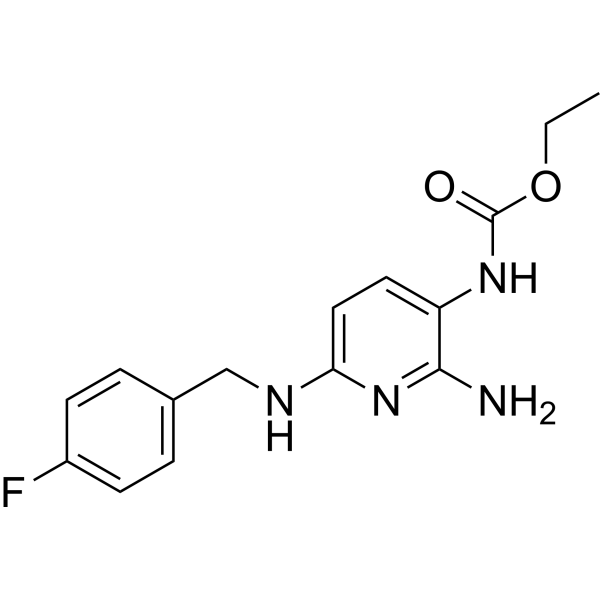
Flupirtine (D 9998) is an orally active, blood-brain barrier-crossing non-opioid analgesic and neuroprotective agent. Flupirtine is a neuronal potassium channel opener (Kv7 activator), a NMDA receptor antagonist and a GABA receptor activator. Flupirtine stabilizes blood-brain-barrier integrity, reduces oxidative stress and brain leukocyte infiltration, enhances angioneurogenesis, suppresses calcium influx, stabilizes neuronal resting membrane potential, and counteracts focal cerebral ischemia. Flupirtine exhibits analgesic, muscle relaxant properties, protects neurons from excitotoxic, ischemic, or cytokine-mediated death. Flupirtine functions as a non-opioid analgesic without antipyretic or antiphlogistic properties, shows no relevant affinity to opiate receptor. Flupirtine can be used for the research of focal cerebral ischemia, pain, Alzheimer’s disease, or multiple sclerosis .
loading...
    loading...
1
1 Cited Publications
Cat. No.: HY-17001
CAS No.: 75507-68-5
Synonyms: D 9998 Maleate
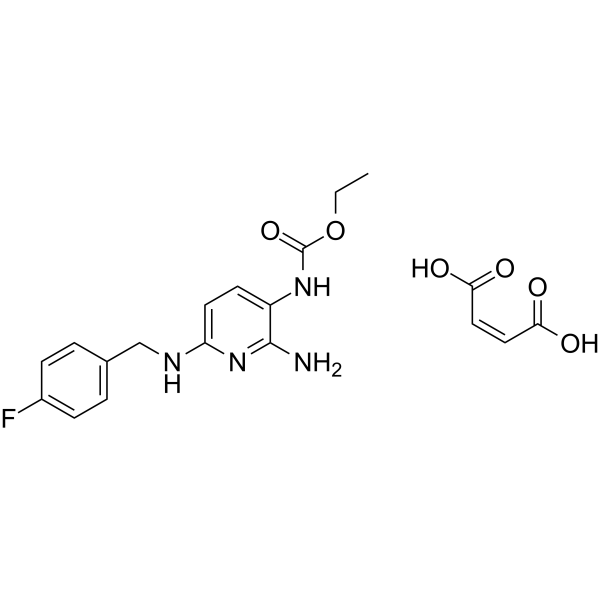
Flupirtine (D 9998) Maleate is an orally active, blood-brain barrier-crossing non-opioid analgesic and neuroprotective agent. Flupirtine Maleate is a neuronal potassium channel opener (Kv7 activator), a NMDA receptor antagonist and a GABA receptor activator. Flupirtine Maleate stabilizes blood-brain-barrier integrity, reduces oxidative stress and brain leukocyte infiltration, enhances angioneurogenesis, suppresses calcium influx, stabilizes neuronal resting membrane potential, and counteracts focal cerebral ischemia. Flupirtine Maleate exhibits analgesic, muscle relaxant properties, protects neurons from excitotoxic, ischemic, or cytokine-mediated death. Flupirtine Maleate functions as a non-opioid analgesic without antipyretic or antiphlogistic properties, shows no relevant affinity to opiate receptor. Flupirtine Maleate can be used for the research of focal cerebral ischemia, pain, Alzheimer’s disease, or multiple sclerosis .
loading...
    loading...
1
1 Cited Publications
Cat. No.: HY-15416
CAS No.: 18711-16-5
Purity:  99.09%
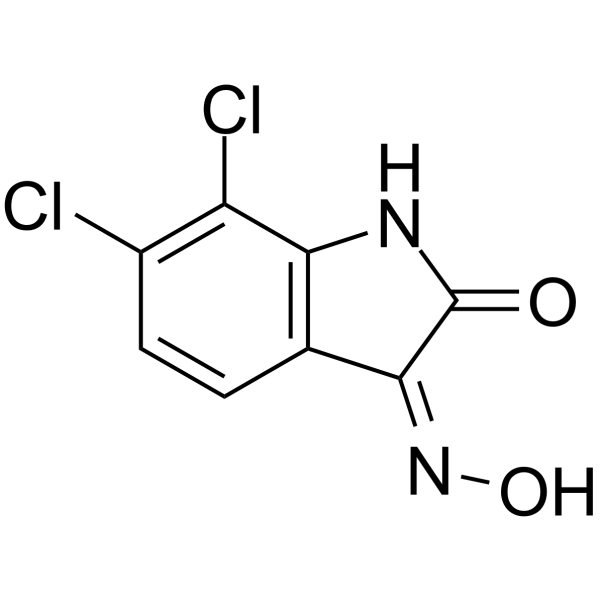
NS309 is a potent and selective activator of the Ca 2+-activated SK/IK potassium channels, but displays no activity at BK channels .
loading...
    loading...

