



Dicarboxylic Acids
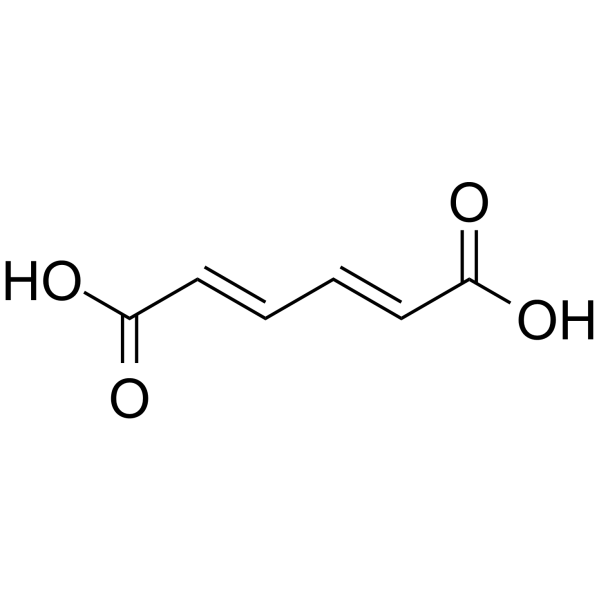
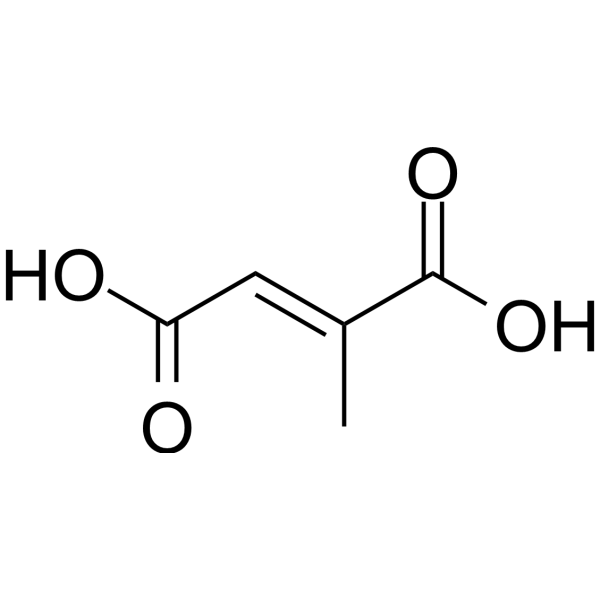
- Formel: C5H6O4
- Molecular Weight: 130.10
Mesaconic acid (Citronic acid; Methylfumaric acid) is an orally active anti-inflammatory and antioxidant agent. Mesaconic acid reduces the level of NF-κB in colon tissues, downregulates the expression of Keap1 and Bax, upregulates the expression of Nrf2 and Bcl2, and decreases the expression of Caspase-1. Mesaconic acid reduces the levels of NLRP3, ASC and Casp-1 in colon, liver and kidney tissues. Mesaconic acid reduces pro-inflammatory cytokine levels, increases the level of the anti-inflammatory cytokine IL-10, elevates NAD+ levels, regulates oxidative stress markers and antioxidant enzyme levels, and upregulates intestinal barrier proteins in colon, liver and kidney tissues. Mesaconic acid increases the abundance of beneficial gut bacteria and reduces the abundance of harmful gut bacteria in rapidly aging mice, and exhibits anti-aging properties. Mesaconic acid acts as a flame retardant and serves as a competitive inhibitor of fumarate reduction. Mesaconic acid can be used in the research of aging-related inflammation.
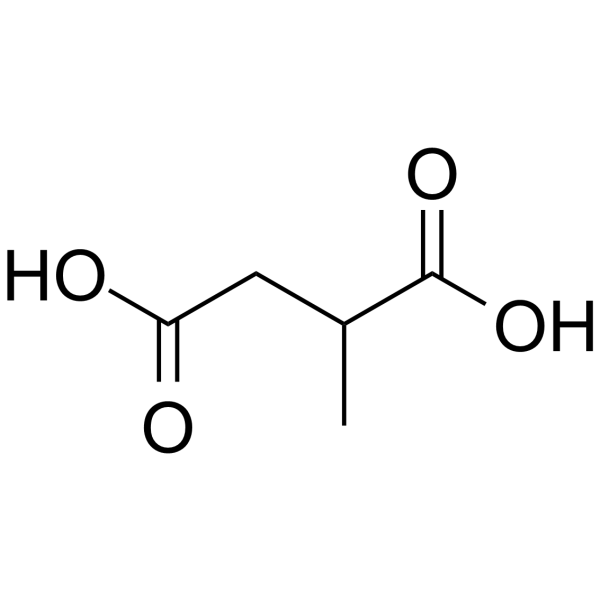
- Formel: C5H8O4
- Molecular Weight: 132.12
2-Methylsuccinic acid is a normal metabolite in human fluids and the main biochemical measurable features in ethylmalonic encephalopathy.
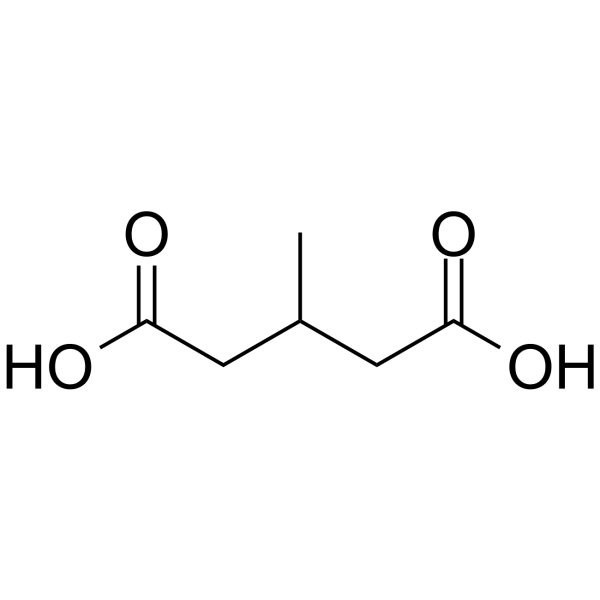
- Formel: C6H10O4
- Molecular Weight: 146.14
3-Methylglutaric acid is a non-selective inhibitor of mitochondrial function and Na+, K+-ATPase, with an inhibition rate of 30% on rat cortical synaptosomal Na+, K+-ATPase. 3-Methylglutaric acid can induce reactive oxygen species (ROS) generation, thereby causing oxidative damage and inhibiting mitochondrial redox potential and ion pump function of cell membranes. 3-Methylglutaric acid can be used to study the neuropathological mechanisms of metabolic diseases and the role of oxidative stress-mediated neuronal damage in neurodegeneration.
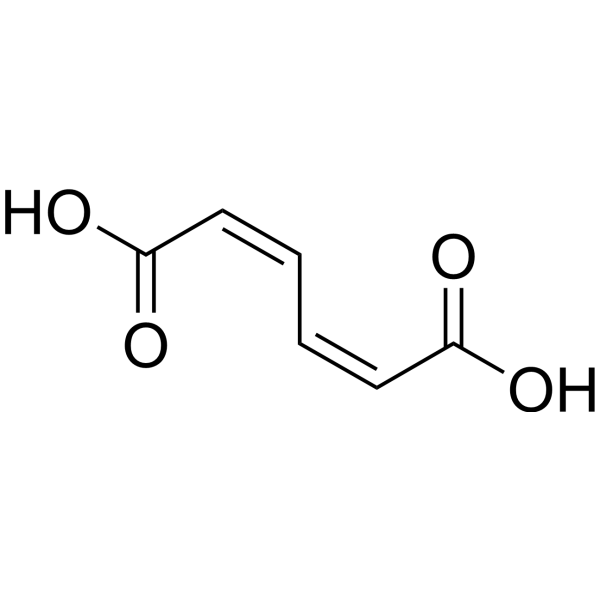
- Formel: C6H6O4
- Molecular Weight: 142.11
cis,cis-Muconic acid is a dicarboxylic acid produced by Saccharomyces cerevisiae. cis,cis-Muconic acid shows pH-dependent toxicity against Saccharomyces cerevisiae CEN.PK113-7D. cis,cis-Muconic acid can be used as intermediate for the production of various plastics and polymers.
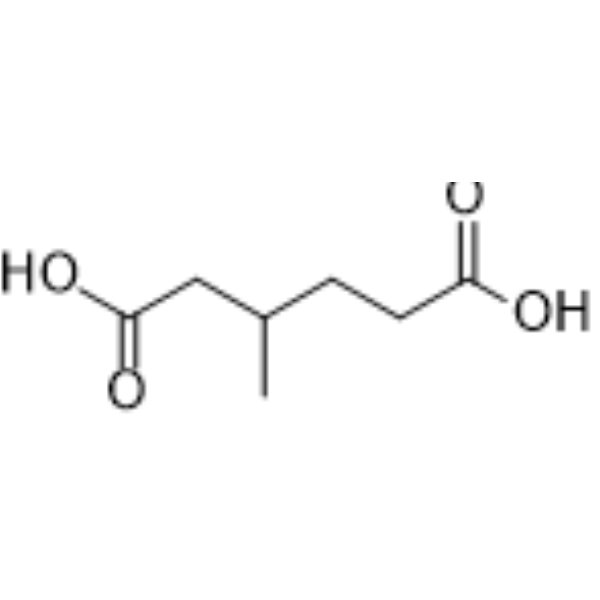
- Formel: C7H12O4
- Molecular Weight: 160.17
3-Methyladipic acid is the final metabolite produced by the degradation of phytanic acid via the ω-oxidation pathway when α-oxidation is impaired, and it is mainly excreted in urine. 3-Methyladipic acid is also present at low levels in healthy individuals, but is significantly elevated in Refsum disease, and can serve as a marker of ω-oxidation activity.
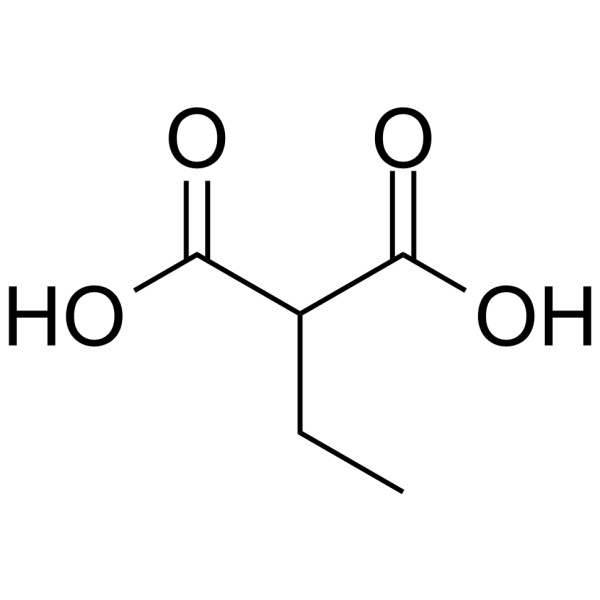
- Formel: C5H8O4
- Molecular Weight: 132.11
Ethylmalonic acid is a short-chain organic dicarboxylic acid. Ethylmalonic acid synergistically induces mitochondrial permeability transition (MP) with Ca2+, inhibits Mi-CK, and disrupts mitochondrial energy metabolism. Ethylmalonic acid can be used in the research of SCADD, EE and other genetic metabolic diseases characterized by EMA accumulation.
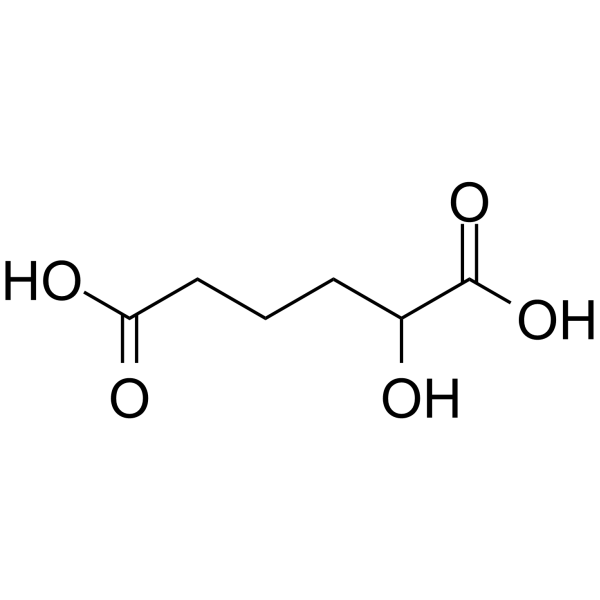
- Formel: C6H10O5
- Molecular Weight: 162.14
2-Hydroxyadipic acid is a dicarboxylic acid and monomer for functional polymers.2-Hydroxyadipic acid bears structural similarity to adipic acid.2-Hydroxyadipic acid forms via oxidative C-C cleavage of 2-hydroxycyclohexanone as a sustainable monomer source.
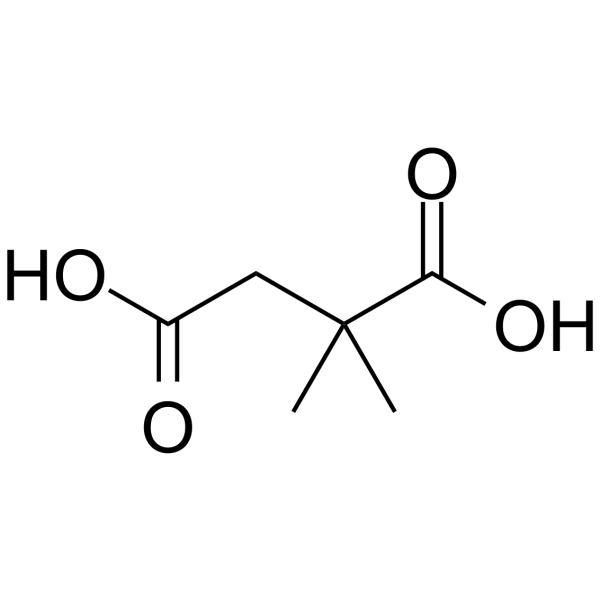
- Formel: C6H10O4
- Molecular Weight: 146.14
2,2-Dimethylsuccinic acid belongs to the class of organic compounds known as methyl-branched fatty acids.

- Formel: C5H6O4
- Molecular Weight: 130.10
Glutaconic acid is an organic compound with two carboxylic acid groups.
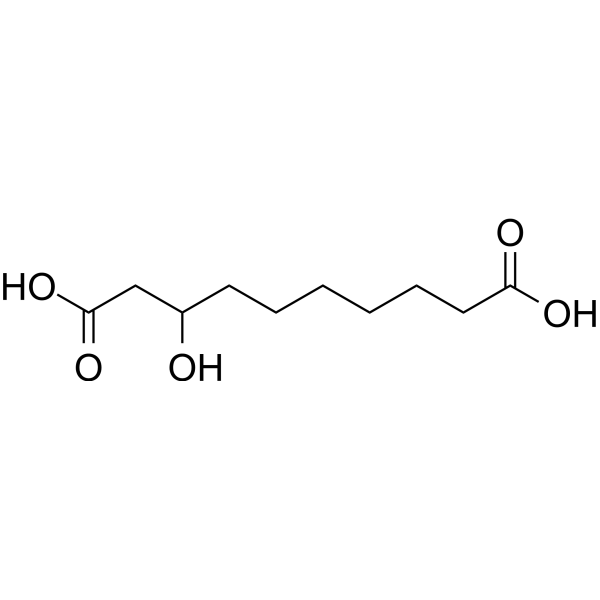
- Formel: C10H18O5
- Molecular Weight: 218.25
3-Hydroxysebacic acid is an endogenous metabolite present in Urine that can be used for the research of Medium Chain Acyl Co A Dehydrogenase Deficiency.
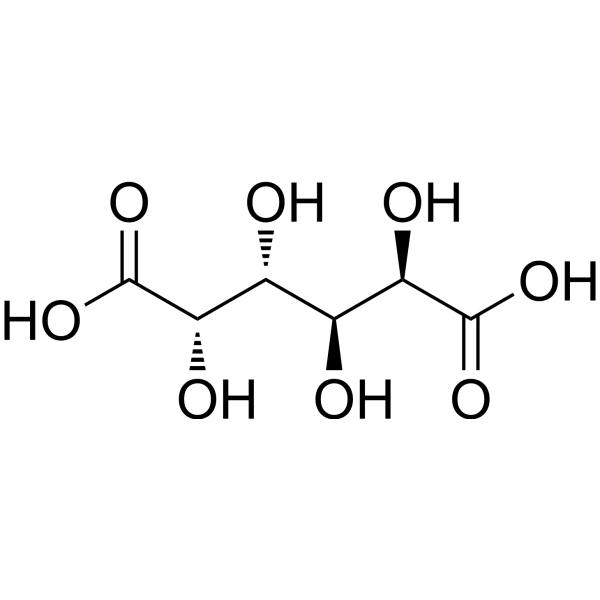
- Formel: C6H10O8
- Molecular Weight: 210.14
Mucic acid is an aldonic acid that can be prepared from pectin. Mucic acid increases the expression level of Runx2, promotes osteoblast differentiation, and upregulates osteogenic differentiation marker genes. Mucic acid can be used to prepare platform compounds, polymers, polymer materials and metal-organic frameworks. Mucic acid is applicable to the research of bone-related defects.
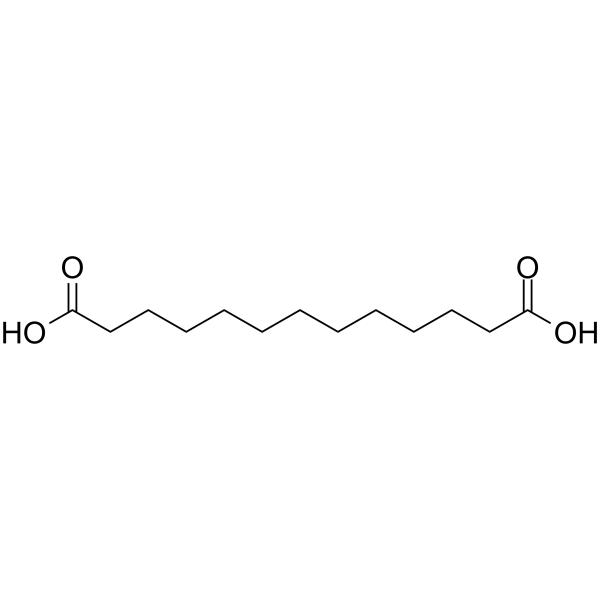
- Formel: C13H24O4
- Molecular Weight: 244.33
Tridecanedioic acid (Brassylic Acid) is a long-chain fatty acid and an endogenous serum metabolite. Tridecanedioic acid is positively correlated with the intestinal genus Tuzzerella in non-alcoholic steatohepatitis (NASH) mice fed a MCD diet. Tridecanedioic acid accumulates at high levels in Brassica napus germplasm tolerant to Plutella xylostella (diamondback moth), thereby participating in plant defense. Tridecanedioic acid can be used in studies related to Plutella xylostella infestation.
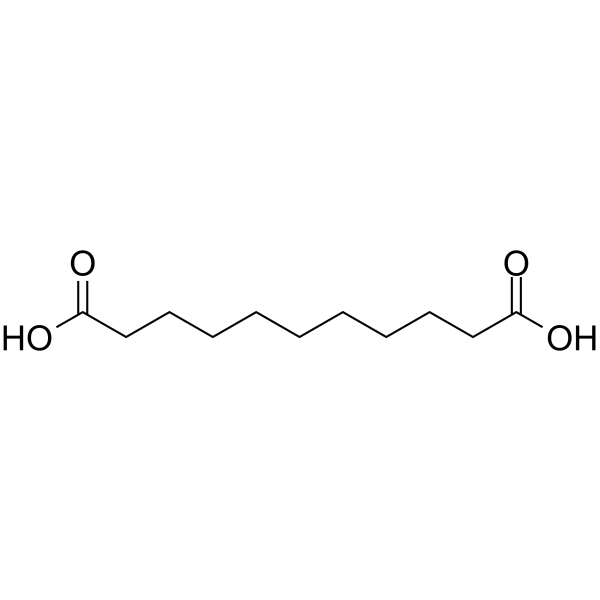
- Formel: C11H20O4
- Molecular Weight: 216.28
Undecanedioic acid is an oral activie nndogenous metabolite. Undecanedioic acid is associated with intercellular matrix macromolecules and specifically with elastin.

- Formel: C6H8O5
- Molecular Weight: 160.12
3-Ketoadipic acid is a dicarboxylic acid containing a keto group that can be isolated from Brazilian propolis (Et-Bra). Brazilian propolis exhibits antibacterial, antifungal, and antiparasitic activities.
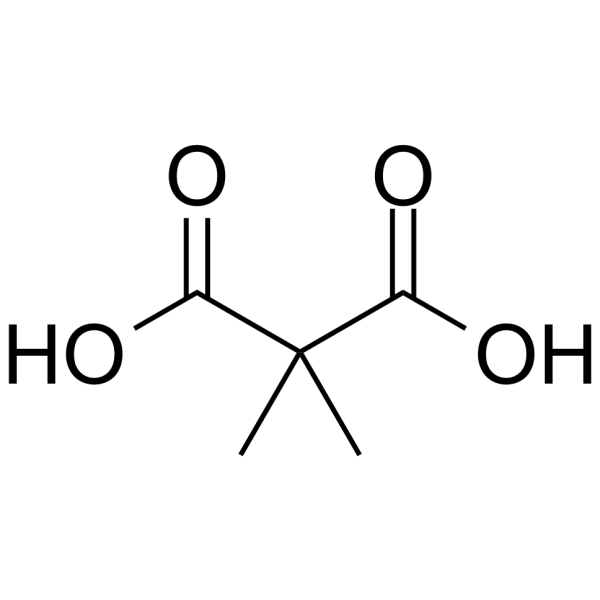
- Formel: C5H8O4
- Molecular Weight: 132.11
Dimethylmalonic acid (Dimethylpropanedioic acid) is a succinate dehydrogenase inhibitor. Dimethylmalonic acid competitively inhibits succinate dehydrogenase, reduces SDH-mediated succinate accumulation, blocks a key step in oxidative phosphorylation, and decreases anti-inflammatory cytokine secretion and ROS production. Dimethylmalonic acid can be used in research on autism spectrum disorders.
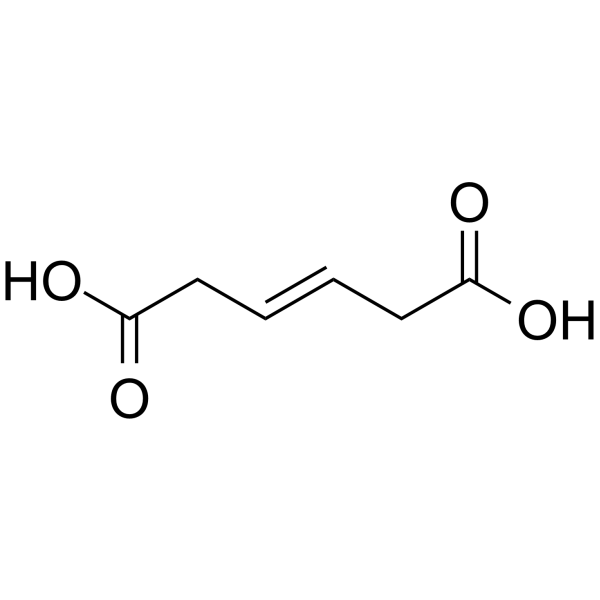
- Formel: C6H8O4
- Molecular Weight: 144.13
Trans-2-butene-1,4-dicarboxylic acid (Dihydromuconic acid; trans-β-Hydromuconic acid) is an endogenous metabolite.

- Formel: C10H16Na2O4
- Molecular Weight: 246.21
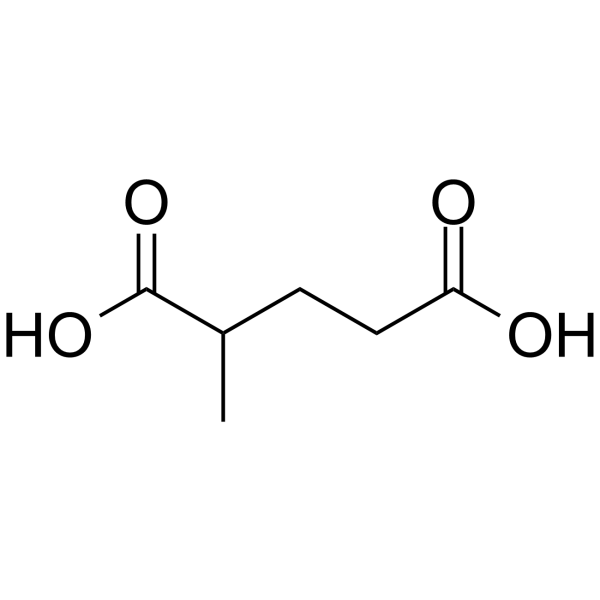
- Formel: C6H10O4
- Molecular Weight: 146.14
2-Methylpentanedioic acid is a metabolite of succinic acid, a citric acid cycle intermediate.
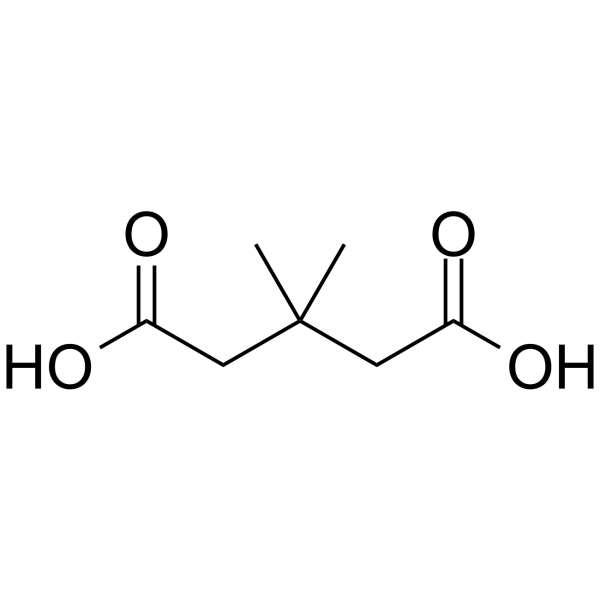
- Formel: C7H12O4
- Molecular Weight: 160.17
3,3-Dimethylglutaric acid is an organic acid derivative and a candidate serum biomarker for sheep cystic echinococcosis. The serum level of 3,3-Dimethylglutaric acid increases significantly in sheep infected with Echinococcus granulosus. 3,3-Dimethylglutaric acid can serve as a ligand to synthesize metal complexes. 3,3-Dimethylglutaric acid is applicable to the research of cystic echinococcosis.



