
1269 Results for "

solution

" in MedChemExpress (MCE) Product Catalog:
Products (1269)

1269 Results for "solution" in MCE Product Catalog:

4
4 Cited Publications
Cat. No.: HY-W009722
CAS No.: 20624-25-3
Synonyms: Ditiocarb sodium trihydrate
Sodium diethylcarbamodithioate (Ditiocarb sodium) trihydrate is a copper reagent. The reaction with Cu 2+ solution resulted in the formation of a complex, which increased the copper displacement precipitation rate. Sodium diethylcarbamodithioate trihydrate can reduce HIV infection and can be used in adjuvant immune research of high-risk breast cancer .
loading...
    loading...
4
4 Cited Publications
Cat. No.: HY-K1022

MCE PBS-T Powder (1 L of 1×) consists of NaCl, KCl, Phosphate and Tween 20, and is widely used in ELISA and Western Blot, and can also be used for antibody dilution and preparation of blocking solution. The 20 pouches are defined as the base specification. All larger sizes correspond to incremental volumes of this base.

loading...
    loading...
4
4 Cited Publications
Cat. No.: HY-15435
CAS No.: 75621-03-3
Purity:  99.91%
Research Areas:  

Others

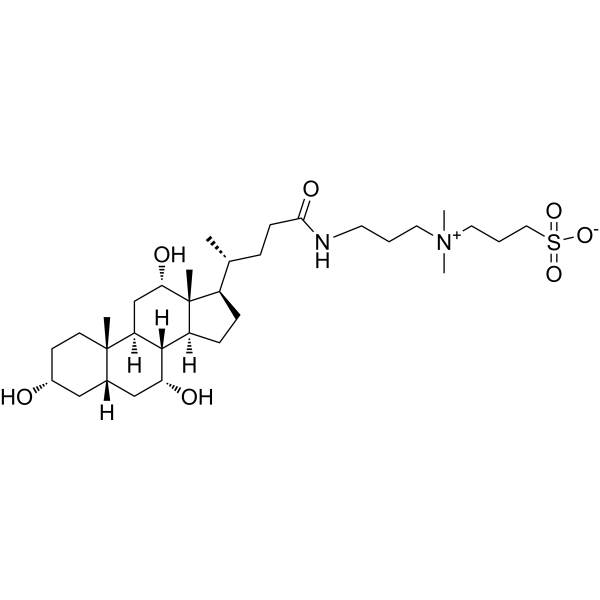
CHAPS is a cholic acid-derived, sulfobetaine-type zwitterionic detergent and micelle-forming agent. CHAPS exhibits properties of weak cationic or nonionic surfactants in different solution systems, undergoes micellization, and forms small, loose hydrophilic aggregates that are temperature-dependent. CHAPS stabilizes mononucleosomes under different ionic strengths, reduces nucleosome sequence specificity, promotes sliding of histone cores along DNA, solubilizes Tamm-Horsfall protein to reduce its interference with urinary exosome isolation, and maintains vesicle structure and the activity of related proteins at the same time. CHAPS is used to recover native folded fusion proteins, enhance the binding capacity of GST fusion proteins, and restore GST enzyme activity. However, CHAPS cannot refold proteins denatured by urea, guanidine hydrochloride or heat, nor can it construct the structure of intrinsically disordered proteins. CHAPS is commonly used in research on the separation and purification of membrane proteins .
loading...
    loading...
4
4 Cited Publications
Cat. No.: HY-15435A
CAS No.: 331717-45-4
Purity:  ≥98.0%
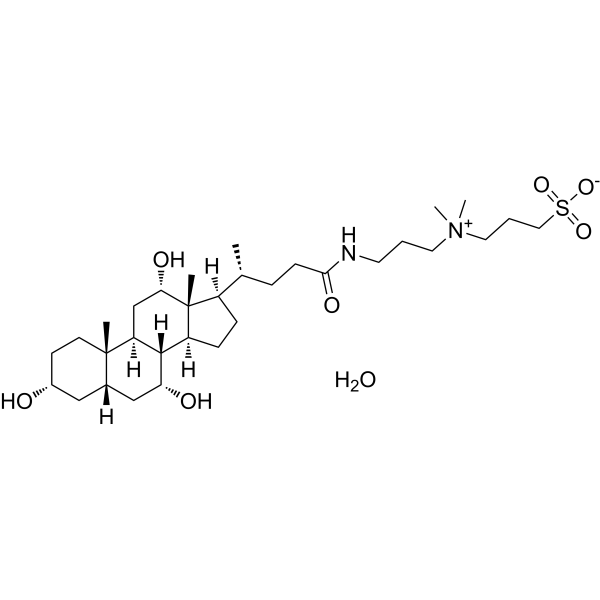
CHAPS hydrate is a cholic acid-derived, sulfobetaine-type zwitterionic detergent and micelle-forming agent. CHAPS hydrate exhibits properties of weak cationic or nonionic surfactants in different solution systems, undergoes micellization, and forms small, loose hydrophilic aggregates that are temperature-dependent. CHAPS hydrate stabilizes mononucleosomes under different ionic strengths, reduces nucleosome sequence specificity, promotes sliding of histone cores along DNA, solubilizes Tamm‑Horsfall protein to reduce its interference with urinary exosome isolation, and maintains vesicle structure and the activity of related proteins at the same time. CHAPS hydrate is used to recover native folded fusion proteins, enhance the binding capacity of GST fusion proteins, and restore GST enzyme activity. However, CHAPS hydrate cannot refold proteins denatured by urea, guanidine hydrochloride or heat, nor can it construct the structure of intrinsically disordered proteins. CHAPS hydrate is commonly used in research on the separation and purification of membrane proteins .
loading...
    loading...
3
3 Cited Publications
Cat. No.: HY-141598
CAS No.: 2238831-60-0
Purity:  99.54%
Synonyms: DS-1062 (solution); Dato-DXd (solution)
Research Areas:  

Cancer

Datopotamab deruxtecan (DS-1062) solution is a TROP2-targeted antibody-drug conjugate (ADC) with human TROP2 Kd of 0.74 nmol/L. Datopotamab deruxtecan solution consists of the antibody Datopotamab (HY-P99843) and the toxic molecule-linker conjugate Deruxtecan (HY-13631E). Datopotamab deruxtecan solution binds TROP2, triggers internalization and lysosomal trafficking and releases DXd topoisomerase I inhibitor payload. Datopotamab deruxtecan solution disrupts DNA function, induces DNA damage, apoptosis, and bystander killing of tumor microenvironment cells. Datopotamab deruxtecan solution can be used in research related to triple-negative breast cancer, gastric cancer, and non-small cell lung cancer .
loading...
    loading...
3
3 Cited Publications
Cat. No.: HY-113225B
CAS No.: 103192-46-7
Synonyms: GTP tritris solution (100 mM)
Guanosine triphosphate (GTP) tritris solution (100 mM) is a critical nucleotide and regulator of cellular metabolism. Guanosine triphosphate tritris solution (100 mM) promotes ribosomal DNA localization, pre-rRNA transcription and ribosome biogenesis by binding to RNA polymerase I and GPN proteins (GPN1/3). Guanosine triphosphate tritris solution (100 mM) links MYC-dependent ribosome biogenesis to nucleotide sufficiency, acts as a metabolic gatekeeper supporting protein synthesis, DNA/RNA synthesis and cellular signal transduction, while also participating in the physiological activities of pancreatic β-cells and serving as an oxidative substrate for reactive oxygen species. In small cell lung cancer with high MYC expression, Guanosine triphosphate tritris solution (100 mM) accumulates through the IMPDH-driven synthetic pathway, thereby affecting apoptosis and mitotic processes. Guanosine triphosphate tritris solution (100 mM) is used in the research of small cell lung cancer, hepatoblastoma and cellular metabolism .
loading...
    loading...
3
3 Cited Publications
Cat. No.: HY-12720A
CAS No.: 73218-79-8
Purity:  98.96%
Synonyms: ALO 2145
Target:  

Adrenergic Receptor

Research Areas:  

Neurological Disease

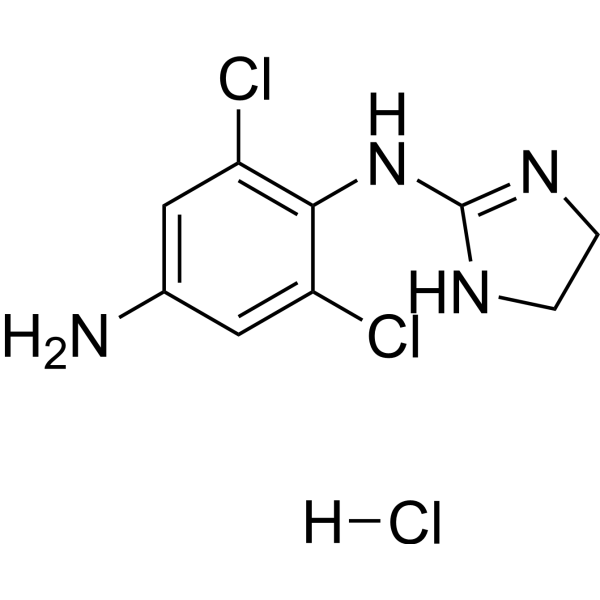
Apraclonidine hydrochloride (ALO 2145), a selective α2 and weak α1 receptor agonist activity, effectively lowers intraocular pressure (IOP) in human eyes. Apraclonidine hydrochloride is a topical ophthalmic solution and has the ability to elevate the eye lid .
loading...
    loading...
3
3 Cited Publications
Cat. No.: HY-B0580
CAS No.: 74103-06-3
Synonyms: RS37619
Target:  

COX Apoptosis

Research Areas:  

Inflammation/Immunology Cancer

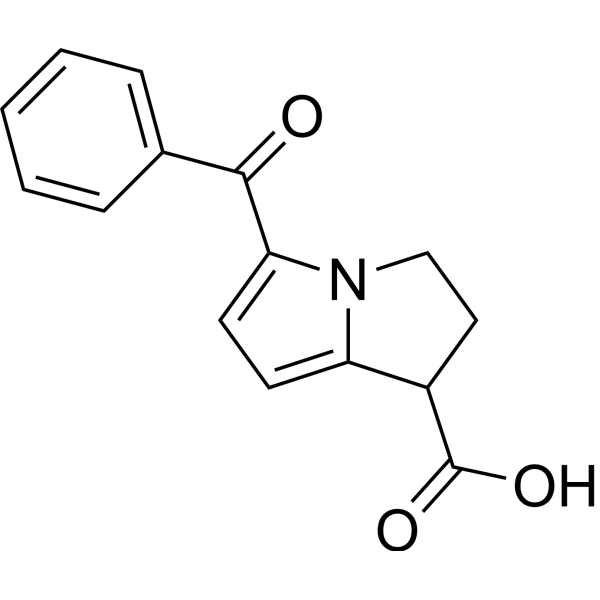
Ketorolac (RS37619) is a non-steroidal anti-inflammatory drug (NSAID), acting as a nonselective COX inhibitor, with IC50s of 20 nM for COX-1 and 120 nM for COX-2. Ketorolac tromethamine is used as 0.5% ophthalmic solution for the research of allergic conjunctivitis, cystoid macular edema, intraoperative miosis, and postoperative ocular inflammation and pain. Ketorolac tromethamine is also a DDX3 inhibitor that can be used for cancer research .
loading...
    loading...
3
3 Cited Publications
Cat. No.: HY-K3006

Phosphate-Buffered Saline (PBS) is a balanced salt solution used for a variety of cell culture applications, such as washing cells, diluting cells and preparing reagents. The 500 mL is defined as the base specification. All larger sizes correspond to incremental volumes of this base.

loading...
    loading...
3
3 Cited Publications
Cat. No.: HY-K1050

MCE Gentamicin, Sterile (10 mg/mL) is a filtered and sterilized antibiotic solution that can be used directly in cell culture. Gentamicin acts by binding to the 30S subunit of the bacterial ribosome leading to inhibition of protein synthesis and death in susceptible bacteria, mainly for gram-negative and gram-positive bacteria.

loading...
    loading...
3
3 Cited Publications
Cat. No.: HY-141571
CAS No.: 67254-28-8
Purity:  98.70%
Synonyms: Dioleoylphosphatidylglycerol sodium
Target:  

Liposome

Research Areas:  

Others

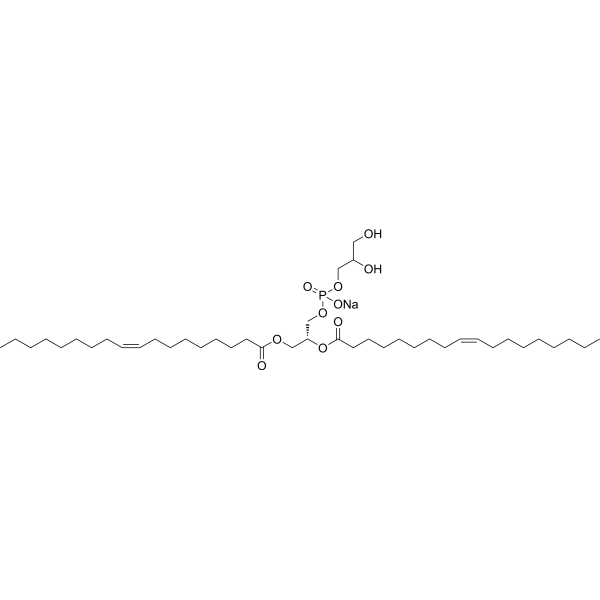
DOPG sodium is a naturally occurring anionic phospholipid, containing oleic acid (18:1) inserted at the sn-1 and sn-2 positions. DOPG can form a lipid bilayer in an aqueous solution and is used in the generation of micelles, liposomes, and other artificial membranes. DOPG also exhibits anti-inflammatory properties .
loading...
    loading...
3
3 Cited Publications
Cat. No.: HY-D0505
CAS No.: 15086-94-9
Synonyms: Acid Red 87 free base
Target:  

Fluorescent Dye

Research Areas:  

Others

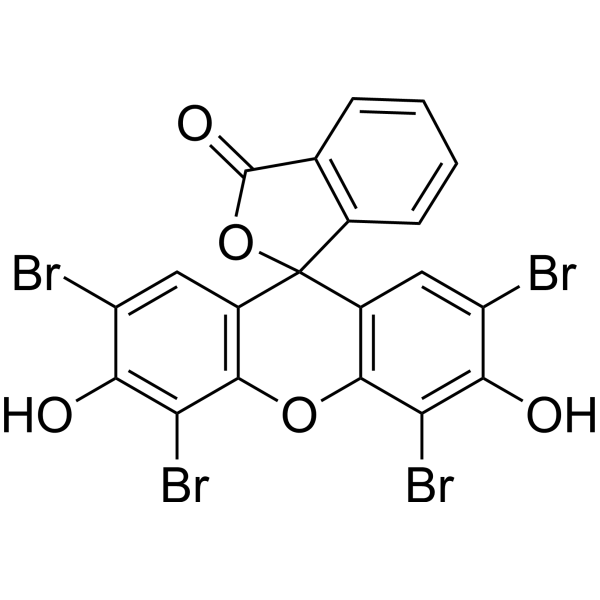
Eosin Y (Acid Red 87 free base) is a soluble acid red dye molecule. Eosin Y has a wide application in organic synthesis as a photoredox catalyst. Eosin Y can be used as a component of Eosin-Nigrosin Sperm Viability Staining Solution (HY-DY2022) to assess sperm viability and identify the integrity of the membrane structure and function of inactive sperm .
loading...
    loading...
3
3 Cited Publications
Cat. No.: HY-D0505A
CAS No.: 17372-87-1
Synonyms: Acid Red 87
Target:  

Fluorescent Dye

Research Areas:  

Others

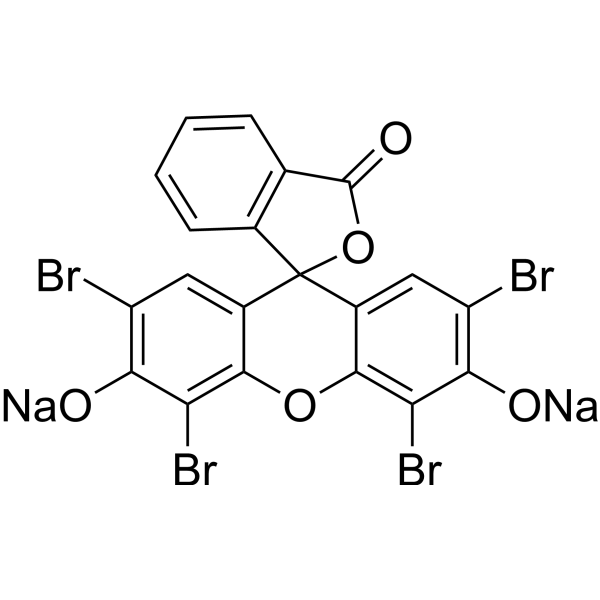
Eosin Y disodium (Acid Red 87) is a soluble acid red dye molecule. Eosin Y disodium has a wide application in organic synthesis as a photoredox catalyst. Eosin Y disodium can be used as a component of Eosin-Nigrosin Sperm Viability Staining Solution (HY-DY2022) to assess sperm viability and identify the integrity of the membrane structure and function of inactive sperm .
loading...
    loading...
3
3 Cited Publications
Cat. No.: HY-N6787
CAS No.: 696-04-8
Synonyms: Dihydrothymine
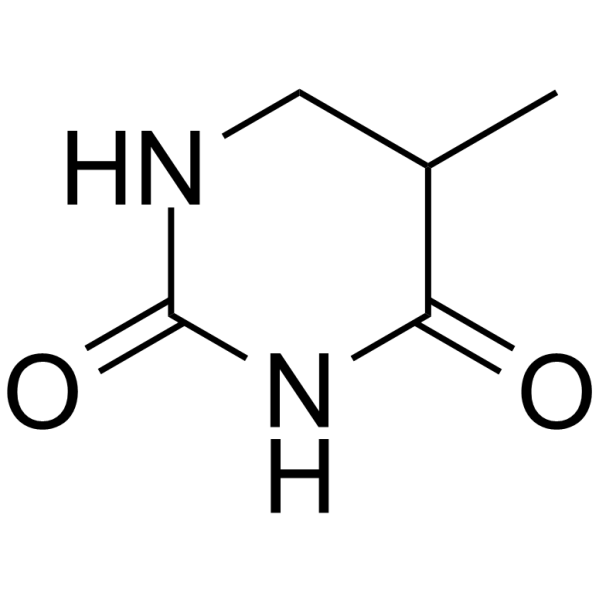
5,6-Dihydro-5-methyluracil (Dihydrothymine) is an intermediate breakdown product of Thymine (HY-W010450). 5,6-Dihydro-5-methyluracil can be used as a marker of DNA damage. 5,6-Dihydro-5-methyluracil can be used for the research of COVID-19 .
loading...
    loading...
3
3 Cited Publications
Cat. No.: HY-N7123
CAS No.: 144-80-9
Synonyms: Sulphacetamide
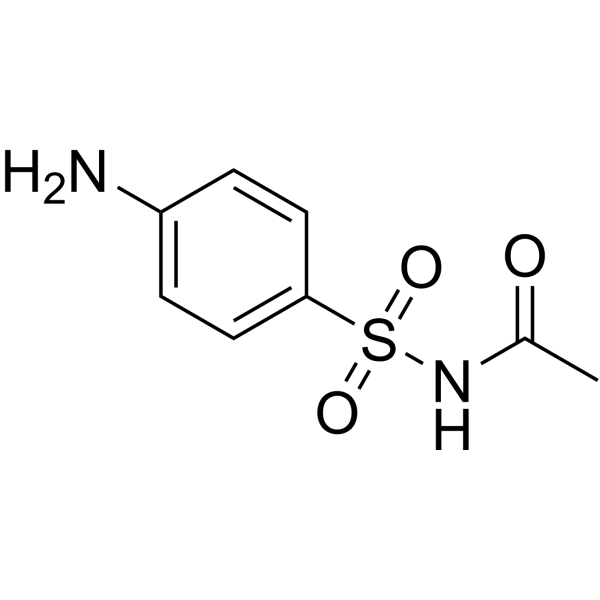
Sulfacetamide (Sulphacetamide) is a sulfonamide antibiotic. Sulfacetamide has antifungal and antibacterial activities. Sulfacetamide is employed as a topical formulation in various ophthalmic, dermatological, and hair solutions against bacterial infections, acne and scalp conditions. Sulfacetamide targets bacterial folic acid synthesis and is effective against various gram-positive and gram-negative bacteria. Sulfacetamide inhibits the synthesis of both dihydro-folic acid and para-aminobenzoic acid. Sulfacetamide can be used for the study of ocular infections .
loading...
    loading...
3
3 Cited Publications
Cat. No.: HY-15626
CAS No.: 158013-41-3
Purity:  98.01%
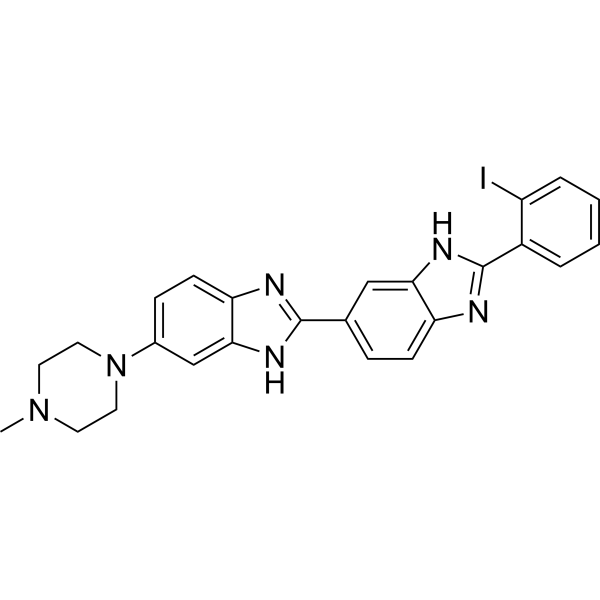
ortho-iodoHoechst 33258 is a marker dye in Hoechst series. Hoechst is A live nuclear marker dye. Hoechst binds to the grooves in the DNA double strand, which tends to be A/ T-rich DNA strand. Although it binds to all nucleic acids, the A/ T-rich double strand DNA significantly enhances fluorescence intensity Therefore,Hoechst dye can be used for living cell labeling. The fluorescence intensity of Hoechst dye increases with the increase of pH of solution .
loading...
    loading...
3
3 Cited Publications
Cat. No.: HY-Y0850O
CAS No.: 9002-89-5
Synonyms: PVA (Mw 31000-50000, 87-89% hydrolyzed); Poly(Ethenol) (Mw 31000-50000, 87-89% hydrolyzed)
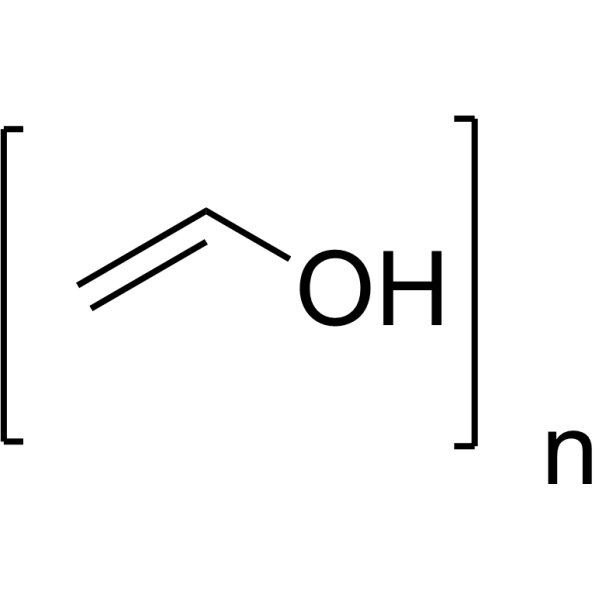
Polyvinyl alcohol (PVA; Poly (Ethenol)) (Mw 31000-50000, 87-89% hydrolyzed) is a polymer with emulsifying and stabilizing properties, with a degree of hydrolysis of 87-89%. Polyvinyl alcohol (Mw 31000-50000, 87-89% hydrolyzed) mainly acts as a stabilizer in the preparation of nanomedicines; it not only maintains the structural integrity of PEGylated PLGA nanoparticles during double emulsion synthesis, but also facilitates the preparation of chitosan/matrine-PLGA nanoparticle aqueous solutions and lipid-polymer nanoparticles. Polyvinyl alcohol (Mw 31000-50000, 87-89% hydrolyzed) can be widely used in research related to fields such as breast cancer .
loading...
    loading...
3
3 Cited Publications
Cat. No.: HY-P70780
Purity:  ≥ 95%, as determined by reducing SDS-PAGE.
Synonyms: GAS6; AXSF; Prev. AXLLG; DKFZp666G247; AXL Receptor Tyrosine Kinase Ligand; FLJ34709; Growth Arrest-Specific Protein 6; GAS-6; Growth Arrest Specific 6; AXL Stimulatory Factor
Species:  
Human
Source:  
HEK293
loading...
    loading...
3
3 Cited Publications
Cat. No.: HY-D0227
CAS No.: 77-86-1
Synonyms: Tris; Tris(hydroxymethyl)aminomethane
Research Areas:  

Metabolic Disease

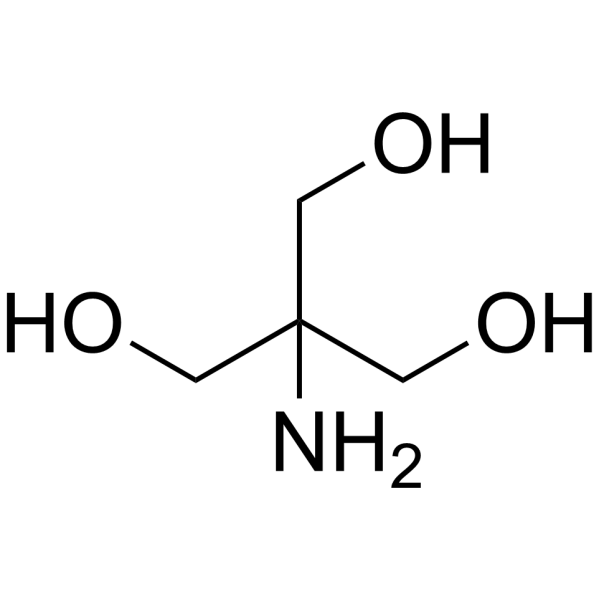
THAM (Tris) is a low-toxicity amino alcohol buffer, a specific CO2-consuming proton acceptor that buffers carbon dioxide and acid both in vitro and in vivo. THAM binds protons to form bicarbonate, reduces PaCO2, and induces intracellular alkalization, thereby ameliorating hypercapnia-induced elevation of pulmonary blood vessels and pulmonary arterial pressure. THAM may cause PaCO2 rebound, hypoglycemia, and respiratory depression. THAM removes amniotic epithelium and preserves the basement membrane, but depletes extracellular matrix and reduces the adhesion rate of limbal epithelial cells. THAM can act as a CO2 carrier to enhance the productivity and carbon utilization rate of Scenedesmus obliquus. THAM is a key component of buffer solutions used in various biological, cell culture, biochemical, and molecular biology applications .
loading...
    loading...
3
3 Cited Publications
Cat. No.: HY-D1056D
Synonyms: LPS, from Porphyromonas gingivalis
Lipopolysaccharides, from P. gingivalis (LPS, from Porphyromonas gingivalis) are endotoxins and TLR4 activators extracted from Porphyromonas gingivalis (P. gingivalis) and are classified as S (smooth) type LPS. Lipopolysaccharides, from P. gingivalis possess the typical three-part structure: O-antigen, core oligosaccharide, and lipid A. Lipopolysaccharides, from P. gingivalis activate TLR-4 in immune cells and are important virulence factors in the mechanism of periodontal disease. Lipopolysaccharides, from P. gingivalis can be used in research related to periodontitis .
It is recommended to prepare a solution with concentration ≥2 mg/mL. Vortex thoroughly for more than 10 minutes. Due to the adsorption characteristics of LPS, silanized container or low adsorption centrifuge tubes should be used for aliquoting and storage, and mix thoroughly before use.
loading...
    loading...

