
1350 Results for "

induction

" in MedChemExpress (MCE) Product Catalog:
Products (1350)

1350 Results for "induction" in MCE Product Catalog:

Cat. No.: HY-154425
CAS No.: 2389988-75-2
Research Areas:  

Others

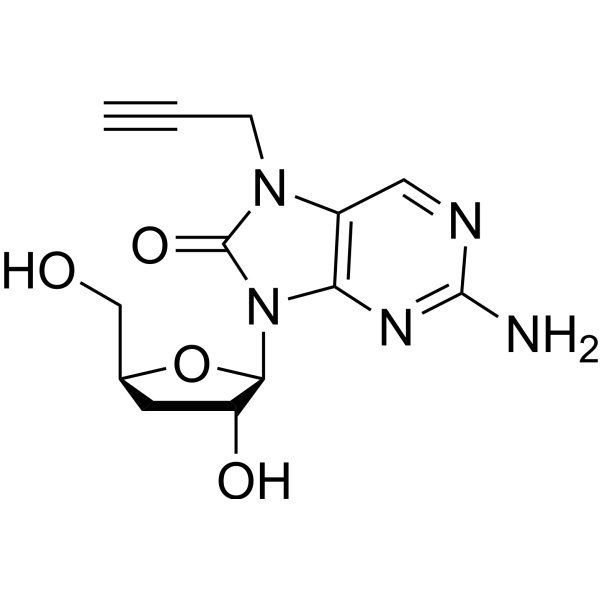
2-Amino-7-propargyl-7,8-dihydro-8-oxo-9-(beta-D-3-deoxy-ribofuranosyl)purine is a purine nucleoside analog. Purine nucleoside analogs have broad antitumor activity targeting indolent lymphoid malignancies. Anticancer mechanisms in this process rely on inhibition of DNA synthesis, induction of apoptosis, etc . 2-Amino-7-propargyl-7,8-dihydro-8-oxo-9-(beta-D-3-deoxy-ribofuranosyl)purine is a click chemistry reagent, it contains an Alkyne group and can undergo copper-catalyzed azide-alkyne cycloaddition (CuAAc) with molecules containing Azide groups.
loading...
    loading...
Cat. No.: HY-15763R
CAS No.: 571203-78-6
Erastin (Standard) is the analytical standard of Erastin (HY-15763). This product is intended for research and analytical applications. Erastin is a ferroptosis inducer. Erastin exhibits the mechanism of ferroptosis induction related to ROS and iron-dependent signaling. Erastin inhibits voltage-dependent anion channels (VDAC2/VDAC3) and accelerates oxidation, leading to the accumulation of endogenous reactive oxygen species. Erastin also disrupts mitochondrial permeability transition pore (mPTP) with anti-tumor activity. Furthermore, Erastin can block the uptake of cystine mediated by SLC7A11 and also spares UMRC6-EV and -C91A cells from disulfidptosis under glucose starvation .
loading...
    loading...
Cat. No.: HY-177477
CAS No.: 21056-79-1
2,5-Epidithia-3,6-dioxopiperazine (Formula 15) is a derivative of Epidithiodioxopiperazine (ETP). 2,5-Epidithia-3,6-dioxopiperazine improves intracellular penetration and restores the activity of 2-Cys-Prx (especially Peroxiredoxin II (PrxII)) of form simulation in cells. 2,5-Epidithia-3,6-dioxopiperazine inhibits PDGF-induced proliferation and migration in vascular smooth muscle cells while promoting these actions in endothelial cells with VEGF induction. 2,5-Epidithia-3,6-dioxopiperazine effectively inhibits the proliferation and migration and lung metastasis of melanoma cells. 2,5-Epidithia-3,6-dioxopiperazine can be used for vascular diseases such as hypertension, angina pectoris and myocardial infarction research .
loading...
    loading...
Cat. No.: HY-179498
ROCK2-IN-13 is a selective ROCK2 inhibitor. ROCK2-IN-13 reduces nuclear expression by disrupting the interaction of ROCK2 with transcriptional co activators p300> and PGC 1α, repressing oncogenic transcription. ROCK2-IN-13 activates FOXO1 driven PTEN expression, leading to suppression of the PI3K/Akt pathway, induction of G2/M cell cycle arrest, and promotion of apoptosis. ROCK2-IN-13 ablates the nuclear transcriptional function of ROCK2 that sustains oncogenic signaling and restores the tumor suppressive PTEN/FOXO1 axis. ROCK2-IN-13 can be used for prostate cancer reseach .
loading...
    loading...
Cat. No.: HY-180576
CAS No.: 2231746-53-3
Nurr1/RXR dual agonist 1 is a dual activator of Nurr1 (EC50 = 2.6 µM) and RXR with K s of 0.6 and 1.1 µM, respectively. Nurr1/RXR dual agonist 1 exclusively activates the heterodimer response element DR5 by selectively destabilizing the Nurr1 homodimer and stabilizing the Nurr1:RXR heterodimer. Nurr1/RXR dual agonist 1 enhances expression of a specific subset of neuroprotective Nurr1 target genes while avoiding induction of genes associated with potential off-target effects in neuronal cells. Nurr1/RXR dual agonist 1 can be used for neurodegenerative diseases research .
loading...
    loading...
Cat. No.: HY-B1777S
CAS No.: 93827-50-0
Synonyms: NSC 268508-15N2; Neuridine-15N2
Spermine- 15N2 (NSC 268508- 15N2) is the 15N-labeled Spermine (HY-B1777). Spermine is a natural antioxidant and anti-inflammatory agent. Spermine is known to inhibit some bacterial cultures, especially strains of Staphylococcus aureus. Spermine induces neurotoxicity in the striarum dose-dependently. Spermine can reversibly inhibits DNA synthetic response, mixed lymphocyte response and the induction of cytolytic lymphocyte response in primary cultures of murine spleen cells. Spermine tetrahydrochloride is a polyamine nitric oxide donor that can provide nitric oxide to platelets and inhibit platelet activation to a certain extent concentration-dependently. Spermine tetrahydrochloride occurs in mammalian tissues, plants, bacteria, ribosomes and bacteriophage. Spermine tetrahydrochloride inhibits primary human embryo lung fibroblasts in vitro .
loading...
    loading...
Cat. No.: HY-W753593
N4-Acetylcytidine- 13C5 is the 13C-labeled N4-Acetylcytidine (HY-W019670). N4-acetylcytidine (N4A) is an endogenous nucleoside metabolite from the degradation of tRNA. N4-Acetylcytidine is formed by N-acetyltransferase 10 and other enzymes. N4-acetylcytidine might sustain NLRP3 inflammasome activation via induction of HMGB1 expression and releasee. N4-Acetylcytidine modifies mRNA, tRNA and rRNA, affecting their stability, translation efficiency (such as enterovirus 71 RNA). N4-Acetylcytidine is used in the study of cancer, neuroinflammatory diseases, viral infections and obesity .
loading...
    loading...
Cat. No.: HY-120281
CAS No.: 2126038-25-1
Target:  

MEK PI3K Akt Apoptosis Caspase

Research Areas:  

Cancer

ST-168 is an orally active MEK/PI3K inhibitor with an IC50 of 182 nM against MEK1 and IC50 values ​​of 69.2, 41.7, 1482 and 2293 nM against PI3Kα, PI3Kδ, PI3Kβ and PI3Kγ respectively. ST-168 completely inhibits the phosphorylation of ERK1/2 and AKT and induces cancer cell death in a 3D tumor sphere model. ST-168 demonstrates significant antitumor effects in the A375 melanoma mouse model. ST-168 improves the ocular toxicity profile of MEK inhibitors, showing lower caspase activation levels, indicating reduced apoptosis induction. ST-168 can be used in melanoma research .
loading...
    loading...
Cat. No.: HY-121656
CAS No.: 56600-73-8
Target:  

17β-HSD

Research Areas:  

Cancer

AKR1C2/3-IN-2 is a potential AKR1C3 inhibitor with selective AKR1C3 activity. AKR1C2/3-IN-2 is able to block AKR1C3-mediated testosterone (T) production and PSA induction, affecting the endocrine activity of prostate cancer cells. AKR1C2/3-IN-2 shows selectivity over other AKR1C enzymes, indicating its potential application in inhibiting drug-resistant prostate cancer. AKR1C2/3-IN-2 has no inhibitory activity against COX isomerases, further emphasizing its specificity as a prostate cancer inhibitory compound .
loading...
    loading...
Cat. No.: HY-154310
Research Areas:  

Cancer

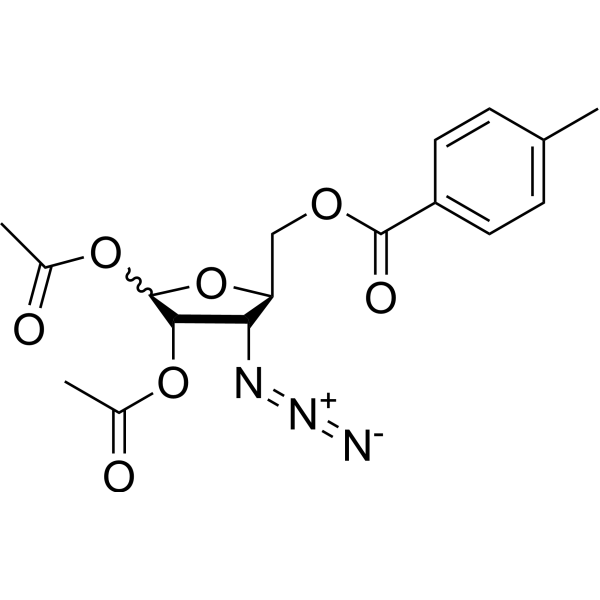
1,2-Di-O-acetyl-3-azido-3-deoxy-5-O-(4-methyl) benzoyl-L-ribofuranose is a purine nucleoside analog. Purine nucleoside analogs have broad antitumor activity targeting indolent lymphoid malignancies. Anticancer mechanisms in this process rely on inhibition of DNA synthesis, induction of apoptosis, etc . 1,2-Di-O-acetyl-3-azido-3-deoxy-5-O-(4-methyl) benzoyl-L-ribofuranose is a click chemistry reagent, it contains an Azide group and can undergo copper-catalyzed azide-alkyne cycloaddition reaction (CuAAc) with molecules containing Alkyne groups. It can also undergo strain-promoted alkyne-azide cycloaddition (SPAAC) reactions with molecules containing DBCO or BCN groups.
loading...
    loading...
Cat. No.: HY-154318
CAS No.: 120143-22-8
Research Areas:  

Cancer

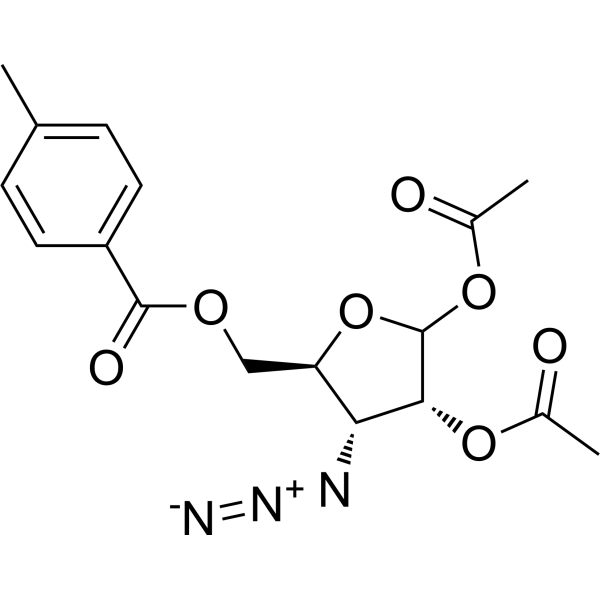
1,2-Di-O-acetyl-3-azido-3-deoxy-5-O-(4-methyl)benzoyl-D-ribofuranose is a purine nucleoside analog. Purine nucleoside analogs have broad antitumor activity targeting indolent lymphoid malignancies. Anticancer mechanisms in this process rely on inhibition of DNA synthesis, induction of apoptosis, etc . 1,2-Di-O-acetyl-3-azido-3-deoxy-5-O-(4-methyl)benzoyl-D-ribofuranose is a click chemistry reagent, it contains an Azide group and can undergo copper-catalyzed azide-alkyne cycloaddition reaction (CuAAc) with molecules containing Alkyne groups. It can also undergo strain-promoted alkyne-azide cycloaddition (SPAAC) reactions with molecules containing DBCO or BCN groups.
loading...
    loading...
Cat. No.: HY-154341
CAS No.: 2095417-30-2
Research Areas:  

Others

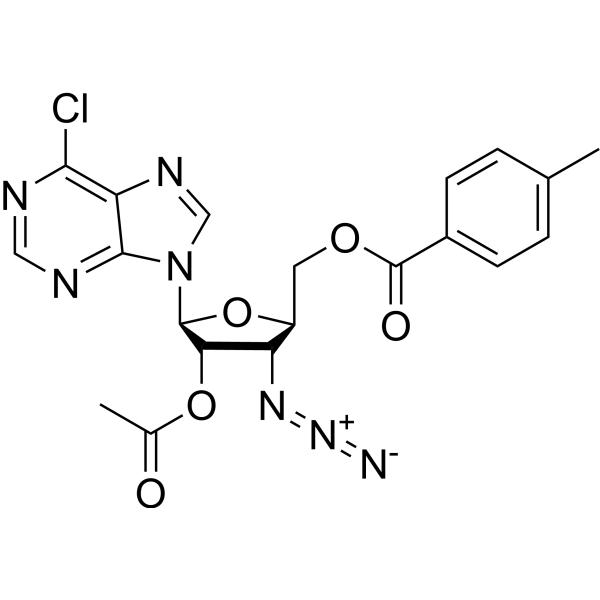
9-[2'-O-Acetyl-3'-azido-3'-deoxy-5'-O-toluoyl-b-L-ribofuranosyl)-6-chloropurine is a purine nucleoside analog. Purine nucleoside analogs have broad antitumor activity targeting indolent lymphoid malignancies. Anticancer mechanisms in this process rely on inhibition of DNA synthesis, induction of apoptosis, etc . 9-[2'-O-Acetyl-3'-azido-3'-deoxy-5'-O-toluoyl-b-L-ribofuranosyl)-6-chloropurine is a click chemistry reagent, it contains an Azide group and can undergo copper-catalyzed azide-alkyne cycloaddition reaction (CuAAc) with molecules containing Alkyne groups. It can also undergo strain-promoted alkyne-azide cycloaddition (SPAAC) reactions with molecules containing DBCO or BCN groups.
loading...
    loading...
Cat. No.: HY-154678
CAS No.: 1333126-30-9
Research Areas:  

Cancer

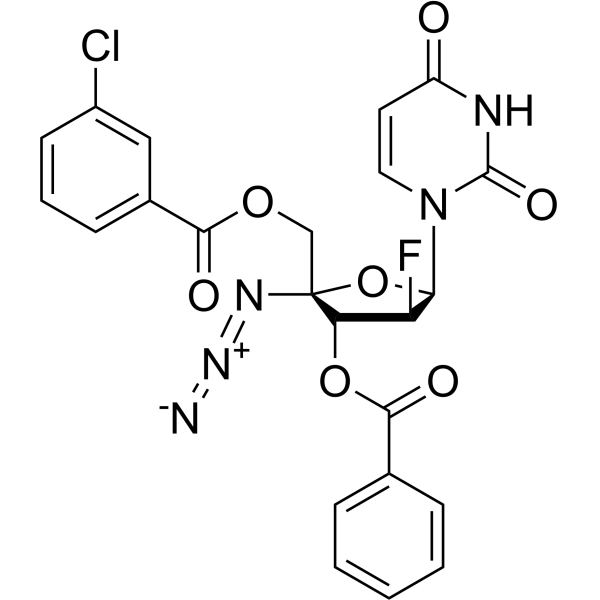
4’-Azido-3’-O-benzoyl-5’-O-(m-chlorobenzoyl)-2’-deoxy-2’-fluoro-beta-D-arabinouridine is a purine nucleoside analog. Purine nucleoside analogs have broad antitumor activity targeting indolent lymphoid malignancies. Anticancer mechanisms in this process rely on inhibition of DNA synthesis, induction of apoptosis, etc . 4’-Azido-3’-O-benzoyl-5’-O-(m-chlorobenzoyl)-2’-deoxy-2’-fluoro-beta-D-arabinouridine is a click chemistry reagent, it contains an Azide group and can undergo copper-catalyzed azide-alkyne cycloaddition reaction (CuAAc) with molecules containing Alkyne groups. It can also undergo strain-promoted alkyne-azide cycloaddition (SPAAC) reactions with molecules containing DBCO or BCN groups.
loading...
    loading...
Cat. No.: HY-125539
CAS No.: 16891-85-3
Roridin E is a glucose-6-phosphatase (G6Pase) inhibitor and antibiotic, and is a metabolic byproduct of Roridin A (HY-N9599). Roridin E induces significant oxidative stress, characterized by depletion of glutathione in vivo, induction of hepatic lipid peroxidation, and inhibition of renal superoxide dismutase activity. Roridin E reduces blood glucose levels in rats, but exhibits acute toxicity (which is enhanced when co-administered with linoleic acid (HY-N0729)) and causes hepatotoxicity in male albino mice. Roridin E induces a decrease in total blood protein and increases in the levels of total lipids, γ-glutamyltransferase, alkaline phosphatase, and 5'-nucleotidase. Roridin E can be isolated from molds, and possesses cytostatic and antifungal activities similar to those of Verrucarin A (HY-107426) and Roridin A. Roridin E exhibits in vivo activity in rodents and is commonly used in hepatotoxicity-related studies .
loading...
    loading...
Cat. No.: HY-12708R
CAS No.: 50-53-3
Chlorpromazine (Standard) is the analytical standard of Chlorpromazine (HY-12708). This product is intended for research and analytical applications. Chlorpromazine is an orally active, blood-brain barrier-transparent antipsychotic agent that effectively antagonises D2 dopamine receptors and 5-HT2A, which is widely used in schizophrenia and other psychiatric disorders. Chlorpromazine exerts anti-cancer activity through a variety of pathways, including anti-proliferation, induction of autophagy and cycle arrest (G2-M phase), inhibition of cytochrome c oxidase (CcO), inhibition of tumour growth and metastasis, and inhibition of tumour immune escape. Chlorpromazine also blocks hNav1.7 channels (IC50=25.9 μM; concentration-dependent) and HERG potassium channels (IC50=21.6 μM), which has potential for analgesic and cardiac arrhythmic studies. Chlorpromazine also can inhibit clathrin-mediated endocytosis .
loading...
    loading...
Cat. No.: HY-13610AR
CAS No.: 156886-85-0
Synonyms: Diethylnorspermine tetrahydrochloride (Standard); DENSPM tetrahydrochloride (Standard); BENSPM tetrahydrochloride (Standard)
Research Areas:  

Cancer

N1,N11-Diethylnorspermine (tetrahydrochloride) (Standard) is the analytical standard of N1,N11-Diethylnorspermine (tetrahydrochloride). This product is intended for research and analytical applications. N1, N11-Diethylnorspermine tetrahydrochloride (DENSPM tetrahydrochloride) is a potent anticancer agent. N1,N11-Diethylnorspermine tetrahydrochloride activates polyamine catabolism and downregulates mTOR protein. N1,N11-Diethylnorspermine tetrahydrochloride induces the release of cytochrome c from mitochondria, resulting in activation of caspase 3. N1,N11-Diethylnorspermine tetrahydrochloride kills glioblastoma multiforme (GBM) through induction of SSAT (spermidine/spermine N1-acetyltransferase) coupled with H2O2 production .
loading...
    loading...
Cat. No.: HY-148511
CAS No.: 147063-80-7
Synonyms: CMP-001
Vidutolimod (CMP-001) is a virus-like particle containing a TLR9 activator . Vidutolimod induces human peripheral blood mononuclear cells to secrete IFNα, and upregulates the gene expression of CXCL10, PDL1, IDO and CD80. Vidutolimod activates TLR9, which in turn triggers plasmacytoid dendritic cell activation, production of IFNγ and TNFα, induction of CXCL10, and recruitment of antitumor T cells. Vidutolimod causes influenza-like symptoms, hypotension and tumor regression, and its activity depends on the presence of anti- antibodies. Vidutolimod modulates monocyte function, promotes CD4 T cell proliferation, and activates multiple immune cell types in an environment with anti-Qβ antibodies. Vidutolimod prolongs the survival of tumor-bearing mice. Vidutolimod is used in research related to advanced melanoma, head and neck squamous cell carcinoma, and advanced non-small cell lung cancer .
loading...
    loading...
Cat. No.: HY-15772G
CAS No.: 1421373-65-0
Synonyms: AZD-9291 (GMP); Mereletinib (GMP)
Osimertinib (AZD-9291; Mereletinib) GMP is the GMP level of Osimertinib (HY-15772). GMP small molecules works appropriately as an auxiliary reagent for cell research manufacture. Osimertinib GMP is an inhibitor that selectively targets EGFR T790M and activated EGFR mutants. Osimertinib GMP exerts multiple anti-tumor mechanisms, including radiosensitization, induction of apoptosis and ferroptosis, as well as inhibition of cancer stemness. Osimertinib GMP suppresses EGFR nuclear translocation and downstream survival signaling pathways, significantly reduces cell viability and lipid droplet content, and also exerts synergistic effects with radiotherapy or specific targeted agents to effectively overcome drug resistance and radioresistance. Formulations of Osimertinib GMP modified with liposomes or iRGD enable sustained release, tumor-specific accumulation, and breakthrough of the blood-brain barrier limitation. Osimertinib GMP can be used in research related to radioresistant glioblastoma and non-small cell lung cancer .
loading...
    loading...
Cat. No.: HY-B0407AR
CAS No.: 69-09-0
Chlorpromazine (hydrochloride) (Standard) is the analytical standard of Chlorpromazine (hydrochloride). This product is intended for research and analytical applications. Chlorpromazine hydrochloride is an orally active, blood-brain barrier-transparent antipsychotic agent that effectively antagonises D2 dopamine receptors and 5-HT2A, which is widely used in schizophrenia and other psychiatric disorders. Chlorpromazine hydrochloride exerts anti-cancer activity through a variety of pathways, including anti-proliferation, induction of autophagy and cycle arrest (G2-M phase), inhibition of cytochrome c oxidase (CcO), inhibition of tumour growth and metastasis, and inhibition of tumour immune escape. Chlorpromazine hydrochloride also blocks hNav1.7 channels (IC50=25.9 μM; concentration-dependent) and HERG potassium channels (IC50=21.6 μM), which has potential for analgesic and cardiac arrhythmic studies. Chlorpromazine hydrochloride also can inhibit clathrin-mediated endocytosis .
loading...
    loading...
Cat. No.: HY-N0837R
CAS No.: 60-70-8
Synonyms: NSC17821 (Standard); NSC23880 (Standard)
Veratramine (NSC17821; NSC23880) (Standard) is the analytical standard of Veratramine (HY-N0837). This product is intended for research and analytical applications. Veratramine (NSC17821; NSC23880) is an orally active inhibitor of the PI3K/Akt/mTOR signaling pathway and a SIGMAR1 modulator. Veratramine induces autophagic apoptosis of tumor cells, arrests the cell cycle at the G0/G1 phase, and inhibits epithelial-mesenchymal transition (EMT)-related proteins to reduce tumor migration. Veratramine reduces spinal cord and sciatic nerve pathological damage in a neuropathy model by inhibiting SIGMAR1 binding to NMDAR and phosphorylation of NMDAR Ser896. Veratramine has anti-tumor proliferation, apoptosis induction, anti-inflammatory and neuroprotective activities, and can be used in the study of cancers such as liver cancer and osteosarcoma, as well as diabetic peripheral neuropathy .
loading...
    loading...

