1. Search Result
Search Result
Results for "

70S

" in MedChemExpress (MCE) Product Catalog:

84

Inhibitors & Agonists

11

Peptides

1

MCE Kits

23

Natural
Products

3

Recombinant Proteins

1

Isotope-Labeled Compounds

12

Antibodies

Cat. No. Product Name Target Research Areas Chemical Structure
  • HY-16566A
    Kanamycin sulfate
    Maximum Cited Publications
    29 Publications Verification

    Kanamycin A sulfate

    Bacterial Antibiotic Infection
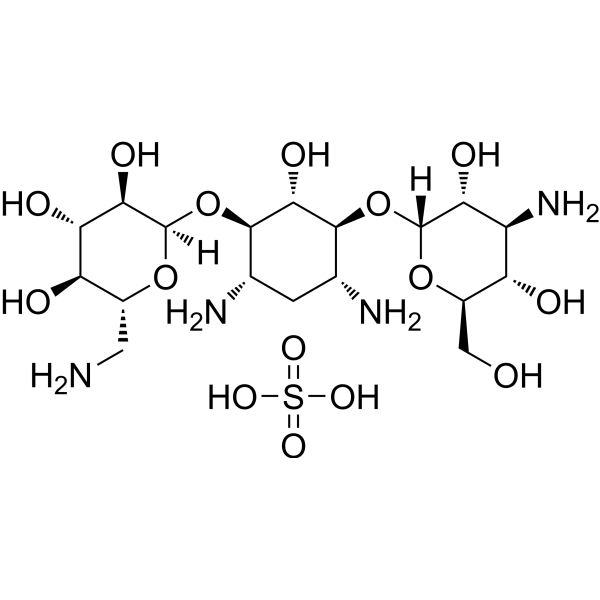
    Kanamycin (Kanamycin A) sulfate is an orally active antibacterial (gram-negative/positive bacteria) agent, inhibits translocation and causes misencoding by binding to the 70 S ribosomal subunit. Kanamycin sulfate shows good inhibitory activity to both M. tuberculosis (sensitive and drug-resistant ) and K. pneumonia, which can be used in studies of tuberculosis and pneumonia .
    Kanamycin sulfate
  • HY-16566
    Kanamycin
    25+ Cited Publications

    Kanamycin A

    Antibiotic Bacterial Infection Inflammation/Immunology
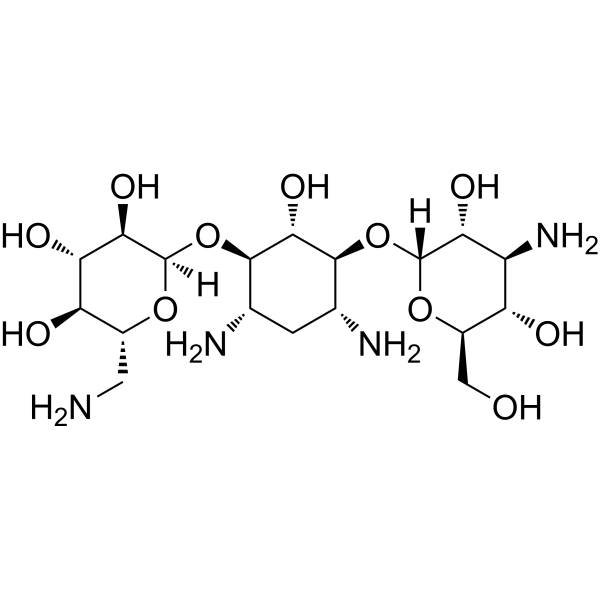
    Kanamycin (Kanamycin A) is an orally active antibacterial (gram-negative/positive bacteria) agent, inhibits translocation and causes misencoding by binding to the 70 S ribosomal subunit. Kanamycin shows good inhibitory activity to both M. tuberculosis (sensitive and drug-resistant ) and K. pneumonia, which can be used in studies of tuberculosis and pneumonia .
    Kanamycin
  • HY-13595
    Chrysophanol
    5+ Cited Publications

    Chrysophanic acid

    EGFR Cancer
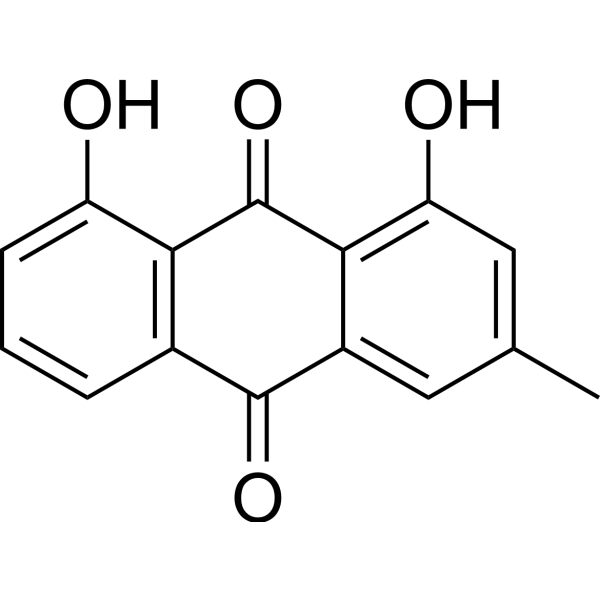
    Chrysophanol (Chrysophanic acid) is a natural anthraquinone, which inhibits EGF-induced phosphorylation of EGFR and suppresses activation of AKT and mTOR/p70S6K.
    Chrysophanol
  • HY-158426
    2-APQC
    1 Publications Verification

    Sirtuin Cardiovascular Disease
    2-APQC is an orally active and selective agonist of Sirtuin-3 (SIRT3) (Kd=2.756 μM), antagonizes Isoproterenol/ISO (HY-B0468)-induced cytotoxicity. 2-APQC activates the SIRT3-PYCR1 axis to enhance mitochondrial proline metabolism and inhibit the ROS-p38MAPK pathway by inhibiting signaling pathways such as mTOR-p70S6K, JNK, and TGF-β/Smad3. 2-APQC also activates the AMPK-Parkin axis to alleviate myocardial hypertrophy and fibrosis and protect cardiac function. 2-APQC can be used in the study of heart failure .
    2-APQC
  • HY-128574

    DS11252927

    GLUT PI3K Akt Metabolic Disease
    D927 (DS11252927) is an orally active glucose transporter type 4 (GLUT4) translocation activator with an EC50 of 0.14 μM. D927 enhances the binding affinity of PI3Kα catalytic subunit p110α to canonical RAS proteins (KRAS4A, KRAS4B) and RRAS, RRAS2, MRAS. D927 activates the PI3Kα-AKT pathway (increasing phosphorylation of AKT, p70S6 kinase) without affecting the RAF-ERK1/2 pathway. D927 improves hyperglycemia in type 1 and type 2 diabetes mice model. D927 can be used for the study of glucose homeostasis disorders and diabetes .
    D927
  • HY-13858A
    Sarecycline hydrochloride
    4 Publications Verification

    P-005672 hydrochloride

    Antibiotic Bacterial DNA/RNA Synthesis Infection
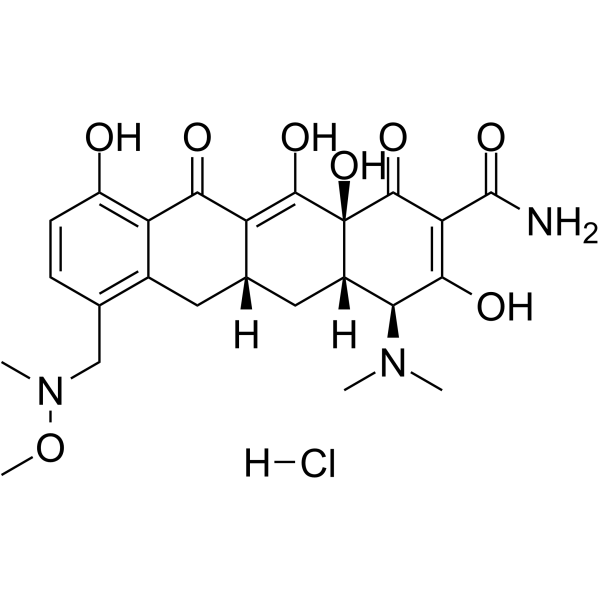
    Sarecycline hydrochloride is an orally active narrow-spectrum tetracycline derivative antibiotic. Sarecycline hydrochloride has anti-inflammatory activity. Sarecycline hydrochloride inhibits the activity of Gram-positive bacteria and several types of keratobacterium acnes. Sarecycline hydrochloride interferes with tRNA accommodation and tethers mRNA to the 70S ribosome. Sarecycline hydrochloride can be used to study moderate to severe acne .
    Sarecycline hydrochloride
  • HY-12493A
    LY-2584702 tosylate salt
    5 Publications Verification

    Ribosomal S6 Kinase (RSK) Cancer
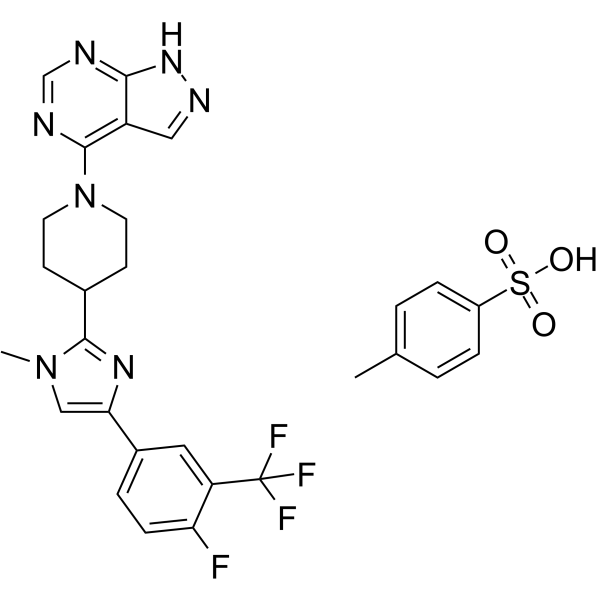
    LY-2584702 tosylate salt is a selective ATP competitive inhibitor of p70S6K with an IC50 of 4 nM. In S6K1 enzyme assay, the IC50 of LY-2584702 is 2 nM.
    LY-2584702 tosylate salt
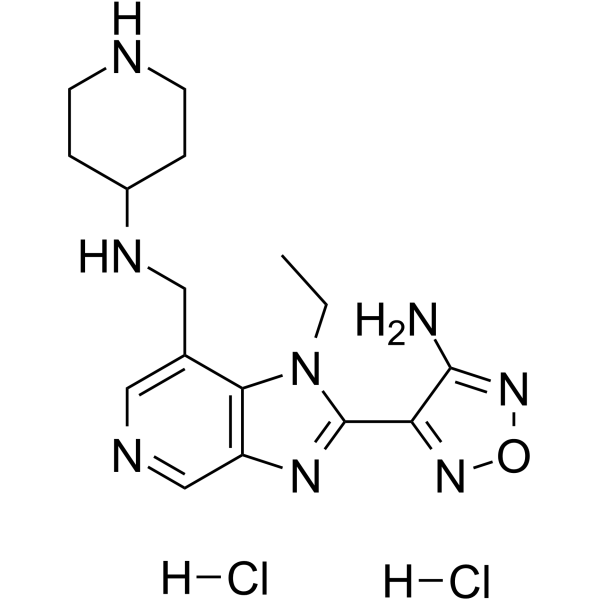
  • HY-16071
    AT13148
    2 Publications Verification

    Akt PKA ROCK Ribosomal S6 Kinase (RSK) Cancer
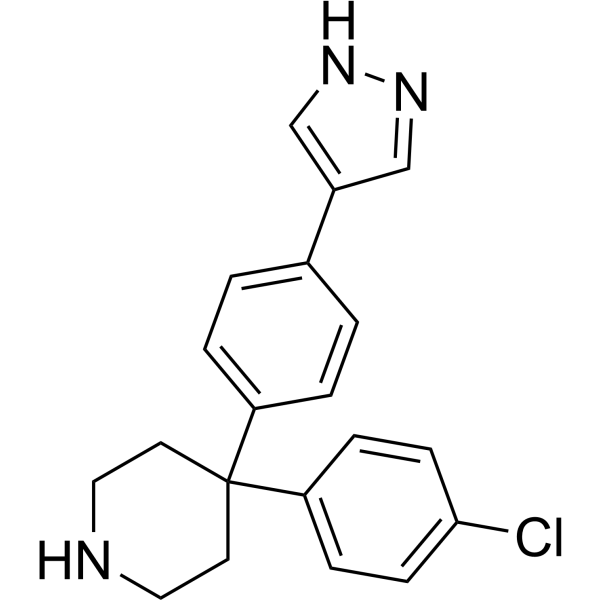
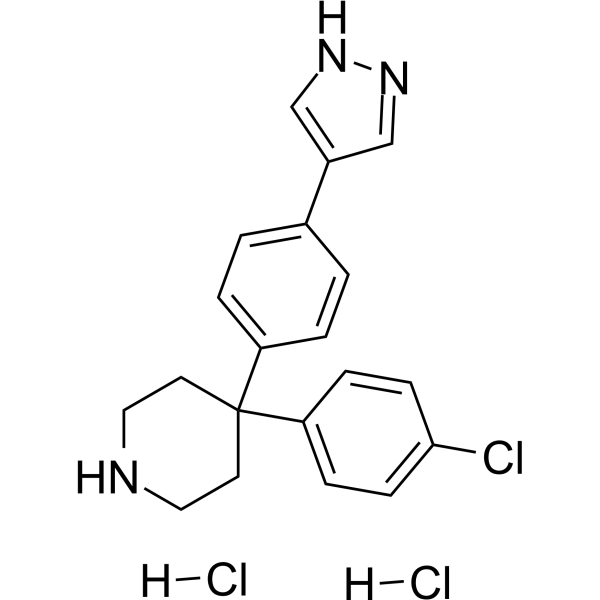
    AT13148 is an orally active and ATP-competitive, multi-AGC kinase inhibitor with IC50s of 38 nM/402 nM/50 nM, 8 nM, 3 nM, and 6 nM/4 nM for Akt1/2/3, p70S6K, PKA, and ROCKI/II, respectively.
    AT13148
  • HY-N0847
    Micheliolide
    5+ Cited Publications

    NF-κB PI3K Akt TGF-beta/Smad Inflammation/Immunology Cancer
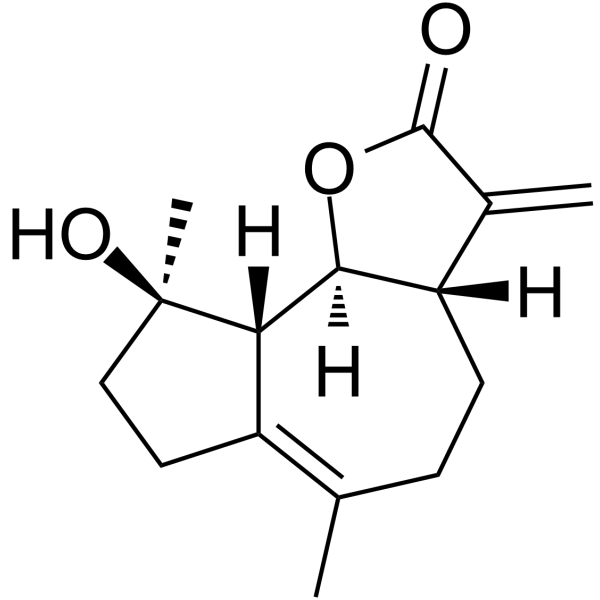
    Micheliolide is a sesquiterpene lactone with anti-cancer and anti-inflammatory effects, which is derived from Michelia compressa and Michelia champaca. Micheliolide can attenuate high glucose-stimulated NF-κB activation, IκBα degradation, and the expression of MCP-1, TGF-β1, and FN in mouse mesangial cells. Micheliolide inhibits LPS (HY-D1056)-induced activation of NF-κB and PI3K/Akt/p70S6K pathways to play an anti-inflammatory role. Micheliolide inhibits dextran sodium sulphate (DSS) (HY-116282)-induced inflammatory intestinal disease, colitis-associated cancer and rheumatic arthritis .
    Micheliolide
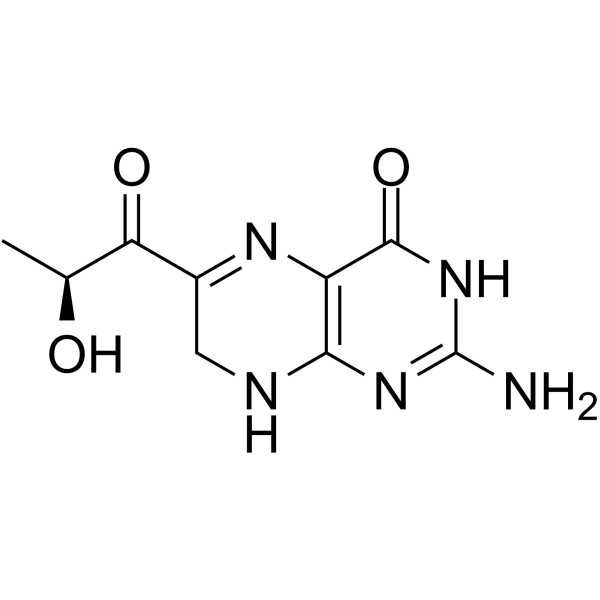
  • HY-112234
    L-Sepiapterin
    1 Publications Verification

    Sepiapterin

    Endogenous Metabolite Cancer
    L-Sepiapterin (Sepiapterin), is a phenylalanine hydroxylase activator, is a precursor of the endothelial nitric oxide synthase (eNOS) cofactor tetrahydrobiopterin (BH4). L-Sepiapterin improves endothelial dysfunction in small mesenteric arteries from db/db mice, and induces angiogenesis. L-Sepiapterin inhibits cell proliferation and migration of ovarian cancer cells via down-regulation of p70 S6K-dependent VEGFR-2 expression. L-Sepiapterin can be used for the study of hyperphenylalaninemia .
    L-Sepiapterin
  • HY-B1864A
    Kasugamycin hydrochloride
    1 Publications Verification

    Ksg hydrochloride

    Environmental Pollutants Antibiotic Bacterial Infection
    Kasugamycin (Ksg) hydrochloride hydrate is an antibiotic that binds to 30s and 70s ribosomes but not to the 50s subunit, and has anti-infective activity. Kasugamycin hydrochloride hydrate mimics mRNA nucleotides, disrupts tRNA binding and inhibits canonical translation initiation. Kasugamycin hydrochloride hydrate increases the sensitivity of mycobacteria to Rifampicin (HY-B0272) in vitro and in mouse infection models .
    Kasugamycin hydrochloride
  • HY-14774
    Monepantel
    1 Publications Verification

    AAD1566; NUZ-001

    mTOR Parasite nAChR Autophagy Infection Neurological Disease Cancer
    Monepantel (AAD1566, NUZ-001), an antiparasitic agent, is an orally active mTOR inhibitor. Monepantel triggers autophagy through the deactivation of mTOR/p70S6K signalling pathway. Monepantel is a positive allosteric modulator of a nematode-specific clade of nAChR subunits. Monepantel can be used for the study of amyotrophic lateral sclerosis (ALS) and ovarian cancer .
    Monepantel
  • HY-13260
    CCT128930
    5+ Cited Publications

    Akt Autophagy Apoptosis Cancer
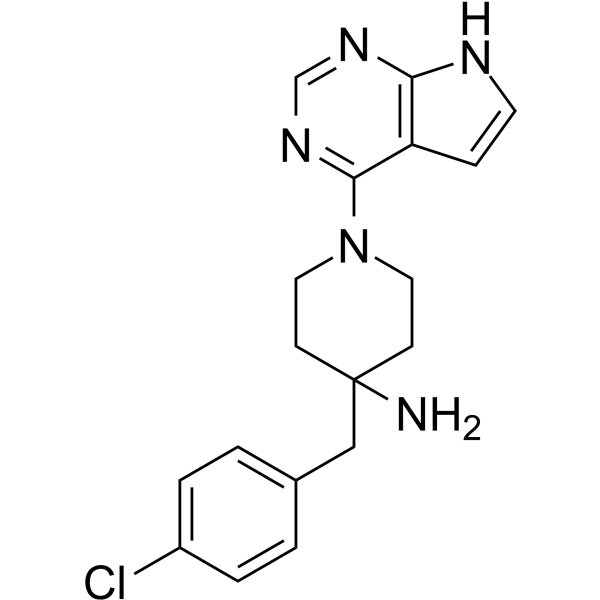
    CCT128930 is a ATP-competitive and selective inhibitor of AKT (IC50=6 nM for AKT2). CCT128930 has 28-fold selectivity over the closely related PKA kinase (IC50=168 nM) through the targeting of Met282 of AKT (Met173 of PKA-AKT chimera), as well as 20-fold selectivity over p70S6K (IC50=120 nM). Antitumor activity.
    CCT128930
  • HY-B1864B
    Kasugamycin hydrochloride hydrate
    1 Publications Verification

    Ksg hydrochloride hydrate

    Antibiotic Bacterial Infection
    Kasugamycin (Ksg) hydrochloride hydrate is an antibiotic that binds to 30s and 70s ribosomes but not to the 50s subunit, and has anti-infective activity. Kasugamycin hydrochloride hydrate mimics mRNA nucleotides, disrupts tRNA binding and inhibits canonical translation initiation. Kasugamycin hydrochloride hydrate increases the sensitivity of mycobacteria to Rifampicin (HY-B0272) in vitro and in mouse infection models .
    Kasugamycin hydrochloride hydrate
  • HY-100501
    M2698
    1 Publications Verification

    MSC2363318A

    Ribosomal S6 Kinase (RSK) Akt Cancer
    M2698 (MSC2363318A) is an orally active, ATP competitive, selective p70S6K and Akt dual-inhibitor with IC50s of 1 nM for p70S6K, Akt1 and Akt3. M2698 can cross the blood-brain barrier and has anti-cancer activity .
    M2698
  • HY-110313
    SB-747651A dihydrochloride
    1 Publications Verification

    p38 MAPK Inflammation/Immunology
    SB-747651A dihydrochloride is an ATP-competitive mitogen- and stress-activated kinase 1 (MSK1) inhibitor with an IC50 of 11 nM. SB-747651A dihydrochloride also inhibits PRK2, RSK1, p70S6K and ROCK-II. SB-747651A dihydrochloride can be used for inflammation research .
    SB-747651A dihydrochloride
  • HY-N10303
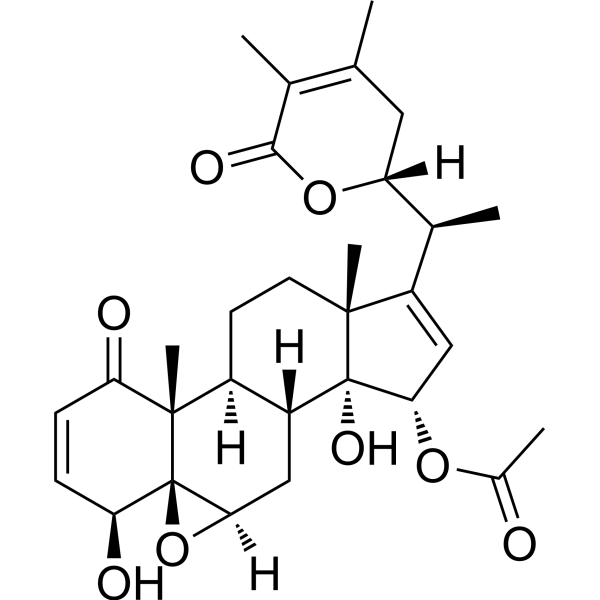
    Withangulatin A
    1 Publications Verification

    COX Parasite Reactive Oxygen Species (ROS) Apoptosis p38 MAPK NF-κB Akt mTOR TGF-beta/Smad Inflammation/Immunology Cancer
    Withangulatin A is the inhibitor for COX-2. Withangulatin A inhibits MAPK, NF-κB, Akt/mTOR/p70S6K pathway, exhibits antitumor, anti-inflammatory and trypanocidal activities .
    Withangulatin A
  • HY-12059
    AT7867
    5 Publications Verification

    Akt PKA Ribosomal S6 Kinase (RSK) Cancer
    AT7867 is a potent ATP-competitive inhibitor of Akt1/Akt2/Akt3 and p70S6K/PKA with IC50s of 32 nM/17 nM/47 nM and 85 nM/20 nM, respectively.
    AT7867
  • HY-N0008

    Wnt p38 MAPK mTOR Keap1-Nrf2 TGF-β Receptor Neurological Disease Metabolic Disease
    Orcinol glucoside is an orally active, blood-brain barrier permeable osteoblast proliferation promoter that targets the Nrf2/Keap1, mTOR and p38 signaling pathways. Orcinol glucoside promotes Nrf2 nuclear translocation, upregulates antioxidant enzyme levels, enhances the phosphorylation of mTOR and p70S6K, and inhibits the enzymatic activity of HAS2 as well as the nuclear translocation of GR. Orcinol glucoside also alleviates oxidative stress, inhibits autophagic flux, osteoclastogenesis and TGF-β1-induced M2 polarization, while reducing collagen deposition and effectively promoting the proliferation, differentiation and mineralization of osteoblasts. Orcinol glucoside also exhibits anti-pulmonary fibrosis, anxiolytic and antidepressant activities. Orcinol glucoside can be used in the research of senile and glucocorticoid-induced osteoporosis, idiopathic pulmonary fibrosis (IPF), anxiety and other related diseases .
    Orcinol glucoside
  • HY-W041994

    Fructose-1,6-bisphosphate aldolase Biochemical Assay Reagents Cancer
    GMBS is a heterobifunctional crosslinker targeting primary amines and sulfhydryl groups. GMBS can be used for chemical crosslinking of proteins and crosslinking mass spectrometry (CXMS) to study protein folding and map interfaces between interacting proteins .
    GMBS
  • HY-118099

    Bacterial Drug Metabolite Infection
    Florfenicol amine hydrochloride is a metabolite of Florfenicol (HY-B1374). Florfenicol inhibits bacterial protein synthesis by binding to 50S and 70S subunits in the ribosome to abolish the activity of peptidyltransferase. Florfenicol, is a veterinary antibiotic, can be used in aquaculture to control susceptible bacterial diseases .
    Florfenicol amine hydrochloride
  • HY-120909

    HSP Apoptosis Cancer
    YK5 is a potent and selective Hsp70 inhibitor. YK5 selectively and tightly binds to the cytosolic Hsp70s in cancer cells. YK5 has biological activity partly by interfering with the formation of active oncogenic Hsp70/Hsp90/client protein complexes .
    YK5
  • HY-N1050

    mTOR Ribosomal S6 Kinase (RSK) Bacterial Infection Neurological Disease Cancer
    Zederone is a sesquiterpene. Zederone inhibits ovarian cancer cell proliferation through mTOR/p70s6K signalling pathway. Zederone inhibits CYP activities with IC50s of 2.9 μM (CYP2B6), 9.2 μM (CYP2C9), 11,2 μM (CYP2C19) and >30 μM (CYP1A2 and CYP2D6). Zederone is hepatotoxic with LD50 value at 24 hours in mice of approximately 223 mg/kg and cytotoxic against the KG1a cell line. Zederone shows antibacterial activity against a number of multi-drug resistant and Methicillin (HY-121544)-resistant Staphylococcus aureus strain. Zederone shows cognition improving capacity and assists in the modulation of gut bacterial dysbiosis .
    Zederone
  • HY-B1864
    Kasugamycin
    1 Publications Verification

    Ksg

    Antibiotic Bacterial Infection
    Kasugamycin (Ksg) is an antibiotic which binds both the 30S and 70S ribosome but not isolated 50S subunits. Kasugamycin mimics mRNA nucleotides to destabilize tRNA binding and inhibit canonical translation initiation .
    Kasugamycin
  • HY-148877

    HSP HSV HIF/HIF Prolyl-Hydroxylase VEGFR NF-κB ERK Akt FAK Infection Inflammation/Immunology Cancer
    AT-533 is a potent Hsp90 and HSV inhibitor. AT-533 suppresses tumor growth and angiogenesis by blocking the HIF-1α/VEGF/VEGFR-2 signaling pathway. AT-533 also inhibits the activation of the downstream pathways, including Akt/mTOR/p70S6K, Erk1/2 and FAK. AT-533 inhibits the tube formation, cell migration, and invasion of human umbilical vein endothelial cells (HUVECs) .
    AT-533
  • HY-134903

    mTOR Cancer
    (32-Carbonyl)-RMC-5552 is a potent mTOR inhibitor. (32-Carbonyl)-RMC-5552 inhibits mTORC1 and mTORC2 substrate (p-P70S6K-(T389), p-4E-BP1-(T37/36), AND p-AKT1/2/3-(S473)) phosphorylation with pIC50s of > 9, >9 and between 8 and 9, respectively (patent WO2019212990A1, example 2) .
    (32-Carbonyl)-RMC-5552
  • HY-14362

    ROCK Ribosomal S6 Kinase (RSK) Cardiovascular Disease
    GSK-25 is a potent, selective and orally bioavailable ROCK1 inhibitor (IC50=7 nM). GSK-25 maintains good selectivity against a panel of 31 kinases (>100 fold), as well as RSK1 and p70S6K (RSK1: IC50=398 nM, p70S6K: IC50=1 μM). GSK-25 inhibits P450 profile (IC50s of 2.5, 5.2, 2.5 µM for CYP2C9, CYP2D6, CYP3A4, respectively) .
    GSK-25
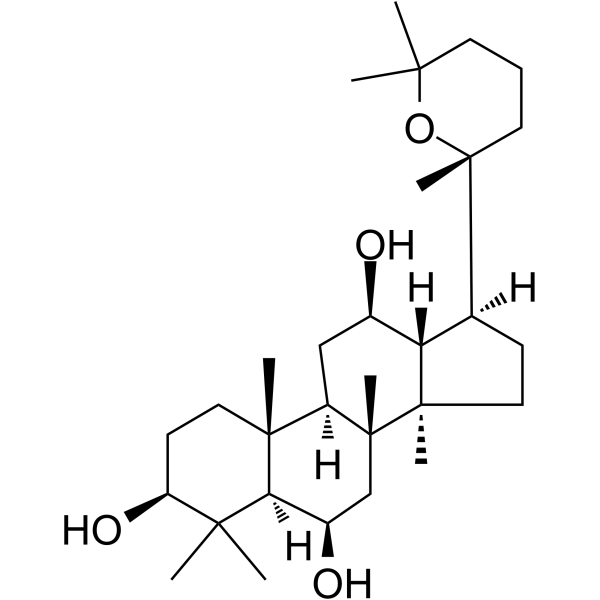
  • HY-N0597
    Panaxatriol
    3 Publications Verification

    Others Insulin Receptor Cardiovascular Disease Others Metabolic Disease Cancer
    Panaxatriol is an orally active insulin sensitizer. Panaxatriol enhances the phosphorylation levels of Akt, insulin receptor and p70S6K in skeletal muscle. Panaxatriol reduces the mRNA expression level of Atrogin1 in skeletal muscle. Panaxatriol induces apoptosis, pre-G1 cell cycle arrest and increased intracellular ROS levels in prostate cancer cells, decreases mitochondrial membrane potential, inhibits cell migration and reduces colony formation. Panaxatriol can be used in research related to insulin resistance, myocardial ischemia/reperfusion injury and prostate cancer .
    Panaxatriol
  • HY-P5723A

    Bacterial Infection
    Api137 TFA is an antimicrobial peptide that interferes with bacterial growth by inhibiting translation. Api137 TFA inhibits protein synthesis by trapping of release factors on the 70S ribosome following hydrolysis of the nascent polypeptide chain .
    Api137 TFA
  • HY-135748A
    Poly (I:C):Kanamycin (1:1) sodium
    Maximum Cited Publications
    56 Publications Verification

    RIG-I-like receptor (RLR) Toll-like Receptor (TLR) Apoptosis Infection Cancer
    Poly (I:C):Kanamycin (1:1) sodium is an isometric complex of Poly (I:C) (HY-135748) and Kanamycin (HY-16566). Poly(I:C) sodium, a synthetic analog of double-stranded RNA, is a TLR3 and retinoic acid-inducible gene I receptor (RIG-I and b>MDA5) agonist. Poly(I:C) sodium can be used as a vaccine adjuvant to enhance innate and adaptive immune responses and induce apoptosis in cancer cells . Kanamycin is an orally active antibacterial agent (Gram-negative/positive bacteria) that inhibits translocation and causes miscoding by binding to the 70S ribosomal subunit. Kanamycin shows good inhibitory activity against Mycobacterium tuberculosis (susceptible and drug-resistant) and Klebsiella pneumoniae, and can be used in the research of tuberculosis and pneumonia .
    Poly (I:C):Kanamycin (1:1) sodium
  • HY-12059A
    AT7867 dihydrochloride
    5 Publications Verification

    Akt PKA Ribosomal S6 Kinase (RSK) Cancer
    AT7867 dihydrochloride is a potent ATP-competitive inhibitor of Akt1/Akt2/Akt3 and p70S6K/PKA with IC50s of 32 nM/17 nM/47 nM and 85 nM/20 nM, respectively.
    AT7867 dihydrochloride
  • HY-152944

    Ribosomal S6 Kinase (RSK) Cancer
    S6K1-IN-DG2 (Compound 66) is a p70S6K inhibitor (IC50: < 100 nM) .
    S6K1-IN-DG2
  • HY-P10042

    Ribosomal S6 Kinase (RSK) Others
    S6K Substrate is a substrate for active protein kinases, including CLK2, MRCKalpha, MRCKbeta, p70S6K, ROCK1, ROCK2, RSK1, RSK3, PIM1 .
    S6K Substrate
  • HY-112400

    BIM V

    Ribosomal S6 Kinase (RSK) Cancer
    Bisindolylmaleimide V is a cell-permeable negative control for protein kinase C inhibition studies with an IC50 value over 100 µM . Bisindolylmaleimide V blocks the activation of mitogen-stimulated protein kinase p70 s6k/p85 s6k (S6K) in vivo with an IC50 of 8 µM .
    Bisindolylmaleimide V
  • HY-13260A
    CCT128930 hydrochloride
    5+ Cited Publications

    Akt Autophagy Apoptosis Cancer
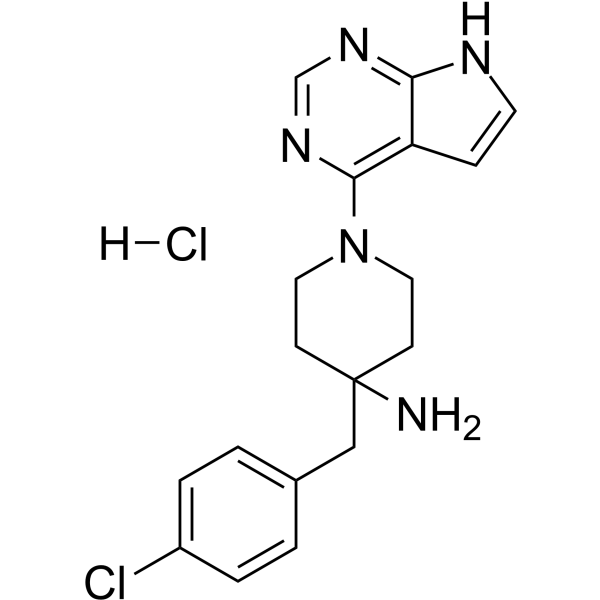
    CCT128930 hydrochloride is a potent and selective inhibitor of AKT (IC50=6 nM). CCT128930 hydrochloride has 28-fold selectivity over the closely related PKA kinase (IC50=168 nM) through the targeting of Met282 of AKT (Met173 of PKA-AKT chimera), as well as 20-fold selectivity over p70S6K (IC50=120 nM). CCT128930 hydrochloride induces cell cycle arrest, DNA damage, and autophagy. Antitumor activity .
    CCT128930 hydrochloride
  • HY-N11709

    Apoptosis VEGFR ATM/ATR PTEN Akt mTOR HIF/HIF Prolyl-Hydroxylase NF-κB Notch Cholinesterase (ChE) Amyloid-β γ-secretase Ferroptosis Fungal Infection Neurological Disease Metabolic Disease Cancer
    Theasaponin E1 is an orally effective tea saponin. Theasaponin E1 inhibits the proliferation of cancer cells by activating apoptosis. Theasaponin E1 inhibits angiogenesis in ovarian cancer cells and HUVECs by reducing the expression of VEGF. Theasaponin E1 upregulates the phosphorylation level of ATM protein and the expression level of PTEN protein in cancer cells, decreases the phosphorylation levels of Akt, mTOR, p70S6K and 4E-BP1 proteins, downregulates the expression of HIF-1α and NF-κB, and reduces the protein expression of Notch ligands Dll4 and Jagged1. Theasaponin E1 exerts neuroprotective effects by inhibiting the activity of acetylcholinesterase, activating α-secretase and neprilysin, reducing the concentration of , and inhibiting the activities of β-secretase and γ-secretase. Theasaponin E1 exhibits toxic effects on cancer cells and quinone reductase-inducing activity, and inhibits tumor growth in vivo. Theasaponin E1 induces ferroptosis in Pomacea canaliculata by synergistically disrupting cholesterol homeostasis and sphingolipid metabolism. Theasaponin E1 possesses anti-biofilm activity against Candida albicans. Theasaponin E1 can be used in the research of ovarian cancer, obesity, Alzheimer's disease and fungal infections .
    Theasaponin E1
  • HY-125416

    Antibiotic Bacterial Infection
    Streptothricin F is a bactericidal antibiotic. Streptothricin F interacts with the 30S subunit of 70S ribosome. Streptothricin F shows rapid, bactericidal activity against highly drug-resistant, carbapenem-resistant Enterobacterales (CRE) (MIC50 and MIC90: 2 and 4 μM, respectively) and Acinetobacter baumannii .
    Streptothricin F
  • HY-130723A

    AMPK Cancer
    AMPK activator 2 (compound 7a) hydrochloride, a fluorine-containing proguanil derivative, up-regulates AMPK signal pathway and downregulates mTOR/4EBP1/p70S6K. AMPK activator 2 hydrochloride inhibits proliferation and migration of human cancer cell lines (UMUC3, T24, A549) .
    AMPK activator 2 hydrochloride
  • HY-13787

    Akt Ribosomal S6 Kinase (RSK) GSK-3 Cancer
    XL-418 is an orally active dual Akt and p70S6K inhibitor with IC50s of 1 nM for Akt1 and 2 nM for p70S6K. XL-418 inhibits the phosphorylation of ribosomal protein S6 and GSK3β. XL-418 can be used for the study of prostate carcinoma and breast cancer .
    XL-418
  • HY-12493

    Ribosomal S6 Kinase (RSK) Cancer
    LY-2584702 free base is a selective ATP competitive inhibitor of p70S6K with an IC50 of 4 nM. In S6K1 enzyme assay, the IC50 of LY-2584702 is 2 nM.
    LY-2584702 free base
  • HY-114038

    p38 MAPK Inflammation/Immunology
    SB-747651A is an ATP-competitive mitogen- and stress-activated kinase 1 (MSK1) inhibitor with an IC50 of 11 nM. SB-747651A also inhibits PRK2, RSK1, p70S6K and ROCK-II. SB-747651A can be used for inflammation research .
    SB-747651A
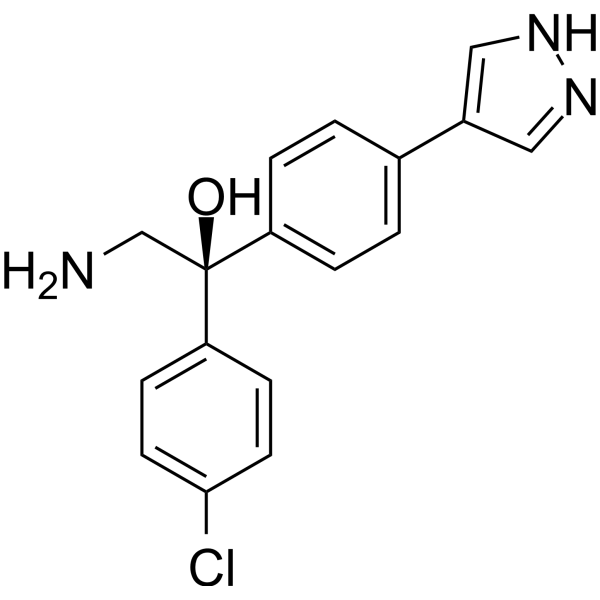
  • HY-126257

    Akt Apoptosis Cancer
    AKT-IN-3 (compound E22) is a potent, orally active low hERG blocking Akt inhibitor, with 1.4 nM, 1.2 nM and 1.7 nM for Akt1, Akt2 and Akt3, respectively. AKT-IN-3 (compound E22) also exhibits good inhibitory activity against other AGC family kinases, such as PKA, PKC, ROCK1, RSK1, P70S6K, and SGK. AKT-IN-3 (compound E22) induces apoptosis and inhibits metastasis of cancer cells .
    AKT-IN-3
  • HY-P5723

    Bacterial Infection
    Api137 is an antimicrobial peptide that interferes with bacterial growth by inhibiting translation. Api137 inhibits protein synthesis by trapping of release factors on the 70S ribosome following hydrolysis of the nascent polypeptide chain .
    Api137
  • HY-16770

    P-005672

    Antibiotic Bacterial DNA/RNA Synthesis Infection
    Sarecycline is an orally effective narrow-spectrum tetracycline derivative antibiotic. Sarecycline has anti-inflammatory activity. Sarecycline inhibits the activity of Gram-positive bacteria and several types of keratobacterium acnes. Sarecycline interferes with tRNA accommodation and tethers mRNA to the 70S ribosome. Sarecycline can be used to study moderate to severe acne .
    Sarecycline
  • HY-B0239S3

    Isotope-Labeled Compounds Bacterial Antibiotic Infection
    Chloramphenicol-d4 is deuterium labeled Chloramphenicol. Chloramphenicol, a broad-spectrum antibiotic, acts as a potent inhibitor of bacterial protein biosynthesis . Chloramphenicol acts primarily on the 50S subunit of bacterial 70S rihosomes and inhibits peptide bond formation by suppressing peptidyl transferase activity .
    Chloramphenicol-d4
  • HY-13595R

    Chrysophanic acid (Standard)

    Reference Standards EGFR Cancer
    Chrysophanol (Standard) is the analytical standard of Chrysophanol. This product is intended for research and analytical applications. Chrysophanol (Chrysophanic acid) is a natural anthraquinone, which inhibits EGF-induced phosphorylation of EGFR and suppresses activation of AKT and mTOR/p70S6K.
    Chrysophanol (Standard)
  • HY-N16459

    Antibiotic Bacterial Infection
    Albomycin δ1 is a selective bacterial ribosome-targeted antibiotic (MIC: 0.0625 μg/mL against S. pneumoniae). Albomycin δ1 exerts bactericidal activity via covalent binding to 70S ribosomes and irreversible inhibition of peptidyl transferase. Albomycin δ1 is promising for research of S. pneumoniae and S. aureus infections .
    Albomycin δ1
  • HY-124348

    3,5-Dimethyl PIT-1

    PI3K Cancer
    DM-PIT-1 is a PIP3/PH (phosphatidylinositol-3,4,5-triphosphate/Pleckstrin) interaction inhibitor. DM-PIT-1 decreases he expression of P-Akt, P-GSK-3-β, P-p70S6K, P-S6, P-4E-BP1. DM-PIT-1 induces apoptosis and shows anticancer activity. DM-PIT-1 has the potential for the research of ovarian cancer .
    DM-PIT-1
  • HY-16566R

    Kanamycin A (Standard)

    Reference Standards Antibiotic Bacterial Infection Inflammation/Immunology
    Kanamycin (Standard) is the analytical standard of Kanamycin. This product is intended for research and analytical applications. Kanamycin (Kanamycin A) is an orally active antibacterial (gram-negative/positive bacteria) agent, inhibits translocation and causes misencoding by binding to the 70 S ribosomal subunit. Kanamycin shows good inhibitory activity to both M. tuberculosis (sensitive and drug-resistant ) and K. pneumonia, which can be used in studies of tuberculosis and pneumonia[1][2][3][4].
    Kanamycin (Standard)
  • HY-173119

    ERK Autophagy Apoptosis p62 mTOR Reactive Oxygen Species (ROS) Ferroptosis Cancer
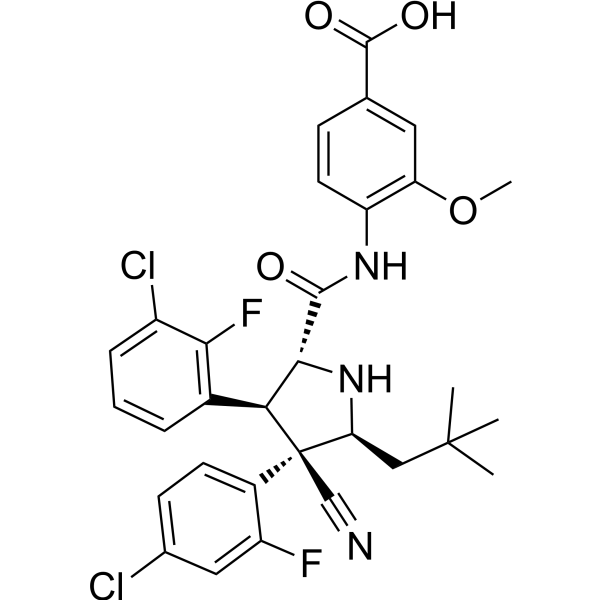
    SKLB-D18 is an orally active ERK1/2/ERK5 inhibitor, with an IC50 of 38.69 nM and a Kd of 126.9 nM against human ERK1, an IC50 of 40.12 nM and a Kd of 209.8 nM against ERK2, and an IC50 of 59.72 nM and a Kd of 468.2 nM against ERK5. SKLB-D18 inhibits cancer cell proliferation, induces G0/G1 cell cycle arrest and apoptosis. SKLB-D18 reduces the levels of p-ERK5, p-RSKp90, p-c-Myc and c-Myc, and upregulates the level of p-ERK1/2, thereby inhibiting the ERK1/2/5 pathway in cells. SKLB-D18 increases LC3B-II accumulation, and decreases the levels of p62, p-mTOR and p-p70S6K. SKLB-D18 elevates the levels of ROS, lipid peroxidation and free ferrous ions, reduces the levels of NCOA4 and GPX4, and induces ferritin autophagy-dependent ferroptosis in cancer cells. SKLB-D18 exhibits antitumor activity in a triple-negative breast cancer xenograft mouse model. SKLB-D18 can be used in research related to triple-negative breast cancer .
    SKLB-D18

Inquiry Online

Your information is safe with us. * Required Fields.

Salutation


Country or Region *

Applicant Name *


Organization Name *

Department *


Email Address *


Product Name *

Cat. No.


Requested quantity *

Phone Number *


Remarks

Inquiry Online

Inquiry Information

Product Name:
Cat. No.:
Quantity:
MCE Japan Authorized Agent:

