1. Search Result
Search Result
Results for "

AMPA/kainate receptor

" in MedChemExpress (MCE) Product Catalog:

49

Inhibitors & Agonists

13

Isotope-Labeled Compounds

Cat. No. Product Name Target Research Areas Chemical Structure
  • HY-15066
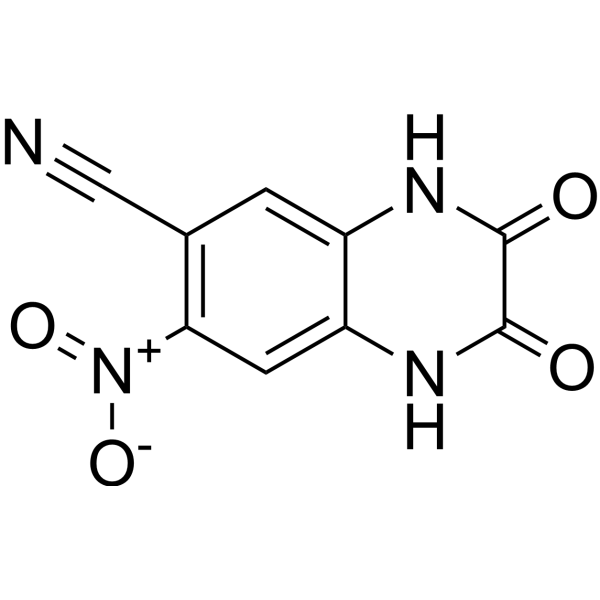
    CNQX
    Maximum Cited Publications
    16 Publications Verification

    FG9065

    iGluR Neurological Disease
    CNQX (FG9065) is a potent and competitive AMPA/kainate receptor antagonist with IC50s of 0.3 μM and 1.5 μM, respectively. CNQX is a competitive non-NMDA receptor antagonist . CNQX blocks the expression of fear-potentiated startle in rats .
    CNQX
  • HY-B0122
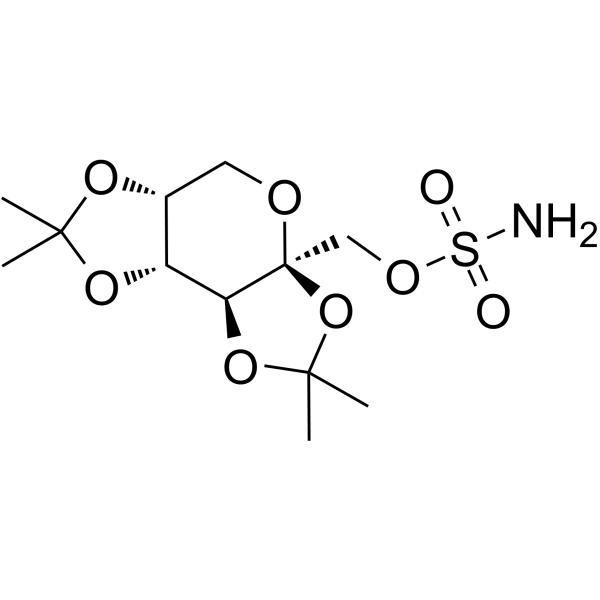
    Topiramate
    5+ Cited Publications

    McN 4853; RWJ 17021

    iGluR GABA Receptor Sodium Channel Calcium Channel Potassium Channel Carbonic Anhydrase Neurological Disease
    Topiramate (McN 4853) is a broad-spectrum antiepileptic agent. Topiramate is a GluR5 receptor antagonist. Topiramate produces its antiepileptic effects through enhancement of GABAergic activity, inhibition of kainate/AMPA receptors, inhibition of voltage-sensitive sodium and calcium channels, increases in potassium conductance, and inhibition of carbonic anhydrase .
    Topiramate
  • HY-15067
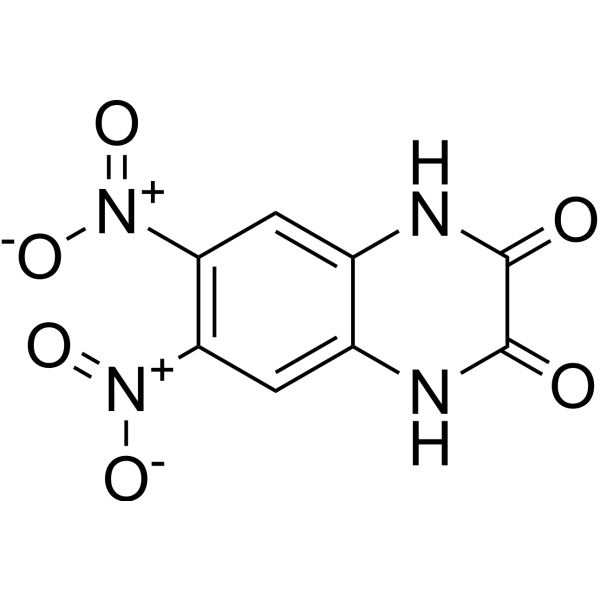
    DNQX
    10+ Cited Publications

    FG 9041

    iGluR Cancer
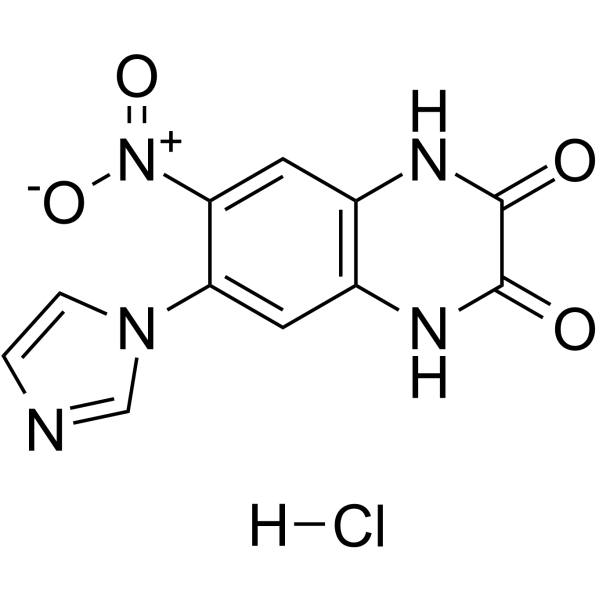
    DNQX (FG 9041), a quinoxaline derivative, is a selective, potent competitive non-NMDA glutamate receptor antagonist (IC50s = 0.5, 2 and 40 μM for AMPA, kainate and NMDA receptors, respectively) .
    DNQX
  • HY-14608S5
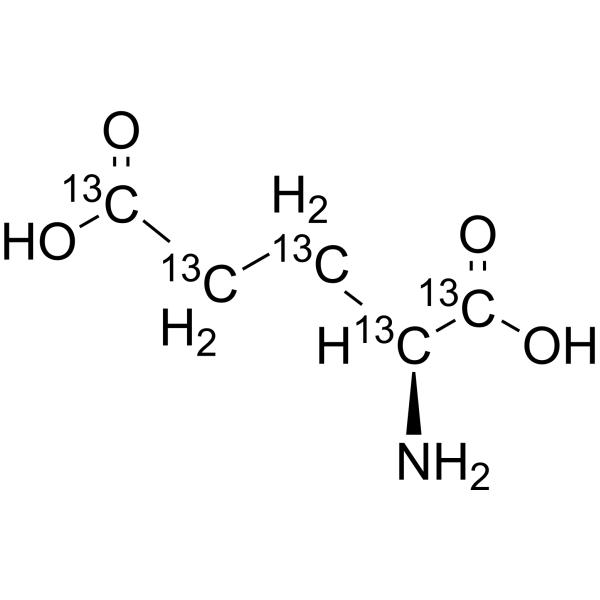
    L-Glutamic acid-13C5
    1 Publications Verification

    Endogenous Metabolite iGluR Ferroptosis Apoptosis Neurological Disease
    L-Glutamic acid- 13C5 is the 13C-labeled L-Glutamic acid. L-Glutamic acid acts as an excitatory transmitter and an agonist at all subtypes of glutamate receptors (metabotropic, kainate, NMDA, and AMPA). L-Glutamic acid shows a direct activating effect on the release of DA from dopaminergic terminals.
    L-Glutamic acid-13C5
  • HY-15066A
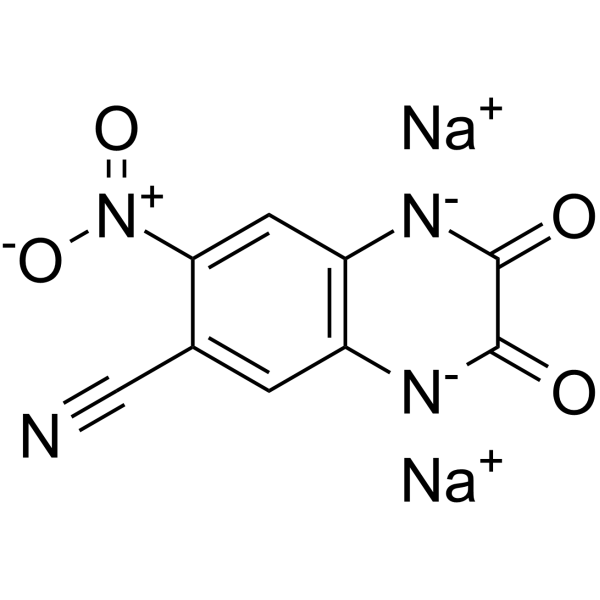
    CNQX disodium
    Maximum Cited Publications
    16 Publications Verification

    FG9065 disodium

    iGluR Neurological Disease
    CNQX disodium (FG9065 disodium) is a potent and competitive AMPA/kainate receptor antagonist with IC50s of 0.3 μM and 1.5 μM, respectively. CNQX disodium is a competitive non-NMDA receptor antagonist . CNQX disodium blocks the expression of fear-potentiated startle in rats .
    CNQX disodium
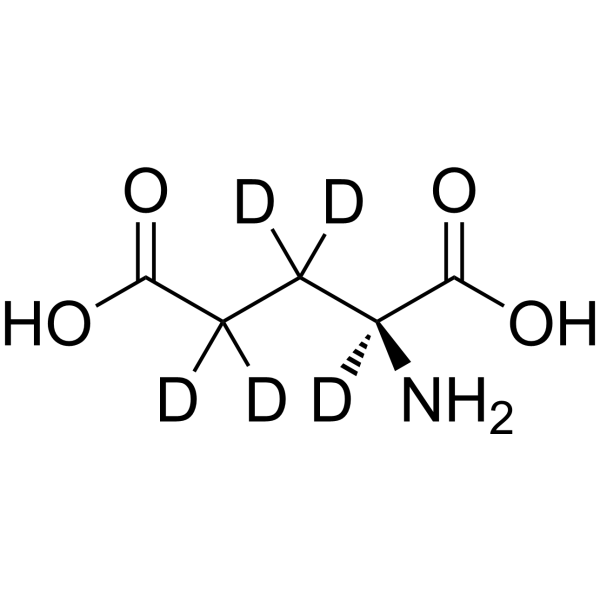
  • HY-14608S7

    Endogenous Metabolite iGluR Ferroptosis Apoptosis Neurological Disease
    L-Glutamic acid-d5 is the deuterium labeled L-Glutamic acid. L-Glutamic acid acts as an excitatory transmitter and an agonist at all subtypes of glutamate receptors (metabotropic, kainate, NMDA, and AMPA). L-Glutamic acid shows a direct activating effect on the release of DA from dopaminergic terminals.
    L-Glutamic acid-d5
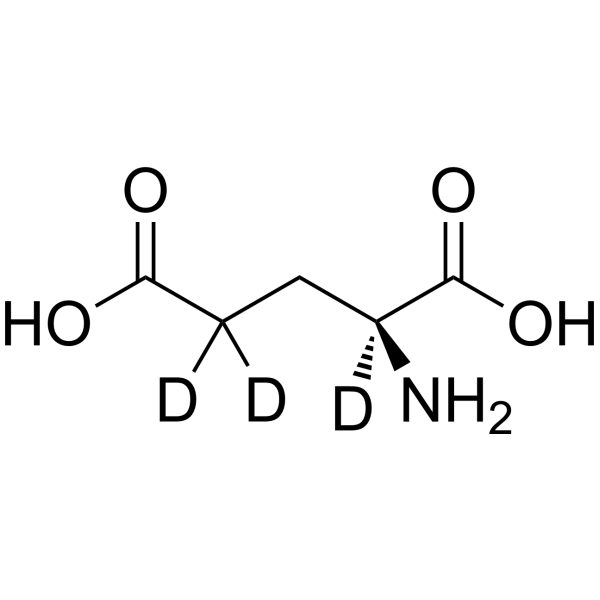
  • HY-14608S8

    Endogenous Metabolite iGluR Ferroptosis Apoptosis Neurological Disease
    L-Glutamic acid-d3 is the deuterium labeled L-Glutamic acid. L-Glutamic acid acts as an excitatory transmitter and an agonist at all subtypes of glutamate receptors (metabotropic, kainate, NMDA, and AMPA). L-Glutamic acid shows a direct activating effect on the release of DA from dopaminergic terminals.
    L-Glutamic acid-d3
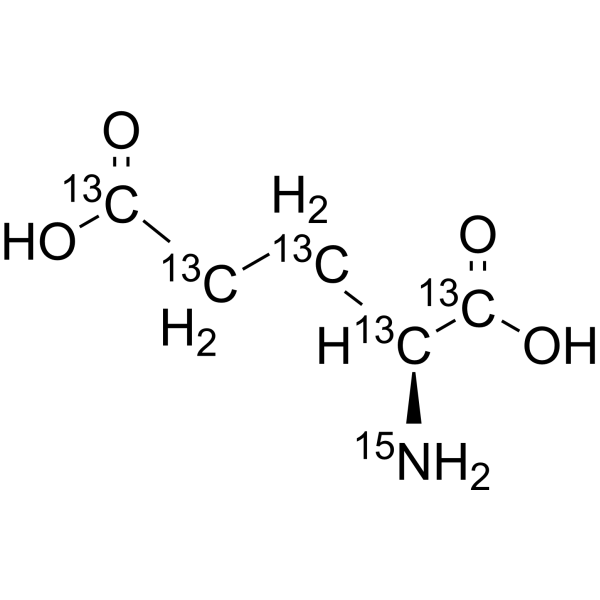
  • HY-14608S3

    Isotope-Labeled Compounds Endogenous Metabolite iGluR Ferroptosis Apoptosis Neurological Disease
    L-Glutamic acid- 13C5, 15N is the 13C- and 15N-labeled L-Glutamic acid. L-Glutamic acid acts as an excitatory transmitter and an agonist at all subtypes of glutamate receptors (metabotropic, kainate, NMDA, and AMPA). L-Glutamic acid shows a direct activating effect on the release of DA from dopaminergic terminals.
    L-Glutamic acid-13C5,15N
  • HY-101165
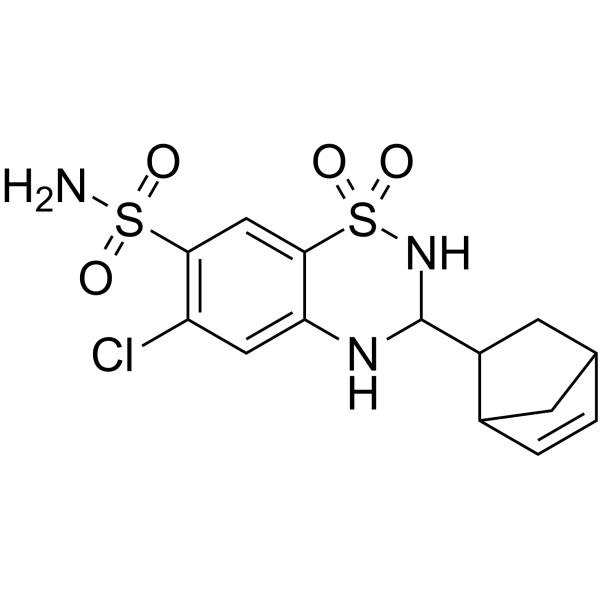
    Cyclothiazide
    2 Publications Verification

    iGluR GABA Receptor Neurological Disease
    Cyclothiazide is a positive allosteric modulator of ionotropic AMPA-type glutamate receptors. Cyclothiazide inhibits GABAA receptors. Cyclothiazide is frequently used to produce a fast inhibition of AMPA receptor desensitization and a much slower potentiation of the AMPA current. Cyclothiazide can potentiate responses to kainate in hippocampal neurons. Cyclothiazide has effects on glutamatergic neurotransmission. Cyclothiazide also induces epileptiform EEG activity accompanying behavioral seizures .
    Cyclothiazide
  • HY-12499

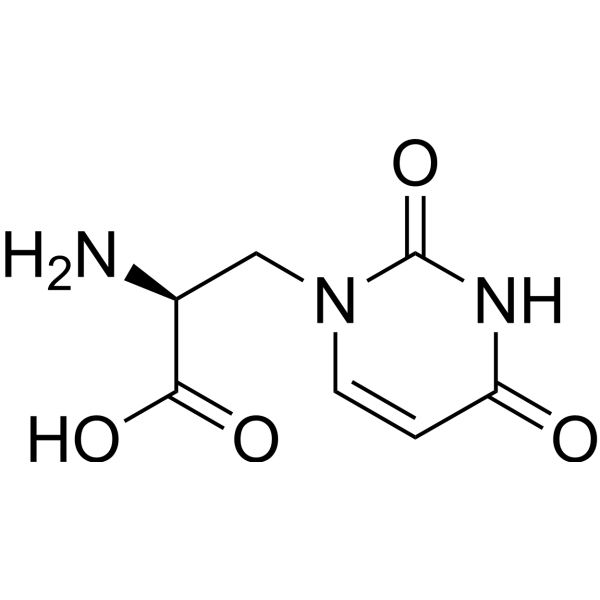
    (-)-Willardiine

    iGluR Neurological Disease
    (S)-Willardiine is a potent agonist of AMPA/kainate receptors with EC50 of 44.8 uM.
    (S)-Willardiine
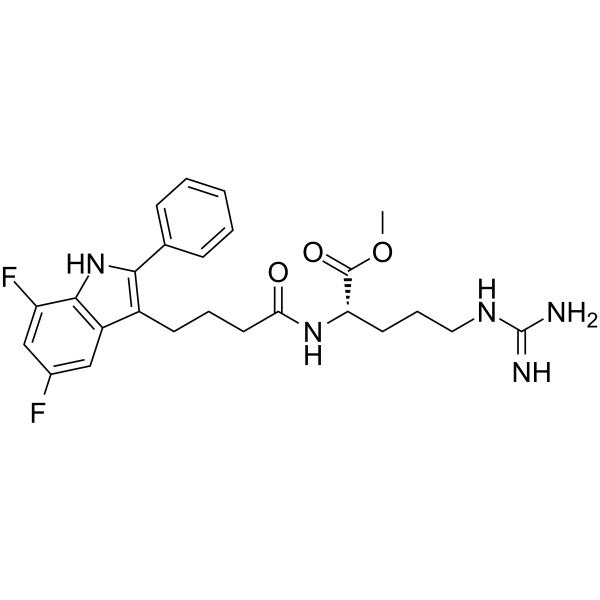
  • HY-108497

    Somatostatin Receptor Neurological Disease Cancer
    L-803087 is a potent and selective somatostatin sst4 receptor agonist with a Ki of 0.7 nM. L-803087 is >280-fold higher than other somatostatin receptors. L-803087 facilitates AMPA-mediated hippocampal synaptic responses in vitro and increases kainate-induced seizures in mice .
    L-803087
  • HY-14608S

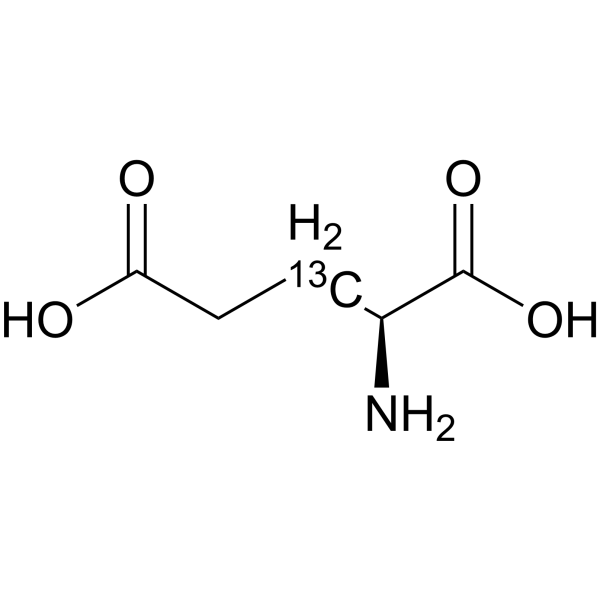
    Endogenous Metabolite iGluR Ferroptosis Apoptosis Neurological Disease
    L-Glutamic acid- 13C is the 13C-labeled L-Glutamic acid. L-Glutamic acid acts as an excitatory transmitter and an agonist at all subtypes of glutamate receptors (metabotropic, kainate, NMDA, and AMPA). L-Glutamic acid shows a direct activating effect on the release of DA from dopaminergic terminals.
    L-Glutamic acid-13C
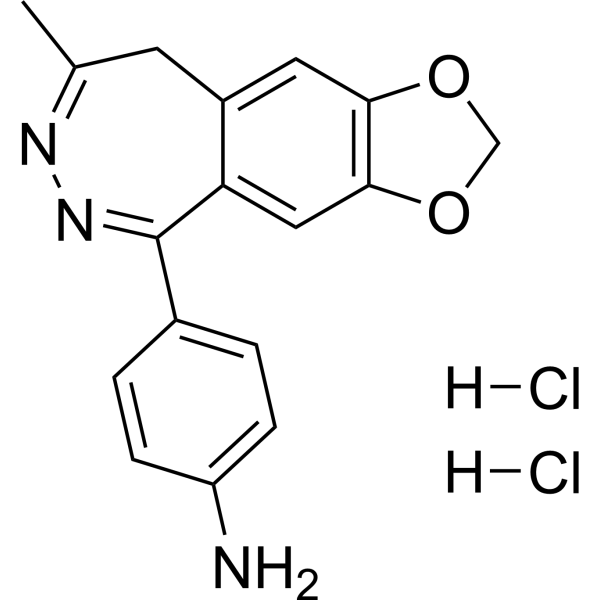
  • HY-103234A

    iGluR Neurological Disease
    GYKI 52466 dihydrochloride is an orally active, highly selective and noncompetitive AMPA/kainate receptor antagonist with the IC50 values of 7.5 and 11μM, respectively. GYKI 52466 dihydrochloride has good blood brain barrier permeability and anticonvulsant effect. GYKI 52466 dihydrochloride can be used in Parkinson's disease research .
    GYKI 52466 dihydrochloride
  • HY-18663
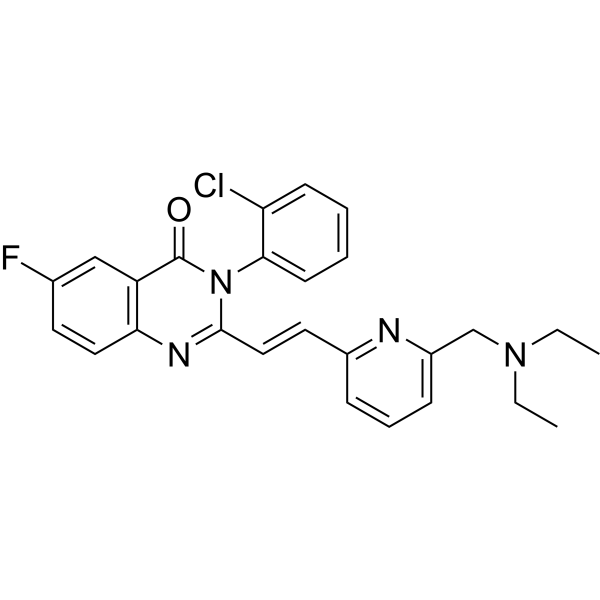
    CP-465022
    1 Publications Verification

    iGluR Neurological Disease
    CP-465022 is a potent, and selective noncompetitive AMPA receptor antagonist with anticonvulsant activity. CP-465022 is against Kainate-induced response with an IC50 of 25 nM in rat cortical neurons. CP-465022 provides a new tool to investigate the role of AMPA receptors in physiological and pathophysiological processes .
    CP-465022
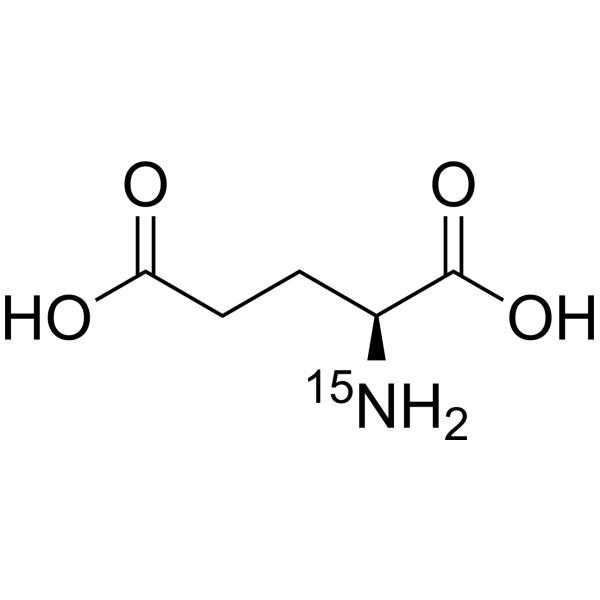
  • HY-14608S2

    Endogenous Metabolite iGluR Ferroptosis Apoptosis Neurological Disease
    L-Glutamic acid- 15N is the 15N-labeled L-Glutamic acid. L-Glutamic acid acts as an excitatory transmitter and an agonist at all subtypes of glutamate receptors (metabotropic, kainate, NMDA, and AMPA). L-Glutamic acid shows a direct activating effect on the release of DA from dopaminergic terminals .
    L-Glutamic acid-15N
  • HY-14608S1

    Endogenous Metabolite iGluR Ferroptosis Apoptosis Neurological Disease
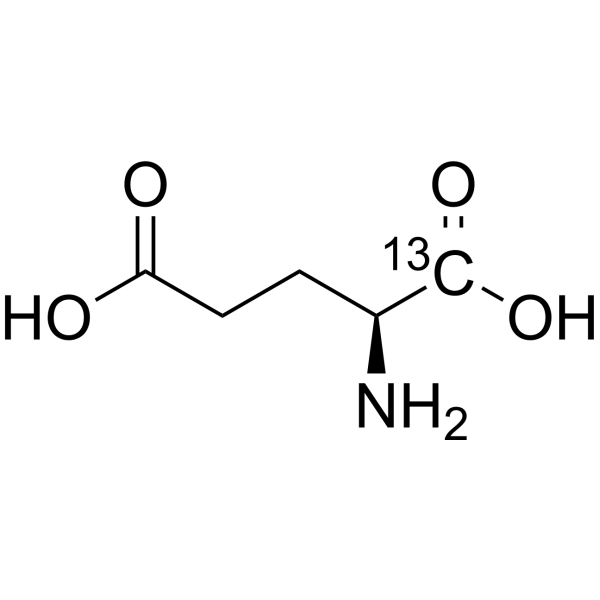
    L-Glutamic acid-1- 13C is the 13C-labeled L-Glutamic acid. L-Glutamic acid acts as an excitatory transmitter and an agonist at all subtypes of glutamate receptors (metabotropic, kainate, NMDA, and AMPA). L-Glutamic acid shows a direct activating effect on the release of DA from dopaminergic terminals.
    L-Glutamic acid-1-13C
  • HY-103233
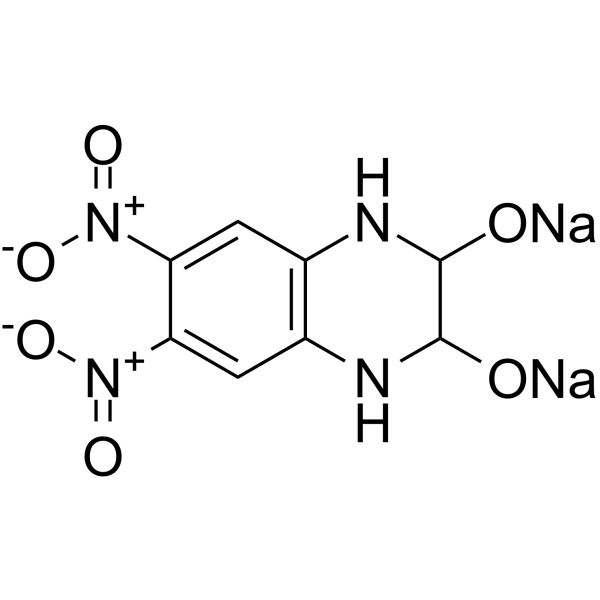
    DNQX disodium salt
    10+ Cited Publications

    FG 9041 disodium salt

    iGluR Cancer
    DNQX (FG 9041) disodium salt, a quinoxaline derivative, is a selective, potent competitive non-NMDA glutamate receptor antagonist (IC50s = 0.5, 2 and 40 μM for AMPA, kainate and NMDA receptors, respectively) .
    DNQX disodium salt
  • HY-16713A

    (5S)-Fluorowillardiine hydrochloride; (S)-5-Fluorowillardiine hydrochloride

    iGluR Neurological Disease
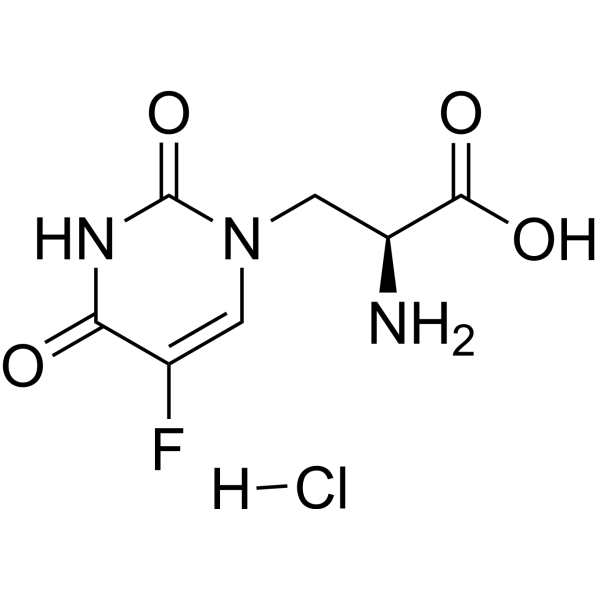
    (S)-(-)-5-Fluorowillardiine ((5S)-Fluorowillardiine; (S)-5-Fluorowillardiine) hydrochloride is a potent, highly selective non-NMDA ionotropic glutamate receptor (iGluR, AMPA/Kainate receptor) agonist . (S)-(-)-5-Fluorowillardiine hydrochloride activates high-affinity AMPA-preferring receptors (EC50 = 0.70 μM) and low-affinity kainate-preferring receptors (EC50 = 170 μM), thereby inducing biphasic dose-dependent neurotoxicity/excitotoxicity. (S)-(-)-5-Fluorowillardiine hydrochloride is applicable to research related to schizophrenia, temporal lobe epilepsy, and bipolar disorder .
    (S)-(-)-5-Fluorowillardiine (hydrochloride)
  • HY-107606A

    iGluR Neurological Disease
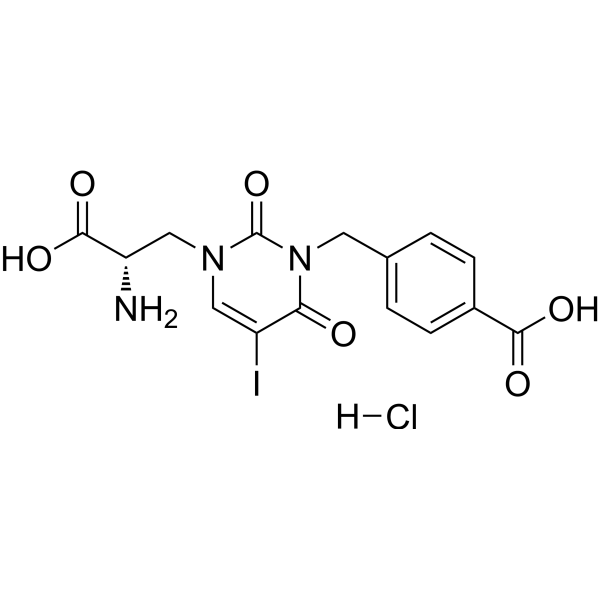
    UBP301 hydrochloride is a potent and selective antagonist of kainate receptor with IC50 and KD of 164 μM and 5.94 μM, respectively. UBP301 hydrochloride has ~30-fold selectivity of kainate receptor over AMPA receptor. UBP301 hydrochloride is the derivative of willardiine .
    UBP301 hydrochloride
  • HY-15071

    iGluR Neurological Disease
    YM90K is a potent and selective AMPA receptor antagonist with a Ki of 84 nM. YM90K is less potent in inhibiting kainate (Ki of 2.2 μM) and NMDA (Ki of 37 μM) receptors. YM90K has neuroprotective actions .
    YM90K
  • HY-121964

    iGluR Neurological Disease
    Cis-piperidine-2,3-dicarboxylic acid is a non-specific antagonist of NMDA, AMPA and kainate ionotropic receptors and a partial agonist for NMDA receptors. Cis-piperidine-2,3-dicarboxylic acid can be used in blocking general excitatory synaptic transmissions .
    cis-Piperidine-2,3-dicarboxylic acid
  • HY-14608S6

    Isotope-Labeled Compounds Endogenous Metabolite iGluR Ferroptosis Apoptosis Neurological Disease
    L-Glutamic acid-5- 13C is the 13C-labeled L-Glutamic acid. L-Glutamic acid acts as an excitatory transmitter and an agonist at all subtypes of glutamate receptors (metabotropic, kainate, NMDA, and AMPA). L-Glutamic acid shows a direct activating effect on the release of DA from dopaminergic terminals.
    L-Glutamic acid-5-13C
  • HY-B0122R

    McN 4853 (Standard); RWJ 17021 (Standard)

    Reference Standards iGluR GABA Receptor Sodium Channel Calcium Channel Potassium Channel Carbonic Anhydrase Neurological Disease
    Topiramate (Standard) is the analytical standard of Topiramate. This product is intended for research and analytical applications. Topiramate (McN 4853) is a broad-spectrum antiepileptic agent. Topiramate is a GluR5 receptor antagonist. Topiramate produces its antiepileptic effects through enhancement of GABAergic activity, inhibition of kainate/AMPA receptors, inhibition of voltage-sensitive sodium and calcium channels, increases in potassium conductance, and inhibition of carbonic anhydrase .
    Topiramate (Standard)
  • HY-14608S4

    Isotope-Labeled Compounds Endogenous Metabolite iGluR Ferroptosis Apoptosis Neurological Disease
    L-Glutamic acid- 13C5, 15N,d5 is the deuterium, 13C-, and 15-labeled L-Glutamic acid. L-Glutamic acid acts as an excitatory transmitter and an agonist at all subtypes of glutamate receptors (metabotropic, kainate, NMDA, and AMPA). L-Glutamic acid shows a direct activating effect on the release of DA from dopaminergic terminals.
    L-Glutamic acid-13C5,15N,d5
  • HY-19432

    iGluR Neurological Disease
    UBP-282 is a potent, selective and competitive AMPA and kainate receptor antagonist. UBP-282 inhibits the fast component of the dorsal root-evoked ventral root potential (fDR-VRP) with an IC50 value of 10.3 μM. UBP-282 antagonizes kainate-induced depolarisations of dorsal roots with a pA2 value of 4.96 .
    UBP-282
  • HY-14608S10

    Apoptosis iGluR Ferroptosis Endogenous Metabolite Neurological Disease
    L-Glutamic acid- 13C2 is the 13C labeled L-Glutamic acid . L-Glutamic acid acts as an excitatory transmitter and an agonist at all subtypes of glutamate receptors (metabotropic, kainate, NMDA, and AMPA). L-Glutamic acid shows a direct activating effect on the release of DA from dopaminergic terminals .
    L-Glutamic acid-13C2
  • HY-B0122S

    McN 4853-13C6; RWJ 17021-13C6

    Isotope-Labeled Compounds Potassium Channel iGluR Sodium Channel GABA Receptor Carbonic Anhydrase Calcium Channel Neurological Disease
    Topiramate-13C6 (McN 4853-13C6) is the 13C labeled isotope of Topiramate (HY-B0122). Topiramate (McN 4853) is a broad-spectrum antiepileptic agent. Topiramate is a GluR5 receptor antagonist. Topiramate produces its antiepileptic effects through enhancement of GABAergic activity, inhibition of kainate/AMPA receptors, inhibition of voltage-sensitive sodium and calcium channels, increases in potassium conductance, and inhibition of carbonic anhydrase .
    Topiramate-13C6
  • HY-107606

    iGluR Neurological Disease
    UBP301 is a potent and selective antagonist of kainate receptor with IC50 and KD of 164 μM and 5.94 μM, respectively. UBP301 has ∼30-fold selectivity of kainate receptor over AMPA receptor. UBP301 is the derivative of willardiine .
    UBP301
  • HY-106039

    iGluR Neurological Disease
    LY 215490 is a selective, competitive AMPA receptor antagonist against AMPA, CGSl9755 and kainate with IC50 values of 4.8, 26.4 and 247 μM, respectively. LY 215490 shows neuroprotective effects in focal ischaemia .
    LY 215490
  • HY-110234

    McN 4853 D12 ; RWJ 17021 D12

    iGluR GABA Receptor Sodium Channel Calcium Channel Potassium Channel Carbonic Anhydrase Neurological Disease
    Topiramate D12 (McN 4853 D12) is a deuterium labeled Topiramate. Topiramate is a broad-spectrum antiepileptic agent. Topiramate is a GluR5 receptor antagonist. Topiramate produces its antiepileptic effects through enhancement of GABAergic activity, inhibition of kainate/AMPA receptors, inhibition of voltage-sensitive sodium and calcium channels, increases in potassium conductance, and inhibition of carbonic anhydrase .
    Topiramate D12
  • HY-15082

    BIIR 561

    iGluR Sodium Channel Neurological Disease
    Irampanel (BIIR 561) is an AMPA receptor and voltage-dependent sodium channel blocker. Irampanel inhibits kainate-induced currents in rat cortical neurons .
    Irampanel
  • HY-103298

    Endogenous Metabolite Neurological Disease
    MNI-caged kainate is a photoprotected neuroactive amino acid with the activity to generate large inward currents. MNI-caged kainate can be released at the resting membrane potential of Purkinje cells and generate significant inward currents. The release of MNI-caged kainate results in approximately 40% of the current being generated through AMPA receptor activation. MNI-caged kainate is used to study fast synaptic receptor mechanisms. The photorelease time of MNI-caged kainate is in the sub-microsecond range, making it suitable for investigating the mechanisms of fast synaptic transmission .
    MNI-caged kainate
  • HY-124539

    iGluR Neurological Disease
    ZK 187638 is an AMPA receptor antagonist. ZK 187638 antagonizes the kainate-induced currents in cultured hippocampal neurons with an IC50 of 3.4 μM in a noncompetitive fashion .
    ZK 187638
  • HY-18663B

    iGluR Neurological Disease
    CP-465022 hydrochloride is a potent, and selective noncompetitive AMPA receptor antagonist with anticonvulsant activity. CP-465022 is against Kainate-induced response with an IC50 of 25 nM in rat cortical neurons. CP-465022 provides a new tool to investigate the role of AMPA receptors in physiological and pathophysiological processes .
    CP-465022 hydrochloride
  • HY-18663A

    iGluR Neurological Disease
    CP-465022 Maleate is a potent, and selective noncompetitive AMPA receptor antagonist with anticonvulsant activity. CP-465022 is against Kainate-induced response with an IC50 of 25 nM in rat cortical neurons. CP-465022 provides a new tool to investigate the role of AMPA receptors in physiological and pathophysiological processes .
    CP-465022 maleate
  • HY-16713

    (5S)-Fluorowillardiine; (S)-5-Fluorowillardiine

    iGluR Neurological Disease
    (S)-(-)-5-Fluorowillardiine ((5S)-Fluorowillardiine; (S)-5-Fluorowillardiine) is a potent, highly selective non-NMDA ionotropic glutamate receptor (iGluR, AMPA/Kainate receptor) agonist . (S)-(-)-5-Fluorowillardiine activates high-affinity AMPA-preferring receptors (EC50 = 0.70 μM) and low-affinity kainate-preferring receptors (EC50 = 170 μM), thereby inducing biphasic dose-dependent neurotoxicity/excitotoxicity. (S)-(-)-5-Fluorowillardiine is applicable to research related to schizophrenia, temporal lobe epilepsy, and bipolar disorder .
    (S)-(-)-5-Fluorowillardiine
  • HY-101165R

    Reference Standards iGluR GABA Receptor Neurological Disease
    Cyclothiazide (Standard) is the analytical standard of Cyclothiazide. This product is intended for research and analytical applications. Cyclothiazide is a positive allosteric modulator of ionotropic AMPA-type glutamate receptors. Cyclothiazide inhibits GABAA receptors. Cyclothiazide is frequently used to produce a fast inhibition of AMPA receptor desensitization and a much slower potentiation of the AMPA current. Cyclothiazide can potentiate responses to kainate in hippocampal neurons. Cyclothiazide has effects on glutamatergic neurotransmission. Cyclothiazide also induces epileptiform EEG activity accompanying behavioral seizures .
    Cyclothiazide (Standard)
  • HY-107605

    iGluR Neurological Disease
    UBP296 is a potent and selective antagonist of GLUK5-containing kainate receptor in the spinal cord. UBP296 reversibly blocks ATPA-induced depressions of synaptic transmission, and affects AMPA receptor-mediated synaptic transmission directly in rat hippocampal slices .
    UBP296
  • HY-B0122A

    McN 4853 lithium; RWJ 17021 lithium

    iGluR GABA Receptor Sodium Channel Calcium Channel Potassium Channel Carbonic Anhydrase Neurological Disease
    Topiramate (McN 4853) lithium is a broad-spectrum antiepileptic agent. Topiramate lithium is a GluR5 receptor antagonist. Topiramate produces its antiepileptic effects through enhancement of GABAergic activity, inhibition of kainate/AMPA receptors, inhibition of voltage-sensitive sodium and calcium channels, increases in potassium conductance, and inhibition of carbonic anhydrase .
    Topiramate lithium
  • HY-103234

    iGluR Neurological Disease
    GYKI 52466 is an orally active, highly selective and noncompetitive AMPA/kainate receptor antagonist with the IC50 values of 7.5 and 11μM, respectively. GYKI 52466 has good blood brain barrier permeability and anticonvulsant effect. GYKI 52466 can be used in Parkinson's disease research .
    GYKI 52466
  • HY-103234B

    iGluR Neurological Disease
    GYKI 52466 hydrochloride is an orally active, highly selective and noncompetitive AMPA/kainate receptor antagonist with the IC50 values of 7.5 and 11μM, respectively. GYKI 52466 hydrochloride has good blood brain barrier permeability and anticonvulsant effect. GYKI 52466 hydrochloride can be used in Parkinson's disease research .
    GYKI 52466 hydrochloride
  • HY-108497A

    Somatostatin Receptor Neurological Disease Cancer
    L-803087 TFA is a potent and selective somatostatin sst4 receptor agonist with a Ki of 0.7 nM. L-803087 TFA is >280-fold more selective for sst4 receptor than other somatostatin receptors. L-803087 TFA facilitates AMPA-mediated hippocampal synaptic responses in vitro and increases kainate-induced seizures in mice .
    L-803087 TFA
  • HY-15066R

    FG9065 (Standard)

    iGluR Reference Standards Neurological Disease
    CNQX (Standard) is the analytical standard of CNQX. This product is intended for research and analytical applications. CNQX (FG9065) is a potent and competitive AMPA/kainate receptor antagonist with IC50s of 0.3 μM and 1.5 μM, respectively. CNQX is a competitive non-NMDA receptor antagonist . CNQX blocks the expression of fear-potentiated startle in rats .
    CNQX (Standard)
  • HY-14608S9

    Isotope-Labeled Compounds Endogenous Metabolite iGluR Ferroptosis Apoptosis Neurological Disease
    L-Glutamic acid- 15N,d5 is the deuterium and 15N-labeled L-Glutamic acid. L-Glutamic acid acts as an excitatory transmitter and an agonist at all subtypes of glutamate receptors (metabotropic, kainate, NMDA, and AMPA). L-Glutamic acid shows a direct activating effect on the release of DA from dopaminergic terminals.
    L-Glutamic acid-15N,d5
  • HY-B0122S1

    McN 4853-13C; RWJ 17021-13C

    Isotope-Labeled Compounds iGluR Potassium Channel Sodium Channel GABA Receptor Calcium Channel Carbonic Anhydrase Neurological Disease
    Topiramate- 13C (McN 4853- 13C) is 13C labeled Topiramate. Topiramate (McN 4853) is a broad-spectrum antiepileptic agent. Topiramate is a GluR5 receptor antagonist. Topiramate produces its antiepileptic effects through enhancement of GABAergic activity, inhibition of kainate/AMPA receptors, inhibition of voltage-sensitive sodium and calcium channels, increases in potassium conductance, and inhibition of carbonic anhydrase .
    Topiramate-13C
  • HY-103234AR

    Reference Standards iGluR Neurological Disease
    GYKI 52466 (dihydrochloride) (Standard) is the analytical standard of GYKI 52466 (dihydrochloride). This product is intended for research and analytical applications. GYKI 52466 dihydrochloride is an orally active, highly selective and noncompetitive AMPA/kainate receptor antagonist with the IC50 values of 7.5 and 11μM, respectively. GYKI 52466 dihydrochloride has good blood brain barrier permeability and anticonvulsant effect. GYKI 52466 dihydrochloride can be used in Parkinson's disease research .
    GYKI 52466 dihydrochloride (Standard)
  • HY-110234R

    McN 4853 D12 (Standard); RWJ 17021 D12 (Standard)

    Reference Standards iGluR GABA Receptor Sodium Channel Calcium Channel Potassium Channel Carbonic Anhydrase Neurological Disease
    Topiramate D12 (Standard) is the analytical standard of Topiramate D12. This product is intended for research and analytical applications. Topiramate D12 (McN 4853 D12) is a deuterium labeled Topiramate. Topiramate is a broad-spectrum antiepileptic agent. Topiramate is a GluR5 receptor antagonist. Topiramate produces its antiepileptic effects through enhancement of GABAergic activity, inhibition of kainate/AMPA receptors, inhibition of voltage-sensitive sodium and calcium channels, increases in potassium conductance, and inhibition of carbonic anhydrase .
    Topiramate D12 (Standard)
  • HY-15067R

    FG 9041 (Standard)

    iGluR Reference Standards Cancer
    DNQX (Standard) is the analytical standard of DNQX. This product is intended for research and analytical applications. DNQX (FG 9041), a quinoxaline derivative, is a selective, potent competitive non-NMDA glutamate receptor antagonist (IC50s = 0.5, 2 and 40 μM for AMPA, kainate and NMDA receptors, respectively) .
    DNQX (Standard)
  • HY-108497R

    Reference Standards Somatostatin Receptor Neurological Disease Cancer
    L-803087 (Standard) is the analytical standard of L-803087 (HY-108497). This product is intended for research and analytical applications. L-803087 is a potent and selective somatostatin sst4 receptor agonist with a Ki of 0.7 nM. L-803087 is >280-fold higher than other somatostatin receptors. L-803087 facilitates AMPA-mediated hippocampal synaptic responses in vitro and increases kainate-induced seizures in mice .
    L-803087 (Standard)

Inquiry Online

Your information is safe with us. * Required Fields.

Salutation


Country or Region *

Applicant Name *


Organization Name *

Department *


Email Address *


Product Name *

Cat. No.


Requested quantity *

Phone Number *


Remarks

Inquiry Online

Inquiry Information

Product Name:
Cat. No.:
Quantity:
MCE Japan Authorized Agent:

