1. Search Result
Search Result
Results for "

AMPK activity

" in MedChemExpress (MCE) Product Catalog:

154

Inhibitors & Agonists

5

Biochemical Assay Reagents

2

Peptides

81

Natural
Products

13

Isotope-Labeled Compounds

Targets Recommended:
Cat. No. Product Name Target Research Areas Chemical Structure
  • HY-13417
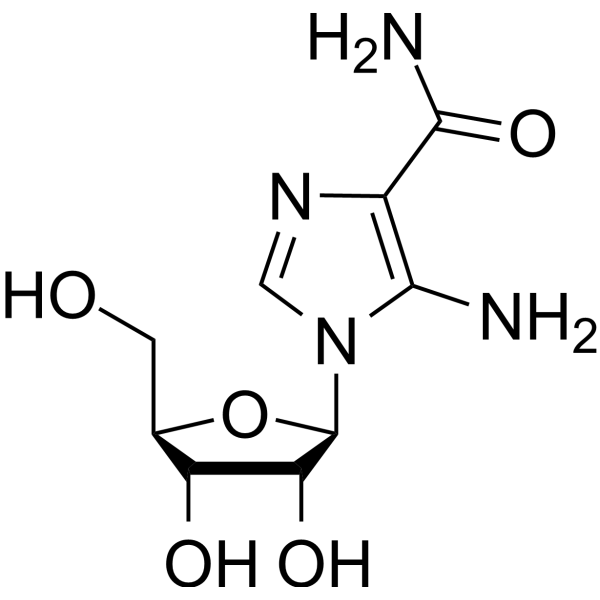
    AICAR
    Maximum Cited Publications
    215 Publications Verification

    Acadesine; AICA Riboside

    AMPK Autophagy YAP Mitophagy Endogenous Metabolite Cancer
    AICAR (Acadesine) is an adenosine analog and a AMPK activator. AICAR is also an autophagy, YAP and mitophagy inhibitor. AICAR regulates the glucose and lipid metabolism, and inhibits proinflammatory cytokines and iNOS production. AICAR inhibits autophagy through a mechanism independent of AMPK activity .
    AICAR
  • HY-10971
    Alisertib
    70+ Cited Publications

    MLN 8237

    Aurora Kinase Autophagy Apoptosis Cancer
    Alisertib (MLN 8237) is an orally active and selective Aurora A kinase inhibitor (IC50=1.2 nM), which binds to Aurora A kinase resulting in mitotic spindle abnormalities, mitotic accumulation. Alisertib (MLN 8237) induces apoptosis and autophagy through targeting the AKT/mTOR/AMPK/p38 pathway in leukemic cells. Antitumor activity .
    Alisertib
  • HY-112083
    BAY-3827
    10+ Cited Publications

    AMPK Cancer
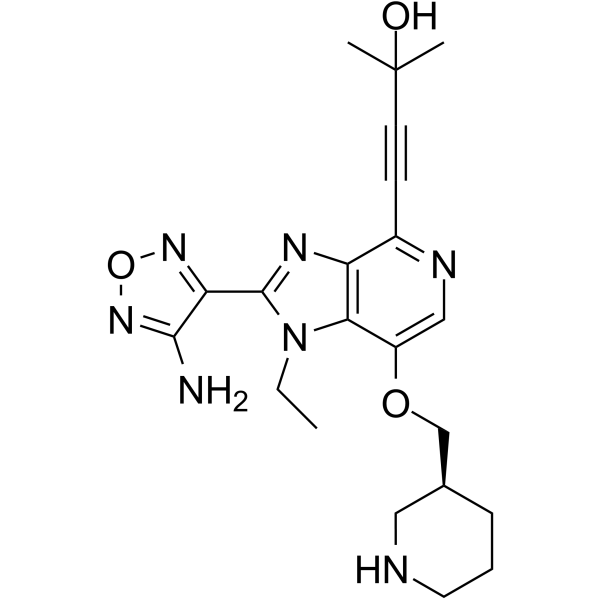
    BAY-3827, a chemical probe, is a potent and selective AMPK inhibitor with IC50 values of 1.4 nM at low (10 μM ATP concentration) and 15 nM at high (2 mM ATP concentration). BAY-3827 shows over 500-fold selectivity for most of the 331 kinases. BAY-3827 prevents phosphorylation of acetyl-CoA carboxylase 1 and shows strongest anti-proliferative activity in androgen-dependent prostate cancer cell lines .
    BAY-3827
  • HY-126307
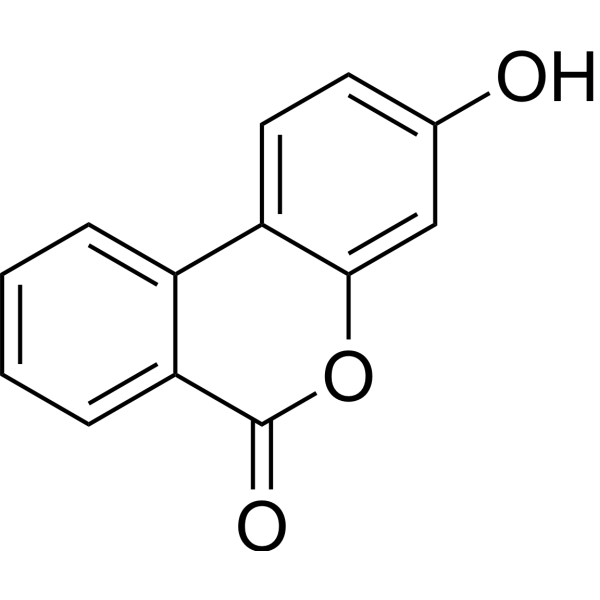
    Urolithin B
    5+ Cited Publications

    NF-κB JNK ERK Akt AMPK Endogenous Metabolite Inflammation/Immunology
    Urolithin B is one of Ellagitannins' slow microbial products, and has anti-inflammatory and anti-inflammatory effects. Urolithin B suppresses NF-κB activity. Urolithin B suppresses JNK, ERK and Akt's oxidation, and increases AMPK's oxidation. Urolithin B is also a quantitative change factor for bone and skin quality .
    Urolithin B
  • HY-N3005
    Britannin
    1 Publications Verification

    Apoptosis Autophagy NOD-like Receptor (NLR) Pyroptosis Inflammation/Immunology Cancer
    Britannin is an NLRP3 inhibitor with an IC50 of 3.630 μM, exhibiting anti-inflammatory activity. Britannin inhibits the activation and assembly of the NLRP3 inflammasome by blocking the interaction between NLRP3 and NEK7. Additionally, Britannin demonstrates antitumor activity by inhibiting the proliferation of tumor cells through blocking the interaction between HIF-1α and Myc, thereby suppressing PD-L1 expression and enhancing cytotoxic T lymphocyte activity. Britannin can also induce apoptosis and autophagy in liver cancer cells by activating ROS-regulated AMPK. Britannin holds promise for research in the fields of anti-inflammatory and antitumor therapeutics .
    Britannin
  • HY-N0535
    (+)-Magnoflorine chloride
    1 Publications Verification

    Magnoflorine chloride; α-Magnoflorine chloride; Thalictrine chloride

    Fungal Autophagy Apoptosis PINK1/Parkin NOD-like Receptor (NLR) Caspase JNK NF-κB Sirtuin AMPK Reactive Oxygen Species (ROS) Infection Metabolic Disease
    (+)-Magnoflorine (α-Magnoflorine) chloride is an orally active aporphine alkaloid with multiple biological activities. (+)-Magnoflorine chloride promotes Parkin/PINK1-mediated mitochondrial autophagy, inhibits the activation of NLRP3/Caspase-1 pathway, regulates the intestinal microbiota, and exhibits significant anti-inflammatory and immunomodulatory activities. (+)-Magnoflorine chloride inhibits JNK and TLR4/NF-κB signaling pathways, activates Sirt1/AMPK pathway, alleviates neuronal oxidative stress and apoptosis. Magnoflorine chloride upregulates miR-410-3p, inhibits HMGB1/NF-κB pathway, and has anti-tumor activity. (+)-Magnoflorine chloride also has significant antifungal activity .
    (+)-Magnoflorine chloride
  • HY-10249
    GSK-690693
    40+ Cited Publications

    Akt AMPK Autophagy Cancer
    GSK-690693 is an ATP-competitive pan-Akt inhibitor with IC50s of 2 nM, 13 nM, 9 nM for Akt1, Akt2 and Akt3, respectively. GSK-690693 is also an AMPK inhibitor, affects Unc-51-like autophagy activating kinase 1 (ULK1) activity and robustly inhibits STING-dependent IRF3 activation .
    GSK-690693
  • HY-112233
    O-304
    5 Publications Verification

    AMPK Cardiovascular Disease Metabolic Disease
    O-304 is a first-in-class, orally available pan-AMPK activator, which increases AMPK activity by suppressing the dephosphorylation of pAMPK. O-304 exhibits a great potential as a agent to treat type 2 diabetes (T2D) and associated cardiovascular complications .
    O-304
  • HY-N0072
    Brazilin
    2 Publications Verification

    Apoptosis Autophagy Inflammation/Immunology Cancer
    Brazilin is a red dye precursor obtained from the heartwood of several species of tropical hardwoods. Brazilin inhibits the cells proliferation, promotes apoptosis, and induces autophagy through the AMPK/mTOR pathway. Brazilin shows chondroprotective and anti-inflammatory activities .
    Brazilin
  • HY-N0059

    Parasite Bacterial AMPK PPAR Infection Neurological Disease Metabolic Disease
    D-Arabinose is is an orally active antidepressant and a growth inhibitor of C. elegans (IC50 is 7.5 mM). D-Arabinose can penetrate the blood-brain barrier, selectively interfere with the metabolism of D-ribose and D-fructose, and inhibit the growth of nematodes. D-Arabinose can also inhibit the synthesis of cell biofilm and exert antibacterial activity. D-Arabinose activates the ACSS2-PPARγ/TFEB-CRTC1 axis through the lysosomal AXIN-LKB1-AMPK pathway, inducing CRTC1 transcription, exerts antidepressant-like activity. D-Arabinose is the ring-opened form of the aldopentose D-?Arabinose (HY-N7082) .
    D-Arabinose
  • HY-N0806
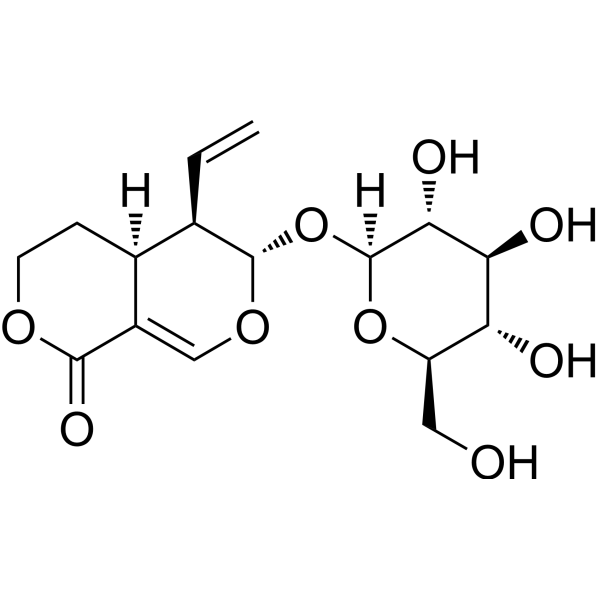
    Sweroside
    3 Publications Verification

    Keap1-Nrf2 AMPK Sirtuin NF-κB NOD-like Receptor (NLR) Pyroptosis Apoptosis Autophagy PARP Cardiovascular Disease Metabolic Disease Inflammation/Immunology Cancer
    Sweroside is an iridoid glycoside that targets multiple targets, including the Keap1/Nrf2 axis, NLRP3 inflammasome, SIRT1, NF-κB, AMPK/mTOR pathway, and caspase family. Sweroside promotes Nrf2 nuclear translocation by competitively binding to Keap1. Sweroside also inhibits oxidative stress and NLRP3-mediated pyroptosis by activating Nrf2, inhibits NF-κB inflammatory pathway by activating SIRT1, and promotes autophagy and induces caspase-dependent apoptosis via the AMPK/mTOR pathway. Sweroside has antioxidant, anti-inflammatory, anti-apoptotic, and lipid metabolism regulating activities, and can be used in the research of myocardial ischemia-reperfusion injury, leukemia, acute lung injury, non-alcoholic fatty liver disease, and other fields .
    Sweroside
  • HY-N0334

    Magnoflorine; α-Magnoflorine; Thalictrine

    Fungal Autophagy Apoptosis PINK1/Parkin NOD-like Receptor (NLR) Caspase JNK NF-κB Sirtuin AMPK Reactive Oxygen Species (ROS) Cardiovascular Disease Infection Neurological Disease Metabolic Disease Inflammation/Immunology Cancer
    (+)-Magnoflorine (α-Magnoflorine) is an orally active aporphine alkaloid with multiple biological activities. (+)-Magnoflorine promotes Parkin/PINK1 -mediated mitochondrial autophagy, inhibits the activation of NLRP3/Caspase-1 pathway, regulates the intestinal microbiota, and exhibits significant anti-inflammatory and immunomodulatory activities. (+)-Magnoflorine inhibits JNK and TLR4/NF-κB signaling pathways, activates Sirt1/AMPK pathway, alleviates neuronal oxidative stress and apoptosis. Magnoflorine upregulates miR-410-3p, inhibits HMGB1/NF-κB pathway, and has anti-tumor activity. (+)-Magnoflorine also has significant antifungal activity .
    (+)-Magnoflorine
  • HY-N0671
    Rhapontin
    2 Publications Verification

    Rhaponiticin

    Apoptosis Cardiovascular Disease Metabolic Disease Inflammation/Immunology Cancer
    Rhapontin (Rhaponiticin) is an orally aactive SIRT1 agonist and AMPK activator with anti-inflammatory and anti-fibrotic activities. Rhapontin inhibits NLRP3 inflammasome activation by activating SIRT1 and inhibits TGF-β/Smad signaling via the AMPK pathway. Rhapontin reduces intestinal and lung inflammation, inhibits fibroblast differentiation and extracellular matrix deposition, and enhances tight junction protein expression to repair epithelial barriers. Rhapontin can be used in the study of inflammatory bowel diseases (such as ulcerative colitis) and pulmonary fibrosis .
    Rhapontin
  • HY-Y1325H

    Environmental Pollutants Fungal Endogenous Metabolite Caspase PPAR AMPK Reactive Oxygen Species (ROS) Neurological Disease Metabolic Disease Inflammation/Immunology Cancer
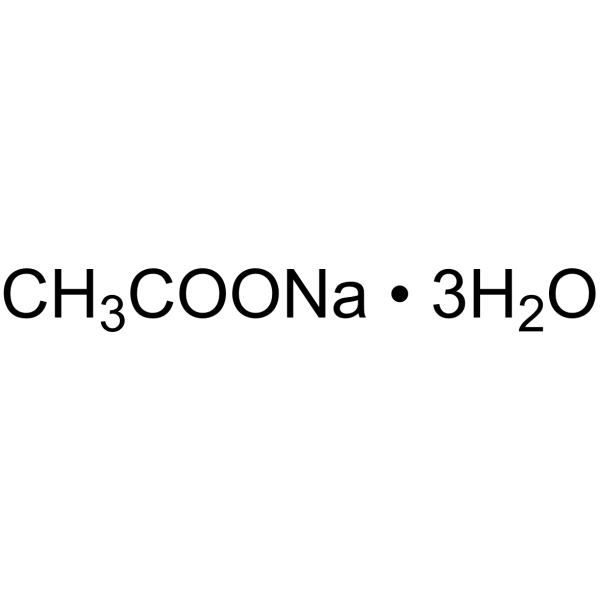
    Sodium acetate trihydrate is a carboxylic acid and short-chain fatty acid (SCFAs). Sodium acetate trihydrate activates AMPK, increases ROS, cleaved caspase 9, PPARα, downregulates SREBP-1c, ChREBP expression. Sodium acetate trihydrate exhibits antifungal activity against Saccharomyces cerevisiae W303-1A. Sodium acetate trihydrate regulates energy metabolism. Sodium acetate trihydrate has anticancer activity against gastric cancer. Sodium acetate trihydrate induces writhing reaction and ulcerative colitis. Sodium acetate trihydrate can be used in the researches for gastric cancer, ulcerative colitis, hepatic steatosis, and pain .
    Sodium acetate trihydrate, meets analytical specification of Ph. Eur. BP USP FCC E262, ≤0.00002% Al
  • HY-B1104

    (±)-Indoprofe

    Akt AMPK NF-κB p38 MAPK Inflammation/Immunology
    Indoprofen ((±)-Indoprofe) activates AKT-AMPK signaling pathway, inhibits NF-κB/MAPK signaling pathway. Indoprofen exhibits anti-inflammatory and immunomodulatory activities. Indoprofen is orally active .
    Indoprofen
  • HY-N0334A
    (+)-Magnoflorine iodide
    1 Publications Verification

    Magnoflorine iodide; α-Magnoflorine iodide; Thalictrine iodide

    Fungal Autophagy Apoptosis PINK1/Parkin NOD-like Receptor (NLR) Caspase JNK NF-κB Sirtuin AMPK Reactive Oxygen Species (ROS) Cardiovascular Disease Infection Neurological Disease Metabolic Disease Inflammation/Immunology Cancer
    (+)-Magnoflorine (α-Magnoflorine) iodide is an orally active aporphine alkaloid with multiple biological activities. (+)-Magnoflorine iodide promotes Parkin/PINK1 -mediated mitochondrial autophagy, inhibits the activation of NLRP3/Caspase-1 pathway, regulates the intestinal microbiota, and exhibits significant anti-inflammatory and immunomodulatory activities. (+)-Magnoflorine iodide inhibits JNK and TLR4/NF-κB signaling pathways, activates Sirt1/AMPK pathway, alleviates neuronal oxidative stress and apoptosis. Magnoflorine upregulates miR-410-3p, inhibits HMGB1/NF-κB pathway, and has anti-tumor activity. (+)-Magnoflorine iodide also has significant antifungal activity .
    (+)-Magnoflorine iodide
  • HY-131611
    6-Azuridine
    1 Publications Verification

    6-Azauridine

    Nucleoside Antimetabolite/Analog Autophagy Apoptosis AMPK MDM-2/p53 SARS-CoV Infection Others Cancer
    6-Azuridine (6-Azauridine) is an orally active purine nucleoside analogue. 6-Azuridine activates autophagic flux, induces Apoptosis that depends on AMPK and p53. 6-Azuridine exhibit both antitumor and antiviral activities .
    6-Azuridine
  • HY-136093A
    Lixumistat acetate
    1 Publications Verification

    IM156; HL156A; HL271 acetate

    Mitochondrial Metabolism AMPK Neurological Disease Metabolic Disease Inflammation/Immunology Cancer
    Lixumistat (IM156) acetate is a potent and orally active AMPK activator and OXPHOS inhibitor. Lixumistat acetate strongly activates AMPK, while it lacks the systemic metabolic regulatory effects of classic metformin, such as hypoglycemic and weight-lowering activities. Lixumistat acetate exhibits significant therapeutic effects on cognitive decline associated with brain aging and pulmonary fibrosis .
    Lixumistat acetate
  • HY-W017212
    Methyl cinnamate
    2 Publications Verification

    Methyl 3-phenylpropenoate

    Environmental Pollutants AMPK Bacterial Tyrosinase Infection Metabolic Disease
    Methyl cinnamate (Methyl 3-phenylpropenoate), an active component of Zanthoxylum armatum, is a widely used natural flavor compound. Methyl cinnamate (Methyl 3-phenylpropenoate) possesses antimicrobial activity and is a tyrosinase inhibitor that can prevent food browning. Methyl cinnamate (Methyl 3-phenylpropenoate) has antiadipogenic activity through mechanisms mediated, in part, by the CaMKK2-AMPK signaling pathway .
    Methyl cinnamate
  • HY-12808
    STF-118804
    2 Publications Verification

    NAMPT AMPK mTOR Cancer
    STF-118804 is a highly specific NAMPT inhibitor. STF-118804 activates AMPK and inhibits mTOR pathways. STF-118804 has antitumor activity against pancreatic cancer .
    STF-118804
  • HY-N6258
    Kahweol
    1 Publications Verification

    AMPK Apoptosis Metabolic Disease Cancer
    Kahweol is one of the consituents of the coffee from Coffea Arabica with anti-inflammatory anti-angiogenic, and anti-cancerous activities. Kahweol inhibits adipogenesis and increase glucose uptake by AMP-activated protein kinase (AMPK) activation. Kahweol induces apoptosis.
    Kahweol
  • HY-B2099A
    Buformin hydrochloride
    3 Publications Verification

    1-Butylbiguanide hydrochloride

    AMPK Cancer
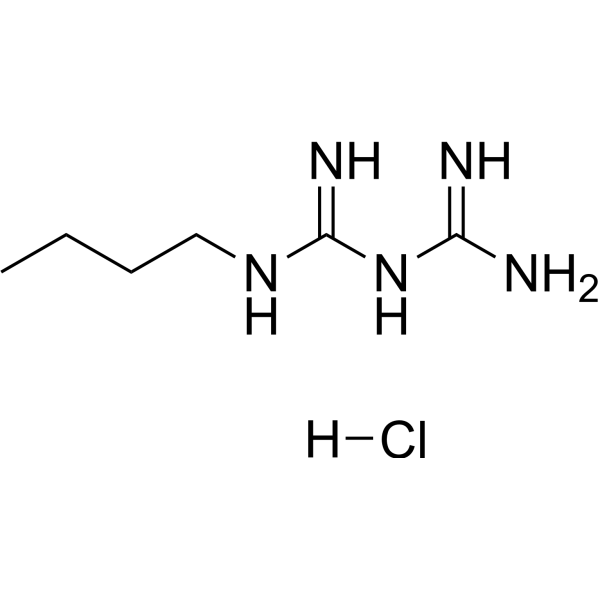
    Buformin hydrochloride (1-Butylbiguanide hydrochloride), a potent AMPK activator, acts as an orally active biguanide antidiabetic agent. Buformin hydrochloride decreases hepatic gluconeogenesis and lowers blood glucose production in vivo. Buformin hydrochloride also has anti-cancer activities and is applied in cancer study (such as, cervical cancer and breast cancer, et al) .
    Buformin hydrochloride
  • HY-N7082

    Parasite Bacterial AMPK PPAR Infection Neurological Disease Metabolic Disease
    D-Arabinopyranose is a rare aldehyde pentose, and its ring-opened form is D-arabinose (HY-N0059). D-arabinose is is an orally active antidepressant and a growth inhibitor of C. elegans (IC50 is 7.5 mM). D-arabinose can penetrate the blood-brain barrier, selectively interfere with the metabolism of D-ribose and D-fructose, and inhibit the growth of nematodes. D-arabinose can also inhibit the synthesis of cell biofilm and exert antibacterial activity. D-arabinose activates the ACSS2-PPARγ/TFEB-CRTC1 axis through the lysosomal AXIN-LKB1-AMPK pathway, inducing CRTC1 transcription, exerts antidepressant-like activity. D-arabinose is the ring-opened form of the aldopentose D-?Arabinose (HY-N7082) .
    D-Arabinopyranose
  • HY-P1123

    ATP Citrate Lyase Free Fatty Acid Receptor Acetyl-CoA Carboxylase Metabolic Disease
    MEDICA16 is an orally active acetyl-CoA carboxylase and ATP-citrate lyase inhibitor. MEDICA16 limits the acetyl-CoA supply for acetyl-CoA carboxylase, inhibits acetyl-CoA carboxylase activity, exerts citrate-competitive inhibitory effects on ATP-citrate lyase, and reduces hepatic AMPK activity. MEDICA16 can be used in research related to insulin resistance, hyperlipidemia, and obesity .
    MEDICA16
  • HY-N0385
    Gomisin J
    3 Publications Verification

    NO Synthase AMPK CaMK NF-κB Keap1-Nrf2 Cardiovascular Disease Inflammation/Immunology
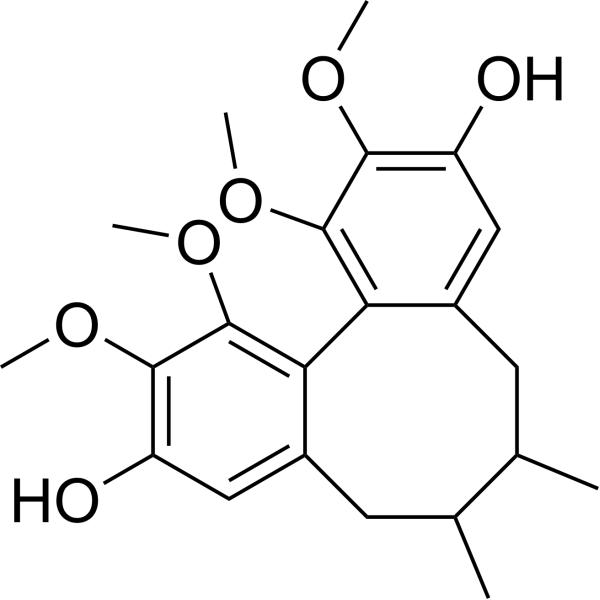
    Gomisin J is a Schisandra chinensis-derived lignan that can inhibit multiple targets such as eNOS, AMPK (LKB1, CaMKIIβ), fetuin-A, NF-κB, Nrf2/HO-1, and can pass through the blood-brain barrier. Gomisin J increases NO bioavailability by activating eNOS, regulates lipid metabolism by activating the AMPK pathway, inhibits fetuin-A and NF-κB to exert anti-inflammatory effects, and activates Nrf2/HO-1 to enhance antioxidant capacity. Gomisin J has the activities of anti-hypertension, regulating liver lipid metabolism, and reducing cerebral ischemia-reperfusion injury, and can be used for research on hypertension, non-alcoholic fatty liver disease, cerebral ischemia-reperfusion injury, etc .
    Gomisin J
  • HY-N8307

    NO Synthase NF-κB Akt AMPK Calcium Channel Inflammation/Immunology
    Syringaresinol is a lignan-type phytochemical with anti-inflammatory activities. Syringaresinol inhibits the NF-κB and AKT signaling pathway in IL-1β-activated mouse chondrocytes. Syringaresinol increases phosphorylation of AMPK, eNOS, and intracellular Ca 2+ levels in HUVECs. Syringaresinol attenuates osteoarthritis progression in mice with Destabilization of the Medial Meniscus (DMM)-induced osteoarthritis. Syringaresinol can be used for the study of osteoarthritis (OA) .
    Syringaresinol
  • HY-N2447
    Amarogentin
    2 Publications Verification

    AMPK Apoptosis Metabolic Disease Cancer
    Amarogentin is a secoiridoid glycoside that is mainly extracted from Swertia and Gentiana roots. Amarogentin exhibits many biological effects, including anti-oxidative, anti-tumour, and anti-diabetic activities. Amarogentin exerts hepatoprotective and immunomodulatory effects. Amarogentin promotes apoptosis, arrests G2/M cell cycle and downregulates of PI3K/Akt/mTOR signalling pathways. Amarogentin exerts beneficial vasculo-metabolic effect by activating AMPK .
    Amarogentin
  • HY-N0930B

    AMPK Bacterial Infection Metabolic Disease
    Galegine hydrochloride, a guanidine derivative, contributes to weight loss in mice. Guanidine hydrochloride is the compound derived from G. officinalis, which gave rise to the biguanides, metformin and phenformin. Galegine hydrochloride activates AMPK in 3T3-L1 adipocytes and L6 myotubes, as well as in the H4IIE rat hepatoma and HEK293 human kidney cell lines. Galegine hydrochloride has antibacterial activity, with minimum inhibitory concentration of 4 mg/L against Staphylococcus aureus strains .
    Galegine hydrochloride
  • HY-W073128

    PFTeDA

    PPAR Apoptosis PGC-1α AMPK Akt mTOR Reactive Oxygen Species (ROS) Endocrinology
    Perfluorotetradecanoic acid (PFTeDA) is an orally active perfluoroalkyl substance. Perfluorotetradecanoic acid directly binds to the ligand-binding domain of purified hPPARγ, with a Kd value of 157.8 μM. Perfluorotetradecanoic acid significantly reduces the activity of the SIRT1/PGC1α and AMPK signaling pathways while stimulating the activity of the AKT1/mTOR signaling pathway. Perfluorotetradecanoic acid significantly upregulates the expression of corticosterone biosynthesis genes. Perfluorotetradecanoic acid increases ROS levels and promotes Apoptosis. Perfluorotetradecanoic acid impairs Leydig cell function and male reproductive endocrine function in adult male rats .
    Perfluorotetradecanoic acid
  • HY-N2896

    Reactive Oxygen Species (ROS) Apoptosis Fungal Bacterial NF-κB SOD AMPK mTOR Notch Toll-like Receptor (TLR) Wnt MyD88 Sirtuin Infection Neurological Disease Inflammation/Immunology Cancer
    Arjunolic acid is an orally active, multifunctional bioactive compound. Arjunolic acid exhibits free radical scavenging activity, as well as fungal and bacterial activities. Arjunolic acid induces apoptosis (Apoptosis) in various cancer cells. Arjunolic acid protects hepatocytes against induced oxidative stress and apoptosis by reducing reactive oxygen species and inhibiting NF-κB activation. Arjunolic acid regulates pancreatic dysfunction in type 2 diabetic rats by blocking the activation of the TLR-4/MyD88 and canonical Wnt pathways. Arjunolic acid inhibits neuroinflammation and ameliorates depressive behaviors via the SIRT1/AMPK/Notch1 signaling pathway in microglia. Arjunolic acid improves Crohn's disease-like colitis by restoring gut microbiota composition and inhibiting TLR4 signaling. Arjunolic acid suppresses osteosarcoma progression by inhibiting Wnt3a-mediated M2 polarization of macrophages. Arjunolic acid ameliorates diabetic retinopathy via the autophagy pathway regulated by AMPK/mTOR/HO-1. Arjunolic acid is applicable to research related to type 2 diabetes, organ toxicity, depression, Crohn's disease, osteosarcoma, diabetic retinopathy, and testicular dysfunction .
    Arjunolic acid
  • HY-N6971

    Cimicifugoside M

    AMPK Metabolic Disease
    Cimiracemoside C is an active component of Cimicifuga racemosa, activates AMPK, has the potential activity against diabetes .
    Cimiracemoside C
  • HY-N10093

    Chamaejasmin

    Apoptosis AMPK Autophagy Reactive Oxygen Species (ROS) Cancer
    Chamaejasmine is a biflavonoid that can be isolated from the roots of Stellera chamaejasme L. Chamaejasmine has antitumor activity. Chamaejasmine induces cell apoptosis, autophagy and ROS production, and activates the activity of AMPK/mTOR signal pathway .
    Chamaejasmine
  • HY-N4176

    Autophagy Neurological Disease
    Ginkgolide K, isolated from Ginkgo biloba, induces protective autophagy through the AMPK/mTOR/ULK1 signaling pathway. Ginkgolide K possesses neuroprotective activity .
    Ginkgolide K
  • HY-136447
    ASP4132
    1 Publications Verification

    AMPK Cancer
    ASP4132 is an orally active, potent AMPK activator with an EC50 of 18 nM. ASP4132 has anti-cancer activity and makes tumor regression in breast cancer xenograft mouse models .
    ASP4132
  • HY-115463
    EB-3D
    2 Publications Verification

    AMPK Apoptosis Cancer
    EB-3D is a potent and selective choline kinase α (ChoKα) inhibitor, with an IC50 of 1 μM for ChoKα1. EB-3D exerts effects on ChoKα expression, AMPK activation, apoptosis, endoplasmic reticulum stress and lipid metabolism. EB-3D exhibits a potent antiproliferative activity in a panel of T-leukemia cell lines. Anti-cancer activity .
    EB-3D
  • HY-N0930A

    AMPK Bacterial Infection Metabolic Disease
    Galegine hemisulfate, a guanidine derivative, contributes to weight loss in mice. Galegine hemisulfate activates AMPK in 3T3-L1 adipocytes and L6 myotubes, as well as in the H4IIE rat hepatoma and HEK293 human kidney cell lines. Galegine hemisulfate has antibacterial activity, with minimum inhibitory concentration of 4 mg/L against Staphylococcus aureus strains .
    Galegine hemisulfate
  • HY-N0805A
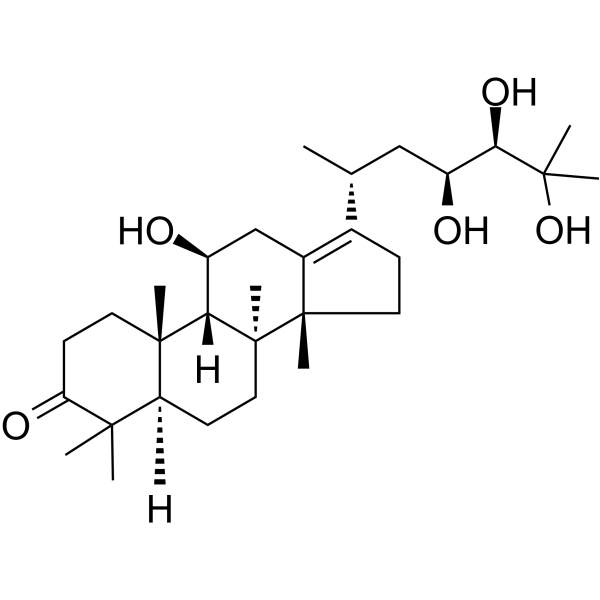
    Alisol B
    1 Publications Verification

    Epoxide Hydrolase CaMK Autophagy Apoptosis Metabolic Disease Inflammation/Immunology Cancer
    Alisol B is a triterpene with diverse biological activities. Alisol B binds human soluble epoxide hydrolase (sEH) with a Ki of 5.97 μM and reduces sEH activity. Alisol B inhibits RANKL-induced JNK phosphorylation, NFATc1 and c-Fos expression, osteoclast formation, mature osteoclast pit-forming and actin ring activity, and SERCA pump activity. Alisol B induces calcium mobilization, CaMKK-AMPK-mTOR pathway activation, autophagic flux, autophagosome formation, G1 phase cell cycle arrest, endoplasmic reticulum stress, unfolded protein responses, and cancer cell apoptosis. Alisol B can be used for the research of hypercalcemia, osteoporosis, rheumatoid arthritis, periodontitis, acute kidney injury, and breast cancer .
    Alisol B
  • HY-B1885
    Fenitrothion
    2 Publications Verification

    Environmental Pollutants Apoptosis Insecticide Cholinesterase (ChE) AMPK PI3K Parasite Akt SOD Infection
    Fenitrothion is a broad-spectrum and orally active insecticide/acaricide. Fenitrothion inhibits cholinesterase, AMPKα and IRS1/PI3K/AKT. Fenitrothion causes Apoptosis, reduces SOD activity. Fenitrothion shows insecticidal effect against Rhyzopertha dominica and Tribolium castaneum adults. Fenitrothion is widely used in cotton crops, vegetable crops, fruit crops and field crops, especially rice. Fenitrothion can be used for brain and spleen toxicology studies .
    Fenitrothion
  • HY-136093B
    Lixumistat
    1 Publications Verification

    IM156 free base; HL156A free base; HL271 free base

    Mitochondrial Metabolism AMPK Neurological Disease Inflammation/Immunology
    Lixumistat (IM156 free base) is a potent and orally active AMPK activator and OXPHOS inhibitor. Lixumistat strongly activates AMPK, while it lacks the systemic metabolic regulatory effects of classic metformin, such as hypoglycemic and weight-lowering activities. Lixumistat exhibits significant therapeutic effects on cognitive decline associated with brain aging and pulmonary fibrosis .
    Lixumistat
  • HY-115570
    GW406108X
    1 Publications Verification

    GW108X

    Kinesin ULK Autophagy Cancer
    GW406108X is a specific Kif15 (Kinesin-12) inhibitor with an IC50 of 0.82 uM in ATPase assays. GW406108X, a potent autophagy inhibitor, shows ATP competitive inhibition against ULK1 with a pIC50 of 6.37 (427 nM). GW406108X inhibits ULK1 kinase activity and blocks autophagic flux, without affecting the upstream signaling kinases mTORC1 and AMPK .
    GW406108X
  • HY-N12124

    Monascinol

    Akt mTOR AMPK Androgen Receptor Apoptosis Autophagy Cancer
    Monascuspiloin (Monascinol) exhibits anti-androgenic activity with an IC50 of 7 μM. Monascuspiloin inhibits viability of PC-3 and LNCaP with IC50 of 45 and 47 μM. Monascuspiloin induces apoptosis in LNCaP through inhibition of Akt/mTOR signaling pathway, induces autophagy through activation AMPK signaling pathway and arrest cell cycle at G2/M phase in PC-3. Monascuspiloin exhibits antitumor efficacy in mice .
    Monascuspiloin
  • HY-N11722

    Apoptosis NF-κB Keap1-Nrf2 AMPK Autophagy SARS-CoV DNA Methyltransferase Infection Inflammation/Immunology Endocrinology
    Panduratin A is an orally active natural compound with multiple pharmacological activities. By specifically inhibiting the NF-κB signaling pathway, Panduratin A exerts potent anti-inflammatory and antioxidant effects in intestinal and vascular inflammation models. Panduratin A exerts a definite protective effect against Colistin (HY-113678)-induced nephrotoxicity by alleviating oxidative stress, improving mitochondrial dysfunction and inhibiting cell apoptosis. Panduratin A activates autophagy via an AMPK-dependent pathway and exhibits anti-tuberculosis activity. Panduratin A exerts antiviral effects by inhibiting the methyltransferase (DNA Methyltransferase) of SARS-CoV-2 .
    Panduratin A
  • HY-136093
    Lixumistat hydrochloride
    1 Publications Verification

    HL271; IM156 hydrochloride; HL156A hydrochloride

    Mitochondrial Metabolism AMPK Neurological Disease
    Lixumistat (IM156) hydrochloride is a potent and orally active AMPK activator and OXPHOS inhibitor. Lixumistat hydrochloride strongly activates AMPK, while it lacks the systemic metabolic regulatory effects of classic metformin, such as hypoglycemic and weight-lowering activities. Lixumistat hydrochloride exhibits significant therapeutic effects on cognitive decline associated with brain aging and pulmonary fibrosis .
    Lixumistat hydrochloride
  • HY-N5018

    Musizin

    Parasite AMPK Infection
    Nepodin (Musizin) is a quinone oxidoreductase (PfNDH2) inhibitor isolate from Rumex crispus .Nepodin (Musizin) stimulates the translocation of GLUT4 to the plasma membrane by activation of AMPK .Nepodin (Musizin) has antidiabetic and antimalarial activities.
    Nepodin
  • HY-N0671R
    Rhapontin (Standard)
    2 Publications Verification

    Rhaponiticin (Standard)

    Reference Standards Apoptosis Cardiovascular Disease Metabolic Disease Inflammation/Immunology Cancer
    Rhapontin (Standard) is the analytical standard of Rhapontin (HY-N0671). This product is intended for research and analytical applications. Rhapontin (Rhaponiticin) is an orally aactive SIRT1 agonist and AMPK activator with anti-inflammatory and anti-fibrotic activities. Rhapontin inhibits NLRP3 inflammasome activation by activating SIRT1 and inhibits TGF-β/Smad signaling via the AMPK pathway. Rhapontin reduces intestinal and lung inflammation, inhibits fibroblast differentiation and extracellular matrix deposition, and enhances tight junction protein expression to repair epithelial barriers. Rhapontin can be used in the study of inflammatory bowel diseases (such as ulcerative colitis) and pulmonary fibrosis .
    Rhapontin (Standard)
  • HY-163649

    AMPK Metabolic Disease
    A17 is a bile acid analog with anti-non-alcoholic steatohepatitis (NASH) and anti-inflammatory activities. A17 reduces fatty acid (FA) uptake and promotes FA oxidation though inhibiting fatty acid translocase (Cd36) expression and activating AMPKα. A17 can be used for NASH research .
    A17
  • HY-124609

    AMPK Acetyl-CoA Carboxylase Neurological Disease
    CAD031 is an orally active AMPK/ACC1 signaling pathway activator and a derivative of the Alzheimer's disease (AD) targeted agent J147 (HY-13779) (more active than J147 in human neural stem cell assays). CAD031 can cross the blood-brain barrier, activate AMPK and inhibit ACC1, thereby increasing ac-CoA levels, improving mitochondrial function and reducing free fatty acid synthesis. CAD031 has neuroprotective, neurogenesis-promoting and memory-improving activities and can be used in the study of Alzheimer's disease and aging-related neurodegenerative diseases. CAD031 effectively enhances the memory of mice, improves dendritic structure, and stimulates cell division in the germinal zone of the brain of elderly mice .
    CAD031
  • HY-169131

    AMPK Cancer
    ALKBH1-IN-4 prodrug (Compound 29E) is a prodrug of a DNA N6-methyladenine demethylase ALKBH1 inhibitor that significantly increases the abundance of 6mA in cells and upregulates the AMPK signaling pathway, thereby inhibiting the viability of gastric cancer cells. ALKBH1-IN-4 prodrug exhibits excellent cellular activity and favorable metabolic exposure in vivo, and holds promise for research in gastric cancer .
    ALKBH1-IN-3 prodrug
  • HY-W006398S

    Anhydrous sodium acetate-d3

    Isotope-Labeled Compounds Neurological Disease Inflammation/Immunology Cancer
    Acetic acid-d3 sodium is the deuterium labeled Acetic acid (HY-Y0319) . Acetic acid is a carboxylic acid and short-chain fatty acid (SCFAs). Acetic acid activates AMPK, increases ROS, cleaved caspase 9, PPARα, downregulates SREBP-1c, ChREBP expression. Acetic acid exhibits antifungal activity against Saccharomyces cerevisiae W303-1A. Acetic acid regulates energy metabolism. Acetic acid has anticancer activity against gastric cancer. Acetic acid induces writhing reaction and ulcerative colitis. Acetic acid can be used in the researches for gastric cancer, ulcerative colitis, hepatic steatosis, and pain.
    Acetic acid-d3 sodium
  • HY-124822
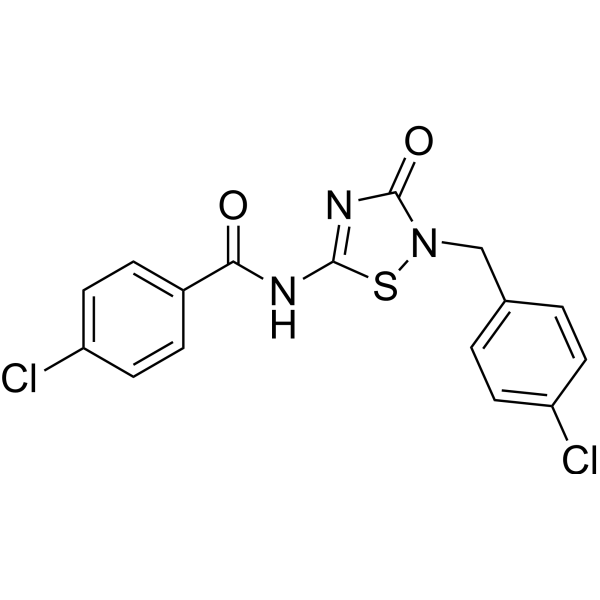
    COH-SR4
    2 Publications Verification

    AMPK Metabolic Disease Cancer
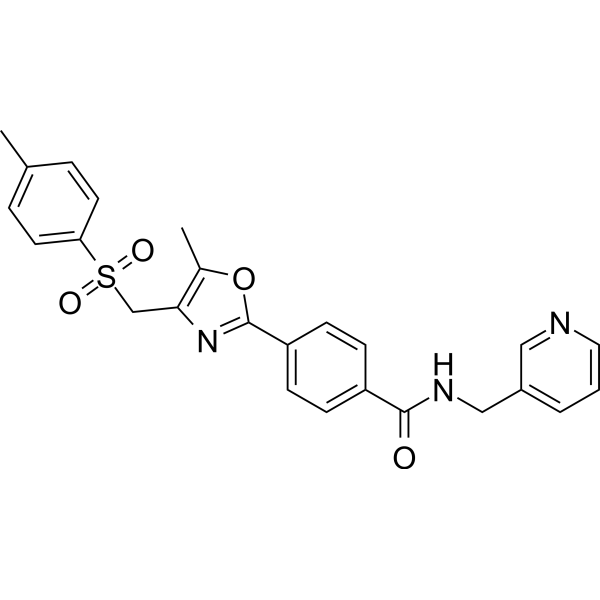
    COH-SR4 is an AMPK activator. COH-SR4 shows potent anti-proliferative activities against leukemia, melanoma, breast and lung cancers. COH-SR4 inhibits adipocyte differentiation via AMPK activation. COH-SR4 can be used for the research of obesity and related metabolic disorders .
    COH-SR4

Inquiry Online

Your information is safe with us. * Required Fields.

Salutation


Country or Region *

Applicant Name *


Organization Name *

Department *


Email Address *


Product Name *

Cat. No.


Requested quantity *

Phone Number *


Remarks

Inquiry Online

Inquiry Information

Product Name:
Cat. No.:
Quantity:
MCE Japan Authorized Agent:

