1. Search Result
Search Result
Results for "

Acetyl-CoA

" in MedChemExpress (MCE) Product Catalog:

144

Inhibitors & Agonists

4

Screening-Bibliotheken

5

Biochemical Assay Reagents

7

Peptides

24

Natural
Products

11

Recombinant Proteins

4

Isotope-Labeled Compounds

23

Antibodies

Art. -Nr. Produktname Target Forschungsgebiete Chemical Structure
  • HY-15142
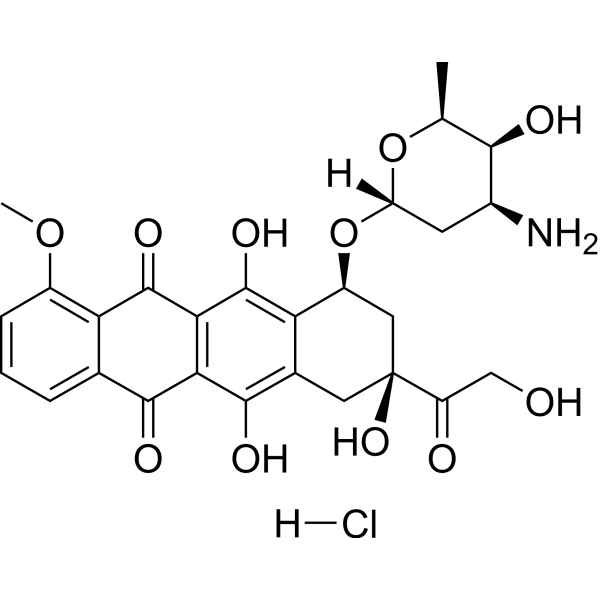
    Doxorubicin hydrochloride
    Maximum Cited Publications
    650 Publications Verification

    Hydroxydaunorubicin hydrochloride; ADR

    Topoisomerase ADC Payload AMPK Autophagy Apoptosis HIV HBV Mitophagy Antibiotic Bacterial Fluorescent Dye Infection Cancer
    Doxorubicin hydrochloride (Hydroxydaunorubicin hydrochloride; ADR), a cytotoxic anthracycline antibiotic, is an anti-cancer chemotherapy agent. Doxorubicin hydrochloride is a potent human DNA topoisomerase I and topoisomerase II inhibitor with IC50s of 0.8 μM and 2.67 μM, respectively. Doxorubicin hydrochloride reduces basal phosphorylation of AMPK and its downstream target acetyl-CoA carboxylase. Doxorubicin hydrochloride induces apoptosis and autophagy .
    Doxorubicin hydrochloride
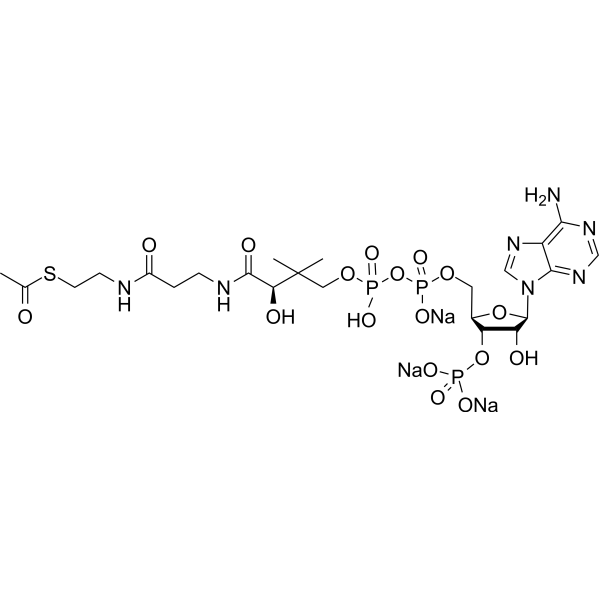
  • HY-113596
    Acetyl Coenzyme A trisodium
    4 Publications Verification

    Acetyl-CoA trisodium

    Oxidative Phosphorylation Endogenous Metabolite Autophagy Metabolic Disease
    Acetyl-coenzyme A (Acetyl-CoA) trisodium is a membrane-impermeant central metabolic intermediate, participates in the TCA cycle and oxidative phosphorylation metabolism. Acetyl-coenzyme A trisodium, regulates various cellular mechanisms by providing (sole donor) acetyl groups to target amino acid residues for post-translational acetylation reactions of proteins. Acetyl Coenzyme A trisodium is also a key precursor of lipid synthesis .
    Acetyl Coenzyme A trisodium
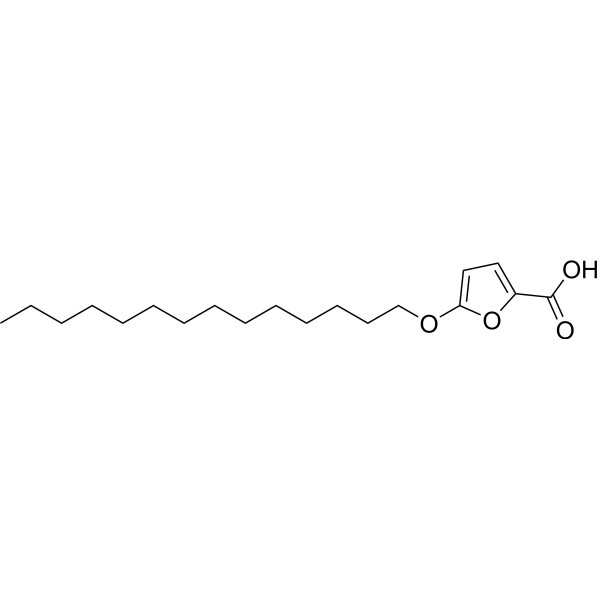
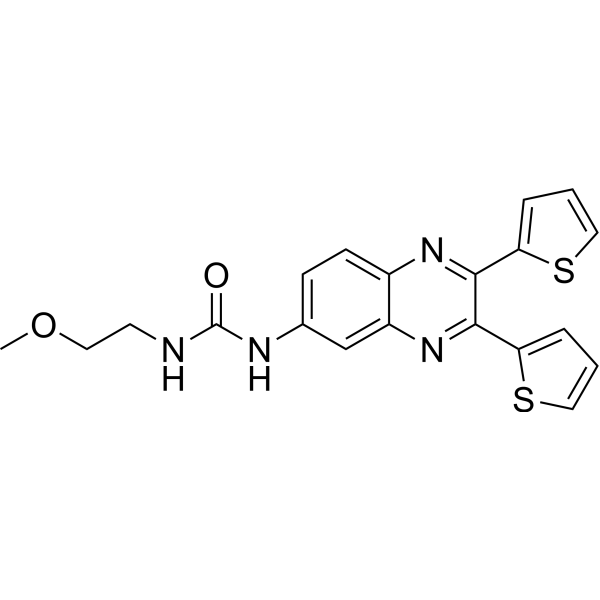
  • HY-104032
    Ac-CoA Synthase-IN-1
    5+ Cited Publications

    RSV Infection Metabolic Disease
    Ac-CoA Synthase-IN-1 is a potent, reversible acetate-dependent acetyl-CoA synthetase 2 (ACSS2) inhibitor with an IC50 of 0.6 μM . Ac-CoA Synthase-IN-1 inhibits the respiratory syncytial virus (RSV) .
    Ac-CoA Synthase-IN-1
  • HY-101068
    TOFA
    10+ Cited Publications

    RMI14514; MDL14514

    Acetyl-CoA Carboxylase Cancer
    TOFA (RMI14514;MDL14514) is an allosteric inhibitor of acetyl-CoA carboxylase-α (ACCA ).
    TOFA
  • HY-16901
    Firsocostat
    20+ Cited Publications

    ND-630; GS-0976; NDI-010976

    Acetyl-CoA Carboxylase Metabolic Disease
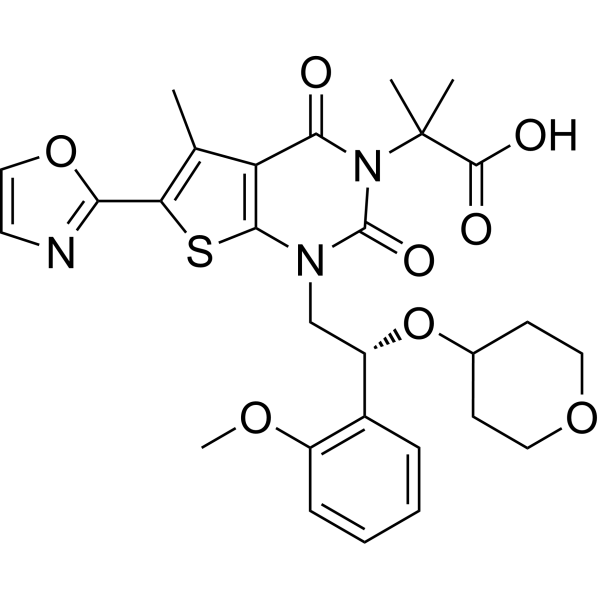
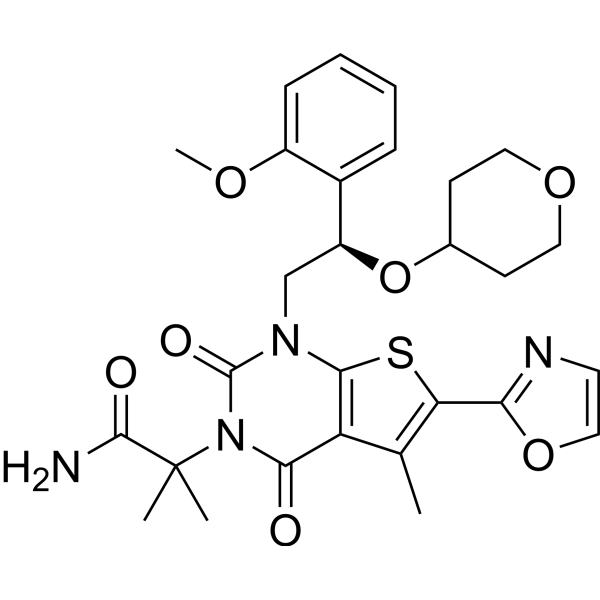
    Firsocostat (ND-630; GS-0976; NDI-010976) is an acetyl-CoA carboxylase (ACC) inhibitor; inhibits human ACC1 and ACC2 with IC50 values of 2.1 and 6.1 nM, respectively.
    Firsocostat
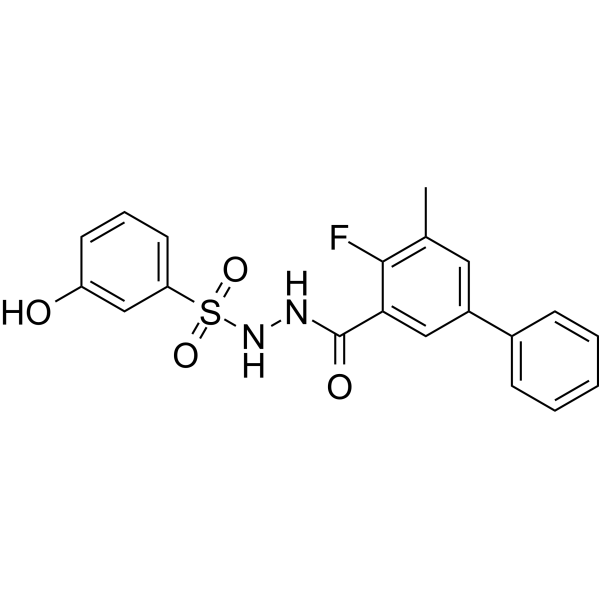
  • HY-134901
    WM-3835
    5+ Cited Publications

    Histone Acetyltransferase Apoptosis Cancer
    WM-3835 is a potent and high-specific HBO1 (KAT7 or MYST2) inhibitor and binds directly to the acetyl-CoA binding site of HBO1. WM-3835 activates apoptosis while inhibits osteosarcoma (OS) cell proliferation, migration and invasion. WM-3835 has antitumor activity and potently inhibits pOS-1 xenograft growth in mice .
    WM-3835
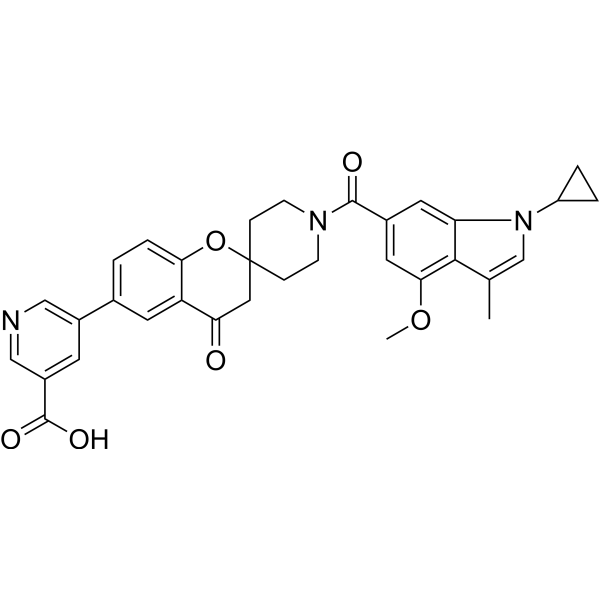
  • HY-101842
    ND-646
    10+ Cited Publications

    Acetyl-CoA Carboxylase Cancer
    ND-646 is an orally bioavailable and steric inhibitor of acetyl-CoA carboxylase (ACC) with IC50s of 3.5 nM and 4.1 nM for recombinant hACC1 and hACC2, respectively.
    ND-646
  • HY-Y0068
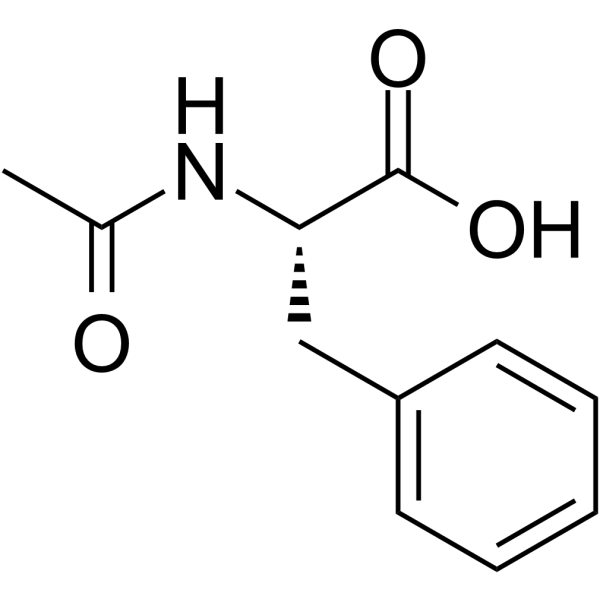
    N-Acetyl-L-phenylalanine
    1 Publications Verification

    N-Acetylphenylalanine

    Endogenous Metabolite Endocrinology
    N-Acetyl-L-phenylalanine (N-Acetylphenylalanine) is a principal acylamino acid. N-Acetyl-L-phenylalanine can be synthesized from L-phenylalanine and acetyl-CoA. N-Acetyl-L-phenylalanine can be used in kidney research .
    N-Acetyl-L-phenylalanine
  • HY-15142A

    Hydroxydaunorubicin

    ADC Payload Antibiotic Bacterial Topoisomerase AMPK HIV Autophagy Mitophagy Apoptosis HBV Fluorescent Dye Infection Cancer
    Doxorubicin (Hydroxydaunorubicin), a cytotoxic anthracycline antibiotic, is an anti-cancer chemotherapy agent. Doxorubicin is a potent human DNA topoisomerase I and topoisomerase II inhibitor with IC50s of 0.8 μM and 2.67 μM, respectively. Doxorubicin reduces basal phosphorylation of AMPK and its downstream target acetyl-CoA carboxylase. Doxorubicin induces apoptosis and autophagy .
    Doxorubicin
  • HY-114293A

    Acetyl-CoA trilithium

    Oxidative Phosphorylation Endogenous Metabolite Autophagy Cardiovascular Disease Metabolic Disease
    Acetyl-coenzyme A (Acetyl-CoA) trilithium is a membrane-impermeant central metabolic intermediate, participates in the TCA cycle and oxidative phosphorylation metabolism. Acetyl-coenzyme A trilithium regulates various cellular mechanisms by providing (sole donor) acetyl groups to target amino acid residues for post-translational acetylation reactions of proteins. Acetyl Coenzyme A trilithium is also a key precursor of lipid synthesis .
    Acetyl coenzyme A trilithium
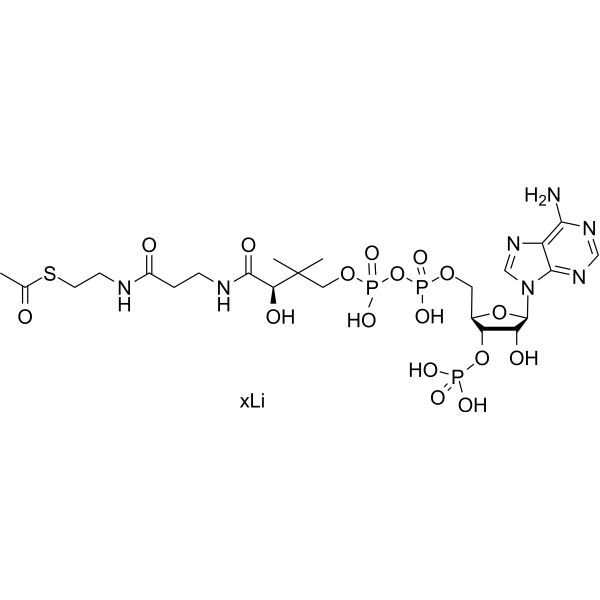
  • HY-114293

    Acetyl-CoA

    Oxidative Phosphorylation Endogenous Metabolite Autophagy Cardiovascular Disease Metabolic Disease
    Acetyl-coenzyme A (Acetyl-CoA) is a membrane-impermeant central metabolic intermediate, participates in the TCA cycle and oxidative phosphorylation metabolism. Acetyl-coenzyme A, regulates various cellular mechanisms by providing (sole donor) acetyl groups to target amino acid residues for post-translational acetylation reactions of proteins. Acetyl Coenzyme A is also a key precursor of lipid synthesis .
    Acetyl coenzyme A
  • HY-15259
    CP-640186
    5+ Cited Publications

    Acetyl-CoA Carboxylase Metabolic Disease
    CP-640186 is an orally active and cell-permeable Acetyl-CoA carboxylase (ACC) inhibitor with IC50s of 53 nM and 61 nM for rat liver ACC1 and rat skeletal muscle ACC2 respectively. Acetyl-CoA carboxylase (ACC) is a key enzyme of fatty acid metabolism that enables the synthesis of malonyl-CoA. CP-640186 can also stimulate muscle fatty acid oxidation .
    CP-640186
  • HY-W050031
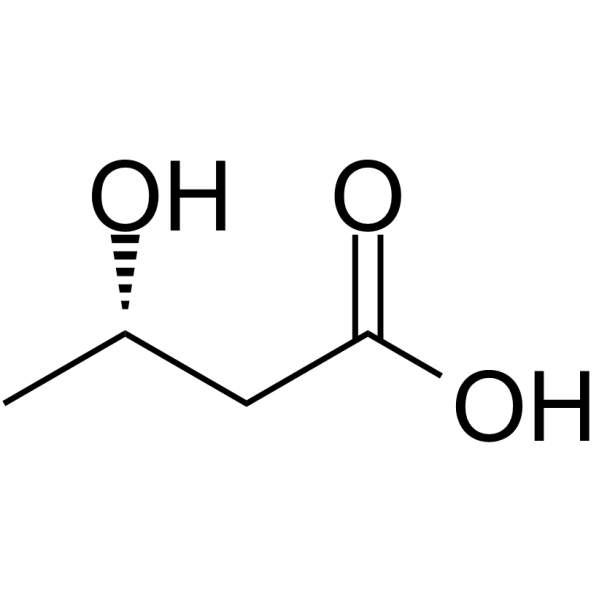
    (S)-3-Hydroxybutanoic acid
    2 Publications Verification

    (S)-β-Hydroxybutanoic acid; L-(+)-3-Hydroxybutyric acid; L-β-Hydroxybutyric acid

    Endogenous Metabolite Metabolic Disease
    (S)-3-Hydroxybutanoic acid is a metabolite and a disease marker of depression. 3-Hydroxybutyric acid is synthesized in the liver from acetyl-CoA, and can be used as an energy source by the brain when blood glucose is low.
    (S)-3-Hydroxybutanoic acid
  • HY-12942
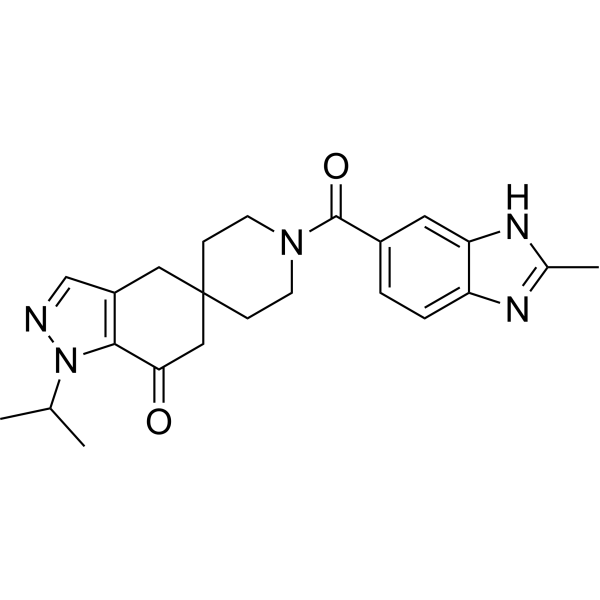
    PF-05175157
    3 Publications Verification

    Acetyl-CoA Carboxylase Metabolic Disease
    PF-05175157 is broad spectrum acetyl-CoA carboxylase (ACC) inhibitor with IC50s of 27.0, 33.0, 23.5 and 50.4 nM for ACC1 (human), ACC2 (human), ACC1 (rat), ACC2 (rat), respectively.
    PF-05175157
  • HY-113596A
    Acetyl coenzyme A lithium
    4 Publications Verification

    Acetyl-CoA lithium

    Oxidative Phosphorylation Endogenous Metabolite Autophagy Cardiovascular Disease Metabolic Disease
    Acetyl-coenzyme A (Acetyl-CoA) lithium is a membrane-impermeant central metabolic intermediate, participates in the TCA cycle and oxidative phosphorylation metabolism. Acetyl-coenzyme A lithium, regulates various cellular mechanisms by providing (sole donor) acetyl groups to target amino acid residues for post-translational acetylation reactions of proteins. Acetyl Coenzyme A lithium is also a key precursor of lipid synthesis .
    Acetyl coenzyme A lithium
  • HY-N7392A

    3-Oxobutanoyl-coenzyme A sodium hydrate

    Endogenous Metabolite Metabolic Disease
    Acetoacetyl CoA sodium hydrate is the precursor of HMG-CoA in the mevalonate pathway. Acetoacetyl-CoA thiolase catalyzes the reaction to form acetoacetyl-CoA sodium hydrate from two acetyl-CoA molecules. Acetoacetyl CoA sodium hydrate is essential for cholesterol biosynthesis. Acetoacetyl-CoA sodium hydrate is also a intermediate in the biological breakdown and synthesis of fatty acids .
    Acetoacetyl-CoA sodium hydrate
  • HY-152117

    Acetyl-CoA Carboxylase Bacterial Infection
    Acetyl-CoA Carboxylase-IN-1 is a potent acetyl-CoA carboxylase (ACC) inhibitor with an IC50 value of <5 nM. Acetyl-CoA Carboxylase-IN-1 has antibacterial activity .
    Acetyl-CoA Carboxylase-IN-1
  • HY-P2739

    Endogenous Metabolite Others
    Citrate synthase is responsible for catalyzing the first reaction of the citric acid cycle: the condensation of acetyl-CoA and oxaloacetate to form citrate. Citrate synthase is localized within eukaryotic cells in the mitochondrial matrix .
    Citrate synthase
  • HY-141466

    Endogenous Metabolite Histone Acetyltransferase Infection Metabolic Disease Inflammation/Immunology
    Crotonyl-CoA, a high-energy acyl donor, is an intermediate in the fermentation of butyric acid, and in the metabolism of lysine and tryptophan. Crotonyl-CoA is important in the metabolism of fatty acids and amino acids. Crotonyl-CoA acts as a substrate for p300’s histone crotonyltransferase activity, competing with acetyl-CoA for p300-mediated histone acylation reactions. Crotonyl-CoA regulates global and gene-specific histone crotonylation levels in cells, with cellular concentration changes altering histone crotonylation at regulatory elements of activated genes. Crotonyl-CoA serves as the substrate for crotonyl-CoA reductase/carboxylase (CCRC)-catalyzed NADPH-mediated reduction and carbon dioxide trapping to form unusual alkylmalonyl-CoA polyketide synthase extender units. Crotonyl-CoA can be used for the research of LPS-induced inflammatory response .
    Crotonyl-CoA
  • HY-P1123

    ATP Citrate Lyase Free Fatty Acid Receptor Acetyl-CoA Carboxylase Metabolic Disease
    MEDICA16 is an orally active acetyl-CoA carboxylase and ATP-citrate lyase inhibitor. MEDICA16 limits the acetyl-CoA supply for acetyl-CoA carboxylase, inhibits acetyl-CoA carboxylase activity, exerts citrate-competitive inhibitory effects on ATP-citrate lyase, and reduces hepatic AMPK activity. MEDICA16 can be used in research related to insulin resistance, hyperlipidemia, and obesity .
    MEDICA16
  • HY-P2914

    Biochemical Assay Reagents Metabolic Disease Inflammation/Immunology
    Carnitine acetyltransferase is a mitochondrial matrix enzyme that catalyzes the interconversion of Acetyl-CoA and Acetylcarnitine (HY-126358). Carnitine acetyltransferase functions as a positive regulator of total body glucose tolerance and muscle activity of pyruvate dehydrogenase. Carnitine acetyltransferase is responsible for mitochondrial acetyl-CoA balance and regulation of fatty acid oxidation by utilizing short- and medium- chain fatty acids and their corresponding acylcarnitines as substrates. Carnitine acetyltransferase plays a crucial role in regulating glucose homeostasis. Carnitine acetyltransferase can be utilized in the research of aging, obesity, and diabetes .
    Carnitine acetyltransferase
  • HY-N7392

    3-Oxobutanoyl-coenzyme A

    Endogenous Metabolite Metabolic Disease
    Acetoacetyl CoA is the precursor of HMG-CoA in the mevalonate pathway. Acetoacetyl-CoA thiolase catalyzes the reaction to form acetoacetyl-CoA from two acetyl-CoA molecules. Acetoacetyl CoA is essential for cholesterol biosynthesis. Acetoacetyl-CoA is also a intermediate in the biological breakdown and synthesis of fatty acids .
    Acetoacetyl-CoA
  • HY-147004

    Acetyl-CoA Carboxylase Metabolic Disease
    A-908292 is a potent and selective acetyl-CoA carboxylase 2 (ACC2) inhibitor, with an IC50 of 23 nM for human ACC2. A-908292 can be used for the research of fatty acid metabolism . A-908292 is a click chemistry reagent, it contains an Alkyne group and can undergo copper-catalyzed azide-alkyne cycloaddition (CuAAc) with molecules containing Azide groups.
    A-908292
  • HY-114293S

    Acetyl-CoA-13C2 lithium

    Isotope-Labeled Compounds Endogenous Metabolite Autophagy Oxidative Phosphorylation Metabolic Disease
    Acetyl coenzyme A- 13C2 lithium is the 13C-labeled Acetyl coenzyme A (HY-114293). Acetyl-coenzyme A (Acetyl-CoA) is a membrane-impermeant central metabolic intermediate, participates in the TCA cycle and oxidative phosphorylation metabolism. Acetyl-coenzyme A, regulates various cellular mechanisms by providing (sole donor) acetyl groups to target amino acid residues for post-translational acetylation reactions of proteins. Acetyl Coenzyme A is also a key precursor of lipid synthesis .
    Acetyl coenzyme A-13C2 lithium
  • HY-15259A
    CP-640186 hydrochloride
    5+ Cited Publications

    Acetyl-CoA Carboxylase Metabolic Disease
    CP-640186 hydrochloride is an orally active and cell-permeable Acetyl-CoA carboxylase (ACC) inhibitor with IC50s of 53 nM and 61 nM for rat liver ACC1 and rat skeletal muscle ACC2 respectively. Acetyl-CoA carboxylase (ACC) is a key enzyme of fatty acid metabolism that enables the synthesis of malonyl-CoA. CP-640186 hydrochloride can also stimulate muscle fatty acid oxidation .
    CP-640186 hydrochloride
  • HY-135981
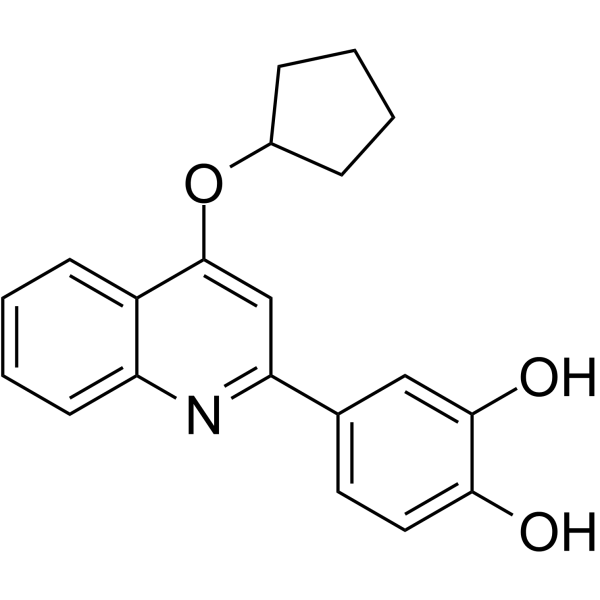
    CMS-121
    2 Publications Verification

    Acetyl-CoA Carboxylase Neurological Disease Inflammation/Immunology
    CMS-121 is a quinolone derivative and an orally active acetyl-CoA carboxylase 1 (ACC1) inhibitor. CMS-121 protects HT22 cells against ischemia and oxidative damage with EC50 values of 7 nM and 200 nM, respectively. CMS-121 has strong neuroprotective, anti-inflammatory, antioxidative and renoprotective activities .
    CMS-121
  • HY-P2827

    ACS

    Acetyl-CoA synthetase Cancer
    Acetyl-CoA synthetase (ACS) is a key enzyme that catalyzes the conversion of acetate to acetyl-CoA (Ac-CoA). Acetyl-CoA synthetase catalyzes the formation of thioester bonds between coenzyme A and carboxylic acids, while simultaneously hydrolyzing ATP into AMP and pyrophosphate .
    Acetyl-CoA synthetase
  • HY-N7347

    Garcinia lactone

    ATP Citrate Lyase Metabolic Disease
    (-)-Hydroxycitric acid lactone (Garcinia lactone) is an anti-obesity agent and a popular weight loss food supplement. (-)-Hydroxycitric acid lactone is a potent inhibitor of ATP-citrate lyase. (-)-Hydroxycitric acid lactone catalyzes the extramitochondrial cleavage of citrate to oxaloacetate and acetyl-CoA, limits the availability of acetyl-CoA units required for fatty acid synthesis .
    (-)-Hydroxycitric acid lactone
  • HY-107709
    MK-4074
    4 Publications Verification

    Acetyl-CoA Carboxylase Metabolic Disease
    MK-4074 is a liver-specific inhibitor of acetyl-CoA carboxylase ACC1 and ACC2 with IC50 values of approximately 3 nM.
    MK-4074
  • HY-114293S5

    Acetyl-CoA-d3

    Isotope-Labeled Compounds Oxidative Phosphorylation Endogenous Metabolite Autophagy Cardiovascular Disease Metabolic Disease
    Acetyl coenzyme A-d3 (Acetyl-CoA-d3) is the deuterium labeled Acetyl coenzyme A (HY-114293). Acetyl-coenzyme A (Acetyl-CoA) is a membrane-impermeant central metabolic intermediate, participates in the TCA cycle and oxidative phosphorylation metabolism. Acetyl-coenzyme A, regulates various cellular mechanisms by providing (sole donor) acetyl groups to target amino acid residues for post-translational acetylation reactions of proteins. Acetyl Coenzyme A is also a key precursor of lipid synthesis .
    Acetyl coenzyme A-d3
  • HY-P2887

    Endogenous Metabolite Others
    Acetate kinase (ACK) is an enzyme widely distributed in bacteria and archaea. In the presence of ATP and divalent cations, it catalyzes the phosphorylation of acetate and promotes the production of acetyl-CoA. Often used in biochemical research .
    Acetate kinase (ACK)
  • HY-W612338

    9-ONA

    Acetyl-CoA Carboxylase Inflammation/Immunology
    9-Oxononanoic acid (9-ONA) is an orally active acetyl-CoA carboxylase inhibitor. 9-Oxononanoic acid inhibits acetyl-CoA carboxylase via accumulation of long-chain acyl-CoA. 9-Oxononanoic acid increases carnitine palmitoyltransferase, isocitrate dehydrogenase and glucose 6-phosphate dehydrogenase activity to elevate β-oxidation and support NADPH (HY-113324) supplyactivity. 9-Oxononanoic acid stimulates phospholipase A2 activity via post-translational, non-transcriptional mechanisms. 9-Oxononanoic acid can be used for the research of atherothrombosis .
    9-Oxononanoic acid
  • HY-114591

    BSN 2060

    Environmental Pollutants Drug Derivative Acetyl-CoA Carboxylase Infection
    Spiromesifen (BSN 2060) is a broad-spectrum tetrachloro acid derivative acaricide. Spiromesifen reduces lipid biosynthesis via inhibition of acetyl-CoA carboxylase, and has no cross-resistance to any resistant mite or whitefly populations .
    Spiromesifen
  • HY-N14257

    Bacterial Antibiotic Acetyl-CoA Carboxylase Infection
    Andrimid is a peptide Antibiotic and acetyl-CoA carboxylase inhibitor. Andrimid is produced by symbiotic bacteria of the genus *Enterobacter* residing in the brown planthopper Nilaparvata lugens. Andrimid exhibits strong specific activity against Xanthomonas campestris pv. oryzae. Andrimid shows no or only weak activity against Gram-positive and Gram-negative bacteria, including most plant pathogenic bacteria. Andrimid can be used in studies related to bacterial infections and rice bacterial blight .
    Andrimid
  • HY-E70394

    Acetonyl-coenzyme A

    Biochemical Assay Reagents N-myristoyltransferase Metabolic Disease
    S-Acetonyl-CoA (Acetonyl-coenzyme A) is a non-reactive structural analog of acetyl-CoA that acts as a competitive inhibitor against multiple target enzymes. S-Acetonyl-CoA lacks the characteristic thioester group of acetyl-CoA, retaining only a thioether structure. S-Acetonyl-CoA competes with acetyl-CoA for binding to citrate synthase, phosphate transacetylase, carnitine acetyltransferase, and N-myristoyltransferase 1. S-Acetonyl-CoA serves as a reagent for investigating acetyl-CoA-dependent physiological processes .
    S-Acetonyl-CoA
  • HY-117262

    Acetyl-CoA Carboxylase Others
    Propaquizafop is a phenoxyisopropionic acid herbicide and an acetyl-coA carboxylase inhibitor .
    Propaquizafop
  • HY-147376

    Acetyl-CoA Carboxylase Metabolic Disease
    hACC2-IN-1 is a potent acetyl-CoA carboxylase 2 (ACC2) inhibitor, with an IC50 value of 2.5 μM (hACC2). hACC2-IN-1 could be used for obesity research .
    hACC2-IN-1
  • HY-W588256

    Endogenous Metabolite Acetyl-CoA Carboxylase Infection
    12-Tridecenoic acid is a metabolite of intestinal flora, which can promote the expression of acetyl-CoA carboxylase α (ACC) and inhibit the expression of carnitine palmitoyltransferase 1A (CPT1A), thereby aggravating hepatic steatosis. 12-Tridecenoic acid aggravates hepatic steatosis by affecting the ACC-CPT1A axis .
    12-Tridecenoic acid
  • HY-16943

    Bacterial Acetyl-CoA Carboxylase Infection
    Moiramide B is a potent acetyl-CoA carboxylase (ACC) inhibitor with an IC50 value of 6 nM. Moiramide B has antibacterial activity .
    Moiramide B
  • HY-123307

    Xylafop

    Environmental Pollutants Acetyl-CoA Carboxylase Others
    Quizalofop (Xylafop) is a herbicide that inhibits acetyl-CoA carboxylase (ACCase) to reduce the synthesis of fatty acids. Quizalofop can be used to screen EMS (HY-W015854) mutated microalgae for research on improving the performance of microalgae biofuel production .
    Quizalofop
  • HY-127108

    Acetyl-CoA Carboxylase Metabolic Disease Cancer
    ND-654 is a highly selective acetyl-CoA carboxylase (ACC) inhibitor (IC50: ACC1=3 nM, ACC2=8 nM). ND-654 reduces hepatic lipogenesis, decreases neutrophil recruitment and promotes anti-inflammatory M2 macrophage polarization. ND-654 is promising for research of nonalcoholic steatohepatitis and hepatocellular carcinoma .
    ND-654
  • HY-150191

    Lipoxygenase Acetyl-CoA Carboxylase Metabolic Disease
    IMA-1 is an inhibitor that inhibits the interaction between arachidonic acid 12-lipoxygenase (ALOX12) and acetyl-CoA carboxylase 1 (ACC1). IMA-1 significantly blocks the progression of diet-induced non-alcoholic steatohepatitis (NASH) in male mice and crab-eating monkeys, and does not cause hyperlipidemia. IMA-1 can be used for the study of NASH .
    IMA-1
  • HY-178040

    Acetyl-CoA Carboxylase Pyruvate Carboxylase (PC) Parasite Insecticide Infection
    Insecticidal agent 26 (Compound A11), a spiro insecticidal agent, is a dual-functional inhibitor of pest Acetyl-CoA carboxylase (ACC) and Pyruvate carboxylase (PC). Insecticidal agent 26 has potent insecticidal activity against Sogatella furcifera with a LC50 of 11.0  μg/mL, with significant biosafety to bees. Insecticidal agent 26 can be used for management of white-backed planthoppers (WBPs) .
    Insecticidal agent 26
  • HY-16946

    Acetyl-CoA Carboxylase Metabolic Disease
    CP-610431 is a reversible, ATP-uncompetitive, isozyme-nonselective acetyl-CoA carboxylase (ACC) inhibitor. CP-610431 inhibits ACC1 and ACC2 with IC50s of ~50 nM. CP-610431 can be used for the research of metabolic syndrome .
    CP-610431
  • HY-139134

    HMG-CoA Reductase (HMGCR) Acetyl-CoA Carboxylase Cardiovascular Disease
    S-2E is an orally active and noncompetitive HMG-CoA reductase and acetyl-CoA carboxylase inhibitor. S-2E has an anti-hyperlipidemic action. S-2E has the potential for familial hypercholesterolemia and mixed hyperlipidemia research .
    S-2E
  • HY-16901A

    ND-630 (S enantiomer); GS-0976 (S enantiomer); NDI-010976 (S enantiomer)

    Acetyl-CoA Carboxylase Others
    Firsocostat S enantiomer (ND-630 S enantiomer) is the less active S enantiomer of Firsocostat. Firsocostat is an acetyl-CoA carboxylase (ACC) inhibitor.
    Firsocostat (S enantiomer)
  • HY-114575

    BAS 517-02H

    Herbicide Acetyl-CoA Carboxylase Others
    Cycloxydim (BAS 517-02H) is a cyclohexanedione oxime herbicide. Cycloxydim can inhibits the acetyl-CoA carboxylase .
    Cycloxydim
  • HY-169009

    Acetyl-CoA Carboxylase Infection
    (Rac)-Spirotetramat-enol (Compound 8) is a ligand of acetyl-CoA carboxylase that can be used to synthesize PROTAC ADC degrader (HY-169008) .
    (Rac)-Spirotetramat-enol
  • HY-121273

    Dichlorfop acid; (±)-Diclofop

    Acetyl-CoA Carboxylase Parasite Drug Metabolite Infection
    Diclofop (Dichlorfop acid) is an acetyl-CoA carboxylase (ACC) inhibitor. Diclofop is also the major metabolite of the herbicide Diclofop-methyl (HY-136367). Diclofop exhibits antimalarial activity with an IC50 of 210 μM against P. falciparum .
    Diclofop
  • HY-173565

    Acetyl-CoA Carboxylase Inflammation/Immunology
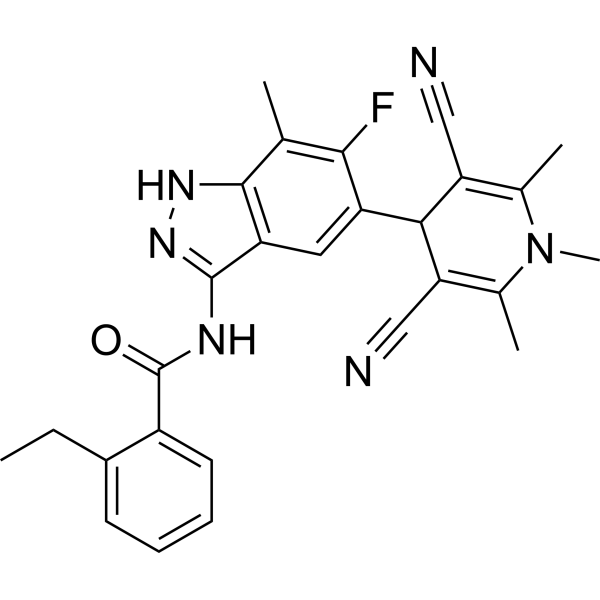
    ACC-IN-1 (Compound B1) is an allosteric inhibitor of acetyl-CoA carboxylase (ACC). ACC-IN-1 targets ACC to regulate lipid metabolism, which can improve liver steatosis, inflammation related to non-alcoholic steatohepatitis (NASH) .
    ACC-IN-1

Online-Anfrage

Your information is safe with us. * Required Fields.

Anrede


Country or Region *

Name des Antragstellers *


Name der Organisation *

Department *


E-Mail-Addresse *


Produktname *

Art. -Nr.


Requested quantity *

Telefonnummer *


Bemerkungen

Online-Anfrage

Inquiry Information

Produktname:
Art. -Nr.:
Menge:
MCE Japan Authorized Agent:

