1. Search Result
Search Result
Results for "

Androgen receptor

" in MedChemExpress (MCE) Product Catalog:

410

Inhibitors & Agonists

2

Screening Libraries

2

Biochemical Assay Reagents

7

Peptides

1

Inhibitory Antibodies

34

Natural
Products

5

Recombinant Proteins

41

Isotope-Labeled Compounds

13

Antibodies

6

Click Chemistry

1

Oligonucleotides

Targets Recommended:
Cat. No. Product Name Target Research Areas Chemical Structure
  • HY-138641
    Bavdegalutamide
    5+ Cited Publications

    ARV-110

    PROTACs Androgen Receptor Cancer
    Bavdegalutamide (ARV-110) is an orally active, specific androgen receptor (AR) PROTAC degrader. Bavdegalutamide promotes ubiquitination and degradation of AR. Bavdegalutamide can be used for the research of prostate cancer (Pink: AR ligand (HY-168299); Blue: E3 ligase ligand (HY-W093272); Black: linker (HY-W091986)) .
    Bavdegalutamide
  • HY-14249
    Bicalutamide
    15+ Cited Publications

    Androgen Receptor Autophagy Cancer
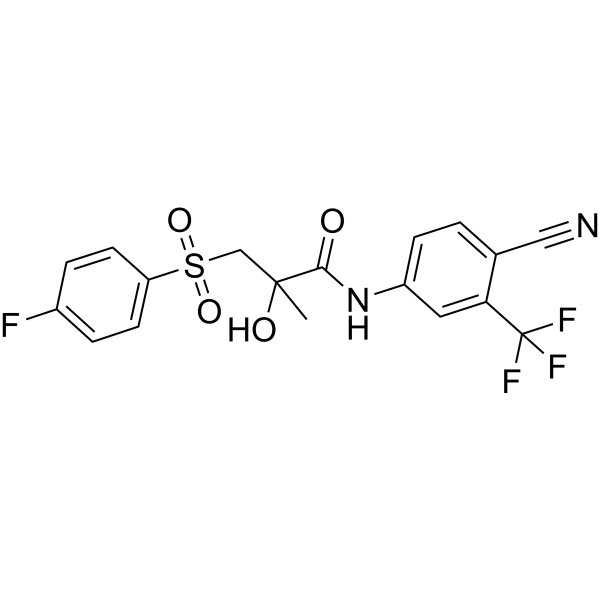
    Bicalutamide is an orally active non-steroidal androgen receptor (AR) antagonist. Bicalutamide can be used for the research of prostate cancer .
    Bicalutamide
  • HY-153342
    Luxdegalutamide
    2 Publications Verification

    ARV-766; JSB462

    PROTACs Androgen Receptor Cancer
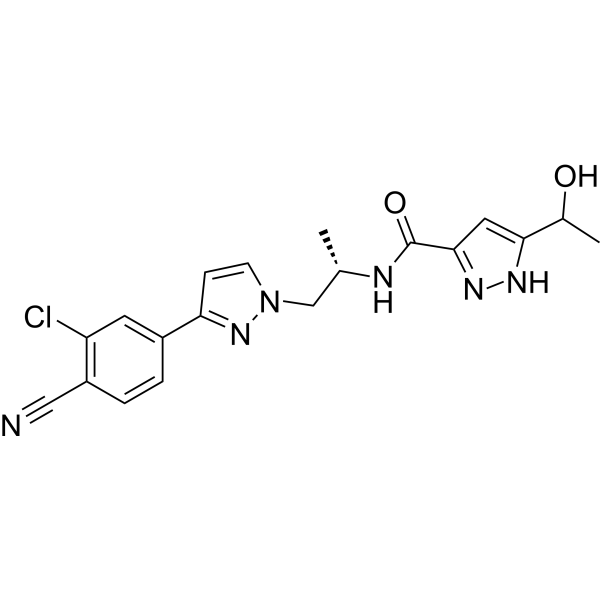
    Luxdegalutamide (ARV-766) is an orally active protein hydrolysis targeted chimeric (PROTAC) targeting androgen receptor (AR), which can degrade AR resistance related mutants, including T878/H875/L702 mutants. Luxdegalutamide has anti-tumor activity and can be used in the study of castration resistant prostate cancer .
    Luxdegalutamide
  • HY-158102
    Rinzimetostat
    1 Publications Verification

    ORIC-944

    Histone Methyltransferase Cancer
    Rinzimetostat (ORIC-944) is a selective, orally active, allosteric inhibitor targeting the EED subunit of polycomb repressive complex 2 (PRC2). Rinzimetostat is synergistic with androgen receptor pathway inhibitors (ARPIs) for the study of metastatic prostate cancer.
    Rinzimetostat
  • HY-136582

    Androgen receptor-IN-2

    Androgen Receptor Cancer
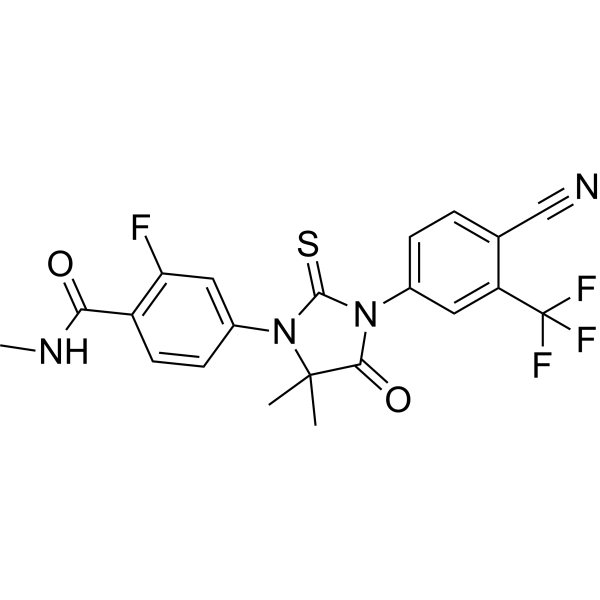
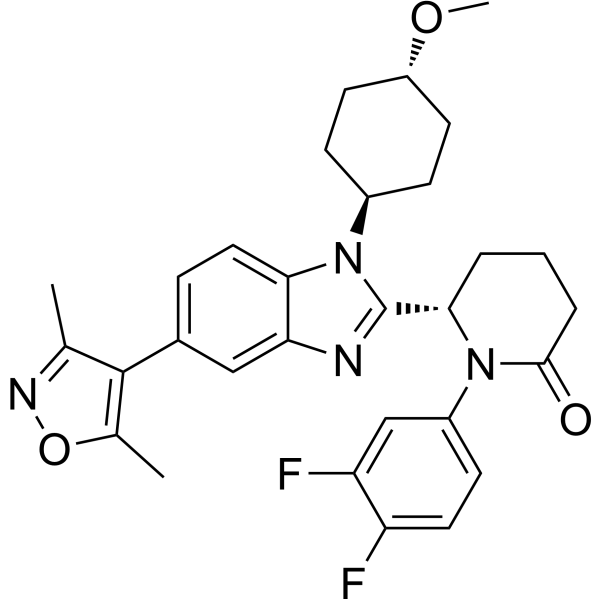
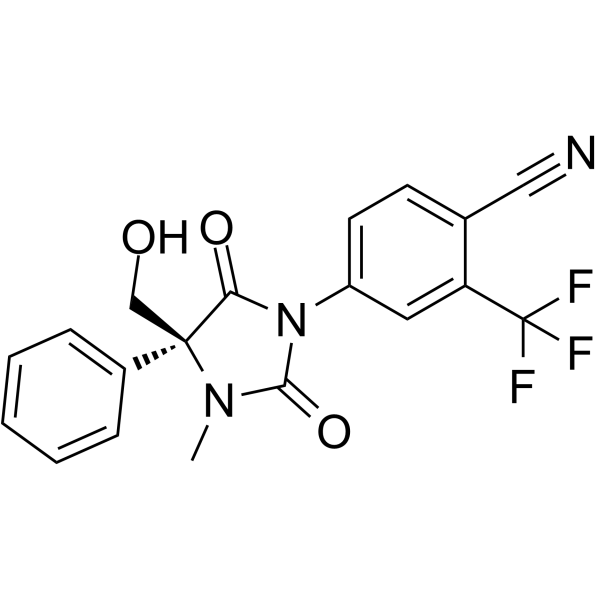
    Masofaniten (Androgen receptor-IN-2) is a potent and orally active androgen receptor inhibitor. Masofaniten has antitumor activity against prostate cancer .
    Masofaniten
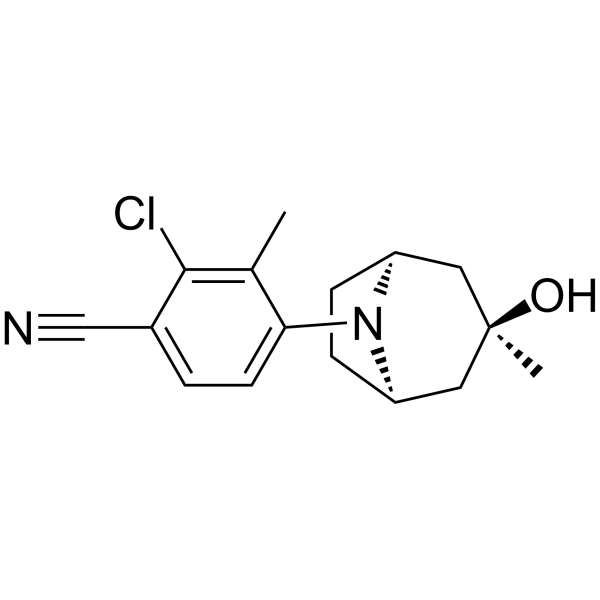
  • HY-12111
    BMS-564929
    5+ Cited Publications

    Androgen Receptor Endocrinology
    BMS-564929 is an androgen receptor (AR) agonist, binds to androgen receptor (AR) with a Ki of 2.11±0.16 nM.
    BMS-564929
  • HY-122025
    AC-262536
    1 Publications Verification

    Androgen Receptor Metabolic Disease
    AC-262536 is a selective and non-steroidal androgen receptor modulators (SARMs) with beneficial anabolic effects. AC-262536 exhibits potent agonist activity at the androgen receptor, with an affinity in the low nanomolar range (1-10 nM) .
    AC-262536
  • HY-70002B
    Enzalutamide carboxylic acid
    2 Publications Verification

    MDV3100 carboxylic acid

    Drug Metabolite Cancer
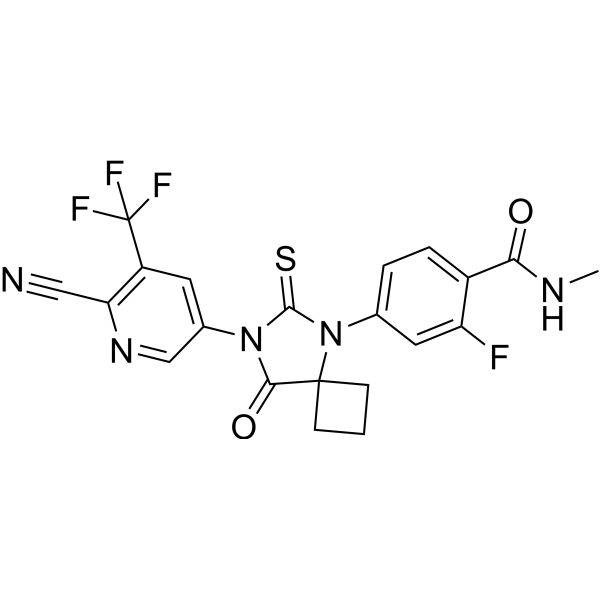
    Enzalutamide carboxylic acid (MDV3100 carboxylic acid) is an inactive metabolite of Enzalutamide (MDV3100). Enzalutamide is an androgen receptor (AR) antagonist .
    Enzalutamide carboxylic acid
  • HY-B1095
    Chlormadinone acetate
    1 Publications Verification

    Progesterone Receptor Androgen Receptor Glucocorticoid Receptor GABA Receptor Neurological Disease Metabolic Disease
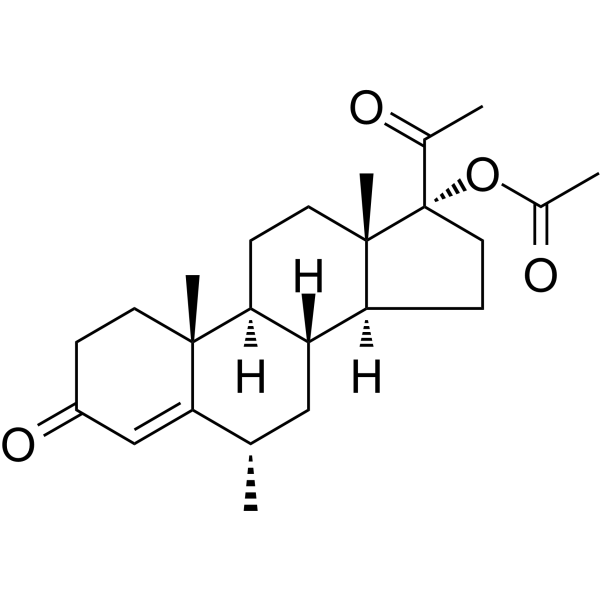
    Chlormadinone acetate is a progestogen with potent progestogenic activity and antiandrogenic effects. Chlormadinone acetate acts on glucocorticoid receptor, progesterone receptor, androgen receptor, and GABAA receptor. Chlormadinone acetate induces endometrial proliferation in estrogen-pretreated rabbits, inhibits testosterone-stimulated growth of the prostate and seminal vesicles in castrated rats, and reduces the thymus and adrenal weights in juvenile rats. Chlormadinone acetate is applicable to research related to diseases such as depression and reproductive metabolic disorders .
    Chlormadinone acetate
  • HY-100348

    Androgen Receptor PPAR Apoptosis Cancer
    EPI-001, a selective inhibitor of Androgen Receptor (AR), targets transactivation unit 5 (Tau-5) of the AR. EPI-001 can inhibit transactivation of the AR amino-terminal domain (NTD), with an IC50 of ~6 μM. EPI-001 is also a selective modulator of PPARγ. EPI-001 is active against castration-resistant prostate cancer .
    EPI-001
  • HY-130992

    Androgen Receptor Ligands for Target Protein for PROTAC Cancer
    Androgen receptor antagonist 1 is an orally available full androgen receptor (AR) antagonist with an IC50 of 59 nM . Androgen receptor antagonist 1 (Compound 6) can be used in the synthesis of PROTAC AR degraders, which results 24% and 47 % AR protein degradation in LNCaP cells at 1 μM and 10 μM, respectively .
    Androgen receptor antagonist 1
  • HY-160020

    Androgen Receptor Cancer
    ET516 is a potent inhibitor of Androgen Receptor. ET516 significantly inhibits the proliferation and tumor growth of prostate cancer cells expressing AR-resistant mutants .
    ET516
  • HY-149433

    PROTACs Androgen Receptor Apoptosis Cancer
    BWA-522 is an orally active PROTAC degrader targeting full-length androgen receptor (AR-FL) and androgen receptor splice variant 7 (AR-V7). BWA-522 antagonizes the N-terminal domain (AR-NTD) of the androgen receptor, suppresses AR downstream signaling proteins and induces cancer cells apoptosis. BWA-522 inhibits tumor growth in LNCaP xenograft mouse model. BWA-522 can be used for the research of prostate cancer .
    BWA-522
  • HY-108250

    Androgen Receptor Cancer
    (R)-Bicalutamide is the (R)-enantiomer of Bicalutamide (HY-14249). (R)-Bicalutamide is an androgen receptor (AR) antagonist, with antineoplastic activity. (R)-Bicalutamide is widely used for the research of prostate cancer .
    (R)-Bicalutamide
  • HY-133045

    Ligands for E3 Ligase Cancer
    VHL Ligand 8 is a VHL ligand. VHL Ligand 8 can be used to synthesize ARD-266 (HY-133020), a highly potent and VHL E3 ligase-based androgen receptor (AR) PROTAC degrader. ARD-266 effectively induces degradation of AR protein in AR-positive LNCaP, VCaP, and 22Rv1 prostate cancer cell lines with DC50 values of 0.2-1 nM .
    VHL Ligand 8
  • HY-156111
    ARD-1676
    1 Publications Verification

    PROTACs Androgen Receptor Cancer
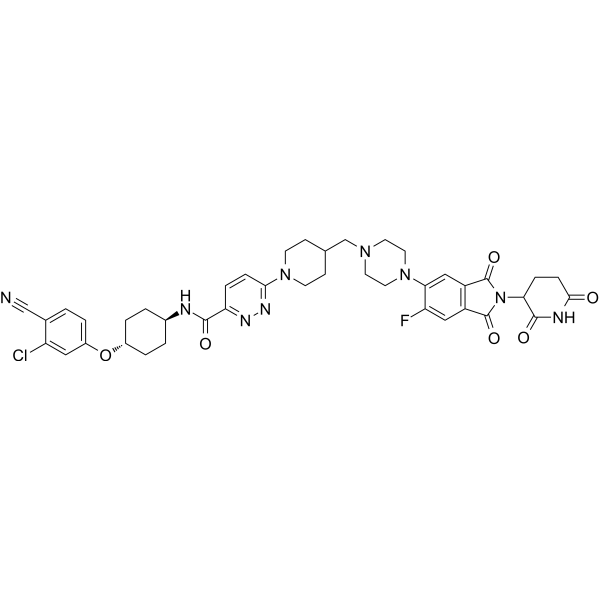
    ARD-1676 is an orally available androgen receptor (AR) PROTAC degrader, consisting of AR ligand and cereblon ligand. ARD-1676 has AR-degrading activity in vitro and in vivo and inhibits VCaP tumor growth in mouse xenograft tumor models .
    ARD-1676
  • HY-145709

    Androgen Receptor Cancer
    Ar-V7-IN-1 is a potent inhibitor of Ar-V7. Ar-V7-IN-1 inhibits the transcriptional activity of androgen receptor (AR) and the secretion of prostate-specific antigen (PSA) with an eGFP IC50 of 1232 nM and the PSA IC50 of 1391 μM. Ar-V7-IN-1 has the potential for the research of various indications, in particular cancers such as prostate cancer .
    Ar-V7-IN-1
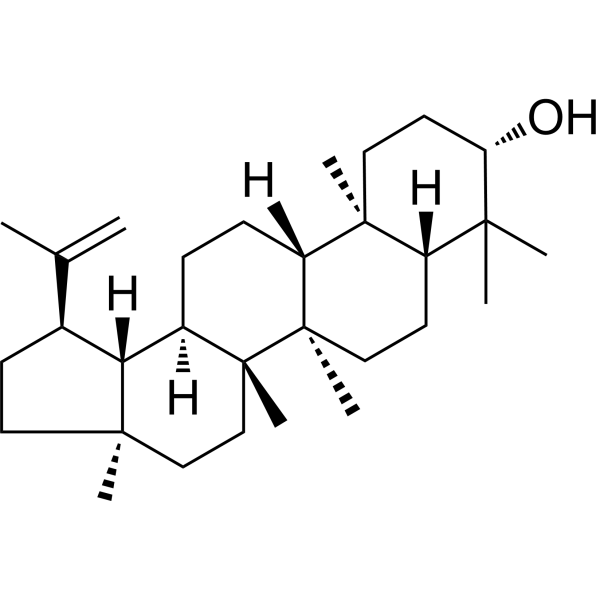
  • HY-N0475

    Hypolide; (+)-Triptophenolide

    Androgen Receptor Pyroptosis Caspase Bcl-2 Family Apoptosis Inflammation/Immunology Cancer
    Triptophenolide (Hypolide) is a colorless crystal isolated from the ethyl acetate extract of Tripterygium wilfordii. Triptophenolide is an orally active pan‑antagonist of the androgen receptor (AR) with an IC50 of 467 nM against human wild‑type AR. Triptophenolide reduces AR expression, inhibits AR nuclear translocation, downregulates prostate‑specific antigen mRNA levels, and suppresses the growth of AR‑positive prostate cancer cells. Triptophenolide shows anti-tumor effects against breast cancer by inhibiting cell proliferation and migration, inducing G1-phase arrest and apoptosis, repressing xenograft tumor growth. Triptophenolide inhibits pyroptosis, alleviates tissue inflammation, and ameliorates synovial injury. Triptophenolide can be used for the study of prostate cancer, rheumatoid arthritis and breast cancer .
    Triptophenolide
  • HY-150102
    EPI-7170
    1 Publications Verification

    Androgen Receptor Cancer
    EPI-7170, a ralaniten analogue, is a potent androgen receptor N-terminal structural domain antagonist that blocks the transcriptional activity of full-length AR (FL-AR) and AR splice variants (AR-Vs). EPI-7170 has antitumor effects against enzalutamide resistant castration-resistant prostate cancer (CRPC) .
    EPI-7170
  • HY-170329

    PROTACs Androgen Receptor Apoptosis Cancer
    PROTAC AR Degrader-8 is the PROTAC degrader for androgen receptor (AR) that degrades AR-FL with DC50s of 0.018 μM and 0.14 μM in 22Rv1 cell and LNCaP cell, degrades AR-V7 with DC50 of 0.026 μM in 22Rv1 cell. PROTAC AR Degrader-8 inhibits the proliferation of cancer cell 22Rv1 and LNCaP with IC50 values of 0.038 μM and 1.11 μM. PROTAC AR Degrader-8 arrests cell cycle at G2/M phase, induces apoptosis in 22Rv1 cell. PROTAC AR Degrader-8 exhibits anticancer efficacy in mouse and zebrafish model. PROTAC AR Degrader-8 can be used for the research of prostate cancer, castration-resistant prostate cancer .
    PROTAC AR Degrader-8
  • HY-18102
    GLPG0492
    5+ Cited Publications

    Androgen Receptor Neurological Disease
    GLPG0492 is an orally active, non-steroidal selective androgen receptor modulator. GLPG0492 exerts functional transactivation by binding to the ligand-binding domain of the receptor, exhibiting preferential partial agonist activity in muscle and bone tissues with low activity in reproductive tissues. GLPG0492 effectively counteracts muscle atrophy-related pathways, significantly enhances muscle strength, maintains motor ability, reduces fibrosis and improves electrophysiological parameters. GLPG0492 prevents immobilization-induced muscle atrophy and regulates muscle mass homeostasis, serving as a valuable tool compound for studies on Duchenne muscular dystrophy, muscle loss and various types of disuse musculoskeletal atrophy .
    GLPG0492
  • HY-43962

    Ligands for Target Protein for PROTAC Androgen Receptor Cancer
    Androgen receptor ligand 3 is an androgen receptor (AR) ligand. Androgen receptor ligand 3 is linked to an IAP ligand via a linker to form an ERα PROTAC degrader.
    Androgen receptor ligand 3
  • HY-103246

    Androgen Receptor Cancer
    TFM-4AS-1 is a selective androgen receptor modulator (SARM), and a potent androgen receptor (AR) ligand with an IC50 of 38 nM. TFM-4AS-1 is a gene-selective agonist .
    TFM-4AS-1
  • HY-139436

    PROTACs Androgen Receptor Cancer
    ARD-2585 is an exceptionally potent and orally active PROTAC degrader of androgen receptor .
    ARD-2585
  • HY-149862
    ARD-2051
    1 Publications Verification

    PROTACs Androgen Receptor Cancer
    ARD-2051 is a selective and orally active androgen receptor (AR) proteolysis-targeting chimera degrader. ARD-2051 achieves DC50 values of 0.6 nM for AR protein degradation in both the LNCaP and VCaP prostate cancer cell lines. ARD-2051 exhibits effective anti-tumor activity in VCaP xenograft mice model. ARD-2051 can be used for the research of prostate cancer (Pink: AR ligand (HY-400666), Blue: CRBN Ligand (HY-14658), Black: Linker) .
    ARD-2051
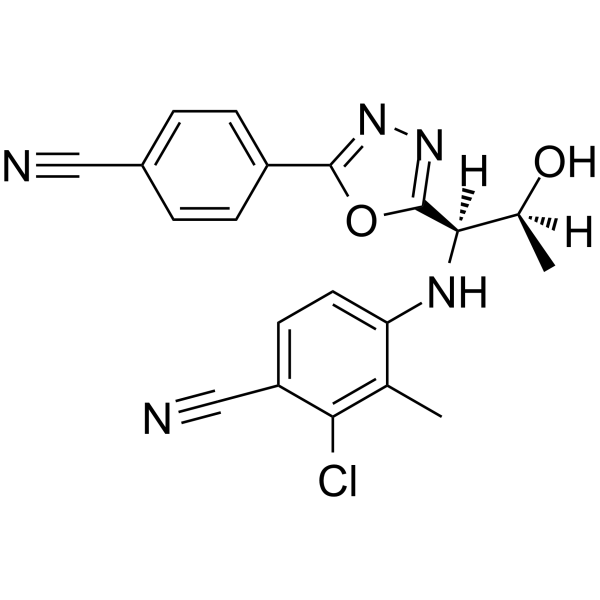
  • HY-155478

    Androgen Receptor Cancer
    Androgen receptor-IN-6 (compound 16) is an orally available androgen receptor (Androgen Receptor) potent inhibitor (IC50=0.12 μM in vitro), targeting the disordered N-terminal domain (NTD). Androgen receptor-IN-6 has good Caco2 cell membrane permeability and has an oral activity (F/%) of 16% in male CD-1 mice .
    Androgen receptor-IN-6
  • HY-112689

    Androgen Receptor Endocrinology
    Androgen receptor antagonist 9 (compound 28) is an antagonist of the androgen receptor .
    Androgen receptor antagonist 9
  • HY-13607

    Androgen Receptor Cancer
    BMS-641988 (compound 23) is an oral active nonsteroidal androgen receptor antagonist with the Ki of 1.7 nM. BMS-641988 shows anticancer activity .
    BMS-641988
  • HY-120018

    Androgen Receptor Cancer
    VPC-13566, a BF3-specific small molecule, is an androgen receptor (AR) inhibitor. VPC-13566 is effective in inhibiting AR transcriptional activity in vitro as well as the growth of AR-dependent PCa cell lines. VPC-13566 can be used as a chemical probe to help identify unknown AR partners.VPC-13566 can be used for the research of cancer.
    VPC-13566
  • HY-164373

    Androgen Receptor Apoptosis Cancer
    SC428 is an androgen receptor (AR) inhibitor that targets the N-terminal domain. SC428 potently decrease the transactivation of (AR)-V7, (AR)v567es, as well as full-length ( AR ) (AR-FL) and its LBD mutants, substantially. SC428 inhibits androgen-stimulated (AR)-FL nuclear translocation, chromatin binding, and (AR) -regulated gene transcription. SC428 inhibits the proliferation of tumor cells in vitro. SC428 inhibits tumor cell growth by inducing apoptosis in mice transplanted with 22RV1 .
    SC428
  • HY-158102A
    Rinzimetostat TFA
    1 Publications Verification

    ORIC-944 TFA

    Histone Methyltransferase Cancer
    Rinzimetostat (ORIC-944) TFA is the TFA salt form of ORIC (HY-158102). Rinzimetostat TFA is a selective, orally active, allosteric inhibitor targeting the EED subunit of polycomb repressive complex 2 (PRC2). Rinzimetostat TFA is synergistic with androgen receptor pathway inhibitors (ARPIs) for the study of metastatic prostate cancer .
    Rinzimetostat TFA
  • HY-164807

    PROTACs Androgen Receptor Cancer
    SARD279 is a potent and selective Androgen Receptor degrader with DC50 value of 1099 nM. SARD279 can be used in prostate cancer research .(Structure Note: Pink: target protein ligand (HY-117486); Blue,: Hyt (HY-W001578); Black: linker (HY-W004896))
    SARD279
  • HY-171048

    Androgen Receptor Endocrinology Cancer
    GTx-027 is an orally active and non-steroidal selective androgen receptor modulator (SARM). GTx-027 shows androgen receptor (AR) transactivation effects with the EC50 of 1.8 nM. GTx-027 acts selectively increase muscle weight (anabolic) without affecting secondary sexual organs (androgenic). GTx-027 has the protential for the study of breast cancer and stress urinary incontinence (SUI) .
    GTx-027
  • HY-152524

    Androgen Receptor Cancer
    Androgen receptor antagonist 7 is an effective androgen receptor (AR) antagonist with an IC50 value of 1.18 µM. Androgen receptor antagonist 7 has biological activity in vitro and inhibits the expression of AR target in a time and dose dependent manner with an GI50 value of 7.9 µM .
    Androgen receptor antagonist 7
  • HY-121094

    Estrogen Receptor/ERR Cancer
    Androgen receptor allosteric antagonist 1(compound D36)is a a llosteric, competitive androgen receptor (AR) antagonist with the Ki of 9 μM. Androgen receptor allosteric antagonist 1 inhibits R1881-mediated transcription and proliferation and can be used for study of prostate cancer .
    Androgen receptor allosteric antagonist 1
  • HY-131388

    Ligands for Target Protein for PROTAC Cancer
    ABM-14 is a ligand for targeting androgen receptor (AR) for PROTAC. ABM-14 binds to a ligand for VHL via linker to form ARCC-4 (HY-130492) to degrade AR .
    ABM-14
  • HY-157491

    PROTACs Androgen Receptor Epigenetic Reader Domain Cancer
    K2-B4-5e is a E3 ligase KLHDC2-based BRD4 and androgen receptor (AR) degradation PROTAC. K2-B4-5e is capable of inducing rapid and robust degradation of BET-family and AR proteins in cells .
    K2-B4-5e
  • HY-163940

    Aldose Reductase Androgen Receptor Cancer
    LX1 is an anti-prostate cancer compound that targets androgen receptor (AR), AR variants and steroidogenic enzyme AKR1C3. LX1 inhibits the enzymatic activity of AKR1C3, reduces the conversion of androstenedione to testosterone and reduces the expression of AR and AR-V7 and downregulates their target genes. LX1 overcomes the resistance of tumor cells to Enzalutamide (HY-70002), and the combination with Enzalutamide (HY-70002) further inhibits tumor growth .
    LX1
  • HY-B2058

    Fungal Androgen Receptor Infection
    Triticonazole is an orally active triazole fungicide and androgen receptor antagonist. Triticonazole inhibits testosterone-induced androgen receptor activation and reduces basal testosterone secretion. Prenatal exposure to Triticonazole causes shortened anogenital distance in male rat fetuses and induces organ-specific histopathological changes in pigs. Triticonazole can be used for detoxification of seeds contaminated with fungal pathogens, but there is a risk of animal poisoning if the treated seeds are used as animal feed .
    Triticonazole
  • HY-133046

    E3 Ligase Ligand-Linker Conjugates Cancer
    VHL Ligand-Linker Conjugates 17 incorporates a VHL ligand for the E3 ubiquitin ligase, and a PROTAC linker. VHL Ligand-Linker Conjugates 17 can be used in the synthesis of a series of PROTACs, such as ARD-266 (HY-133020). ARD-266 is a highly potent androgen receptor (AR) PROTAC degrader . VHL Ligand-Linker Conjugates 17 is a click chemistry reagent, it contains an Alkyne group and can undergo copper-catalyzed azide-alkyne cycloaddition (CuAAc) with molecules containing Azide groups.
    VHL Ligand-Linker Conjugates 17
  • HY-171809

    Ligands for Target Protein for PROTAC Androgen Receptor Endocrinology
    AR ligand 42 is a androgen receptor ligand. AR ligand 42 can be used to synthesize androgen receptor PROTAC degrader ITRI-90 (HY-171808) .
    AR ligand 42
  • HY-156751

    (Rac)-RO7656594; PROTAC AR Degrader-6

    PROTACs Androgen Receptor Cancer
    (Rac)-GDC-2992 (Compound 1) is a PROTAC androgen receptor degrader (DC50: 10 nM in VCaP cell). (Rac)-GDC-2992 blocks the process of androgen receptor transduction and also degrades the receptor itself. (Rac)-GDC-2992 can be used for prostate cancer research. Pink: AR ligand (HY-130845); Blue: E3 ligase ligand (HY-W1003189); Black: linker (HY-169975) .
    (Rac)-GDC-2992
  • HY-177694

    PROTACs Androgen Receptor Cancer
    PROTAC AR Degrader-11 is a potent androgen receptor and androgen receptor splice variant-7 PROTAC degrader. PROTAC AR Degrader-11 shows potent cytotoxicity against both CWR22RV1 cells and VCaP cells. PROTAC AR Degrader-11 can be used in prostate cancer research . (Structure Note: Pink: Androgen Receptor ligand (HY-171809); Blue: CRBN ligand (HY-A0003); Black: linker (HY-169966))
    PROTAC AR Degrader-11
  • HY-103578

    Androgen Receptor Cancer
    S-40503 is an orally active and selective androgen receptor modulator. S-40503 significantly increases the bone mineral density (BMD) and biomechanical strength of femoral cortical bone .
    S-40503
  • HY-W653723

    NDCHA

    Androgen Receptor Endocrinology
    N-Nitrosodicyclohexylamine (NDCHA) is a N-nitrosocompound with anti-androgenic activities. N-Nitrosodicyclohexylamine shows the competitive binding to androgen receptor (AR) against 5α-dihydrotestosterone and decreased the level of AR protein .
    N-Nitrosodicyclohexylamine
  • HY-179050

    Androgen Receptor Reactive Oxygen Species (ROS) Cancer
    Androgen receptor-IN-7 is a potent androgen receptor (AR) inhibitor. Androgen receptor-IN-7 exhibits potent anticancer activity against PC-3 cells (IC50 =370.37 nM) and LNCaP cells via both AR-dependent and AR-independent pathways. Androgen receptor-IN-7 induces ROS production in PC-3 cells. Androgen receptor-IN-7 can be used for prostate cancer research .
    Androgen receptor-IN-7
  • HY-172908

    Androgen Receptor Cancer
    Androgen receptor antagonist 13 (compound 8a) is an orally active Androgen receptor antagonist with an IC50 of 0.20 μM. Androgen receptor antagonist 13 can be used in the study of prostate cancer .
    Androgen receptor antagonist 13
  • HY-174244

    3β-HSD Androgen Receptor Cancer
    3βHSD1-IN-1 (Compound 46) is a 3β-hydroxysteroid dehydrogenase 1 (3βHSD1) inhibitor with an IC50 of 55 nM. 3βHSD1-IN-1 can effectively inhibit androgen receptor activity. 3βHSD1-IN-1 can be used in the research of diseases such as prostate cancer .
    3βHSD1-IN-1
  • HY-160221

    PROTACs Androgen Receptor Cancer
    PROTAC AR Degrader-7 (compound 99) is a PROTAC targeting androgen receptor with an IC50 value of 3 nM. PROTAC AR Degrader-7 is composed of PROTAC target protein ligand AR ligand-32 (HY-170303) (red part), E3 ligase ligand E3 ligase Ligand 44 (HY-170304) (blue part) and PROTAC Linker N-Boc-piperazine (HY-30105) (black part), among which the conjugate of E3 ubiquitin ligase ligand + Linker is E3 Ligase Ligand-linker Conjugate 145 (HY-170305) .
    PROTAC AR Degrader-7
  • HY-P11007

    β-catenin Wnt Androgen Receptor Cancer
    β-catenin inhibitory peptoid (compound 13) inhibits the β-catenin:TCF interaction with an IC50 of 5.44 µM. β-catenin inhibitory peptoid inhibits both Wnt (IC50 of 0.105 µM) and androgen receptor (AR)-signaling (IC50 of 1.02 µM) in prostate cancer cell lines. β-catenin inhibitory peptoid markedly diminishes cell proliferation of prostate cancer cell lines .
    β-catenin inhibitory peptoid

Inquiry Online

Your information is safe with us. * Required Fields.

Salutation


Country or Region *

Applicant Name *


Organization Name *

Department *


Email Address *


Product Name *

Cat. No.


Requested quantity *

Phone Number *


Remarks

Inquiry Online

Inquiry Information

Product Name:
Cat. No.:
Quantity:
MCE Japan Authorized Agent:

