Search Result
Results for "
Anti-Angiogenesis
" in MedChemExpress (MCE) Product Catalog:
2
Isotope-Labeled Compounds
| Cat. No. |
Product Name |
Target |
Research Areas |
Chemical Structure |
-
- HY-N0155
-
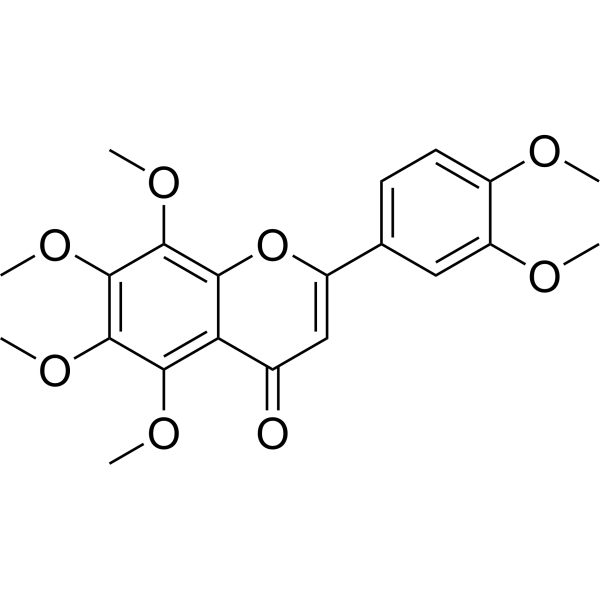
Nobiletin
Maximum Cited Publications
27 Publications Verification
|
ROR
Reactive Oxygen Species (ROS)
Apoptosis
Autophagy
|
Neurological Disease
Inflammation/Immunology
Cancer
|
|
Nobiletin is a poly-methoxylated flavone from the citrus peel that improves memory loss. Nobiletin is a retinoid acid receptor-related orphan receptors (RORs) agonist. Nobiletin can reduce reactive oxygen species (ROS) levels in differentiated C2C12 myotubes and has anti-inflammation and anti-cancer properties, including anti-angiogenesis, anti-proliferation, anti-metastasis and induced apoptosis .
|
-
-
- HY-B0689
-
|
MK-639 free base; L-735524 free base
|
HIV
HIV Protease
Apoptosis
MMP
SARS-CoV
|
Inflammation/Immunology
Cancer
|
|
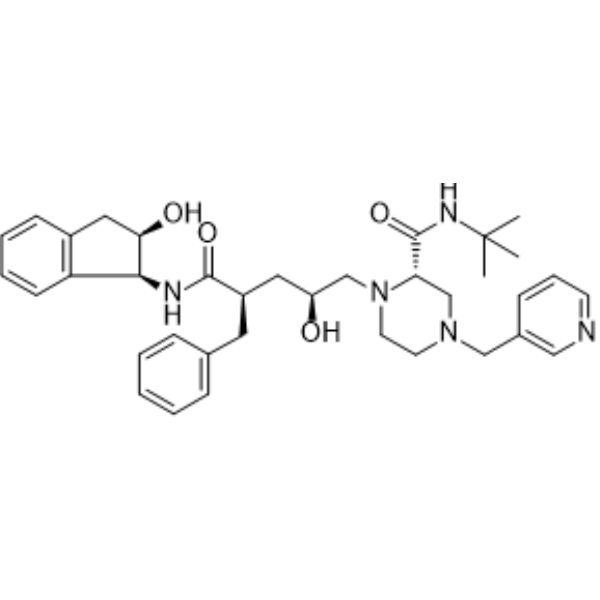
Indinavir (MK-639 free base) is an orally active and selective HIV-1 protease inhibitor with a Ki of 0.54 nM for PR. Indinavir exhibits anticancer activity by inhibiting the activation of MMPs-2 hydrolysis, anti-angiogenesis and inducing apoptosis. Indinavir is also a SARS-CoV 3CL pro inhibitor .
|
-
-
- HY-15614
-
|
|
Interleukin Related
Apoptosis
|
Cancer
|
|
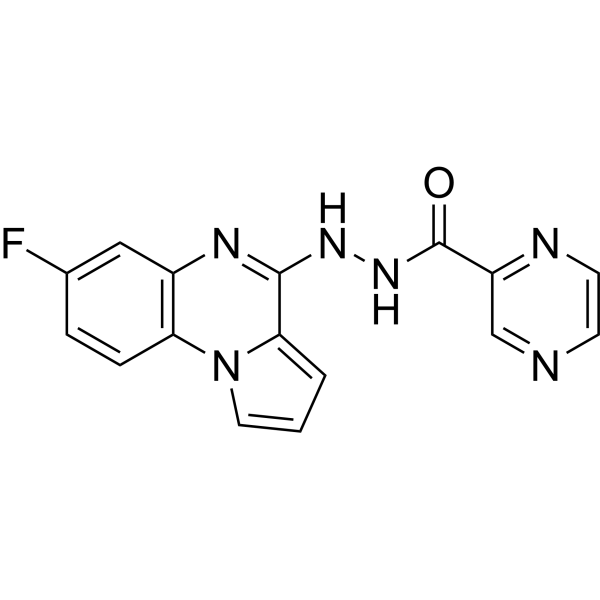
SC144 is a first-in-class, orally active gp130 (IL6-beta) inhibitor. SC144 binds gp130, induces gp130 phosphorylation (S782) and deglycosylation, abrogates Stat3 phosphorylation and nuclear translocation, and further inhibits the expression of downstream target genes. SC144 shows potent inhibition of gp130 ligand-triggered signaling. SC144 induces apoptosis in human ovarian cancer cells .
|
-
-
- HY-B0689A
-
|
MK-639; L735524
|
HIV
HIV Protease
SARS-CoV
Apoptosis
MMP
|
Infection
Cancer
|
|
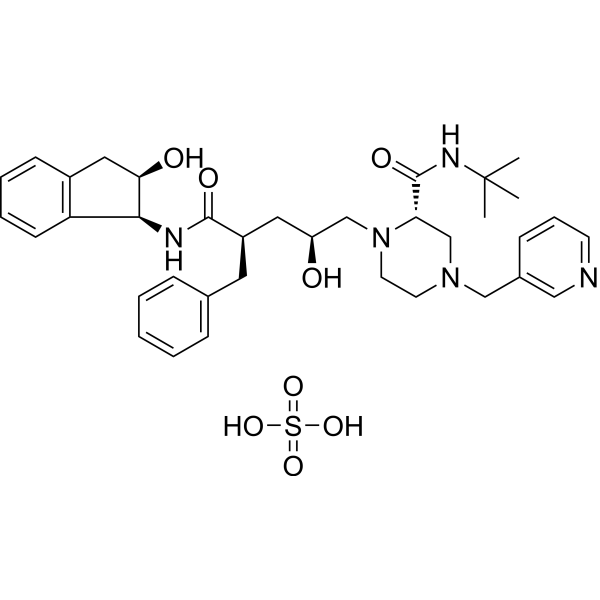
Indinavir sulfate (MK-639) is an orally active and selective HIV-1 protease inhibitor with a Ki of 0.54 nM for PR. Indinavir sulfate exhibits anticancer activity by inhibiting the activation of MMPs-2 hydrolysis, anti-angiogenesis and inducing apoptosis. Indinavir sulfate is also a SARS-CoV 3CL pro inhibitor .
|
-
-
- HY-N6263
-
|
AcEGCG; Peracetylated (-)-epigallocatechin-3-gallate
|
Bacterial
PI3K
Akt
NF-κB
|
Infection
Inflammation/Immunology
Cancer
|
|
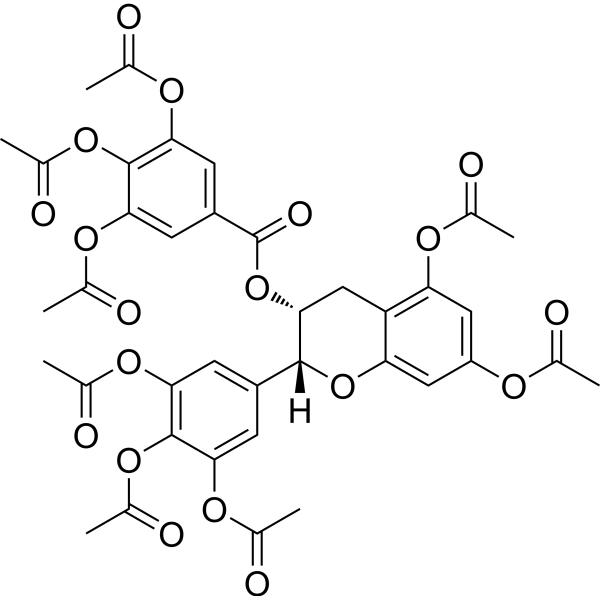
EGCG Octaacetate (AcEGCG) is a proagent of Green tea epigallocatechin-3-gallate (EGCG). EGCG Octaacetate decreases the proinflammatory mediator levels by down-regulating of PI3K/Akt/NFκB phosphorylation and p65 acetylation. EGCG octaacetate is the potential antibacterial compound for gram-positive bacteria (GPB) and gram-negative bacteria (GNB). EGCG Octaacetate exhibits antioxidant, anti-angiogenesis, anti-inflammatory and antitumor activities .
|
-
-
- HY-N7449
-
-
-
- HY-116856
-
|
|
SRPK
|
Cardiovascular Disease
Cancer
|
|
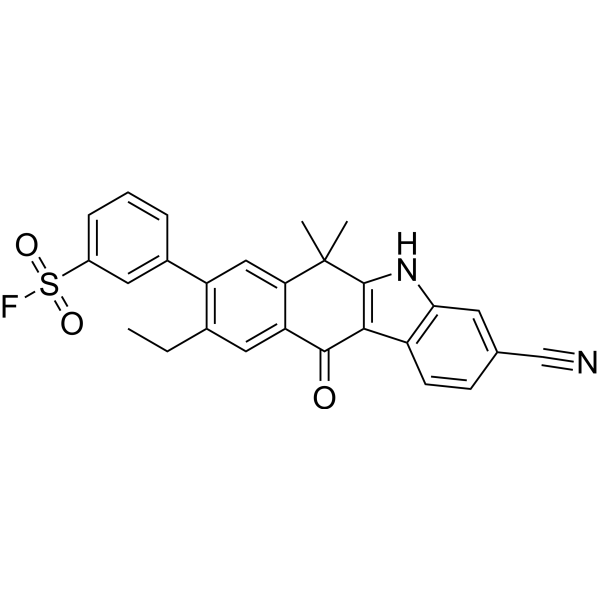
SRPKIN-1 is a covalent and irreversible SRPK1/2 inhibitor with IC50s of 35.6 and 98 nM, respectively. Anti-angiogenesis effect .
|
-
-
- HY-15614A
-
|
|
Interleukin Related
Apoptosis
|
Cancer
|
|
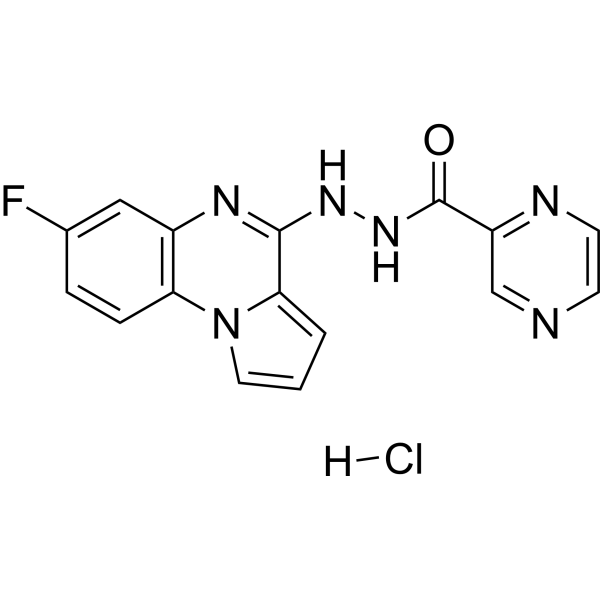
SC144 hydrochloride is a first-in-class, orally active gp130 (IL6-beta) inhibitor. SC144 hydrochloride binds gp130, induces gp130 phosphorylation (S782) and deglycosylation, abrogates Stat3 phosphorylation and nuclear translocation, and further inhibits the expression of downstream target genes. SC144 hydrochloride shows potent inhibition of gp130 ligand-triggered signaling. SC144 hydrochloride induces apoptosis in human ovarian cancer cells .
|
-
-
- HY-124526
-
|
Ibcasertib; CS2164
|
PDGFR
c-Fms
Aurora Kinase
VEGFR
c-Kit
Mitosis
|
Cancer
|
|
Chiauranib (CS2164) is an orally active multi-target inhibitor against tumor angiogenesis. Chiauranib potently inhibits the angiogenesis-related kinases (VEGFR1, VEGFR2, VEGFR3, PDGFRα and c-Kit), mitosis-related kinase Aurora B, and chronic inflammation-related kinase CSF-1R, with IC50 values ranging from 1-9 nM. Chiauranib has strongly anticancer effects .
|
-
-
- HY-13718
-
|
H-Glu-Trp-OH; L-Glutamyl-L-tryptophan
|
VEGFR
HCV
Endogenous Metabolite
|
Infection
Cardiovascular Disease
Inflammation/Immunology
Cancer
|
|
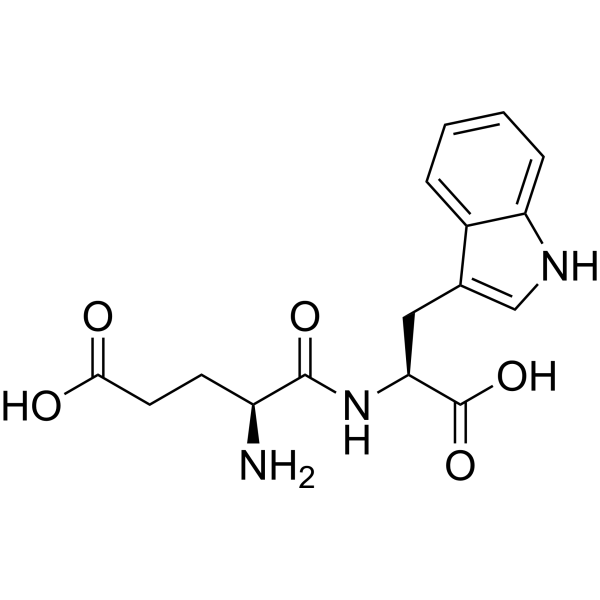
Oglufanide (H-Glu-Trp-OH) is a dipeptide immunomodulator isolated from calf thymus. Oglufanide inhibits vascular endothelial growth factor (VEGF). Oglufanide can stimulate the immune response to hepatitic C virus (HCV) and intracellular bacterial infections. Oglufanide shows antitumor and anti-angiogenesis activities .
|
-
-
- HY-123927
-
|
|
VEGFR
Ephrin Receptor
|
Inflammation/Immunology
Cancer
|
|
UniPR1331 is an orally active 3β-hydroxy-Δ5-choline acid derivative that inhibits Eph-ephrin interactions. UniPR1331 blocks the interaction of VEGFR2 with its natural ligand vascular endothelial growth factor and inhibits subsequent autophosphorylation, signaling, and pro-angiogenic activation of endothelial cells. UniPR1331 exhibits anti-angiogenesis, anti-cancer and anti-inflammation effects. UniPR1331 can be used for the researches of cancer and inflammation, such as glioma and colitis .
|
-
-
- HY-N6016
-
|
|
Apoptosis
Aquaporin
|
Cancer
|
|
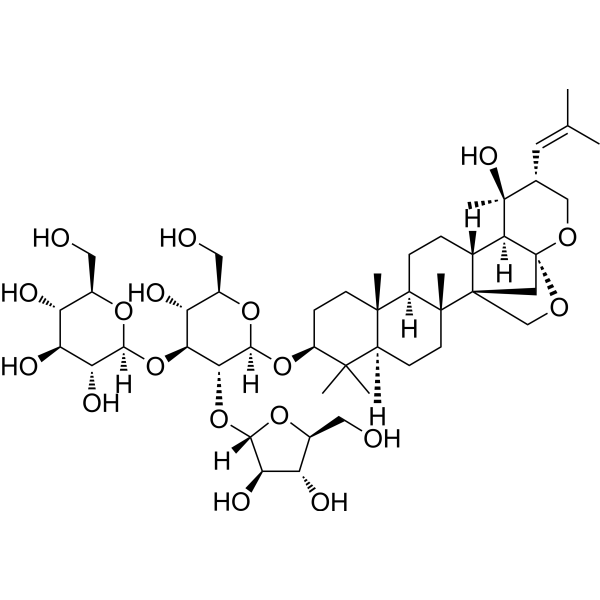
Bacopaside II, an extract from the medicinal herb Bacopa monnieri. Bacopaside II is the inhibitor for AQP1 that exhibits anti-angiogenesis activity. Bacopaside II exhibits cytotoxicity and induces apoptosis in cancer cells .
|
-
-
- HY-N6939
-
-
-
- HY-Y0121
-
|
|
Environmental Pollutants
Apoptosis
Parasite
VEGFR
|
Cardiovascular Disease
Cancer
|
|
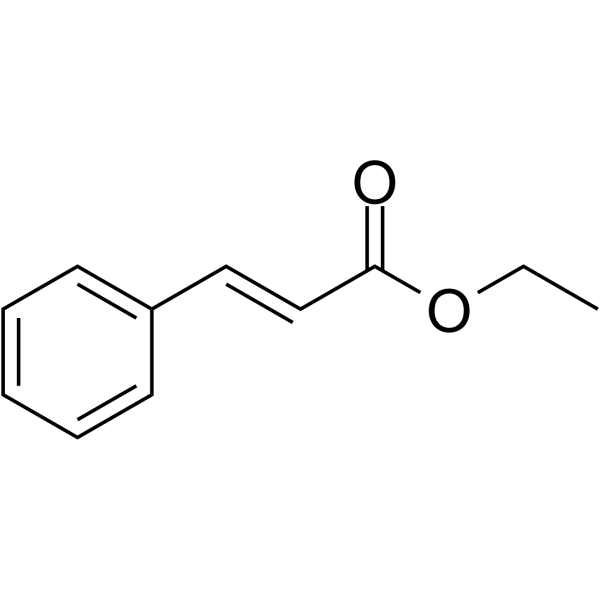
Ethyl cinnamate, an orally active chemical constituent of the rhizome of Kaempferia galanga, exhibits anti-cancer, nematocidal, sedative and vasorelaxant activities. Ethyl cinnamate is a fragrance ingredient used as a food flavor and additive for cosmetic products. Ethyl cinnamate is also an excellent clearing reagent for mammalian tissues. Ethyl cinnamate suppresses tumor growth through anti-angiogenesis by attenuating VEGFR2 signal pathway in colorectal cancer. Ethyl cinnamate inhibits the tonic contractions induced by high K+ and phenylephrine (PE) with respective IC50 values of 0.30 mM and 0.38 mM in rat aorta .
|
-
-
- HY-115349
-
|
|
Antibiotic
Bacterial
|
Infection
Neurological Disease
Cancer
|
|
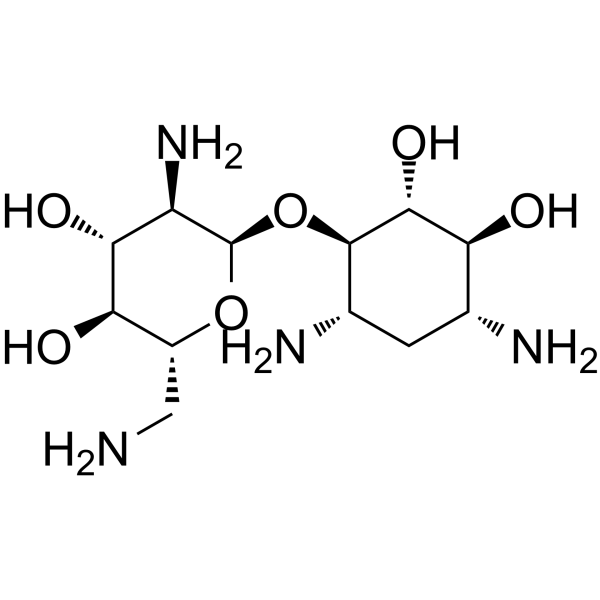
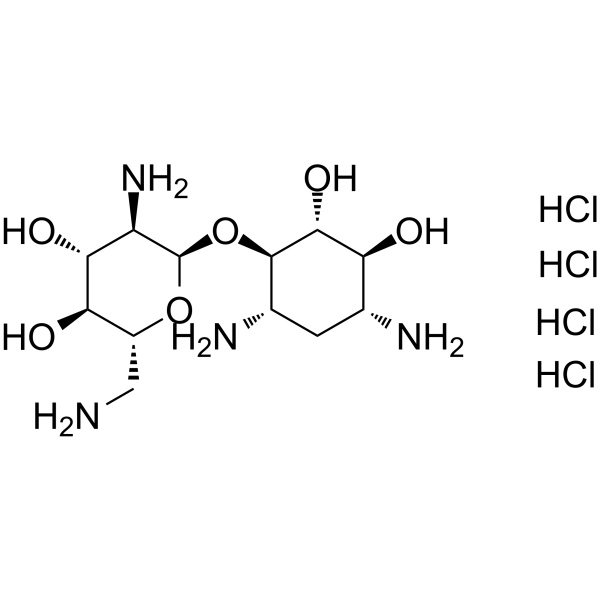
Neamine tetrahydrochloride, a degradation product of Neomycin, is a broad-spectrum aminoglycoside antibiotic. Neamine tetrahydrochloride is an anti-angiogenesis agent targeting angiogenin. Neamine tetrahydrochloride has potent antibacterial, antitumor and neuroprotective activities .
|
-
-
- HY-N2618
-
|
|
Apoptosis
|
Cancer
|
|
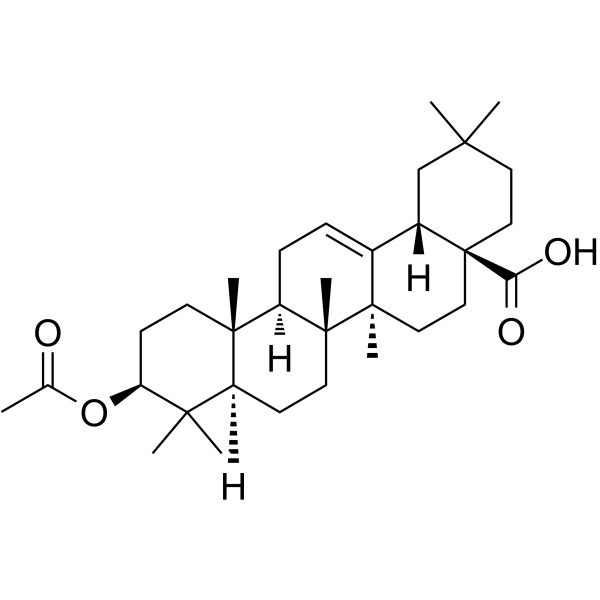
3-O-Acetyloleanolic acid (3AOA), an oleanolic acid derivative isolated from the seeds of Vigna sinensis K., induces in cancer and also exhibits anti-angiogenesis activity .
|
-
-
- HY-126940
-
|
|
Reactive Oxygen Species (ROS)
P-glycoprotein
Apoptosis
|
Cancer
|
|
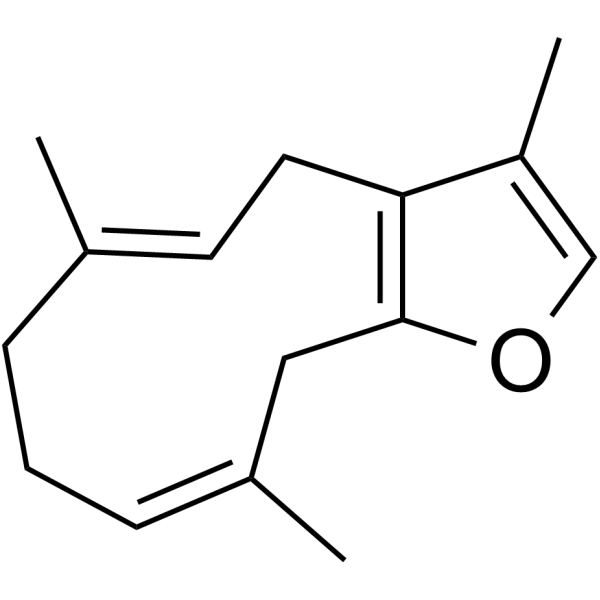
Furanodiene is a natural terpenoid isolated from Rhizoma Curcumae. Furanodiene plays anti-cancer effects through anti-angiogenesis and inducing ROS production, DNA strand breaks and apoptosis. Furanodiene suppresseed efflux transporter Pgp (P-glycoprotein) function and reduced Pgp protein level .
|
-
-
- HY-W440983
-
|
PC(18:0/22:6); DHA-PC; 1-Stearoyl-2-docosahexaenoyl-sn-glyerco-3-phosphocholine
|
PPAR
|
Cardiovascular Disease
Cancer
|
|
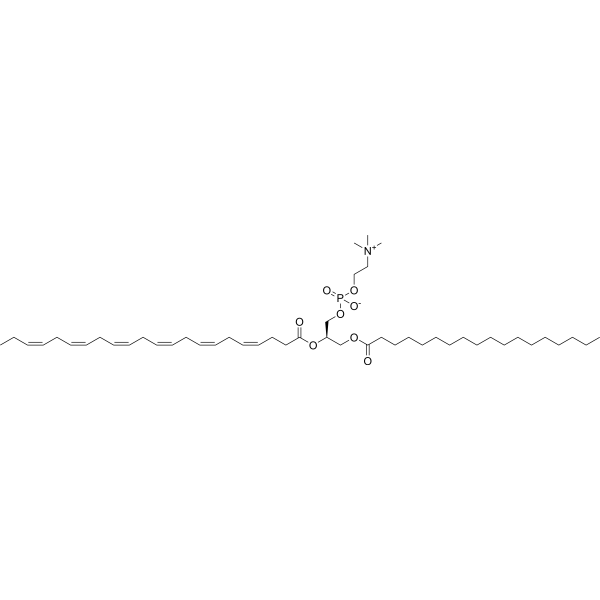
SDPC (DHA-PC) is a new generation of omega-3 lipids, which contains an ester bond linking DHA at the sn-2 position of phospholipid. 1-Stearoyl-2-docosahexaenoyl-sn-glyerco-3-phosphocholine exerts anti-angiogenesis effect through activating PPARγ. 1-Stearoyl-2-docosahexaenoyl-sn-glyerco-3-phosphocholine significantly declines the proliferation, migration, tube formation of human umbilical vein endothelial cells. 1-Stearoyl-2-docosahexaenoyl-sn-glyerco-3-phosphocholine has the potential for anti-tumor angiogenesis research .
|
-
-
- HY-10080
-
|
GMX1777; EB-1627
|
NAMPT
|
Cancer
|
|
Teglarinad chloride (GMX1777) is a proagent of GMX1778 (a nicotinamide phosphoribosyl transferase inhibitor). Teglarinad chloride exhibits antitumor activity in mice can be attributed to inhibition of NAMPT. Teglarinad chloride also enhances radiation efficacy, mediated by interference with DNA repair and antiangiogenesis .
|
-
-
- HY-103653
-
|
|
MetAP
|
Cardiovascular Disease
Cancer
|
|
CKD-731 is a Fumagillin (HY-B0751) analogue. CKD-731 inhibits the proliferation of calf pulmonary artery endothelial cells (CPAE), lymphoma EL-4 cells and murine leukemia P388D1 cells. CKD-731 exerts the effect of inhibiting MetAP-2 activity and blocking angiogenesis. CKD-731 can be used for the research of anti-angiogenesis-related cancer .
|
-
-
- HY-128580
-
|
|
FAK
|
Cancer
|
|
FAK inhibitor 2 is a potent focal adhesion kinase (FAK) inhibitor with an IC50 of 0.07 nM, with antitumor and anti-angiogenesis activities .
|
-
-
- HY-101990
-
|
|
VEGFR
|
Others
|
|
IMS2186 is an anti-choroidal neovascularization (CNV) agent that inhibits angiogenesis upstream of VEGF. IMS2186 can arrest cancer cell cycle in G2/M phase, thus exerting anti-proliferation and anti-angiogenesis effects. IMS2186 has no intraocular toxicity and reduces the amount of eye leakage and diseased cells .
|
-
-
- HY-149920
-
|
|
Microtubule/Tubulin
|
Cancer
|
|
Anticancer agent 98 (compound 12k) is a microtubule/tubulin-polymerization inhibitor (Kd=16.9 μM). Anticancer agent 98 exerts antiproliferative potency against tumor cells, exhibits anti-angiogenesis effect in vitro. Anticancer agent 98 exhibits good human and mouse liver microsomes stability with both t1/2>300 min .
|
-
-
- HY-Y0121R
-
|
|
Reference Standards
Parasite
VEGFR
Apoptosis
|
Cardiovascular Disease
Cancer
|
|
Ethyl cinnamate (Standard) is the analytical standard of Ethyl cinnamate. This product is intended for research and analytical applications. Ethyl cinnamate, an orally active chemical constituent of the rhizome of Kaempferia galanga, exhibits anti-cancer, nematocidal, sedative and vasorelaxant activities. Ethyl cinnamate is a fragrance ingredient used as a food flavor and additive for cosmetic products. Ethyl cinnamate is also an excellent clearing reagent for mammalian tissues. Ethyl cinnamate suppresses tumor growth through anti-angiogenesis by attenuating VEGFR2 signal pathway in colorectal cancer. Ethyl cinnamate inhibits the tonic contractions induced by high K+ and phenylephrine (PE) with respective IC50 values of 0.30 mM and 0.38 mM in rat aorta .
|
-
-
- HY-108933
-
|
|
VEGFR
FGFR
|
Cancer
|
|
JK-P3 is a potent and pan VEGFR2 inhibitor, with IC50s of 7.83 μM, 27 μM and 5.18 μM for VEGFR2, FGFR1 and FGFR3, respectively. JK-P3 can inhibit VEGF-A-stimulated VEGFR2 activation and intracellular signalling, also inhibits endothelial monolayer wound closure and angiogenesis, as well as fibroblast growth factor receptor kinase activity in vitro. JK-P3 has anti-angiogenic activity .
|
-
-
- HY-146368
-
|
|
PROTACs
VEGFR
|
Cancer
|
|
PROTAC VEGFR-2 degrader-1(PROTAC-1), a PROTAC VEGFR-2 degrader, exhibits little VEGFR-2 inhibition (IC50> 1 μM) and anti-proliferative activity against EA.hy926 cells (IC50> 100 μM) .
|
-
-
- HY-N7449R
-
-
-
- HY-146160
-
|
|
PARP
HDAC
|
Cancer
|
|
PARP-1/HDAC-IN-1 is a PARP-1/HDAC6 dual targeting inhibitor with IC50s of 68.90 nM and 510 nM, respectively. PARP-1/HDAC-IN-1 displays remarkable anticancer, anti-migration and anti-angiogenesis activities .
|
-
-
- HY-175540
-
|
|
PDGFR
|
Cardiovascular Disease
Cancer
|
|
PDGFRα kinase-IN-2 is a potent PDGFR-α inhibitor with an IC50 of 2.1 nM. PDGFRα kinase-IN-2 exhibits anticancer activity against human colon cancer HT-29 cell with an IC50 of 1.48 μM. PDGFRα kinase-IN-2 has anti-angiogenic activity in zebrafish models and low embryonic lethality. PDGFRα kinase-IN-2 can used for the studies of colon cancer and anti-angiogenesis .
|
-
-
- HY-N6892
-
|
|
Others
|
Cancer
|
|
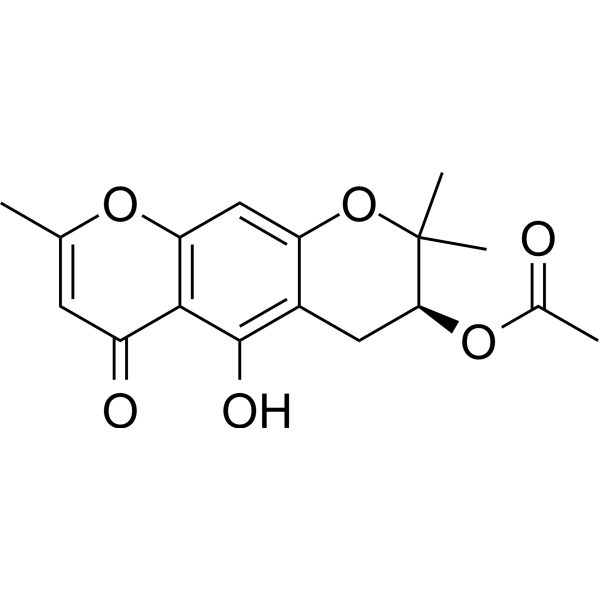
3'-O-Acetylhamaudol, isolated from Angelica polymorpha, exhibits anti-tumor activity through dual actions, anti-angiogenesis and intestinal intraepithelial lymphocyte activation .
|
-
-
- HY-N0155R
-
|
|
Reference Standards
ROR
Reactive Oxygen Species (ROS)
Apoptosis
Autophagy
|
Neurological Disease
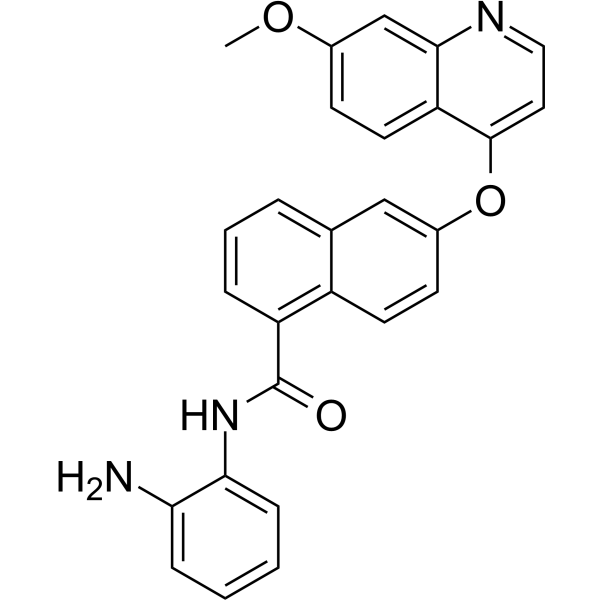
Inflammation/Immunology
Cancer
|
|
Nobiletin (Standard) is the analytical standard of Nobiletin. This product is intended for research and analytical applications. Nobiletin is a poly-methoxylated flavone from the citrus peel that improves memory loss. Nobiletin is a retinoid acid receptor-related orphan receptors (RORs) agonist. Nobiletin can reduce reactive oxygen species (ROS) levels in differentiated C2C12 myotubes and has anti-inflammation and anti-cancer properties, including anti-angiogenesis, anti-proliferation, anti-metastasis and induced apoptosis .
|
-
-
- HY-148291
-
|
|
LPL Receptor
Phosphodiesterase (PDE)
|
Cancer
|
|
BrP-LPA sodium is a pan-opposite agent for lysophosphatidic acid (LPA). It has antagonistic activity against LPA1 (IC50 = 4520 nM), LPA2 (IC50 = 468 nM), LPA3, and LPA4. BrP-LPA sodium also has partial agonistic activity for LPA5, with its EC50 being 1282 nM. BrP-LPA sodium has ATX inhibitory activity. BrP-LPA sodium effectively inhibits the migration and invasion of breast cancer cells. BrP-LPA sodium achieves tumor regression and anti-angiogenesis in mice breast cancer xenograft model. BrP-LPA sodium can be used for the study of breast cancer .
|
-
-
- HY-144817
-
|
|
Microtubule/Tubulin
|
Cancer
|
|
Tubulin inhibitor 27 (DYT-1) is a tubulin polymerisation inhibitor with an IC50 of 25.6 μM. Tubulin inhibitor 27 shows anti-angiogenesis and antitumor activities .
|
-
-
- HY-P10550
-
|
|
VEGFR
|
Cancer
|
|
VGB4 is a VEGF-A and VEGF-B antagonist peptide that duplicates two binding domains of VEGF-B (loop 1 and loop3) and are linked together by the receptor-binding domain of VEGF-A (loop3). VGB4 has significant anti-angiogenic and anti-tumor activities and can regulate tumor growth and metastasis through multiple mechanisms. VGB4 could be used in anti-tumor research .
|
-
-
- HY-163512
-
|
|
HIF/HIF Prolyl-Hydroxylase
|
Inflammation/Immunology
|
|
Anti-inflammatory agent 79 (compound 17q) is an isoquinolinone derivative-based HIF-1 inhibitor (IC50: 0.55 μM), which can effectively block HIF-1 signals and increase HIF- Degradation of 1α. Anti-inflammatory agent 79 inhibits synovial invasion and migration and inhibits angiogenesis. Anti-inflammatory agent 79 also effectively reduced foot swelling and arthritis in a mouse inflammation model, and down-regulated the levels of inflammatory factors and blood vessel proliferation in the body .
|
-
-
- HY-144331
-
|
|
Microtubule/Tubulin
Apoptosis
|
Cancer
|
|
Antitumor agent-42 (Compound 15h) is a bifunctional agent exhibiting both tubulin polymerized inhibition and NO-releasing activities, resulting in potent anti-angiogenesis, colony formation inhibition, cell cycle arrest and apoptosis induction effects .
|
-
-
- HY-144797
-
|
|
Microtubule/Tubulin
|
Cancer
|
|
Tubulin inhibitor 22 (compound 4c) is a potent inhibitor of tubulin with anti-angiogenesis and anti-cancer properties. Tubulin inhibitor 22 arrests MGC-803 cell cycle at G2/M phase. Tubulin inhibitor 22 dose-dependently causes Caspase-induced apoptosis of MGC-803 cells through mitochondrial dysfunction .
|
-
-
- HY-13718A
-
|
H-Glu-Trp-OH disodium; L-Glutamyl-L-tryptophan disodium
|
VEGFR
HCV
Endogenous Metabolite
|
Infection
Cardiovascular Disease
Inflammation/Immunology
Cancer
|
|
Oglufanide (H-Glu-Trp-OH) disodium is a dipeptide immunomodulator isolated from calf thymus. Oglufanide disodium inhibits vascular endothelial growth factor (VEGF). Oglufanide disodium can stimulate the immune response to hepatitic C virus (HCV) and intracellular bacterial infections. Oglufanide disodium shows antitumor and anti-angiogenesis activities .
|
-
-
- HY-104075
-
|
|
TAM Receptor
VEGFR
|
Cancer
|
|
R916562 is an orally active and selective Axl/VEGF-R2 inhibitor with IC50s of 136 nM and 24 nM, respectively. R916562 has anti-angiogenesis and anti-metastasis .
|
-
-
- HY-146778
-
|
|
Microtubule/Tubulin
|
Cancer
|
|
Tubulin inhibitor 25 is a potent tubulin inhibitor with an IC50 value of 0.98 μM. Tubulin inhibitor 25 exhibits remarkable activity against cancer cell line HT29. Tubulin inhibitor 25 displays the potent inhibition on cell migration and tube formation that contributes to the anti-angiogenesis .
|
-
-
- HY-146505
-
|
|
Microtubule/Tubulin
Apoptosis
Reactive Oxygen Species (ROS)
|
Cancer
|
|
Tubulin polymerization-IN-6 (compound 5f) is a potent tubulin polymerization inhibitor, with an IC50 of 1.09 μM. Tubulin polymerization-IN-6 inhibits cell migration and tube formation and contributes to the anti-angiogenesis. Tubulin polymerization-IN-6 can greatly inhibit tumor growth on HT29 xenograft Balb/c nude mice .
|
-
-
- HY-B0689B
-
|
MK-639 ethanolate; L735524 ethanolate
|
Apoptosis
MMP
HIV
HIV Protease
SARS-CoV
|
Infection
Cancer
|
|
Indinavir sulfate ethanolate (MK-639 ethanolate) is an orally active and selective HIV-1 protease inhibitor with a Ki of 0.54 nM for PR. Indinavir sulfate ethanolate exhibits anticancer activity by inhibiting the activation of MMPs-2 hydrolysis, anti-angiogenesis and inducing apoptosis. Indinavir sulfate ethanolate is also a SARS-CoV 3CL pro inhibitor .
|
-
-
- HY-179046
-
|
|
VEGFR
|
Cancer
|
VEGFR-2-IN-78 (Compound 6b) is a potent VEGFR-2 inhibitor with an IC50 of 0.21 μM. VEGFR-2-IN-78 exhibits selective cytotoxicity against A-498 and MDA-MB-231 cells. VEGFR-2-IN-78 has antioxidant activity. VEGFR-2-IN-78 can be used in anti-angiogenesis research .
|
-
-
- HY-N6939R
-
-
-
- HY-B0689S1
-
|
MK-639 free base-13C4,15N; L-735524 free base-13C4,15N
|
Isotope-Labeled Compounds
Apoptosis
MMP
HIV
SARS-CoV
HIV Protease
|
Inflammation/Immunology
Cancer
|
|
Indinavir- 13C4, 15N (MK-639 (free base)- 13C4, 15N) is 13C and 15N labeled Indinavir. Indinavir (MK-639 free base) is an orally active and selective HIV-1 protease inhibitor with a Ki of 0.54 nM for PR. Indinavir exhibits anticancer activity by inhibiting the activation of MMPs-2 hydrolysis, anti-angiogenesis and inducing apoptosis. Indinavir is also a SARS-CoV 3CL pro inhibitor .
|
-
-
- HY-162319
-
|
|
Apoptosis
HDAC
Microtubule/Tubulin
Reactive Oxygen Species (ROS)
|
Cancer
|
|
Tubulin/HDAC-IN-4 (compound 9n) is a dual Tubulin and HDAC inhibitor with IC50 values of 0.73, 0.43, 0.62, 2.34 µM for HDAC1, HDAC2, HDAC6, HDAC7, respectively. Tubulin/HDAC-IN-4 inhibits the tubulin polymerization by targeting the colchicine binding site. Tubulin/HDAC-IN-4 induces apoptosis and cell cycle arrest at G2/M phase. Tubulin/HDAC-IN-4 induces a significant elevation of intracellular ROS levels. Tubulin/HDAC-IN-4 shows anti-angiogenesis activity and anticancer activity .
|
-
-
- HY-Y0121S1
-
|
|
Isotope-Labeled Compounds
|
Others
|
|
Ethyl cinnamate-d7 is deuterated labeled Ethyl cinnamate (HY-Y0121). Ethyl cinnamate, an orally active chemical constituent of the rhizome of Kaempferia galanga, exhibits anti-cancer, nematocidal, sedative and vasorelaxant activities. Ethyl cinnamate is a fragrance ingredient used as a food flavor and additive for cosmetic products. Ethyl cinnamate is also an excellent clearing reagent for mammalian tissues. Ethyl cinnamate suppresses tumor growth through anti-angiogenesis by attenuating VEGFR2 signal pathway in colorectal cancer. Ethyl cinnamate inhibits the tonic contractions induced by high K+ and phenylephrine (PE) with respective IC50 values of 0.30 mM and 0.38 mM in rat aorta .
|
-
-
- HY-116721
-
-
-
- HY-164530
-
|
|
Src
VEGFR
Raf
p38 MAPK
|
Cancer
|
|
SKLB646 is an orally active multi-target kinase inhibitor. SKLB646 shows significant inhibitory effects on SRC and VEGFR2 with IC50 values ??of 0.002 μmol/L and 0.012 μmol/L, respectively. SKLB646 also shows significant inhibitory effects on B-Raf and C-Raf with IC50 values ??of 0.022 μmol/L and 0.019 μmol/L, respectively. SKLB646 inhibits the activation of the SRC signaling pathway and blocks the MAPK signaling pathway by inhibiting Raf kinase. In addition, SKLB646 can inhibit the proliferation, migration and invasion of human umbilical vein endothelial cells (HUVEC) to inhibit tumor-induced angiopoietic formation. SKLB646 shows significant anti-proliferative and anti-survival activities against triple-negative breast cancer (TNBC) cell lines .
|
-
-
- HY-159510
-
|
|
Apoptosis
VEGFR
Microtubule/Tubulin
Reactive Oxygen Species (ROS)
|
Cancer
|
|
VEGFR-2-IN-51 (compound 19) is an orally active dual-target inhibitor of VEGFR-2 (IC50=15.33 μM) and tubulin (IC50=0.76 μM) with anti-tumor activity. VEGFR-2-IN-51 induces tumor cell apoptosis by reducing mitochondrial membrane potential and increasing reactive oxygen species (ROS) levels. VEGFR-2-IN-51 exerts anti-angiogenic effects by blocking the VEGFR-2/PI3K/AKT signaling pathway. In addition, VEGFR-2-IN-51 has significant anti-proliferative activity against the gastric cancer cell line MGC-803 (IC50=0.005 μM) .
|
-
- HY-152120
-
|
Aiphanol
|
COX
VEGFR
|
Inflammation/Immunology
Cancer
|
|
(±)-Aiphanol is a newly discovered stilbenolignan analog. (±)-Aiphanol exhibits significant anti-inflammatory activity, acting through inhibition of COX-1 and COX-2. The inhibitory effect on COX-1 (IC50 = 1.9 μM) is particularly strong, while the effect on COX-2 (IC50= 9.9 μM) is relatively weak .(±)-Aiphanol effectively inhibits VEGFR2 (IC50=0.92 μM). (±)-Aiphanol blocks angiogenesis and promotes apoptosis through inhibition of VEGFR2 and COX2 activity. (±)-Aiphanol is orally active .
|
-
- HY-18318
-
|
|
Raf
VEGFR
PERK
|
Cancer
|
|
Takeda-6D (compound 6d) is an orally active and potent BRAF/VEGFR2 inhibitor, with IC50 values of 7.0 and 2.2 nM, respectively. Takeda-6D shows antiangiogenesis by suppressing the VEGFR2 pathway in 293/KDR and VEGF-stimulated HUVEC cells.Takeda-6D shows significant suppression of ERK1/2 phosphorylation. Takeda-6D shows antitumor activity .
|
-
- HY-113621B
-
|
|
Fluorescent Dye
MMP
|
Cancer
|
|
Ageladine A dihydrochloride is an inhibitor of matrix metalloproteinase (MMP) isolated from the marine sponge Agelas nakamurai, possessing anti-angiogenic activity. Ageladine A dihydrochloride not only inhibits MMP-2 but also MMP-1, MMP-8, MMP-9, MMP-12, and MMP-13, with IC50 values of 4.65 μM, 2.79 μM, 907.12 nM, 1.83 μM, 767.57 nM, and 1.09 μM, respectively. Additionally, Ageladine A dihydrochloride is a pH-sensitive membrane-permeable dye that emits fluorescence in the blue-green range upon UV excitation, featuring a maximum absorption peak at 370 nm. Furthermore, Ageladine A dihydrochloride serves as a reliable and stable fluorescent pH sensor for detecting changes in intracellular pH values .
|
-
- HY-144818
-
|
|
Apoptosis
Microtubule/Tubulin
|
Cancer
|
|
Tubulin inhibitor 23 is a potent Tubulin inhibitor with an IC50 of 4.8 µM. Tubulin inhibitor 23 induces cell apoptosis. Tubulin inhibitor 23 shows antiangiogenic activity in a dose-dependent manner. Tubulin inhibitor 23 has the potential for the research of leukaemia .
|
-
- HY-P11775A
-
|
|
VEGFR
|
Cardiovascular Disease
|
|
Peptide HRH acetate is a polypeptide that specifically binds to VEGF receptors. Peptide HRH acetate inhibits VEGF-stimulated endothelial cell proliferation. Peptide HRH acetate inhibits angiogenesis and suppresses corneal neovascularization. Peptide HRH acetate can be used in anti-angiogenesis related studies .
|
-
- HY-P11775
-
|
|
VEGFR
|
Cardiovascular Disease
|
|
Peptide HRH is a polypeptide that specifically binds to VEGF receptors. Peptide HRH inhibits VEGF-stimulated endothelial cell proliferation. Peptide HRH inhibits angiogenesis and suppresses corneal neovascularization. Peptide HRH can be used in anti-angiogenesis related studies .
|
-
- HY-P2044
-
|
|
HDAC
|
Cancer
|
|
Azumamide E is a HDAC inhibitor, with an IC50 of 0.064 μM against HDAC, 1.22 μM against HDAC1, and 2.28 μM against HDAC4. Azumamide E inhibits HDAC activity in nuclear extracts of leukemia cells and cervical adenocarcinoma cells. Azumamide E suppresses angiogenesis. Azumamide E is applicable for research on leukemia, cervical adenocarcinoma, and anti-angiogenesis .
|
-
- HY-108933R
-
|
|
Reference Standards
VEGFR
FGFR
|
Cancer
|
|
JK-P3 (Standard) is the analytical standard of JK-P3 (HY-108933). This product is intended for research and analytical applications. JK-P3 is a potent and pan VEGFR2 inhibitor, with IC50s of 7.83 μM, 27 μM and 5.18 μM for VEGFR2, FGFR1 and FGFR3, respectively. JK-P3 can inhibit VEGF-A-stimulated VEGFR2 activation and intracellular signalling, also inhibits endothelial monolayer wound closure and angiogenesis, as well as fibroblast growth factor receptor Kinase activity in vitro. JK-P3 has anti-angiogenic activity .
|
-
- HY-P10521
-
|
|
VEGFR
|
Cancer
|
|
Apolipoprotein KV domain (67-77) is an 11-amino acid peptide identified from the KV domain of human apolipoprotein a (ApoA) with antiangiogenic and antitumor activities. Apolipoprotein KV domain (67-77) targets the angiogenic c-Src/ERK pathway by blocking activation signals received from vascular endothelial growth factor (VEGF). Apolipoprotein KV domain (67-77) can be used in cancer research .
|
-
| Cat. No. |
Product Name |
Target |
Research Area |
-
- HY-13718
-
|
H-Glu-Trp-OH; L-Glutamyl-L-tryptophan
|
VEGFR
HCV
Endogenous Metabolite
|
Infection
Cardiovascular Disease
Inflammation/Immunology
Cancer
|
|
Oglufanide (H-Glu-Trp-OH) is a dipeptide immunomodulator isolated from calf thymus. Oglufanide inhibits vascular endothelial growth factor (VEGF). Oglufanide can stimulate the immune response to hepatitic C virus (HCV) and intracellular bacterial infections. Oglufanide shows antitumor and anti-angiogenesis activities .
|
-
- HY-P10550
-
|
|
VEGFR
|
Cancer
|
|
VGB4 is a VEGF-A and VEGF-B antagonist peptide that duplicates two binding domains of VEGF-B (loop 1 and loop3) and are linked together by the receptor-binding domain of VEGF-A (loop3). VGB4 has significant anti-angiogenic and anti-tumor activities and can regulate tumor growth and metastasis through multiple mechanisms. VGB4 could be used in anti-tumor research .
|
-
- HY-P11775A
-
|
|
VEGFR
|
Cardiovascular Disease
|
|
Peptide HRH acetate is a polypeptide that specifically binds to VEGF receptors. Peptide HRH acetate inhibits VEGF-stimulated endothelial cell proliferation. Peptide HRH acetate inhibits angiogenesis and suppresses corneal neovascularization. Peptide HRH acetate can be used in anti-angiogenesis related studies .
|
-
- HY-P11775
-
|
|
VEGFR
|
Cardiovascular Disease
|
|
Peptide HRH is a polypeptide that specifically binds to VEGF receptors. Peptide HRH inhibits VEGF-stimulated endothelial cell proliferation. Peptide HRH inhibits angiogenesis and suppresses corneal neovascularization. Peptide HRH can be used in anti-angiogenesis related studies .
|
-
- HY-P2044
-
|
|
HDAC
|
Cancer
|
|
Azumamide E is a HDAC inhibitor, with an IC50 of 0.064 μM against HDAC, 1.22 μM against HDAC1, and 2.28 μM against HDAC4. Azumamide E inhibits HDAC activity in nuclear extracts of leukemia cells and cervical adenocarcinoma cells. Azumamide E suppresses angiogenesis. Azumamide E is applicable for research on leukemia, cervical adenocarcinoma, and anti-angiogenesis .
|
-
- HY-P10521
-
|
|
VEGFR
|
Cancer
|
|
Apolipoprotein KV domain (67-77) is an 11-amino acid peptide identified from the KV domain of human apolipoprotein a (ApoA) with antiangiogenic and antitumor activities. Apolipoprotein KV domain (67-77) targets the angiogenic c-Src/ERK pathway by blocking activation signals received from vascular endothelial growth factor (VEGF). Apolipoprotein KV domain (67-77) can be used in cancer research .
|
| Cat. No. |
Product Name |
Category |
Target |
Chemical Structure |
| Cat. No. |
Product Name |
Chemical Structure |
-
- HY-B0689S1
-
|
|
|
Indinavir- 13C4, 15N (MK-639 (free base)- 13C4, 15N) is 13C and 15N labeled Indinavir. Indinavir (MK-639 free base) is an orally active and selective HIV-1 protease inhibitor with a Ki of 0.54 nM for PR. Indinavir exhibits anticancer activity by inhibiting the activation of MMPs-2 hydrolysis, anti-angiogenesis and inducing apoptosis. Indinavir is also a SARS-CoV 3CL pro inhibitor .
|
-
-
- HY-Y0121S1
-
|
|
|
Ethyl cinnamate-d7 is deuterated labeled Ethyl cinnamate (HY-Y0121). Ethyl cinnamate, an orally active chemical constituent of the rhizome of Kaempferia galanga, exhibits anti-cancer, nematocidal, sedative and vasorelaxant activities. Ethyl cinnamate is a fragrance ingredient used as a food flavor and additive for cosmetic products. Ethyl cinnamate is also an excellent clearing reagent for mammalian tissues. Ethyl cinnamate suppresses tumor growth through anti-angiogenesis by attenuating VEGFR2 signal pathway in colorectal cancer. Ethyl cinnamate inhibits the tonic contractions induced by high K+ and phenylephrine (PE) with respective IC50 values of 0.30 mM and 0.38 mM in rat aorta .
|
-
| Cat. No. |
Product Name |
|
Classification |
-
- HY-W440983
-
|
PC(18:0/22:6); DHA-PC; 1-Stearoyl-2-docosahexaenoyl-sn-glyerco-3-phosphocholine
|
|
Phospholipids
|
|
SDPC (DHA-PC) is a new generation of omega-3 lipids, which contains an ester bond linking DHA at the sn-2 position of phospholipid. 1-Stearoyl-2-docosahexaenoyl-sn-glyerco-3-phosphocholine exerts anti-angiogenesis effect through activating PPARγ. 1-Stearoyl-2-docosahexaenoyl-sn-glyerco-3-phosphocholine significantly declines the proliferation, migration, tube formation of human umbilical vein endothelial cells. 1-Stearoyl-2-docosahexaenoyl-sn-glyerco-3-phosphocholine has the potential for anti-tumor angiogenesis research .
|
Your information is safe with us. * Required Fields.
Inquiry Information
- Product Name:
- Cat. No.:
- Quantity:
- MCE Japan Authorized Agent:

