





208 Results for "

Antibacterial Peptide

" in MedChemExpress (MCE) Product Catalog:
Products (208)

208 Results for "Antibacterial Peptide" in MCE Product Catalog:

7
7 Cited Publications
Cat. No.: HY-113952
CAS No.: 13434-13-4
Purity:  98.37%
Synonyms: (-)-Actinonin
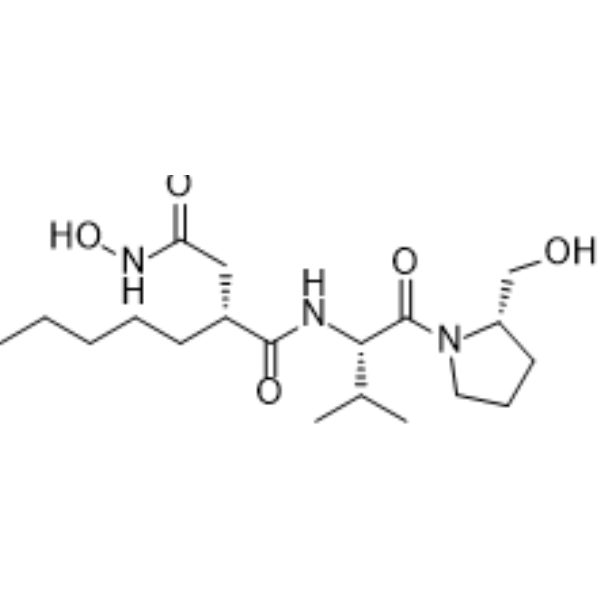
Actinonin ((-)-Actinonin) is a naturally occurring antibacterial agent produced by Actinomyces. Actinonin inhibits aminopeptidase M, aminopeptidase N and leucine aminopeptidase. Actinonin is a potent reversible peptide deformylase (PDF) inhibitor with a Ki of 0.28 nM. Actinonin also inhibits MMP-1, MMP-3, MMP-8, MMP-9, and hmeprin α with Ki values of 300 nM, 1,700 nM, 190 nM, 330 nM, and 20 nM, respectively. Actinonin is an apoptosis inducer. Actinonin has antiproliferative and antitumor activities .
loading...
    loading...
2
2 Cited Publications
Cat. No.: HY-P5712
CAS No.: 113-73-5
Synonyms: Gramicidin soviet
Research Areas:  

Infection

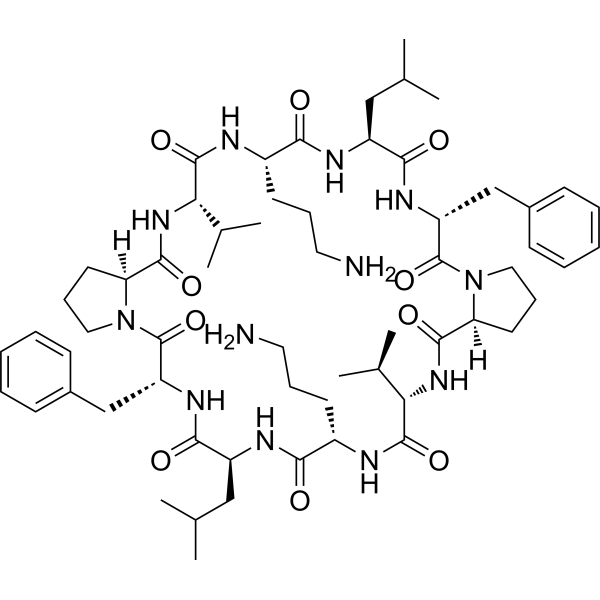
Gramicidin S (Gramicidin soviet) is a cationic cyclic peptide antibiotic that selectively targets bacterial cell membranes and has anticancer activity. Gramicidin S also exerts antibacterial activity by destroying membrane integrity and interfering with membrane protein function. Gramicidin S inserts into the phospholipid bilayer through hydrophobic amino acid residues, specifically binds to negatively charged membrane lipids and disrupts membrane structure, thereby inhibiting cell division and cell wall synthesis, and ultimately causing bacterial death. Gramicidin S also inhibits ion channels, with IC50s of 41 μM, 24 μM, and 3 μM for Na +/K +-ATPase, tobacco leaf plasma membrane Mg 2+/K +-ATPase, and rat heart plasma membrane Ca 2+-ATPase, respectively .
loading...
    loading...
2
2 Cited Publications
Cat. No.: HY-P1633
CAS No.: 168831-77-4
Synonyms: PG1
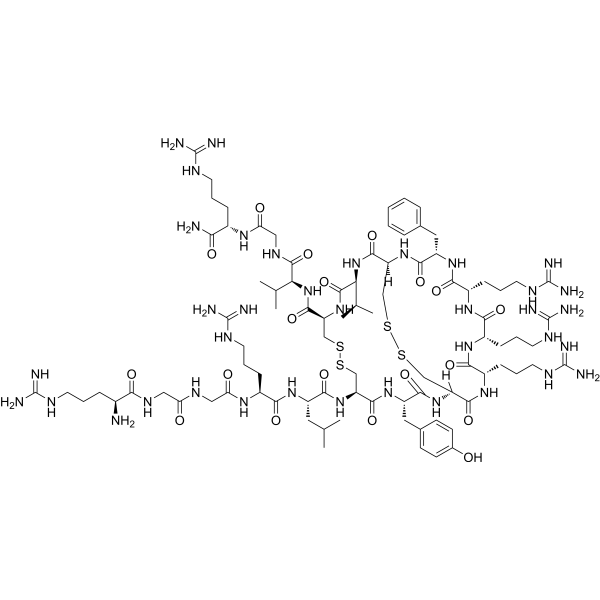
Protegrin-1 is an orally active antibacterial peptide. Protegrin-1 activates ERK, COX2, NFκB, inhibits Apoptosis, and NO production. Protegrin-1 has antibacterial activity against S. aureus, E. faecium, E. coli, P. aeruginosa and K. Pneumoniae, with MBC values between 10 and 20 µM. Protegrin-1 has antiviral activity against dengue NS2B-NS3. Protegrin-1 has anti-inflammatory activity. Protegrin-1 is used in the study of inflammatory diseases and infections .
loading...
    loading...
2
2 Cited Publications
Cat. No.: HY-P1259A
Target:  

Proteasome Bacterial

Research Areas:  

Inflammation/Immunology

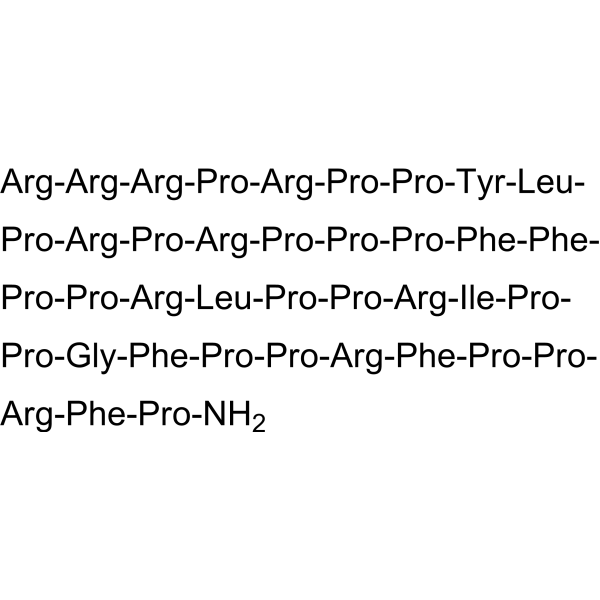
PR-39 TFA, a natural proline- and arginine-rich antibacterial peptide, is a noncompetitive, reversible and allosteric proteasome inhibitor. PR-39 TFAreversibly binds to the α7 subunit of the proteasome and blocks degradation of NF-κB inhibitor IκBα by the ubiquitin-proteasome pathway. PR-39 TFA stimulates angiogenesis, inhibits inflammatory responses and significant reduces myocardial infarct size in mice .
loading...
    loading...
2
2 Cited Publications
Cat. No.: HY-P5641
CAS No.: 190324-47-1
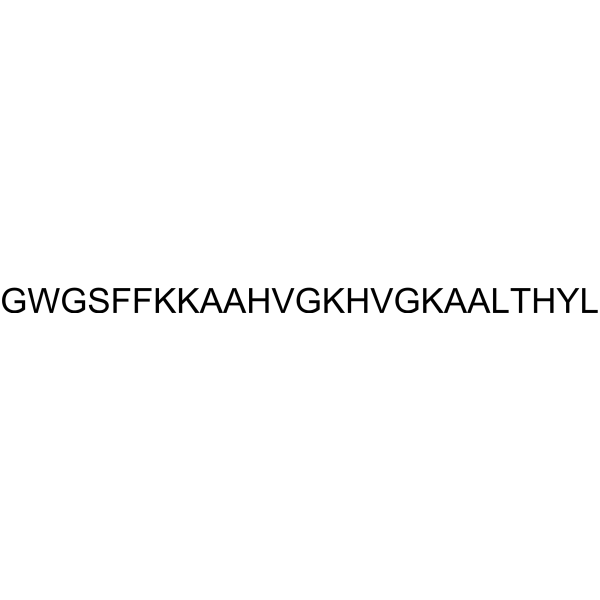
Pleurocidin is an Antimicrobial peptide. Pleurocidin is derived from the skin mucosa or intestinal secretions of Pseudopleuronectes americanus. Pleurocidin inhibits the expression of key proteins in the MAPK and NF-κB inflammatory signaling pathways. Pleurocidin alters serum inflammatory and immune cytokine levels, regulates the down-regulation of tight junction proteins, and modulates the intestinal flora. Pleurocidin exerts antibacterial activity by inducing bacterial membrane damage, hydroxyl radical formation, and NADH depletion, and also produces a synergistic effect with Antibiotics. Pleurocidin alleviates DSS-induced ulcerative colitis. Pleurocidin can be used for research on ulcerative colitis, bacterial infections, and bacterial biofilm-related infections .
loading...
    loading...
1
1 Cited Publications
Cat. No.: HY-P4855
CAS No.: 376364-36-2
Target:  

Bacterial TNF Receptor

Research Areas:  

Infection Inflammation/Immunology

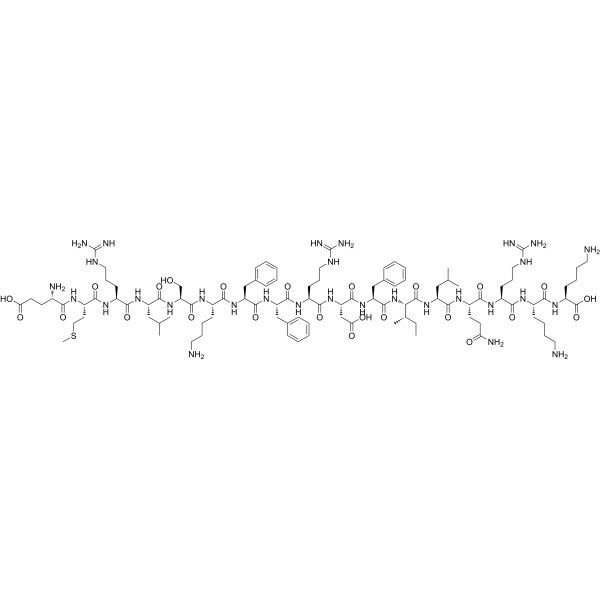
CRAMP (mouse) is an antibacterial peptide and a functional homolog of LL-37 . CRAMP (mouse) exhibits potent antibacterial activity against Gram-negative bacteria . The complex formed by CRAMP (mouse) and CpG can activate macrophages to secrete TNF-α . CRAMP (mouse) plays a key role in wound healing, immune regulation and maintenance of intestinal homeostasis .
loading...
    loading...
1
1 Cited Publications
Cat. No.: HY-P3459A
Target:  

Bacterial

Research Areas:  

Infection

Tet-213 TFA is a antimicrobial peptide. Tet-213 TFA has broad spectrum antibacterial activity. Tet-213 TFA can promote infected wound repair .
loading...
    loading...
1
1 Cited Publications
Cat. No.: HY-145307
CAS No.: 2891582-75-3
Purity:  99.50%
Target:  

Bacterial

Research Areas:  

Infection Inflammation/Immunology

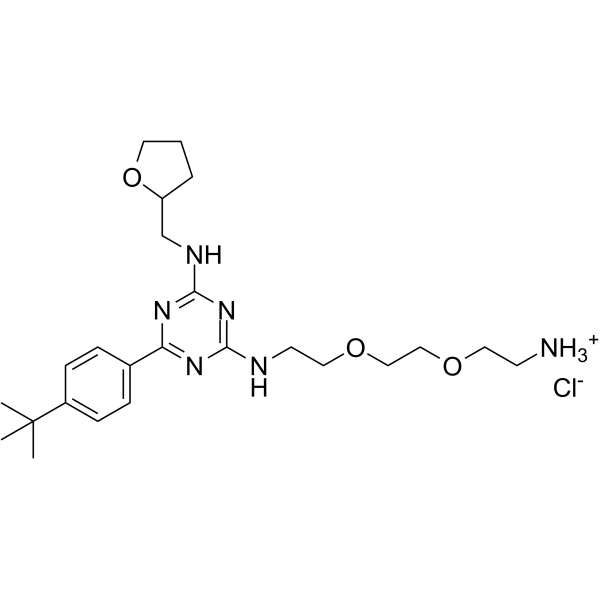
DATPT is a 12WLVSKF17 peptide-mimetic molecule. DATPT blocks the SNX9-p47phox interaction in the endosome and suppresses reactive oxygen species and inflammatory cytokine production. DATPT with anti-inflammatory and antibacterial functions has the potential for the research of sepsis .
loading...
    loading...
1
1 Cited Publications
Cat. No.: HY-P2454
CAS No.: 172889-49-5
Target:  

Bacterial

Research Areas:  

Infection

CSP1 is a potent and selective ComD1 receptor agonist, with an IC50 of 10.3 nM. CSP1 is a major variants of competence-stimulating peptide (CSP), and it can regulate genetic transformation of S. pneumonia by modulating quorum sensing (QS). CSP1 can act as an antibacterial agent .
loading...
    loading...
1
1 Cited Publications
Cat. No.: HY-126437A
CAS No.: 26124-78-7
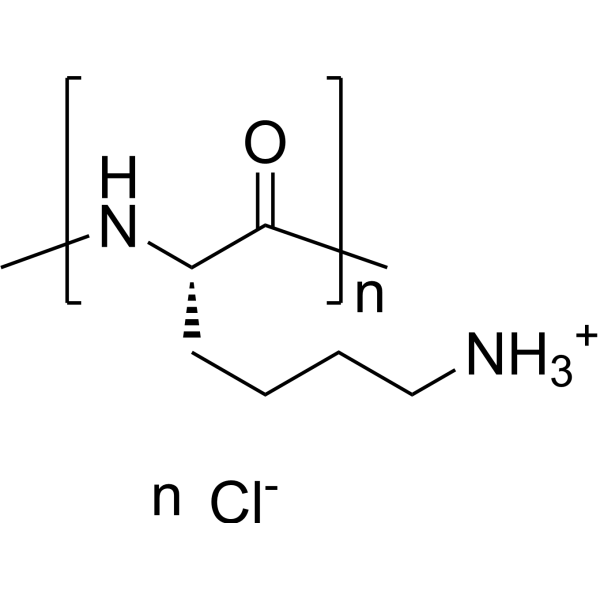
Poly-L-lysine hydrochloride is a nonspecific attachment factor for cells useful in promoting cell adhesion to solid substrates by enhancing electrostatic interaction between negatively charged ions of the cell membrane and the culture surface. Poly-L-lysine hydrochloride is a strong-attraction regulator that promotes liquid-liquid phase separation (LLPS) at low concentrations but suppresses LLPS at high concentrations. Antibacterial cationic peptide. .
loading...
    loading...
1
1 Cited Publications
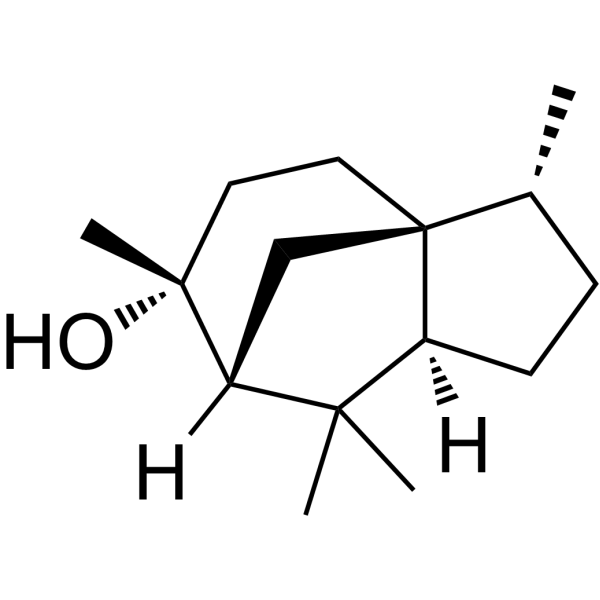
Cat. No.: HY-N2071
CAS No.: 77-53-2
Synonyms: (+)-Cedrol; α-Cedrol
Cedrol is a potent competitive inhibitor of cytochrome P-450(CYP) enzyme. Cedrol plays an anticancer role by inducing cell cycle arrest and Caspase-dependent apoptosis. Cedrol acts as a neutrophil agonist that can desensitize cells to subsequent stimulation of N-formyl peptides. Cedrol prevents neuropathic pain caused by chronic contractile injury by inhibiting oxidative stress and inflammation. In addition, Cedrol has antibacterial, hair loss prevention and anti-anxiety properties .
loading...
    loading...
Cat. No.: HY-W007056
CAS No.: 197632-75-0
Research Areas:  

Infection

Fmoc-N-me-Trp(Boc)-OH is an amino acid derivative with an Fmoc protecting group, which can be used to synthesize peptide antibiotics with antibacterial activity against Pseudomonas aeruginosa .
loading...
    loading...
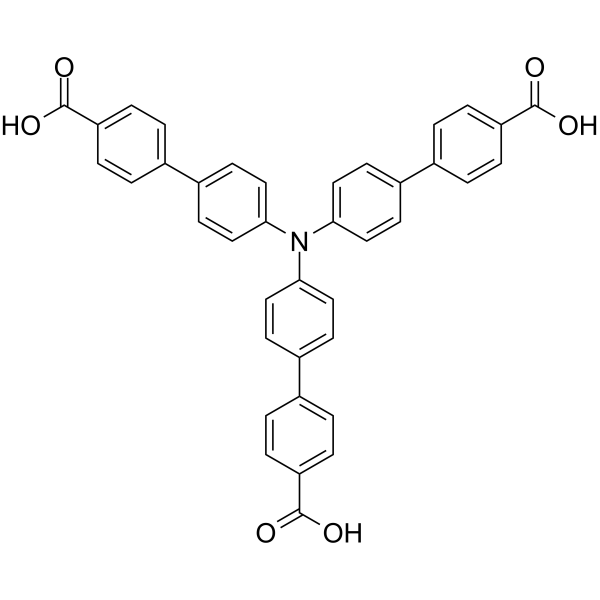
Cat. No.: HY-W074648
CAS No.: 1239602-35-7
Target:  

MOFs Bacterial

Research Areas:  

Infection

Antibacterial agent 18 is a multi-arm AIE molecule extracted from patent CN110123801A, compound 23. Antibacterial agent 18 can be used for resisting Gram-positive and Gram-negative bacteria. Antibacterial agent 18 can be conjugated in the cell wall of rigid arm configuration insertion bacterium, and block cell wall turns sugar and turns peptide process, to inhibit or kill bacterium .
loading...
    loading...
Cat. No.: HY-P3328A
Target:  

Bacterial

Research Areas:  

Infection

MDP1 acetate, a Melittin-derived peptide, alters the integrity of both Gram-positive and Gram-negative bacterial membranes and kills the bacteria via membrane damages. MDP1 acetate has a high-antibacterial activity against multidrug resistant (MDR) and reference strains of S. aureus, E. coli, and P. aeruginosa .
loading...
    loading...
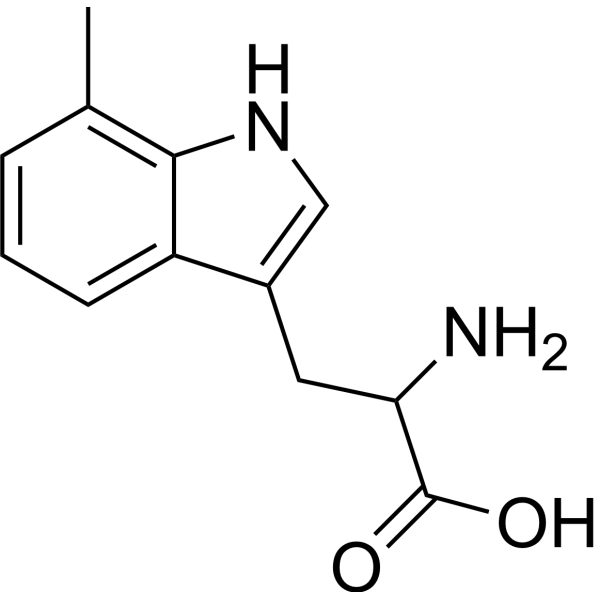
Cat. No.: HY-W142073
CAS No.: 17332-70-6
Synonyms: 7-Methyltryptophan
Research Areas:  

Infection

7-Methyl-DL-tryptophan (7-Methyltryptophan) is an amino acid derivative, which is a key precursor for biosynthesis of many non-ribosomal peptide antibiotics. 7-Methyl-DL-tryptophan plays an important role in synthesis of high-efficiency antibacterial agents and analogues thereof .
loading...
    loading...
Cat. No.: HY-P5714
CAS No.: 123997-18-2
Abaecin is an antibacterial response peptide. Abaecin shows specific activity against an Apidaecin-resistant Xanthomonas strain .
loading...
    loading...
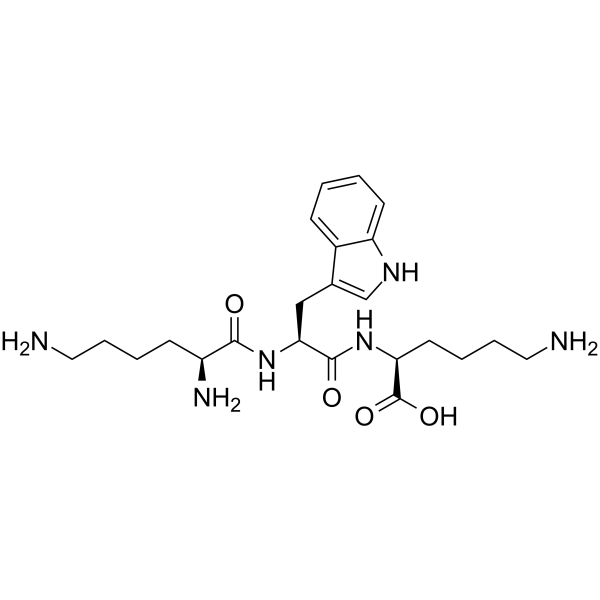
Cat. No.: HY-P1350
CAS No.: 38579-27-0
Target:  

Bacterial

Research Areas:  

Infection

H-Lys-Trp-Lys-OH is a small molecule peptide which displays antibacterial and antiviral activities extracted from patent CN 104072579 A, Compound AMP12.
loading...
    loading...
Cat. No.: HY-P2317
CAS No.: 125667-96-1
Research Areas:  

Infection

Cecropin P1, porcine is an antibacterial peptide that can be isolated from the upper part of the small intestine of the pig. Cecropin P1, porcine shows antibacterial activity against Gram-negative bacteria. Cecropin P1, porcine shows antiviral activity and inhibits PRRSV infection .
loading...
    loading...
Cat. No.: HY-P5710
CAS No.: 343593-45-3
Target:  

Bacterial

Research Areas:  

Infection

LCI peptide is an antimicrobial peptide with antibacterial activity. LCI peptide is active against plant pathogens, Xanthomonas and Pseudomonas, including E. coli, Gentamicin-resistant MRSA and Xoo .
loading...
    loading...
Cat. No.: HY-P11080
CAS No.: 1235497-90-1
Target:  

Bacterial

Research Areas:  

Infection

Oncocin is an antibacterial peptide. It belongs to proline-rich antimicrobial peptides (PrAMPs). Oncocin works against Gram-negative bacteria. It has MIC values of 0.125-8 μg/mL for 34 strains and clinical isolates of Enterobacteriaceae and nonfermenters. Oncocin binds to the substrate-binding domain of the chaperone DnaK. The binding has dissociation constants in the micromolar range. This binding causes protein misfolding and aggregation and the bacteria death .
loading...
    loading...

