



1. Search Result
Search Result
Results for "

B lymphocyte

" in MedChemExpress (MCE) Product Catalog:

95

Inhibitors & Agonists

2

Fluorescent Dye

2

Biochemical Assay Reagents

14

Peptides

29

Inhibitory Antibodies

15

Natural
Products

89

Recombinant Proteins

3

Isotope-Labeled Compounds

38

Antibodies

6

Oligonucleotides

Targets Recommended:
Cat. No. Product Name Target Research Areas Chemical Structure
  • HY-B0078
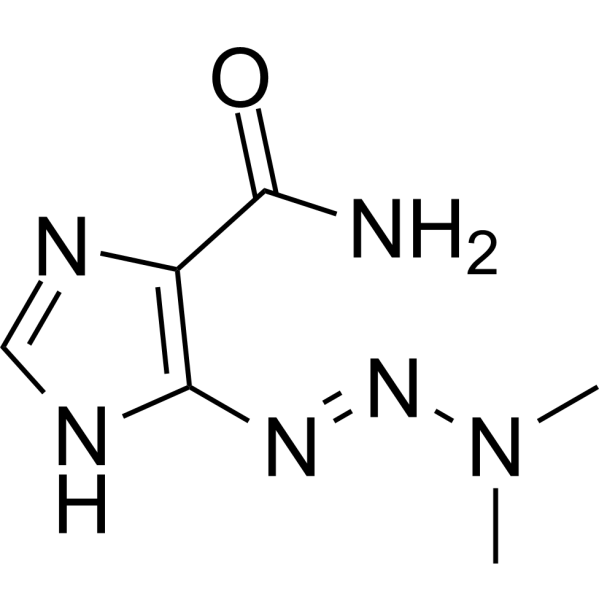
    Dacarbazine
    10+ Cited Publications

    Imidazole Carboxamide

    Nucleoside Antimetabolite/Analog Apoptosis Cancer
    Dacarbazine is a nonspecific antineoplastic (antineoplastic) alkylating agent. Dacarbazine inhibits T and B lymphocyte responses with IC50 of 50 and 10 μg/mL, respectively. Dacarbazine can be used in the study of metastatic malignant melanoma .
    Dacarbazine
  • HY-B0199
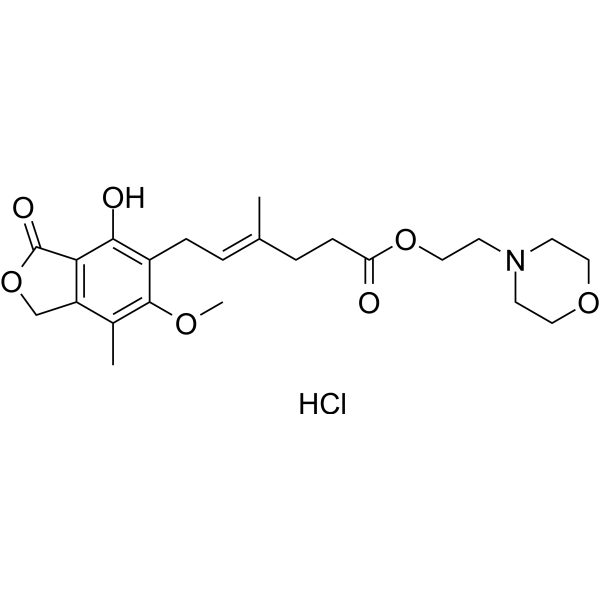
    Mycophenolate Mofetil
    10+ Cited Publications

    RS 61443; TM-MMF

    Drug Metabolite Apoptosis Endogenous Metabolite Bacterial Cancer
    Mycophenolate mofetil (RS 61443) is the morpholinoethylester proagent of Mycophenolic acid. Mycophenolate mofetil inhibits de novo purine synthesis via the inhibition of inosine monophosphate dehydrogenase (IMPDH). Mycophenolate mofetil shows selective lymphocyte antiproliferative effects involve both T and B cells, preventing antibody formation .
    Mycophenolate Mofetil
  • HY-P99568

    RC18

    TNF Receptor Inflammation/Immunology
    Telitacicept (RC18) is a fully human TACI-Fc fusion protein. Telitacicept is a dual B lymphocyte stimulator (BLyS)/APRIL (a proliferation-inducing ligand) inhibitor that effectively blocks proliferation of B lymphocytes. Telitacicept can be used in research of B-cell autoimmune disease . The component ratio of this product is Active ingredient : Excipients = 1: 0.5-1: 0.8.
    Telitacicept
  • HY-P9952
    Belimumab
    5 Publications Verification

    LymphoStat B

    TNF Receptor CD20 Inflammation/Immunology Cancer
    Belimumab (LymphoStat B) is a humanized IgG1λ monoclonal antibody against B-lymphocyte stimulator (BLyS) protein. Belimumab antagonizes BLyS activity in autoimmune diseases and B-lymphocyte malignancies. Belimumab can be used for systemic lupus erythematosus (SLE) research . The component ratio of this product is Active ingredient: Excipients = 1:1.0-1:1.2.
    Belimumab
  • HY-P9948

    Campath-IH

    Apoptosis Cancer
    Alemtuzumab (Campath-IH) is a humanized monoclonal antibody against CD52. Alemtuzumab does not cross-react with murine CD52. Alemtuzumab selectively targets the CD52 antigen to induce profound lymphocyte depletion, followed by recovery of T and B cells with regulatory phenotypes. Alemtuzumab is capable of complement-dependent cytotoxicity and antibody-dependent cell-mediated cytotoxicity (ADCC), as well as induction of apoptosis. Alemtuzumab has the potential for B-cell chronic lymphocytic leukaemia research .
    Alemtuzumab
  • HY-N0637
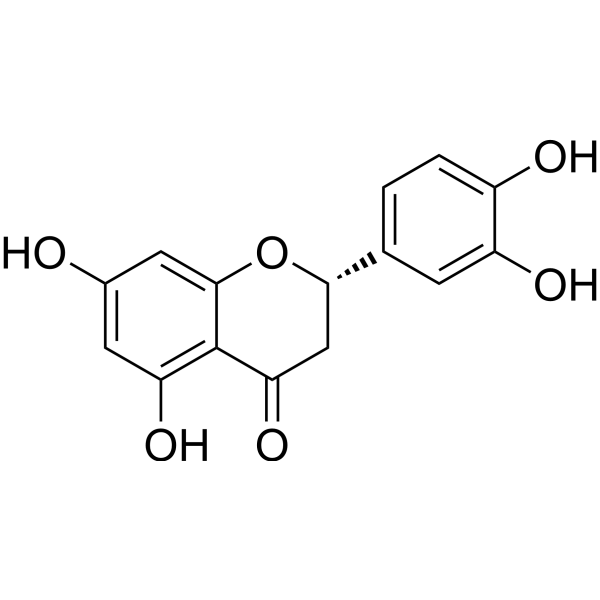
    Eriodictyol
    Maximum Cited Publications
    13 Publications Verification

    Huazhongilexone

    Melanocortin Receptor TRP Channel Infection Inflammation/Immunology
    Eriodictyol ((±)-Huazhongilexone; Dihydroluteolin) is an orally active TRPV1 receptor antagonist (IC50=44-47 nM, rTRPV1) with antioxidant and anti-inflammatory activities. Eriodictyol effectively inhibits lipid peroxidation and the release of proinflammatory cytokines by specifically antagonizing the TRPV1 receptor and activating the Nrf2 signaling pathway. Eriodictyol reduces the levels of ICAM-1, VEGF, eNOS and TNF-α in the retina and maintains the integrity of the blood-retinal barrier. Eriodictyol alleviates oxidative stress-induced apoptosis and hyperalgesia, enhances the activity and cytotoxicity of immune cells (such as B lymphocytes, NK cells and macrophages), and increases the levels of antioxidant enzymes simultaneously. Eriodictyol can be used in the research of diabetic retinopathy, acute lung injury and various pain-related diseases .
    Eriodictyol
  • HY-108831A
    Natalizumab (Anti-CD49d)
    3 Publications Verification

    AN100226; BG00002

    Integrin Inflammation/Immunology Cancer
    Natalizumab (Anti-CD49d) (AN100226; BG00002) Solution is a humanized monoclonal IgG4 antibody inhibitor that selectively targets α4 integrin (CD49d), blocking the interaction of integrins such as α4β1 (VLA-4) with vascular cell adhesion molecule VCAM-1, intercellular adhesion molecule ICAM-1, and fibronectin by competitively binding to the α4 subunit. Natalizumab solution inhibits the adhesion, retention, and transendothelial migration of immune cells (such as CD4 + T cells), reducing the infiltration of inflammatory cells into the central nervous system or lesion sites, thereby exerting anti-inflammatory and immunomodulatory activity. Natalizumab (Anti-CD49d) solution is used in the study of relapsing-remitting multiple sclerosis (RRMS) and is also applied in the research of autoimmune or inflammation-related diseases such as Crohn's disease, B-cell lymphoma, and non-infectious uveitis. Natalizumab (Anti-CD49d) can also prevent lymphocytes from entering the central nervous system, thus preventing acute demyelinating relapses .
    Natalizumab (Anti-CD49d)
  • HY-P99762
    Obrindatamab
    1 Publications Verification

    MGD009

    CD3 Cancer
    Obrindatamab is a humanized anti-B7-H3/CD3 bispecific antibody. Obrindatamab binds to B7-H3 and CD3, thereby mediating redirected cytotoxic T-lymphocyte (CTL) activity against B7-H3-expressing cancer cells. Obrindatamab can be used in research of cancer .
    Obrindatamab
  • HY-P9961

    GSK1841157; OMB-157

    CD20 Cancer
    Ofatumumab is a fully human anti-CD20 monoclonal antibody that induces antibody-dependent cell-mediated cytotoxicity (ADCC) and complement-dependent cytotoxicity (CDC) in CD20-expressing B lymphocytes. Ofatumumab has strong lytic activity against CD20-positive B lymphocytes and eliminates CD20-positive tumor cells through ADCC and CDC. Ofatumumab is particularly effective against drug-resistant cells with low CD20 expression and can be applied to the research of chronic lymphocytic leukemia (CLL) .
    Ofatumumab
  • HY-153084A
    CD19 CAR mRNA (Human)
    1 Publications Verification

    mRNA CD19 Cancer
    CD19 CAR mRNA (Human) expresses CAR protein that specifically targets human CD19. CD19 CAR mRNA can trigger transitory expression of CAR, allowing T cells to be targeted without permanent genetic modification. CD19 CAR mRNA targets CD19 which is a transmembrane glycoprotein primarily expressed on B lymphocytes and is important in B cell activation. CD19 CAR mRNA can be studied in cancer research such as lymphoma and leukemia .
    CD19 CAR mRNA (Human)
  • HY-B0199A

    RS 61443 hydrochloride; TM-MMF hydrochloride

    Interleukin Related Inflammation/Immunology
    Mycophenolate mofetil (RS 61443; TM-MMF) hydrochloride is an orally active antimetabolic immunosuppressant with antiproliferative and anti-inflammatory properties. Mycophenolate mofetil hydrochloride significantly inhibits the production of B, T lymphocytes and the proliferation of smooth muscle cells by selectively blocking the de novo purine synthesis pathway. Mycophenolate mofetil hydrochloride effectively reduces adventitial inflammation, medial necrosis and intimal thickening in rat aortic allografts, and decreases the number of lymphocytes expressing the IL-2 receptor, thereby delaying xenograft rejection. Mycophenolate mofetil hydrochloride shows certain toxicity in a hamster-to-rat limb xenotransplantation model when used in combination with FK506 (HY-13756). Mycophenolate mofetil hydrochloride is widely used in studies related to allograft arteriosclerosis (chronic rejection) .
    Mycophenolate mofetil hydrochloride
  • HY-N0637A

    (±)-Huazhongilexone; Dihydroluteolin

    Melanocortin Receptor TRP Channel Metabolic Disease
    (±)-Eriodictyol ((±)-Huazhongilexone; Dihydroluteolin) is an orally active TRPV1 receptor antagonist (IC50=44-47 nM, rTRPV1) with antioxidant and anti-inflammatory activities. (±)-Eriodictyol effectively inhibits lipid peroxidation and the release of proinflammatory cytokines by specifically antagonizing the TRPV1 receptor and activating the Nrf2 signaling pathway. (±)-Eriodictyol reduces the levels of ICAM-1, VEGF, eNOS and TNF-α in the retina and maintains the integrity of the blood-retinal barrier. (±)-Eriodictyol alleviates oxidative stress-induced apoptosis and hyperalgesia, enhances the activity and cytotoxicity of immune cells (such as B lymphocytes, NK cells and macrophages), and increases the levels of antioxidant enzymes simultaneously. (±)-Eriodictyol can be used in the research of diabetic retinopathy, acute lung injury and various pain-related diseases .
    (±)-Eriodictyol
  • HY-B1916
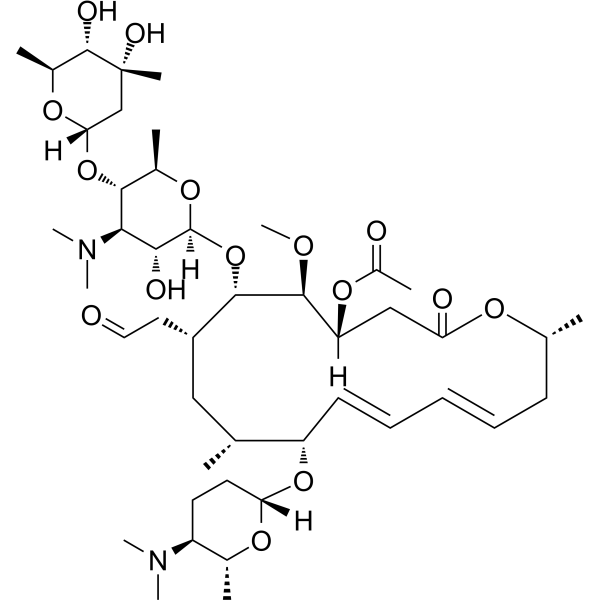
    Acetylspiramycin
    2 Publications Verification

    Spiramycin B; Spiramycin II; Foromacidin B

    Antibiotic Bacterial Parasite Infection
    Acetylspiramycin (Spiramycin B) is an effective oral macrolide antibiotic produced by Streptomyces, It can inhibit the splenic lymphocyte transformation induced by phytohemagglutinin (PHA), LPS (HY-D1056) and antigen, reduce the procoagulant activity of macrophages, have good antibacterial effect on gram-positive bacteria, and is also an effective antigenic insect agent, which can be used to fight parasitic infection .
    Acetylspiramycin
  • HY-N2424

    2-Phenyl-4-chromone

    CDK Apoptosis Caspase Cancer
    Flavone is an anti-tumor compound that targets cell cycle regulatory proteins (such as cyclin B1) and apoptosis-related factors (such as p21waf1, PIG3). Flavone selectively induces mitochondrial-mediated apoptosis pathways in tumor cells, inhibits cyclin B1 protein expression, upregulates p21waf1, and activates p63/p73 proteins. Flavone has immunomodulatory functions that enhance natural killer cell (NK cell) activity and lymphocyte proliferation. Flavone is used in cancer research, especially for its inhibitory potential in solid tumor models such as esophageal cancer and liver cancer .
    Flavone
  • HY-P99446

    TACI-Ig; TACI-Fc 5

    TNF Receptor Inflammation/Immunology
    Atacicept (TACI-Ig) is a is a recombinant fusion protein containing the extracellular, ligand-binding portion of the TACI receptor and the Fc portion of human IgG. Atacicept inhibits B cell stimulation by binding to B lymphocyte stimulator and a proliferation-inducing ligand. Atacicept can be used in research of B-cell autoimmune disease .
    Atacicept
  • HY-N6939
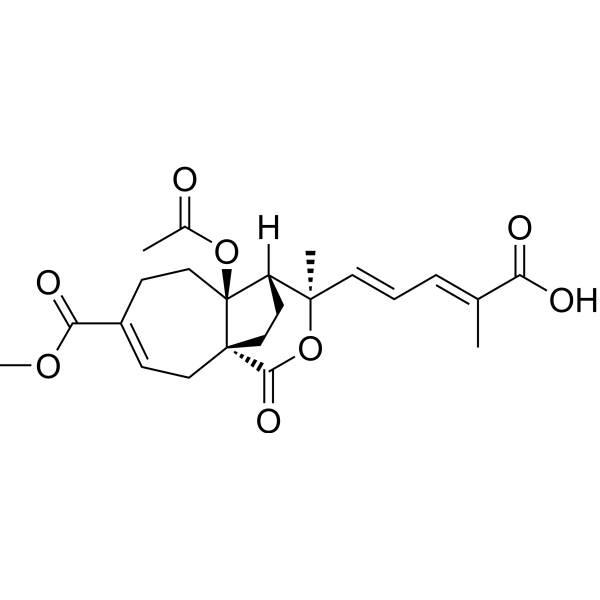
    Pseudolaric Acid B
    2 Publications Verification

    HBV Fungal Apoptosis Autophagy Ferroptosis Interleukin Related HIF/HIF Prolyl-Hydroxylase Infection Cardiovascular Disease Inflammation/Immunology Cancer
    Pseudolaric Acid B is an orally active diterpene acid. Pseudolaric Acid B has anti-fungal, anti-fertility, anti-angiogenesis and anticancer activity, and can induce tumor cell apoptosis and autophagy. In addition, Pseudolaric Acid B can inhibit the secretion of hepatitis B virus (HBV) and has immunosuppressive effect, selectively inhibiting the proliferation of T lymphocytes and the production of IL-2 .
    Pseudolaric Acid B
  • HY-150726
    ODN 1668
    1 Publications Verification

    Toll-like Receptor (TLR) Bacterial Infection Neurological Disease Inflammation/Immunology
    ODN 1668, a class B CpG ODN (oligodeoxynucleotide), is a TLR-9 agonist. ODN 1668 has strong immune regulatory properties, can enhance the level of antibody IgG2 subtype, promote the immune response of T cells and B cells, and can be used in the study of vaccine adjuvants. In addition, CpG ODN 1668 induces an antimicrobial immune response via a CaTLR9 dependent pathway in groupers. Sequence: 5'-tccatgacgttcctgatgct-3’ .
    ODN 1668
  • HY-150726C
    ODN 1668 sodium
    1 Publications Verification

    Toll-like Receptor (TLR) Bacterial Infection Neurological Disease Inflammation/Immunology
    ODN 1668 sodium, a class B CpG ODN (oligodeoxynucleotide), is a TLR-9 agonist. ODN 1668 sodium has strong immune regulatory properties, can enhance the level of antibody IgG2 subtype, promote the immune response of T cells and B cells, and can be used in the study of vaccine adjuvants. In addition, CpG ODN 1668 sodium induces an antimicrobial immune response via a CaTLR9 dependent pathway in groupers. Sequence: 5'-tccatgacgttcctgatgct-3’ .
    ODN 1668 sodium
  • HY-N7543

    HIV Endothelin Receptor Infection Metabolic Disease
    Schisantherin D is a lignan. Schisantherin D can be isolated from Kadsura interior. Schisantherin D downregulates the expression of ETBR and inhibits the secretion of ECM and ET-1. Schisantherin D alleviates EtOH + ET-1-induced hepatocyte cytotoxicity. Schisantherin D potently inhibits HIV replication in cells .
    Schisantherin D
  • HY-108831
    Natalizumab
    3 Publications Verification

    Integrin Inflammation/Immunology Cancer
    Natalizumab (AN100226; BG00002) is a humanized monoclonal IgG4 antibody inhibitor that selectively targets α4 integrin (CD49d). It blocks the interaction of integrins such as α4β1 (VLA-4) with vascular cell adhesion molecule VCAM-1, intercellular adhesion molecule ICAM-1, and fibronectin by competitively binding to the α4 subunit. Natalizumab inhibits the adhesion, retention, and transendothelial migration of immune cells (such as CD4 + T cells), reducing the infiltration of inflammatory cells into the central nervous system or lesion sites, thus exerting anti-inflammatory and immunomodulatory activity. Natalizumab is used in the study of relapsing-remitting multiple sclerosis (RRMS) and also has applications in the study of autoimmune or inflammation-related diseases such as Crohn's disease, B-cell lymphoma, and non-infectious uveitis. Natalizumab can also prevent lymphocytes from entering the central nervous system, thereby preventing acute demyelinating relapses .
    Natalizumab
  • HY-P99961

    JS004; Icatolimab

    CD28 Cancer
    Tifcemalimab (JS004; Icatolimab) is a humanized IgG4 monoclonal antibody against BTLA (B and T lymphocyte attenuator). By binding to BTLA, tifcemalimab blocks the interaction of HVEM-BTLA, thereby inhibiting the BTLA-mediated inhibitory signaling pathway. Tifcemalimab can be used in research related to squamous cell non-small cell lung cancer .
    Tifcemalimab
  • HY-P990690

    MEDI-5752

    PD-1/PD-L1 CTLA-4 Cancer
    Volrustomig (MEDI-5752) is a human IgG1 κ monoclonal antibody targeting CTLA4/PD1. The isotype control for Volrustomig is Human IgG1 kappa, Isotype Control (HY-P99001). Volrustomig anchors to the surface of T cells by binding PD-1, induces PD-1 internalization and degradation, and preferentially inhibits CTLA-4 on activated PD-1 + T cells. Volrustomig binds to tumor-infiltrating lymphocytes and a subset of PD-1 + B cells, enhances T cell function and IFNγ secretion. Volrustomig reduces the activation of non-tumor-infiltrating lymphocytes and exhibits manageable toxicity. Volrustomig can be used in research on various cancers, such as non-small cell lung cancer, gastric cancer, hepatobiliary cancer, and cervical cancer .
    Volrustomig
  • HY-B0199S

    Isotope-Labeled Compounds Interleukin Related Cancer
    Mycophenolate Mofetil-d4 is the deuterium labeled Mycophenolate Mofetil. Mycophenolate mofetil (RS 61443; TM-MMF) hydrochloride is an orally active antimetabolic immunosuppressant with antiproliferative and anti-inflammatory properties. Mycophenolate mofetil hydrochloride significantly inhibits the production of B, T lymphocytes and the proliferation of smooth muscle cells by selectively blocking the de novo purine synthesis pathway. Mycophenolate mofetil hydrochloride effectively reduces adventitial inflammation, medial necrosis and intimal thickening in rat aortic allografts, and decreases the number of lymphocytes expressing the IL-2 receptor, thereby delaying xenograft rejection. Mycophenolate mofetil hydrochloride shows certain toxicity in a hamster-to-rat limb xenotransplantation model when used in combination with FK506 (HY-13756). Mycophenolate mofetil hydrochloride is widely used in studies related to allograft arteriosclerosis (chronic rejection) .
    Mycophenolate Mofetil-d4
  • HY-173552

    Molecular Glues Histone Acetyltransferase BCL6 Cancer
    TCIP3 is a bivalent molecular glue with with dual binding to p300/CBP and BCL6. TCIP3 redirects p300 and CBP to activate programmed cell death genes normally repressed by the oncogenic driver, BCL6. TCIP3 can be used for the study of diffuse large B cell lymphomas (DLBCLs). TCIP3 exhibits no toxicity in non-transformed tonsillar lymphocytes or fibroblasts .
    TCIP3
  • HY-P99214

    KBPA101

    Bacterial Infection
    Panobacumab (KBPA101) is a fully human IgM/κ monoclonal antibody generated by immortalizing human B lymphocytes against the LPS O polysaccharide of serotype O11 of P. aeruginosa .
    Panobacumab
  • HY-NP188

    LEL (FITC)

    Fluorescent Dye Biochemical Assay Reagents Others
    Lycopersicon esculentum (Tomato) Lectin (FITC) is Lycopersicon esculentum (Tomato) Lectin (HY-NP071) labeled with FITC (HY-66019). Lycopersicon esculentum (Tomato) Lectin (FITC) binds to poly-N-acetyllactosamine oligosaccharides. Lycopersicon esculentum (Tomato) Lectin (FITC) is a major component of carbohydrates on the surface of endothelial and epithelial cells .
    Lycopersicon esculentum (Tomato) Lectin (FITC)
  • HY-113963

    Apoptosis Cancer
    Ac- IETD- CHO is a potent, reversible inhibitor of granzyme B and caspase-8. Ac- IETD- CHO inhibits Fas-mediated apoptotic cell death, hemorrhage, and liver failure. Ac- IETD- CHO also inhibits cytotoxic T lymphocytes induced cell death .
    Ac-​IETD-​CHO
  • HY-P990303

    Nuclear Factor of activated T Cells (NFAT) Others
    Anti-Mouse 2C TCR Antibody (1B2) is a mouse-derived IgG1 type antibody inhibitor, targeting to mouse 2C TCR. Anti-Mouse 2C TCR Antibody (1B2) recognizes determinants on the variable regions of both the α and β subunits of the TCR (T cell receptor) expressed by the mouse cytotoxic T lymphocyte clone 2C. Anti-Mouse 2C TCR Antibody (1B2) can be used for the detections of immunofluorescence and flow cytometry .
    Anti-Mouse 2C TCR Antibody (1B2)
  • HY-130581

    Bacterial Cardiovascular Disease Inflammation/Immunology
    Lipid X is a 2,3-diacylglucosamine-1-phosphate that serves as the monosaccharide precursor of lipid A, possessing both LPS antagonist and weak agonist activities. Lipid X exerts protective effects by inhibiting tumor necrosis factor production, monocyte procoagulant activity, and neutrophil priming. Lipid X may induce transient pulmonary hypertension, neutropenia, and mild pyrogenic effects in laboratory animals. Lipid X has low toxicity and no in vitro antibacterial activity, but it significantly reduces mortality following Gram-negative bacterial infection and endotoxin exposure. Lipid X tends to accumulate in liver tissue, binds to circulating cellular components, and can be converted to lipid Y through transesterification. Lipid X can be used in research on Gram-negative bacterial sepsis, endotoxemia, and associated pulmonary hypertension .
    Lipid X
  • HY-18164

    LPL Receptor Inflammation/Immunology
    TASP0277308 is a highly selective S1P1 antagonist. TASP0277308 possesses immunomodulatory activities, including lymphopenia, a block in T cell egress from the thymus, marginal zone B cell displacement, and the upregulation of CD69 expression on lymphocytes. TASP0277308 can be used for the research of collagen-induced arthritis in mice .
    TASP0277308
  • HY-P990759

    JNJ-75348780

    CD22 CD3 Inflammation/Immunology
    Rezetamig is a human bispecific antibody that recognizes the CD3 antigen on T-lymphocytes and the CD22 antigen on mature and malignant B-lymphocytes .
    Rezetamig
  • HY-P3742

    Tyrosinase MHC Cancer
    Tyrosinase (192-200), human mouse is a HLA-B*4403-restricted tyrosinase epitope with affinity for HLA-B4403 and HLA-B4402. Tyrosinase (192-200), human mouse binds to HLA-B*4403 to form a complex, which is recognized by the autologous cytotoxic T lymphocyte clone 22/31 derived from melanoma. Tyrosinase (192-200), human mouse binds to HLA-B4402 to form a complex, which is recognized by the CTL clone 329B/5 derived from healthy HLA-B4402 donors. Tyrosinase (192-200), human mouse is applicable to melanoma-related research .
    Tyrosinase (192-200), human mouse
  • HY-B0199R

    RS 61443 (Standard); TM-MMF (Standard)

    Reference Standards Interleukin Related Cancer
    Mycophenolate Mofetil (Standard) is the analytical standard of Mycophenolate Mofetil. This product is intended for research and analytical applications. Mycophenolate mofetil (RS 61443; TM-MMF) hydrochloride is an orally active antimetabolic immunosuppressant with antiproliferative and anti-inflammatory properties. Mycophenolate mofetil hydrochloride significantly inhibits the production of B, T lymphocytes and the proliferation of smooth muscle cells by selectively blocking the de novo purine synthesis pathway. Mycophenolate mofetil hydrochloride effectively reduces adventitial inflammation, medial necrosis and intimal thickening in rat aortic allografts, and decreases the number of lymphocytes expressing the IL-2 receptor, thereby delaying xenograft rejection. Mycophenolate mofetil hydrochloride shows certain toxicity in a hamster-to-rat limb xenotransplantation model when used in combination with FK506 (HY-13756). Mycophenolate mofetil hydrochloride is widely used in studies related to allograft arteriosclerosis (chronic rejection) .
    Mycophenolate Mofetil (Standard)
  • HY-123801

    GL-II-93

    GABA Receptor Inflammation/Immunology
    MIDD0301 (GL-II-93) is an orally available, active γ-aminobutyric acid type A receptor (GABAAR) inhibitor and anti-asthmatic agent. MIDD0301 exhibits biological and immunotoxicological safety in mice and does not affect the number of circulating lymphocytes, monocytes, and granulocytes. MIDD0301 has no significant adverse immune response at repeated doses, which is better than Prednisone (HY-B0214). MIDD0301 relaxes histamine-contracted guinea pig and human airway smooth muscle and is used in the study of bronchoconstrictive diseases .
    MIDD0301
  • HY-175022

    PROTACs IRAK Toll-like Receptor (TLR) Interleukin Related Inflammation/Immunology
    PROTAC IRAK4 degrader-13 (Degrader 1) is a selective IRAK4 PROTAC degrader with DC50s of 0.86 and 1.1 nM for monocytes and lymphocytes in PBMCs, respectively. PROTAC IRAK4 degrader-13 significantly induces TIR signal activation, and inhibits the expression of circulating proinflammatory cytokines in Imiquimod (HY-B0180) induced psoriasis mice model. PROTAC IRAK4 degrader-13 can be used for TLR- and IL-1R-driven driven neutrophilic inflammation diseases like hidradenitis suppurativa (HS) and atopic dermatitis (AD) research . Pink: IRAK4 ligand; Blue: E3 ligase ligand; Black: linker
    PROTAC IRAK4 degrader-13
  • HY-N9340

    HIV Infection
    Hypoglaunine D is an analogue of Triptonine B and acts as an anti-HIV compound. Hypoglaunine D inhibits HIV replication in H9 lymphocytes with an EC50 value of 22 μg/ml .
    Hypoglaunine D
  • HY-148663

    Tripalmitoyl pentapeptide

    MAPKAPK2 (MK2) Inflammation/Immunology
    Mitogenic Pentapeptide (Tripalmitoyl pentapeptide) is an effective activator of B lymphocyte mitogen and polyclonal. Mitogen Pentapeptide is a synthetic N-terminal analog of E. coli outer membrane lipoproteins. Mitogenic Pentapeptide can be used for the study of immune adjuvants .
    Mitogenic Pentapeptide
  • HY-120137

    Histone Methyltransferase Cancer
    CMP-5 is a potent, specific, and selective PRMT5 inhibitor, while displays no activity against PRMT1, PRMT4, and PRMT7 enzymes. CMP-5 selectively blocks S2Me-H4R3 by inhibiting PRMT5 methyltransferase activity on histone preparations. CMP-5 prevents Epstein-Barr virus (EBV)-driven B-lymphocyte transformation but leaving normal B cells unaffected .
    CMP-5
  • HY-20559

    Drug Intermediate Cancer
    4-Chloro-3-nitrobenzoic acid is a benzoic acid derivative and an important intermediate for the synthesis of anticancer agents. 4-Chloro-3-nitrobenzoic acid shows low cytotoxicity against HepG2, A549 and HeLa cancer cells in vitro (>10,000 μM). 4-Chloro-3-nitrobenzoic acid can block thymidine uptake and inhibit lymphocyte growth. 4-Chloro-3-nitrobenzoic acid serves as a ligand for Cu (II) complexes and is used in the preparation of 10H-pyrazino[2,3-b][1,4]benzothiazine derivatives .
    4-Chloro-3-nitrobenzoic acid
  • HY-P10851

    Apoptosis Inflammation/Immunology Cancer
    HVEM(14-39) is a B- and T-lymphocyte attenuator (BTLA) peptide inhibitor. HVEM (14-39) can be combined with BTLA with a KD of 0.102 μM. HVEM(14-39) enhances the activation and proliferation of T cells by regulating the expression of BTLA and HVEM in T cells, and promotes the transformation of cells into effector memory T cells. HVEM(14-39) inhibits tumor cell proliferation and promotes late apoptosis. HVEM(14-39) has immunomodulatory effects and can be used in the study of cancer .
    HVEM(14-39)
  • HY-118917

    IMPDH Inflammation/Immunology
    VX-148 is an orally active immunosuppressant, which is a non-competitive inosine-5'-monophosphate dehydrogenase (IMPDH) inhibitor with Ki values for IMPDH Ⅱ and IMPDH Ⅰ of 6 and 14 nM respectively. VX-148 can significantly inhibit the proliferation of human peripheral blood mononuclear cells (PBMC) stimulated by T-cell mitogen (PHA) or B-cell mitogen (SPAS). VX-148 has high selectivity for lymphocytes (such as L1210, Jurkat T cells, and Raji B cells), but has no significant toxicity to non-lymphoid cells. VX-148 can inhibit antibody responses in mouse models and significantly prolong the survival time of transplanted skin in allogeneic skin transplantation models. VX-148 can be used in the research of autoimmune diseases (such as rheumatoid arthritis, psoriasis) and organ transplantation anti-rejection .
    VX-148
  • HY-P990201

    L-Selectin Infection Metabolic Disease Inflammation/Immunology
    Anti-Mouse L-Selectin/CD62L Antibody (Mel-14) is an anti-mouse L-Selectin/CD62L IgG2a monoclonal antibody. Anti-Mouse L-Selectin/CD62L Antibody (Mel-14) can significantly inhibit the migration of T cells and B cells. Anti-Mouse L-Selectin/CD62L Antibody (Mel-14) can block initial lymphocyte homing. Anti-Mouse L-Selectin/CD62L Antibody (Mel-14) can be used for researches on inflammation, metabolic and infection conditions such as diabetes and parasitic infections .
    Anti-Mouse L-Selectin/CD62L Antibody (Mel-14)
  • HY-175604

    PD-1/PD-L1 Cancer
    SCL-1 is an orally active anti-PD-1/PD-L1 inhibitor. SCL-1 can inhibit PD-1/PD-L1 binding. SCL-1 increases T cells, B cells and natural killer cells. SCL-1 exerts strong tumor growth inhibitory effects that were mediated by effector T-cell induction inside tumors and the up-regulated expression of long non-coding RNAs as neoantigens leading to cytotoxic T lymphocyte activation. SCL-1 can be used for the research of cancer, such as triple-negative breast cancer .
    SCL-1
  • HY-117422

    11-Oxo-prosta-5Z,12E,14Z-trien-1-oic acid

    PPAR Cancer
    CAY10410 (11-Oxo-prosta-5Z), a 15d-PGJ2 analog, is a potent PPARγ agonist. CAY10410 has the ability to activate PPARγ in human B cells without killing B lymphocytes .
    CAY10410
  • HY-155681

    PD-1/PD-L1 Monoamine Oxidase Cancer
    SWS1 is a d-(+)-biotin-conjugated PD-L1 inhibitor (IC50: 1.8 nM) with anticancer activity. SWS1 can increase the number of tumor-infiltrating lymphocytes and exhibit anti-tumor efficacy in the B16-F10 mouse model (TGI=66.1%) .
    SWS1
  • HY-P10593

    Transmembrane Glycoprotein Influenza Virus Cancer
    Influenza A NP (383-391) (HLA-B27) is a peptide sequence derived from tetanus toxin. Influenza A NP (383-391) (HLA-B27) is a broadly immunogenic CD4+ T helper cell epitope that enhances CD8+ cytotoxic T lymphocyte (CTL) responses. Influenza A NP (383-391) (HLA-B27) can be used in breast cancer research .
    Influenza A NP (383-391) (HLA-B27)
  • HY-164670

    p38 MAPK MyD88 Inflammation/Immunology
    D228 is an orally active antiinflammatory agent. D228 reduces ConA induced T lymphocyte cell proliferation (IC50: 42.85 μM) and LPS induced B lymphocyte cell proliferation (IC50: 3.15 μM). D228 is effective against inflammatory bowel disease (IBD). D228 alleviates the DSS (HY-116282C)-induced inflammation response in the IBD model by downregulating the MyD88/TRAF6/p38 signaling .
    D228
  • HY-B0078R

    Imidazole Carboxamide (Standard)

    Apoptosis Nucleoside Antimetabolite/Analog Reference Standards Cancer
    Dacarbazine (Standard) is the analytical standard of Dacarbazine. This product is intended for research and analytical applications. Dacarbazine is a nonspecific antineoplastic (antineoplastic) alkylating agent. Dacarbazine inhibits T and B lymphocyte responses with IC50 of 50 and 10 μg/mL, respectively. Dacarbazine can be used in the study of metastatic malignant melanoma .
    Dacarbazine (Standard)
  • HY-B0199AS

    RS 61443-d4 hydrochloride; TM-MMF-d4 hydrochloride

    Isotope-Labeled Compounds Interleukin Related Cancer
    Mycophenolate Mofetil-d4 hydrochloride is deuterated labeled Mycophenolate mofetil hydrochloride (HY-B0199A). Mycophenolate mofetil (RS 61443; TM-MMF) hydrochloride is an orally active antimetabolic immunosuppressant with antiproliferative and anti-inflammatory properties. Mycophenolate mofetil hydrochloride significantly inhibits the production of B, T lymphocytes and the proliferation of smooth muscle cells by selectively blocking the de novo purine synthesis pathway. Mycophenolate mofetil hydrochloride effectively reduces adventitial inflammation, medial necrosis and intimal thickening in rat aortic allografts, and decreases the number of lymphocytes expressing the IL-2 receptor, thereby delaying xenograft rejection. Mycophenolate mofetil hydrochloride shows certain toxicity in a hamster-to-rat limb xenotransplantation model when used in combination with FK506 (HY-13756). Mycophenolate mofetil hydrochloride is widely used in studies related to allograft arteriosclerosis (chronic rejection) .
    Mycophenolate Mofetil-d4 hydrochloride
  • HY-174761

    mRNA Inflammation/Immunology
    Human CCL21 mRNA encodes the human C-C motif chemokine ligand 21 (CCL21) protein, a chemokine that can inhibit hemopoiesis and stimulate chemotaxis. CCL21 is chemotactic in vitro for thymocytes and activated T cells, but not for B cells, macrophages, or neutrophils. It may also play a role in mediating homing of lymphocytes to secondary lymphoid organs.
    Human CCL21 mRNA

Inquiry Online

Your information is safe with us. * Required Fields.

Salutation


Country or Region *

Applicant Name *


Organization Name *

Department *


Email Address *


Product Name *

Cat. No.


Requested quantity *

Phone Number *


Remarks

Inquiry Online

Inquiry Information

Product Name:
Cat. No.:
Quantity:
MCE Japan Authorized Agent:

